From over 100,000 films, discover the handful you'll love.
Free or premium access to the world's largest documentary library.
3995 films(Page 27 of 84)
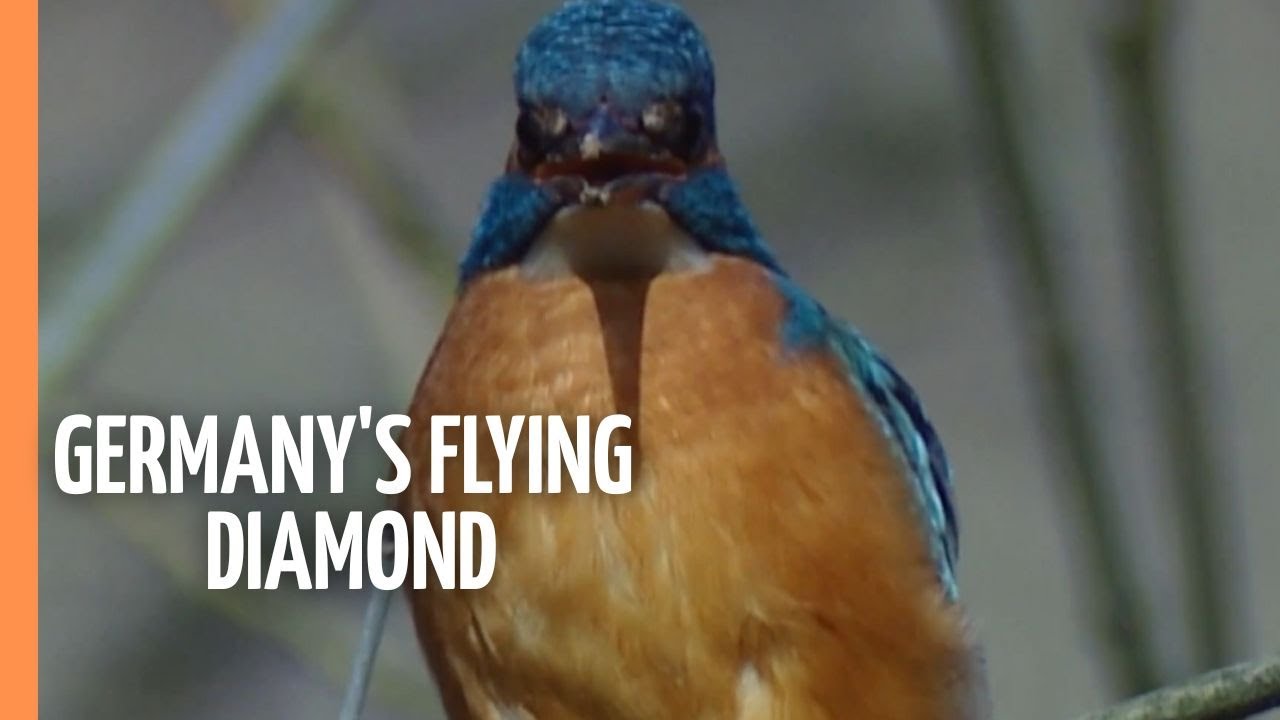
A kingfisher can dive at speeds of up to 40 miles per hour while hunting along a tributary of the Rhine in Germany.
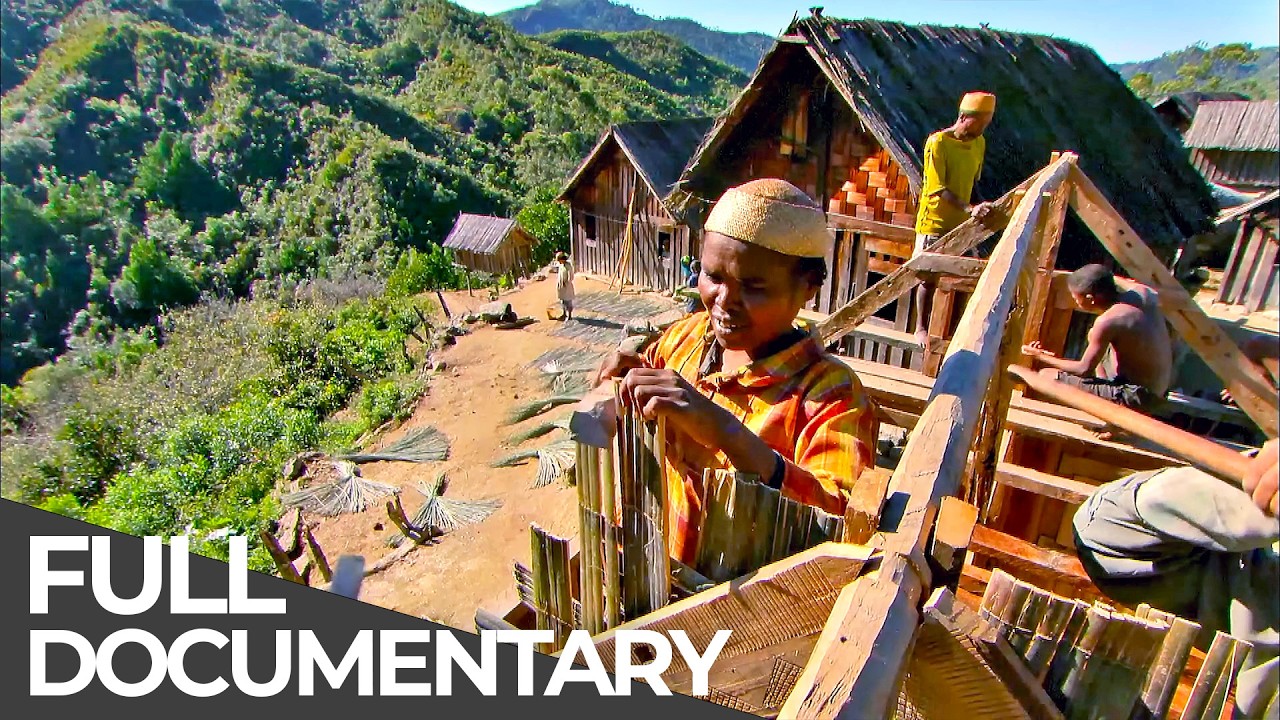
The Zafimaniry of Madagascar are master craftsmen known for their intricate woodcrafting skills.
Every animal, including humans, possesses a sense of rhythm influenced by the Circadian rhythm, which governs the 24-hour cycle of day and night.
Only 7,000 cheetahs remain in the wild, a drastic decline from 100,000 a century ago, largely due to human hunting and habitat destruction.
Every living creature, from frogs to blue whales, relies on unique adaptations in their "clothing" for survival, showcasing nature's diverse designs and functional solutions.
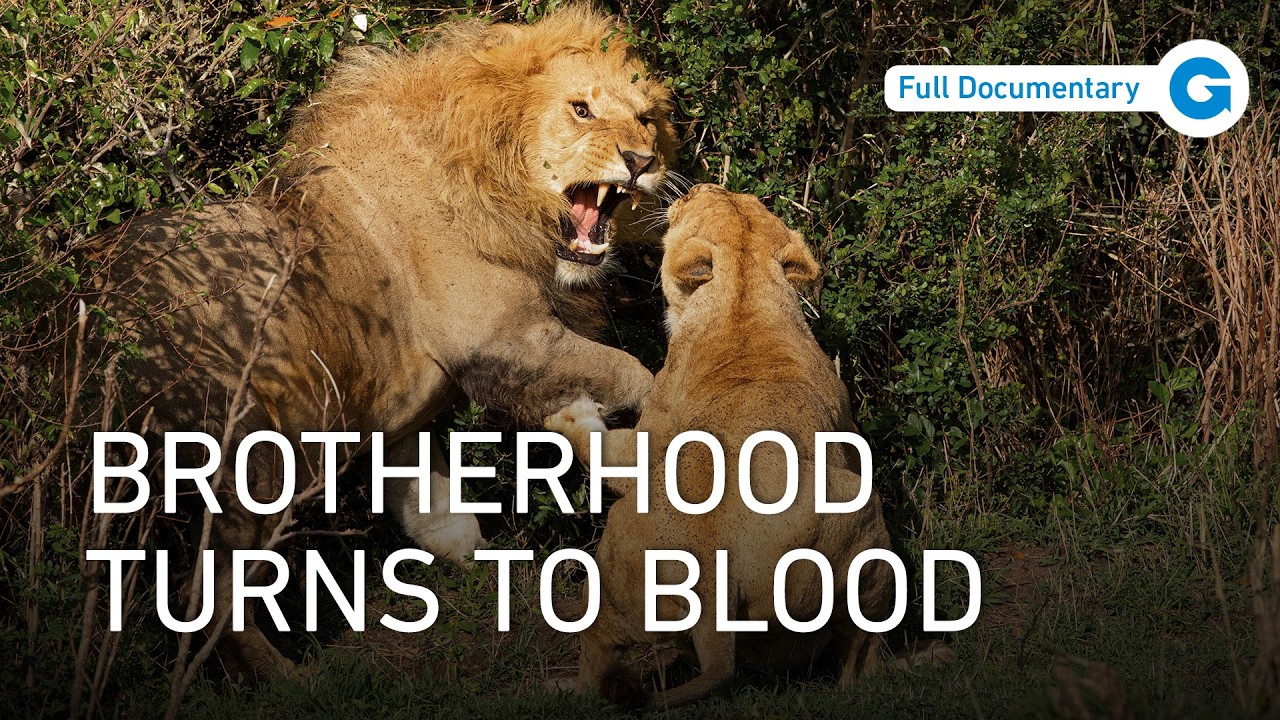
Five male lions patrol their territory in the Masai Mara, facing hunger and violence as they navigate complex family dynamics and hunting challenges.
Matsalu National Park hosts an exceptionally large moose colony thriving in rich wetlands.
Three young fire salamanders are born in the Leine Valley, where European bison have lived since 1928 and mute swans perform elaborate courtship rituals.
Koalas eat leaves from fewer than 50 of the over 700 eucalyptus species, relying on these trees for their survival in Australian forests.
Animals across North America engage in intense battles over food and mating rights, showcasing the fierce competition within the animal kingdom.
Three great oceans meet around Antarctica, where sea lions hunt macaroni penguins, revealing their harsh reality as predators in a frozen habitat.
In eastern Siberia, a Canadian experiment involving Muskox is revealing insights into their reintroduction and the discovery of the Nickolai Mammoth.
In the Maasai Mara National Reserve, the dynamics of predator and prey unfold during the great wildebeest migration, showcasing Kenya's rich wildlife ecosystem.
Maternal instinct is a universal phenomenon influencing motherhood today and its challenges.
One male gannet fights for his nesting territory, risking fatal injury in a struggle that lasts over an hour against an aggressive intruder.
Healthy desert elephants roam for up to 10,000 km a year in search of food in the Namib Desert's harsh environment.
A military training area in Germany, spanning 40,000 football pitches, has become a sanctuary for rare wildlife, including large herds of fallow deer.
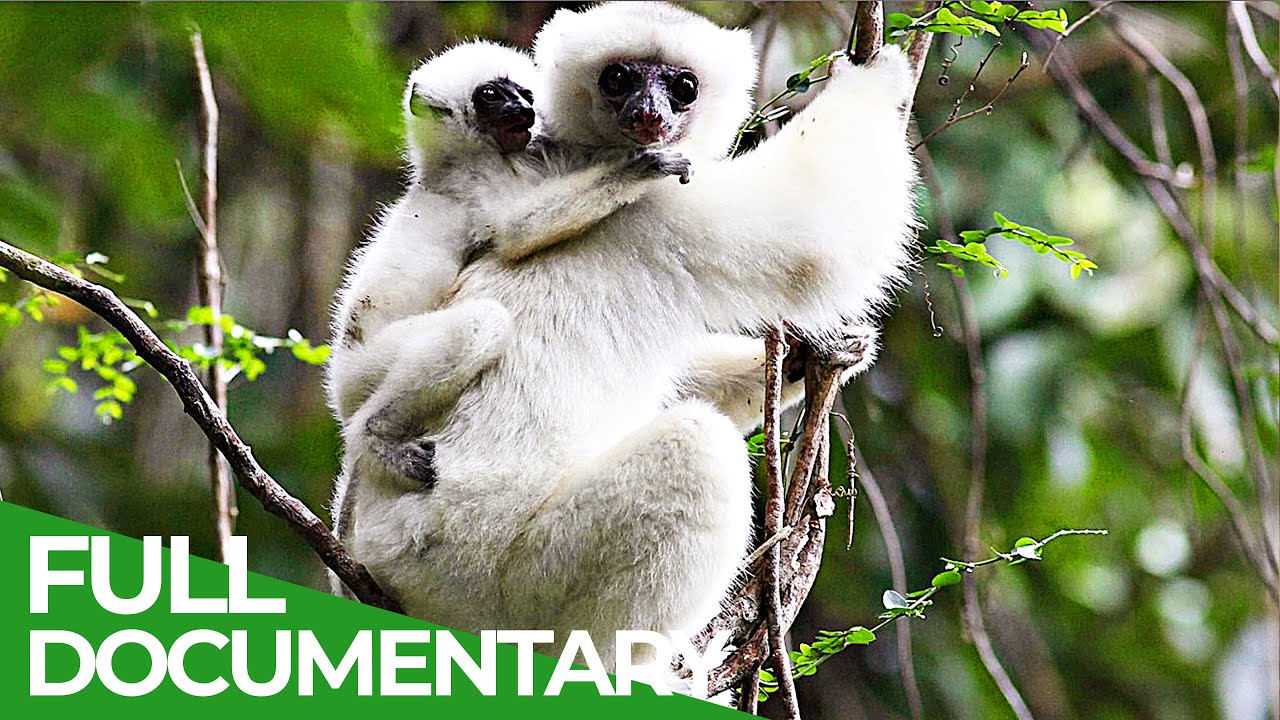
In north-eastern Madagascar, an American primatologist and a Malagasy conservationist work to protect the critically endangered Silky Sifakas from illegal logging threats.
Nocturnal animals have evolved unique adaptations to thrive in darkness, allowing them to evade predators and efficiently share resources in their habitats.
In central Europe, scientists monitor the rare lynx, while conservationists in Africa protect lowland gorillas and manatees in Florida, highlighting global efforts to save endangered species.
Celebrating 20 years of the acclaimed series, this compilation highlights iconic moments from the BBC's Planet Earth, narrated by David Attenborough.
Brazil's Atlantic Forest, a global biodiversity hotspot, is explored through its unique wildlife and the challenges faced by endangered species in Serra do Mar State Park.
Humans have always been fascinated by the giants of nature, from tigers to polar bears.
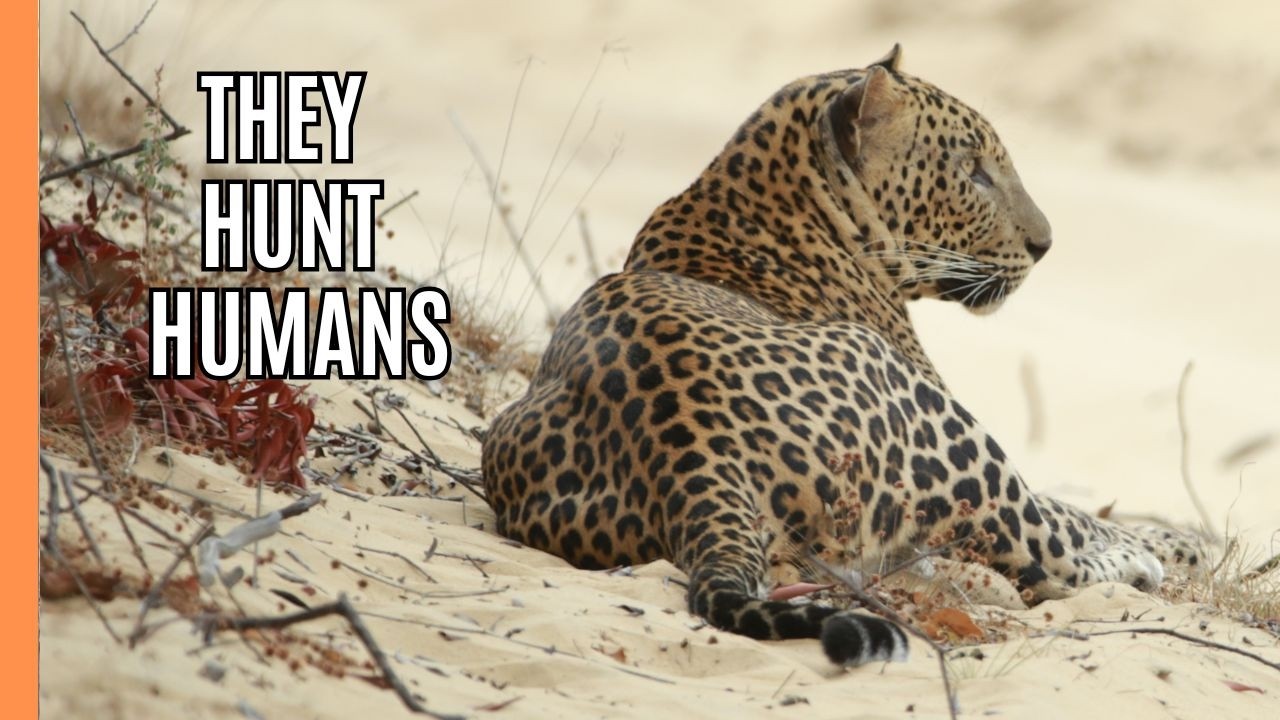
A leopard killed over 20 people in the village of Punani during the 1920s, marking Sri Lanka's first known case of a man-eater.
Parque Natural do Sudoeste Alentejano e Costa Vicentina, a protected coastal region in southwest Portugal, features diverse ecosystems and rich wildlife, remaining largely untouched by tourism.
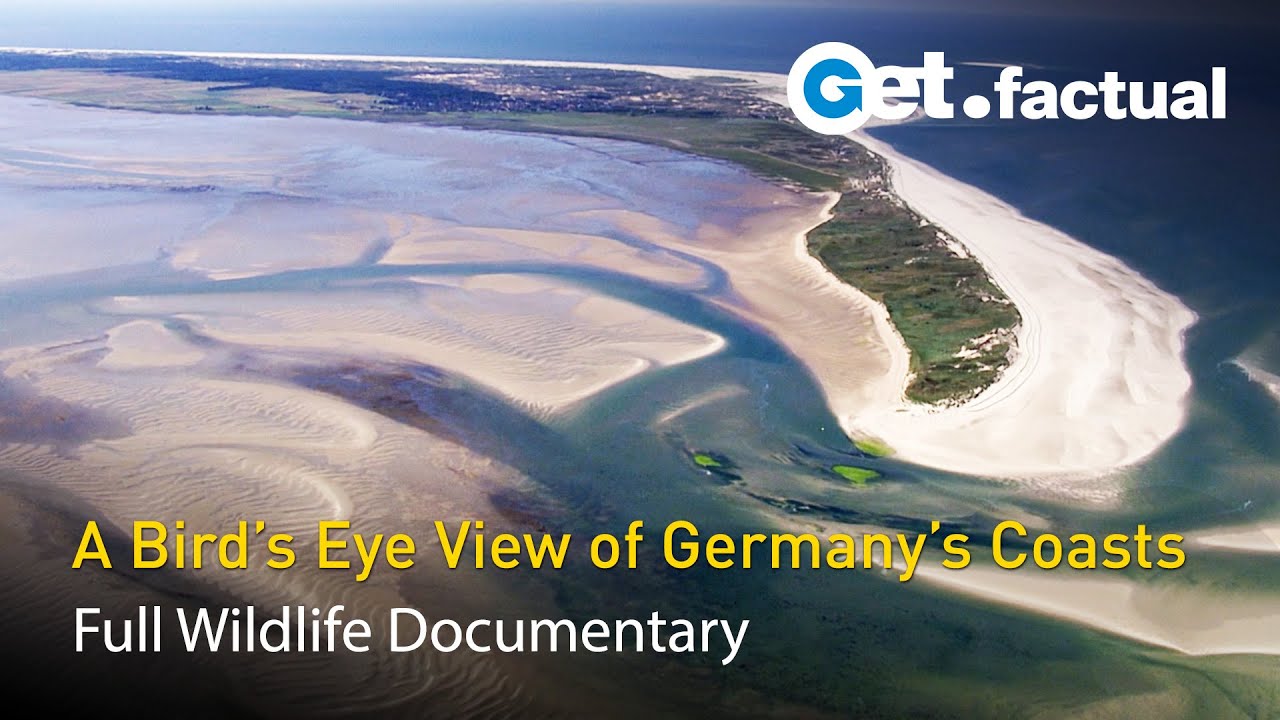
2,400 kilometers of coastline along the North and Baltic Seas host diverse wildlife, including seals, seabirds, and migratory birds.
Invasive species like raccoons, Asian tiger mosquitoes, and hogweed threaten native ecosystems, prompting investigations into their impact and control measures.
Around 25 million square kilometers of sea ice will gradually disappear during the summer thaw, revealing islands that support diverse Arctic wildlife.
Koalas, iconic to the Australian East Coast, are showcased in their natural habitat, highlighting their unique ecosystem and laid-back lifestyle.
Yellowstone National Park, established in 1872, is home to grey wolves, grizzly bears, bison, and antelope across its vast landscapes and ecosystems.
In various natural and domestic settings, a wide range of adorable baby animals exhibit playful behaviors and interactions that highlight their charm.
Xavier, a French ornithologist, explores Ecuador's diverse ecosystems, including the Andes mountains and the Amazon Basin, in search of new wildlife species.
In Jamaica, the American Crocodile faces habitat loss due to construction and hunting, prompting efforts to preserve its cultural heritage and ensure its survival.
Over 100,000 people live in 50 nearby villages, putting pressure on the Arabuko forest, the last habitat of the endangered elephant shrew in Kenya.
Jacqueline Ripart searches for Genghis Khan's horses in Kyrgyzstan's Tien Chan mountains.
Christine Wilkinson studies large carnivores like spotted hyenas in Kenya, while Rüdiger Ortiz-Álvarez records soundscapes in the Canary Islands.
17,500 feet is the altitude where Sadie Quarrier faced challenges while selecting impactful photographs for National Geographic's annual issue.
In the wild, newborn predators like cheetah cubs and baby wasps employ unique survival strategies to navigate the challenges of their environments.
Herds of reindeer wander from valleys to plateaus in Norway during the summer months.
Thousands of herring are driven to the surface by killer whales, creating a feeding frenzy that attracts seabirds and other marine life.
The Nile River, originating in Rwanda's Nyongu National Park, supports diverse wildlife while facing threats from poaching and invasive species.
Manny Puig faces life-threatening encounters with venomous snakes in Florida's marshlands while searching for the elusive Python and battling a dangerous bite.
Six months is the time it takes for oricou parents to build a cozy cradle for their rare baby, lined with down and stolen hairs from carcasses.
Australia's diverse ecosystems, from the Outback to ancient rainforests, host unique wildlife such as red kangaroos, cassowaries, and the duck-billed platypus.
Dams in the Bishes Land cover about 2% of the region, transforming rivers into still bodies of water and creating new habitats for various species.
As winter fades, spring brings a vibrant renewal across ecosystems, featuring monarch butterflies in Mexico, beavers, and humpback whales off Newfoundland.
Kenya has over 50 national parks and game reserves, providing essential habitats for wildlife such as elephants, leopards, and rhinoceroses.
Mountain animals, including Golden Eagles and various Wild Sheep, exhibit unique survival adaptations to thrive in harsh alpine environments.