From over 100,000 films, discover the handful you'll love.
Free or premium access to the world's largest documentary library.
3994 films(Page 51 of 84)
Singapore's hidden wilderness features a diverse array of wildlife, including the flying colugo, wild boars, saltwater crocodiles, and smooth-coated otters.
In the Mediterranean mountain ecosystems of Italy, Golden Eagles and Short-toed Eagles face challenges in survival and reproduction amid human threats.
A mixed flock of greater blue-eared and cape glossies is observed during a live safari broadcast from the Maasai Mara.
In the Maasai Mara, experts guide a live safari experience, showcasing wildlife such as lions, elephants, and buffalo while engaging with audiences on social media.
Three young bears, including polar, brown, and sloth bears, navigate their habitats while learning survival skills from their mothers over three years.
A male leopard stalks a warthog in the Maasai Mara, while expert guides provide live commentary on the wildlife and ecosystem.
In Kruger National Park, South Africa, Taylor McCurdy and David guide a live safari, showcasing real-time wildlife sightings and engaging with viewers via social media.
In Singapore, nearly 30,000 animal species thrive in urban environments, including banded bullfrogs, predatory mantises, and rare forest ants, often unnoticed by residents.
Chiribiquete, a remote region in Colombia's Amazon, features prehistoric towers, waterfalls, and diverse ecosystems that host a significant portion of the world's species.
Two male lions are spotted cuddling under a fig tree in the Mara Triangle, as live coverage captures the wildlife of the African safari.
Deserts present extreme climates that challenge wildlife, showcasing their remarkable adaptations for survival in harsh environments.
A live broadcast from the Maasai Mara features lions, elephants, and buffalo, with expert guides providing real-time commentary and audience interaction.
Andreas Kieling travels to Indonesia, Canada, and Rwanda to film endangered species like the Komodo Dragon, emphasizing the critical need for conservation.
Byron and Taylor guide viewers through a live safari in the Maasai Mara, searching for wildlife such as leopards and insects while encouraging audience interaction.
A young male steenbok roams the open plains of Juma during a live broadcast of an African safari, engaging with the surrounding wildlife.
The Amazon Rainforest hosts the world's most diverse array of plant and animal species, highlighting the fragile interdependence between wildlife and their environment.
Cyril Chauquet and crab fisherman Derek navigate the Gulf of Mexico in search of the elusive monster barracuda, encountering diverse marine life along the way.
New Zealand's Poor Knights Islands serve as a vibrant habitat for diverse marine life, showcasing unique interactions among species like orcas, seals, and crayfish.
In the forests of Finland, Sweden, and Norway, brown bear mothers give birth to cubs during winter, showcasing their early life and interactions with other wildlife.
Over 2 million square kilometers of the Arabian Peninsula are covered by harsh desert, home to more than 500 different vertebrate species.
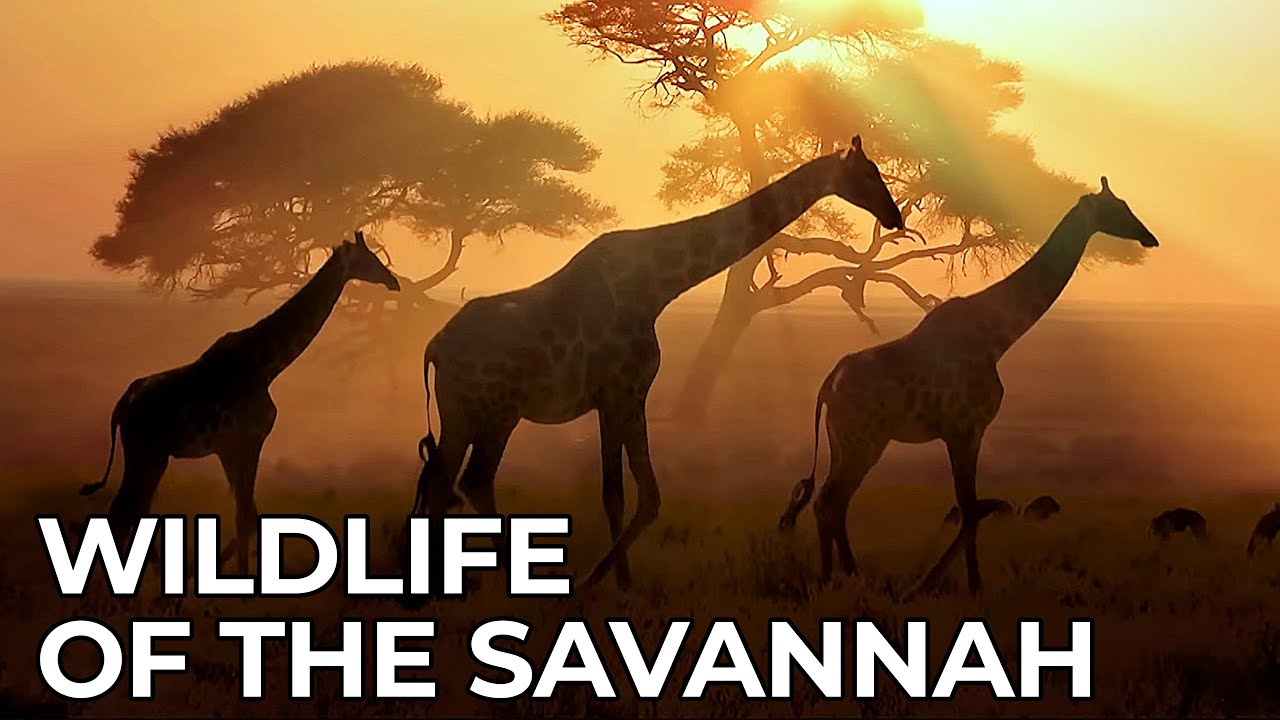
The African savannah spans nearly 13 million square kilometers and is home to iconic species such as lions, elephants, and giraffes.
In Lopburi, Thailand, local residents celebrate long-tailed macaques with an annual buffet, while exploring the unique behaviors of primates, big cats, and birds.
Illegal logging, a multi-billion dollar global industry, is scrutinized by Alexander von Bismarck of the Environmental Investigation Agency to promote ethical practices.
In the Amazon, Mariana van Zeller investigates the criminal networks responsible for a series of murders and the illegal destruction of the rainforest.
30% of global seafood is caught illegally, generating a black market worth over $20 billion and threatening marine ecosystems worldwide.
Shark Alarm reveals rising fear among Australian locals after recent shark attacks.
Dozens of species in Kenya's caves create an environment where viruses can spread, posing a risk for future global pandemics.
Since 2010, Western Australia's coastline has experienced 64 shark attacks, prompting investigations into the causes behind this alarming trend.
By the end of 2024, around 500 cases of orcas attacking sailboats had been recorded off the coasts of Spain and Portugal, with 20% causing severe damage.
A panel at the National Geographic Explorers Festival discusses the growing reliance on plastics and the need for innovative solutions to address pollution.
The number of all birds in Europe has plummeted by around 420 million since 1990, a decrease of twenty percent.
A recent UN report stated that one million species are threatened with extinction, including 60% of all large mammals and a significant number of plants.
Over the past 30 years, almost half of Cameroon's wildlife has disappeared due to poaching and habitat loss, prompting urgent conservation efforts.
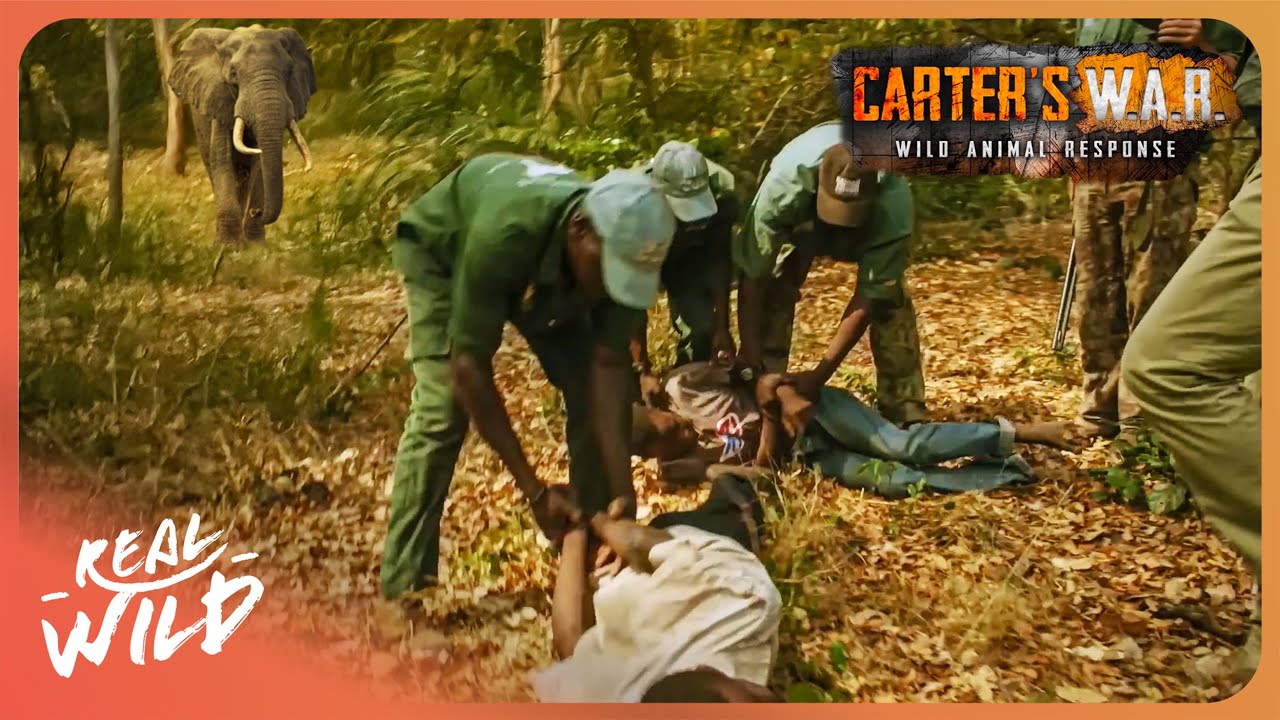
In Mozambique, investigator Ivan Carter collaborates with Mark Haldane's anti-poaching unit to combat the billion-dollar black market for elephant tusks.
Colombia's Amazon has lost 39 million hectares of native forests, prompting military efforts to combat illegal logging and protect the environment.
Orangutans are expected to become extinct in the wild within 50 years due to the illegal poaching industry that thrives on their capture and sale.
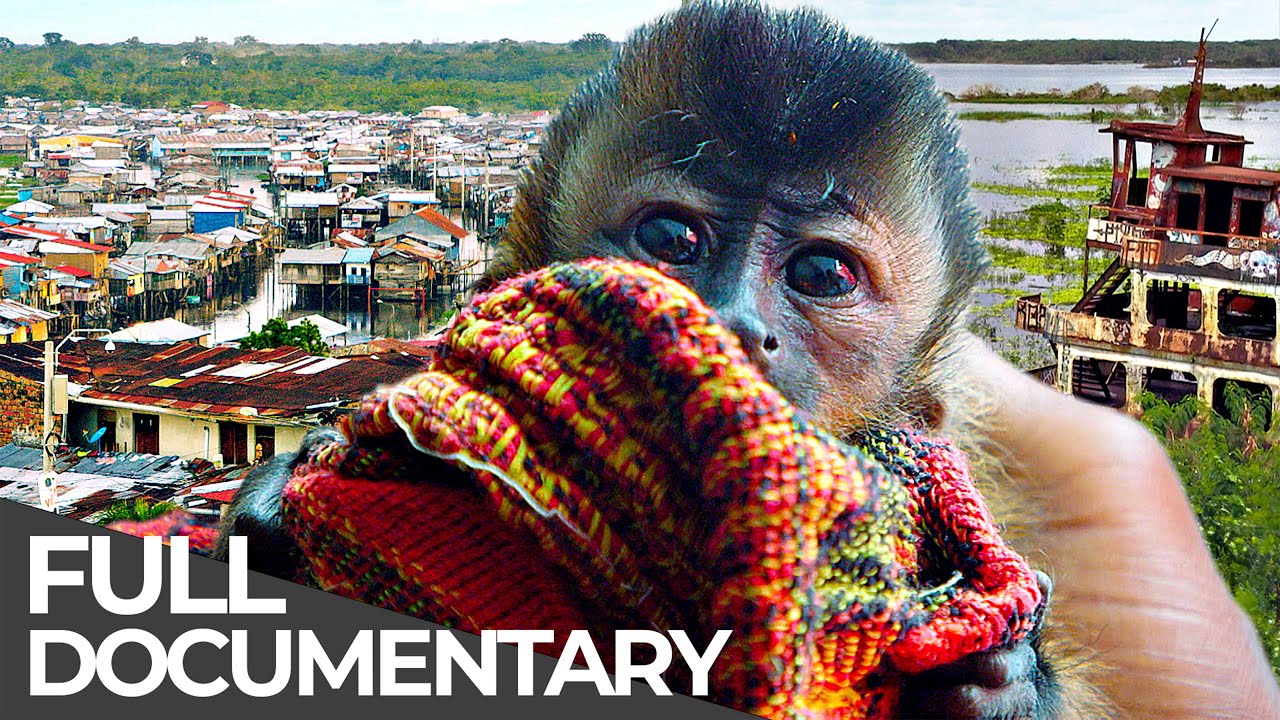
Krishnan Guru-Murthy reveals Peru's animal smugglers and Venezuela's drug crisis in this documentary.
Only 5,000 rhinos remain in Africa, as conservation efforts often lead to the displacement of local communities for the benefit of wildlife tourism.
Three experts discuss how the COVID-19 outbreak began in a wildlife market in China and its impact on human health and wildlife conservation.
The Colombian Army fights illegal gold mining to protect biodiversity and restore order.
Explorers Festival on June 17, 2017, hosted by , featured discussions on future exploration of Mars and the ocean with experts like Colonel Chris Hadfield and Sylvia Earle.
Malaika Vaz goes undercover in 2018, posing as a fish trader to investigate the illegal manta ray black market across India, China, and Nepal.
Christian Cooper discusses his passion for bird-watching, his experience with racism in Central Park, and his advocacy for inclusivity in the birding community.
Illegal wildlife trade thrives on social media platforms, endangering species in Malaysia and undermining global conservation efforts.
Öland faces a crisis as moose calves die shortly after birth, prompting expert investigation.
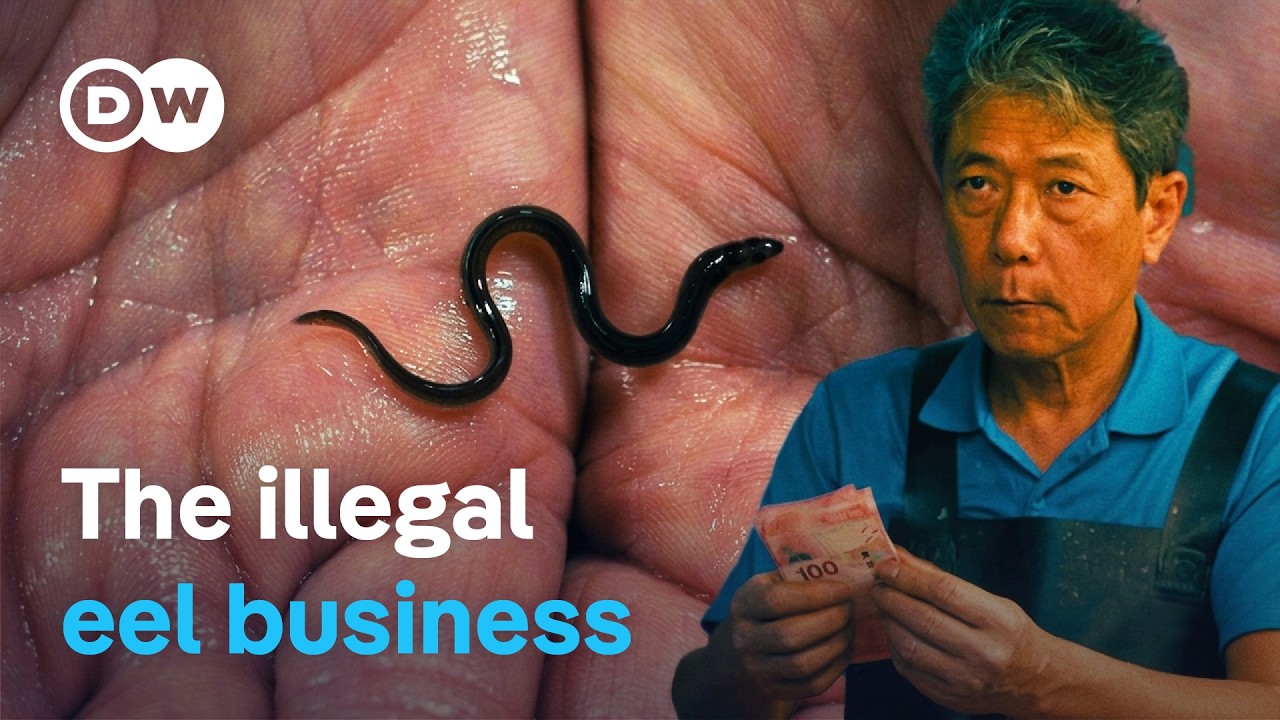
The critically endangered European eel is at the center of a multi-billion-dollar illegal trade linked to organized crime and the assassination of Haitian President Jovenel Moïse.
One of the main suppliers of reptile skins to luxury fashion houses is Indonesia, where farmers often catch snakes in deforested areas.