From over 100,000 films, discover the handful you'll love.
Free or premium access to the world's largest documentary library.
3995 films(Page 60 of 84)
In 1788, British mariner John Meares named the Olympic Mountains in northwest Washington after Mount Olympus due to their striking, snow-capped peaks.
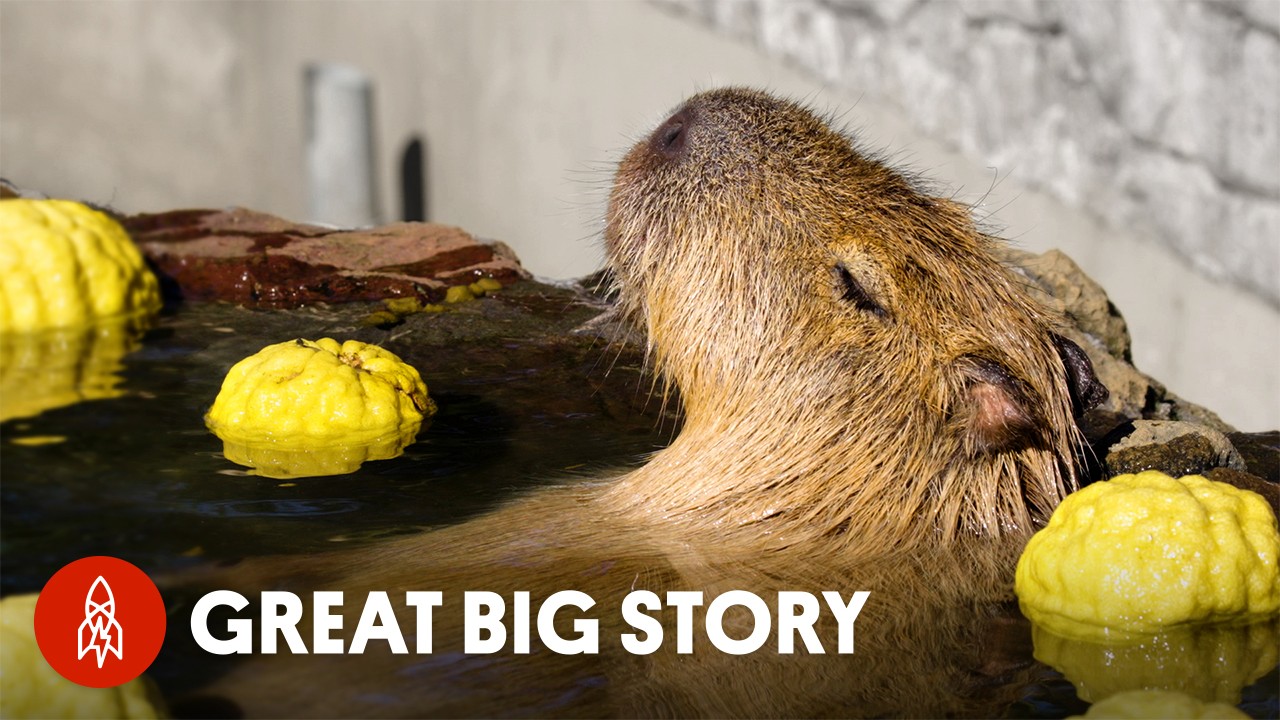
Capybaras, the largest rodent, enjoy a pampered life in Japan's Izu Shaboten Zoo.
Seven pride lands in the Aavango Delta are each as large as Manhattan, where lions defend their territory against intruders.
These insects have munched through Smithsonian specimens for over 70 years, aiding decomposition.
Female fire salamanders use a fountain in Heidelberg to give birth while evading male toads.
The wild pigs of the Bahamas swim and adapt to island life in surprising ways.
Rajan, the lion-tailed macaque, leads his troop into danger for food in this episode.
Yunnan province in China reveals 76 Lufengosaurus specimens from the Jurassic era.
Over 90% of hyacinth macaw nests are located inside the hollows of manduvi trees, where the birds dig out their cozy shelters.
Costa Rica's river anole exhibits a unique ability to produce bubbles while submerged, challenging previous assumptions about its underwater behavior.
Scientist Ross Piper captures rare butterflies in Burma to highlight habitat preservation needs.
A bacterium called Jive may help combat the chytrid fungus threatening amphibian populations by causing the fungus to swim away from infected salamanders.
Logging and fishing companies have plundered the Solomon Islands, endangering unique species and altering the role of scientists into advocates for conservation.
Martha, the last passenger pigeon, died at 1:00 p.m. on September 1, 1914, marking a definitive moment in the history of extinction.
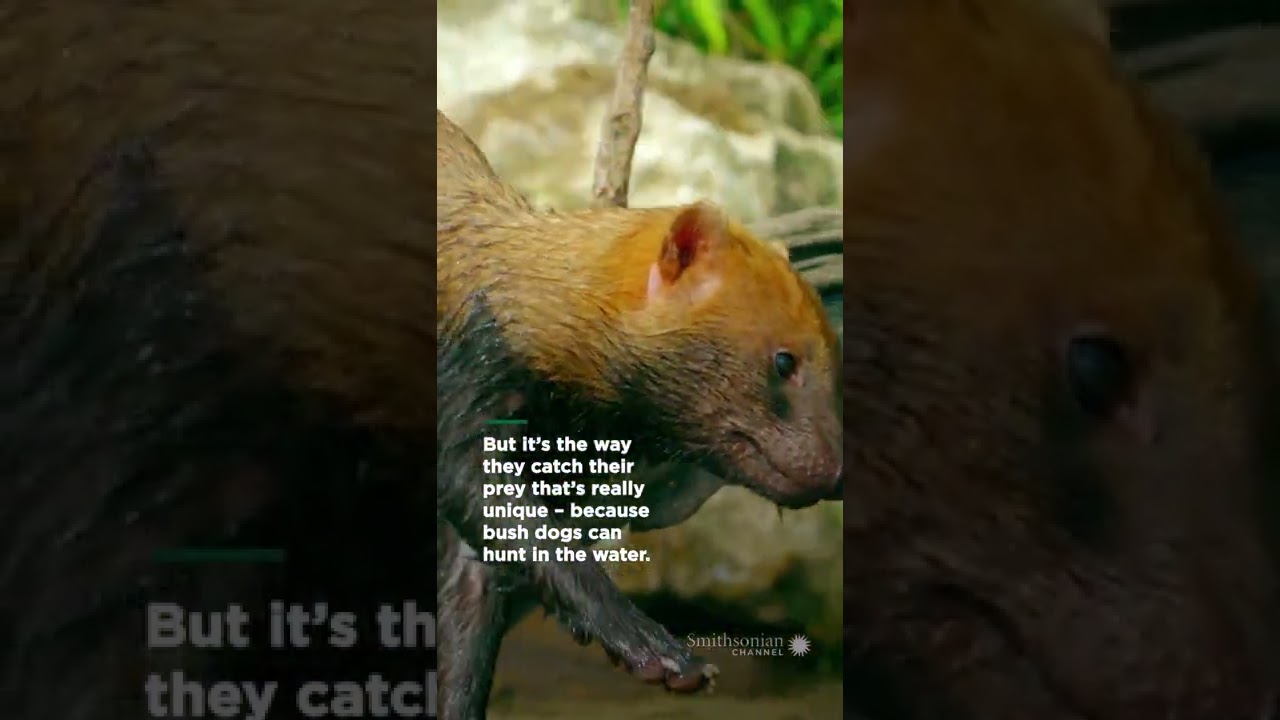
Bush dogs hunt in water and live in groups, showcasing unique social behaviors.
10 million straw-coloured fruit bats gather in a half square mile in Zambia, consuming over a billion waterberries during their migration.
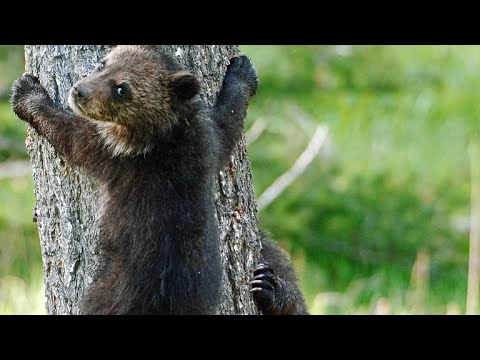
Quad mom, a celebrated bear in Yellowstone National Park, plays a crucial role in the ecosystem and the recovery of the bear population after being endangered.
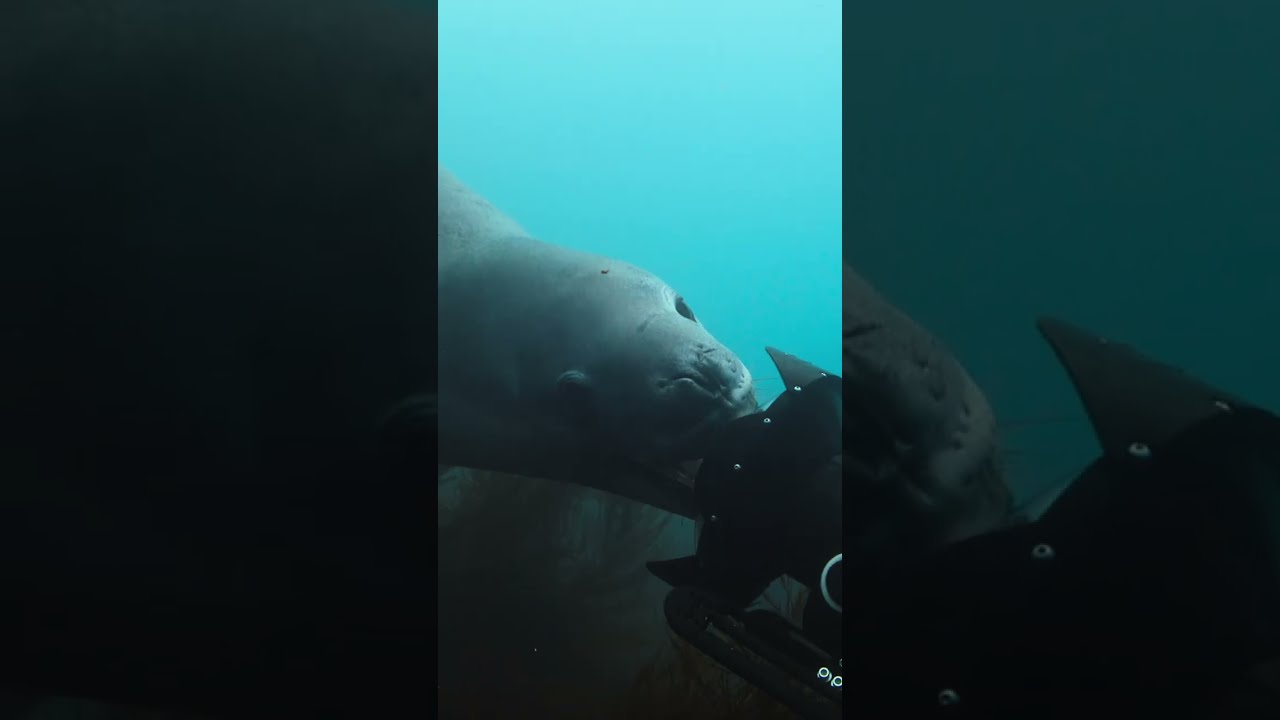
In Antarctica, a leopard seal showcases its impressive size and playful nature, prompting discussions about the potential dangers of close encounters with humans.
John Gurche creates life-like sculptures of early ancestors for Smithsonian Spotlight: Human Origins.
A full-grown dunkleosteus measured more than 25 feet long and weighed over three tons, making it a dominant predator in ancient oceans.
The angel's trumpet flower, like Fort Knox, stores nectar deep within its foot-long structure.
Migrating elephants gather at a clearing for minerals and reunions in Wild India.
Wolfgang Dittus studies macaques in Sri Lanka, revealing their social structures and behaviors.
Forrest Galante travels to Stream Island to study Walking Sharks and highlight the importance of marine conservation and biodiversity.
Meet the Malabar Pit Viper, a snake that disappears into the forest and strikes with deadly venom.
Burmese pythons, released into the wild by pet owners, have become an invasive species threatening the ecosystem of the Everglades in Florida.
A female golden dart frog seeks a mate while her toxin coating poses a deadly threat.
Young tiger Kumal is captivated by a female tiger signaling her interest through urine.
Check out the life-size titanoboa replica coming to the Smithsonian Institution Traveling Exhibition Service.
The titanoboa, a prehistoric monster snake, could swallow prey whole, even motorcycles.
Carlos Jaramillo discusses Titanoboa and fossil discoveries at the Smithsonian Tropical Research Institute.
The video discusses what a titanoboa would eat at the National Zoo today.
Titanoboa, the largest snake in history, is humorously depicted in a song by a crocodile character, blending entertainment with facts about its size and predatory nature.
A 48-foot prehistoric snake, Titanoboa, killed by constriction with a pressure of 400 pounds per square inch, challenges the Tyrannosaurus rex in a hypothetical battle.
The Barcode of Life initiative aims to catalog plant and animal species to enhance medical research and promote biodiversity conservation.
Colossal Biosciences aims to bring back the woolly mammoth as part of a larger effort to restore ecosystems impacted by human activity.
Untamed Romania showcases the country's remarkable natural beauty and diverse wildlife.
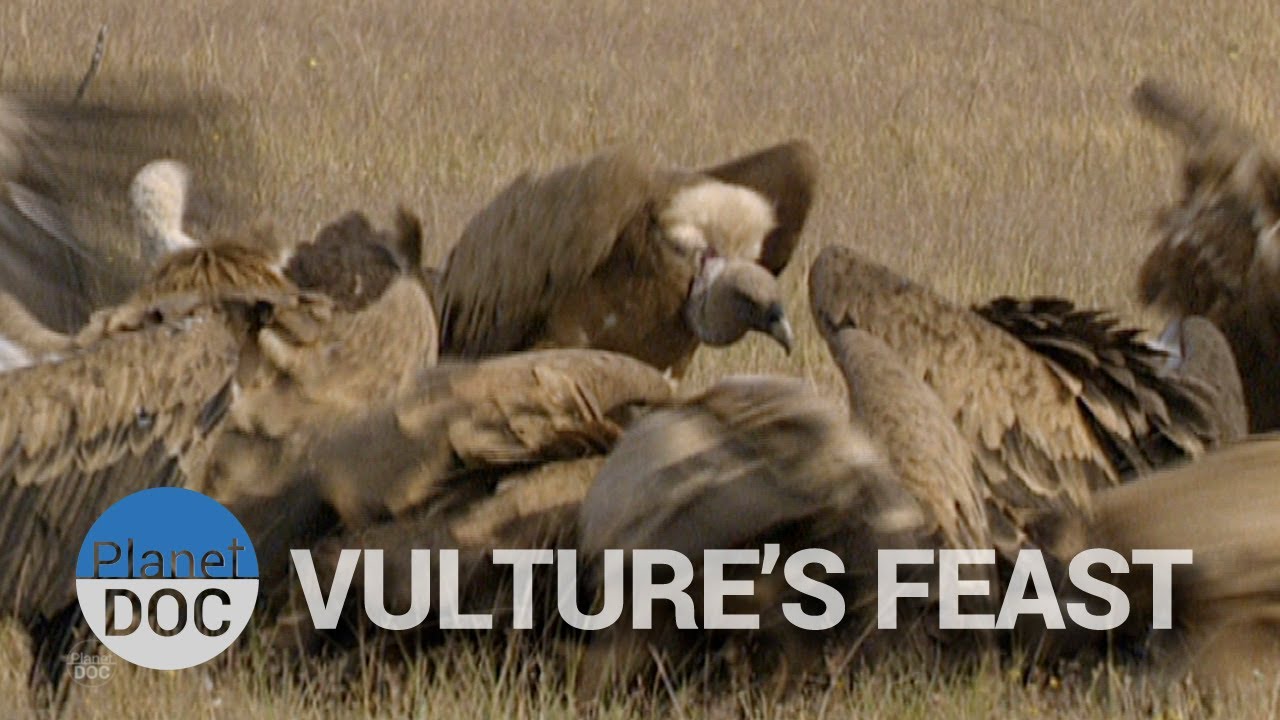
In Montfrague National Park, Spain, black and griffon vultures engage in fierce competition over carrion, highlighting their crucial role in the ecosystem.
Bali and Lombok showcase distinct geographical and cultural contrasts, highlighting unique landscapes, wildlife, and traditions that define these Indonesian islands.
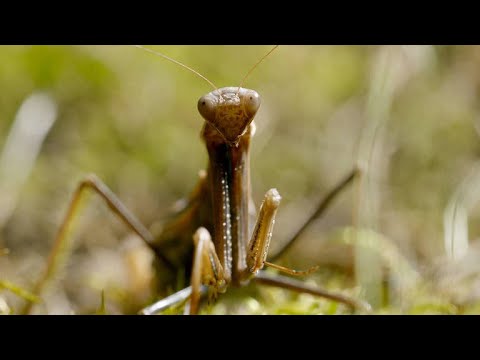
A wart-biter battles a praying mantis while devouring a grasshopper in The Meadow of Horror.
Nat Geo highlights corals releasing eggs and their importance to marine ecosystems.
A male mantis shrimp performs a courtship dance, using vibrant colors and movements to attract a female mate in a private underwater display.
Mosquitoes are responsible for more than 700,000 deaths each year, primarily due to diseases like malaria, which affects children under five in Africa.
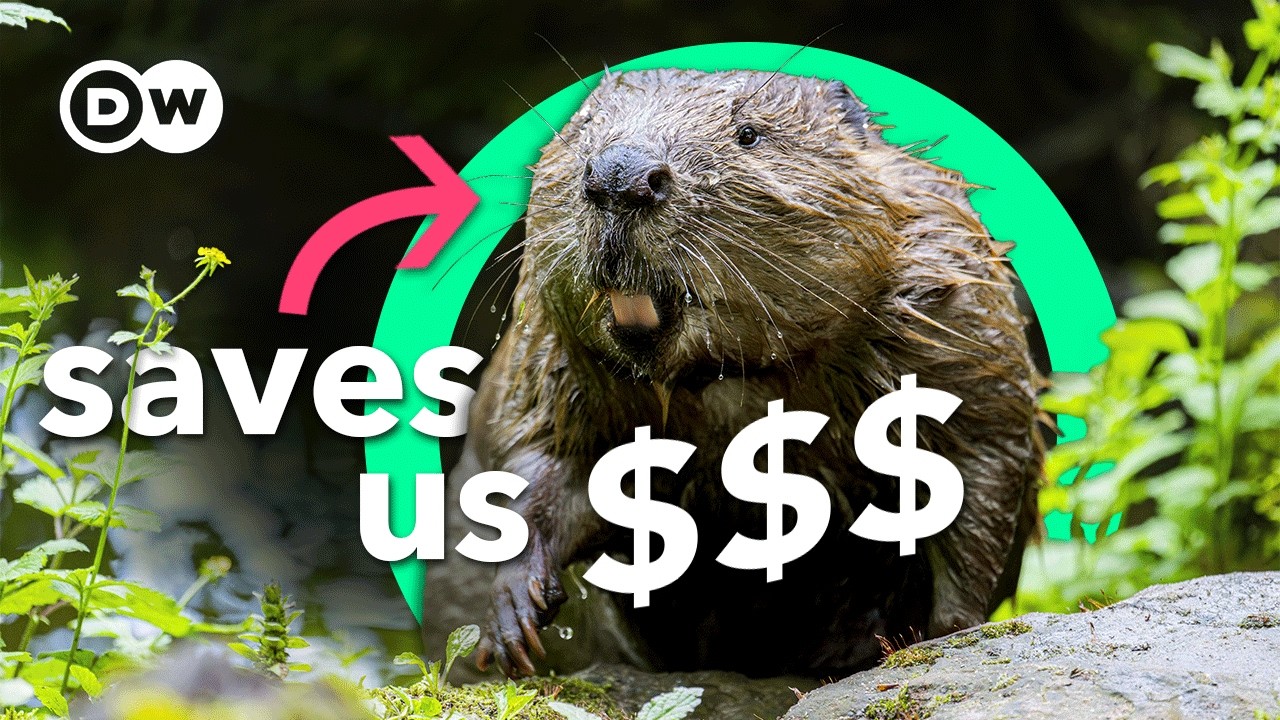
A network of 35 beaver-built structures along the Sophienfließ river has transformed the polluted waterway into a cleaner ecosystem over the past decade.
A bobcat hunts ground squirrels for 20 minutes at the bottom of a driveway, as captured by nature photographer Ian Shive.
This video explores the mysterious world of Sea Nettles and their fascinating adaptations.
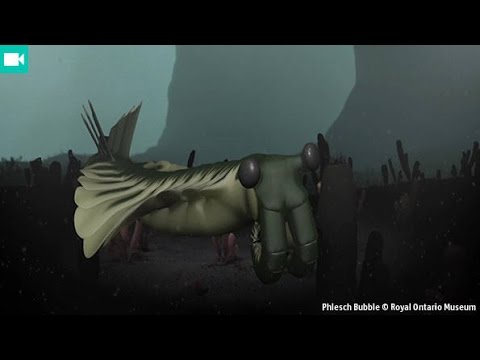
Scientists investigate the Cambrian explosion that transformed life on Earth.
Evidence and theories are presented regarding the role of human activity and climate change in the extinction of mammoths and other Ice Age giants.