From over 100,000 films, discover the handful you'll love.
Free or premium access to the world's largest documentary library.
3994 films(Page 36 of 84)
Along the Pacific Coast, various species of seals and sea lions gather from January to July for breeding and birthing, showcasing their unique behaviors.
In New Zealand, photographer Craig Potton explores the untouched landscapes of the Mokihinui River, highlighting its natural beauty and local history.
In Tanzania, Robson Green explores the country's diverse aquatic life and extreme fishing opportunities while covering over 4000 miles across its vibrant landscapes.
A southern hairy-nosed wombat weighs about 30 kilograms and shares its burrow with up to 10 other wombats in the harsh Australian outback.
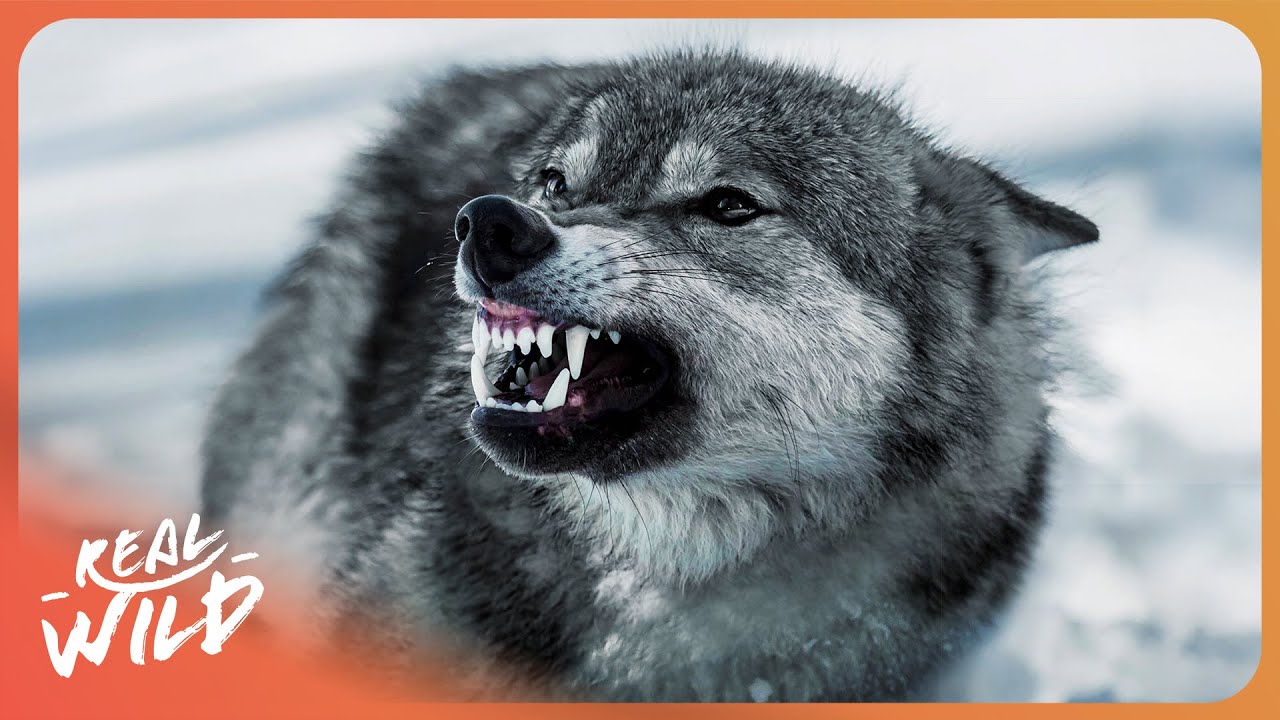
Gordon Eastman raises three orphaned Arctic wolves in the Yukon, where fur trappers pose a constant threat to their survival.
In coastal Belize, human activity threatens manatees and sea turtles, with pollution and poaching contributing to the decline of these vulnerable species.
Reptiles such as crocodiles, turtles, and snakes exhibit a wide range of adaptations and behaviors across various ecosystems around the globe.
For 16 days each winter, fishermen on Lake Winnebago brave sub-zero temperatures to hunt giant lake sturgeon that can weigh up to 300 pounds.
Every year, 94 million hectares of forest disappear, impacting countless species and the balance of ecosystems around the world.
Birds around the world, from the tiny hummingbird to the large ostrich, exhibit a wide range of behaviors and adaptations in their natural habitats.
Chimpanzees, elephants, parrots, and octopuses demonstrate advanced cognitive abilities through their complex social structures, emotional depth, and problem-solving skills.
In Crystal River, Florida, a family encounters manatees while exploring vibrant coral reefs in Bonaire and searching for rare marine life in South Australia.
Ant colonies demonstrate complex social structures with specialized roles for each member, while termites exemplify evolutionary success through their impressive architectural creations.
Palau, an island nation in the Pacific, features unique marine life, including non-stinging jellyfish in Jellyfish Lake and rare toadfish, explored by Jonathan Bird and his crew.
At Hamburg Zoo, various animal babies are lovingly cared for by their keepers, showcasing their adventures and the nurturing environment they thrive in.
Tens of thousands of Australian giant cuttlefish aggregate to spawn in the waters of South Australia between May and August.
Tim, Michael, and Dennis pursue their artistic dreams of filmmaking, photography, and art in a two-year project against societal expectations.
Wildlife biologist Liz Bonnin explores the unusual friendships between different animal species and the connections between apex predators and humans.
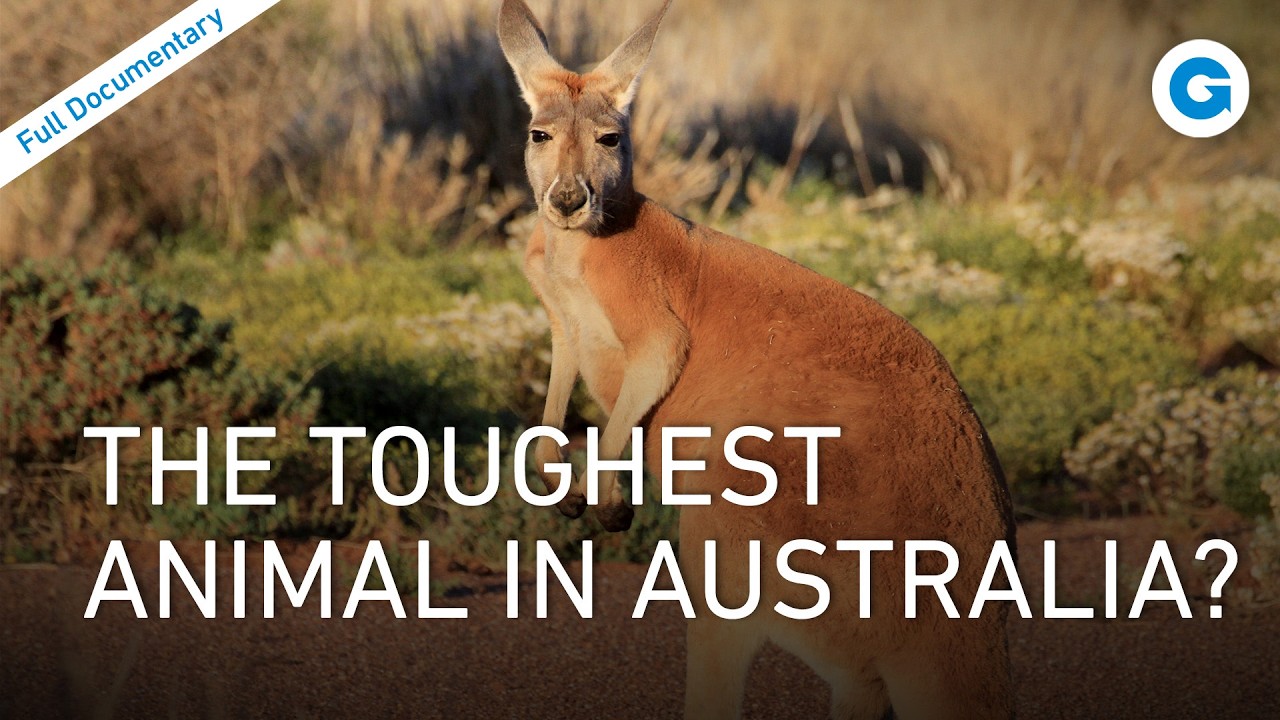
A red kangaroo can weigh up to 90 kg and is known for its energy-efficient hopping, crucial for survival in Australia's harsh desert conditions.
Thaya Valley, located on the border of Austria and the Czech Republic, is a sanctuary for diverse wildlife, including red deer, otters, and numerous bird species.
In Eastern Europe, Ian "Max" Maxwell tracks gray wolves, Sumatran rhinos in Borneo, and jaguars in Brazil, exploring their behaviors and habitats.
The Great Bear Rainforest in British Columbia is home to the rare Spirit Bear and a diverse ecosystem that relies on the annual salmon run for survival.
In Katmai National Park, filmmaker Casey Anderson documents a mother bear's frantic search for her missing cub amidst the dangers posed by wolves.
In extreme Arctic environments, polar bears and orcas are among the deadly predators competing for survival amid freezing temperatures and shrinking ice.
Three harrowing accounts from the African savannah illustrate the terrifying reality of human encounters with apex predators, including a conservationist's lion attack and the Man-Eaters of Tsavo.
In Erindi Game Reserve, Namibia, wildlife expert Steve Leonard examines the rich biodiversity and animal behaviors within this unique ecosystem.
Animal tails serve various functions beyond balance, aiding in defense, movement, communication, and navigation across species like snakes, fish, and beavers.
Animal super senses, such as the vision of peregrine falcons and the echolocation of bats, illustrate the diverse adaptations that enhance survival in various environments.
European forests face severe health declines due to climate change, prompting initiatives to reintroduce climate-resistant tree species and restore ecosystems.
Wetlands and deserts are examined for their unique ecosystems, showcasing species like saltwater crocodiles, camels, and the adaptations that enable their survival.
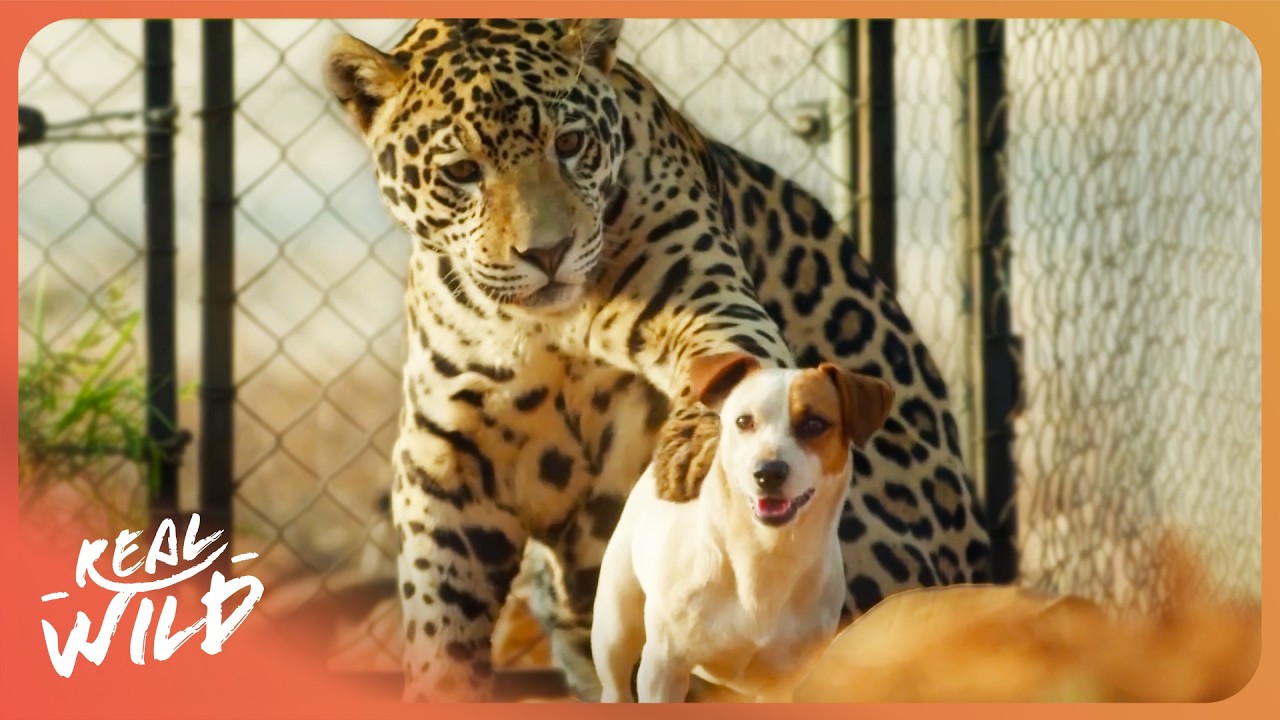
Wildlife biologist Liz Bonnin explores unusual animal friendships, such as a jaguar and Jack Russell terrier in South Africa, revealing the science behind these bonds.
In southern Florida, Ryan Bolton and Kristen Martyn investigate the invasions of Burmese Pythons and Nile Monitor Lizards, while Adam Henkel explores urban monkey populations in India.
In the African savannah, a pride of lions, crocodiles, and other wildlife are observed engaging in natural behaviors such as hunting and relaxing.
In Langtang National Park, Ian Max Maxwell investigates the Yeti legend while confronting the real threat of the Asiatic Black Bear, a known man-eater.
In the animal kingdom, species such as bees, lions, and dolphins demonstrate how teamwork is essential for survival amid challenges like habitat loss and climate change.
Intense battles between predators and prey, such as lions versus bulls and great white sharks versus orcas, highlight the brutal survival tactics of the animal kingdom.
In the Scottish Highlands, a variety of wildlife, including red deer, salmon, and pine martens, navigate the challenges of survival across the seasons.
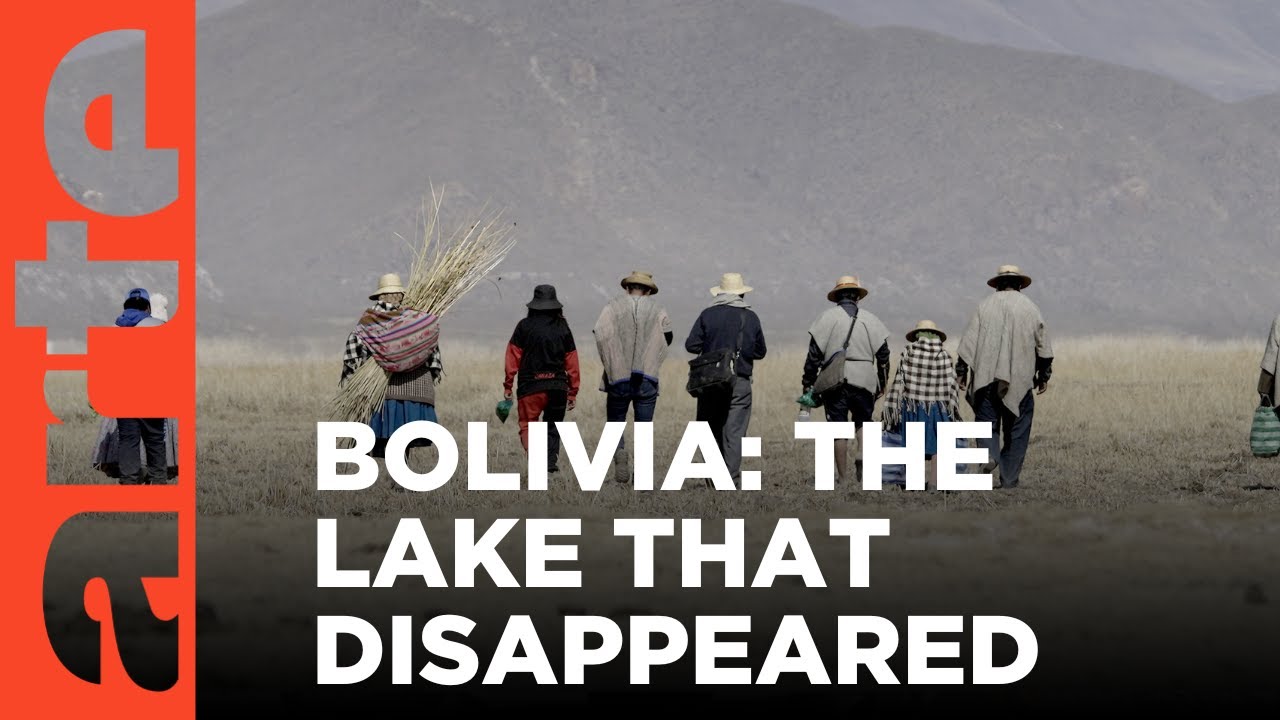
Lake Poopó in Bolivia has transformed into a salt desert, severely impacting the Aymara people's livelihoods and highlighting the effects of climate change and water mismanagement.
In Puerto Rico's swamps, a team searches for spectacled caimans, the largest invasive species on the island, during Florida's winter freeze.
Efforts to save the Iberian lynx in Doñana National Park highlight the challenges faced by this endangered species and the conservation measures implemented to protect its habitat.
In the volcanic forests of Central Africa, veterinarians work tirelessly to protect mountain gorillas like Mutu Regger from environmental threats and disease.
Traditional mixed orchards in central Europe are rapidly disappearing due to industrial farming, threatening diverse ecosystems and species like nuthatches and migratory birds.
Twelve orphaned orangutans have been cared for at a state-of-the-art nursery in a 65-acre sanctuary in the English countryside since 2005.
Predators like lions, taipans, and alligator snapping turtles exhibit specialized adaptations such as night vision and electroreception to thrive in low-light environments.
Monarch butterflies and Saint Francis' satyr face critical threats from habitat loss and climate change, prompting urgent conservation efforts to protect these vital insects.
In Namibia's harsh desert, heat-adapted species like the shovel-snouted lizard and black rhino struggle for survival alongside desert elephants and mating seals.
At Hamburg Zoo, various animal babies engage in playful activities under the care of their keepers, showcasing their unique stories and behaviors.
Manny tracks wild bears at night, facing the inherent dangers of these powerful creatures in their natural habitat.