From over 100,000 films, discover the handful you'll love.
Free or premium access to the world's largest documentary library.
3995 films(Page 8 of 84)
In the Thar Desert of Rajasthan, the Bishnois, a religious community founded by guru Jambaji, have upheld eco-friendly principles for over 600 years, prioritizing the protection of trees and animals.
In Rwanda's Virunga National Park, Dr. Mike Cranfield and the Gorilla Doctors provide medical care and surgeries to protect endangered mountain gorillas.
In the Okavango Delta, a team of filmmakers explores the hidden underwater ecosystem shaped by seasonal floods, revealing the complex interactions of its wildlife.
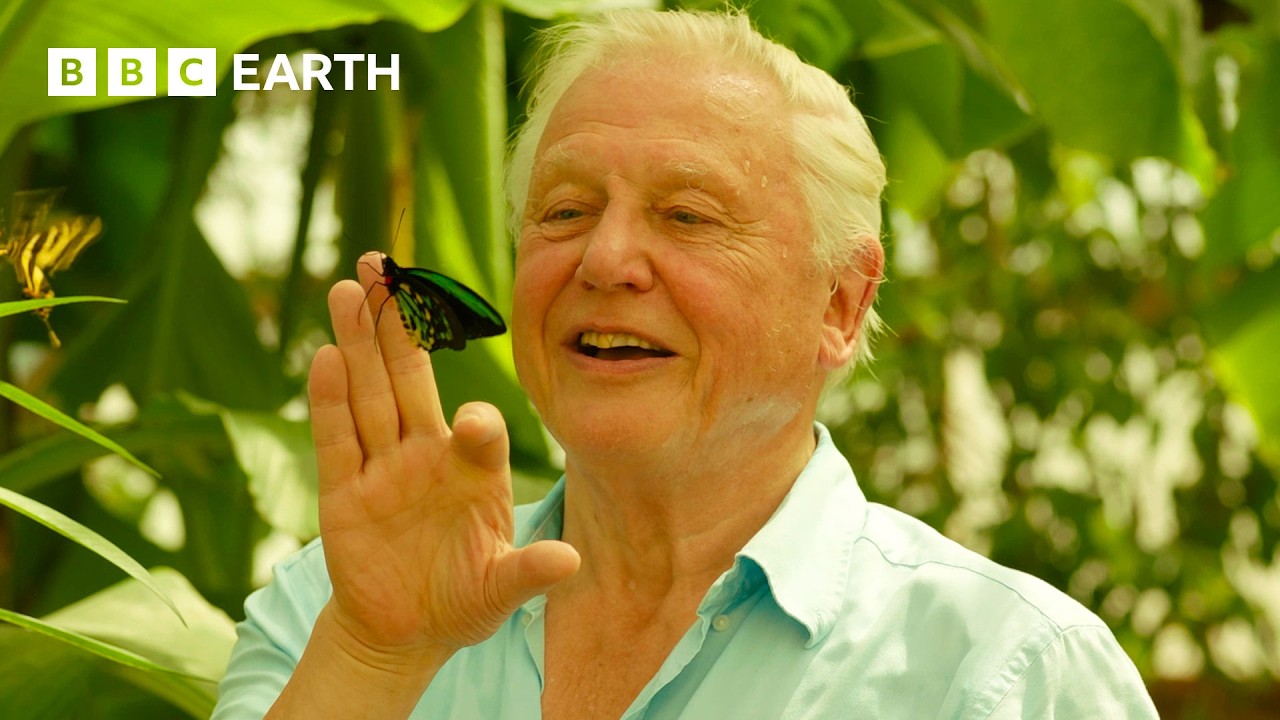
Sir David Attenborough's 100th birthday is marked by a celebration of 100 iconic wildlife scenes from his extensive career in natural history broadcasting.
David Sheldrick Wildlife Trust's breeding and rehabilitation program for elephants highlights their emotional bonds and conservation efforts in the wild.
70% of Malaysia is covered by tropical forests, which are facing intensive exploitation as the country balances natural heritage and industrial activities.
Nearly 100 inches of rain fall on Port Protection each year, challenging residents to adapt and survive in their isolated environment.
In various habitats, elephants exhibit complex behaviors such as grieving, celebrating, and communicating through vibrations, highlighting their emotional depth and social structures.
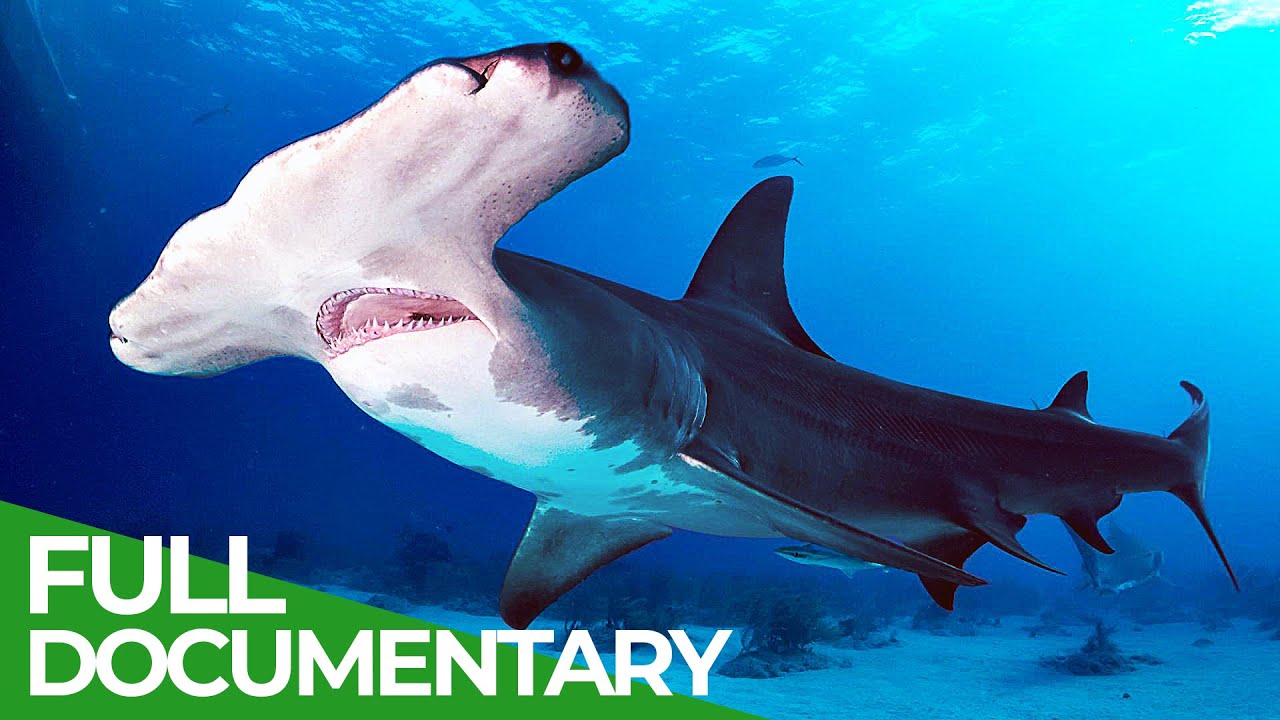
More than half of the over 500 shark species are less than one meter long, with many being timid and harmless to humans.
In the wild, animals like the inland taipan, blue-ringed octopus, and stonefish utilize potent toxins as lethal weapons, influencing both survival and medical advancements.
One-third of Germany is covered in forest, providing a habitat for rare species like the wildcat, which returned to the Black Forest after a 90-year absence.
On Fraser Island, Australia, a dingo family with nine pups navigates challenges such as inter-pack conflict and forest fires to ensure their survival.
Omadal is home to the Bajau tribe, who harvest seaweed for their livelihood in the Sulu Sea.
Over four months, a team conducts dives and collects data from coral reefs across the entire Red Sea, from Farasan Island to the Gulf of Aqaba.
In Costa Rica's Cloud Forest and Alaska's Boreal Forest, soothing nature sounds provide a calming backdrop for relaxation, meditation, and sleep.
The Marwari horse is a magical creature worshipped in India for its proud elegance.
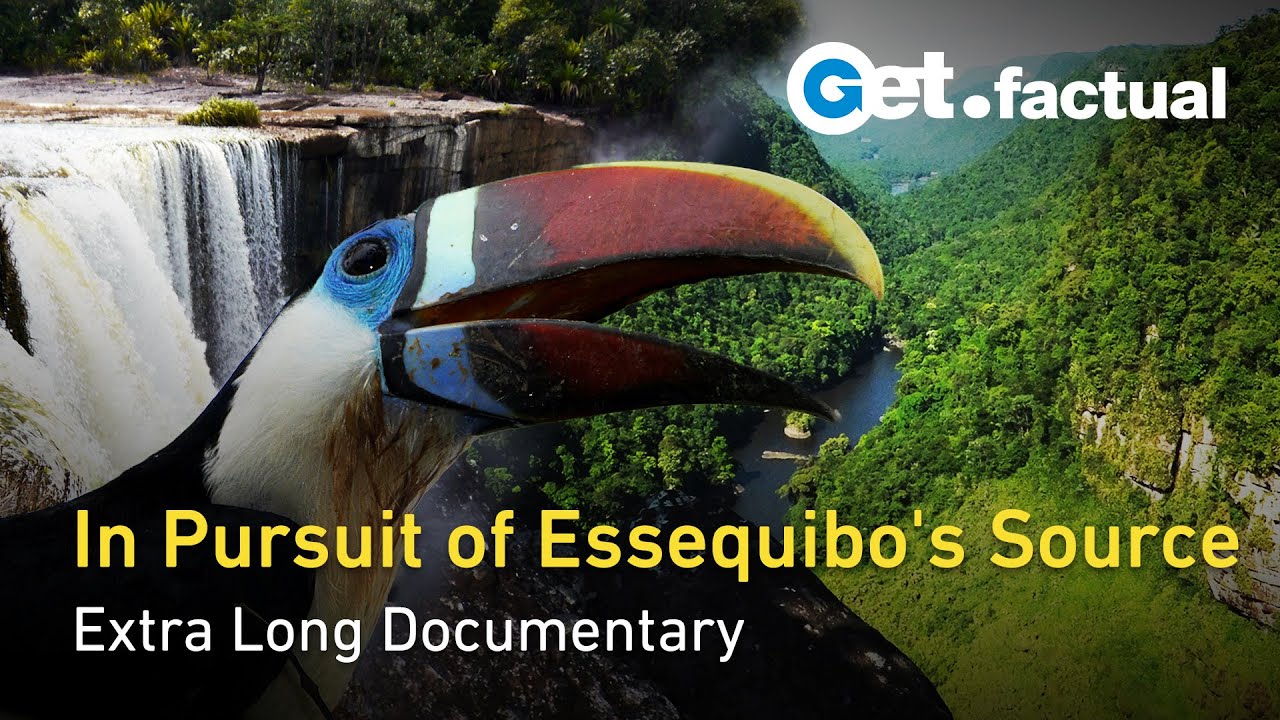
A 13-meter-long whale shark glides through the murky waters of the Essequibo Delta, the largest fish on earth feeding on plankton.
In winter, the Noto Peninsula reveals a unique underwater ecosystem featuring blanket octopuses, giant squid, and deep-sea oarfish among its diverse marine life.
Fabian Vas traveled through Suriname's forests for three years while panning for gold, facing danger and living in a tent.
South Georgia hosts hundreds of thousands of penguins and seals in the Antarctic Ocean.
The Mofu people in northern Cameroon summon Jaglavak to combat invading termites.
Over 70% of the planet is covered with water, yet plastic pollution has created massive debris fields in every major ocean, impacting marine ecosystems.
The military is responsible for around 10% of global CO2 emissions, significantly impacting climate change and the environment.
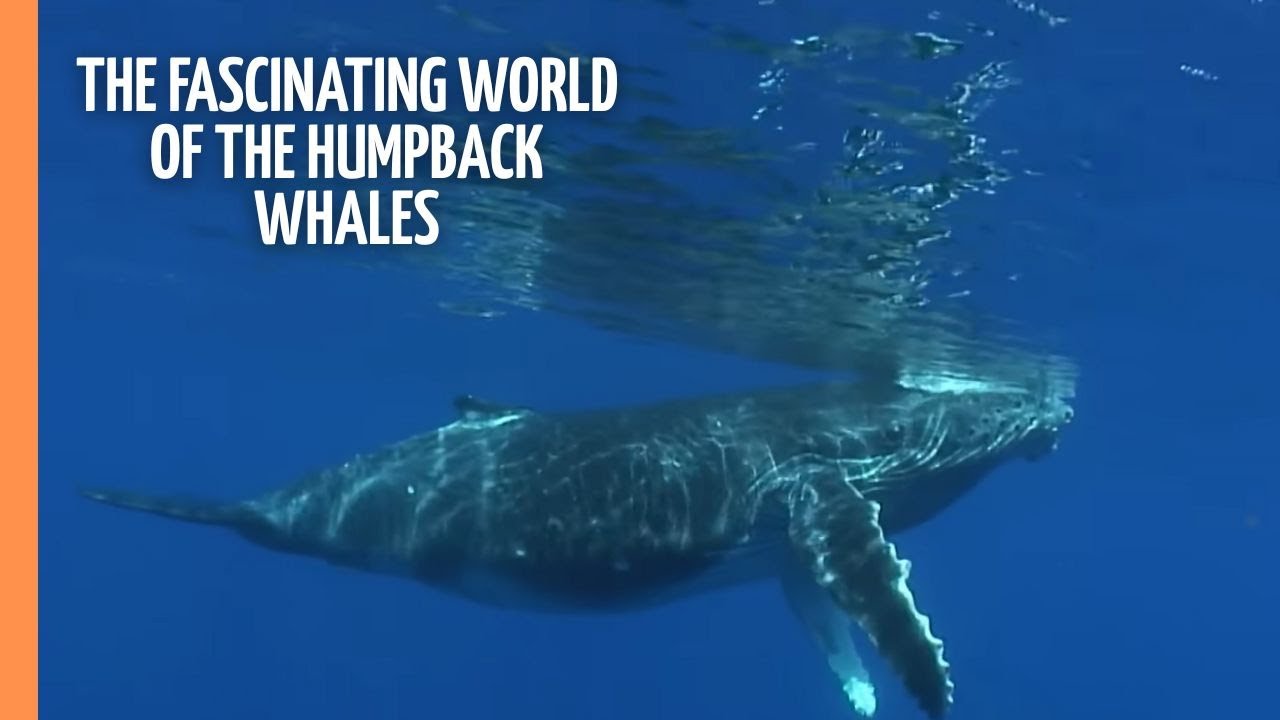
In the warm Pacific off Maui, a humpback whale mother faces challenges while nurturing her calf during their 5,500-kilometre migration to Alaska's feeding grounds.
Bull sharks can grow up to 6 meters long and are considered the most dangerous shark species to humans, with a worldwide attack risk of about 1 in 6 million.
More than 4.5 billion years ago, Earth formed from stardust, with minerals playing a crucial role in the origin of life and shaping ecosystems.
Up to 100 meters per hour, winds race across Tierra del Fuego, shaping the life and habitat of various wildlife in this remote region.
Yellowstone National Park showcases grizzlies and wolf packs in America's first national park.
Idaho has more than 100 named mountain ranges and 50 peaks over 10,000 feet, contributing to its diverse natural beauty and character.
Healthy desert elephants roam for up to 10,000 kilometers a year in search of food in Namibia's harsh Namib Desert.
Botswana's diverse ecosystems showcase a rich array of wildlife, highlighted through stunning photography that captures the beauty of the region's natural habitats.
Across diverse habitats, bear species are showcased in their natural behaviors of hunting, mating, and survival throughout forests and the Arctic.
Kangaroos boxing, iguanas escaping snakes, and big cats hunting in packs illustrate the fierce battles for survival in the animal kingdom.
Only three white lion cubs have survived to adulthood since their discovery in 1975, raising questions about the survival of two new cubs born in Timbavati.
The Boulder Pride faces new male rivals and must hunt alone for survival after a year.
Female great white sharks can grow over 21 feet long and weigh around two tons, making them dominant predators in the ocean.
BBC Earth uses animatronics and high-definition cameras to document animal behavior and social structures across various species in their natural habitats.
Insects around the world are examined by entomologist Ruud Kleinpaste, who showcases their remarkable abilities and challenges while confronting some of the most feared species.
Müritz National Park hosts half of Germany's crane population and is home to various species, including ospreys and Eurasian otters, across 2,000 lakes.
Two leopard cubs, just days old, rely on their mother for survival in the challenging environment of the Serengeti National Park.
Wolves search for chocolate biscuits after a day of filming in the Arctic wilderness.
1,000 northern gannets breed on the cliffs of Helgoland, where they compete for nesting space amid the challenges of their coastal habitat.
Mauritius, an island nation in the Indian Ocean, features sandy beaches, vibrant Creole culture, and a history shaped by colonialism and Indian immigration.
Five snowy owlets hatch in the Arctic tundra, where their parents face challenges due to low lemming numbers and extreme seasonal conditions.
Giant Pacific octopuses can weigh up to 600 pounds and have eight arms that can span 30 feet, yet much about their lives remains unknown.
In the Bohemian Forest, a lynx is monitored by 15 cameras set up by local rangers to document its hunting behaviors and mating activities.
Animal athletes demonstrate their skills through sprints, acrobatics, and dives, featuring species like cheetahs and monkeys across diverse ecosystems.
In the Masai Mara Region of Kenya, the annual migration from the Serengeti showcases the dynamic interactions between predators and prey along the Mara River.