From over 100,000 films, discover the handful you'll love.
Free or premium access to the world's largest documentary library.
3995 films(Page 68 of 84)
Hot Pink Dolphins fights to save Jeju Island's dolphins from habitat loss and development.
This Spanish video highlights altered ecology and the urgent need for global environmental protection.
The Toraja people of Sulawesi live in tongkonan houses, sacred spaces for life and death rituals.
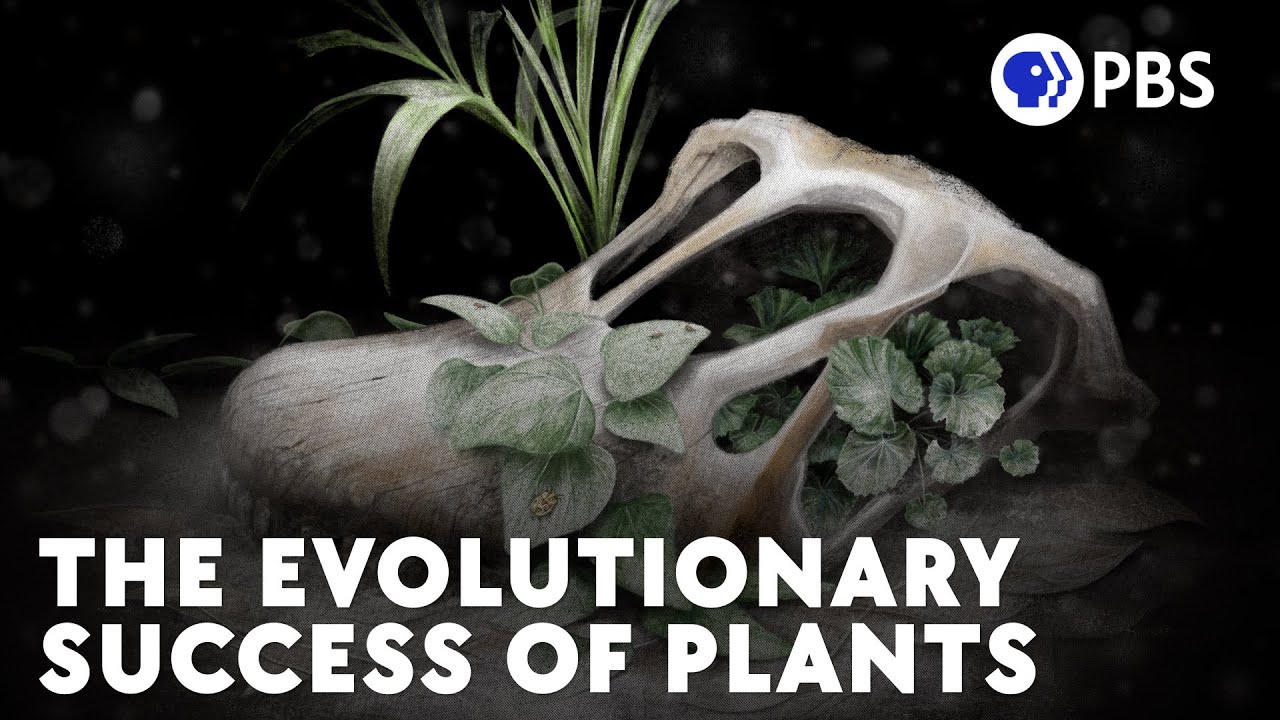
In the aftermath of the K-Pg extinction, research by Franz Anthony highlights how certain plants adapted by increasing their DNA content to survive ecological upheaval.
Titanoboa, the largest snake ever known, thrived in ancient Colombia around 59 million years ago due to the effects of a warming planet.
A sinkhole in North America has provided insights into the migration of a red panda relative, revealing historical connections between continents.
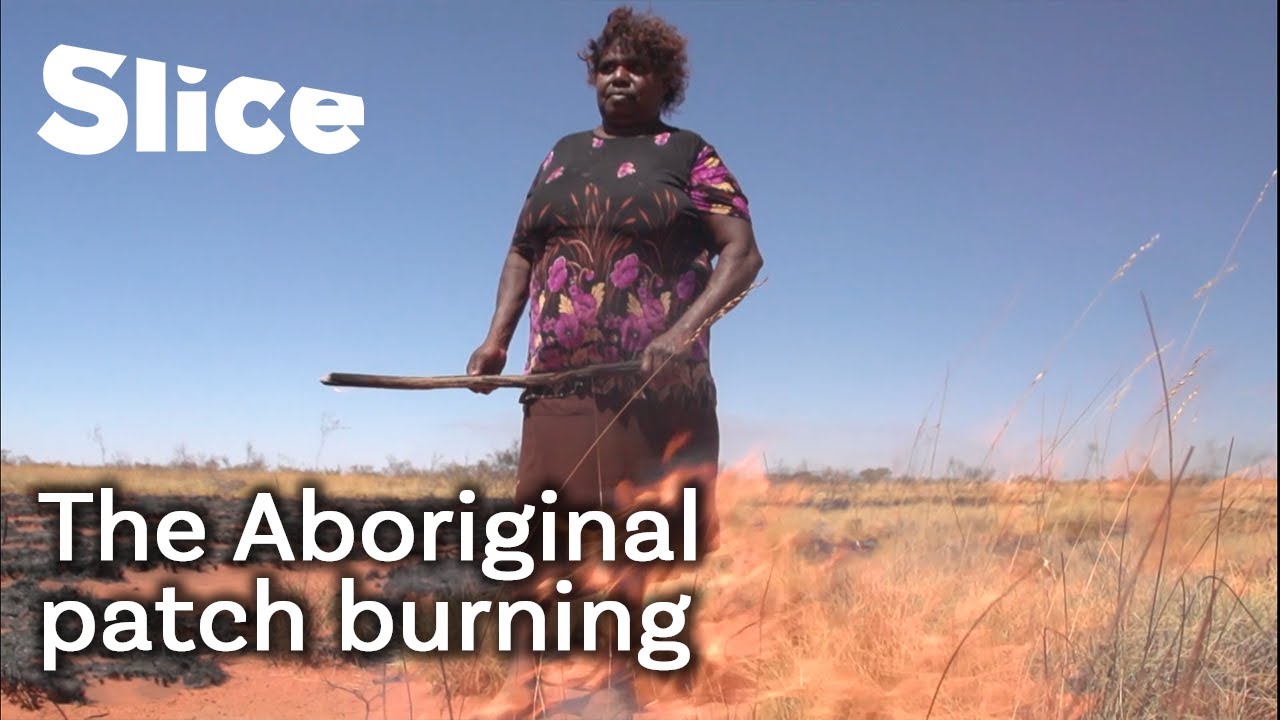
Controlled patchwork fires help reduce combustible matter and encourage the growth of food plants like bush tomatoes and green grass for kangaroos.
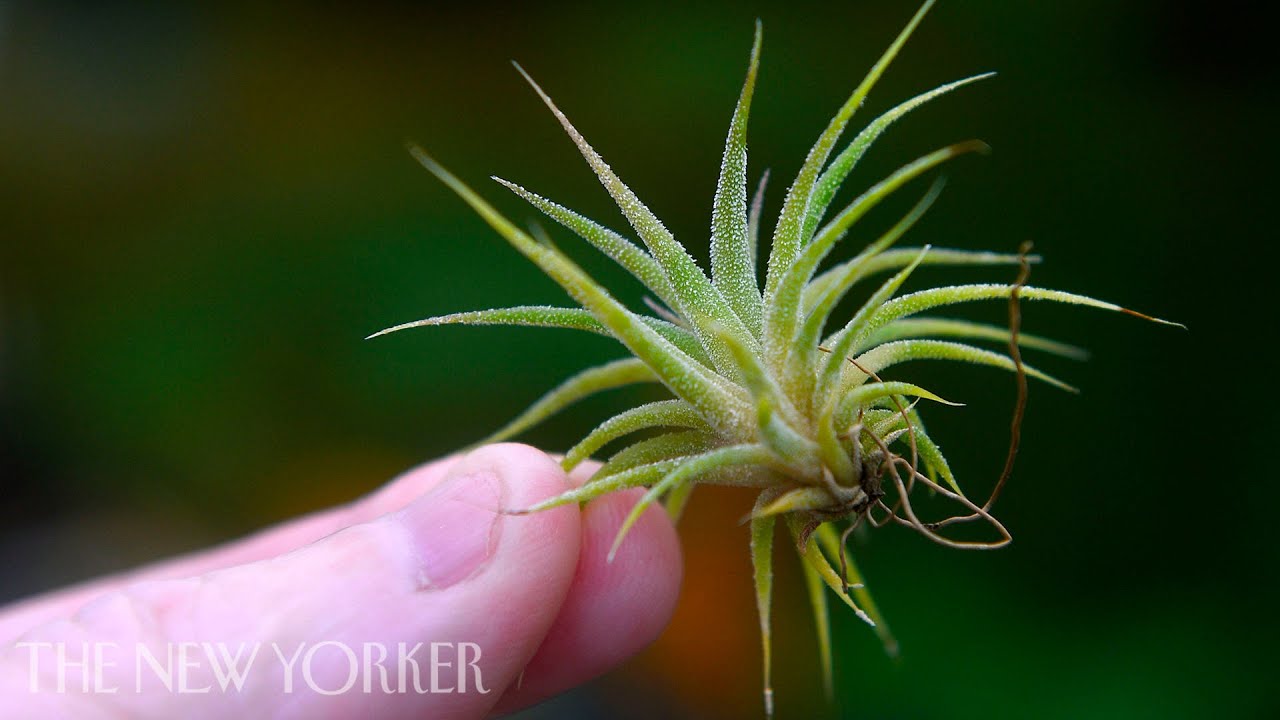
Air plants, like Lancia mini-me, thrive without soil and adapt to diverse environments.
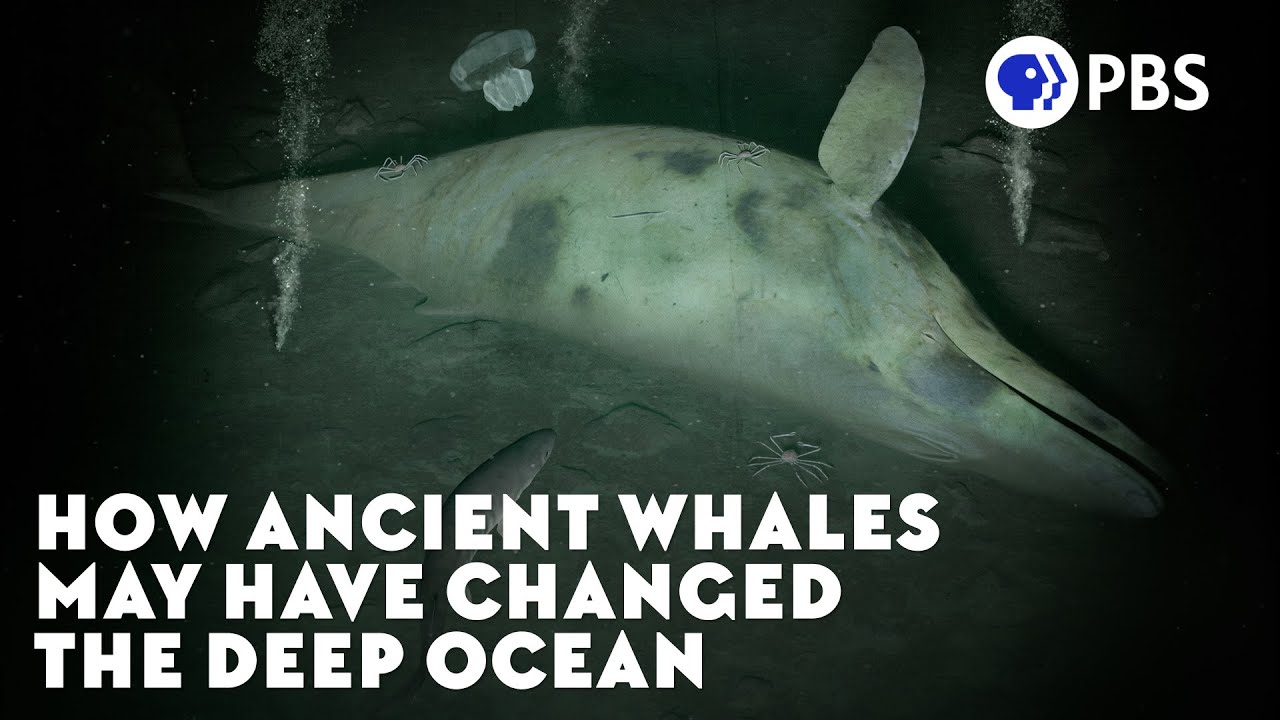
The evolution of ocean-going whales like Borealodon has significantly influenced deep ocean communities, particularly around geothermal vents, following their death.
Cheetahs, toads, bald eagles, monitor lizards, and turtles exhibit diverse survival techniques in various environments, highlighting their adaptability to different climates.
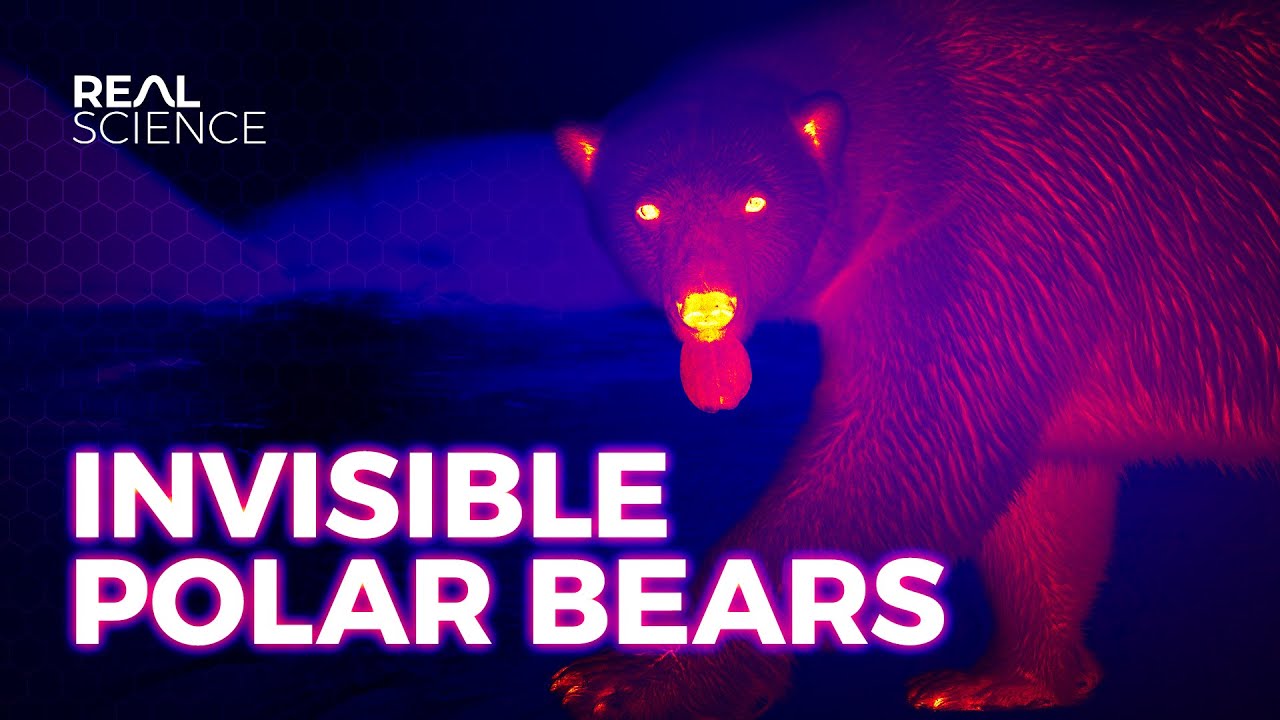
Polar bears, Arctic foxes, and other wildlife in Antarctica and the Arctic exhibit unique adaptations that enable their survival in extreme cold.
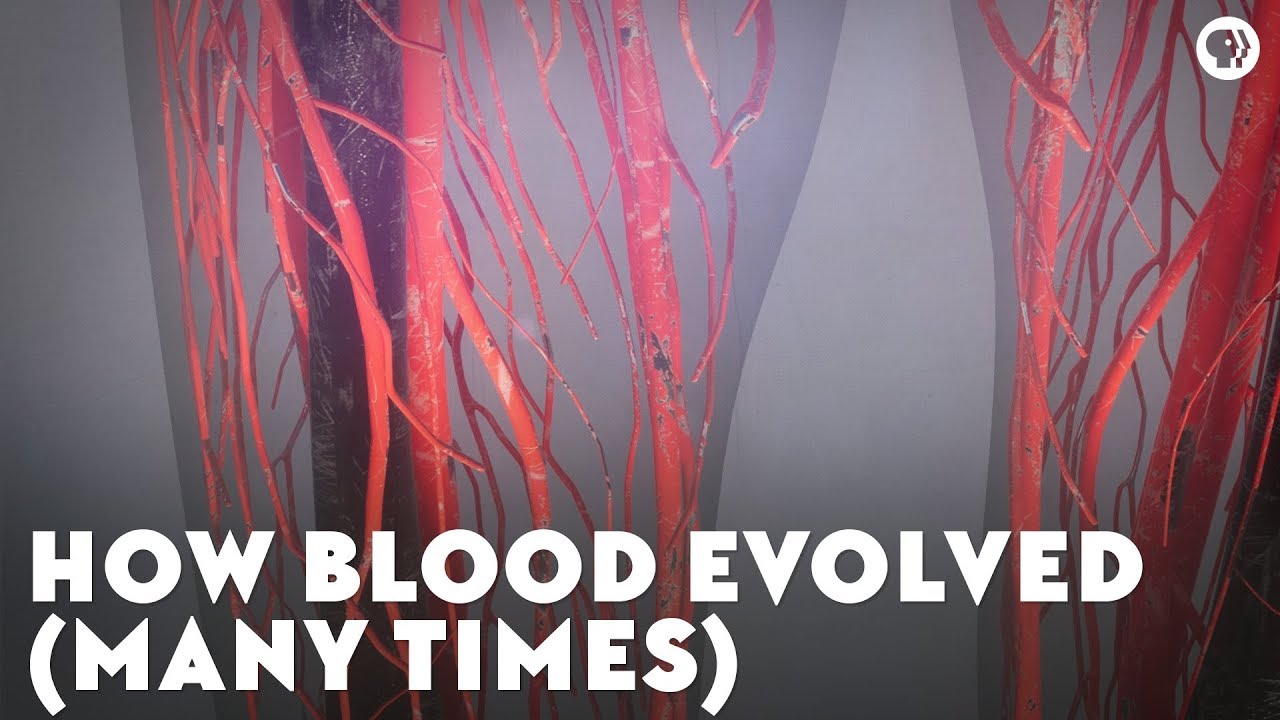
Blood has evolved in various forms, including red, blue, and green, showcasing its transformative role in the evolutionary history of animals over millions of years.
The evolutionary transition from dinosaurs to birds is explored through scientific evidence, including the impact of the asteroid 66 million years ago and new survival theories.
The Indian tiger only succeeds in killing once in every 20 attempts, thanks to the alert system used by chital deer and langurs.
Three billion people rely on the ocean for food, yet human activities like overfishing and pollution threaten its health and future.
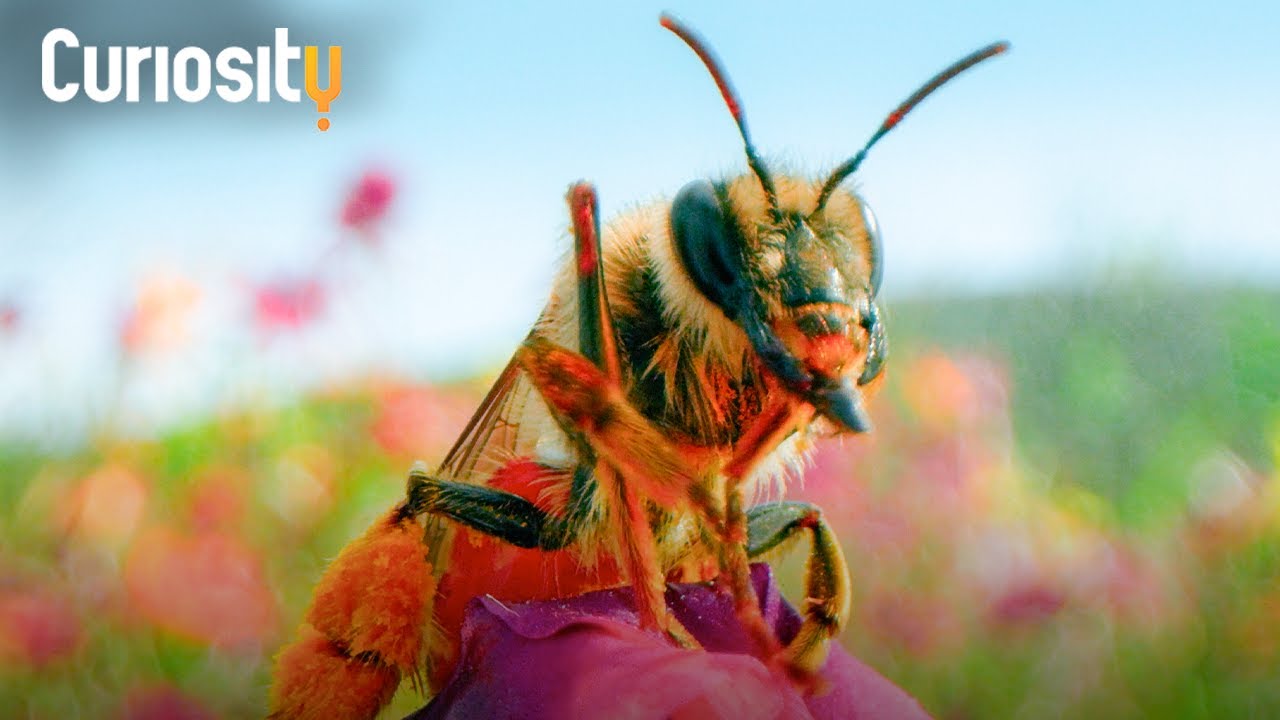
A female oil bee uses her long front legs to collect oils from Twin Spurs flowers, allowing her to gather food for her larvae efficiently.
Bengal Tigers, facing extinction, find refuge in Kanha National Park, India, highlighting the urgent need for conservation efforts amid human interactions.
A three-year-old tigress named Amsa arrives at Kanha National Park, where she will need to hunt about 40 animals each year to feed her future cubs.
Artificial light is erasing stars, disrupting wildlife, and impacting human health, highlighting the urgent need to address light pollution in urban areas.
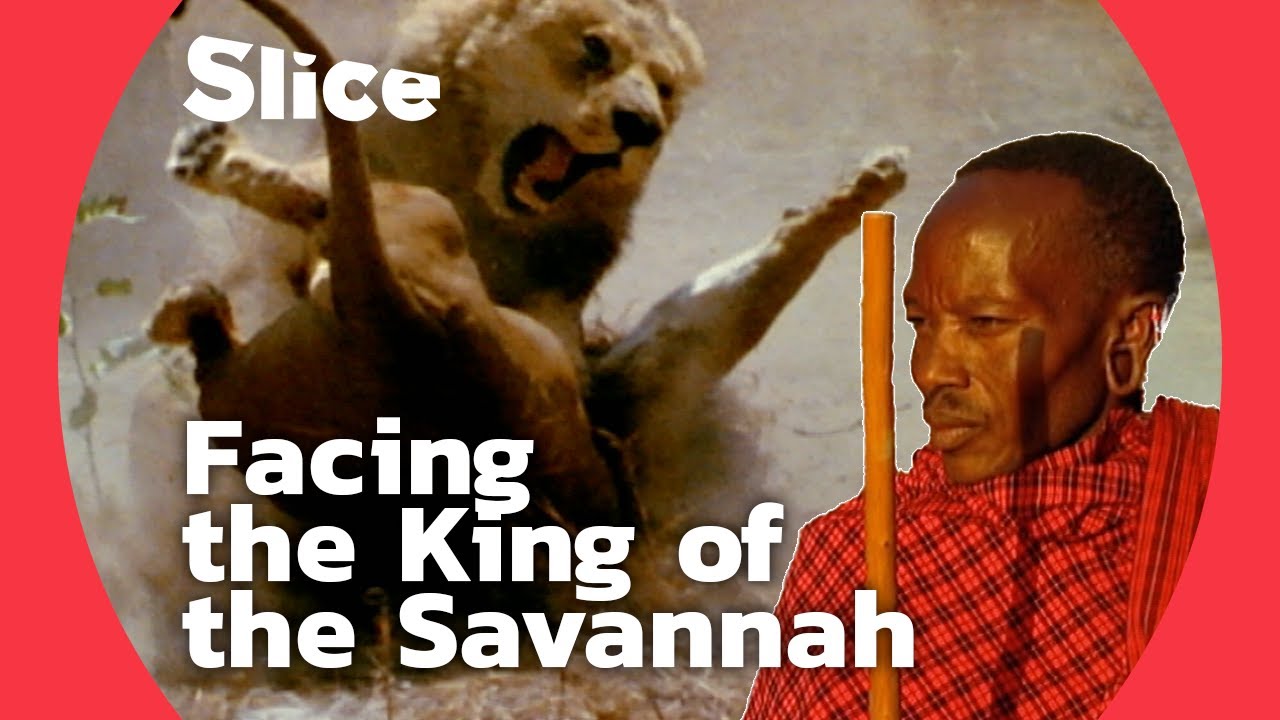
Eight-year-old Oreo has scars from a lion attack as he protects his cattle near the Kenya-Tanzania border.
Botanical carnivory evolves as certain plants adapt to nutrient-poor environments, showcasing unique survival strategies in species like sundews.
In the Cambrian period, the emergence of terrestrial plants significantly altered Earth's climate and contributed to the first mass extinction event.
In the Jurassic period, insect pollination evolved twice, highlighting the changing relationships between plants and insects, as explored by experts like Dr. Conrad C. Labandeira.
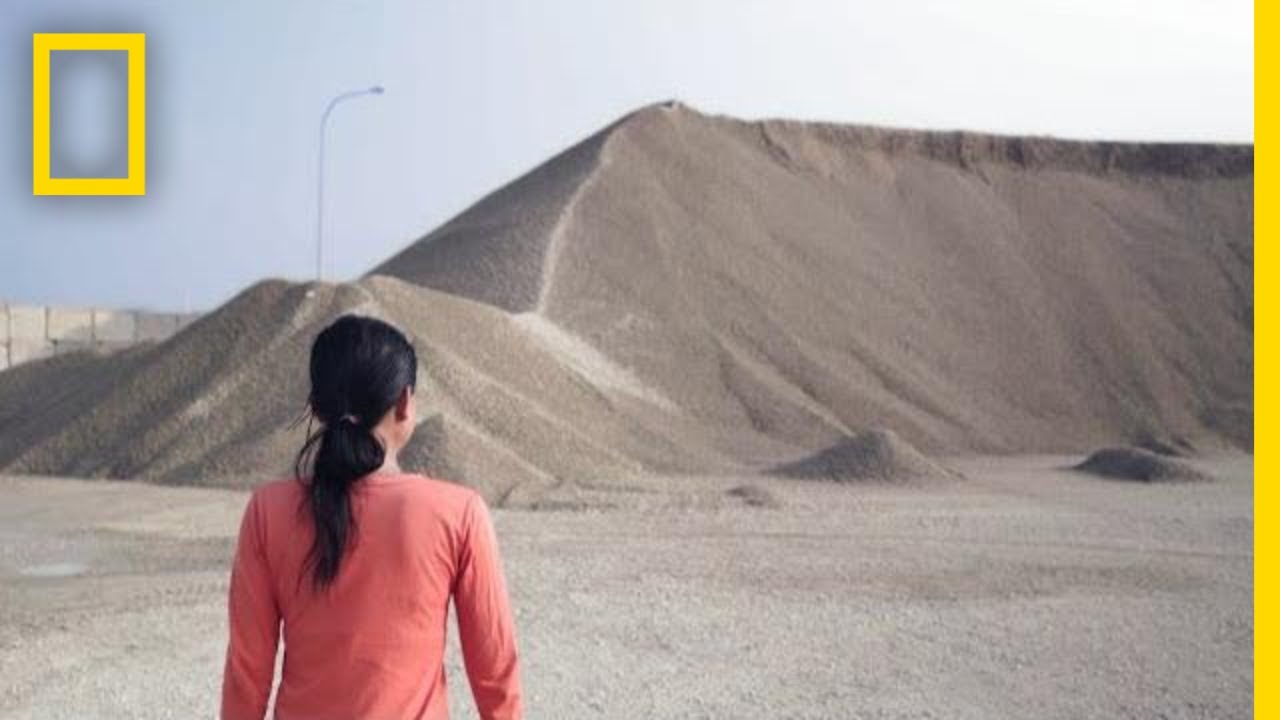
Sand dredging in Cambodia's mangrove forests, driven by Singapore's demand for land expansion, threatens the home and livelihood of islander Phalla Vy.
Sexual reproduction's evolutionary history is explored, tracing its origins and significance in the development of life on Earth.
The rise of venomous elapids has triggered an evolutionary arms race, impacting not only other species but also early human ancestors.
Throughout the Cenozoic Era, marsupials and their metatherian relatives thrived in South America, adapting to various ecological niches and evolving into diverse forms.
Planet Insect Scientists document how the common house fly and bean weevil adapt their behaviors and abilities for survival in various environments.
One fruit fly mutation resulted in legs growing in place of antennae, leading to significant discoveries about the genetic basis of animal development.
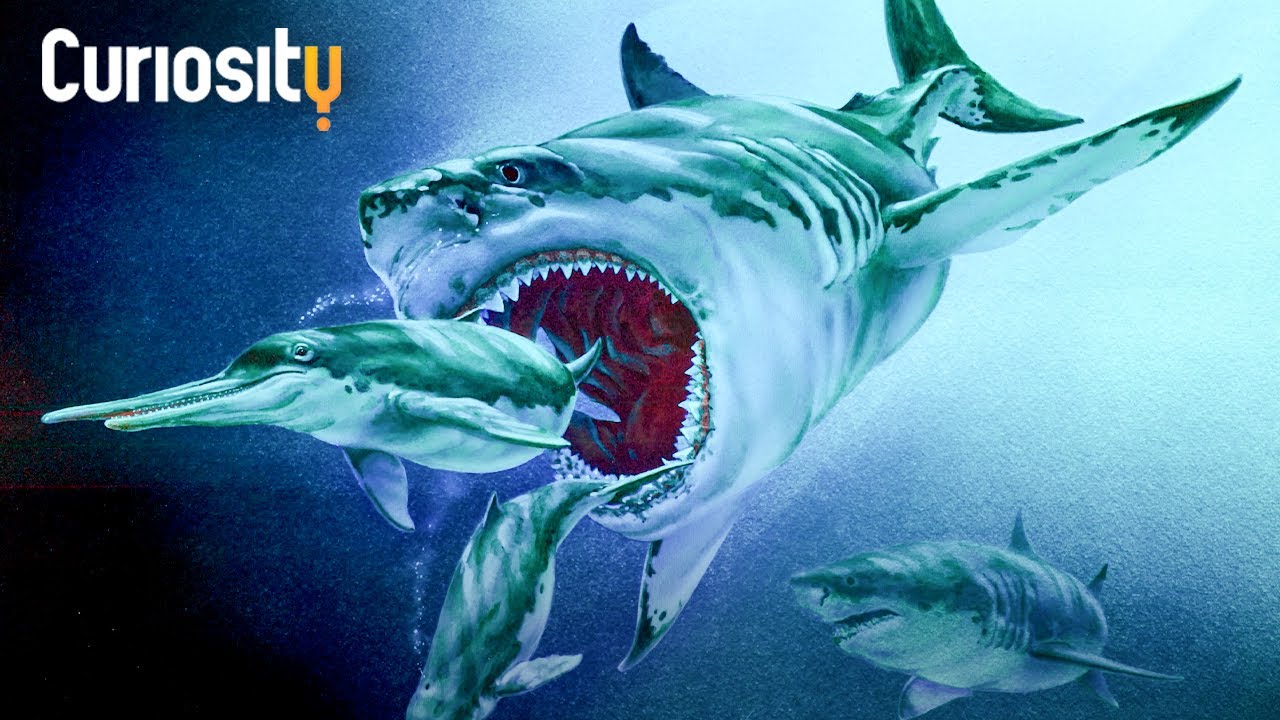
Megalodon, an enormous prehistoric shark, is examined through comparisons with modern great white sharks and insights from global tooth analysis to understand its size and dominance.
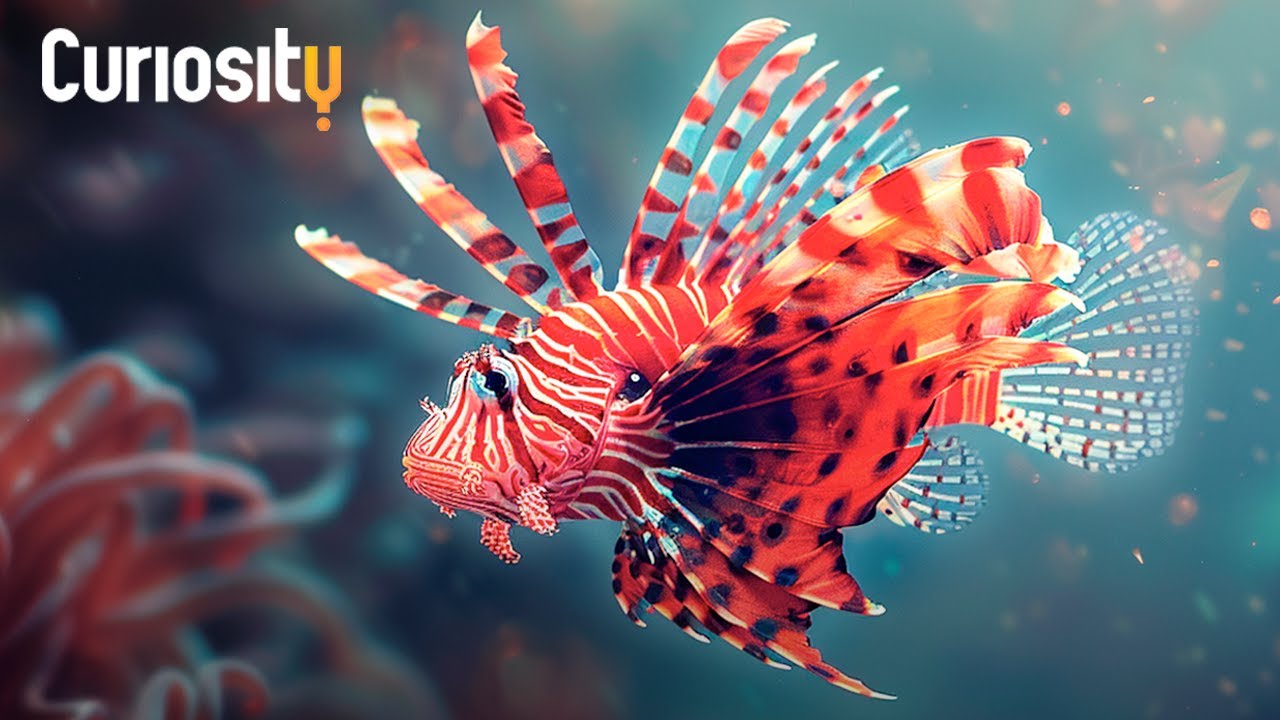
A single red lionfish can reduce native plant-eating fish populations by 79%, leading to unchecked algae growth on coral reefs.
Mongolian nomads rely on the morin khuur, a horse-head fiddle recognized by UNESCO as an intangible heritage, highlighting the need to protect this cultural treasure.
In southernmost cities like Urichi Beach, Lloyd Esla searches for ambergris, a valuable substance from sperm whales sought after by the luxury perfume industry.
In 1716, Lady Mary Wortley Montagu advocated for smallpox inoculation after observing its effectiveness in Constantinople, significantly reducing mortality rates in England.
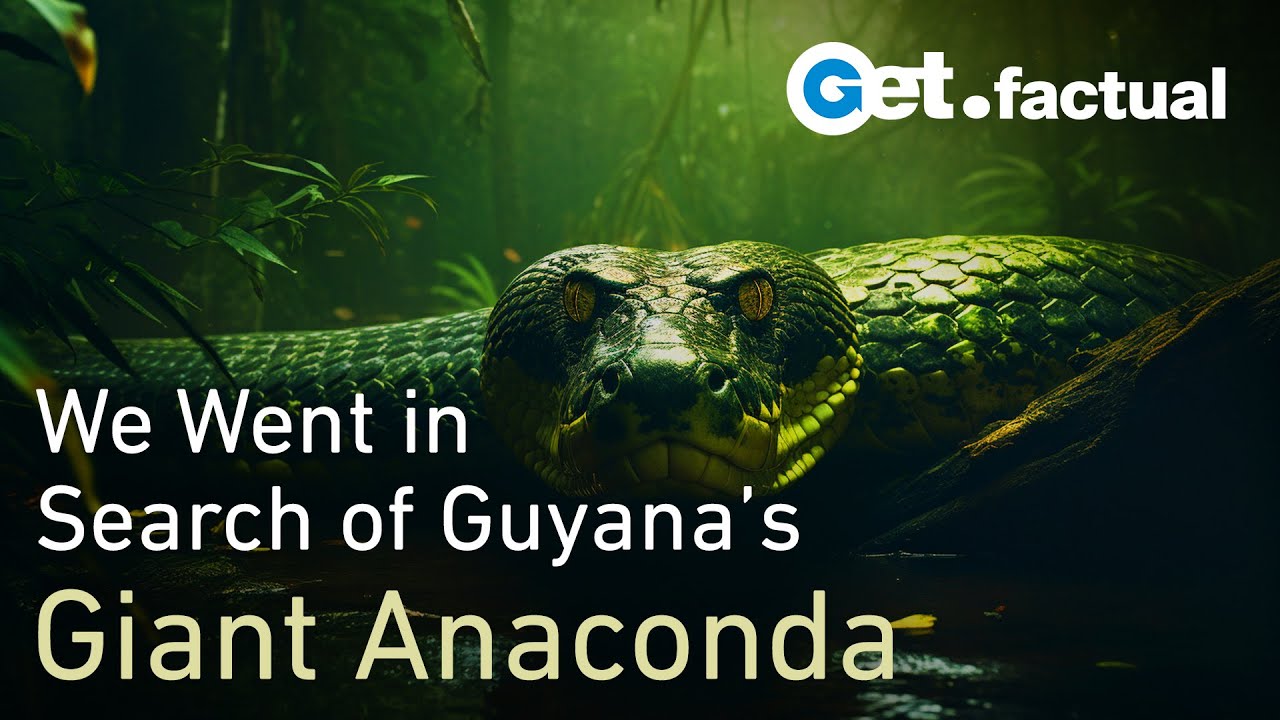
In the rainforests of Guyana, a team of German wildlife photographers and biologists uses advanced technology to study the myths and realities of giant anacondas.
Large-scale tree planting programs face challenges, as seen in Israel's Yatir Forest.
In 2003, Majete Wildlife Reserve in Malawi was nearly devoid of wildlife, but now hosts lions, leopards, elephants, and rhinos due to conservation efforts.
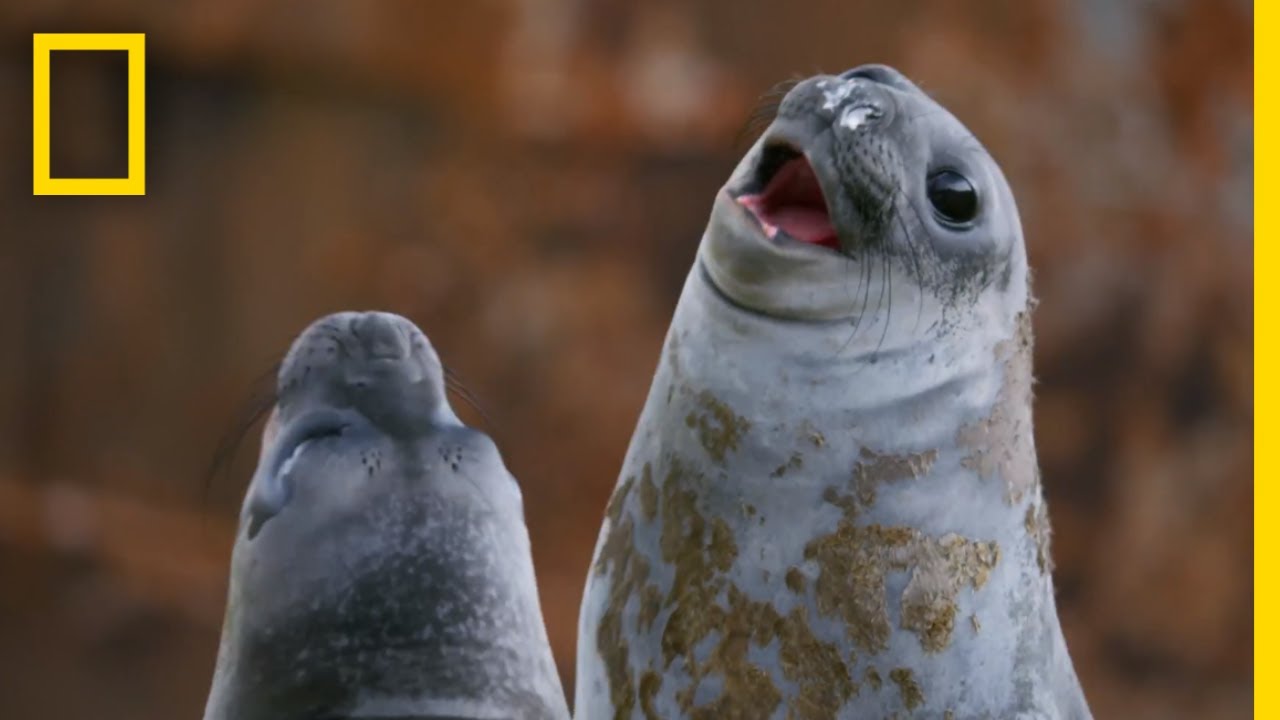
Bertie Gregory and his team explore South Georgia Island, highlighting the recovery of fur seals from 400 to over 3 million after its whaling past.
The Huaorani live in Yasuni National Park, showcasing their culture and traditions in this Spanish video.
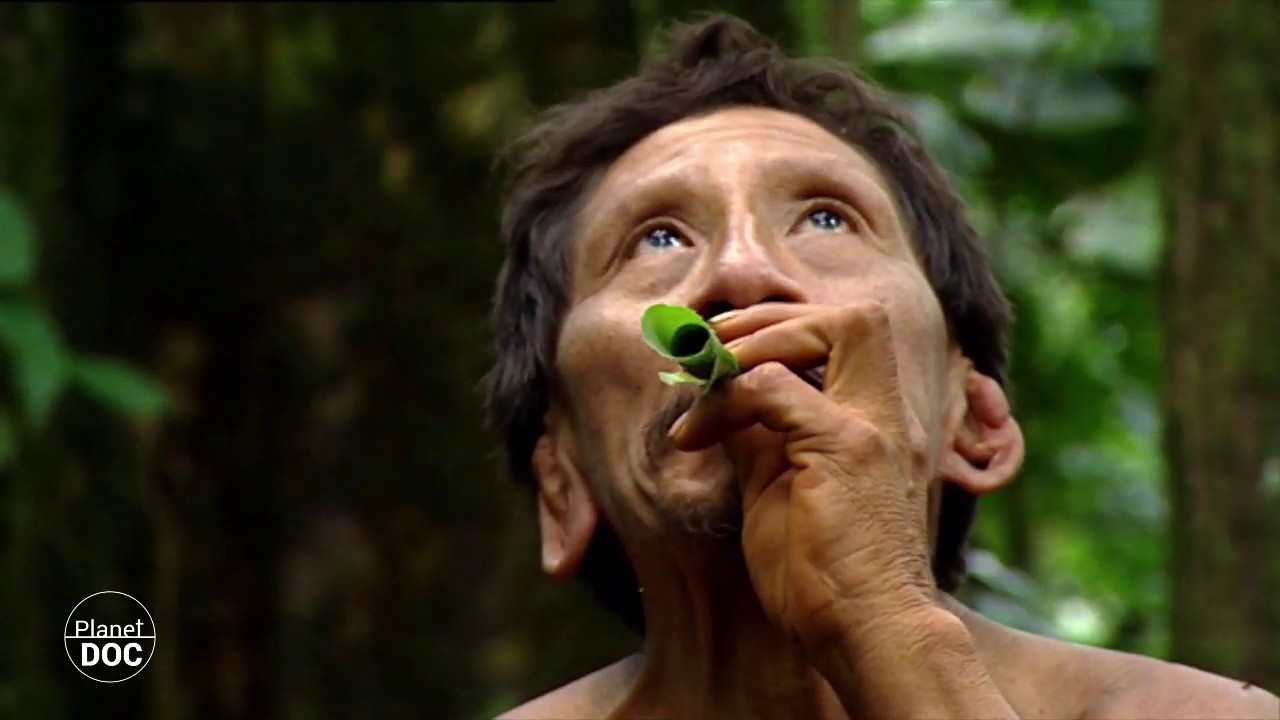
20 meters is the distance a Huaorani hunter targets with his blowpipe during a competition to determine the best marksman in the tribe.
The Huaorani, an indigenous group of 1,500 members in Yasuni National Park, navigate their traditions and environmental challenges in the Amazon rainforest.
This Spanish video highlights the Huaorani's life in Yasuni National Park, Ecuador.
In Yasuni National Park, the Huaorani people of Ecuador navigate the challenges of modernity while preserving their unique culture and traditions in the Amazon rainforest.
The Huaorani live in Yasuni National Park, showcasing their unique culture in this Spanish video.
The Huaorani live in Yasuni National Park, showcasing their culture in this Spanish video.
Hubble Space Telescope engages in ambitious projects to enhance astronomical data collection.
The Orinoco Basin is home to 250 different species of mammals and over 100 reptiles, many of which face threats from habitat loss and human activity.
Komodo dragons feed on dead bodies left by locals, showcasing their predatory behavior.