From over 100,000 films, discover the handful you'll love.
Free or premium access to the world's largest documentary library.
3995 films(Page 76 of 84)
Only about 400 Ethiopian wolves remain in the wild, with 40 of them located in the Guassa region, where they interact with geladas.
Living at 11,000 feet in Ethiopia, researchers Jeff Kerby and Vivek Venkataraman study the gelada monkey's complex social structures and unique diet.
1.7 billion years ago, precambrian rock formed in the Colorado Rockies, shaping the land long before life as we know it existed.
In a large garden, animals and plants coexist peacefully until predators disrupt their habitat, leading to conflict and ecological imbalance.
Recent scientific findings reveal that all modern big cat species evolved less than 11 million years ago, with new clues pointing to their ancient origins in the Himalayas.
The golden poison dart frog secretes enough poison to kill over 10 people in three minutes and is found only in Colombia's Choco region.
This Spanish video highlights isolated manatees in the Caribbean and their unique lifestyle.
In just 10 days, harp seal pups must gain at least four pounds and learn to swim before their mothers leave them on melting ice.
Oceanic islands, comprising a sixth of Earth's land, host unique ecosystems shaped by volcanic activity and tectonic forces, as seen in locations like Hawaii and the Maldives.
Daniel Guiral works to install a floating lab in the inaccessible Kaw Swamp of French Guyana.
Horseshoe crabs, an ancient species over 450 million years old, are explored in their natural habitat by award-winning photographer Laurent Ballesta.
Granny (J2), a centenarian orca, survived in the waters off the West Coast during a time when her family faced harpooning and capture for display.
Increasing encounters with large crocodiles raise concerns about their impact on ecosystems and human safety, highlighting their evolutionary history and resurgence.
In the world of exotic fish ownership, Dan O’Neill investigates the detrimental effects of wild capture on marine ecosystems and the illegal wildlife trade.
Dr. Kay Holekamp, a leading expert on spotted hyenas, provides insights into their unique biology and social structures in this extended interview.
An ancient line between two Indonesian islands represents a complex interplay of cultural and geographical boundaries that shape local identities and interactions.
Twenty thousand Gloydius snakes inhabit Shedao, a thirty-hectare island where one snake can be found for every square meter of land.
Wrangel Island's mammoths, the last of their kind, faced a mutational meltdown in their final years after millions of years of thriving across the globe.
Samburu National Reserve in Kenya shelters unique wildlife adapted to extreme conditions.
The Kogi people in Colombia's Sierra Nevada preserve ancient traditions untouched by modernity.
The Kogis of Sierra Nevada in Colombia live in harmony with nature for over 500 years.
In Borneo, a unique lake hosts over one million jellyfish that have evolved to photosynthesize using algae, ensuring a constant food supply.
One and a half million square kilometers of Alaska's wilderness support a diverse ecosystem, including the iconic grizzly bears that roam its vast landscapes.
Thousands of salmon return to their spawning grounds, facing rapids and predators as they navigate the river to complete their life cycle.
Millions of salmon return to Alaska's rivers each summer, triggering a feeding frenzy among bears, seals, and orcas in the coastal ecosystems.
A female salmon lays over 4,000 eggs in a river bed after swimming thousands of miles and overcoming many challenges.
Grizzly bears face increased danger in spring as hunger drives adult males to potentially kill young bears for food.
In the Arctic, a female polar bear faces a critical decision between nurturing her newborn cub and embarking on a 40-mile trek to hunt for food.
The Baaka Pygmies of Central African Republic perform Pongo dances and gather honey in Bayanga.
Various animal species exhibit intricate behaviors and survival strategies across diverse ecosystems, emphasizing the significance of biodiversity and conservation.
Anoles are small lizards found in the American and Caribbean tropics, including the Bahamas.
Anoles from Cuba, Hispaniola, Jamaica, and Puerto Rico exhibit ecomorphism, prompting scientists to investigate their evolutionary history through physical and DNA tests.
Scientists reach back into the 60-million-year history of anoles to understand their diversity.
Anoles use distinctive dewlaps for species recognition in the speciation process.
Anole researchers favor Caribbean islands for unique outdoor experiments on evolution and ecology.
Researchers know that species presence has major effects on ecosystems in Costa Rica.
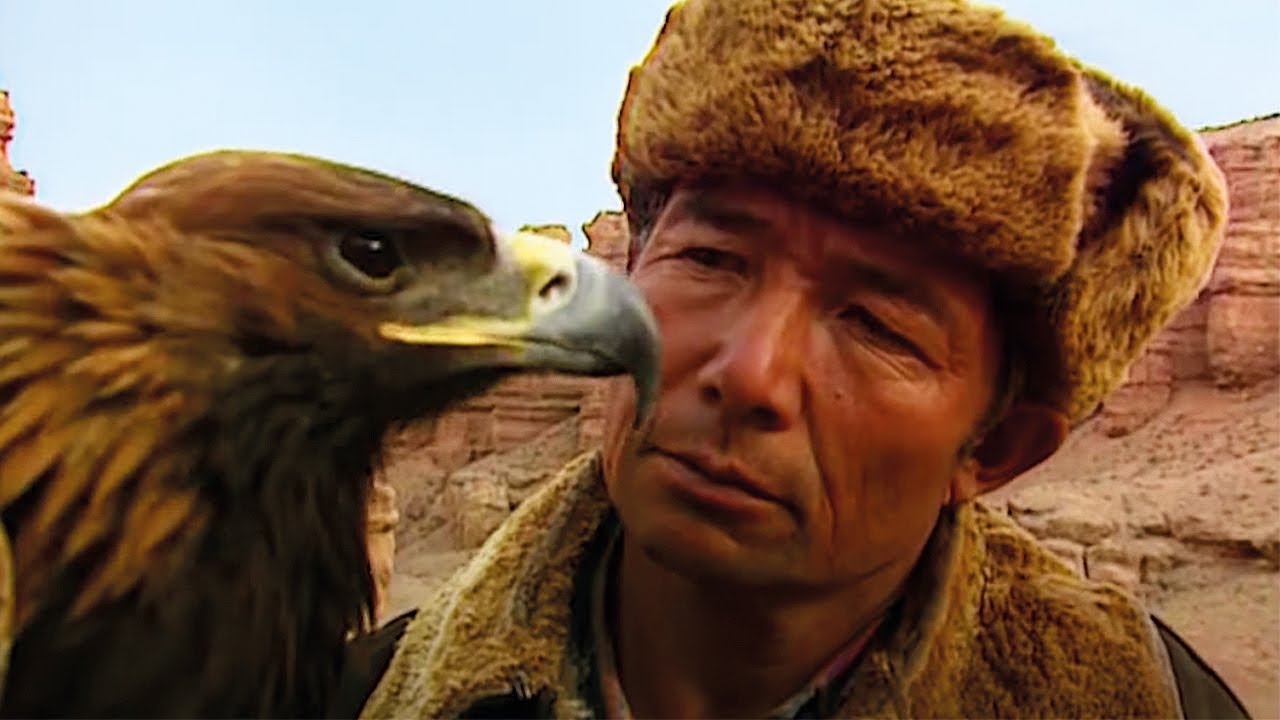
In the border region between China and Kazakhstan, eagle trainer Alik exemplifies the Kazakh people's enduring cultural connection to eagle hunting and nature.
Doñana National Park in Huelva, Spain, is a vital wetland habitat for endangered species like the Iberian Lynx and the imperial eagle, highlighting the need for ecosystem preservation.
Viewers learn about camera techniques for the upcoming Planet Insect on Curiosity Stream.
Aluminum is poured into abandoned ant nests at temperatures exceeding 650 degrees Celsius to reveal their underground structures.
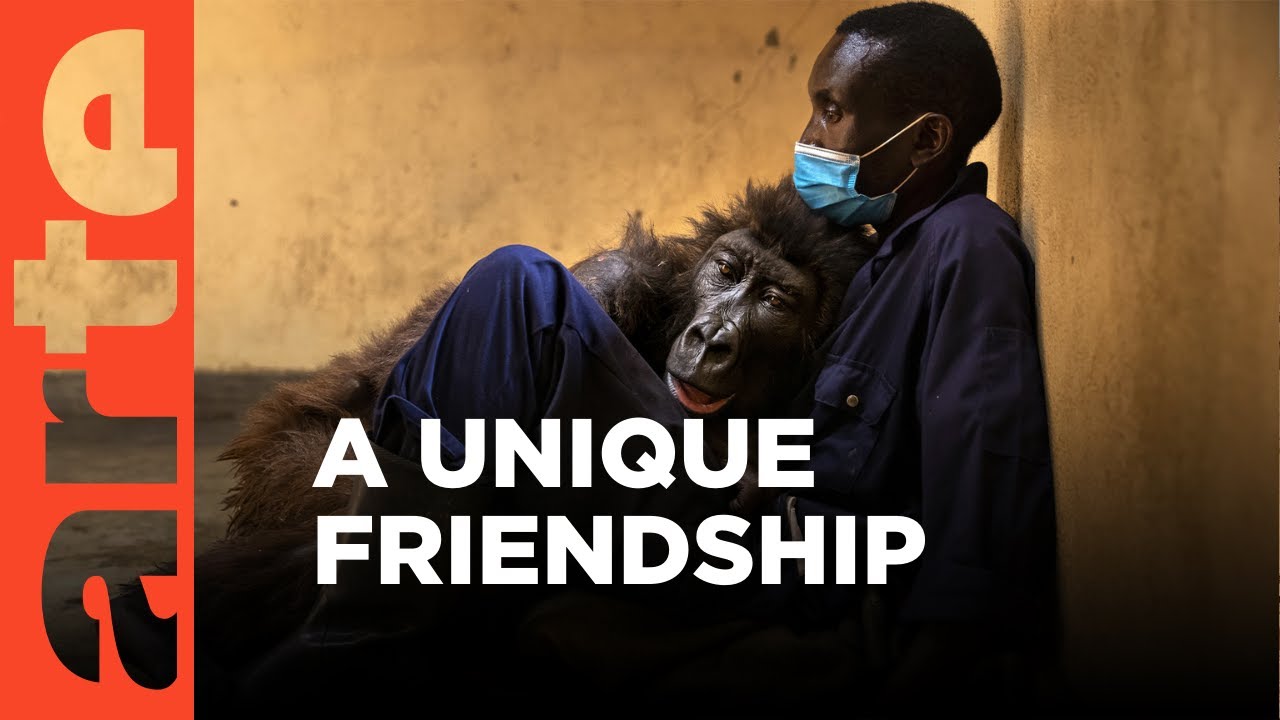
A dying female gorilla in Virunga National Park shares a deep bond with her caretaker, highlighting the efforts to protect endangered species in the park.
The emergence of man as a complex species changes the planet forever through intelligence and power.
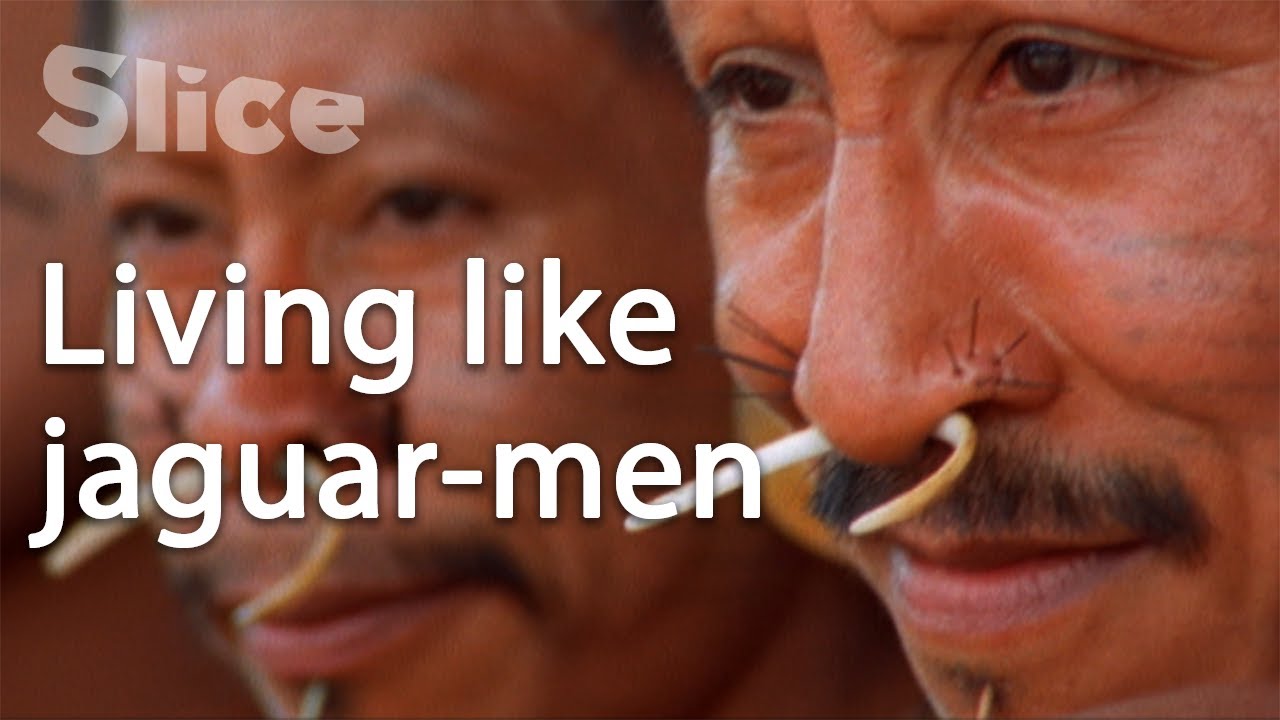
The Matis Indians of Brazil's Amazon forest view the jaguar as an equal and rival, reflecting their profound connection to nature and tribal culture.
Caretakers at the Amazonian Manatee Rescue Center in Iquitos, Peru, care for orphaned manatees.
In the steppes of Mongolia, the morin khuur, recognized by UNESCO as an intangible heritage, plays a vital role in the cultural traditions of nomadic communities.
On March 28, 2005, the first litter of Iberian lynx was born in captivity, marking a significant milestone in conservation efforts at Doñana National Park.
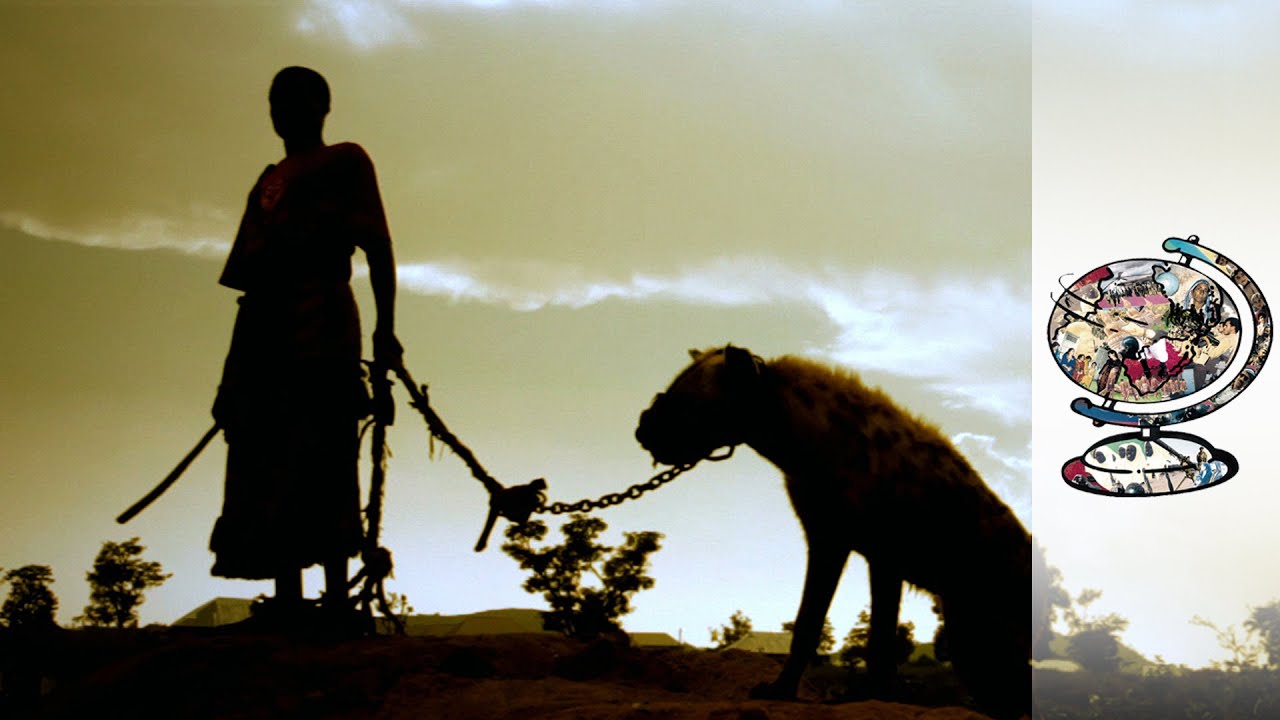
One handler states, "I have been doing this since I was five," as he tames wild hyenas and manages an entourage of snakes and baboons.
Enric Sala, Director of 's Pristine Seas project, advocates for ocean protection and biodiversity as essential for global health and economic stability.