From over 100,000 films, discover the handful you'll love.
Free or premium access to the world's largest documentary library.
3995 films(Page 62 of 84)
More than two-thirds of the world's geysers are located in Yellowstone National Park, making it a unique ecosystem for scientists and tourists alike.
Young macaques avoid the Asian water monitor while seeking water in Monkey Island.
Teenage lions brave crocodile-infested Luangwa River to reunite with their pride.
In the 1970s, the west coast of Scotland was home to a thriving fishery with hundreds of trawlers, but now fish stocks have collapsed.
Human beings and their interconnection with the planet are explored through visual imagery from 50 years of productions.
Glaciers shaped the rugged land of Pukaskwa National Park about 10,000 years ago, leaving behind unique features like cobblestone beaches and rounded hills.
A female squaretail grouper witnesses the disappearance of her home reef and the loss of her companions due to fishing pressures and environmental changes.
Over 15 species of wild birds thrive in Vancouver's urban environment, adapting to city life among concrete and steel.
In East River, Nova Scotia, the arrival of Balakrishna, an Indian elephant, in 1967 profoundly impacted young Winton Cook, highlighting themes of friendship and conservation.
An international team of scientists, led by Dr Julian Bayliss, climbs a sheer rock wall in Mozambique to study an untouched forest's role in climate change.
Overfishing and pollution threaten the livelihoods of the Bajo people in Southeast Sulawesi, Indonesia, as they fight to preserve their traditional fishing practices.
At least 30 banded sea crates join a hunting caravan with yellow goatfish, a behavior recently observed on remote reefs in Indonesia.
OceanXplorers features high-definition footage of whales and jellyfish accompanied by relaxing ocean sounds, showcasing the beauty of marine life.
Neanderthals, our closest extinct human relatives, vanished around 40,000 years ago.
130 million years ago, the rise of flowering plants was linked to a series of catastrophic fires that reshaped Earth's ecosystems.
The BBC Earth team presents 15 minutes of serene footage featuring diverse ecosystems and wildlife from Planet Earth III, showcasing nature's beauty.
In the Alaskan Boreal Forest, calming bird songs and soothing nature sounds create a tranquil atmosphere for relaxation and mindfulness.
Ian Shive shares highlights from 2022, including snorkeling and chasing sunsets.
Yellowstone National Park showcases dramatic wildlife interactions, featuring otters, bald eagles, and the master builders of the wild in their natural habitat.
277 miles long and more than a mile deep, the Grand Canyon is so vast that it can be seen from space.
Spy cameras capture five unique animal behaviors in their natural habitats, highlighting the social interactions of various species across diverse ecosystems.
Rhino populations have plummeted to under 30,000 due to poaching, yet dedicated conservationists work tirelessly to protect these endangered species.
Five lesser-known animal species, including the humphead parrotfish and the worm-eating giant snail, are highlighted in this BBC Earth presentation.
Endangered species like the snow leopard and polar bear face urgent threats from climate change and habitat loss, highlighting the need for wildlife conservation.
This beetle can lift 850 times its average weight and breathes using trapped air bubbles.
10 million straw-colored fruit bats gather in a half square mile of swamp, marking the largest mammal migration on Earth.
Eight baby orangutans at the Orangutan Jungle School engage in playful antics, including stealing food and attempting to form social bonds.
Priyanka Chopra Jonas and Lucia Silvestri select gems in Jaipur for Bvlgari High Jewelry.
BBC Earth compiles stunning footage from its natural history archive, highlighting summer's beauty and diversity across ecosystems like the Amazon and African deserts.
Elephants in Shaba consume between 80 and 160 liters of water daily, playing a crucial role in the region's ecosystem.
Birds, among the earliest creatures on Earth, exhibit diverse behaviors and survival strategies while holding significant cultural symbolism across various societies.
Four baby squirrels are born tail first, vulnerable and dependent on their mother for milk during the early days of spring in Central Europe.
Japan's diverse landscapes, from frozen seas to subtropical islands, support a rich array of wildlife, including red crowned cranes and bears, alongside human communities.
Coyotes navigate the challenging terrain of California's Baja Desert, showcasing their survival instincts and adaptability in a harsh environment.
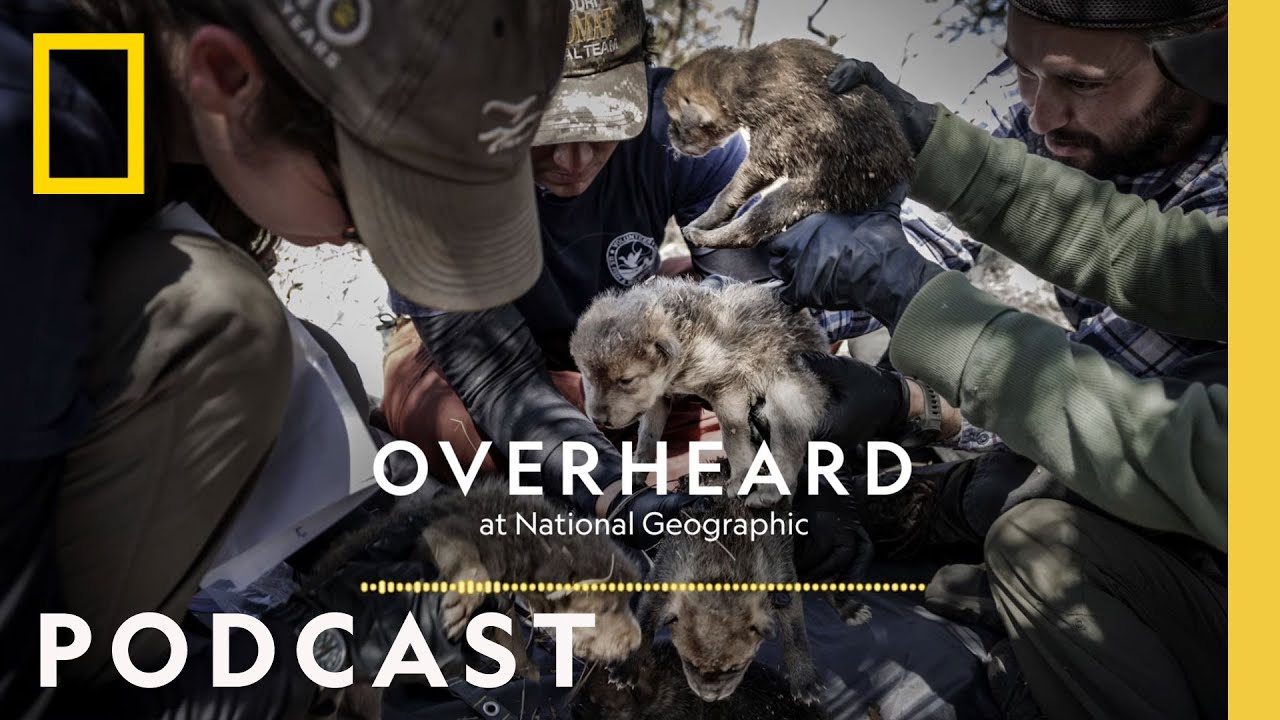
By the 1970s, Mexican gray wolves were nearly extinct in the Southwest due to conflicts with cattle ranchers and habitat loss.
Bertie Gregory returns to Vancouver Island to raise awareness for the conservation of coastal wolves after one he photographed was killed.
Orangutans have an average birth spacing of seven to eight years, making their population vulnerable to habitat destruction in Borneo and Sumatra.
The Curù wildlife refuge in Costa Rica rescues and rehabilitates spider monkeys.
A robot equipped with sensors and cameras is designed to locate and monitor healthy coral reefs, providing crucial data for reef health assessment.
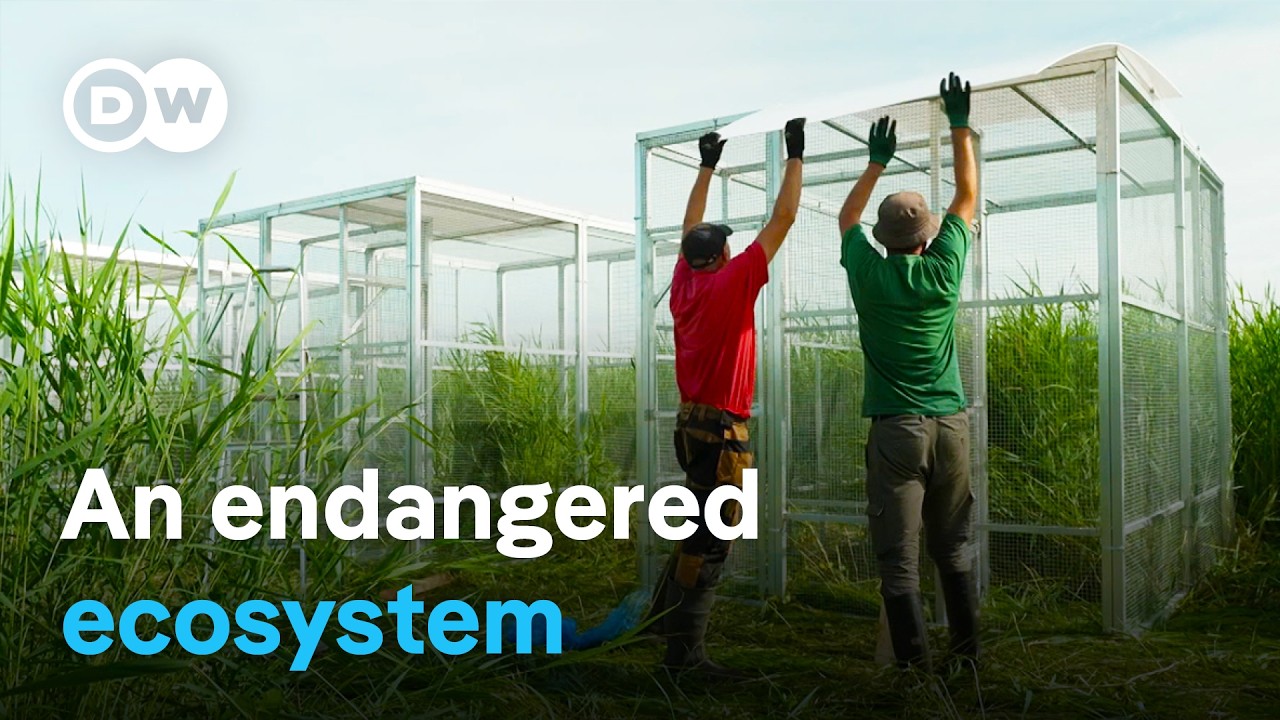
Thirty-five Aquatic Warblers are set to be reintroduced to the wetlands surrounding Rozwarowo, a village in north-western Poland.
An octopus stretches its arms to three times their normal length while attempting to solve a food puzzle in an aquarium setting.
Whale scientist Nan Hauser recounts her experience of being saved from a shark by a humpback whale and the subsequent return of the same whale.
The Jones family raises buffalo on their ranch, restoring biodiversity and creating boots from hides.
Naya, Belgium's first wolf in a century, navigates challenges in a human-dominated landscape.
Photographer Lynn Abercrombie shares stories and images from her late husband Tom's 40 years of assignments for .
Participants in traditional dances imitate specific animals, with each dancer specializing in movements that reflect their totemic connections to wildlife.
Hoatzins in the Orinoco river jungles adapt to life in the Amazon's treetops for survival.
Over 400 ring-tailed lemurs thrive in the Anja Community Reserve, the highest density of these animals in Madagascar.