From over 100,000 films, discover the handful you'll love.
Free or premium access to the world's largest documentary library.
3995 films(Page 39 of 84)
Big Cat Initiative grantees Shivani Bhalla and Krithi Karanth, along with Boone Smith, provide insights into the challenges of big cat conservation during 's Big Cat Week.
Gran Canaria faces ecological challenges due to an invasive snake population, prompting local residents and environmentalists to implement control measures.
Half a million birds from over 350 species rely on Keoladeo National Park for habitat and sustenance, making it a critical sanctuary for wildlife.
A mile-deep chasm formed between Africa and Arabia created the Red Sea, which is home to diverse marine life and unique coral ecosystems.
Autumn showcases how wildlife and plants prepare for winter, highlighting the Red Deer rut, migrating Cranes, and the survival strategies of hedgehogs and squirrels.
Animal communication is explored through cutting-edge AI and behavioral science, revealing how species like honeybees and humpback whales convey complex messages.
In Vietnam, the illegal trade of rhino horns is fueled by a belief in their medicinal properties, contributing to the decline of rhino populations in South Africa.
In 2025, the culling of 12 healthy baboons at Nuremberg Zoo in Germany highlighted the challenges of managing animal populations amid overcrowding.
Coral reefs around the world face severe threats from climate change, pollution, and overfishing, leading to significant ecological decline.
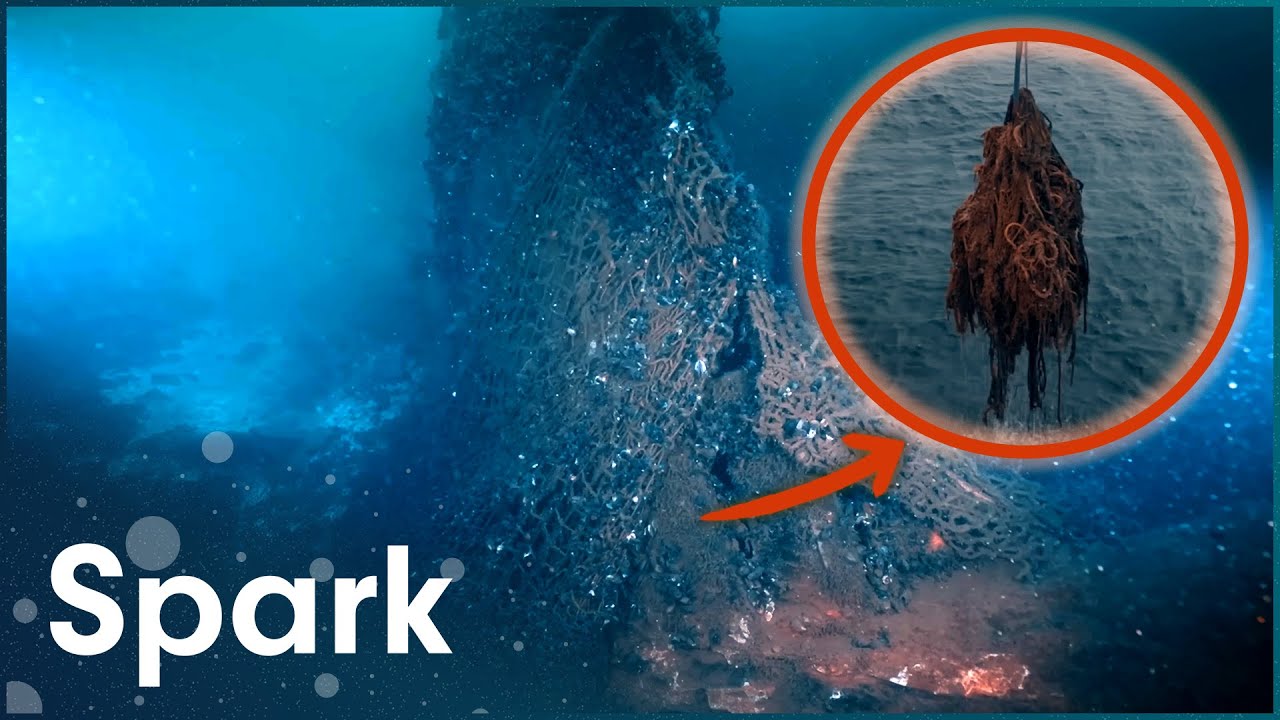
Baltic Sea Divers team, led by biologist Lena Platt, conducts high-stakes salvage operations to remove hazardous ghost nets from the wreck of the Friedrich Engles.
The worldwide captive population of woolly monkeys has decreased to just 42 individuals, prompting urgent conservation efforts at Monkey World in Dorset, England.
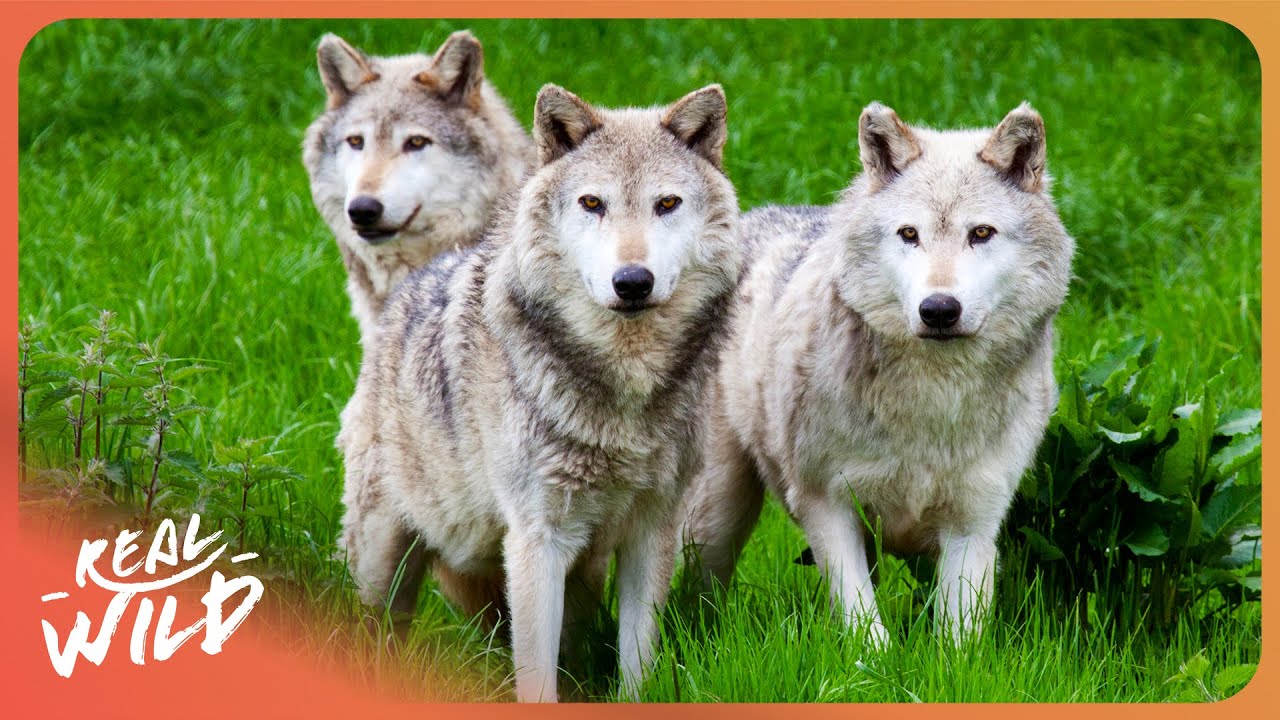
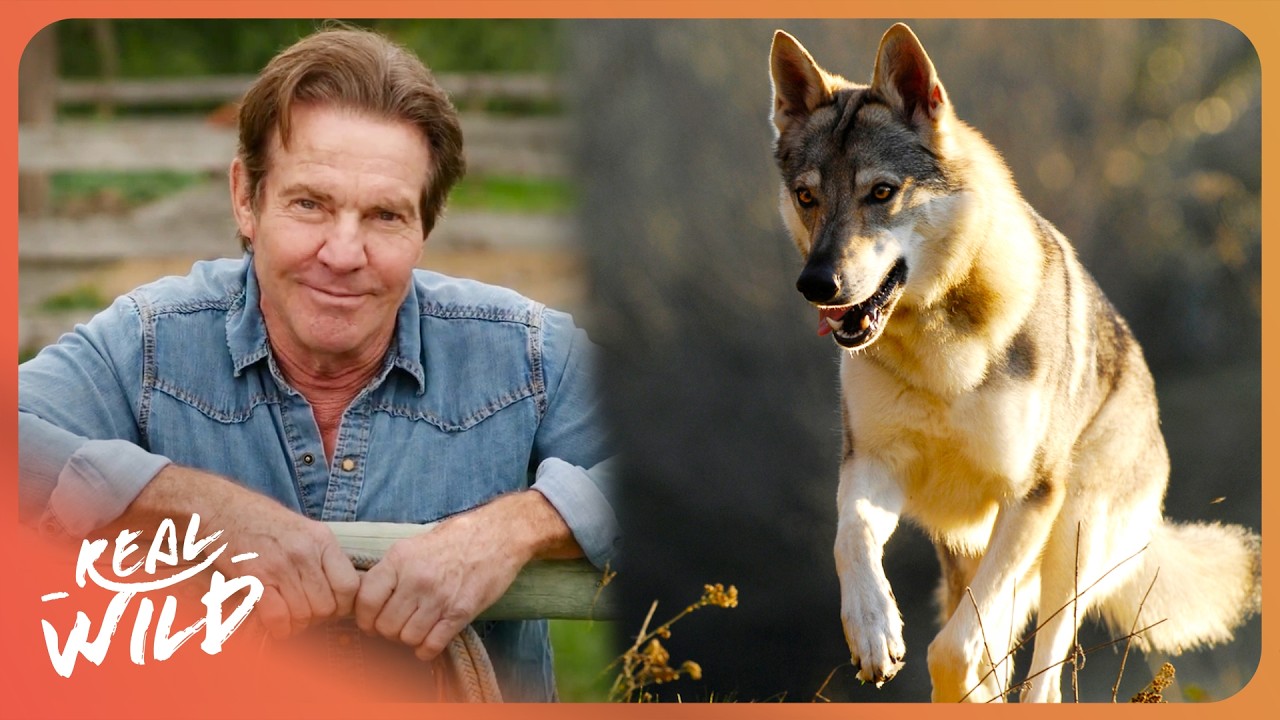
In a remote training facility, a wolf trainer faces the challenges of earning the trust of a wild wolf pack for the film "Wolf Totem."
Germany's underwater ecosystems, from the Harz Mountains to the North Sea, showcase the survival of species like the critically endangered Atlantic sturgeon amid environmental changes.
Two thousand years ago, cats were revered on the island of Cyprus for their ability to control snake populations, challenging modern superstitions about their nature.
In Sri Lanka, young mahout Chandani, mentored by ranger Mohammed, builds a profound bond with her elephant Kandula while overcoming gender barriers.
In the Australian Alps, the survival of unique wildlife like the Wombat and the endangered Mountain Pygmy Possum is threatened by ecological challenges and the overpopulation of Brumbies.
In the Mongolian Gobi Desert, a team of experts employs thermal technology and satellite tracking to document the elusive behavior of snow leopards.
Wapiti, also known as elk, inhabit Yellowstone National Park, where they thrive in a diverse ecosystem covering 9,000 square kilometers.
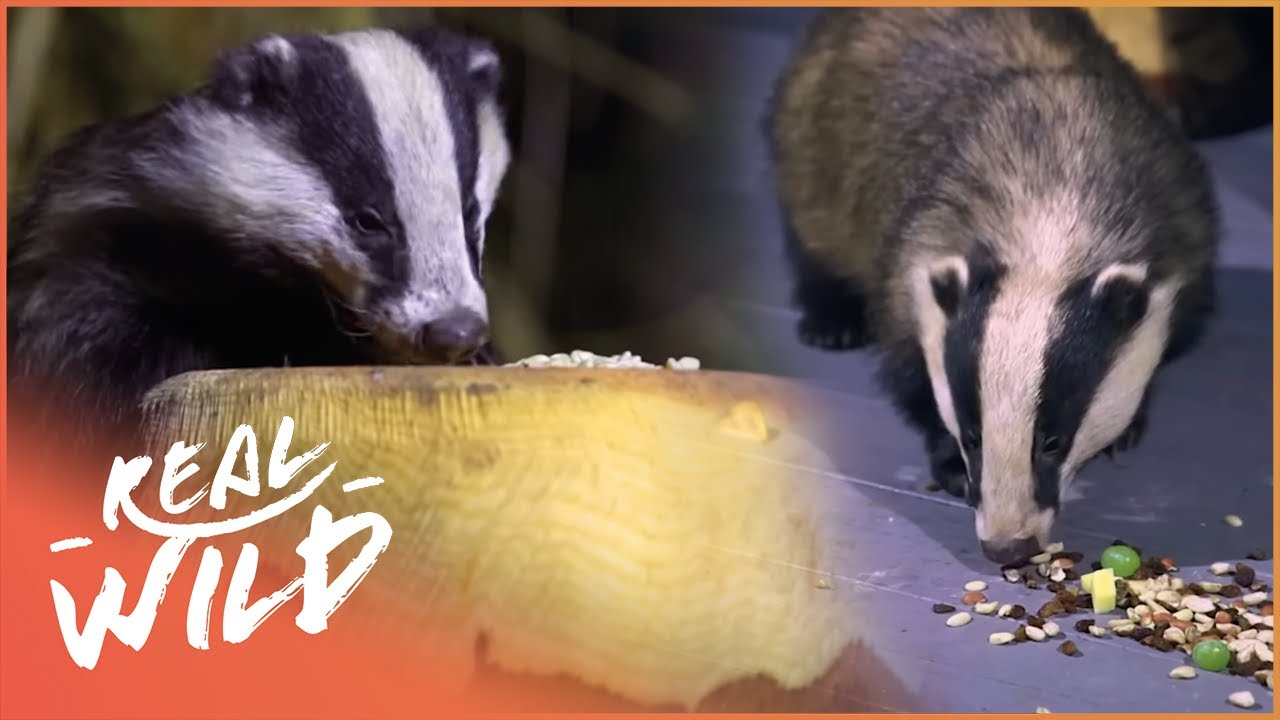
In a suburban backyard, a woman cares for a family of wild badgers while wildlife experts Steve Backshall and Miranda Krestovnikoff explore nocturnal animal behavior in Britain.
According to tradition, entire families join in for the harvest, which takes weeks to pick, sort, and process the fruit in the orchard.
Brown bears, American black bears, and polar bears are examined for their survival strategies and ecological importance amid environmental challenges.
In the sand forest of Africa, Brittany, Anga, and Bruce search for elusive leopards while waiting in the bush after a punctured tire leaves them stranded.
Plains zebras, known for their social behavior and distinctive stripes, are examined alongside their species counterparts, the Grévy's and mountain zebras.
95% of all species disappeared during past mass extinctions, with human activities now threatening the survival of many more.
A comet on a collision course with Earth threatens to cause a catastrophe that could extinguish all life within minutes of impact.
Four Maasai tribesmen share their experiences and knowledge about elephants and the challenges of human-wildlife conflict in the Selenkay region of Kenya.
Australia's unique ecosystems, from the ancient Outback to the Tasmanian wilderness and the Australian Alps, showcase millions of years of evolutionary history.
Guadalupe Island is home to the northern elephant seal, which has made a comeback after being nearly wiped out by hunters in the 19th century.
A three-year-old tigress named Ahimsa has recently taken possession of her own territory in Madhya Pradesh, India, amid ongoing threats from poachers.
In Southeast Oklahoma, conservationists led by Ivan Carter conduct vital research on the remarkable resurgence of the American black bear in its native habitat.
In Sri Lanka, a 2,000-year-old reservoir system supports elephants during drought, while the Namib Desert's fog sustains its unique ecosystem and Amazon wildlife adapts to rising floodwaters.
Australia's ancient rainforests are home to unique wildlife, including the Tasmanian devil, platypus, and saltwater crocodile, showcasing their survival strategies.
Insects and arachnids exhibit remarkable adaptations, such as fire-resistant skin and acid-spitting abilities, while urban wildlife like rats and raccoons thrive on human food waste.
In Brazil's Pantanal wetlands, ancient predators like jaguars and giant otters engage in a relentless struggle for survival during the harsh dry season.
One Morrocoy tortoise escapes captivity and faces a 300,000 square kilometer struggle for survival across the Llanos of Venezuela.
In Corbett National Park, Ian Max Maxwell collaborates with local experts to track Bengal tigers, employing traditional skills to navigate the challenging terrain.
Canada's national parks, established to preserve less than 1% of the country's total land area, serve as vital wildlife sanctuaries for millions of visitors each year.
In the American West, wild horses find refuge at Return to Freedom, while Chimp Haven in Louisiana and Thailand's Elephant Nature Park provide care for rescued animals.
Gibbons, primates that share over 98% of human genes, face extinction in Borneo, Sumatra, and Bangladesh due to illegal logging and the palm oil trade.
The Congo River, the deepest river on Earth, is home to unique species like the Shoebill and African Lungfish, showcasing a remarkable ecosystem.
Lions attempt to steal a leopard's kill in a tree, while servals, tigers, cheetahs, and mongooses engage in various dramatic wildlife encounters.
Craig Potton explores the Rangitata River in New Zealand, highlighting the local people's history and their connection to the natural environment.
Rattlesnakes, stonefish, scorpions, blue ringed octopuses, Sydney funnel web spiders, Gila monsters, and fire ants exemplify the world's most toxic predators and their lethal adaptations.
The return of wolves to Idaho, Montana, and Wyoming has sparked ecological changes and innovative livestock protection strategies among local ranchers.
The Hunte River, a hidden gem in northwest Germany, supports diverse wildlife and unique landscapes, as documented by filmmakers Svenja and Ralph Schieke.
In the jungles of the Congo and the peaks of Japan, primates like silverback gorillas, baboons, and macaques showcase their adaptability and intelligence amid human threats.
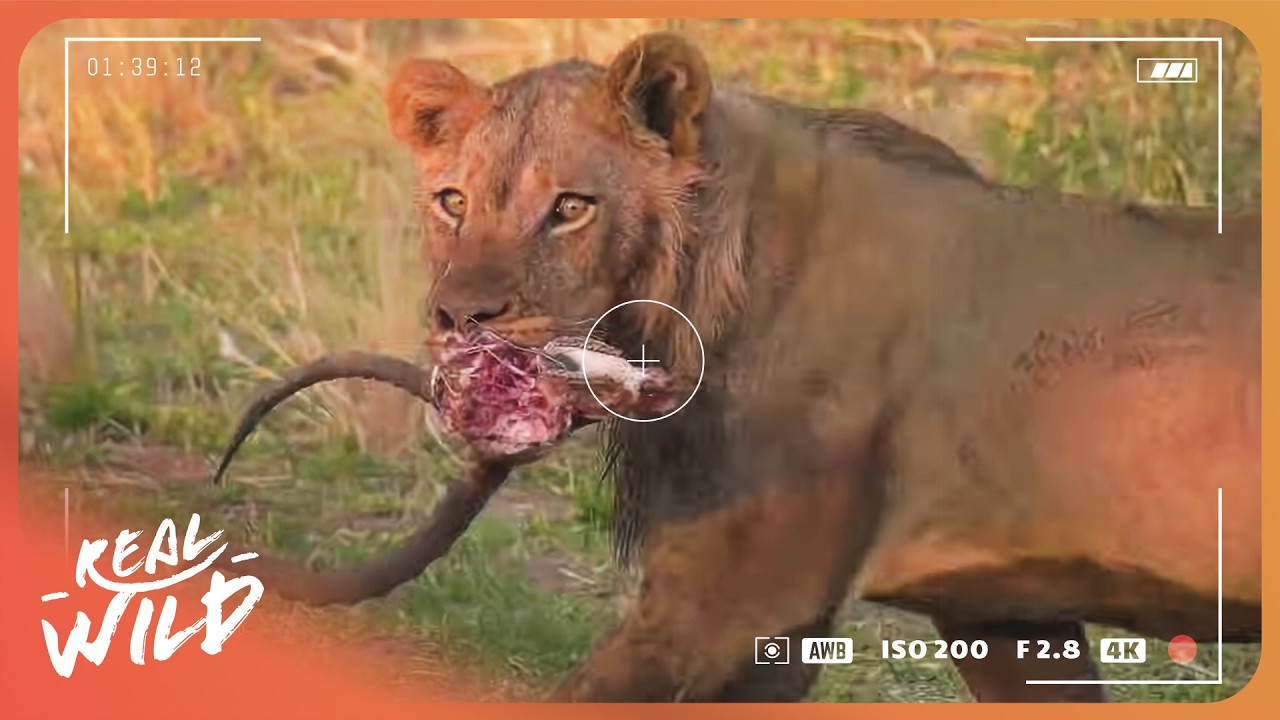
In Matusadona National Park, a local lion pride is tracked as they hunt and take down a 14-foot Nile Crocodile along the shores of Lake Kariba.
In the Australian desert, apex predators like dingoes and desert raptors exhibit extreme adaptations for survival in harsh conditions.