From over 100,000 films, discover the handful you'll love.
Free or premium access to the world's largest documentary library.
3995 films(Page 77 of 84)
Rachel Ashegbofe Ikemeh faces armed marijuana growers in Nigeria's forests while researching a genetically distinct population of chimpanzees.
Over 150 rangers have died protecting gorillas in Virunga National Park, where poaching and illegal charcoal production threaten wildlife.
About 750 kilograms of vicuna wool will be collected this year at Kalakala, where strict rules govern the shearing and conservation of these animals.
The pine processionary caterpillar devastates forests in Northern Europe and the Landes region.
From tropical jungles to the icy plains of Antarctica, BBC Earth presents a compilation of highlights from the acclaimed series Planet Earth.
In various ecosystems, BBC Earth highlights the adaptability of piranhas in the Amazon, playful polar bear cubs in the Arctic, and the impact of locust swarms.
San Diego's wildlife preservation efforts highlight the management of apex predators like Komodo dragons and endangered species such as Fiji iguanas.
Garamba National Park's rangers serve as the last line of defense against poachers targeting endangered elephants for their ivory tusks.
The Punans number a few thousand and live in small groups scattered over an immense territory in the jungles of Borneo.
John "Planetwalker" Francis spent 17 years in silence while walking across the United States, promoting environmental awareness and personal reflection.
In Xuan Thuy, Northern Vietnam, biologist Truong Quang Nguyen studies the unique biodiversity of mangroves, including the rare aquatic snake Ran Bong.
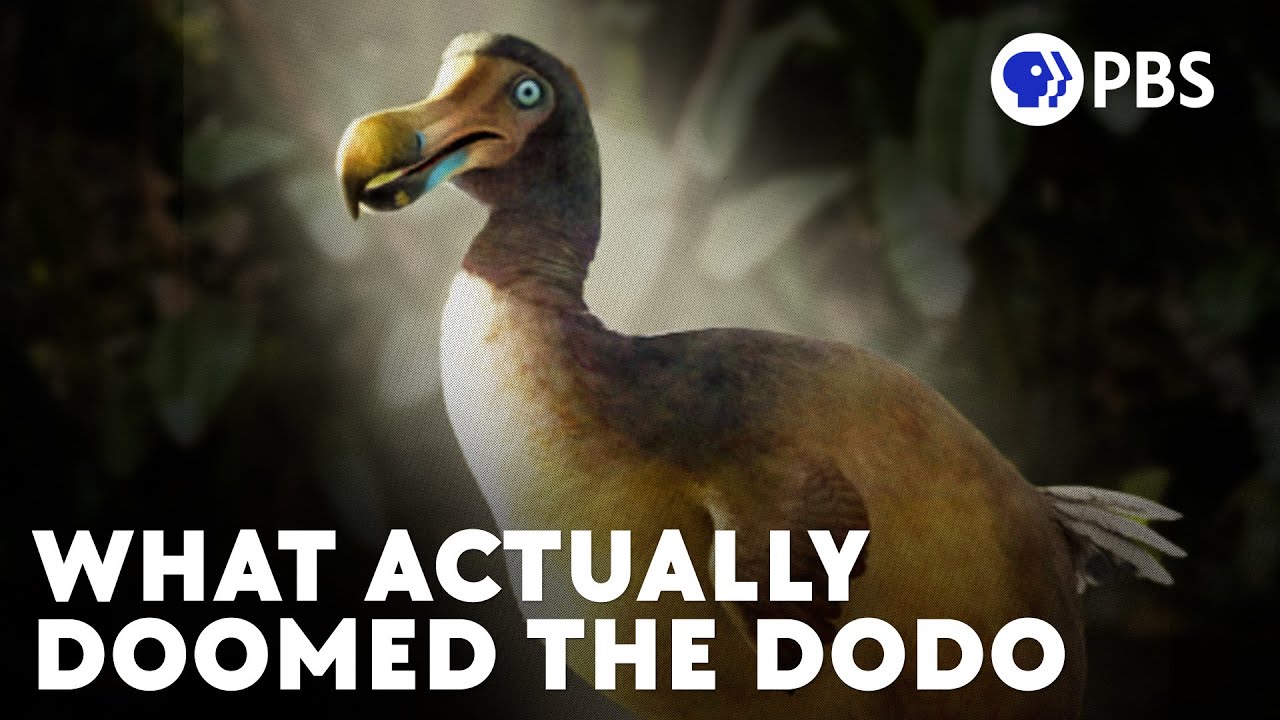
The extinction of the dodo bird, a unique species that evolved on the island of Mauritius, raises questions about human responsibility and environmental impact.
A category 4 cyclone in March caused significant damage to the Great Barrier Reef, prompting urgent discussions about climate change and renewable energy.
A single bay in the Indian Ocean may contain twice as many marine species as the entire Caribbean.
Thirty acres of habitat restoration in California aim to support endangered juvenile winter-run Chinook salmon affected by habitat loss from dams.
10,000 years ago, glaciers shaped the Great Lakes, creating a vital freshwater resource that now faces pollution and habitat loss.
Dependra Gaja, the royal elephant, protects Tharu villages in Nepal's Chitwan reserve.
Varanasi, The Sacred City, faces decay while showcasing its unique habitats and rituals.
Sacred animals such as elephants and camels hold significant spiritual and cultural meanings in various societies around the world.
Alligators can sprint at 35 mph and rarely get infections, prompting scientists to study their blood for potential antibacterial applications.
In Kefalonia, Hannah Stitfall collaborates with Chanel Comis, co-founder of Wildlife Sense, to highlight efforts in protecting the island's sea turtles.
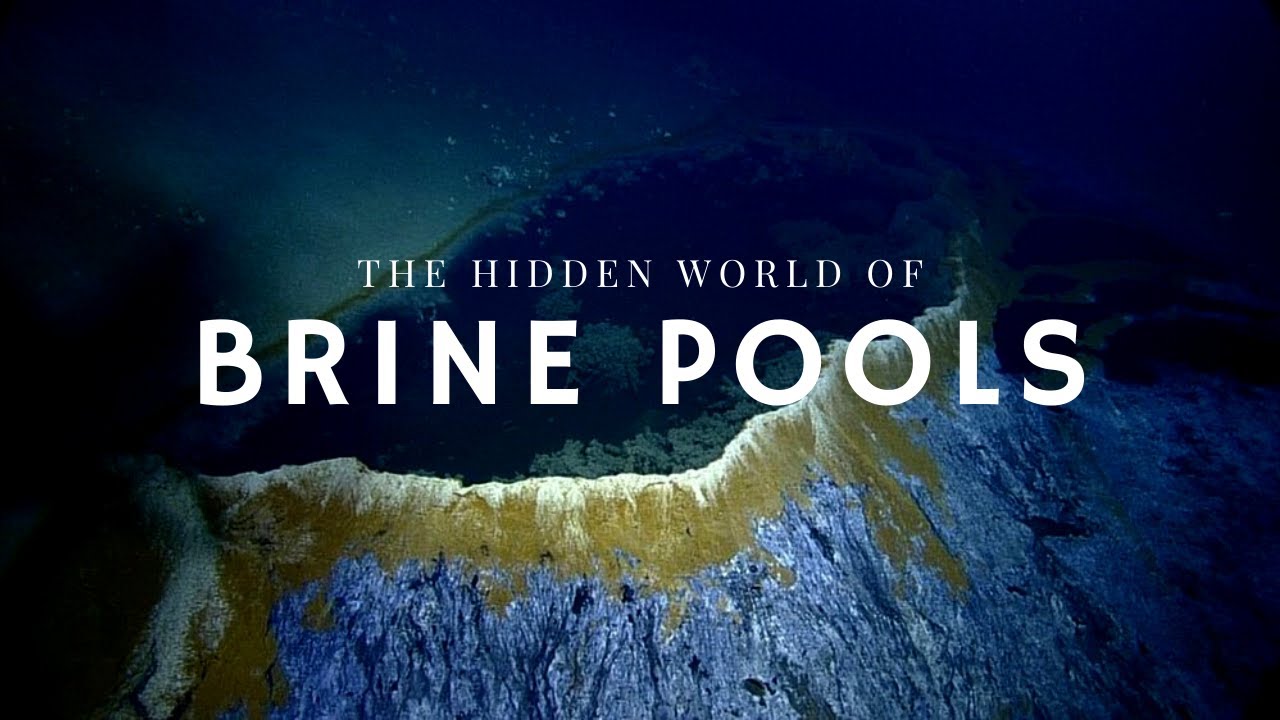
Deep sea brine pools in the Gulf of Mexico serve as unique ecosystems where organisms thrive on chemosynthesis, despite their toxic environments.
An octopus stretches her arms to three times their normal length while solving a puzzle for dinner in a vibrant aquarium after dark.
Canine teeth of saber-tooth cats measured nearly a foot long, allowing them to quickly dispatch prey and engage in fierce battles with each other.
Hukou Waterfall, the largest waterfall on the Yellow River, attracts numerous tourists each year to experience its stunning natural beauty.
China's national parks are home to diverse wildlife, including giant pandas and endangered snub-nosed monkeys, thriving in habitats from forests to mountains.
Fallen whale carcasses in the deep sea create unique ecosystems, supporting diverse marine life through various stages of decomposition over decades.
Ten years ago, Marla Coppolino adopted a juvenile snail, which she named Mystery Fault, and has since formed a deep bond with the creature.
Lizards exhibit remarkable adaptations that enable them to thrive in diverse environments around the world, showcasing their unique evolutionary traits.
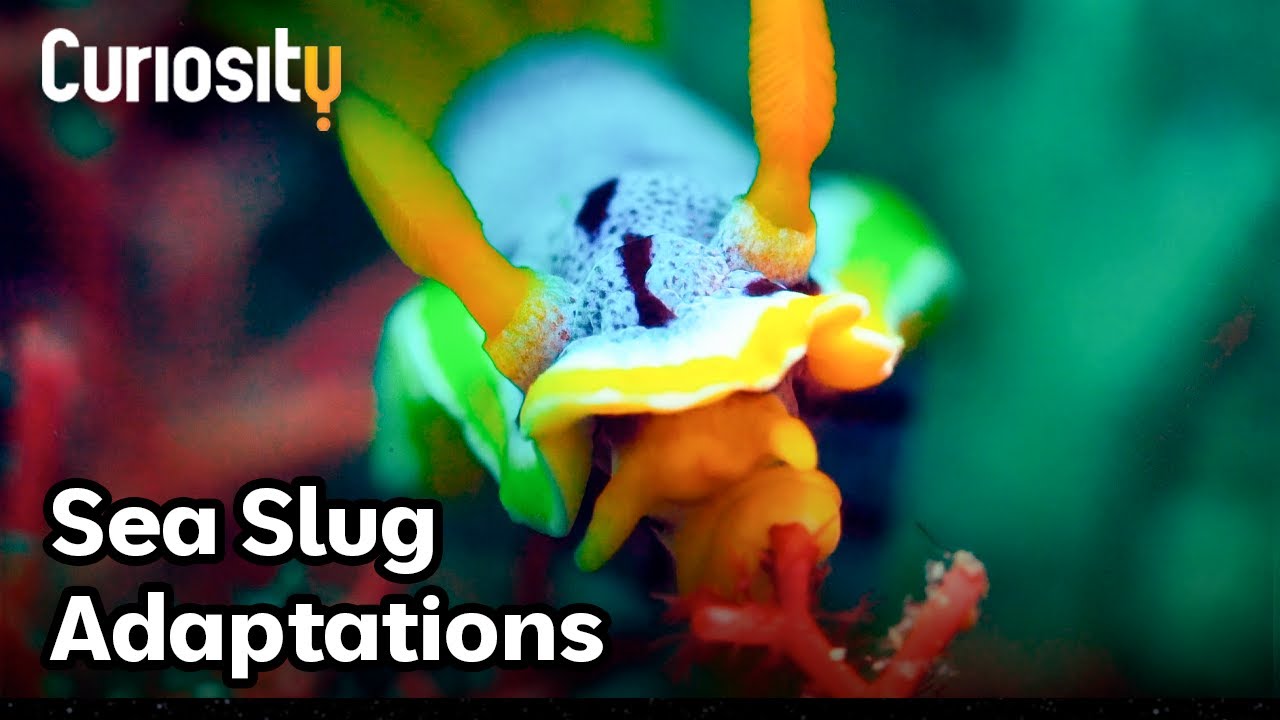
Nudibranchs, or sea slugs, exhibit remarkable adaptations such as weaponizing stinging cells and harvesting solar energy to thrive in diverse marine environments.
In the late 1950s, the U.S. Navy considered using sharks as living torpedoes in a classified project called Project Headgear.
The Tasmanian Devil, a unique carnivorous marsupial native to Australia, is explored through its scavenging habits, diet, and cultural significance in local folklore.
The Pterois, or Lionfish, is a venomous fish invasive to the Atlantic Ocean.
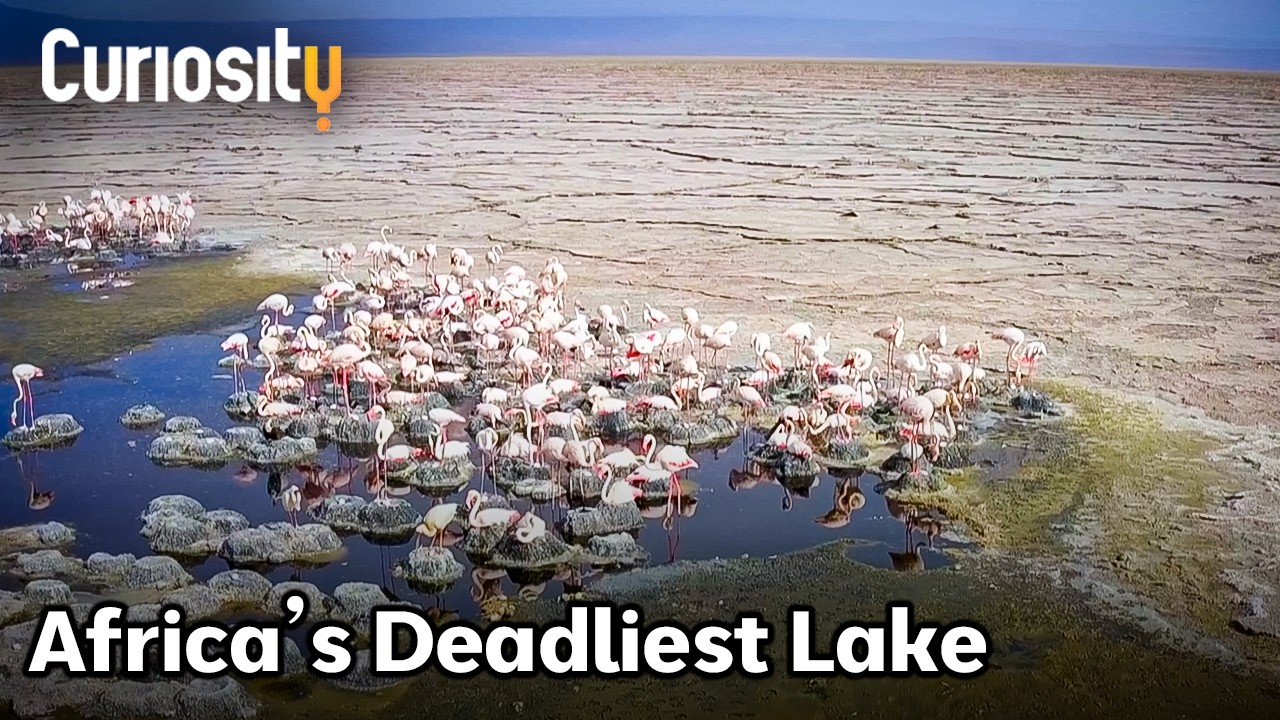
Lake Natron covers an area of around 600 square miles and reaches temperatures of 42 degrees Celsius, creating a hostile environment for most life forms.
Pangolins, the most trafficked mammals in the world, face severe population decline due to illegal trade for their scales and meat, with one million trafficked in the last decade.
Two Grotoceans search the sea for treasure while encountering various surprises in a story focused on ecology and conservation.
Animal behavior is explored through impressive archive footage, showcasing the brutality of orcas and the ingenuity of potter wasps, narrated by David Attenborough.
Chitwan National Park now attracts over 100,000 visitors each year, with many riding elephants to experience the region's wildlife and natural beauty.
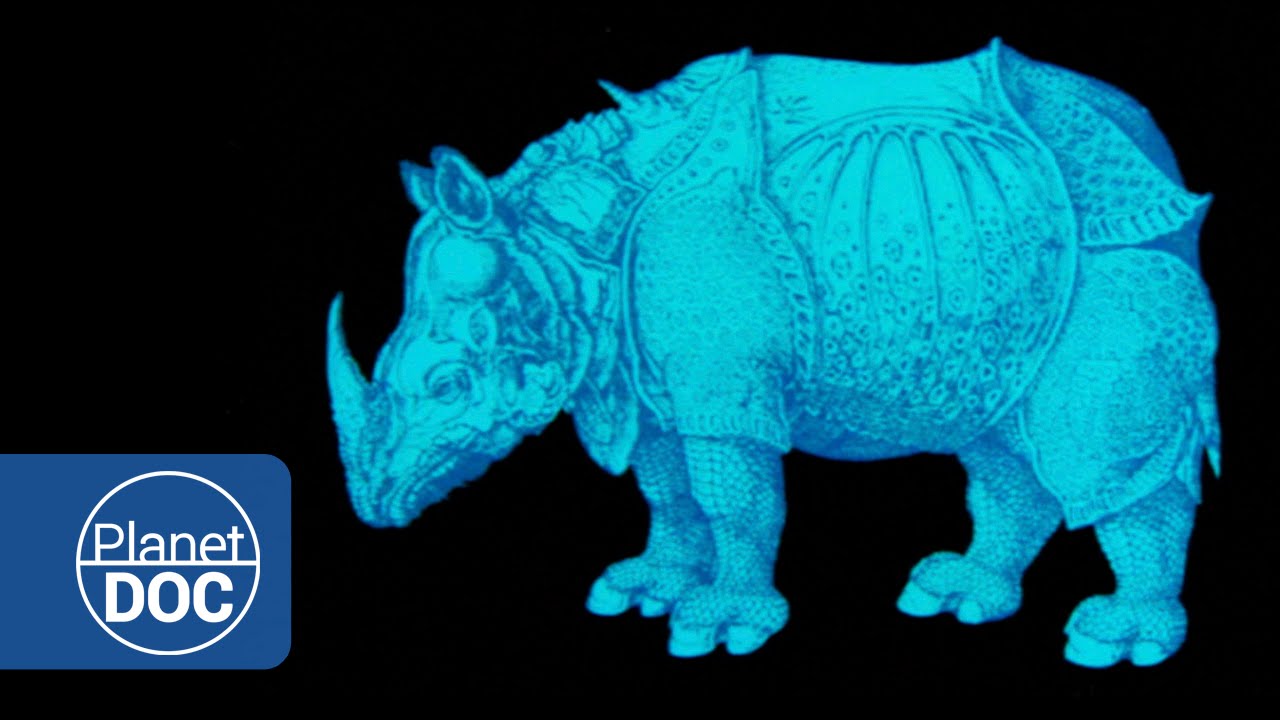
In the Terai region along the India-Nepal border, the Indian rhinoceros symbolizes the mythical unicorn, reflecting its cultural significance and connection to local communities.
Around 60,000 people gather almost 11,000 tonnes of high grasses during a 15-day harvest in Chitwan, contributing approximately 250,000 dollars to the local economy.
In the border region of India and Nepal, the Indian rhinoceros symbolizes the legendary unicorn, reflecting the area's rich biodiversity and cultural heritage.
In 398 B.C., Greek historian Ctesias wrote about a wild beast in India and Nepal, a creature that has fascinated people for centuries.
In the jungles along the India-Nepal border, the legend of the Indian Unicorn intertwines with the cultural significance of the Indian rhinoceros and local communities.
The Matis in Brazil use unique blowpipes to hunt in preserved forests for food.
Arctic foxes have been recorded making as many as 90 kills in a single day while hunting for lemmings beneath the snow.
The Vao clan on the Isle of Pines builds traditional canoes, preserving Kanak heritage.
In Northern Iran, the village of Masuleh features a unique architectural style where roofs serve as roads, reflecting the community's adaptation to the Alborz Mountains.
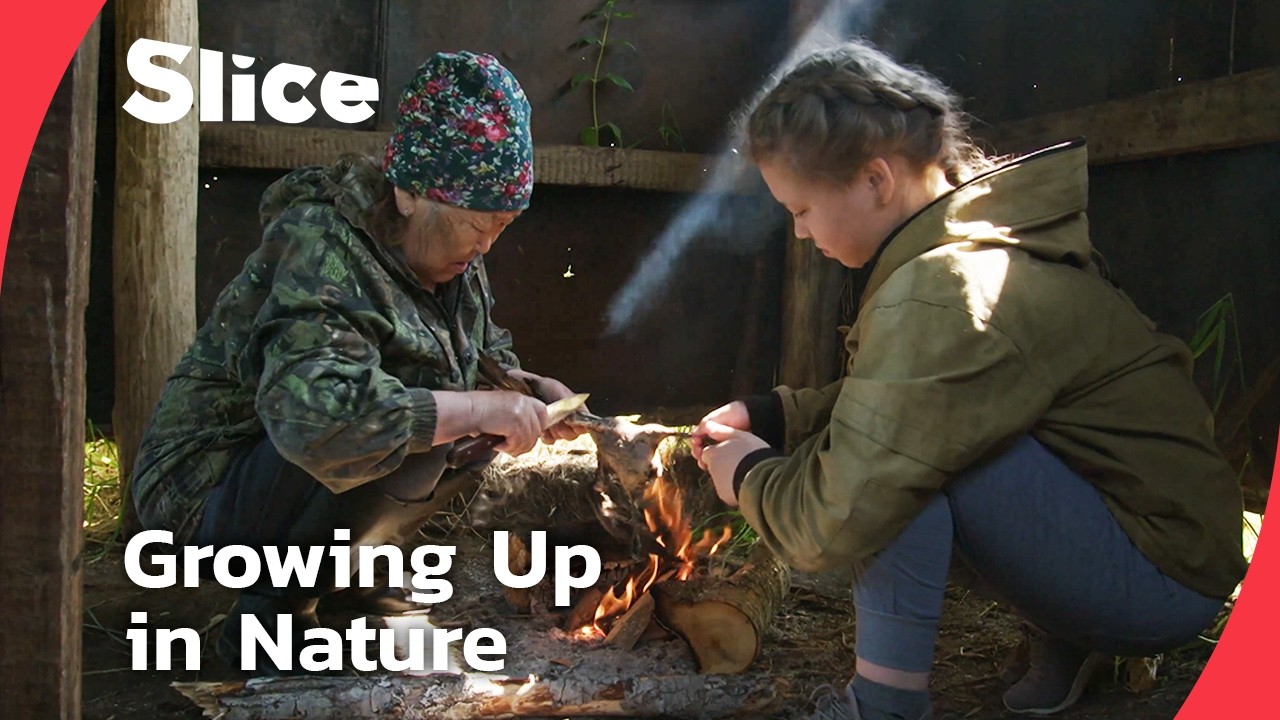
Daria's grandchildren learn survival skills from Ivan in Kamchatka's vast forests.