From over 100,000 films, discover the handful you'll love.
Free or premium access to the world's largest documentary library.
3995 films(Page 2 of 84)
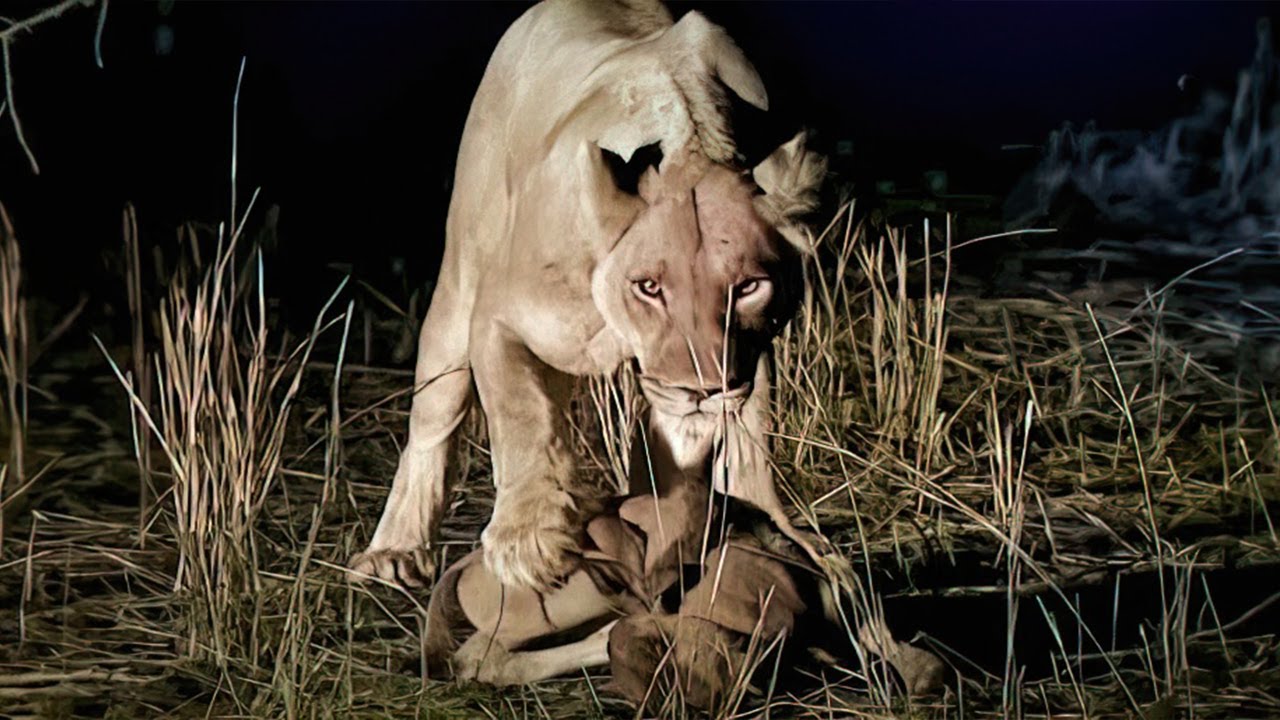
100,000 acres of the Malilangwe Game Reserve provide a battleground for Manyari and her sister as they defend their cubs from invading male lions.
Heart rates of hummingbirds can reach 1,200 beats per minute, making them the highest among vertebrates and enabling their remarkable aerial maneuvers.
Approximately 90 common ravens have been marked with colored chips at a research station in Austria to study their behavior and intelligence.
Giant dragonflies with a wingspan of up to 25 inches thrived 300 million years ago, long before birds and flying reptiles existed.
400 remaining members of the Pirahã tribe in the Brazilian Amazon speak a language that lacks words for numbers and does not use fixed past or future tenses.
A hagfish, which can grow to twice the length of a man, uses its jawless mouth to consume dead bodies on the ocean floor.
An airship up to 130 meters in length could sail the turbulent upper winds of Venus, offering a potential habitat for future human settlers.
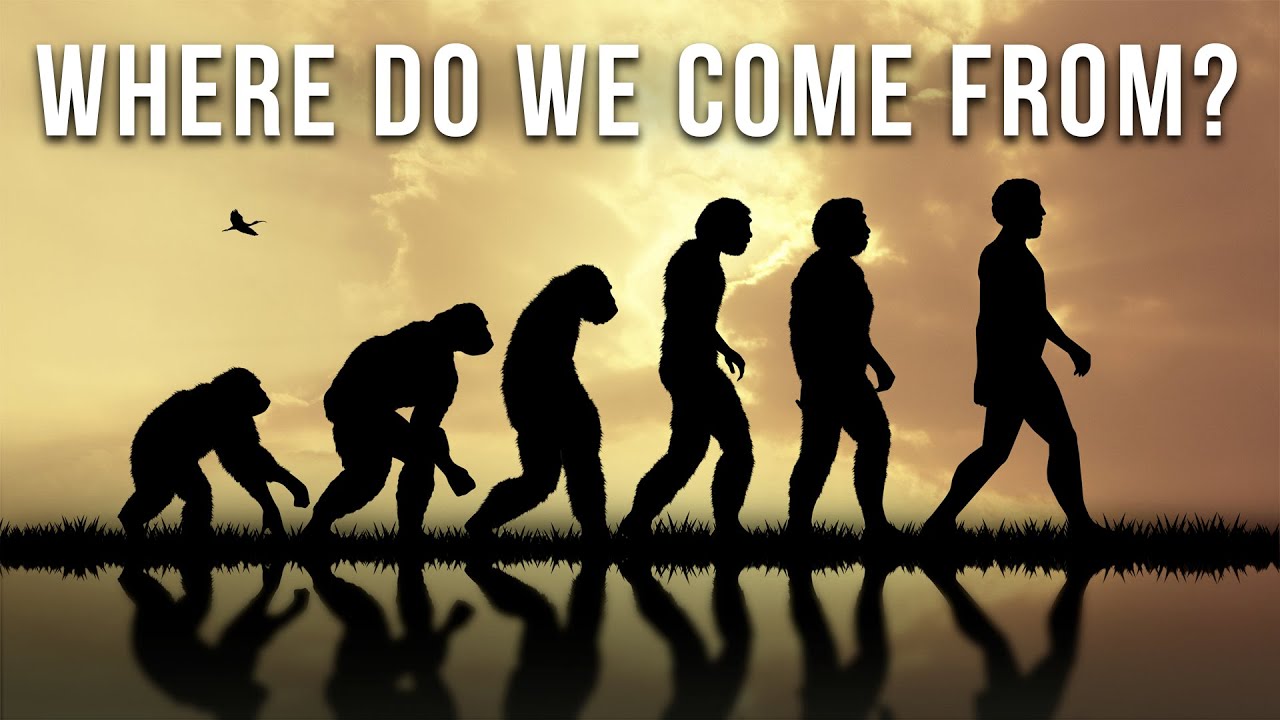
Homo sapiens emerged 200,000 years ago after a 3.3 billion year battle for survival, evolving from single-celled organisms to the most complex creatures on Earth.
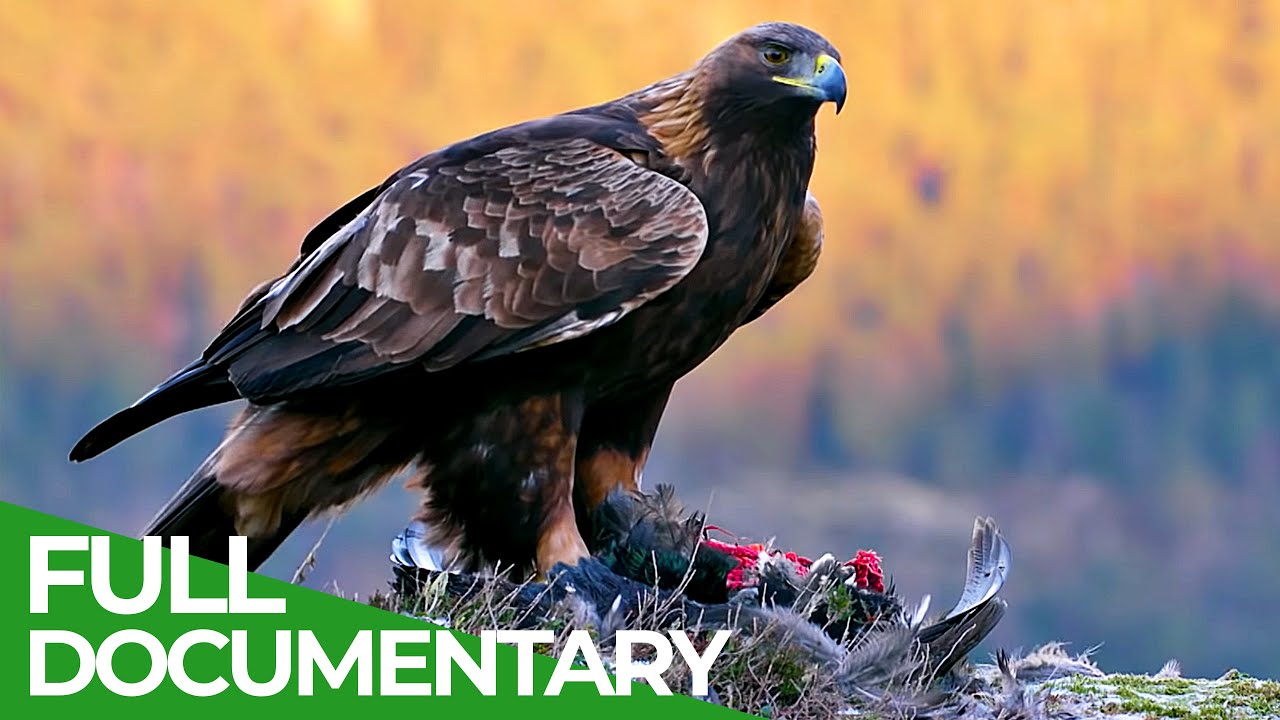
Golden eagles mate up to 30 times before the female lays her eggs in early April, ensuring the continuation of their species in harsh Scandinavian winters.
Eight astronauts with over 1,000 days in space discuss the likelihood of finding simple life forms on other planets.
A 10-meter-wide crater appears near the cave home of the Taaw’t Bato tribe after an explosion, raising fears of government intervention.
In a collaboration between BBC Earth and OceanX Media, a 10-hour loop showcases the vibrant colors and diverse marine life of the world's oceans.
Over half a million terns gather on a remote atol in the Indian Ocean during the dry season, where fledglings learn to fly and hunt for food.
More than 2,000 years ago, a man was placed in a Danish bog, where his features remain perfectly preserved in the acidic peat.
Over 20 hyenas surround a young male lion, Red, as he struggles to escape their attack in a dramatic display of predator-prey dynamics.
Bhutan is the first carbon negative country in the world, with over 70% of its land covered in forest.
Mangroves, seagrasses, and kelp forests are showcased in a 10-hour loop of serene oceanscapes produced by BBC Earth and Ocean X Media.
Each year, heavy rains transform the Okavango Delta, filling its veins and rejuvenating the land, which supports diverse wildlife and local communities.
A polar bear catches a seal underwater, obtaining 100,000 calories to sustain her for a week in a challenging Arctic environment.
Bees and butterflies play an important role in pollination and crop production for consumption.
More than 300,000 wildebeest calves are born in a few weeks, facing immediate threats from predators and the challenges of migration.
A 5,000-year-old bristlecone pine in California has survived extreme climate changes and harsh conditions, providing insights into ancient ecosystems.
Geophysicist Anselm Nathanael Pahnke embarks on a 414-day cycling expedition across 15 African countries, covering 15,000 kilometers from South Africa to the north.
A newborn golden snub-nosed monkey, entirely dependent on her mother, faces numerous challenges in China's high mountain forests.
Five male cheetahs form the largest coalition ever recorded in the Northern Serengeti, challenging established beliefs about their social behavior.
Georgia has cultivated grapes for 7,000 years, making it a key region in the history of wine culture and home to over 500 grape varieties.
Since European settlement, 41 species of plants and animals have become extinct in Tasmania, with another 600 currently classified as under threat.
Ancient forests in Germany and Northern Europe, once home to diverse wildlife and shaped by Celtic and Teutonic cultivation, face significant environmental threats today.
In Yellowstone National Park, wildlife filmmakers Oliver Goetzl and Ivo Nörenberg capture emotional moments, including a bison mother saving her calf from a wolf.
In the Alutaguse region of Estonia, over 350 brown bears inhabit primeval forests, while Soomaa National Park transforms into a vast lake each spring.
In 2023, the research vessel Falkor 2 traveled over 39,000 kilometers, mapping 190,000 square kilometers of seafloor and discovering five new hydrothermal vent fields.
A golden mole, no bigger than a pingpong ball, uses its superb hearing to locate prey beneath the sand in a unique hunting method.
In Costa Rica, Brazil, and Australia, scientists study complex forest ecosystems to understand their potential in mitigating climate change and species extinction.
At two meters in size, the green iguana is the largest lizard in Central and South America, competing for survival against the carnivorous basilisk.
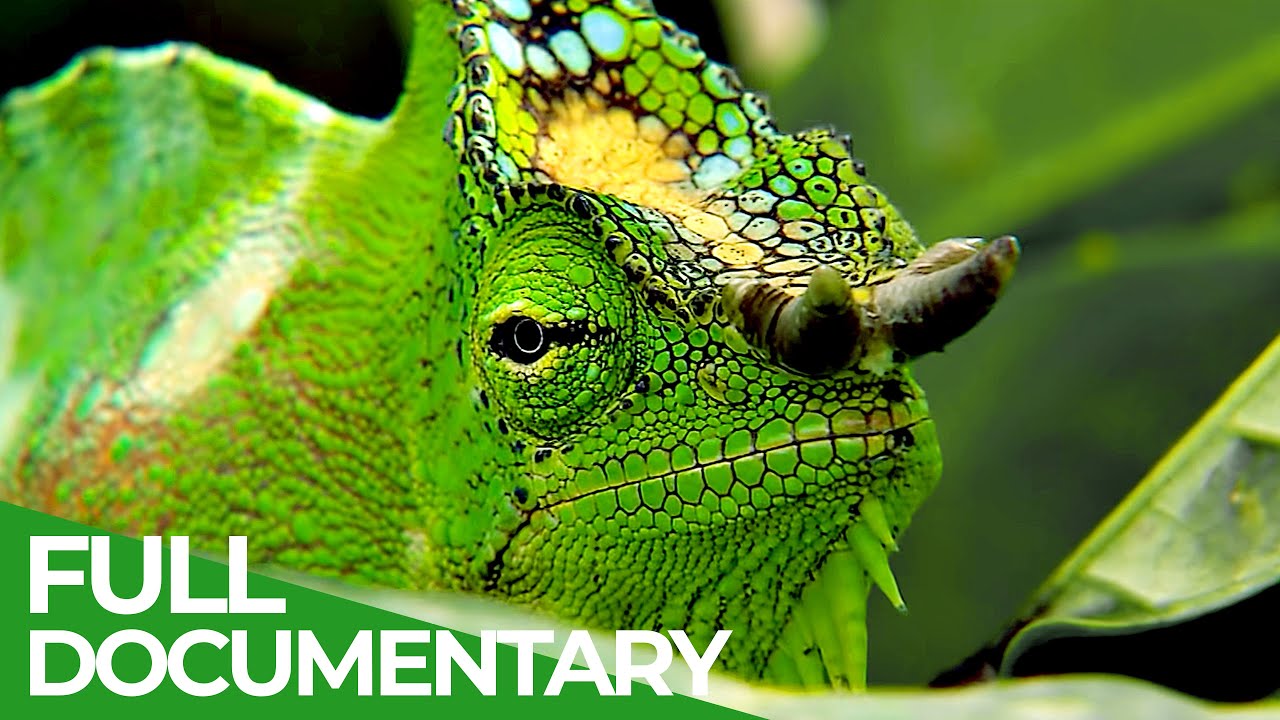
Bizarre animal adaptations, such as the vibrant colors of poison dart frogs and the camouflage of chameleons, play crucial roles in survival strategies across various ecosystems.
The series profiles the unique ecosystem of Everglades National Park, which protects the southern twenty percent of Florida's original Everglades.
Only 2% of sunlight penetrates the forest floor, creating a fierce competition for survival among plants and animals in the jungle.
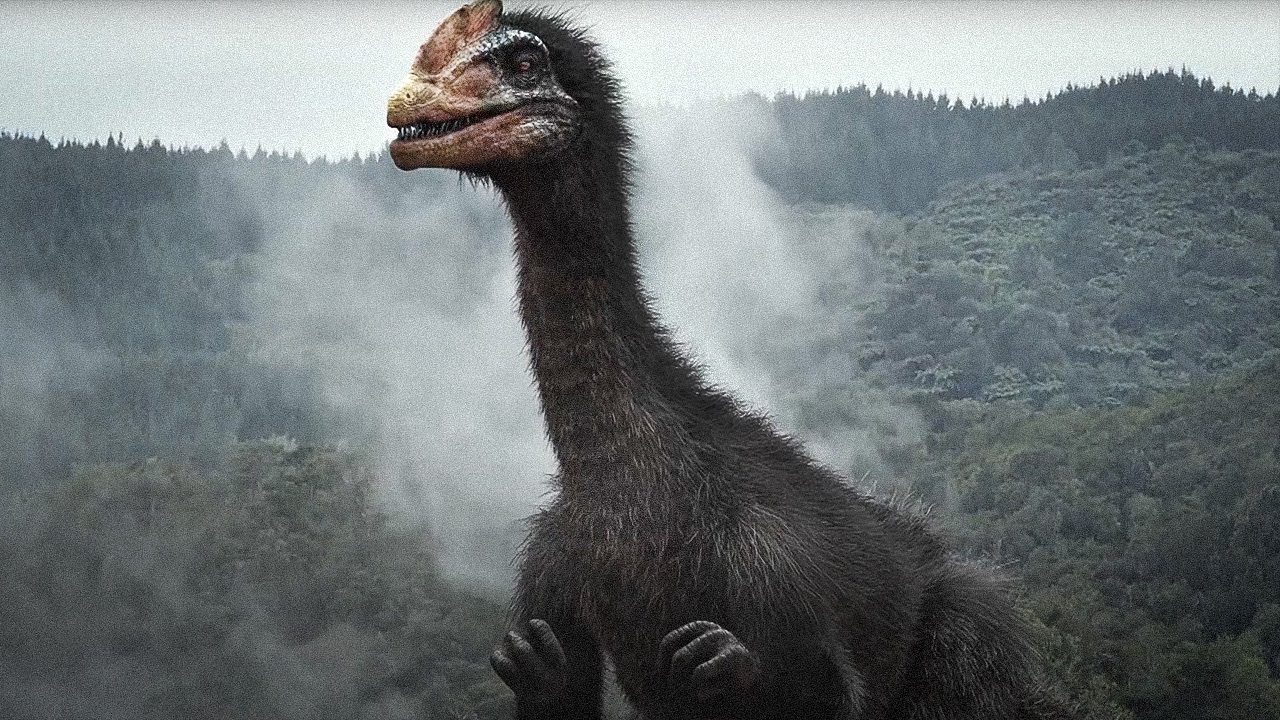
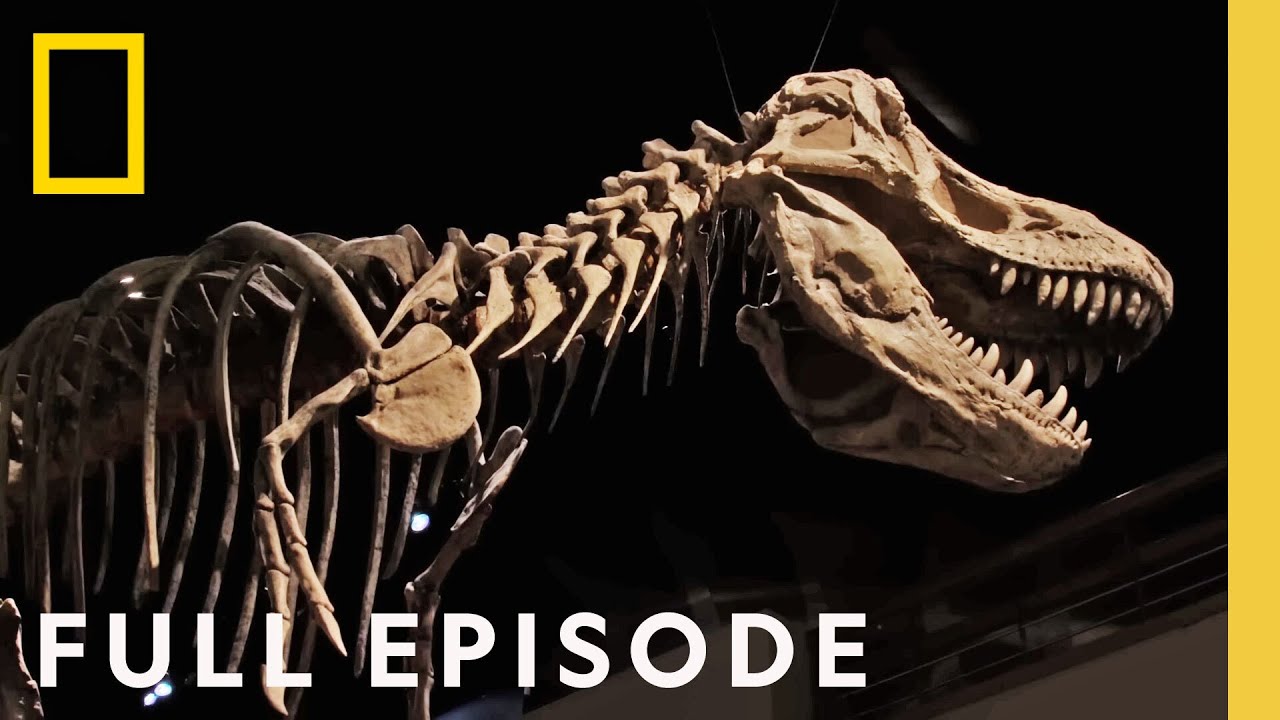
66 million years ago, dinosaurs roamed the Americas, and recent fossil discoveries are reshaping our understanding of their behavior and intelligence.
A scientist named Edmund Schulman discovered Methuselah in 1957, counting over 4,600 rings that represent its years of life.
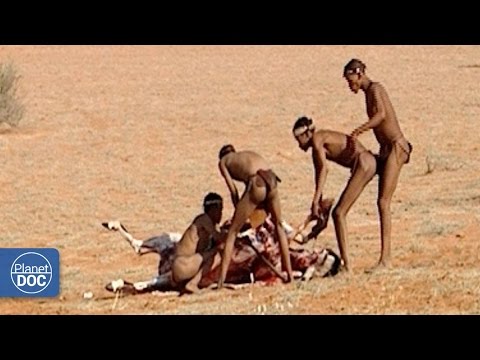
This Spanish documentary showcases hunters and their methods of obtaining energy for survival.
Forest elephants drink 100 liters of water daily as they navigate the challenges of the dry season in Gabon's Luongo National Park.
The Aletsch Glacier, the largest in the Alps, is surrounded by diverse wildlife, including alpine ibex and red deer, adapting to the changing seasons.
Coral reefs are showcased in a 10-hour loop featuring vibrant underwater scenes, highlighting the beauty and diversity of marine ecosystems.
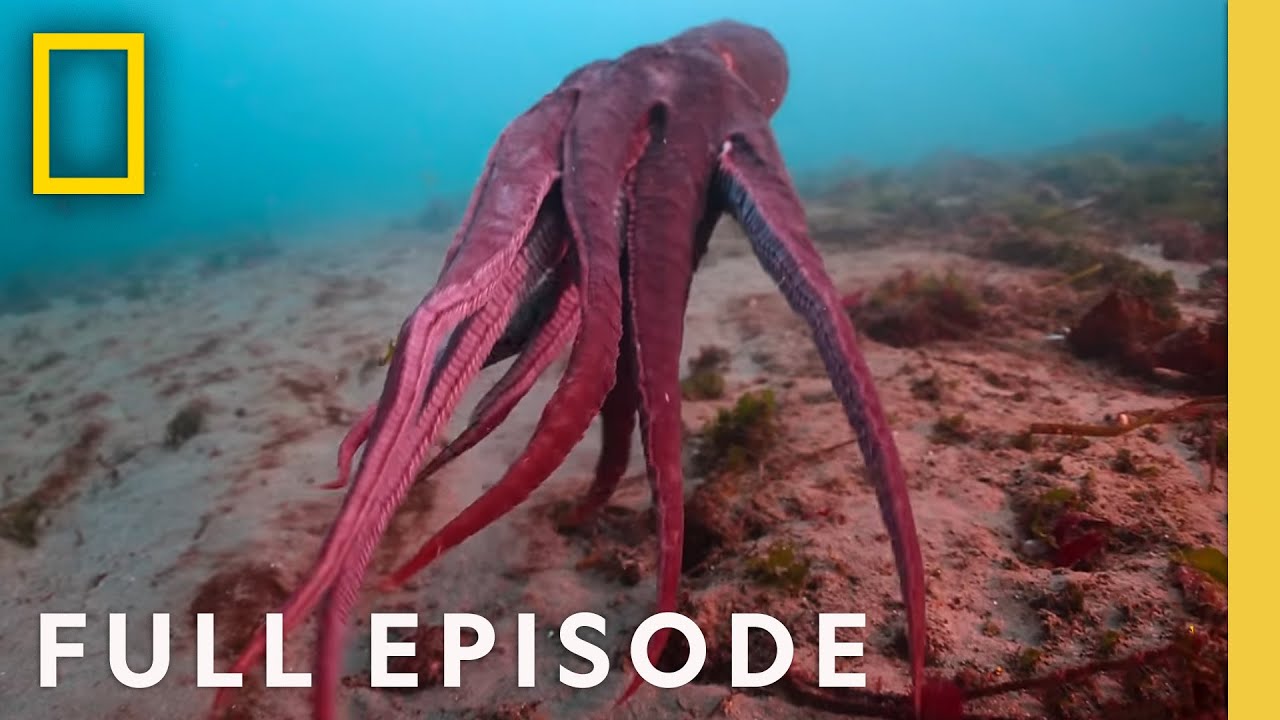
Over 12,200 meters long, the Great Barrier Reef is home to more than 9,000 species, including the highly intelligent day octopus.
A giant squid measuring 24 feet long, with tentacles each six feet, is displayed at the Vasco da Gama Aquarium in Lisbon, Portugal.
Viewers discover Lord Howe Island's unique biodiversity and ongoing nature discoveries.
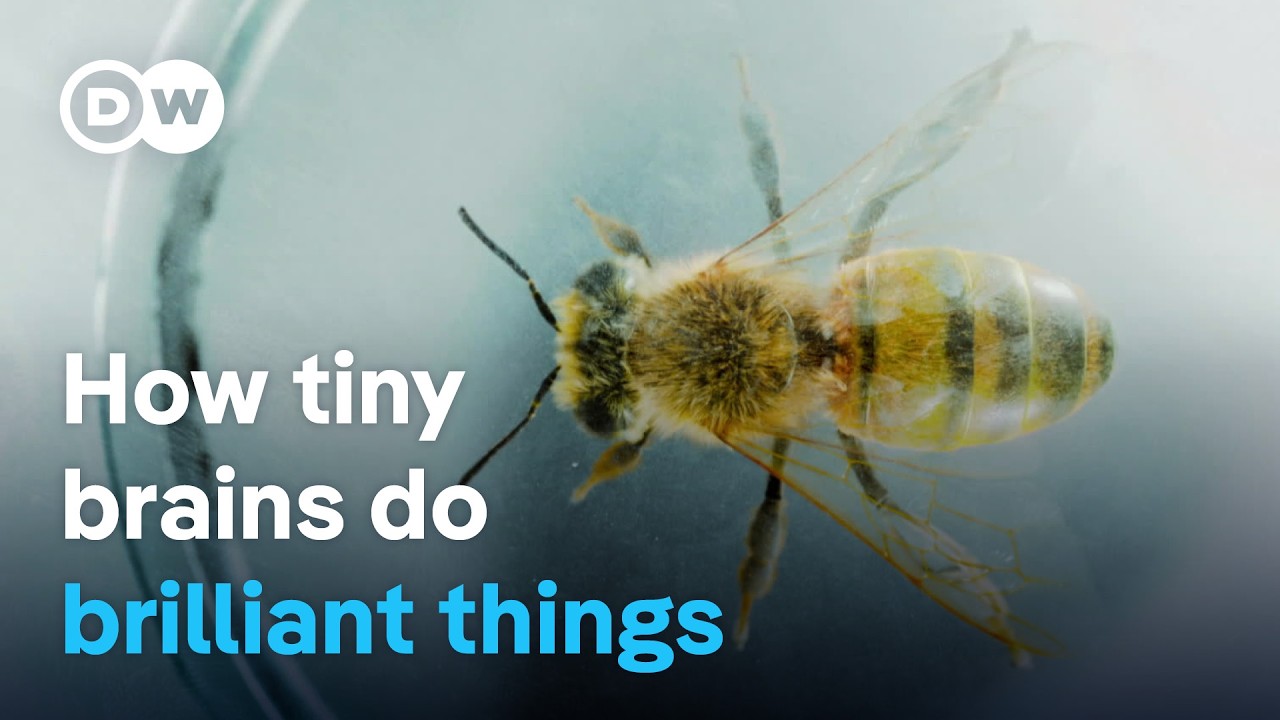
Six bumblebees learn to pull a thread to access sugar water in an experiment, demonstrating their ability to solve new tasks for rewards.
Fast radio bursts, detected 500 million light years away, provide insight into the universe's mysteries and the conditions on Earth during its early history.