From over 100,000 films, discover the handful you'll love.
Free or premium access to the world's largest documentary library.
3994 films(Page 23 of 84)
46 million kangaroos roam Australia, known for their unique hopping movement and social behavior in groups called mobs.
Mauritius is explored through the work of five acclaimed photographers, showcasing its landscapes, cultures, and biodiversity alongside Zanzibar and Madagascar.
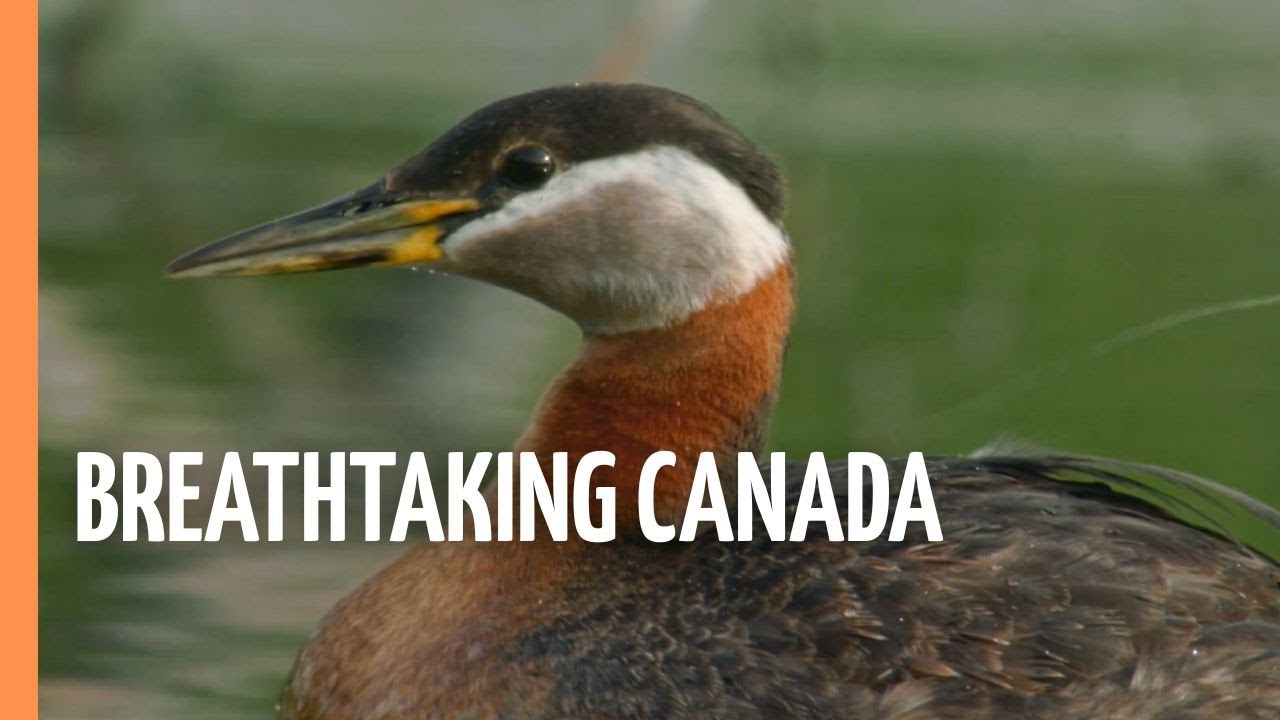
Frog mating rituals and penguin competitions among 3,000 potential partners illustrate the diverse and complex nature of romance in the animal kingdom.
The Amazon rainforest covers an area of almost 3.12 million square kilometers and is home to one in ten of all species on Earth.
More than 350,000 plant species exist today, each playing a vital role in supporting life on Earth through photosynthesis and oxygen production.
The Carneddi herd of ponies numbers less than 300 and has adapted to survive the harsh winter conditions of Snowdonia's mountains.
In Tasmania, the survival strategies of the Tasmanian devil are examined alongside the competitive dynamics of predators like bears, sea lions, and wolves.
These mountain parrots showcase intelligence and face survival challenges in New Zealand.
Serra da Estrela, Portugal's highest mountain range, features unique ecosystems and traditional practices, highlighted through the work of scientist Ana Matos and cheese maker Maria Natália Lopes.
Animal vision varies dramatically across species, with eagles capable of spotting fish from great distances, highlighting the complexity of sight in the animal kingdom.
A river fed by a volcanic hot spring remains 50 degrees warmer than the surrounding air, attracting various hungry animals during winter.
Wild Yunnan highlights rare living primates and the last troop of Asian elephants in China.
In a Mediterranean valley known as the 'Divine Source,' a ten-million-year-old bird thrives in a unique ecosystem, highlighting the fragility of such environments.
A brown bear emerges from hibernation in the Pyrenees, having lost a third of its weight and in search of food after months without eating.
A series of shark attacks in 1916 along the Jersey shore transformed public perception, turning sharks from myths into symbols of fear.
A 290-kilometer-long river in New Zealand was granted the same legal rights as a human being in 2017, symbolizing a cultural recovery for the Maori people.
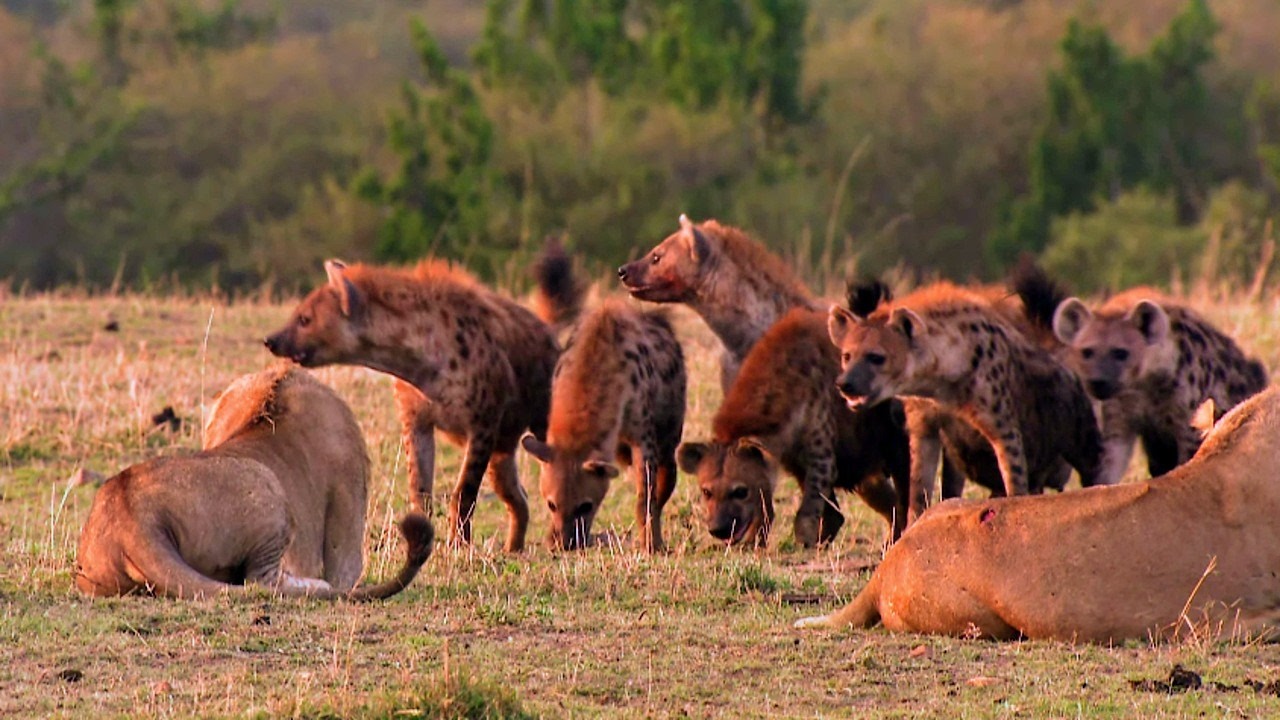
In Namibia's coastal region, rare brown hyenas, studied by Ingrid Wiesel, hunt for their own prey in a challenging environment where food and water are scarce.
In South Africa, private militias like Pit Track patrol nature reserves to combat rampant rhino poaching, where four rhinos are killed daily for their valuable horns.
Tibet's high-altitude plateau, sitting at 42,000 feet, is home to diverse wildlife, including the largest macaque species that thrives in harsh conditions.
A tidal range of six meters in Brittany reveals a dynamic coastline where seals thrive on small islands and navigate the turbulent Atlantic waters.
The prairie First Nations of Canada have shaped the landscape for millennia, using controlled burns to maintain habitats for the North American bison.
Three cheetah cubs are left to fend for themselves after their mother abandons them on Savannah Lane, facing the challenges of survival in the wild.
A 10 cm baby catshark grows in its egg for 8 to 15 months before fending for itself in the cold waters of western Sweden.
In the cloud forests of Sri Lanka, unique species like blue magpies and purple-faced monkeys thrive in isolated microclimates shaped by dual monsoons.
Slavko, a migrating wolf, travels over 1,000 kilometers from Slovenia to northern Italy, monitored by Slovenian wolf expert Hubert Potočnik.
People celebrate autumn and winter traditions, including fishing in Japan and honey collection in Bashkiria.
Fire salamanders have thrived in the urban environment of Oviedo, Spain, since the 8th century, despite the absence of permanent water bodies essential for amphibian reproduction.
Bardenas Reales, located near the Pyrenees in Spain, features a unique desert landscape that supports resilient wildlife despite extreme conditions.
A colony of acetone ants, consisting of nearly one million individuals, conducts daily raids in the Amazon jungle, competing for survival against a young jaguar.
In Ethiopia, a young wolf named Megeti faces the challenges of survival after losing her pack, navigating foreign territories and seeking acceptance from new groups.
The Humboldt Current, originating from Antarctic ice, flows along South America's Pacific coast, supporting diverse marine life including blue whales and penguins.
Asia, home to the largest population of wild cats, showcases their unique adaptations and survival challenges across diverse environments from the Caucasus Mountains to Borneo.
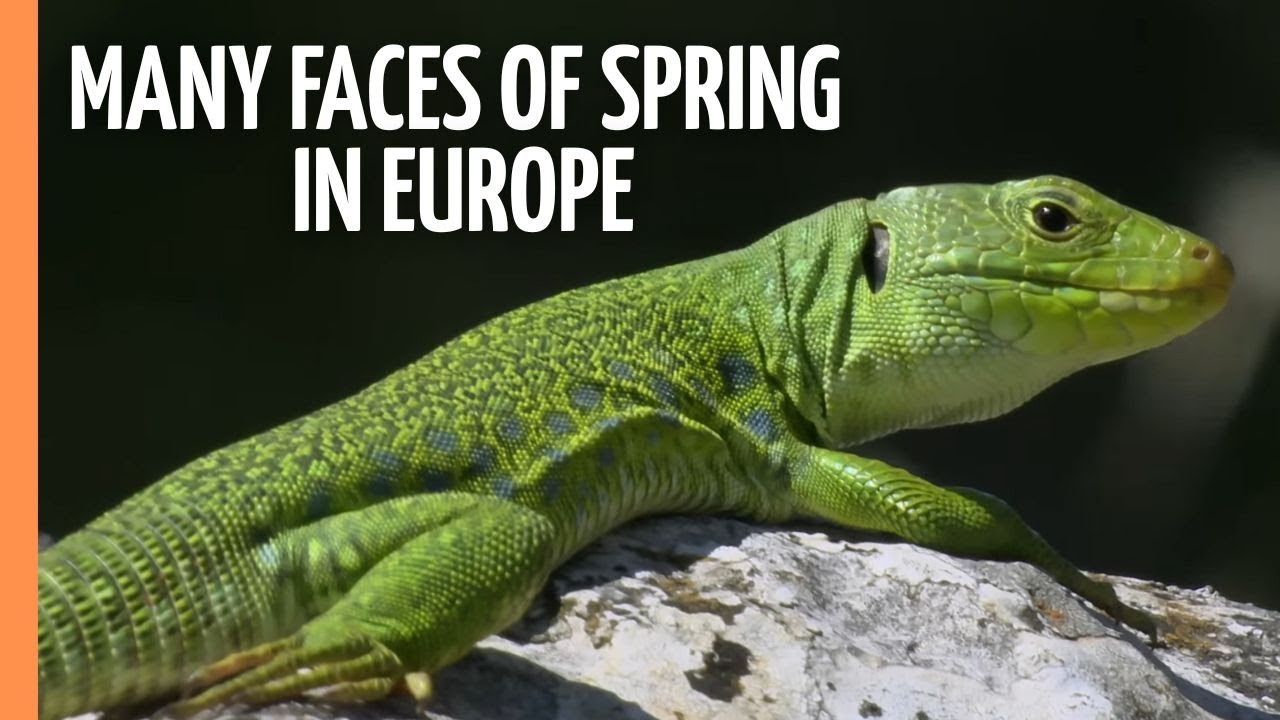
Temperatures in Spain reach 20 degrees Celsius as spring awakens wildlife and transforms landscapes from the Mediterranean to the high mountains.
Thirty wood bison are rounded up in Elk Island National Park, Alberta, for transfer to an Indian band in Northern Alberta as part of a conservation effort.
Snowy owls can lay up to eleven eggs, but declining lemming populations threaten the survival of their young in the Arctic tundra.
Moorlands are home to unique ecosystems featuring carnivorous plants, vibrant wildlife, and seasonal events like the rutting dance of Great snipes and crane chick hatching.
A frog can jump more than 30 times its body length to escape predators, demonstrating the survival strategies found in nature's relationships.
Myanmar's rich biodiversity, featuring endangered species like the Dusky Leaf Monkey and Wild Asian Elephant, is showcased alongside its stunning wetlands and cultural heritage.
In the Maasai Mara, experts guide a live safari experience focused on observing lions, elephants, buffalo, and other wildlife.
Over a million swifts inhabit the waterfalls of the Amazon rainforest, creating a spectacle as they dive and swirl in unison.
Wild populations of African lions have declined from around 450,000 in the 1940s to an estimated 32,000 today due to human-wildlife conflict and poison use.
Across the Arctic, Siberia, and the Himalayas, wildlife such as polar bears, reindeer, and snow monkeys adapt to survive the harsh winter conditions.
Shark fins can sell for $400 per kilogram, driving fishermen in Mayotte to catch tiger sharks and hammerheads using traditional and modern techniques.
A team of Black climbers aimed to become the first to reach the summit of Mount Everest as part of the Full Circle Everest expedition in 2022.
A black stork pair successfully raised three chicks in the forests of Germany, marking a significant return of the species to its natural habitat.
Only 3,200 tigers remain in the wild today, down from 100,000 a century ago, primarily due to habitat loss and poaching.
A team of scientists and adventurers embarks on a 50-day expedition across 100 kilometers of Greenland's remote Renland Peninsula to study melting glaciers.
In Katmai National Park, wildlife enthusiast Casey Anderson and his team observe brown bear behavior while implementing safety measures in their remote camp.