From over 100,000 films, discover the handful you'll love.
Free or premium access to the world's largest documentary library.
3993 films(Page 20 of 84)
Kangaroo Island, located off the coast of South Australia, is home to unique wildlife such as the Kangaroo Island Kangaroo and endangered species like the Australian Sea Lion.
Italy's diverse landscapes range from the icy Dolomites, where Ibex adapt to winter, to Sardinia's Mediterranean shores and Sicily's unique wildlife sanctuaries.
Manganese nodules, found at depths of four kilometers in the Pacific, are considered a potential new source of metals for modern technology.
Controversial behaviorist Dr. Erich Ritter tests shark-human interactions with lemon, bull, and great white sharks in locations like the Bahamas and Gansbaai, South Africa.
In Japan's coastal bay, white-spotted bamboo sharks gather each summer to mate and lay camouflaged eggs, while facing threats from potential predators.
A snake can go without food for weeks or even months, relying on its ability to detect prey through its sense of smell.
Humpback whales, measuring up to 45 feet long, gather in the Caribbean each winter to mate and give birth, revealing critical aspects of their lives.
Toads migrate to wetlands at night, guided by the Earth's magnetic fields and stars, challenging long-held beliefs about their nature.
Around four billion years ago, life began on Earth with a single cell, leading to approximately 1.8 million identified species today.
Kenya's majestic landscapes and wildlife are showcased, highlighting the urgent conservation needs of the Northern White Rhino and the challenges faced by baby turtles.
Weighing over 2,000 kilograms and measuring ten meters long, whale sharks feed exclusively on plankton, which can be abundant at seasonal hotspots.
A group of ravens returns to the Canary Islands after decades, finding food and competing for survival in harsh, high-altitude conditions.
Eve and her sister Bonobos raise their young in an egalitarian community, passing babies from mother to mother without jealousy or stress.
Vultures return to Europe after near extinction, facing ongoing threats in Germany, Spain, and France.
A sloth's greenish fur, which hosts algae, helps it blend into the rainforest canopy, providing crucial camouflage against predators like jaguars.
A lone male wolf follows the Druid pack, scavenging for food while vying for the attention of a female during the harsh winter of Yellowstone.
A colony of paper wasps builds its nest in a greenhouse, helping to cool the air as temperatures rise during the summer months.
Liz Bonnin travels over 7,000 miles to the Galápagos Islands, where she encounters unique wildlife and emphasizes the need for conservation efforts.
Grizzly bears are increasingly entering European towns in search of food, prompting biologists to explore strategies for coexistence that minimize human-bear conflicts.
In Central Europe, only one in a thousand vital creek ecosystems remains intact, highlighting the urgent need for conservation efforts to protect these habitats.
Brazil's River-in-the-Sky, a vital atmospheric phenomenon, sustains ecosystems and agriculture across the country, relying on the Amazon rainforest's health.
Brazil's vast landscapes, including wild forests and a labyrinth of lakes, showcase its unique biodiversity and lesser-known habitats shaped by summer thunderstorms and fire.
Pigs, from small pink breeds to large tuskers, inhabit diverse ecosystems across the globe, illustrating their remarkable adaptability and evolutionary success.
The Bissagos Islands, a UNESCO Biosphere Reserve, serve as a unique ecosystem for biologists like Raúl León, showcasing diverse wildlife in West Africa.
During research expeditions in Cameroon, Martin Cheek's team identifies over 200 previously unknown plant species in the Bakossi forests.
Golden lion tamarin numbers were once as low as 200 in the wild, but conservation efforts have increased their population to around 2,500.
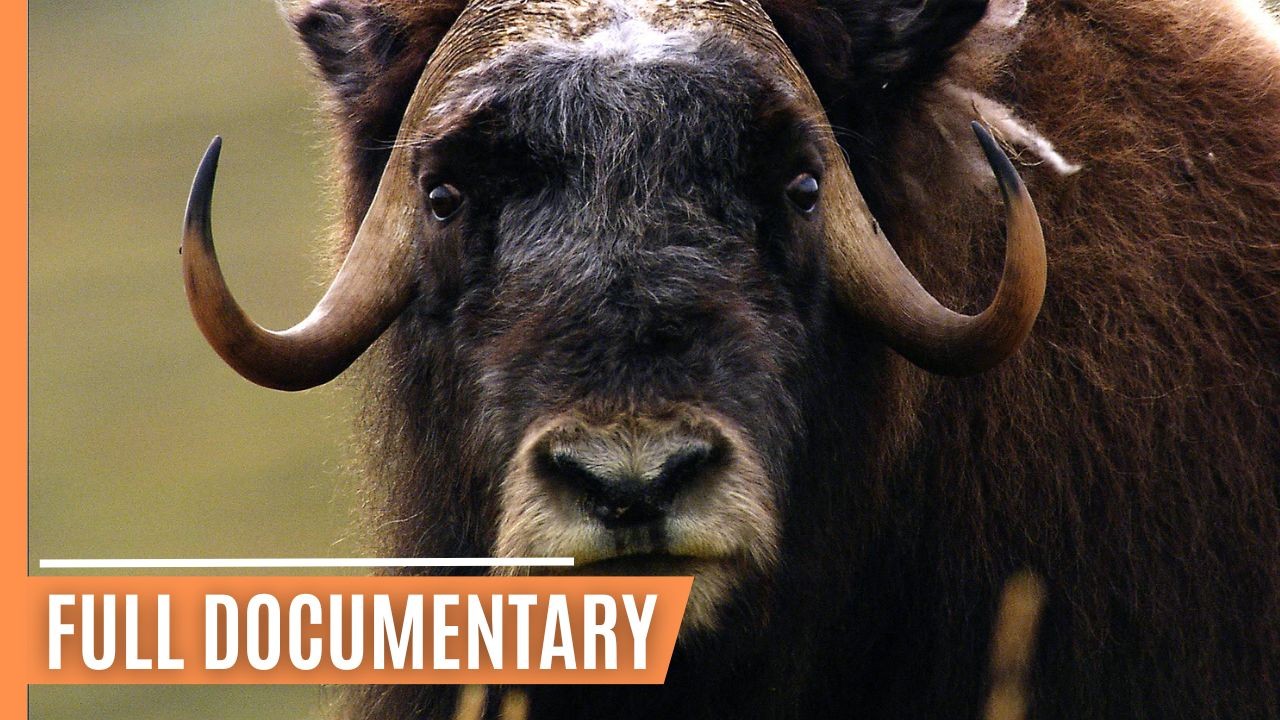
More than a quarter of Norway lies at over 1,000 metres above sea level, creating a unique habitat for wildlife like reindeer and musk oxen.
In the jungles along the border of India and Nepal, the last Indian rhinoceroses roam, with their single horns believed to hold healing powers.
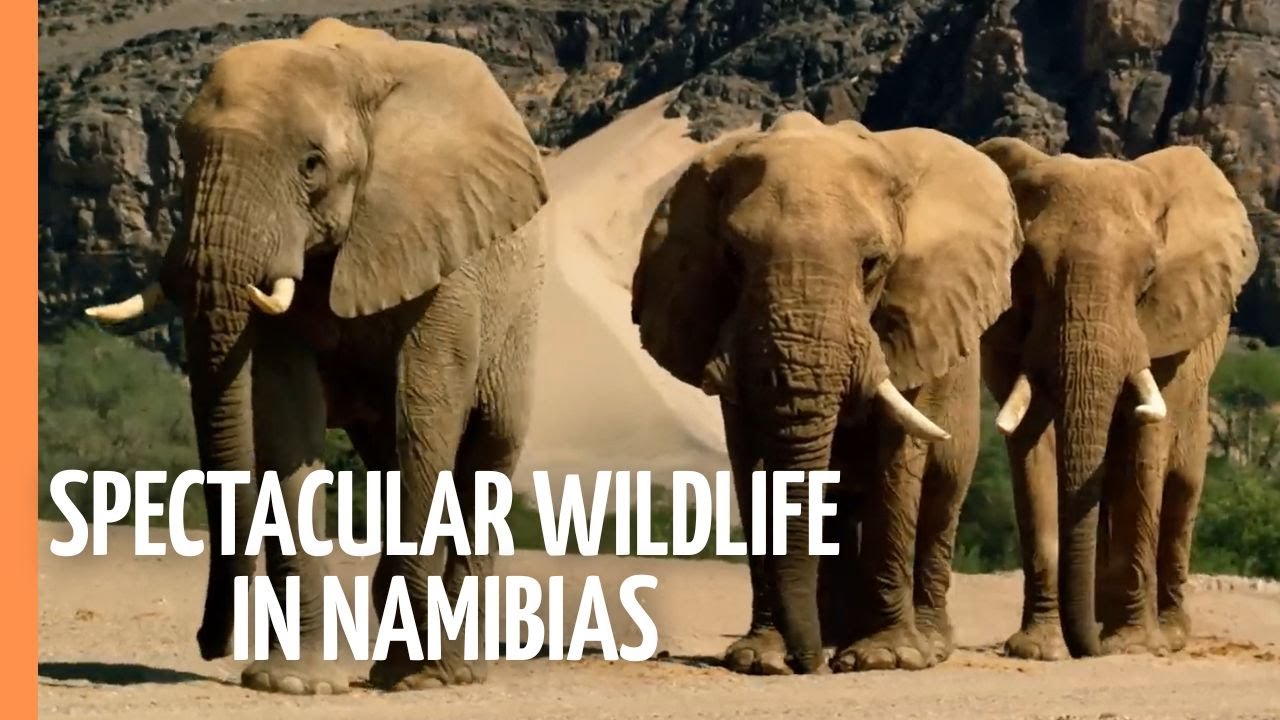
Desert elephants and baboons thrive in Namibia's arid landscape, revealing hidden life.
The ice around the North Pole has shrunk by seven percent over the past 30 years, threatening the survival of polar bears in their natural habitat.
In Brazil's Pantanal, the jaguar, a powerful apex predator, faces threats from habitat destruction and livestock conflict while playing a crucial role in its ecosystem.
A chef uses a chainsaw to gather ingredients for a meal at Hacienda Mamecillo, a restaurant in Panama's cloud forest.
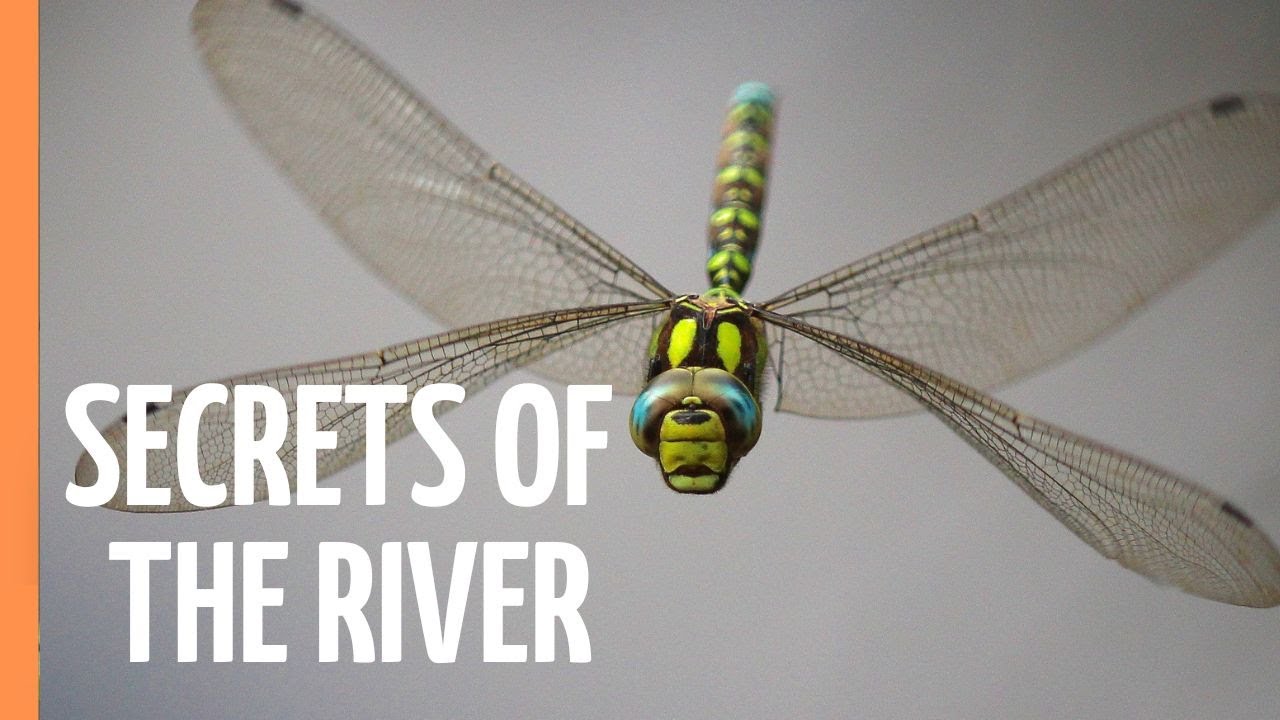
Kingfishers and dippers, the only songbirds that swim and hunt underwater, are showcased alongside the intricate life of river ecosystems in stunning slow-motion.
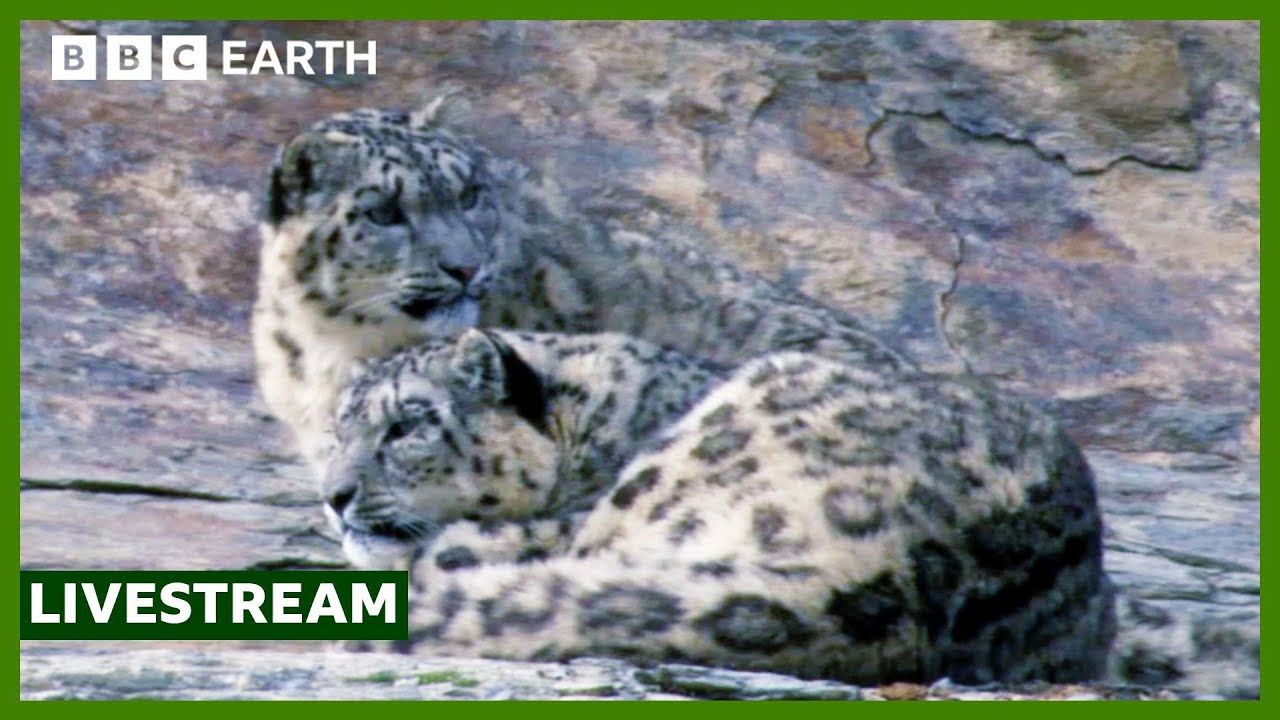
Snow leopards, elusive big cats from Central and South Asia, are filmed in detail, highlighting the challenges of capturing them in their natural habitat.
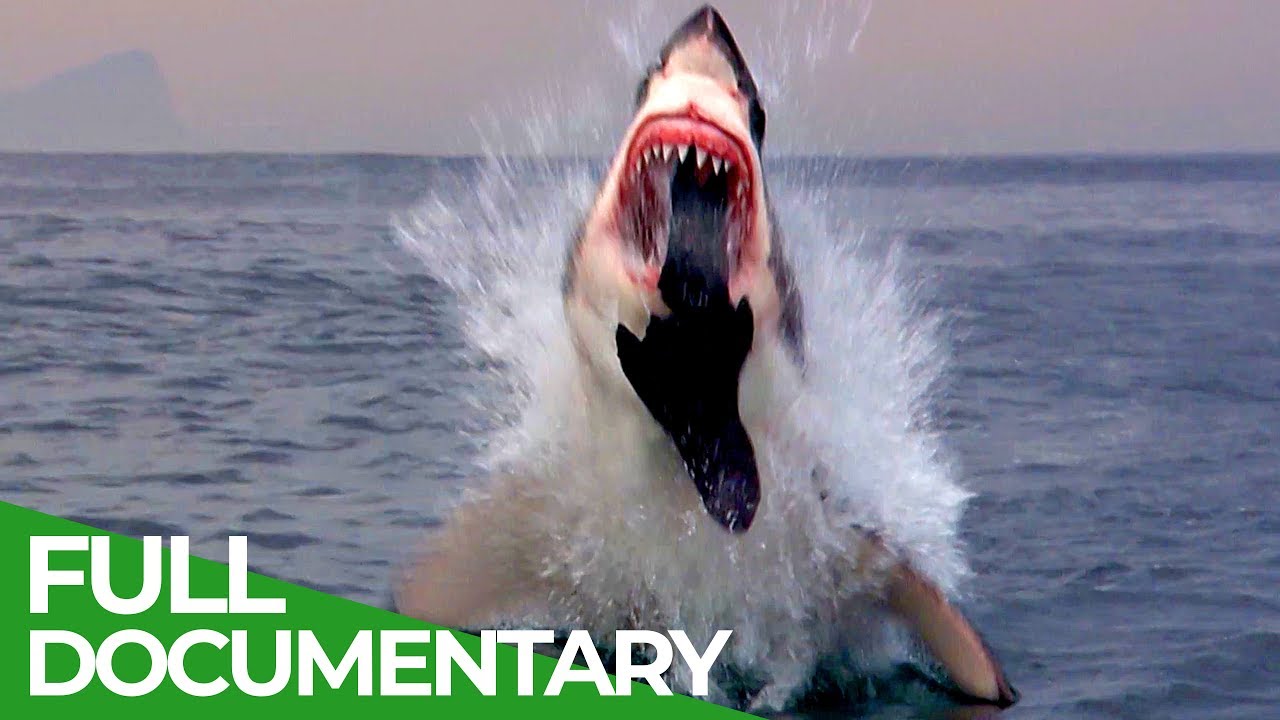
Great White Sharks have evolved over 11 million years, adapting alongside seals and other pinnipeds in response to a cooling climate, as documented by cameraman Andy Casagrande.
Only 120 leopards and 500 Siberian tigers remain in the wild, prompting a team to capture their elusive movements in the Russian Far East.
Half of Belize's territory is covered in jungle, and its shores host the world's second largest barrier reef, making it a key ecological area.
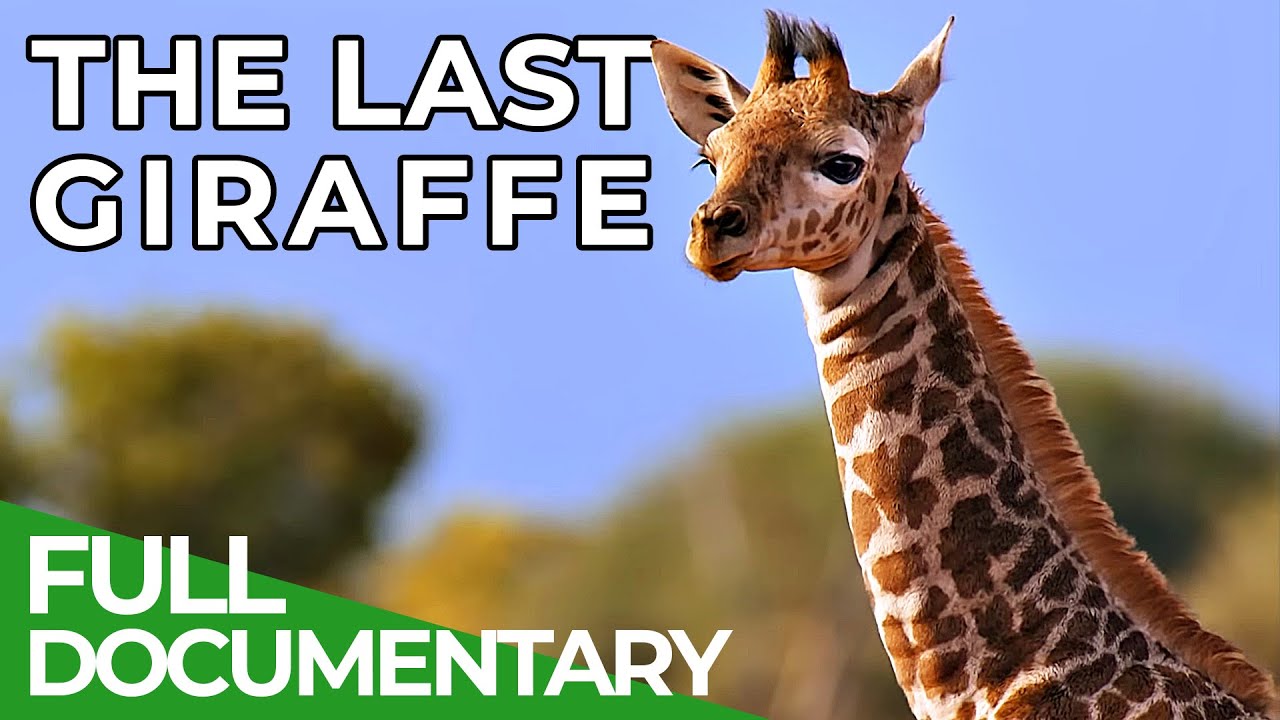
Only 80,000 giraffes remain in Africa today, a sharp decline from millions at the beginning of the 20th century, primarily due to poaching and habitat loss.
Central Europe's diverse habitats are showcased through high-definition footage, highlighting the impact of climate and astronomy on nature's seasonal cycles.
This full documentary immerses us in the lives of The Huaorani tribe in Ecuador's Amazon jungle.
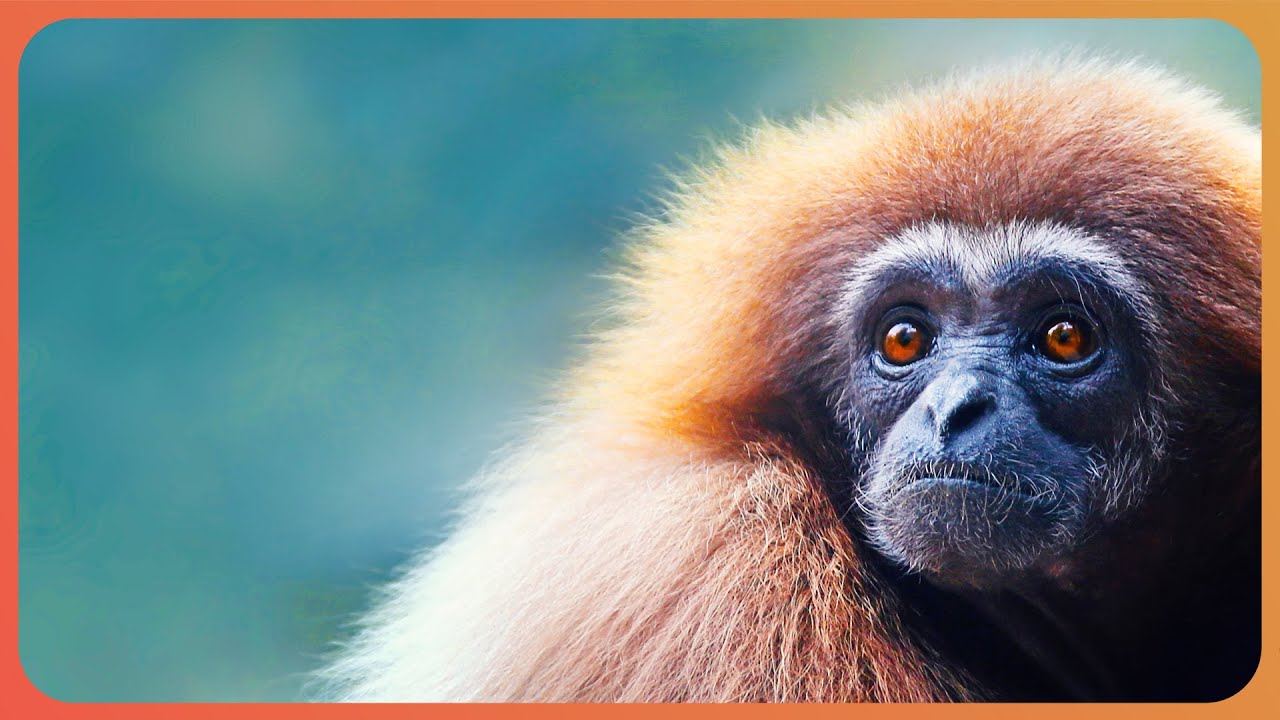
Aurélien Brulé's efforts in Indonesia focus on saving gibbons from habitat destruction caused by oil palm production and the illegal pet trade.
Winter temperatures in Lapland can drop to 40 degrees below zero, forcing wildlife to adapt to one of the harshest climates on Earth.
In the Falkland Islands, unique flora and fauna thrive, including diverse penguin species that inhabit this windswept archipelago in the southern Atlantic Ocean.
Mutton thrive in extreme environments, from deserts to tundra, showcasing their resilience.
German forester Peter Wohlleben and scientist Suzanne Simard explore the complex communication and relationships among trees, supported by recent forest science research.
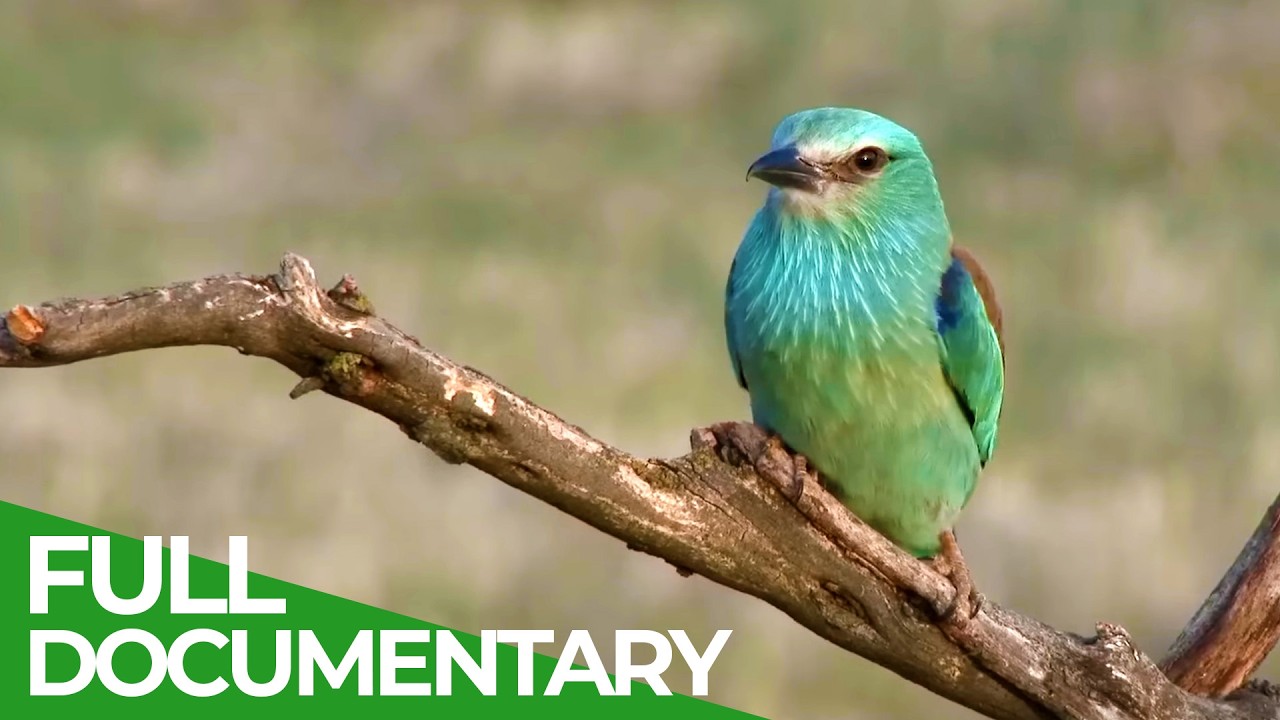
Spain's unique geographical position between Europe and Africa, along with its diverse climates, creates an ideal habitat for a rich variety of migratory bird species.
In 2009, drought devastated northern Tanzania, leading to the death of one-third of the Maasai village's cattle and threatening their way of life.
Bowhead whales, which may live over 200 years, are studied by biologists using new research techniques alongside Alaskan Inupiat during a traditional hunt.