From over 100,000 films, discover the handful you'll love.
Free or premium access to the world's largest documentary library.
3994 films(Page 5 of 84)
More than 300 islands make up the Fiji archipelago, where Manasa Bulivou dives with his son Tumbi to honor their Shark Gods and preserve local traditions.
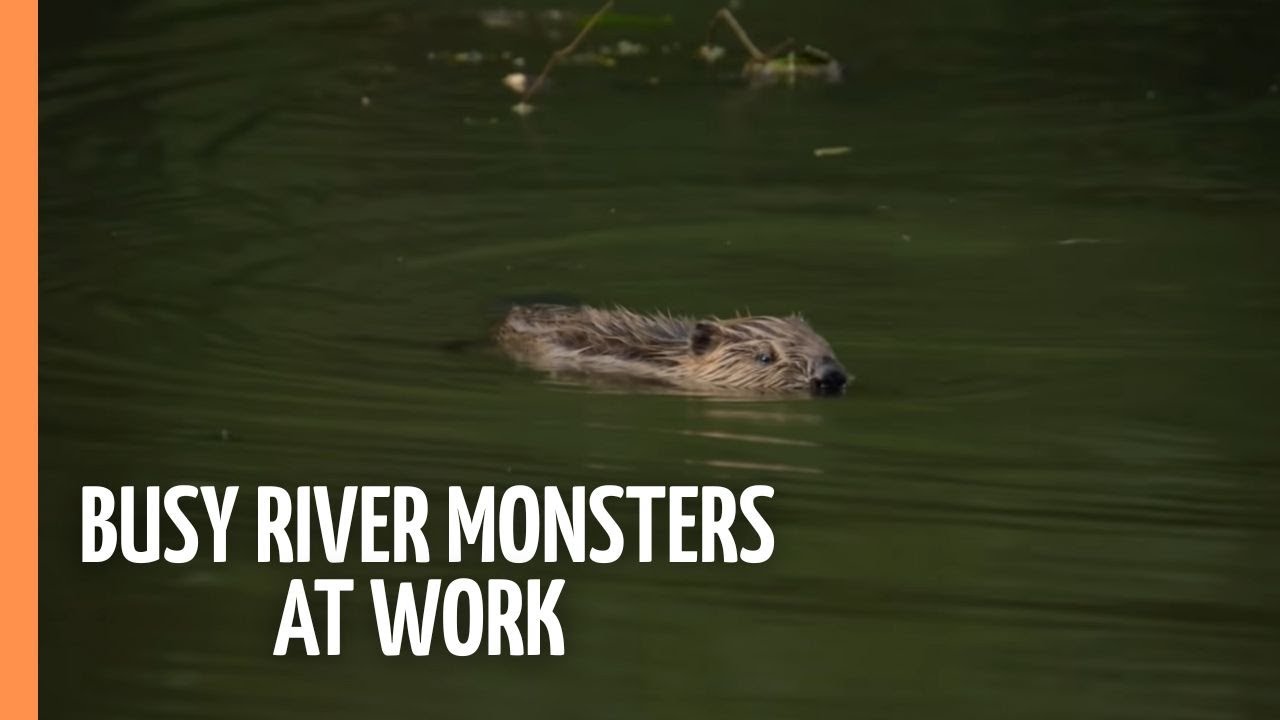
Klaus Weißmann documents the resurgence of beavers in Germany, where their population has grown to over 35,000 due to successful conservation efforts.
Great Smoky Mountains National Park is home to 19,000 known species, including 1,500 black bears and numerous salamanders and bird species.
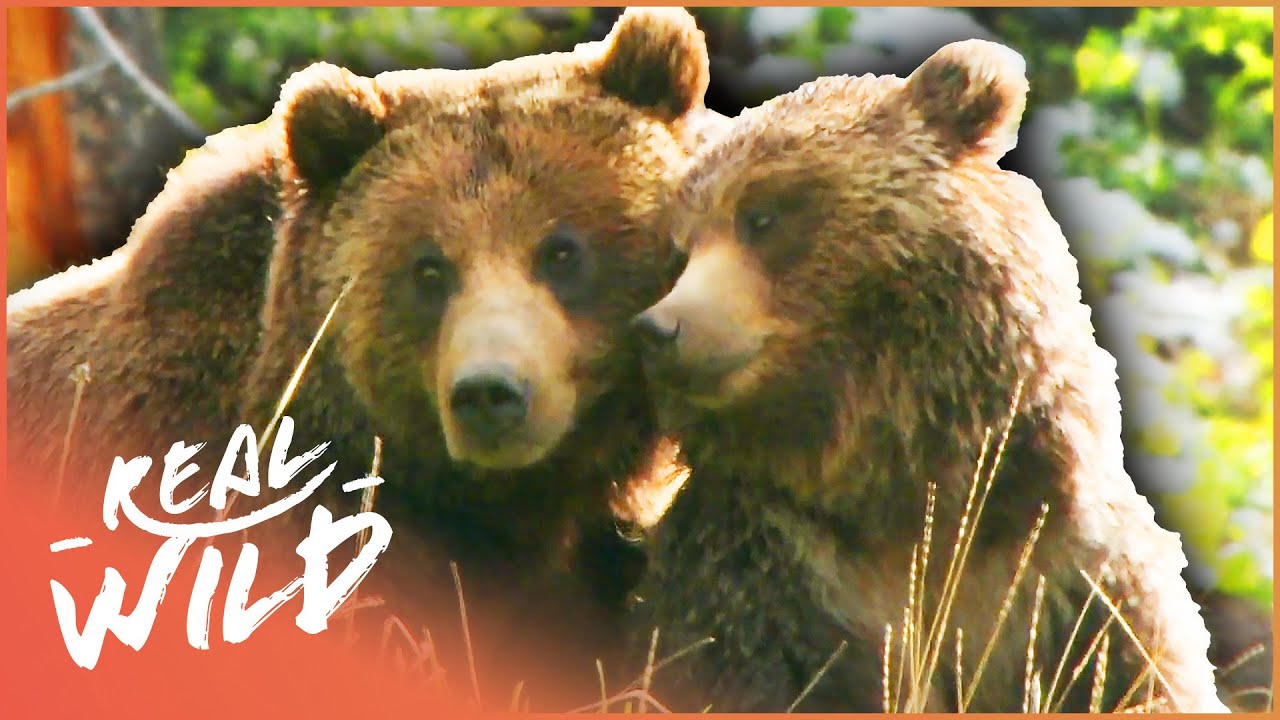
In Yellowstone National Park, grizzly bear '211', known as 'Scarface', faces the challenges of survival while interacting with other bears.
Half a million calves are born on the ashri plains in just three weeks, with 24,000 arriving each day to face the challenges of survival.
Hundreds of thousands of King Penguins gather on the beaches of Crozet, Marion, Kerguelen, and Amsterdam each summer to mate and raise their young.
Less than 500 Ethiopian wolves remain in the highlands, where one lone wolf named Megeti searches for a new pack and territory.
Only 2,000 people live in Tasiilaq, the largest settlement on Greenland's east coast, where residents rely on helicopters for supplies for much of the year.
A solitary lioness, known as Lady Liuwa, survives alone on Zambia's Liuwa Plain after a massacre that wiped out her pride.
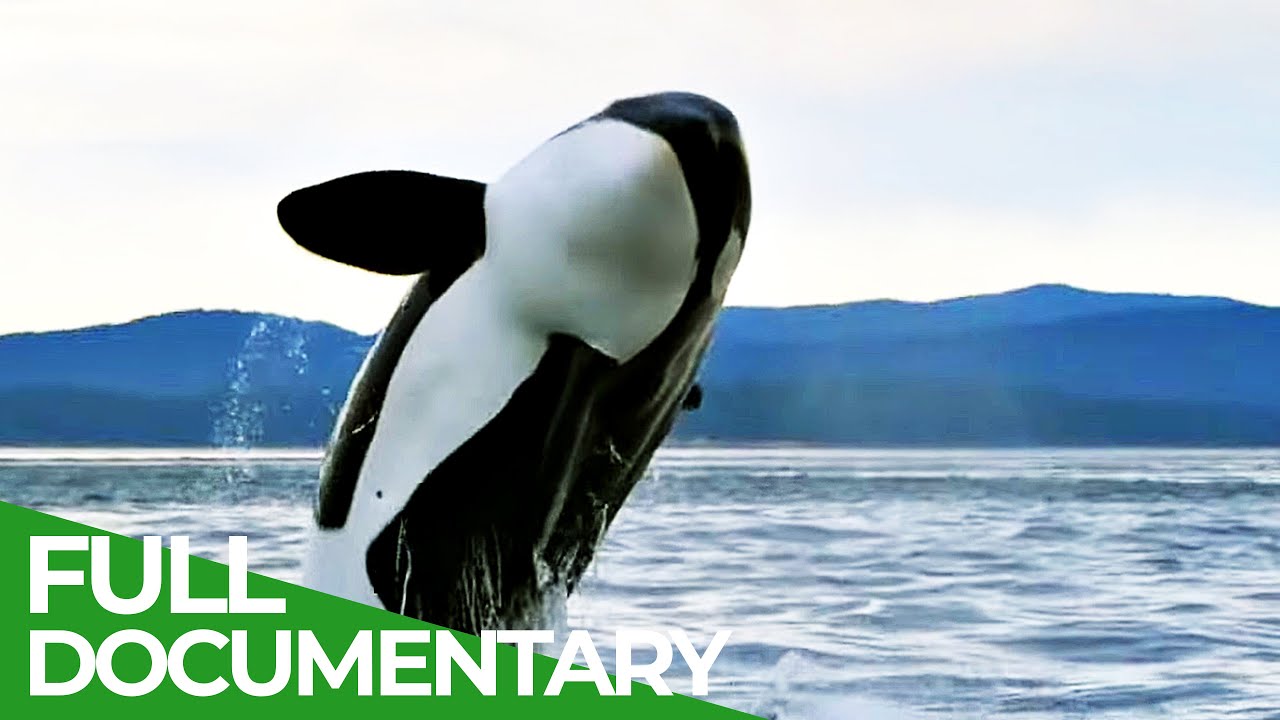
An adult killer whale can burn 200,000 calories a day while hunting along the 73 miles of coastline in Olympic National Park.
BBC Earth profiles ten significant moments of wolf behavior, featuring thrilling chases, playful pups, and unique interactions in various habitats.
A sooty tern can spend the first four years of its life entirely on the wing, avoiding water to prevent drowning in the Pacific Ocean.
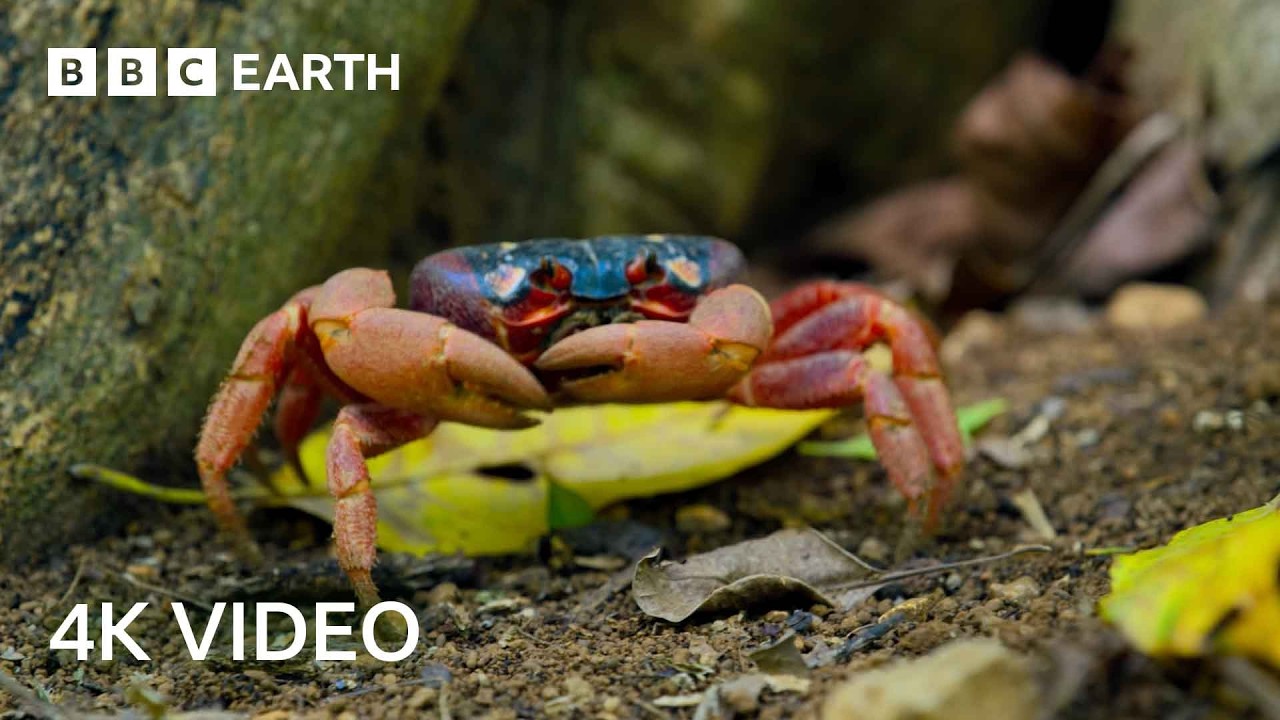
Fifty million red crabs march annually from Christmas Island to the sea, but invasive yellow crazy ants threaten their survival.
Planet Earth is 25,000 miles around and has undergone nearly five billion years of transformation from a molten mass to a habitable environment.
Arctic fox cubs must learn to hunt within nine weeks to survive in one of the harshest locations on earth.
380 euros are paid for about 2,000 fish to save them from being slaughtered, allowing them to live in a monastery pond in Bhutan's subtropical south.
50 million red crabs emerge from their burrows on Christmas Island to release trillions of eggs into the ocean during the annual monsoon.
Florida has lost 50% of its seagrass beds since the 1950s, impacting the manatee population and other marine life in Biscayne National Park.
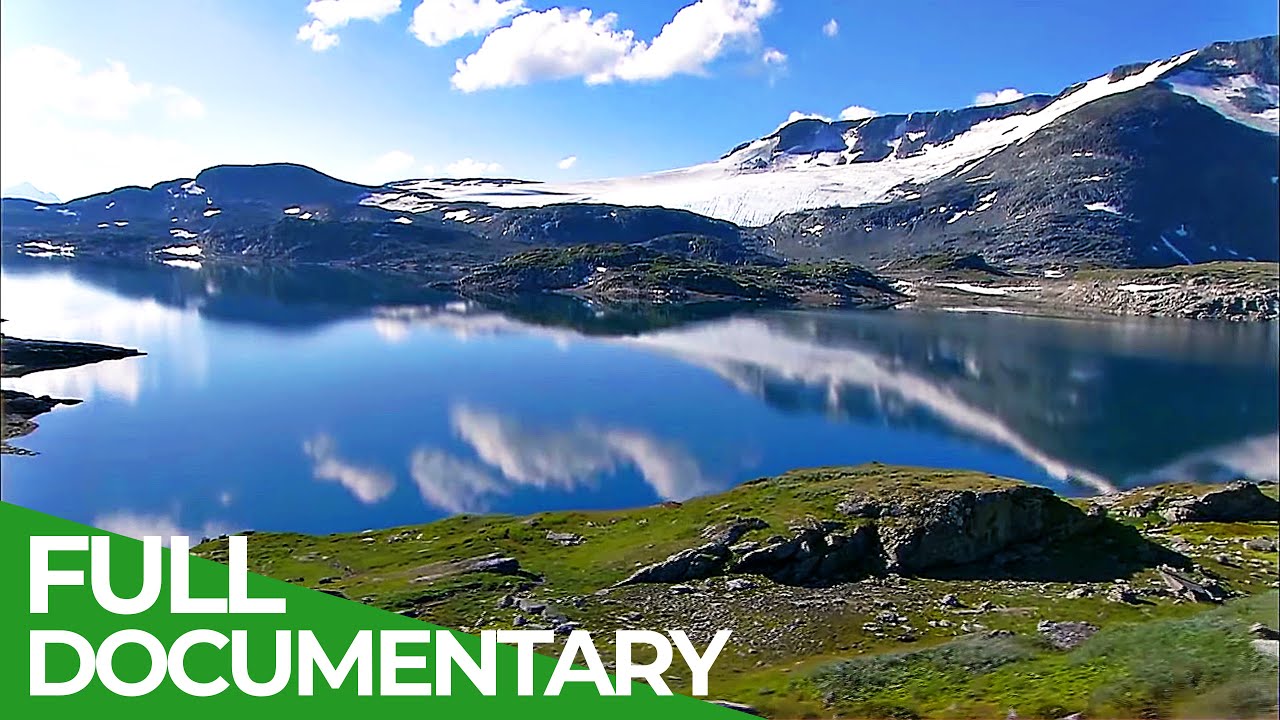
Norway's diverse landscapes, including fjords, glaciers, and agricultural regions, showcase the unique climate influenced by the warm Gulf Stream and the adaptation of the Sami people.
Life on Earth is shaped by cosmic forces, with the positioning of planets influencing the presence of air at high altitudes in the Swiss Alps.
Eight hydrophones record orca calls in the coastal waters between Alaska and Canada, as researchers seek to understand the animals' communication patterns.
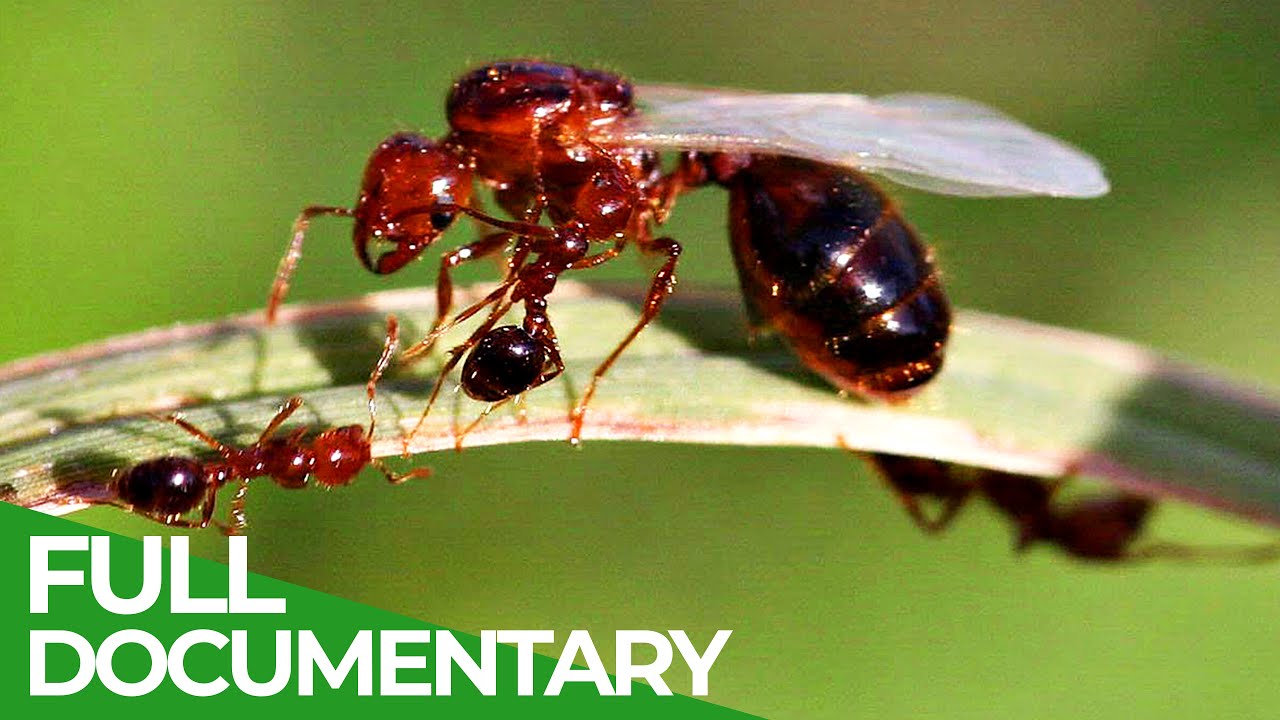
Fire ants are several species of Solenopsis known for their painful sting and ecological impact.
Pangolins can eat millions of ants in a year, yet they are now the most illegally trafficked mammals, driven by demand for their scales.
The Savuti pride of lions, with 40 members, has killed over 30 elephants in the past year as they compete for survival in Botswana's Chobe National Park.
The Rhine River, stretching 1,230 kilometers through six countries, supports diverse wildlife habitats and is home to species such as beavers, seals, and wild boar.
Change over time is the essence of evolution, according to evolutionary biologist Sean B. Carroll, who discusses genetic mechanisms behind new species.
Geologic forces over 3 billion years shaped North America, revealing the history of the Grand Canyon, volcanic activity in Lake Superior, and the evolution of the Rocky Mountains.
A modern expedition team scales the 9,000-foot Roraima mountain in Venezuela, searching for new forms of life in its unexplored cave systems.
In the northern Atlantic and the Pacific, renowned scientist Gerhard Jarms explores the vital role of jellyfish in marine ecosystems, including encounters with the deadly sea wasp.
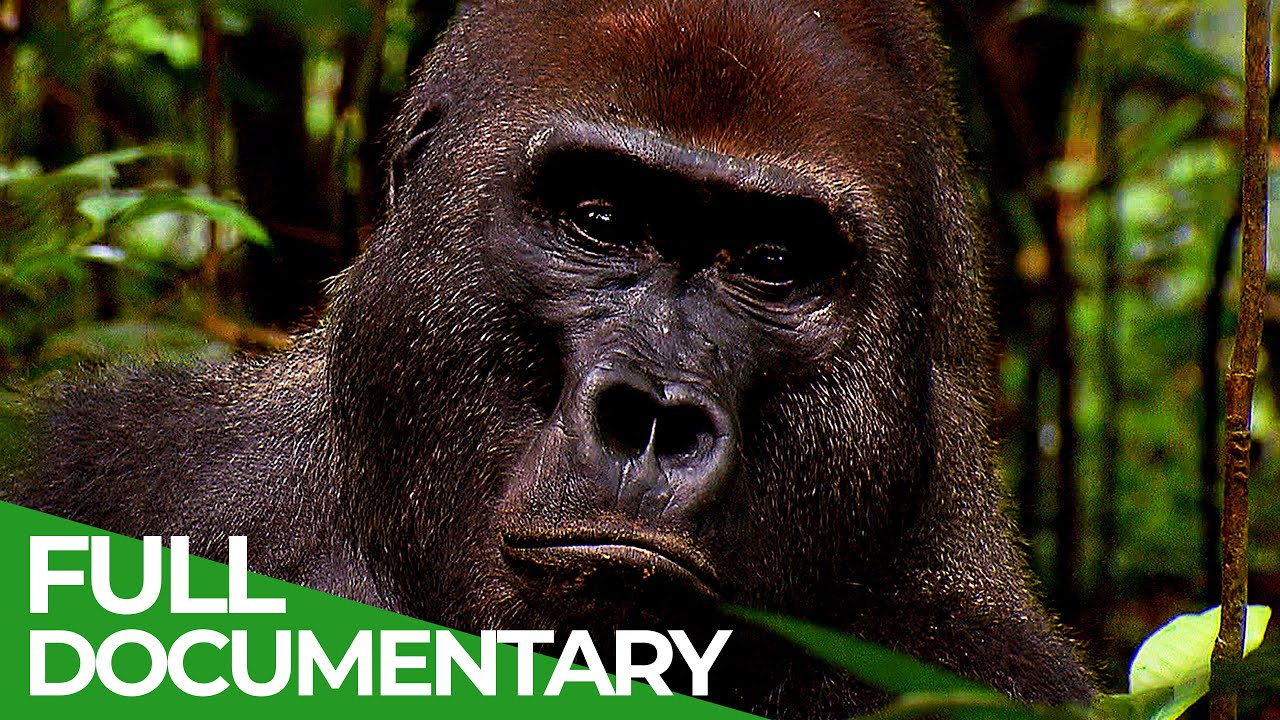
Less than 100,000 western lowland gorillas remain in the wild, making every individual crucial for their survival.
Temperatures in Yellowstone's Hayden Valley can plunge to -40 degrees Fahrenheit, creating a harsh environment for wildlife, especially wolves.
Costa Rica showcases numerous species, including the White faced Capuchin and Macaws.
Chief's Island in Botswana spans 500 square miles and is home to endangered wild dogs that thrive in larger packs than anywhere else in Africa.
National Park spans 244,000 acres and is home to the American bison, which weighs up to 2,000 pounds and engages in annual rutting battles.
Red imported fire ants, an invasive species in the United States and other countries, cause over $5 billion in annual damages and affect millions of residents.
Insects are facing a dramatic decline due to factors such as pesticide use and habitat loss, threatening ecosystems and food chains worldwide.
Pumas reproduce every two to three years, raising their cubs in the safety of Torres Del Paine National Park, where they face numerous survival challenges.
Fifteen receivers were placed around Maui to track the movement patterns of tiger sharks and investigate their unusual seasonal gathering.
In Liuwa Plain, Manyari, a lioness and queen of her pride, risks everything to protect her starving cubs from rival males threatening their survival.
Everglades National Park spans 1.5 million acres and protects a unique ecosystem that includes the only dolphins known to hunt by creating muddy nets.
In Indonesia, Nathanaël Maury attempts to capture the legendary Komodo dragon, exploring the unique wildlife and dangers of encountering these reptiles.
A fertility rate of five children per woman contributes to Mayotte's population growth, which has increased sevenfold over the past 50 years.
BBC Earth and Ocean X Media showcase a 10-hour visual experience of the serene oceanic landscapes and ice formations of the Arctic and Antarctic regions.
A giant squid can grow up to 24 feet long, with tentacles measuring six feet each, and possesses a beak capable of severely wounding its prey.
A steep twisting road known as the carretera de la muerte connects La Paz to the village of Mapiri, where access to the Amazon basin is limited.
In the forests of Uganda, primatologists, alongside Jane Goodall, investigate the cultural behaviors and communication skills of chimpanzees, revealing their similarities to humans.
Five million visitors come to Grand Canyon National Park each year to experience its mile-deep gorge and diverse ecosystems.
In the Guayana Massif of Venezuela, the world's largest intact virgin forest serves as a habitat for unique wildlife and indigenous communities adapted to its challenges.