From over 100,000 films, discover the handful you'll love.
Free or premium access to the world's largest documentary library.
3995 films(Page 65 of 84)
Chilean Patagonia's Torres del Paine National Park features unique salt water lakes that support diverse wildlife, including endangered coscoroba swans and flamingos.
The population of guanacos in Patagonia has dwindled to an estimated 150,000 due to hunting and competition with introduced livestock.
The Spanish video showcases the Andean condor, the largest bird of prey in the world.
Chumash canoes, integral to the Chumash people's culture for thousands of years, are celebrated through the launch of the Swordfish by the Chumash Maritime Association in 2001.
A male leopard prepares to attack a monitor lizard hiding in a tree, illustrating the constant struggle for survival on the savannah.
Sea surface temperatures in the Florida Keys have exceeded 37 degrees Celsius, causing widespread coral death and extended bleaching periods.
In the tepuis of South America, climber Mark Synnott collaborates with ecologist Bruce Means to explore unique biodiversity and identify a new frog species.
Fidel Castro enlists cocodrileros to protect the endangered Cuban crocodile from extinction.
Annual rainfall on Cocos Island reaches 8,000 millimeters, supporting a unique ecosystem of endemic species found nowhere else in the world.
A female Nile crocodile, over 100 years old, guards her nest against predators like the Nile monitor lizard at Murchison Falls in Uganda.
Ophiocordyceps fungus manipulates the behavior of ants, compelling them to act against their natural instincts, as explored through reconstructions by Franz Anthony and Dr. João Araújo.
Since the industrial revolution, the amount of CO2 in the atmosphere has increased nearly forty percent, prompting urgent research into Earth's changing climate.
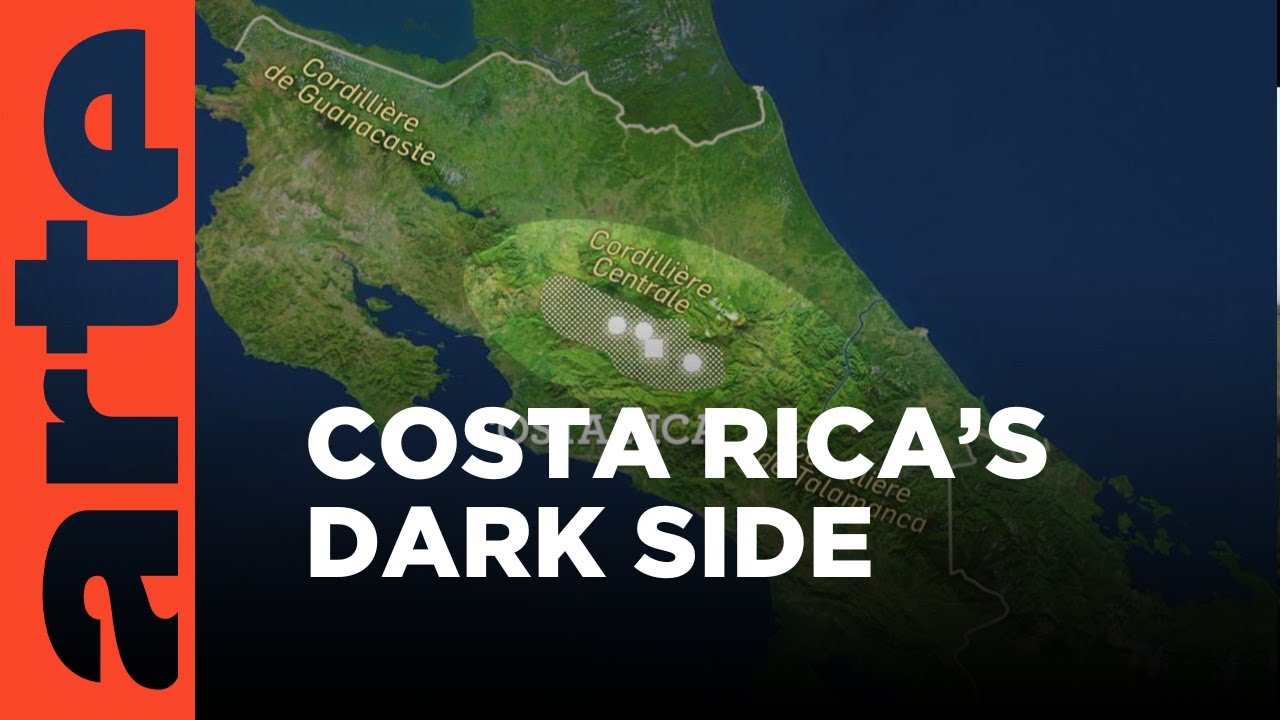
Costa Rica's diverse ecosystems, including its nature reserves, face significant environmental challenges amid growing tensions between tourism and conservation efforts.
In a river ecosystem, crocodiles and lizards interact in a natural habitat, showcasing the complexities of their coexistence without musical distractions.
In Papua New Guinea's Sepik River region, the Iatmul people's initiation ritual for young men Charles and Norbert highlights their deep cultural connection to sacred crocodiles.
Pascal Wyse captures the vibrant sounds of wildlife in Antarctica's frozen world.
Every year, seasonal rains flood the Zapata swamp, bringing millions of birds and invertebrates.
Cuba is home to 10 different species of mangroves, which thrive in nutrient-rich mud and provide essential habitats for diverse wildlife.
Curiosity finds evidence of ancient conditions for life in Yellowknife Bay on Mars.
A traveling microscope once owned by Charles Darwin sold for £480,000 at Christie's auction, marking a significant moment in scientific history.
Charles Darwin's later years were marked by an intense focus on earthworms, culminating in his final scientific work that explored their ecological significance.
Sir David Attenborough introduces the trailer for the natural history series Seven Worlds: One Planet during a live performance at Glastonbury, featuring music by Sia and Hans Zimmer.
Maj uses a poison strong enough to kill a man to coat the tips of his arrows, demonstrating the Punan's unique hunting techniques in the jungle.
Tewet seeks swallows' nests in Borneo, facing threats from forest fires and overexploitation.
In the Gila Wilderness, photographer Katie Orlinsky discusses her career in visual storytelling, highlighting her work on workers' rights in Mexico and the Yukon Quest sled dog race.
Deep oceanic parasites, examined by marine biologist Jaida Elcock and experts, may indicate the health of marine ecosystems rather than being purely harmful.
Diane Cook and Len Jenshel showcase the vibrant and unexpected beauty of gardens at night through their landscape photography.
Up to 20 million termites can inhabit a single hectare, creating hollow eucalyptuses that are transformed into didgeridoos by Aboriginal musicians.
Earth has experienced at least twelve massive extinctions over 800 million years, with the dinosaur extinction being one of the most significant events in this history.
A giant fossilized footprint from a crocodile relative, dating back 230 million years, provides clues to New York City's geological history.
Five thousand people once lived in Downieville during its peak as a mining town before economic decline led to its transformation into a mountain-biking destination.
BBC Earth presents a virtual reality experience that showcases the diverse landscapes and ecosystems of the seven continents while highlighting environmental challenges.
Over 200 miles of hiking trails wind through the Big Bend region of West Texas, offering diverse landscapes and outdoor adventures.
In the deep sea, various animal aggregations, such as jellyfish blooms and scavenger communities, form vital hotspots of biodiversity that enhance survival and reproductive success.
One climb up a rock formation in Smith Rock State Park challenges chef Melissa King to confront her fears and create a dish inspired by the Oregon high desert.
The deep ocean, which constitutes over 95% of Earth's living space, is home to a variety of strange and unusual creatures that thrive in extreme conditions.
Tiktaalik, a crucial fossil from the Devonian period, illustrates the evolutionary transition from aquatic life to land-dwelling animals and connects modern humans to their fish ancestors.
In Nunhead, wildlife filmmaker Dan O'Neill and zoologist Yussef Rafik explore how abandoned sites, like disused crypts and coal mines, become wildlife habitats.
In the waters of New Zealand, marine experts Brandon McMillan and Dickie Chivell seek to identify the largest of two massive sharks, Phred and Slash.
Cetaceans, including dolphins and elephant seals, display intelligence and survival strategies that challenge the belief that primates are the smartest animals.
Formation of the Guayanes Massif began 200 million years ago, making it the oldest place on Earth and home to the world's largest virgin forest.
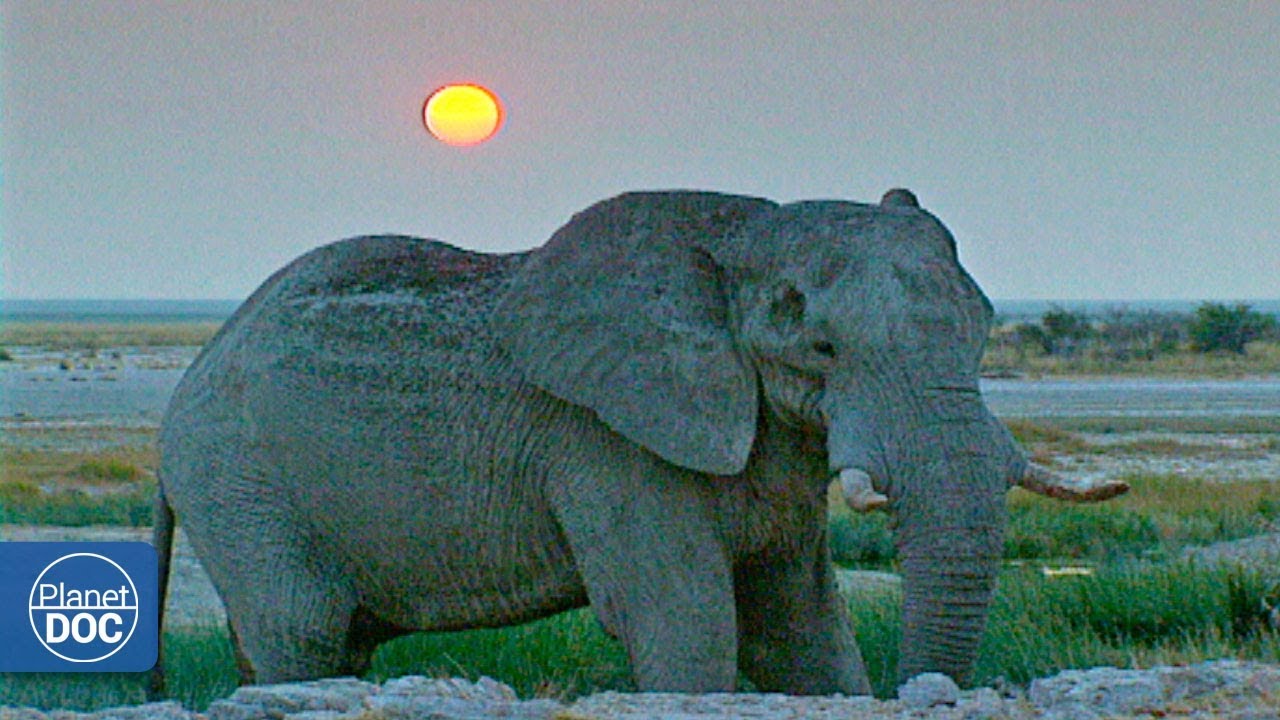
Elephant populations in Africa have plummeted from millions at the beginning of the century to close to 500,000 due to poaching and habitat loss.
This Spanish video details the plight of African elephants due to hunting and habitat loss.
Daphne Sheldrick founded a trust in Nairobi to care for orphaned elephants, having raised and reintegrated 11 infants back into the wild.
African elephants face severe threats from ivory poaching and habitat loss due to human encroachment, leading to a drastic decline in their population.
Dolphin embryos exhibit leg-like limb buds during early development, providing evidence of their evolutionary ancestry linked to the land-dwelling Pakicetus.
This Spanish video details how tides carry sand to form dunes in Doñana National Park.
Doñana National Park becomes a bubbling spring of life with abundant wildlife in spring.