From over 100,000 films, discover the handful you'll love.
Free or premium access to the world's largest documentary library.
3993 films(Page 17 of 84)
15 kilos of gear accompany Nathanaël as he searches for the Gaboon viper, one of the largest vipers with the longest venomous fangs in the world.
Matsalu National Park in Estonia hosts a large moose colony, showcasing the lives of yearling moose as they navigate independence and adult society.
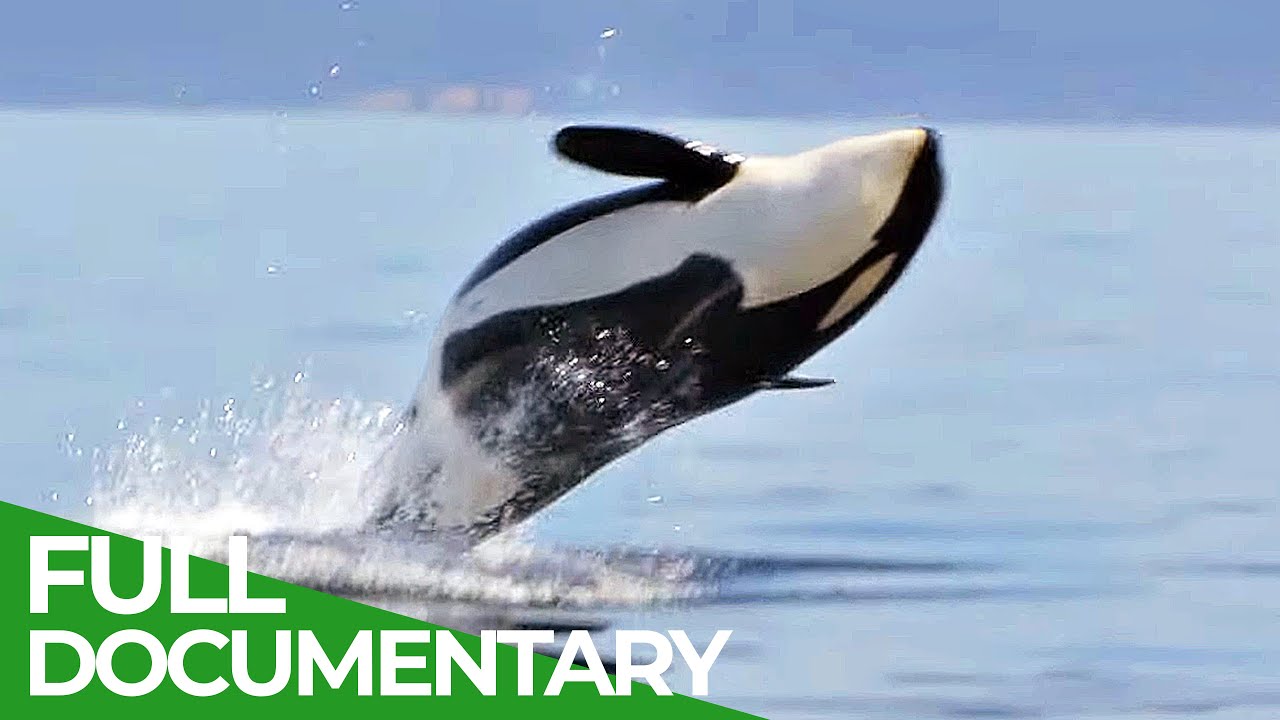
Ken Balcomb's research on the declining population of orcas in the Pacific Northwest highlights the urgent need to remove four dams to restore Chinook salmon numbers.
Alan Rabinowitz, known as the "Indiana Jones of wildlife protection," dedicates his efforts to safeguarding the endangered jaguar population across its natural habitats.
Elysee, a botany student, conducts research on the reproductive cycle of baobab trees in Madagascar's southern region, known for its unique landscapes.
Crocodiles can exert over 2,000 kilos of pressure in their bite, making them formidable predators in the wild.
Michael B. Jordan hosts a special episode showcasing unique wildlife across iconic American landscapes, including the Grand Canyon and Denali, through never-before-seen footage.
In Xishuangbanna, Yunnan province, Grace Gabriel campaigns for the conservation of China's dwindling elephant population, now reduced to just 250 individuals.
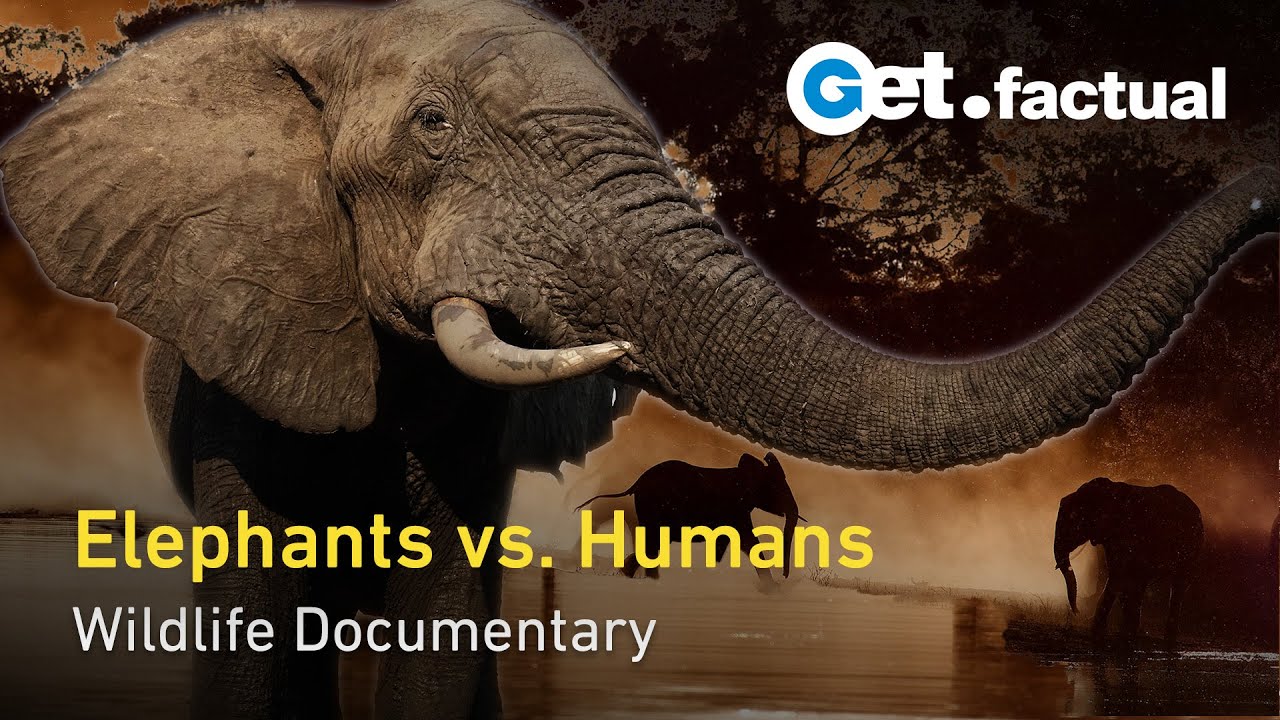
Botswana is home to 130,000 elephants, primarily in the northern regions along the Okavango, Kwando, Linyanti, and Chobe river systems.
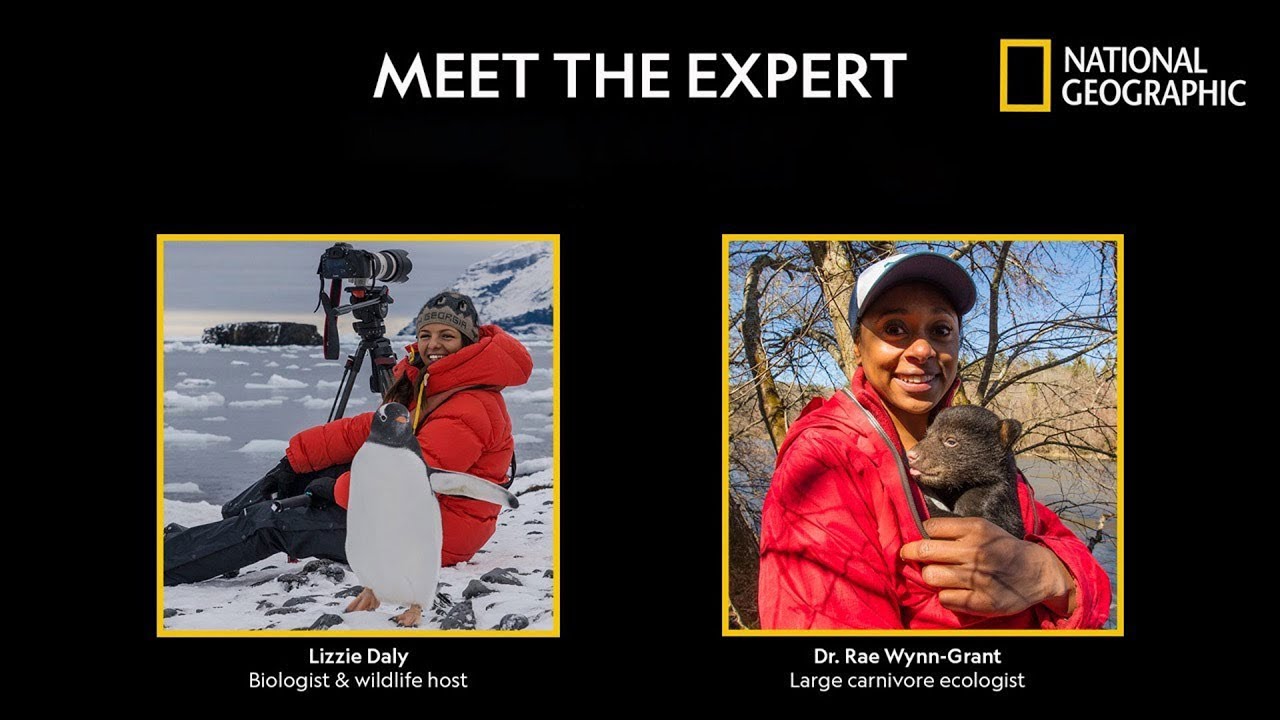
Dr. Rae Wynn-Grant studies black and grizzly bears in Montana, focusing on wildlife corridors to improve conservation efforts for these species.
A Great White shark swam 12,400 miles in search of a mate, outperforming other species in a competition to determine the ocean's top predator.
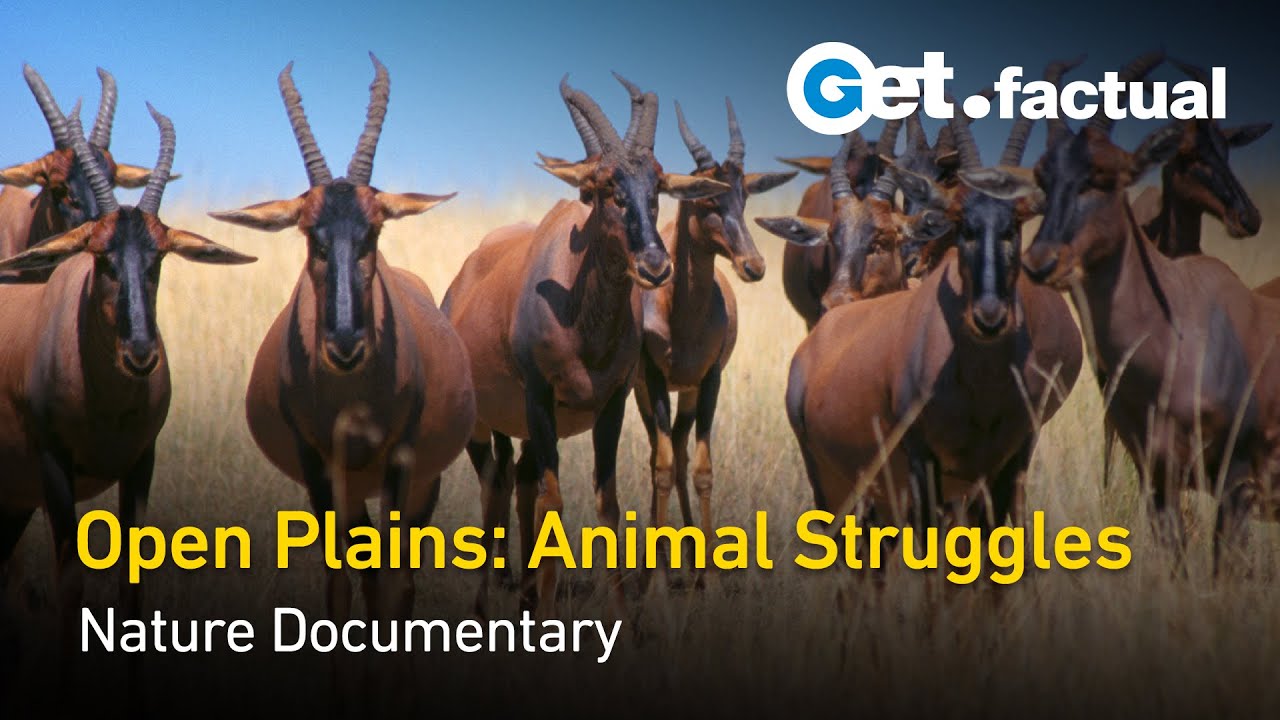
Animals on the plains face predators and must use strategy to survive in open spaces.
BBC Earth showcases a three-hour collection of 4K nature footage, featuring diverse landscapes from towering mountains to vibrant ocean depths.
A variety of baby animals from diverse habitats around the globe are humorously narrated as they navigate a typical day in their lives.
A 500-mile trek through East Africa's Great Rift Valley leads Hazen Audel to face extreme conditions and search for wildlife.
A study on the common Kingfisher suggests only a quarter of the chicks survive to the next season as the Oriental Dwarf Kingfisher raises its brood.
Medusae are the most venomous ocean inhabitants and crucial to marine ecosystems.
Human pollution threatens biodiversity in the UK, especially after Brexit's environmental concerns.
Glacier Bay National Park in Alaska features diverse ecosystems, including glaciers and wildlife, with biologist Chris Gabriel and ranger Tania Lewis studying its unique habitats.
Crocodile populations in the Northern Territory now outnumber humans, leading to increased conflicts as urban development expands into their habitats.
Wildlife behaviors are showcased in ten chapters, highlighting survival tactics, communication, and unique skills of various species across land and sea.
A bobcat with two kittens hunts for food, demonstrating the survival strategies of North America's natural predators in their ecosystems.
In the Southern Hemisphere and the Galapagos Islands, penguins exhibit unique behaviors as devoted partners and skilled hunters within their large colonies.
Asia's extreme landscapes, from fiery volcanoes and vast deserts to ancient civilizations, reveal the continent's untamed beauty and hidden wonders.
Slovenia, home to nearly 12,000 beekeepers, prioritizes honey production, queen rearing, and bee conservation as part of its national identity.
Only one in a thousand streams in Germany remains intact, as 94% of flowing waters have lost their native animal species.
Zanzibar, an exotic island chain in the Indian Ocean, is home to unique wildlife such as giant tortoises, red colobus monkeys, and coconut crabs.
Japan's diverse archipelago, now counted at over 14,000 islands, hosts a unique mix of Asian and Arctic wildlife shaped by varying climatic zones.
It rained for 40 days and 40 nights, flooding the Earth and leading to the survival of Noah, his family, and pairs of every animal species.
In a secluded Mediterranean forest, three young common genet cubs explore their environment, facing both the beauty and challenges of their habitat.
In the Table Mountain region, baboons have become notorious for car break-ins and restaurant raids, prompting intervention from local authorities and scientists.
Cheetahs, known as the fastest land animals, exhibit complex social dynamics, dedicated parenting techniques, and unique hunting skills in a compilation of their top moments.
The Teutoburg Forest covers an area of some 100 kilometres and is home to diverse wildlife, including wild boars and reindeer.
In the African Savannah, elephants, rhinos, and hippos navigate a perilous existence, facing threats from predators and human activity while competing for survival.
Colors of Nature shows how living beings use colors to communicate with their environment.
The Bissagos Islands consist of 88 islands spread over roughly 100 kilometers, forming a labyrinth of sandbanks and mangrove swamps in West Africa.
During the dry season, elephant families migrate from Hwange National Park to Victoria Falls, swimming through the Zambezi River in a stunning natural spectacle.
Germany’s mountain regions, including Saxonian Switzerland, the Palatinate Forest, and the Harz, shape local culture and showcase diverse ecosystems and historical significance.
Hawaii is 5 million years old and is home to volcanic landscapes, dense rainforests, and the fourth-largest island, Kauai, known as the Garden Island.
Kevin McLean uses motion sensor cameras to track wildlife behaviors in rainforest canopies, studying species like three-toed sloths and anteaters.
A snow leopard must patrol a territory of 80 square miles in search of food as rising temperatures threaten its survival in the Himalayas.
On the Falkland Islands, albatrosses and Rockhopper penguins face contrasting fates for their offspring during the critical summer mating season.
Around 20 female rock hyraxes and their clan chief live in a rocky cliff colony along South Africa's rugged coastline.
Art Wolfe travels through Glacier Bay, the Katmai Coast, and remote regions of Antarctica to document endangered wildlife, including humpback whales and Grizzly Bears.
Kigali, Rwanda's capital, sits 1,400 meters above sea level and is home to a million inhabitants, known for its cleanliness and vibrant atmosphere.
Botswana is home to the largest elephant population in the world, with 130,000 elephants, representing more than a quarter of Africa's total.
Only 10% of Olive Ridley turtle hatchlings on the Costa Rican coast will survive after emerging from their nests.
In South Texas's Lower Rio Grande Valley, Patrick McMillan explores its unique wildlife, including ocelots, wild parrots, and Aplomado falcons.