From over 100,000 films, discover the handful you'll love.
Free or premium access to the world's largest documentary library.
3995 films(Page 59 of 84)
Early American inhabitants in the Chesapeake Bay faced threats from formidable predators like the short-faced bear while developing survival strategies.
Two rival lemur troops in Southern Madagascar face off over territory and resources.
Houtouwan, a deserted village in China, has become a popular tourist destination as nature reclaims its structures, raising concerns about environmental degradation.
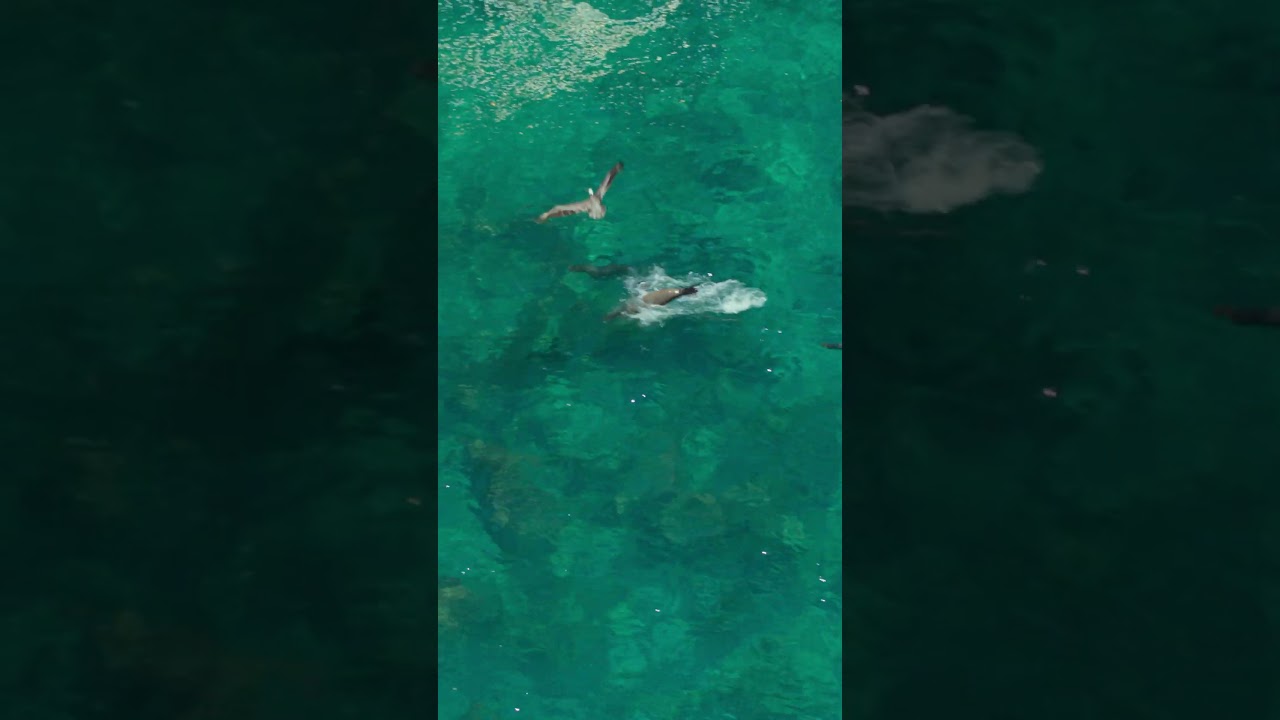
Weddell seals thrive in Antarctica's cold waters, showcasing their resilient adaptations.
The Asian lion lives in Gir, India, coexisting with humans in a unique environment.
Each strand of Sargassum can grow almost the length of a school bus, forming vast mats that stretch several football fields long in the Sargasso Sea.
Coyote outsmarts the giant Nuwuzo'ho to save the animal people from danger.
In the Galapagos Islands, world-class scientists and filmmakers from National Geographic explore unique ecosystems, ancient civilizations, and conservation efforts.
Bees use pollen for protein, while wasps rely on meat, highlighting their key differences.
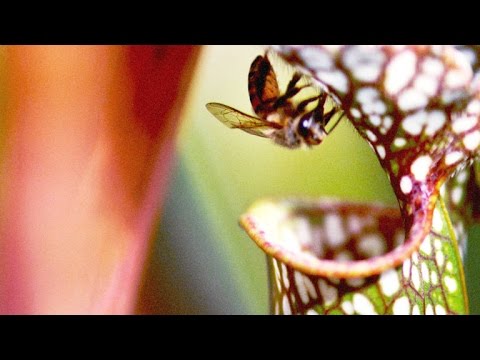
The pitcher plant consumes mice, showcasing its unique carnivorous cravings and feeding methods.
Some nests built by the Talégalo red-headed turkey can weigh as much as four tons, serving as incubators for their eggs through a unique decomposition process.
The Mississippi River, a vital resource for power and wildlife, also conceals approximately 10,000 bodies and poses significant flooding risks to surrounding communities.
Ancient trees are vital for biodiversity, and Meg Lowman leads efforts to protect them.
Thai researchers track the elusive clouded leopard for three years without a sighting.
Forest elephants in Central Africa, including a female named Lean, play a crucial role in seed dispersal and exhibit strong social bonds within their herds.
The Galapagos host The Giant Galapagos Tortoises, which can survive a year without water.
The South Island giant moa is a massive bird native to New Zealand, towering over its ecosystem.
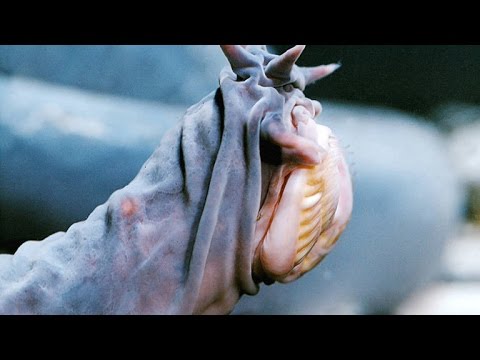
The hagfish is a slime-emitting ocean dweller that has remained unchanged for 300 million years.
The Galapagos Marine Iguana, the only lizard that can live in the sea, showcases unique adaptations that enable it to thrive in marine environments.
The fossil reveals the amazing body structure of the dimorphodon, an early flying reptile.
Researchers track a black rhino bull using spoor after his transmitter fails.
In the rainforests of Sumatra and Borneo, the habitat of the orangutan is explored, highlighting the need for conservation efforts to protect these endangered species.
Speedy predatory dinosaurs like the cathus thrived in Europe during the Jurassic period, which lasted from approximately 201 to 145 million years ago.
Wild salmon, once abundant in the Americas, now face extinction in the West due to genetic decline.
Yellowstone, America's first national park, is home to grizzly bears and Old Faithful geyser.
The Tswaing Crater in South Africa is a wildlife haven formed by a meteor impact 220,000 years ago.
Many people know hippos in the Luangwa Valley can reach 115 decibels in sound levels.
This coming episode of Cosmic Journeys questions if Earth is unique in the galaxy.
A thermal camera captures hippos grazing at night while avoiding lions in Zambia.
Egyptians believed in Gods like Horus, represented by Animal Mummies in Ancient Egypt.
Billions of tons of valuable minerals like manganese, copper, and nickel sit undisturbed at the bottom of the ocean, attracting private companies eager to mine them.
Shells serve as protective structures for numerous marine and terrestrial species, influencing food chains and habitats across various ecosystems.
Earth's sixth mass extinction, driven by human activity, threatens biodiversity as up to 58,000 species vanish annually, prompting calls for innovative solutions like De-Extinction.
Over 20 banded mongooses gather to help warthogs by eating ticks and lice, creating a mutually beneficial relationship on the African savanna.
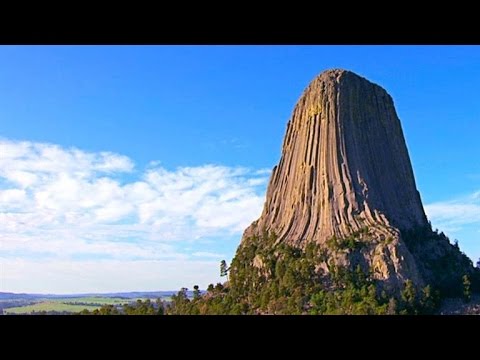
Devils Tower National Monument attracts 400,000 visitors each year, drawn in part by its connection to UFOs and its appearance in Close Encounters of the Third Kind.
Four weeks after entering her chrysalis phase, a female Cairns birdwing butterfly emerges and pumps fluid into her new wings to prepare for flight.
On an island off the east coast of Maryland, a stone spearpoint suggests that humans may have arrived in North America 5,000 years earlier than previously thought.
Giant Japanese salamanders showcase their unique features in this episode of Seriously Amazing Objects.
The Kodiak Bear, North America's Giant Bear, feeds on salmon and grasses throughout the year.
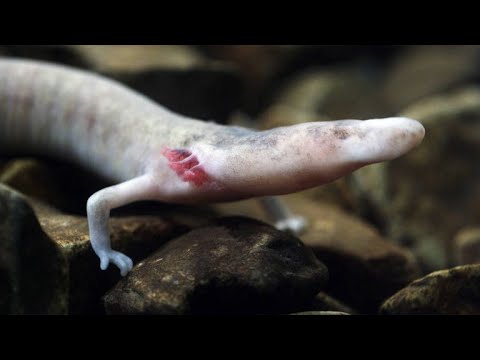
Olm salamanders can grow to almost a foot and a half long and can survive up to 10 years on a single meal in the dark caves beneath Predjama Castle.
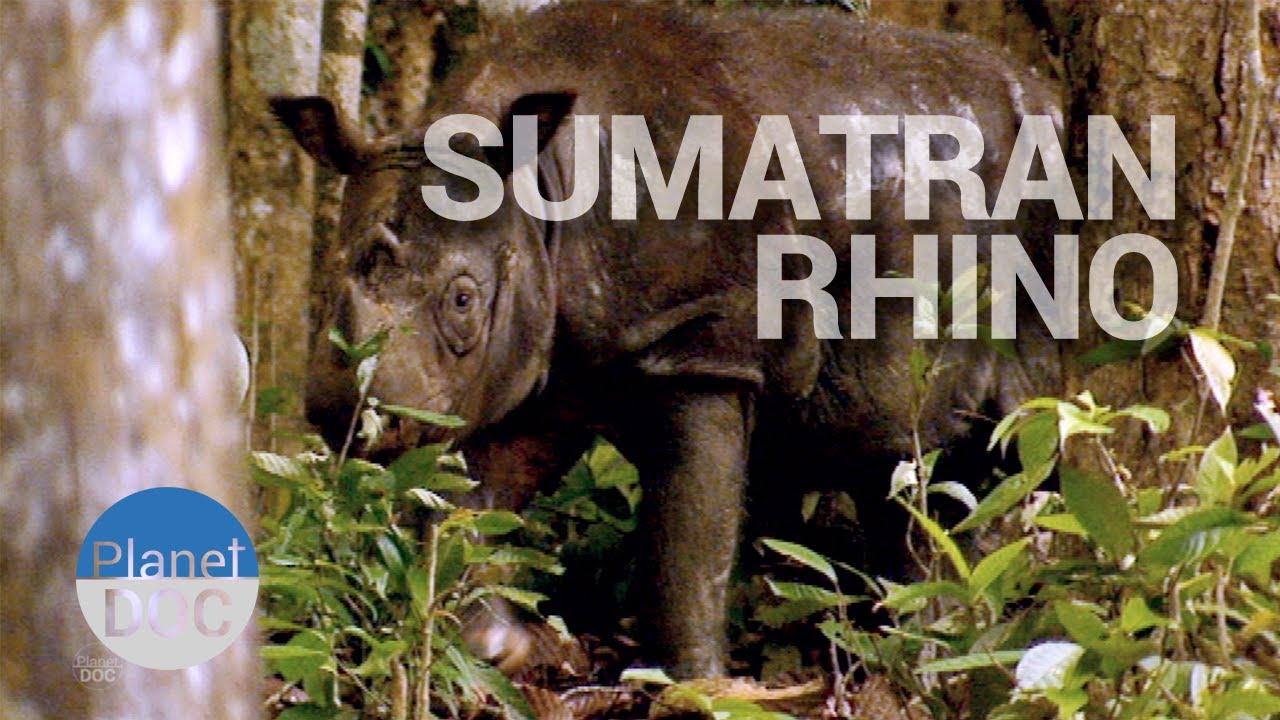
A Sumatran rhinoceros weighs about 1,700 pounds and requires four square miles of jungle space to survive, complicating its conservation.
Birds grew feathers 150 million years ago for insulation, not flight, as shown by Attenborough.
The tiger beetle can run up to 5.5 miles per hour, illustrating its adaptations for survival as shown in Macro Worlds: God's Darlings: Beetles.
Male peacocks display vibrant feathers to attract mates, while females remain a dusty brown to avoid drawing attention during incubation.
NASA's study shows galaxies evolve over 8 billion years, challenging previous beliefs.
Dolphin intelligence is interesting because understanding it may help communicate with aliens.
The Yorkshire Dales cover 800 square miles and feature a patchwork of fields divided by dry stone walls, earning the nickname God's own country.
The Kunene River contrasts the barren Namib desert with its emerald green hue.