From over 100,000 films, discover the handful you'll love.
Free or premium access to the world's largest documentary library.
3994 films(Page 3 of 84)
Fast radio bursts, detected 500 million light years away, provide insight into the universe's mysteries and the conditions on Earth during its early history.
Switzerland, known as Europe's water tower, is explored through its alpine landscapes, glaciers, and the sources of major rivers like the Rhine and Rhône.
The Amazon rainforest covers over 2 million square miles and shelters one in every 10 species known to science, playing a vital role in the planet's ecosystem.
The Mara River meanders for nearly 400 kilometers through the Maasai Mara, serving as a critical lifeline for wildlife during the annual migration.
A male spider performs an elaborate dance to win over a female, who ultimately kills him despite his efforts to meet her expectations.
Twenty-five natural wonders, including Mount Everest, Victoria Falls, and the Great Barrier Reef, are showcased across diverse global landscapes.
Three-toed sloths spend between 15 and 20 hours of each day fast asleep, while the Amazon rainforest faces threats from deforestation and environmental change.
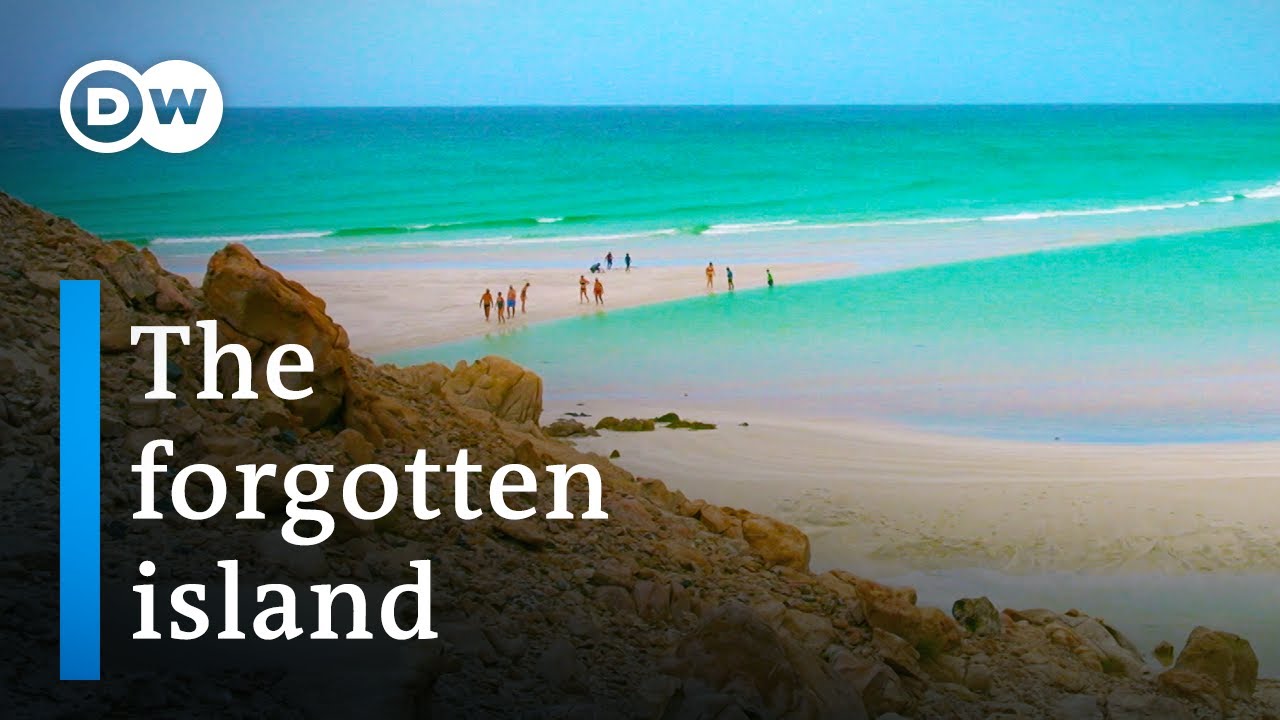
Hawk Cave on Socotra measures 2.5 kilometers long and features unique stalagmites and stalactites that are significant for climate change research.
Over 70 research bases built by 30 countries operate in Antarctica, where temperatures can drop to 135.8 degrees below zero.
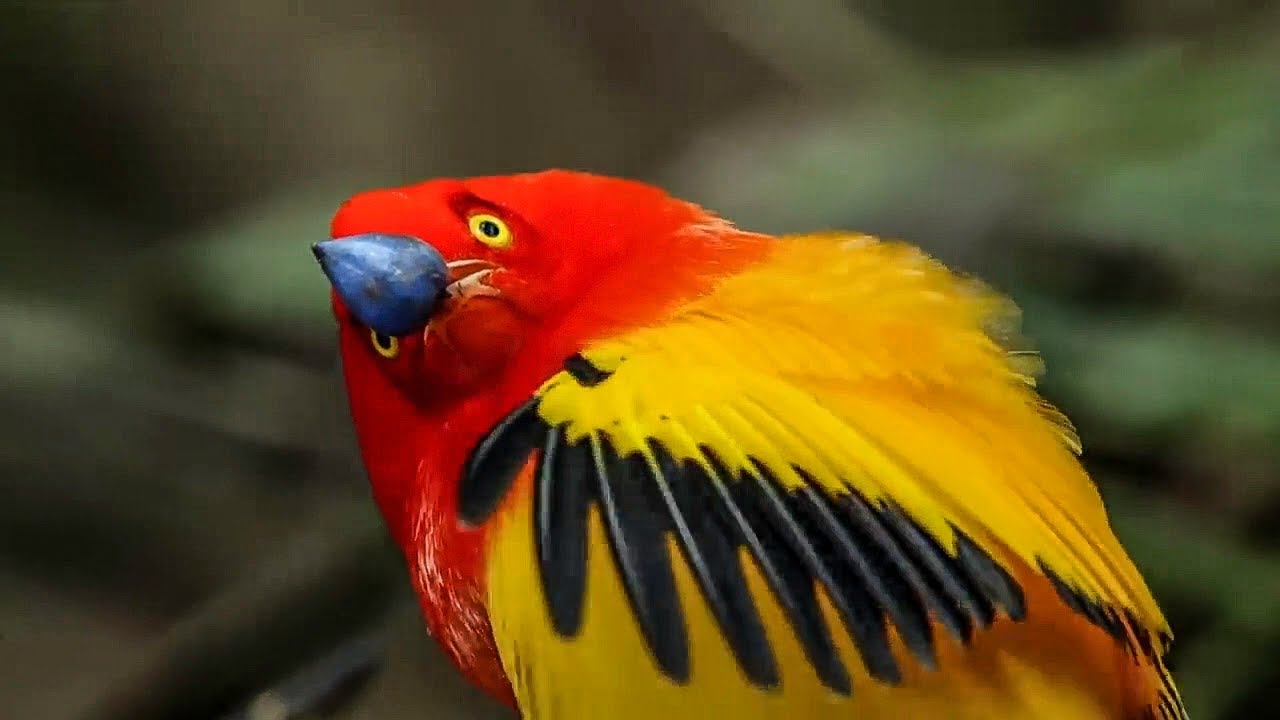
Ecuador is home to 1,600 bird species, representing 13 percent of the world's total, as ornithologist Xavier shares his passion for avian life.
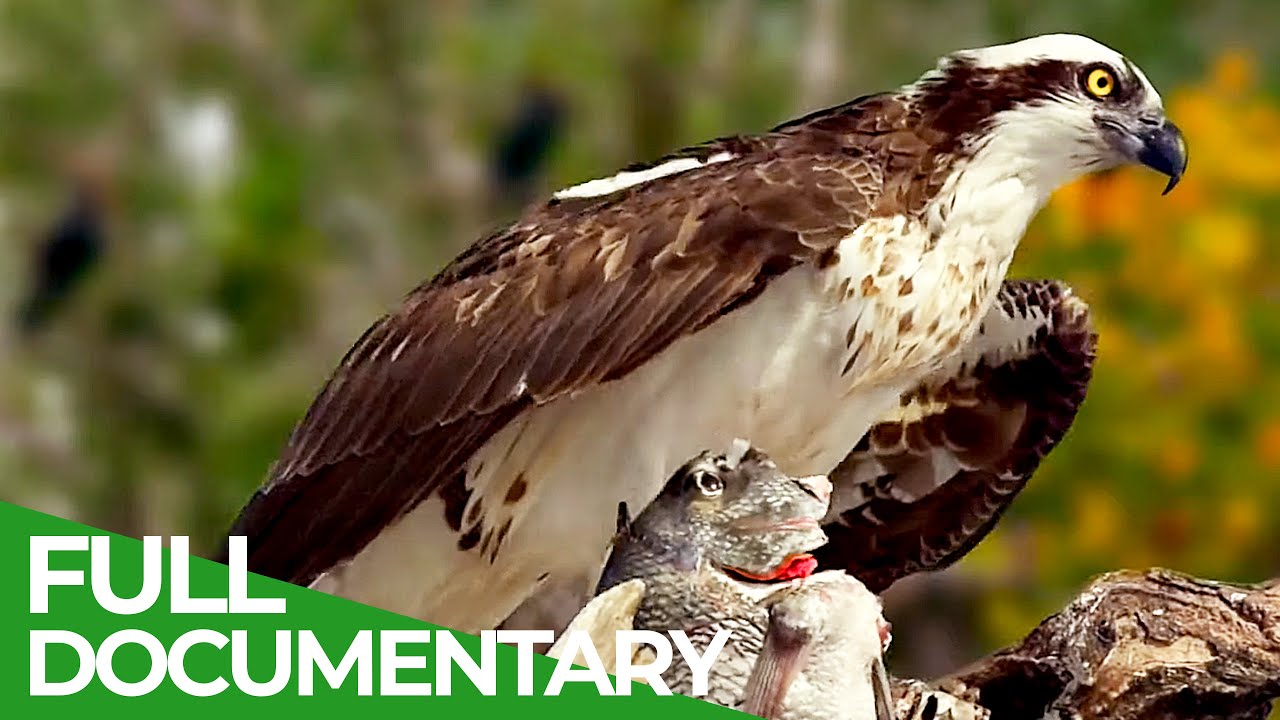
Scotland's 500 islands off the Atlantic coast are home to diverse wildlife, including red deer, grouse, and returning otters and ospreys.
A female mountain lion and her eight-month-old cub search for food in the Grand Canyon, a chasm 277 miles long.
A 1,240-kilometer road, the Carretera Austral, faces challenges like ferry crossings and difficult terrain as it pushes deeper into Chilean Patagonia.
Fossil evidence reveals how birds, the only surviving dinosaurs, adapted and evolved after the asteroid impact that caused the mass extinction 66 million years ago.
1,300 kilometers of the Alps present extreme conditions where animals like wolves and deer adapt to survive temperatures as low as minus 40 degrees.
Morgan Freeman meets Bill Clinton to explore the concept of shared power and its implications for inclusive governance in society.
Jim and Jamie Dutcher spent six years living with a pack of wolves in Idaho to highlight the social and intelligent behaviors of these often-misunderstood animals.
A robber crab can weigh up to four kilograms and has a leg span of one meter, making it the largest terrestrial invertebrate on Earth.
In Indonesia's Jambi Province, the critically endangered Sumatran tiger faces extinction due to habitat loss and human conflict, prompting urgent conservation efforts.
Just 12,000 years ago, Tasmania separated from the Australian mainland, creating a unique environment for its diverse wildlife, including the Tasmanian devil.
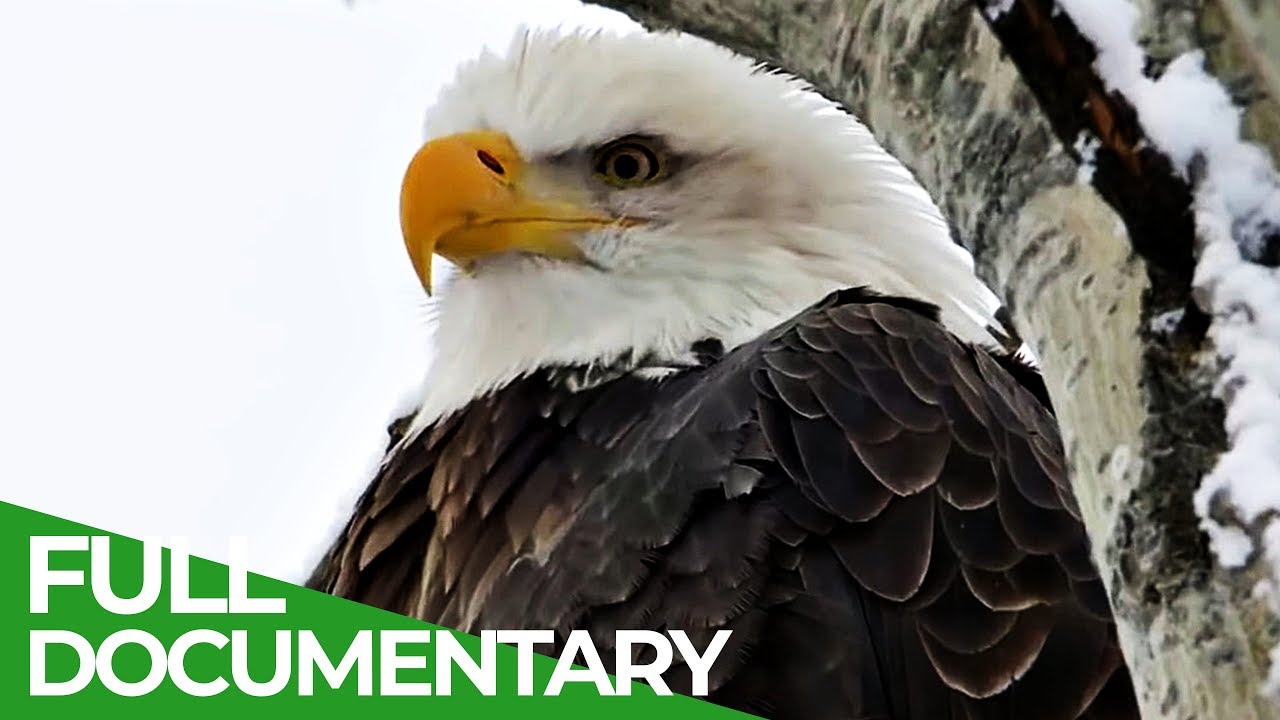
As many as 400 pairs of bald eagles live in Chilkoot State Park, Alaska, relying on the salmon migration in the Chilkat River for survival.
The Sava River floods by approximately ten meters each year, creating a vital floodplain that protects cities like Zagreb and Belgrade from disaster.
Insects may number around 10 million species, making up 90% of all life forms on Earth and playing essential roles in ecosystems and food chains.
Every four years, lemmings experience a population explosion, allowing snowy owls to raise up to eleven chicks, each needing four rodents daily to survive.
Four rhinos die each day in South Africa due to poaching, prompting a group of armed conservationists to fight against this ongoing threat.
A Spinosaurus vertebra recovered in 2008 showed signs of having been bitten in half, suggesting fierce competition among large predators.
Cocos Island rises 640 meters from the Pacific Ocean and spans 25 square kilometers, making it the largest uninhabited rainforest island in the world.
Relaxation is enhanced through visual experiences of diverse habitats, including ancient forests, deserts, Atlantic rainforests, and Argentine wetlands.
The Skagerrak strait features depths exceeding 700 meters and powerful currents that support a rich variety of marine life, including orcas and grey seals.
Two million king penguins return to South Georgia each summer to reunite with their chicks after months spent at sea.
Miss Marple, a rat, detects land-mines in Mozambique after training in Tanzania.
Nineteen lions make up the Ombika pride in Etosha National Park, led by two dominant males each weighing 550 pounds.
Corvids, such as ravens and Alpine choughs, demonstrate advanced intelligence, tool-making abilities, and strong social bonds with their partners.
In the Swiss Jura mountains, ant societies are explored through advanced 4K technology, revealing their complex structures and interactions during peace and conflict.
In Katmai National Park, Alaska, brown bears fish for salmon and grizzly bears forage for berries along the Douglas River amid volcanic landscapes.
Christian Moullec teaches geese forgotten migratory routes by flying alongside them in a microlite, aiming to restore their natural instincts.
Workers at the Pullman National Fish Hatchery release 12 million salmon each year to compensate for habitat loss caused by the Shasta Dam.
A dragonfly known as Omega Nora had a wingspan of up to 25 inches, making it the largest flying insect ever discovered.
70 to 80 pregnant lemon sharks gather each spring in the Grand Bahama Bank, a phenomenon first documented by researcher Professor Sam Gruber.
Temperatures in Kamchatka can drop below minus 50 degrees, making it one of the coldest inhabited places on Earth.
Fossils of Reponomimus, a mammal the size of a wolf, were found in volcanic ash in Liaoning, China, dating back 130 million years.
Around 253 million years ago, a massive volcanic event began in what is now Siberia, leading to the Great Dying and the largest mass extinction in Earth's history.
The Pacific Ocean, covering 165,250,000 square kilometers, is home to diverse marine life and plays a vital role in global weather patterns and biodiversity.
This special examines if mankind will eventually disappear from Earth and its impact.
A 200-kilogram silverback gorilla named Macumba leads his family through the forests north of the Congo River, searching for food and avoiding dangers.
Elysée and Tantal travel hundreds of kilometers in a bush taxi to study the reproductive cycle of the baobab tree in southern Madagascar.
Two million baby salmon swim out of nets in Alaska, attracting humpback whales that have traveled thousands of kilometers to feed on them.
A family of Saddle black clown fish works together to create a safe nursery for their eggs among the tentacles of a carpet anemone.