From over 100,000 films, discover the handful you'll love.
Free or premium access to the world's largest documentary library.
3994 films(Page 41 of 84)
Yonaguni, a small island of 29 square kilometers, is home to a community that practices ancestor worship and maintains unique cultural traditions.
In the forests of Sri Lanka and the urban landscape of Mumbai, a young female leopard and her mother navigate challenges while showcasing the adaptability of their species.
Beneath the Iberian Peninsula lies a 100-meter deep canyon that has evolved into a unique ecosystem, home to species like the Eagle Owl and Wolf Spider.
In a wildlife documentary series, Steve Backshall assists at a hedgehog hospital while Miranda Krestovnikoff checks on a pregnant slow loris and Lindsey Chapman reports with Coco the cat.
Between 1980 and 2045, the planet is projected to lose more species of plants and animals than in the last 65 million years.
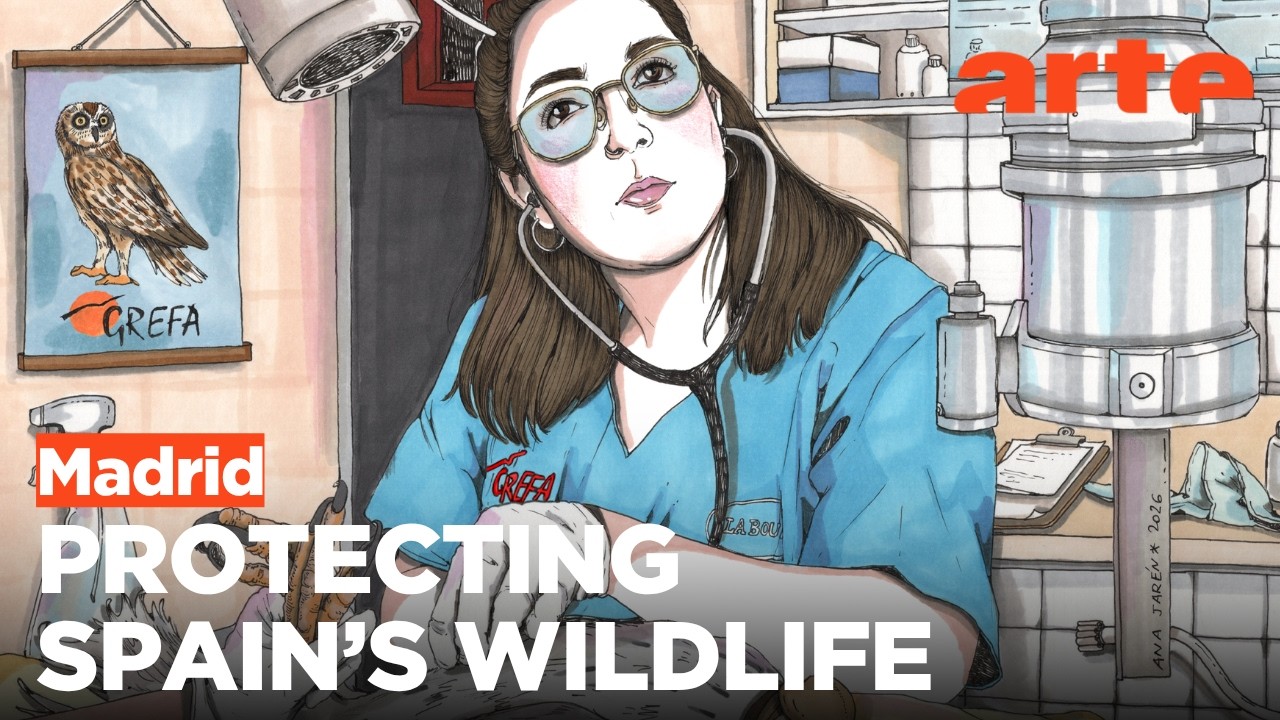
In the hills above Madrid, Grefa operates the largest wildlife hospital in Europe, treating over 10,000 animals annually for rehabilitation and release.
William Canning's 1973 film highlights the natural beauty and wildlife of the Canadian Rockies and Garibaldi Park, stressing the need for conservation.
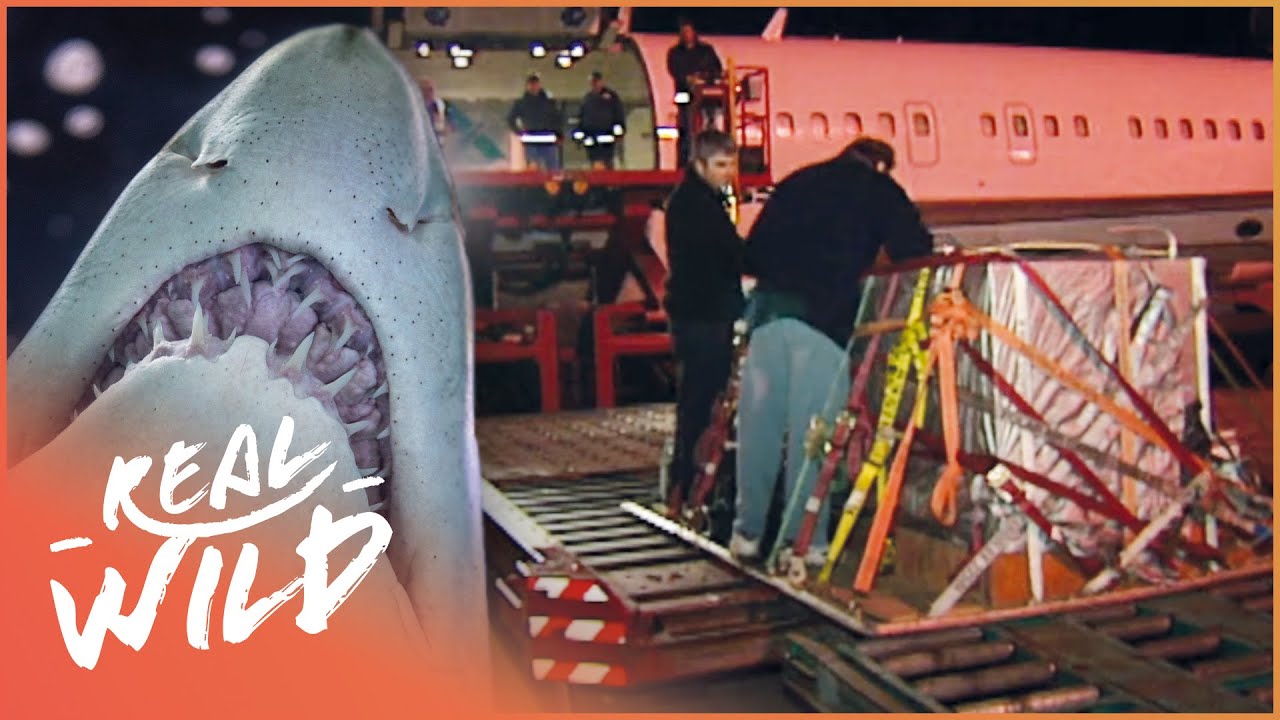
Ian Gordon transports a female grey nurse shark over 1,000 miles by air to Melbourne, Australia, to support the species' declining population.
Kakapo, the world's rarest parrot native to New Zealand, faces infertility challenges, but conservation efforts are underway to restore their population.
In Spain and Portugal, the Dehesa ecosystem showcases a rich biodiversity shaped by seasonal changes, including the arrival of common cranes and the deer rut.
Beluga whales, revered in ancient legends like that of Seawoman, are studied by scientists using advanced technology to understand their complex communication methods.
Urban environments like Times Square drive rapid evolutionary changes in species, revealing how plants and animals adapt to urbanization and pollution.
In Northern Europe's harsh wilderness, newborn apex predators and prey face life-threatening challenges, including a mother brown bear protecting her cubs from male threats.
World-renowned animal trainer Andrew Simpson faces extreme conditions in -60C temperatures while filming a groundbreaking portrayal of wolves in their natural habitat.
In the Himalayas, Tashi, a single mother red panda, navigates bamboo thickets with her cub, showcasing their bond in a challenging environment.
In Antarctica, elephant seals and various penguin species rely on isolated islands as critical nurseries for breeding and teaching survival skills.
More than 170 species of fish inhabit the reefs around the archipelago of Fernando de Noronha, a key area for the spinner dolphins that visit daily.
More than 15,000 letters have been written advocating for the preservation of Canada's wilderness and national parks for future generations.
In Iran's Ilam province, rare reptiles like the spider-tailed horned viper thrive in a unique ecosystem, showcasing the region's remarkable biodiversity.
Dr. Dave Ebert and Luke Tipple discuss undiscovered shark species and their ocean importance.
Primate evolution, spanning 65 million years from Madagascar to modern humans, highlights the diverse adaptations and significance of these species in understanding human ancestry.
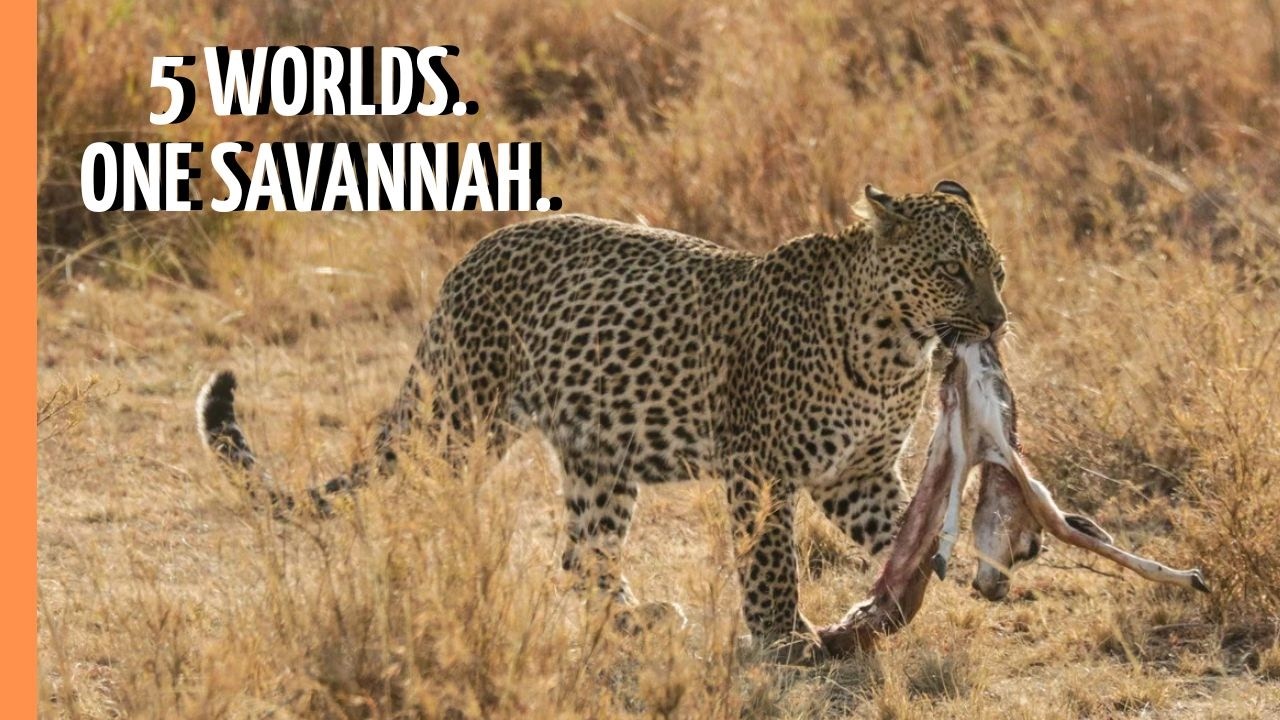
In the African savannah, diverse species from mammals to insects navigate distinct ecological niches, competing for resources in a complex vertical habitat.
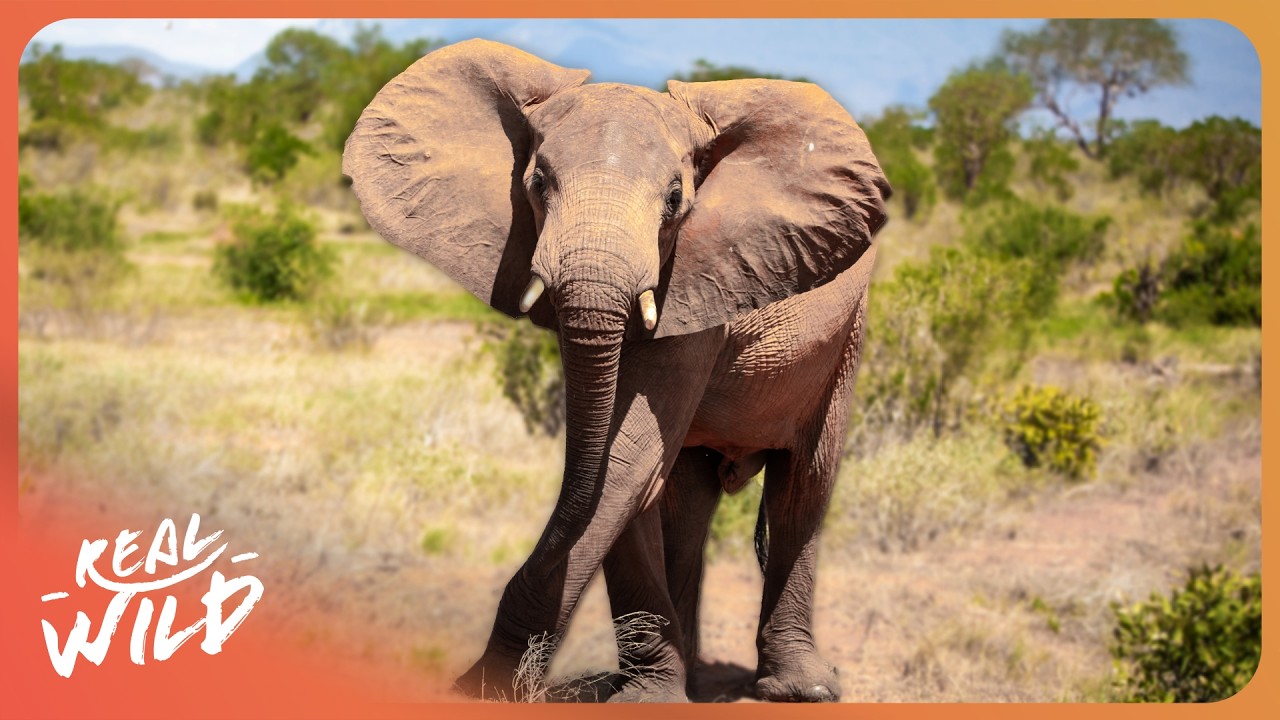
Namibia covers an area of over 300,000 square miles, most of it desert and bush, where Ian Max Maxwell tracks the elusive desert elephant.
In Namibia's bushlands and Australia's shark-infested waters, wildlife captures its own stories through hidden cameras placed on various animals.
A mother whale can carry her calf's small carcass over 1,000 miles, demonstrating the deep emotional bonds shared among cetaceans.
Over 10,000 bird species are examined, highlighting avian predators like eagles and falcons, as well as unique seabirds and flightless birds such as ostriches.
In Tanzania, over a million wildebeest and a quarter of a million zebras face perilous challenges during their thousand-kilometer migration across the Serengeti.
The Pacific Ocean births huge, heavily-laden clouds that counterattack the rugged Olympic Peninsula with a ceaseless barrage of rain.
In the Sonoran Desert, Harris's hawks hunt cooperatively like wolves, while diverse species like the Gila monster and elf owl adapt to extreme conditions.
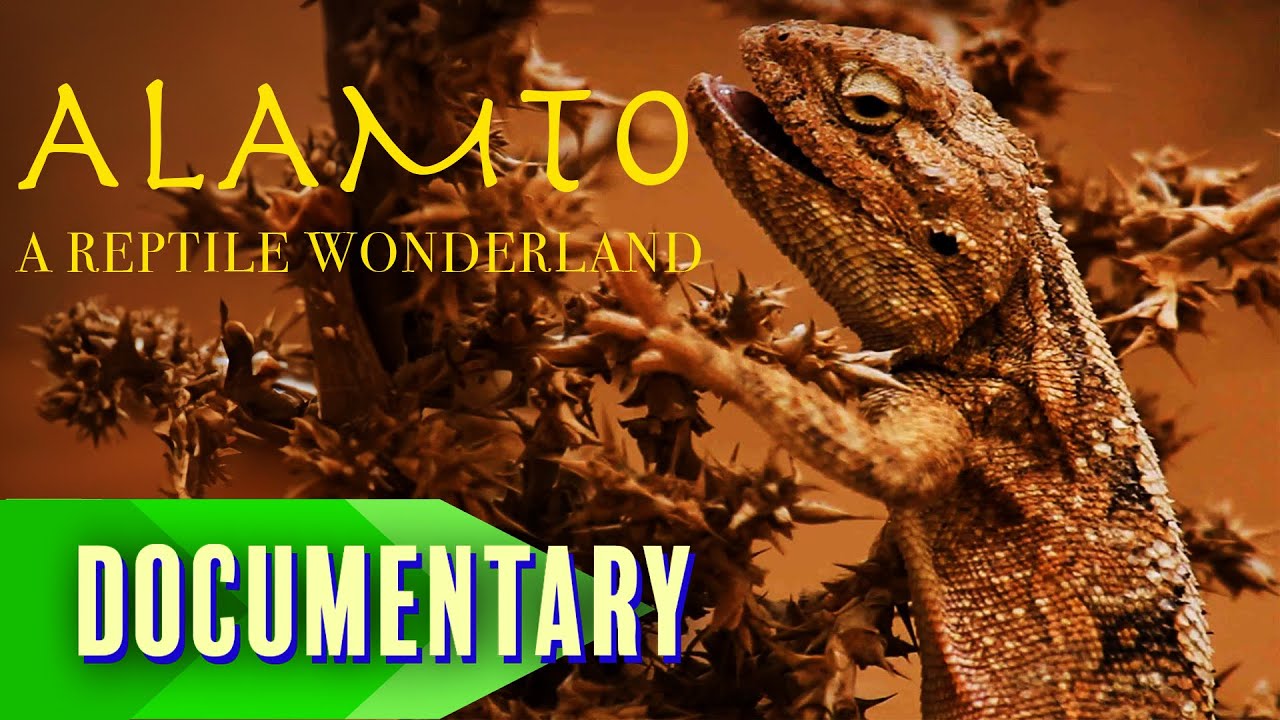
Reptiles, often perceived as primitive, showcase remarkable diversity and adaptability, having existed for over 300 million years alongside Earth's changing ecosystems.
Private island ownership in Europe presents unique challenges and costs, from environmental protection to maintenance, revealing the realities behind this lifestyle.
In Zimbabwe's Eastern Highlands, a high-security zone at Theford Estate protects white rhinos, showcasing their survival amid threats and exploring ancient San rock art.
In Brazil's Pantanal, a young male caiman faces the harsh realities of the dry season, competing for survival in a rapidly shrinking habitat.
In Durban, a young rhino is rescued from mud, while in Botswana, cheetah coalitions battle, and urban wildlife like baboons invade Cape Town.
In the remote wilderness of China, the last 27 wild Siberian tigers and one of the rarest monkey populations face survival challenges amid climate threats and human intervention.
Footage from the National Oceanic and Atmospheric Administration's Pribilof Islands Restoration Project highlights the cultural and environmental significance of the Pribilof Islands.
In Kamouraska, Quebec, Patrice Fortier cultivates rare plant seeds at La société des plants, promoting biodiversity and heritage through his seed bank.
In KwaZulu-Natal's Pinda Reserve, hosts Anga Makobalo and Brittany Bristow, along with Ranger Bruce Hedges, explore African penguins and various baby animals.
British Columbia's diverse landscapes are showcased from above, featuring iconic locations such as Victoria, Whistler, and Mount Robson.
Wildlife habitat loss, environmental destruction, and climate change are examined through insights from experts like Prof. Paul Ehrlich and Sofia Pineda Ochoa.
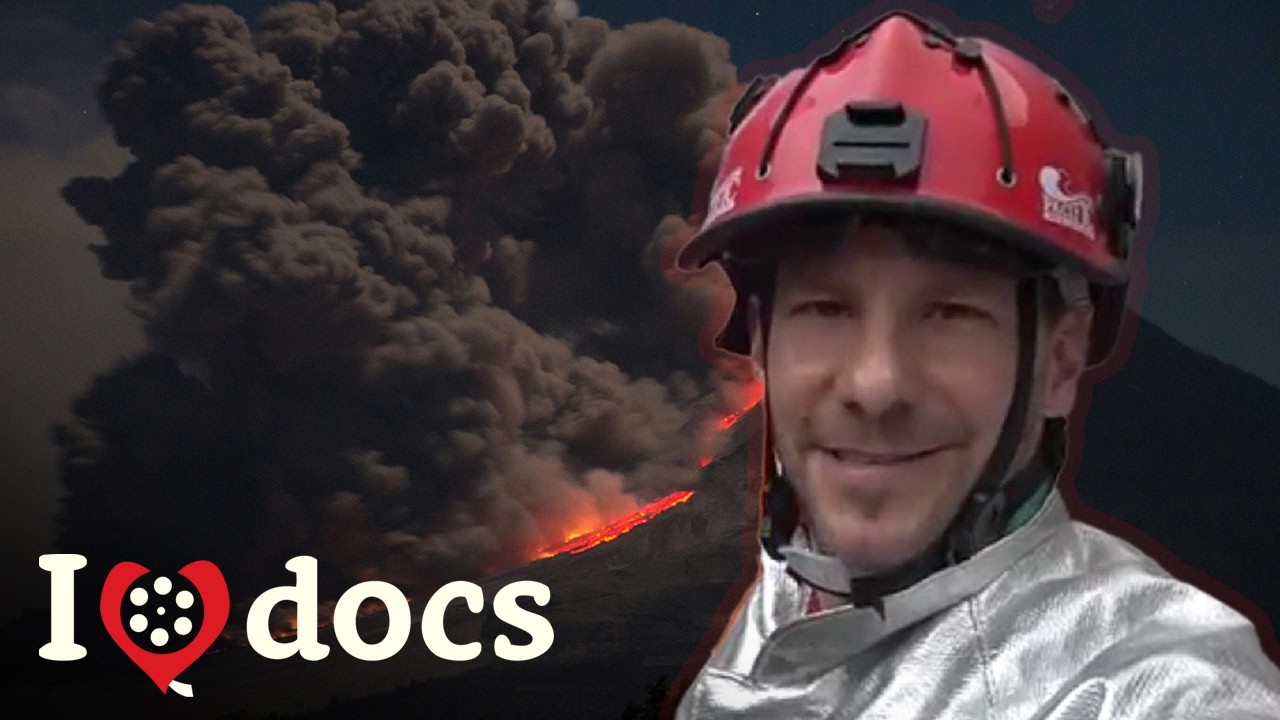
Adventure filmmaker Peter Rowe climbs and films 19 volcanoes across locations such as Iceland, the Congo, and Indonesia, engaging with local communities.
A young male gray seal navigates a perilous 600-mile route through the North Atlantic, contending with rivals and the threat of orcas.
More than 30 springs feed into the Wupper River, which flows 116 kilometers through western Germany, supporting a diverse ecosystem of unique wildlife.
Just a few drops of sea snake venom can kill a human, yet these toxins may lead to new medical treatments for severe pain and other ailments.
In the wild landscapes of Australia and the depths of the Pacific, unique species like the cane toad and giant squid exhibit extraordinary adaptations for survival.
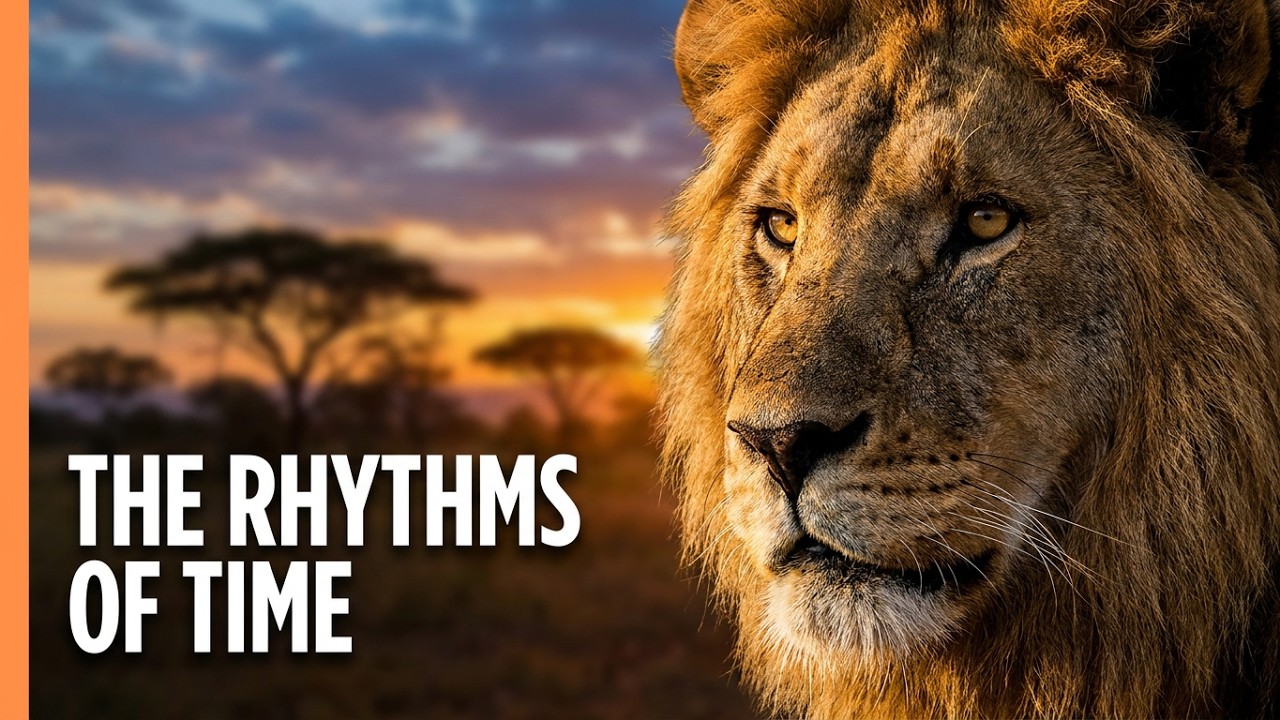
In the African savannah, wildlife experiences time through instinct and natural rhythms rather than human constructs like clocks and calendars.
In the Chilkat Valley of Alaska, thousands of bald eagles gather to compete for salmon during winter, while golden eagles in the Italian Alps raise their young in a harsh environment.
A snow leopard has killed a quarter of the young yaks in a Tibetan village this year, threatening the traditional way of life for local herdsmen.