From over 100,000 films, discover the handful you'll love.
Free or premium access to the world's largest documentary library.
3994 films(Page 7 of 84)
Gray whales undertake a 10,000 to 12,000-mile round trip migration from Arctic feeding grounds to breeding lagoons on Mexico's Baja Peninsula.
88 islands make up the Bijagos archipelago, an isolated territory in Guinea-Bissau where traditional healing practices blend with modern medicine.
In a French forest, a fox navigates its environment and encounters various wildlife throughout the changing seasons.
Climate change is causing winters in Central Europe to be much milder, impacting the survival strategies of animals like foxes and wild boars.
In the Amazon Rainforest, the Anaconda, the largest snake in the world, is explored alongside the diverse wildlife and Indigenous Peoples inhabiting the region.
A male lynx patrols a territory that can cover several hundred square kilometers in the Bohemian Forest, where he hunts and raises his young.
More than 40 feet of snow can fall in a single season at Grand Teton National Park, creating a challenging environment for its wildlife.
A red lionfish can swim to depths of 40 meters, evading divers and contributing to its rapid spread across the Atlantic Ocean.
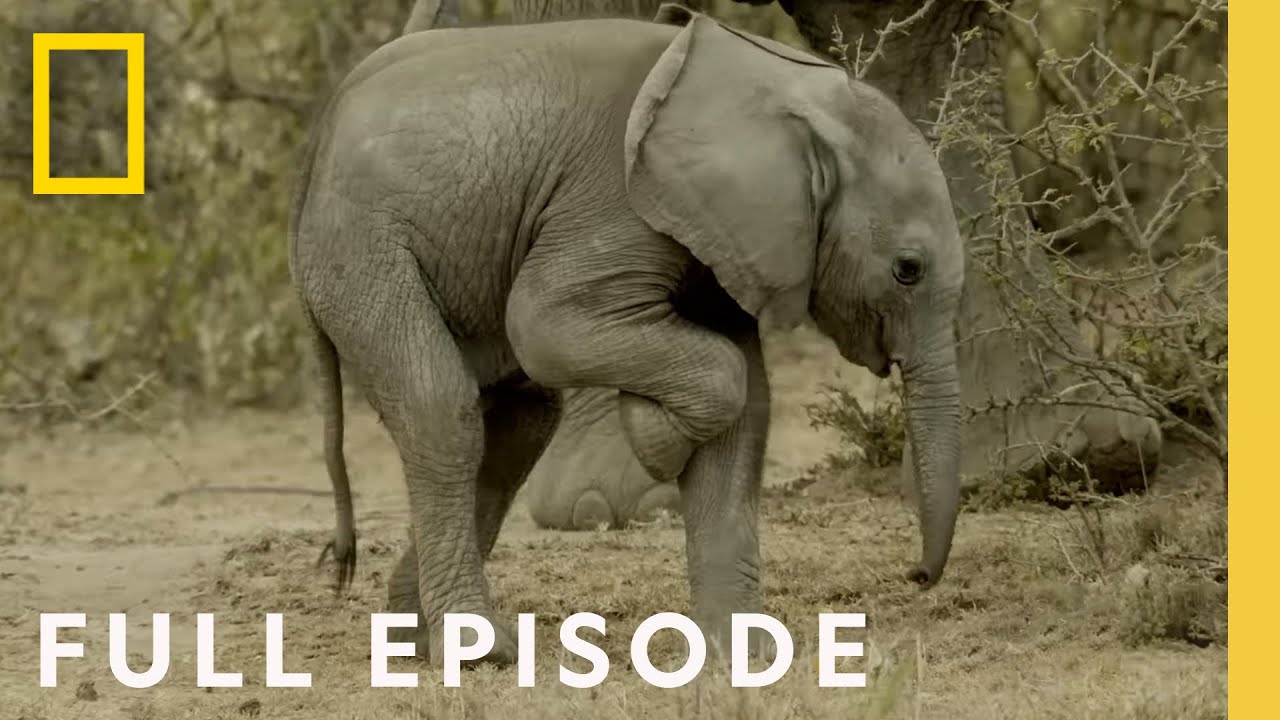
In the wilds of Kenya, an elephant calf navigates its first year of life, facing the challenges and experiences that shape its development.
Pigeons possess extraordinary navigational skills, leading to an exploration of the scientific and mysterious factors that enable animals to find their way home.
Pilgrims have traveled to Varanasi for more than 2,500 years to bathe in the Ganges, a river considered sacred in Hinduism.
A herd of wildebeest stretches up to 40 kilometers in length as they migrate from Tanzania to Kenya in search of fertile grazing land.
An adult bear can gain up to 180 kilos during the summer months as it feeds on plants and prepares for hibernation.
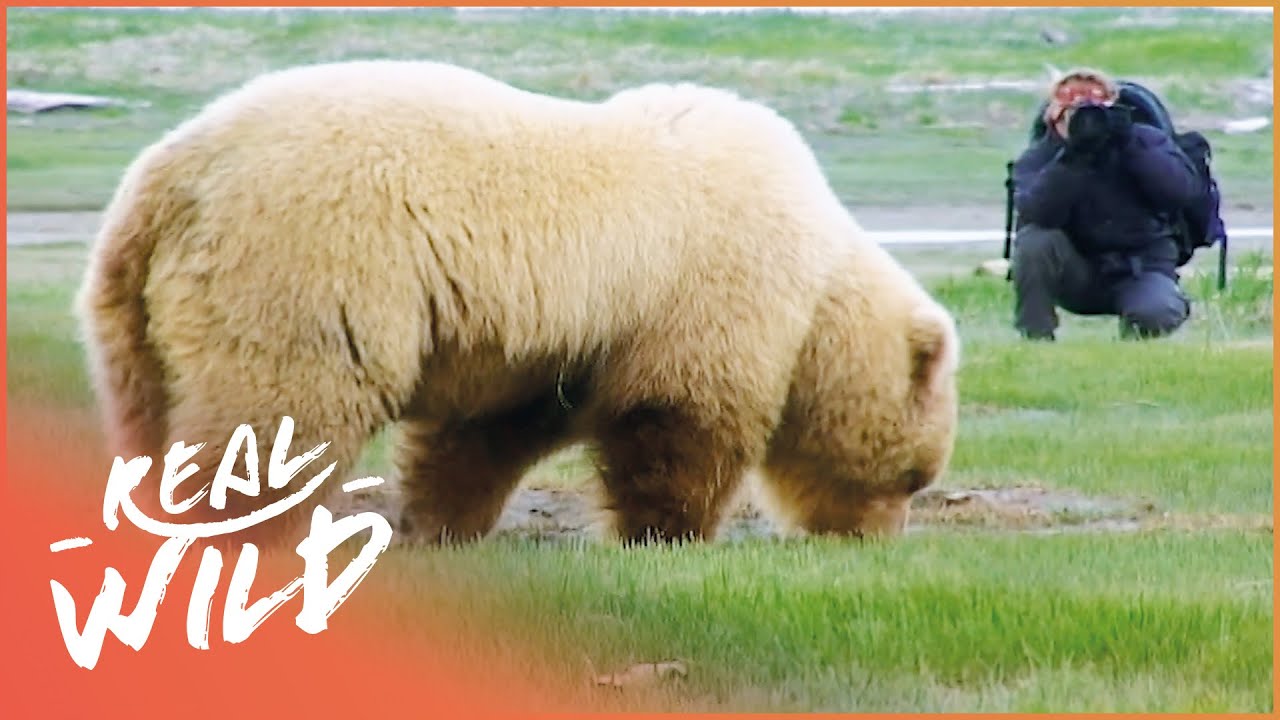
Andreas Keeling and his friend Greg search for giant grizzly bears in Alaska, where they encounter a caribou cornered by wolves in a dramatic hunt.
300 kilometers per hour winds whip across the ice plains of South Georgia, posing a constant threat to wildlife filmmakers in the field.
This touching documentary about Norway showcases its fjords, glaciers, and unique culture.
Three young bears-polar, brown, and sloth-navigate the challenges of survival in diverse landscapes of Alaska and British Columbia under their mothers' guidance.
Robber crabs on Christmas Island showcase thievery and complex lives in their habitat.
More than half of all life on Earth was extinguished during the mass extinction event that eliminated the dinosaurs 65 million years ago.
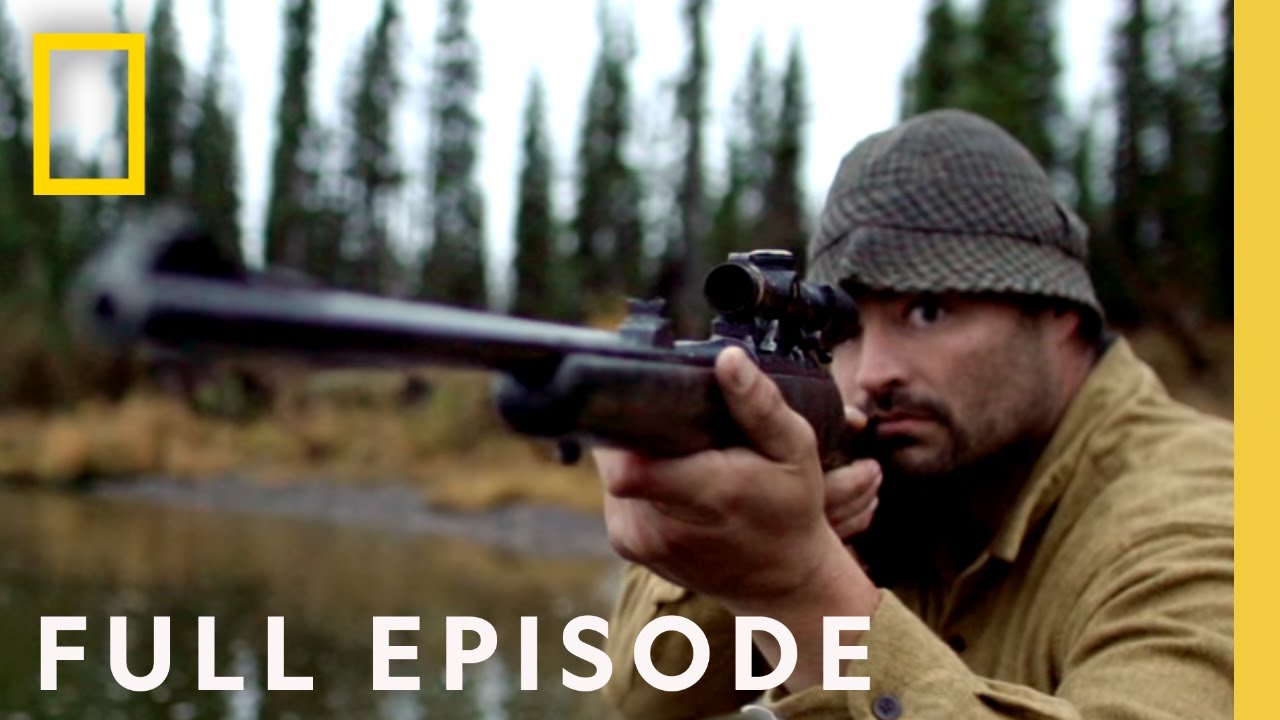
Michael Manzo, a 37-year-old mcmack Indian, faces the challenge of filling his moose permit before winter in the Alaskan wilderness.
Busy beavers, sparring sea lions, and fledgling falcons highlight the top wildlife moments captured by BBC Earth in 2024.
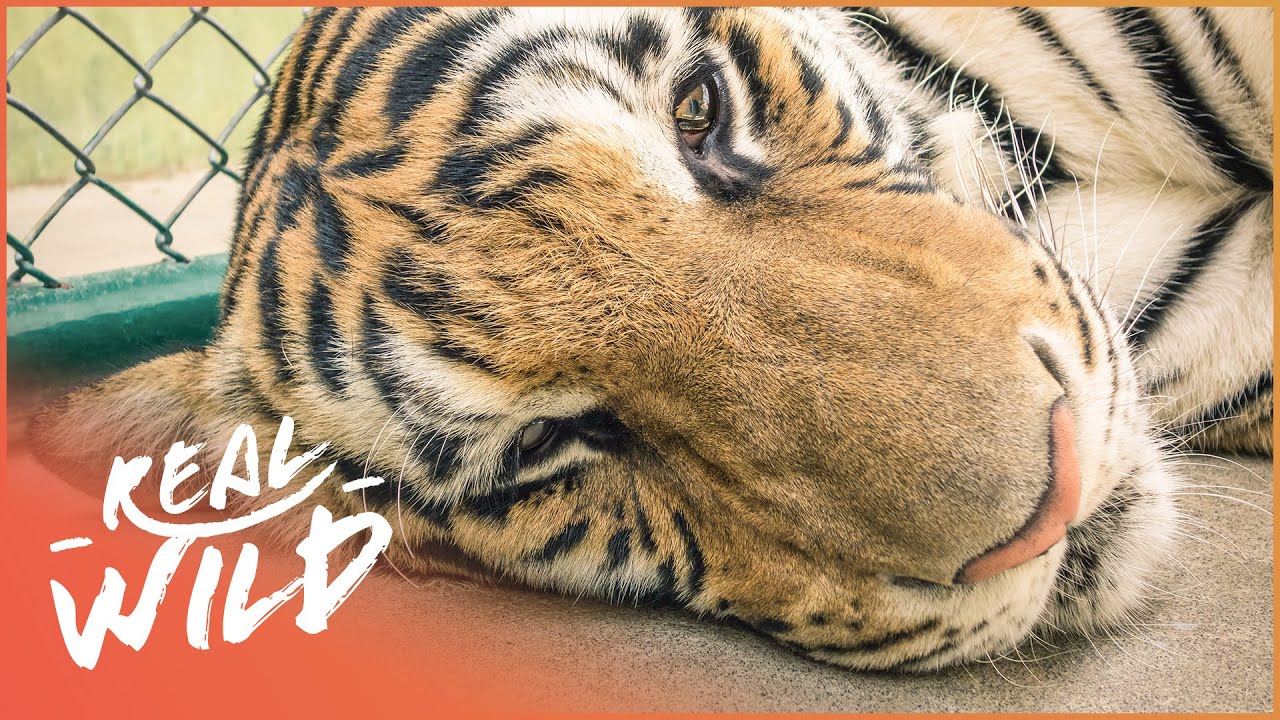
Four Paws, an international animal welfare organization, faces a medical emergency while transporting six tigers from the Netherlands to South Africa.
In Alaska's Chilkoot State Park and the Dolomites, bald and golden eagles are examined for their hunting techniques and cultural significance.
Sardinia features diverse landscapes, including Capo Testa's underwater paradise and lagoons of Cabras.
Orangutans have been studied for more than five years in a remote corner of the Sumatran rainforest, revealing their complex social behaviors and intelligence.
Giant otters, nearly 2 meters long, hunt cooperatively in the Amazon, consuming 10% of their body weight each day during the dry season.
A bobcat with two kittens hunts for food, targeting squirrels, rabbits, and fish to sustain her family in the wild.
Dadamundgi, a 72-year-old artisan, has planted over 300 rosewood trees in Madagascar to support the preservation of his community's woodcraft tradition.
Charles Darwin published his ideas on evolution in 1859, claiming that life began with a few simple organisms that evolved into millions of species.
Kali struggles to feed her cubs while Moto searches for his lost love, Nyota, in the Serengeti.
Bolivia's vibrant landscapes, including colorful lakes and volcanic regions, alongside Peru's rich history, highlight the cultural significance of South America's diverse nations.
Jellyfish, some of the most venomous ocean inhabitants, play a crucial role in marine ecosystems, as explored by scientist Gerhard Jarms in various global locations.
In Yellowstone National Park, the reintroduction of wolves in 1995 has led to a complex dynamic where coyotes, once top predators, now face competition.
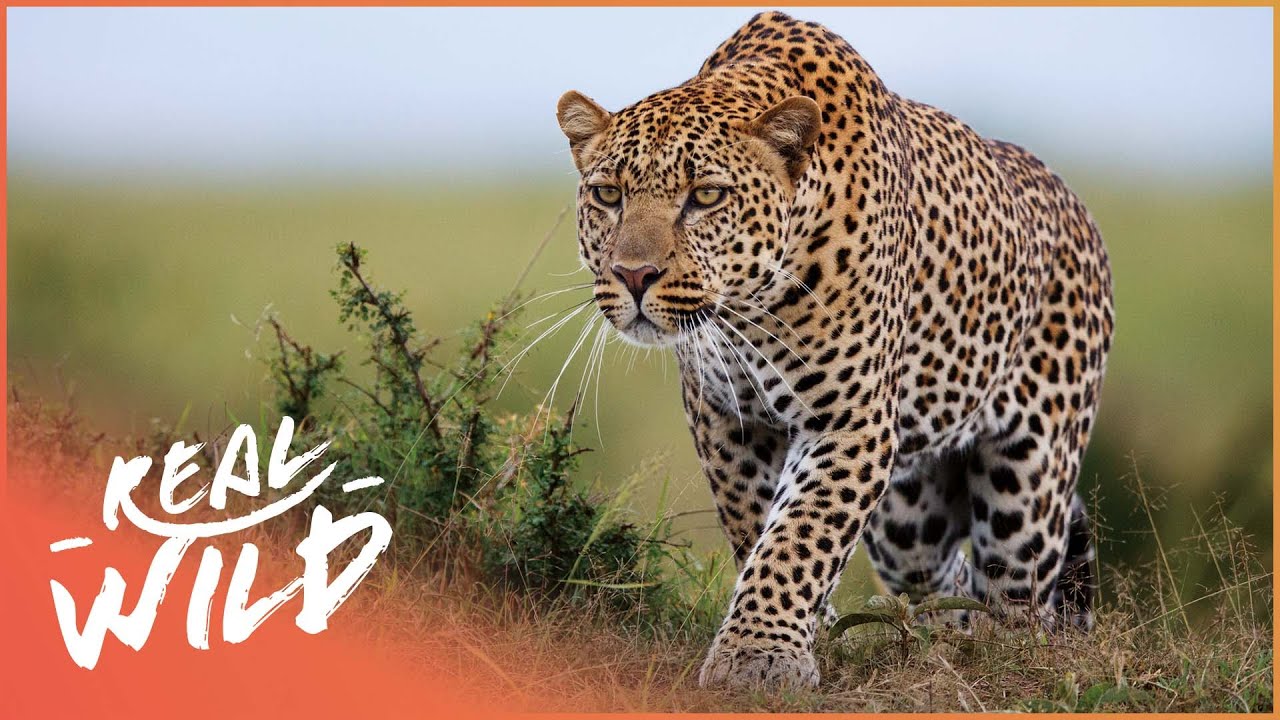
In the Okavango Delta, Mosweo, a solitary leopard mother, faces challenges in raising her cubs amid competition from Buddah, the dominant male, and her older son, Tipa.
150 pairs of vultures roost in the Tswapong Hills, competing for the best ledges as they prepare to raise their young.
Saint Vincent and the Grenadines, an island nation in the Lesser Antilles, features stunning beaches, lush vegetation, and a welcoming local population across its 33 islands.
27,000 hectares of fragmented forest remain along the Kinabatangan River, threatened by deforestation and the expansion of palm oil plantations.
In Antarctica, emperor penguin societies demonstrate the crucial bonds formed from birth that enable their survival in extreme conditions.
Spring moments from the BBC Earth archive showcase the beauty and diversity of nature across various ecosystems and species.
The Tribe Documentary 'Warriors of the Sea' reveals Papua's unique island cultures and warriors.
Two white lion cubs, Shinga and Ingan, navigate the dangers of South Africa's Kruger Park as they learn to hunt and survive in the wild.
In South Africa’s Kruger Park, two rare white lion cubs face the challenges of survival and the dangers posed by their distinctive coats as they grow to adulthood.
In the Philippines, a nation of over 7,000 islands, wildlife and human populations have adapted to the unique challenges of one of the world's oldest archipelagos.
The Buccaneer Archipelago spans over 1,000 kilometers and is home to pearl farmers who face unique challenges in this remote environment.
Tim Laman and Ed Scholes collaborate with the Cornell Lab of Ornithology to document the unique courtship behaviors of birds of paradise in Papua New Guinea.
The Volga River flows 2,200 miles from its source in the Valdai hills to the Caspian Sea, creating one of the world's richest river systems.
Over 10 billion herring gather in the Norwegian fjords each winter, attracting orcas and humpback whales that hunt them in coordinated groups.
A red squirrel hides acorns and nuts in over 100 different places throughout gardens to prepare for the scarcity of food in spring.