From over 100,000 films, discover the handful you'll love.
Free or premium access to the world's largest documentary library.
3995 films(Page 43 of 84)
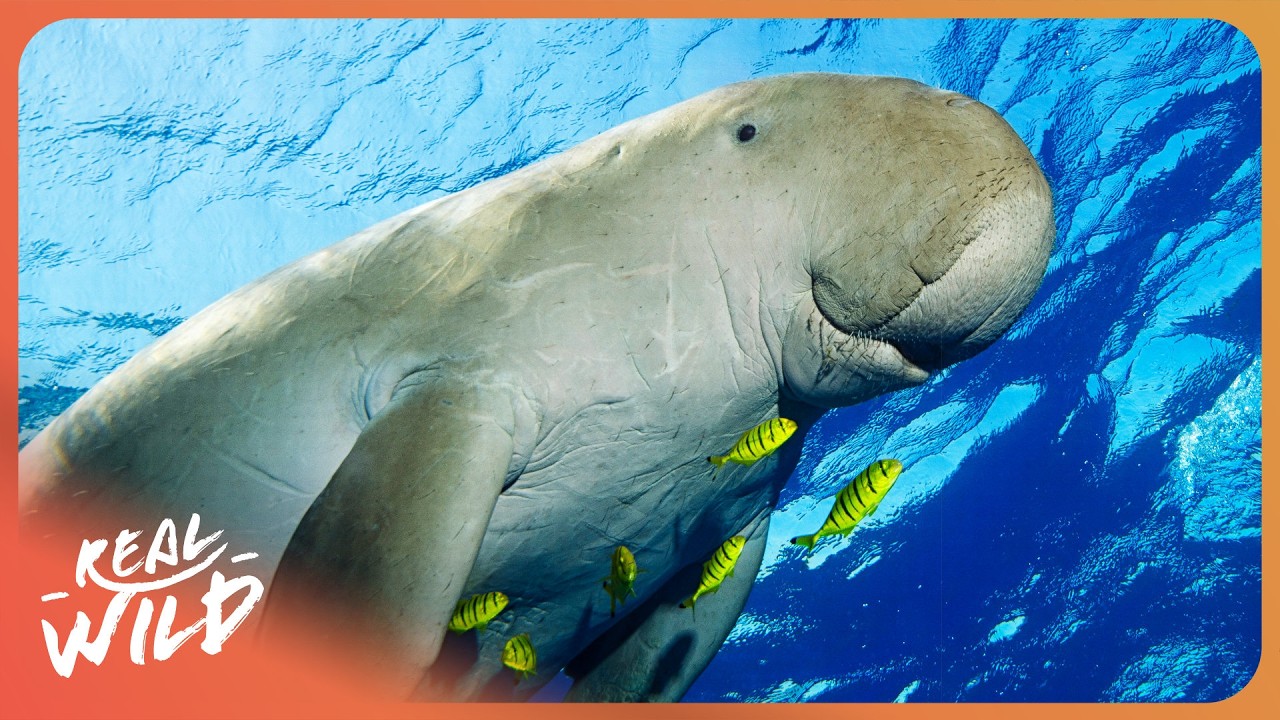
In the Bazaruto Archipelago, conservationist Karen Allen and local park rangers combat illegal fishing to protect the critically endangered dugong from extinction.
In West Africa, illegal fishing threatens marine life, while in Thailand and Haiti, activists like Andrew Hewett and David Katz implement innovative solutions to combat climate change and plastic pollution.
In the Namib Desert, unique adaptations enable species like fog-drinking beetles and desert-adapted elephants to survive extreme temperatures and scarce resources.
Sudan, the last male white rhinoceros in the world, faces extinction as he spends his final days at the Ol Pejeta Conservancy in Kenya.
Three black rhinos remain in the Serengeti today, a stark contrast to their once abundant population in 1937 when they were considered a pest.
In the United Kingdom, the newest generation of wildlife, including Grey Seal pups and young Kestrels, navigates the challenges of survival in diverse habitats.
Bernhard Grzimek's conservation efforts in the Serengeti highlight the conflict between wildlife preservation and the rights of the indigenous Maasai people.
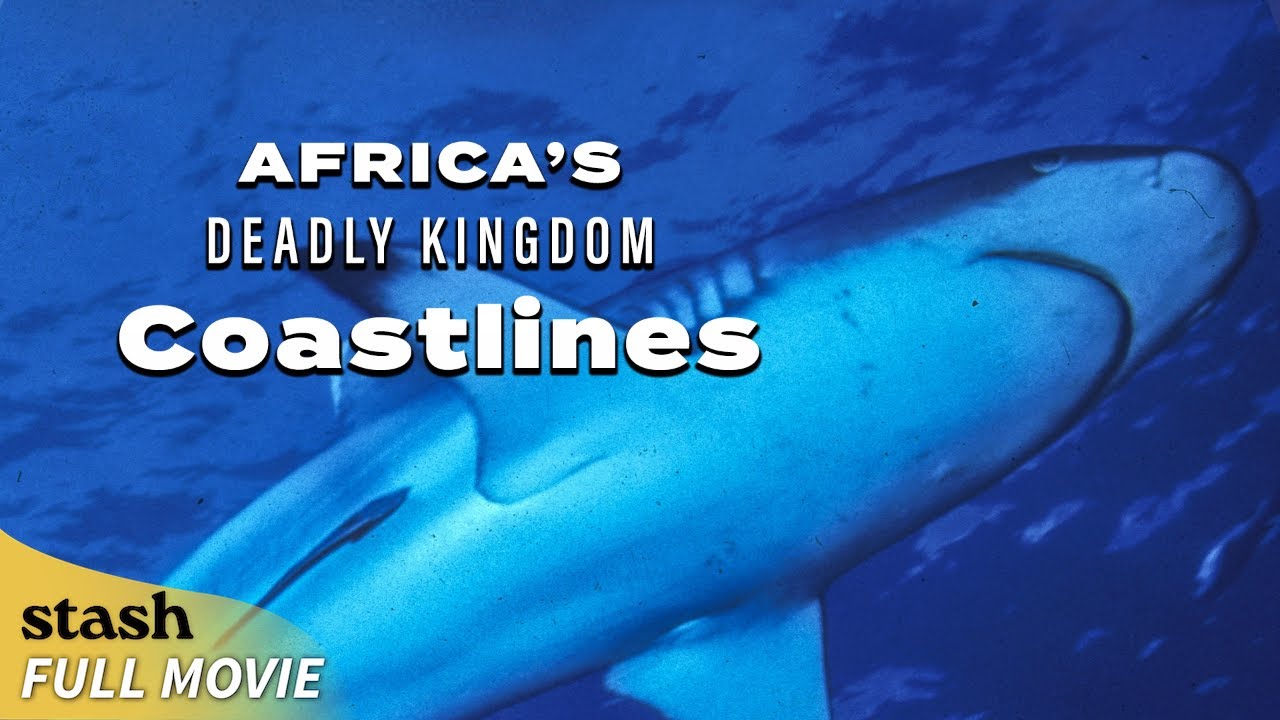
Shark populations have declined by more than 90% globally due to overfishing, but the Bahamas has outlawed all forms of commercial shark fishing since 2011.
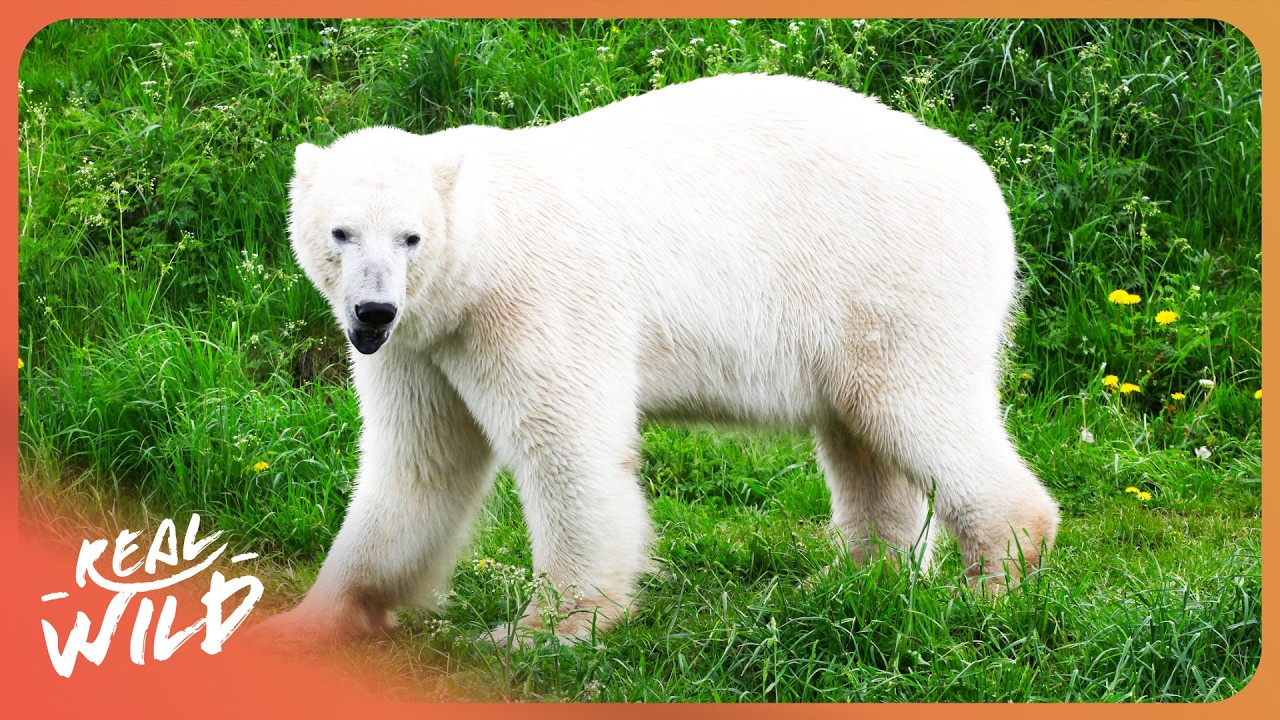
In northern Manitoba, a mother polar bear teaches her cub survival skills amid extreme temperatures and threats from starving adult males.
In Antarctica, the newest generation of polar inhabitants faces extreme temperatures and relentless winds as they adapt to one of the planet's harshest environments.
Pacific oysters (Crassostrea gigas) have proliferated in the Wadden Sea, displacing native blue mussels (Mytilus edulis) and challenging local fishing industries.
In Katmai National Park, Alaska, rare blue-tinted glacier bears and elusive white ghost bears inhabit a landscape dominated by brown bears.
A family traveled to ten countries over five years to examine how different cultures perceive and interact with wilderness and wild nature.
In the Swiss Alps and Russian birch forests, young wildlife face the challenges of survival as they transition from playful youngsters to dominant predators.
Two researchers from the Paris Natural History Museum retrace the steps of polar explorer Jean-Baptiste Charcot in Greenland, examining Arctic marine life and climate change impacts.
In Suriname, conservationist Monique Pool works to rehabilitate Kesha, a two-fingered sloth, amid the threats of illegal wildlife trafficking and habitat loss.
Indoor environments host a surprising array of wildlife, from insects to microbes, showcasing the complex ecosystem that thrives alongside humans.
In North America, baby animals like black bear cubs and sea otter pups face survival challenges while learning essential skills in their natural habitats.
In the majestic wilderness of the Alps, golden eagles navigate their territory while competing with the formidable bearded vulture for survival.
Homo sapiens' impact on global biodiversity is examined alongside technological solutions like genome editing and synthetic biology for wildlife conservation.
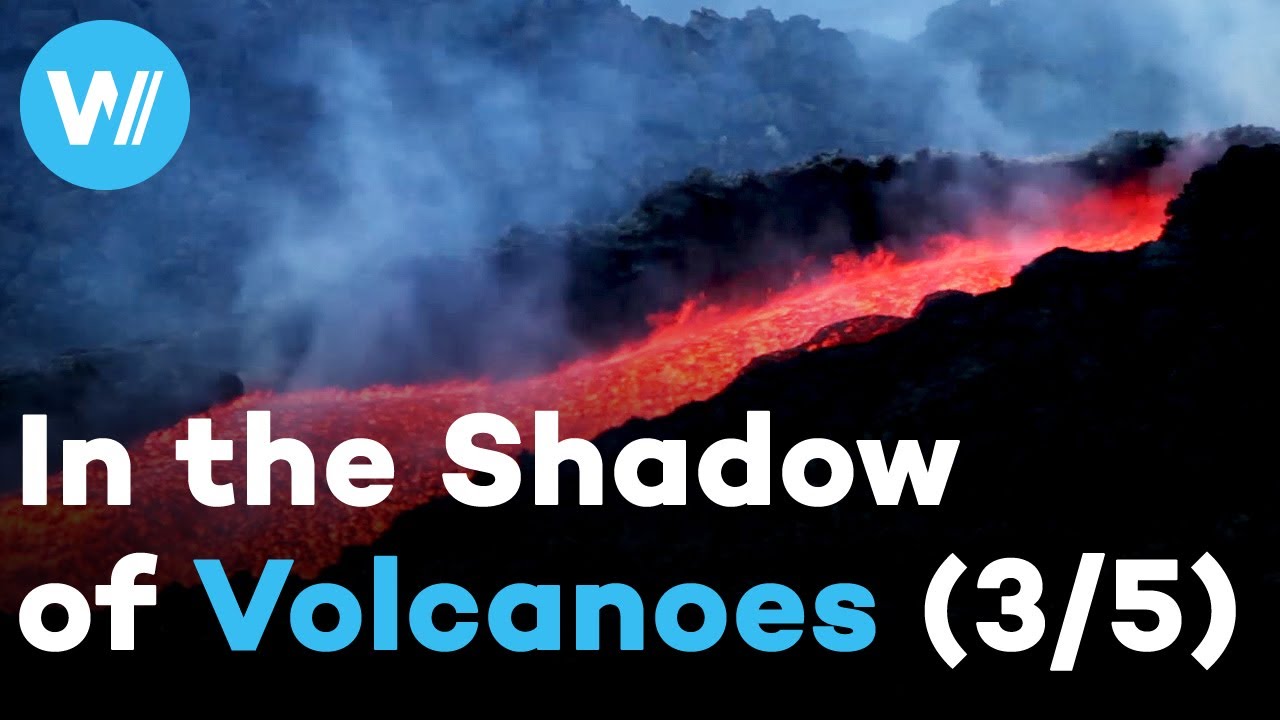
Mount Etna, Europe's largest volcano, shapes the fertile agricultural landscape of Catania, where local communities adapt to its eruptions while cultivating renowned oranges and wines.
Bataan's ecotourism initiatives highlight the region's stunning landscapes and rich cultural heritage, promoting sustainable travel in the Philippines.
Alain Philoctète, a Haitian artist and activist, pursues a permaculture project in Haiti while battling cancer, as documented by Will Prosper.
Mark A. Klingler, an award-winning artist, has collaborated with scientists for nearly 30 years to visually interpret stories of newly discovered and extinct species.
Aerial footage captures the stunning landscapes and coastal beauty of the downeast region of Maine, highlighting its unique natural features and charm.
In Peru's Amazon rainforest, illegal gold mining led by biologist Enrique Ortiz and journalists Ron Haviv and Donovan Webster results in severe environmental destruction.
Invasive species like raccoons, tiger mosquitoes, and grey squirrels pose significant challenges to agriculture and public health while also offering unexpected benefits in ecosystems.
In the vast wilderness of the Tahltan First Nation, miners, hunters, and Indigenous peoples navigate the challenges of preserving their land amidst natural beauty.
In southern Botswana, Thato Cooper and the Modisa Wildlife Project address conflicts between local farmers and lions that threaten livestock.
In the world's turbulent oceans, apex predators like Great White Sharks and gender-shifting reef kings engage in high-stakes survival battles.
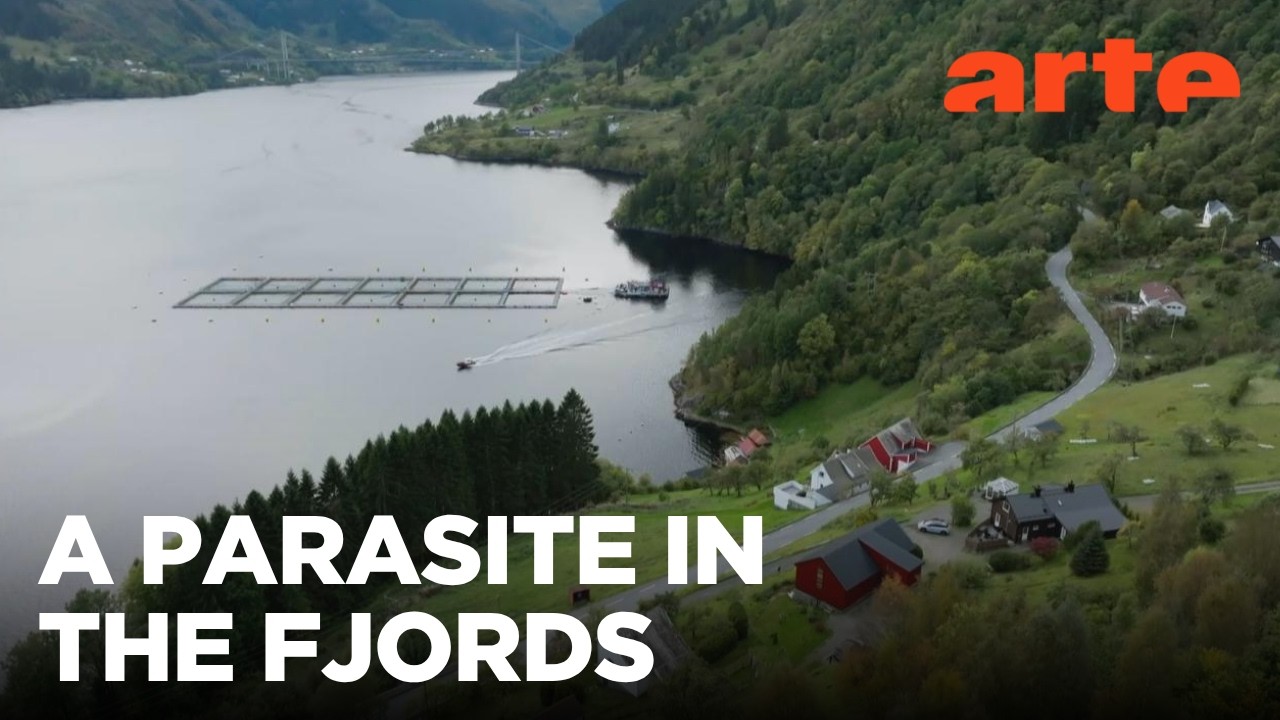
Intensively farmed salmon in Norway's fjords faces a crisis as an outbreak of sea lice threatens both farmed and wild fish populations, prompting collaboration between scientists and anglers.
Amboseli National Park, home to over 50 mammal species, faces increasing threats from human encroachment and climate change, impacting wildlife and local farmers.
In the wild ocean waters off the Azores, a team of scientists and cameramen attach micro-cameras to devil rays, revealing their deep-sea feeding behaviors and more.
Each year, 1.3 million wildebeest undertake a 600-kilometer migration across East Africa in search of fresh grasses that follow seasonal rains.
In a Colombian coalmine, scientists reveal the fossil remains of Titanoboa, a 50-foot snake that thrived in a prehistoric ecosystem alongside giant turtles and crocodiles.
South Africa's West Coast presents a harsh environment shaped by icy Atlantic waters and fierce winds, showcasing the resilience of its unique wildlife.
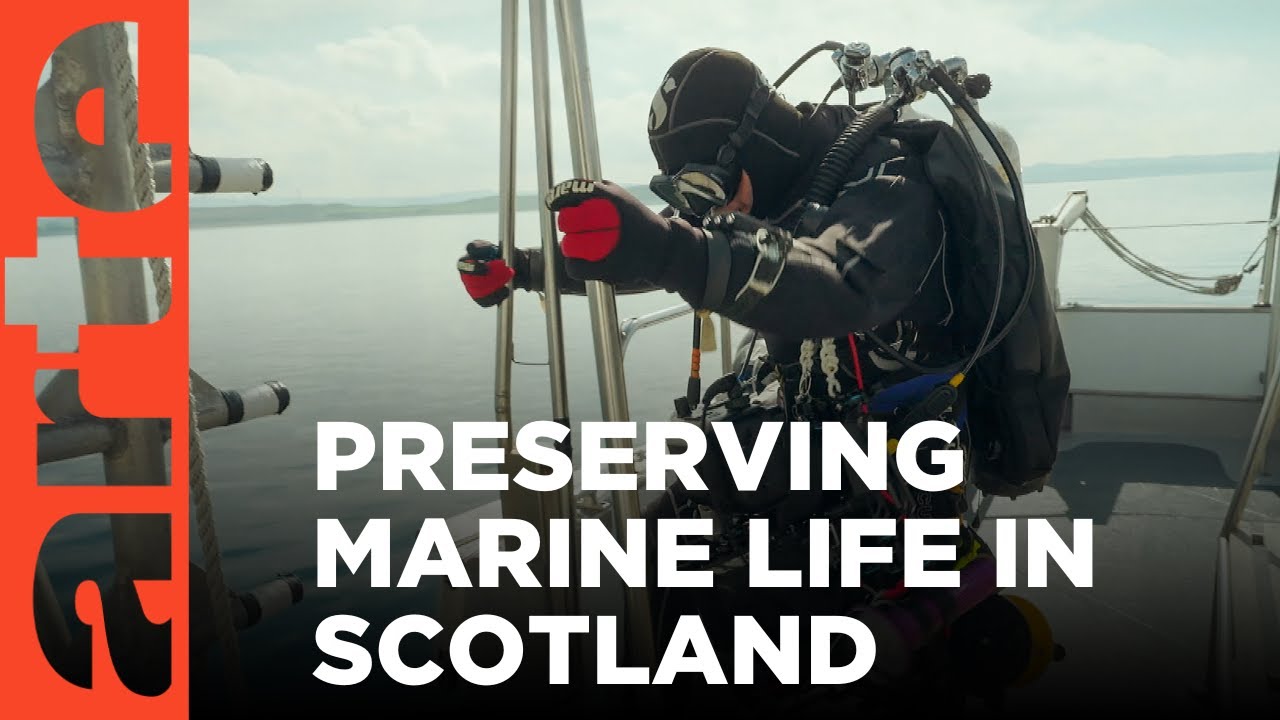
Marine biologist David Ainsley and campaigner Rachel Mulrenan investigate the impact of overfishing and salmon farming on Scotland's coastal biodiversity.
Falconry was introduced in Europe by Emperor Frederick II, who inherited the practice from the Arabs, making it a popular noble activity throughout the continent.
Declining populations of pollinating insects prompt scientists and researchers to explore innovative alternatives like bubble guns to sustain agriculture and biodiversity.
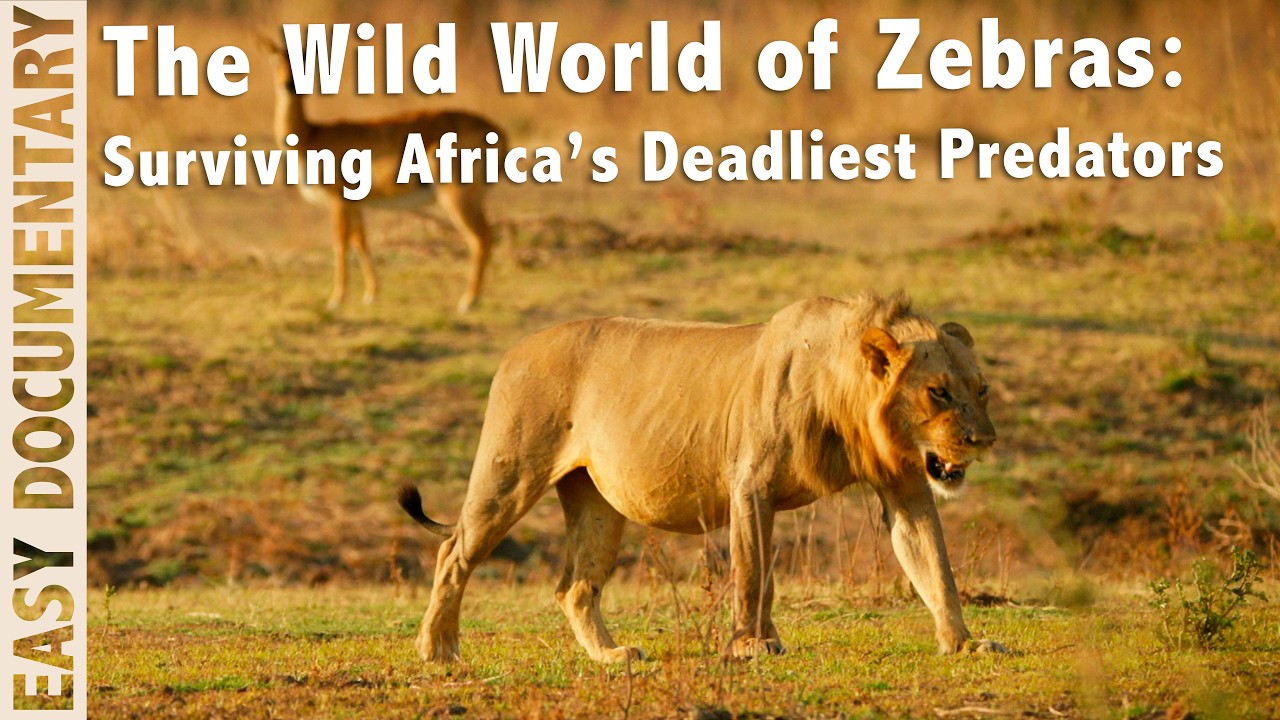
In Zambia, a zebra family led by a dominant stallion navigates the challenges of drought and predators, showcasing the species' remarkable survival adaptations.
Zoos across Europe engage in conservation efforts for endangered species, raising questions about their effectiveness in species revival.
Stig Aavall Severinsen, a World Champion freediver, explores the underwater world of killer whales in Tysfjorden, Norway, showcasing his skills and marine biology knowledge.
Mount McKinley, at 20,320 feet, is North America's tallest peak and a central feature in the portrayal of Alaska's vast wilderness and wildlife.
Every year, billions of sardines migrate along South Africa's wild coast, triggering a feeding frenzy that attracts dolphins, sharks, and gannets.
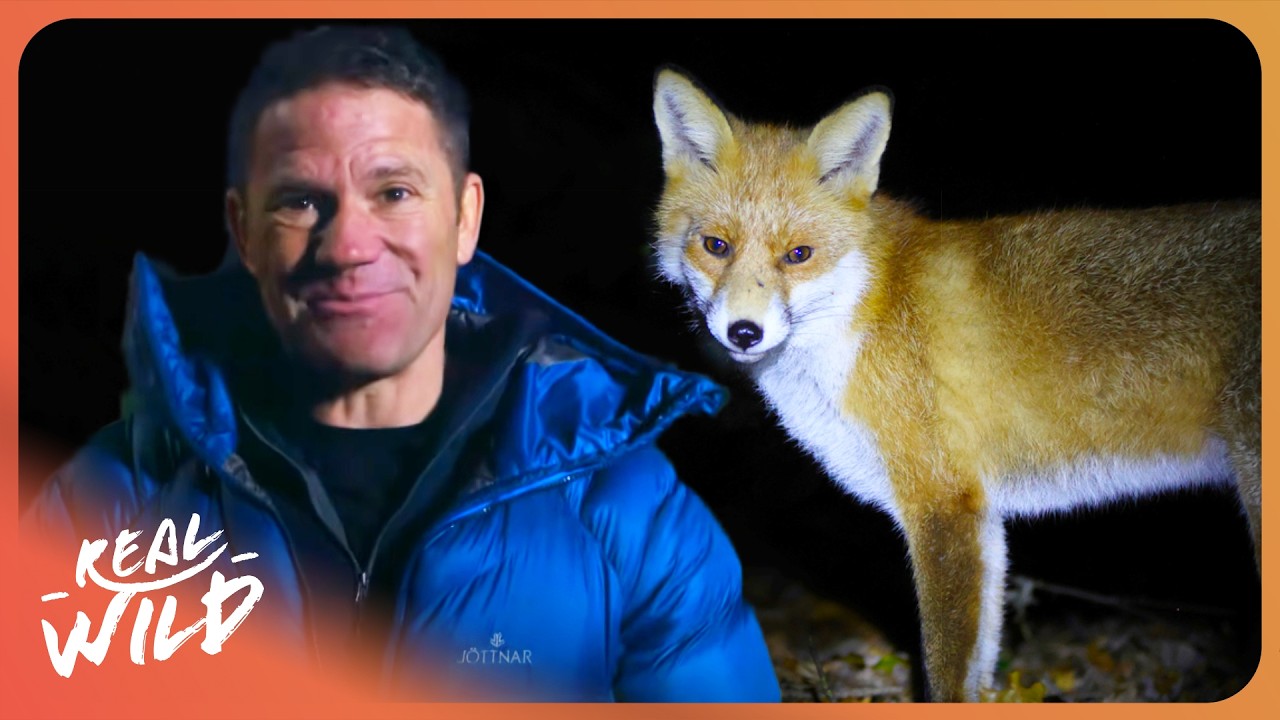
Steve Backshall uses low-light camera technology to reveal the nighttime behaviors of urban wildlife and pets in the UK, including interactions at Bristol Zoo.
Efforts to preserve feral wolf populations, advancements in genetic medicine for HIV/AIDS, and a boy's rare sunlight allergy are examined in this episode of Scope.
A wave of whale strandings along the British coastline, including a Sei whale near Edinburgh, highlights the impact of industrial pollution and ocean noise on marine life.
Twenty-one wolves were flown to central Idaho in January 1996 as part of a federal plan to restore the gray wolf population in the region.