From over 100,000 films, discover the handful you'll love.
Free or premium access to the world's largest documentary library.
3994 films(Page 57 of 84)
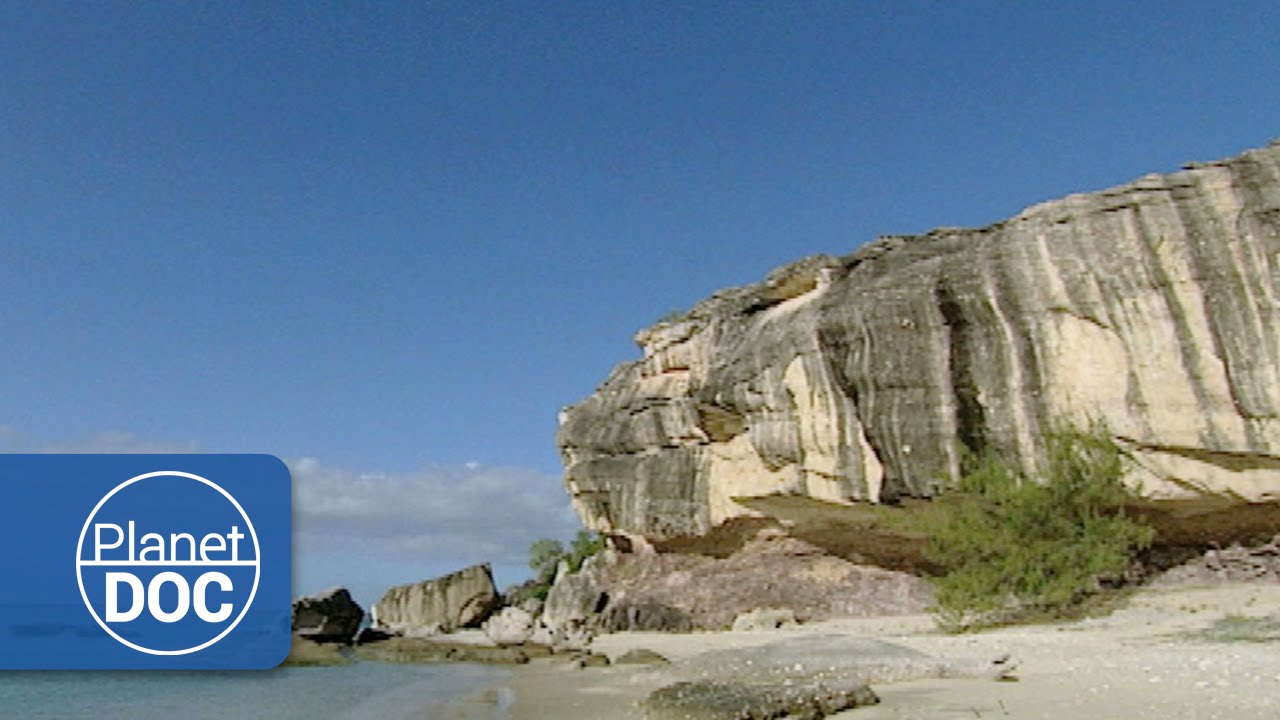
Kakadu in Australia is one of the largest national parks with rich Aboriginal history.
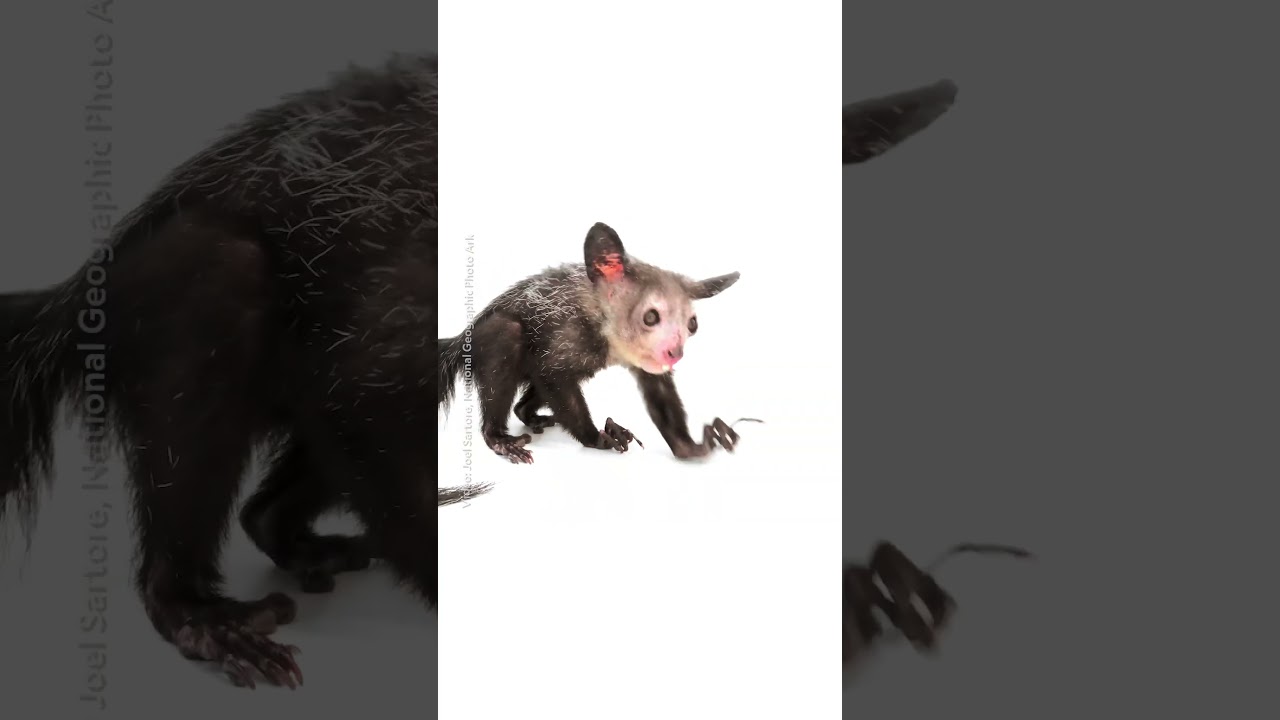
Ryan Reynolds narrates the vital role of aye-ayes in Madagascar's clove tree conservation.
This kestrel documentary in HD highlights the bird's unique hunting techniques.
Female chital give birth every six months, contributing to a thriving population that interacts with langurs in the diverse ecosystems of Kanha National Park.
Some Grey Seals turn cannibal after mating season, hunting young seals for food.
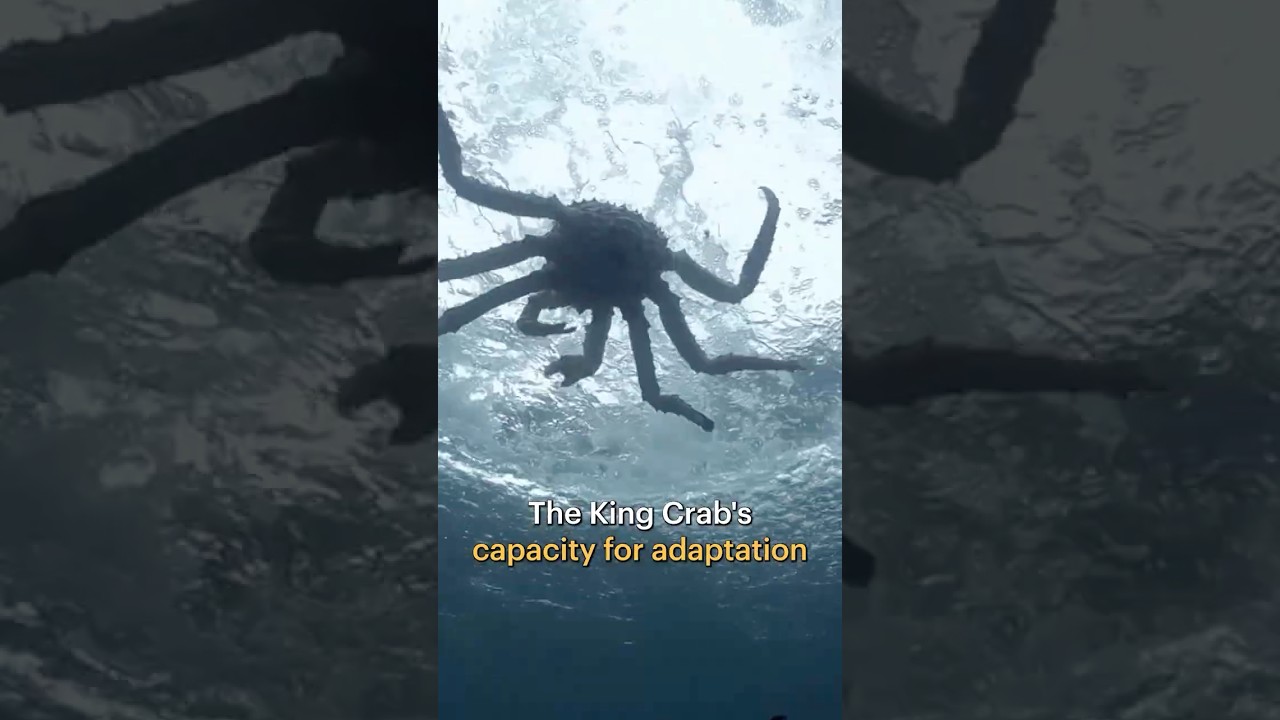
King crabs are expanding into the Atlantic as they adapt to warming ocean temperatures.
The Komodo dragon, the largest lizard, relies on smell to hunt and measures up to 3 meters long.
The Komodo dragon uses its strongest sensory organ to detect prey from miles away.
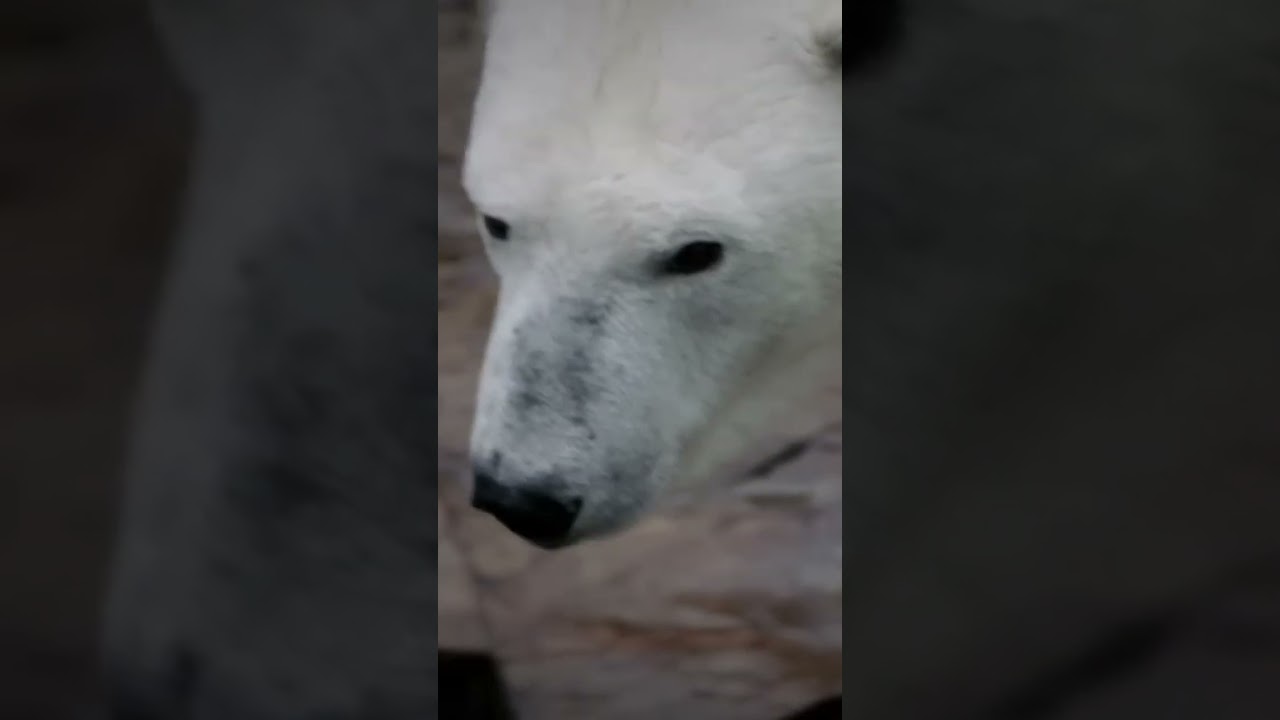
Leif Erikson hunted his first polar bear at the age of 16, facing the dangers posed by the largest land-based predator.
This Spanish video highlights the diverse life in Cuba's beautiful mangrove forest.
The North Island brown kiwi is a unique bird featured at the Smithsonian's National Zoo.
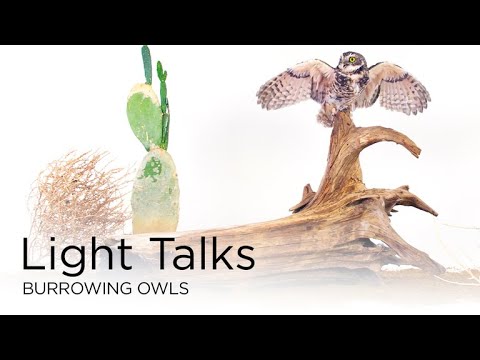
Burrowing owls, known for their long legs and terrestrial hunting skills, are highlighted at the Smithsonian's National Zoo, showcasing their ecological role and conservation efforts.
The scarlet ibis, known for its vibrant color and unique features, is highlighted by experts at the Smithsonian's National Zoo as part of conservation efforts.
Half of the 135 chameleon species in the world live in Madagascar, where they use their prehensile tails to climb trees and hunt effectively.
A Mako shark can win a fight against a great white by using its speed and a special move to cripple its opponent.
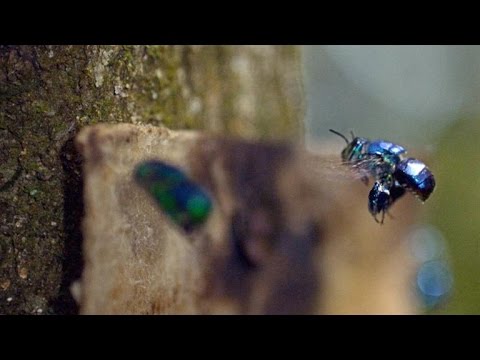
Male orchid bees create unique perfumes to attract females as mating begins with scent.
Male peacocks gather during mating season to compete in a glamor Olympics for mates.
In Cuba, mangroves create a unique ecosystem where ocean and fresh water mix, supporting diverse marine life and stabilizing coastal environments.
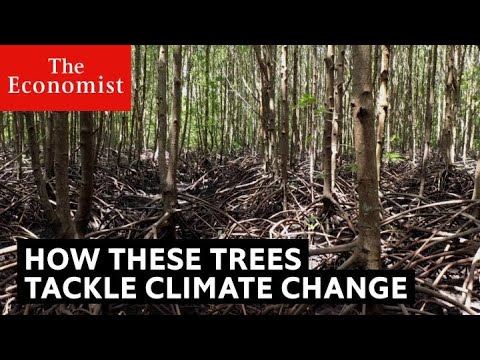
615 hectares of mangrove forests in Ghazi Bay, Kenya, are monitored by local scientists to assess their health and combat climate change.
Early humans migrated from Africa, adapting to diverse environments and competing against other species as they spread across the globe.
Wrasse perform cleaning for manta rays in David Attenborough's Great Barrier Reef series.
Marine iguanas expel excess salt through their nostrils after underwater feasting.
One million of the estimated eight million species on Earth are at risk of extinction, with populations of mammals, birds, and fish declining by 68% on average since 1970.
Scientists test mechanical jaws modeled after Acrocanthosaurus on a Borealopelta replica.
Dolphins evolved from land-dwelling ancestors, adapting to diverse marine environments over millions of years, as explored through their evolutionary history.
More harpy eagles have been bred by head veterinarian Vonderlei and his team than anywhere else in the world.
Kenton Kerns discusses his work with golden lion tamarins at the Smithsonian and in Brazil.
Ramiro Matos reflects on the Inca Road and his Quechua heritage in Loen.
Ted Schultz highlights Brazil's unique ant diversity and the significance of international collaboration in scientific research.
Milton García captures between 1,200 and 1,300 images from a fixed-wing drone flying at 290 meters above Barro Colorado to create an ortho mosaic of the island.
David de Santana leads a project on electric fish at the Smithsonian's National Museum of Natural History.
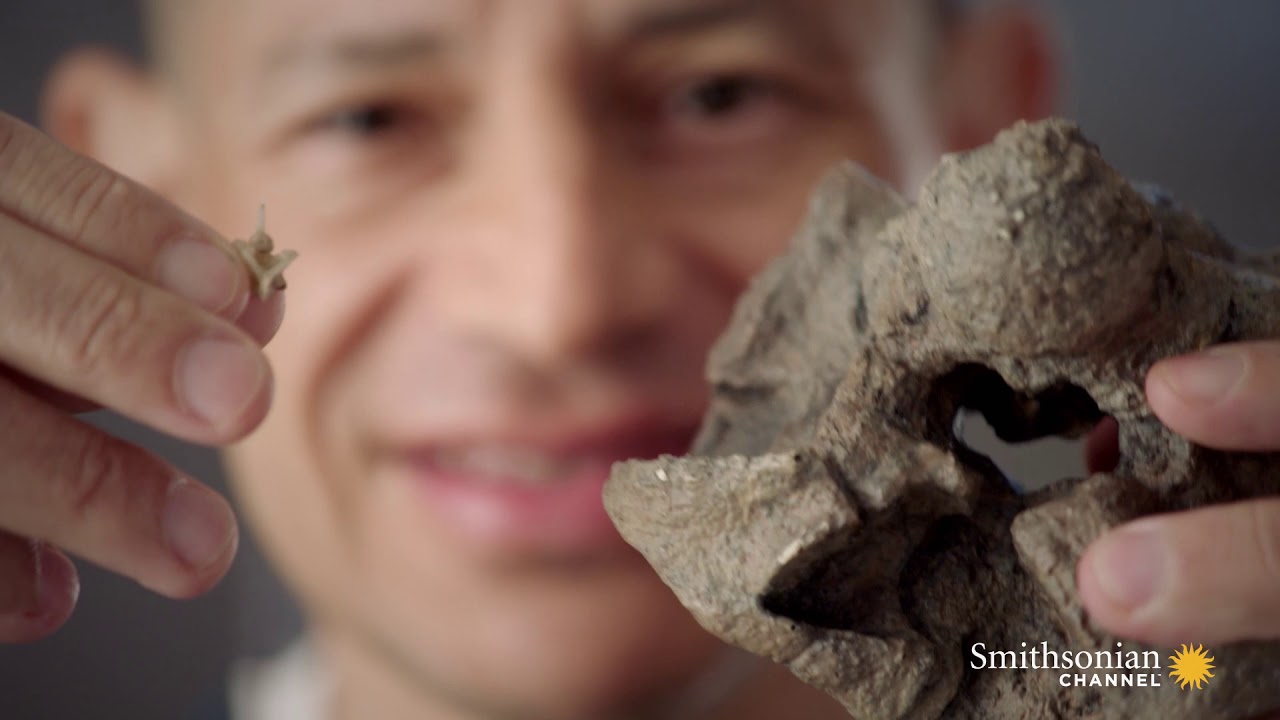
Carlos Jaramillo discusses paleontology and discoveries in Ellis Hitler's coal mines.
Two parasites in fish, crabs, and shrimp can lead to deficiencies in physical, mental, and reproductive development, impacting future generations' health.
The babirusa pigs of Sulawesi showcase unique traits due to their isolation from the mainland.
Albert Uy gathers data about native flycatchers in the Solomon Islands with local guides.
Caitlin O'Connell has studied elephant communication for 20 years, interpreting their vocalizations and interactions at the Mushara watering hole.
360 million years ago, the emergence of Meganeura, a giant dragonfly, coincided with significant geological and biological events on Earth, as depicted in vivid footage.
Megapode birds lay eggs composed of 70% yolk on ash-covered islands, using volcanic heat as a natural incubator while facing new predators.
Microraptors and pterosaurs illustrate the evolution of flight in vertebrates, highlighting insects as the first flying species and their significance in prehistoric ecosystems.
Every year, about a thousand cranes arrive at the lagoon of Villafáfila in Spain, highlighting their migratory patterns and the significance of this stopover.
Less than 0.001 percent of the ocean floor has been mapped, yet deep-sea mining threatens to disrupt its fragile ecosystems and unknown species.
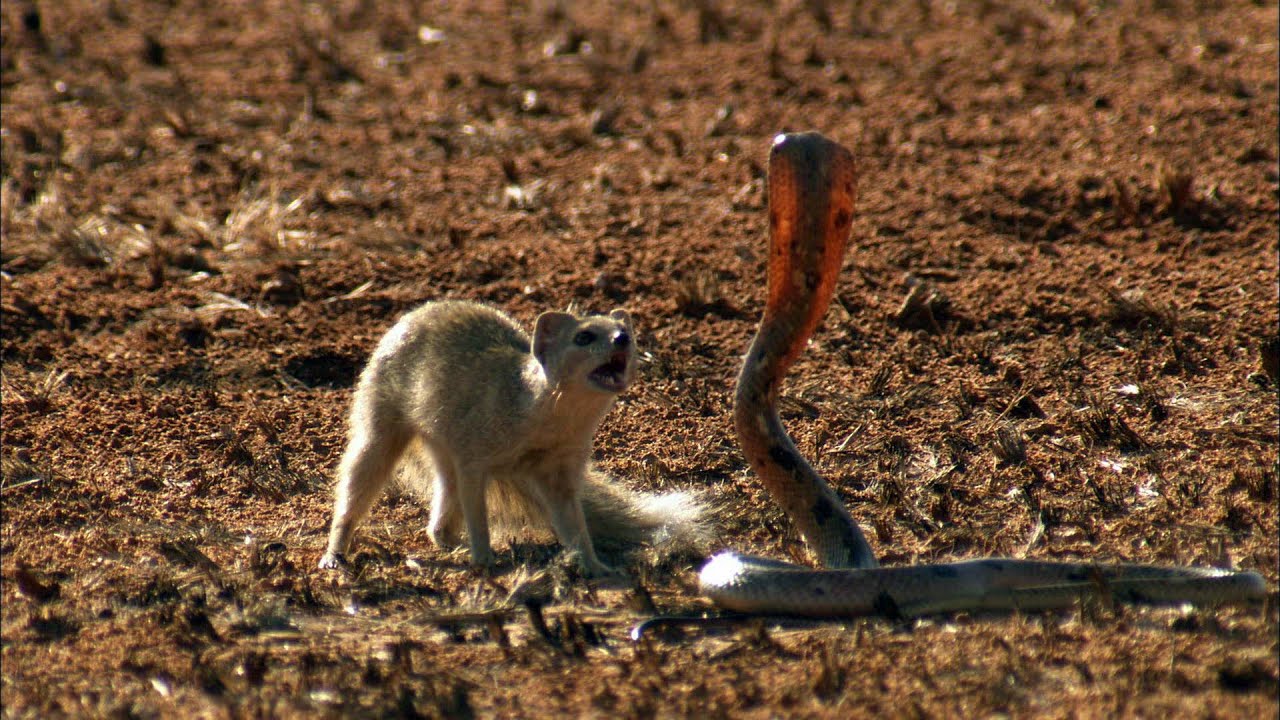
A female squirrel faces a deadly cobra strike, prompting a yellow mongoose to step in as the two engage in a tense battle for survival.
Polar bear cubs in the Arctic face a survival rate of only 1 in 50 by their first birthday.
The mudskipper thrives on land, feeding and courting in mangroves in 'Land of Dragons.'
World-class scientists, photographers, and filmmakers showcase the wonders of wildlife, ancient civilizations, and hidden worlds through National Geographic's lens.
In a former volcanic landscape, vibrant ecosystems emerge as life flourishes, attracting visitors and showcasing nature's resilience and beauty.
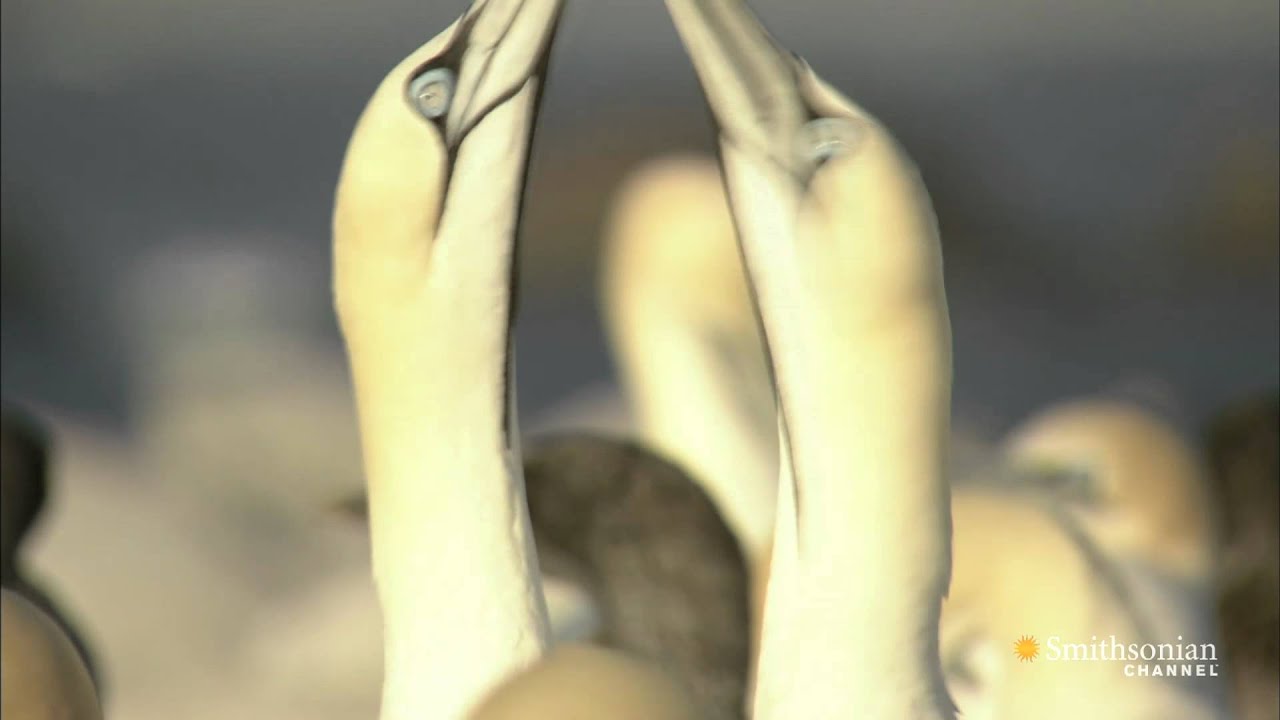
Cape Gannets dive at high speeds to hunt sardines and return to their nests each year.
Insects such as butterflies, bees, and spiders play vital roles in ecosystems through pollination and decomposition, highlighting the need for their conservation.