From over 100,000 films, discover the handful you'll love.
Free or premium access to the world's largest documentary library.
3995 films(Page 31 of 84)
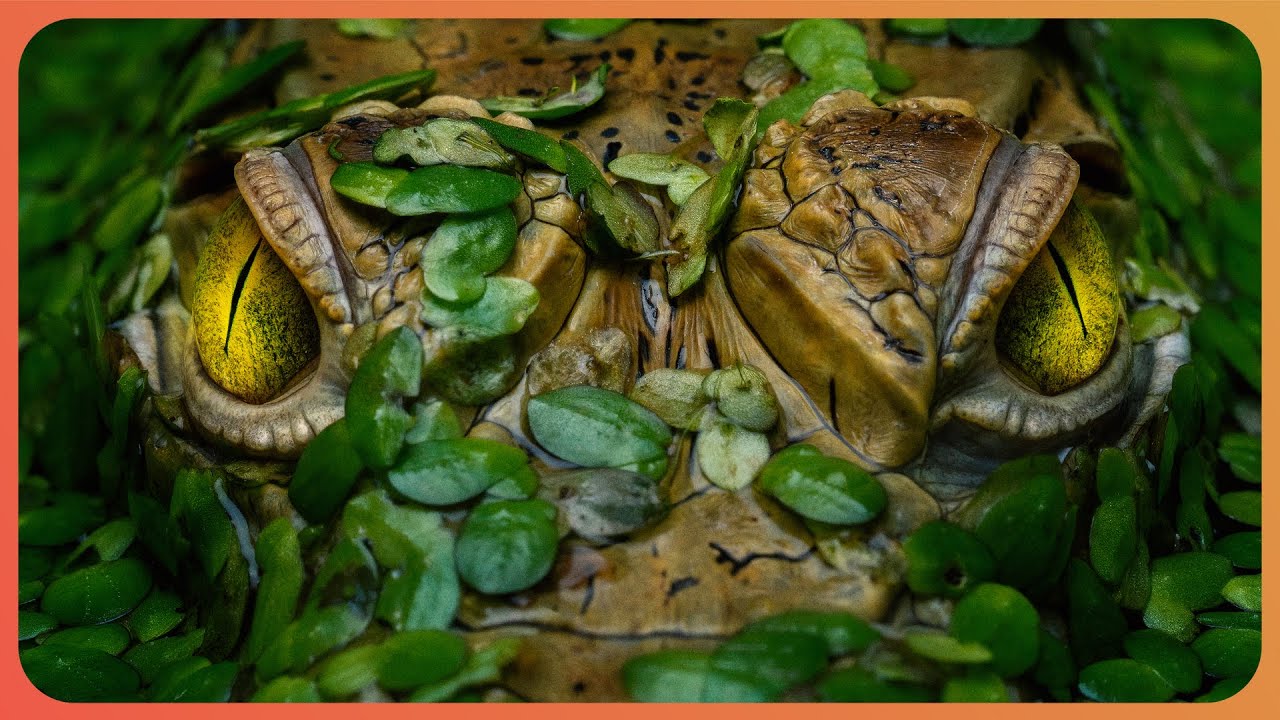
In Guyana, reptile hunter Mark O'Shea explores the dangers posed by the endangered black caiman while promoting coexistence with local communities.
Arctic fox pups, born blind and deaf, must learn to hunt within nine weeks to survive in one of the harshest environments on Earth.
A hairy scorpion can travel up to 100 meters in a single night while using its sensory hairs to detect vibrations from several meters away.
From Arctic waters to tropical forests, various animals like walruses, cobras, and jellyfish exhibit unique adaptations for survival and defense.
A giant Pacific octopus can weigh up to 600 pounds and reach lengths of 30 feet, making it the largest octopus species in the world.
Only 2,500 manatees remain in the West Indies, including Cuba, where the mangrove forest conceals biological mysteries and dangerous wildlife.
In Africa, predators such as crocodiles, lions, wild dogs, and hyenas demonstrate lethal efficiency through coordinated hunting strategies.
In the Pacific Ocean, Rocka Partida and the Socorro Islands serve as a vital sanctuary for sharks, manta rays, and dolphins, while facing threats from illegal fishing.
Eric Bairao Ruivo leads Beauval Nature's global efforts to reintroduce endangered species, including giant pandas in China and Andean condors in Argentina.
In the Australian wilderness, brushtail possums, sugar gliders, and mountain pygmy possums exhibit complex social behaviors and survival strategies against predators.
Florida's Everglades face ecological threats from invasive Burmese pythons, as biologist Sean Halleck and experts Greg Graani and Michael Cole work to control their population.
Shark populations have declined by over 90% globally due to overfishing, yet the Bahamas remains a sanctuary where killing sharks is illegal.
Lions in Africa exhibit complex social dynamics and natural behaviors, while conservation efforts aim to protect their habitats amid human-wildlife conflicts.
Nero and Brutus, two crocodiles, battle for supremacy in a deadly wetland every week.
Chameleons' panoramic vision and servals' exceptional hearing exemplify the specialized survival tactics of various wild animals in diverse environments.
In Brazil, vibrant macaws and other intelligent bird species are examined for their behaviors and interactions within diverse ecosystems.
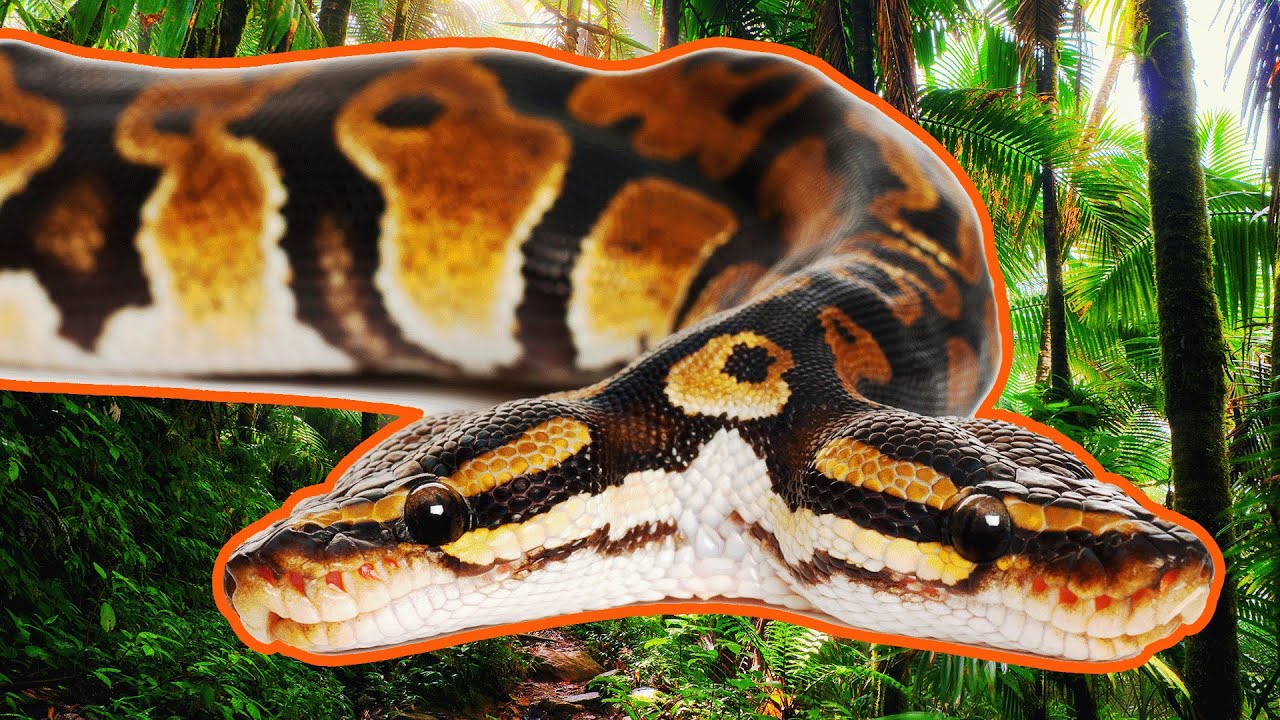
In Malaysia, snake guardian Osman and his family work to change perceptions of the reticulated python and king cobra while protecting them from threats.
In the forests and meadows of Allenstein, Austria, diverse wildlife such as deer, foxes, and various bird species thrive in a delicate ecosystem.
Toba's eruption 74,000 years ago released nearly 3,000 cubic kilometers of ash and rock, causing a volcanic winter that may have nearly wiped out humanity.
In New Zealand, wildlife such as the Thorny Devil and intelligent parrots must adapt to survive in environments shaped by volcanic activity and earthquakes.
The Kinabatangan River stretches 560 kilometers from its source in the highlands of Sabah to the Sulu Sea, supporting a diverse range of wildlife.
More than 5,000 female turtles dig nests on the beach, each laying over 100 eggs in a race against predators and the elements.
Lions and tigers compete for dominance in changing landscapes, showcasing their unique hunting tactics and social structures amid emerging human threats.
Cheetahs exhibit remarkable adaptations, including exceptional speed and acute sensory abilities, that enhance their effectiveness as predators in the wild.
Society's Explorers Festival on June 16, 2017, featured presentations on conservation, citizen science, and the impact of human conflict on wildlife.
In the United States, more tigers are kept in captivity than in the wild, raising concerns about the implications for wildlife conservation and human-animal relationships.
Nearly 2,000 years ago, a population of salmon was forced to abandon their natal river due to volcanic eruptions that poisoned their habitat.
Honduras, with its primeval mountain cloud forests, Caribbean beaches, and the Mesoamerican Barrier Reef, showcases a rich tapestry of biological and cultural diversity.
Africa's diverse ecosystems, from the Sahara Desert to the Serengeti, showcase iconic wildlife such as elephants and gorillas in their natural habitats.
A 20-square-kilometer Mayan city, Palenque, thrived during the 7th and 8th centuries, featuring a temple built as a tomb for King Pakal.
North America changes shape as glaciers form the Great Lakes during the Ice Age.
In the Grand Canyon, diverse wildlife, including elusive species, thrives in the unique desert ecosystem shaped by its ancient oceanic past.
Flames soar more than 100 meters high in Canadian wildfires, threatening thousands of acres and prompting urgent firefighting efforts.
In Southwestern Europe, the Atlantic's warm currents foster a unique climate that supports diverse wildlife, including Chamois Mountain Goats and Grey Seals.
In the wild, Japanese macaques enjoy hot springs, while olive baboons exhibit complex social structures and young primates learn survival skills through play.
In South Africa's Kruger National Park, male lions hunt buffalo while a male ostrich guards its nest, illustrating the daily cycle of life and death in Africa.
In the Northern Territory's Litchfield National Park, Ben Cropp captures the vibrant ecosystem of a billabong, highlighting predator-prey dynamics among its diverse wildlife.
World-renowned naturalist Brian Keating explores the wildlife of Antarctica, featuring elephant seals and a large colony of king penguins at Gold Harbour, South Georgia.
Earth's diverse ecosystems are showcased through extraordinary animals like cheetahs, elephants, and octopuses, highlighting their unique abilities and characteristics.
True rainforests along the Equator, from Africa's gorillas to Borneo's orangutans and Ecuador's jaguars, highlight critical conservation efforts amid biodiversity loss.
Frogs can jump 20 times their own length, and they play a crucial role in the ecosystems of North America's lakes and ponds.
Two thousand miles is the distance that demoiselle cranes fly from India to Mongolia, returning each spring to breed in their native valley.
National Geographic celebrates its 135th anniversary with a behind-the-scenes look at the technology and people that drive its ocean research and artistic projects.
Microscopic elements of nature, including pollen grains, leaf cells, and insect anatomy, reveal intricate structures and vibrant colors essential to ecosystems.
A patrol unit covering 48,000 square kilometers in Norwegian Lapland monitors the welfare of 200,000 reindeer managed by the Sami herders.
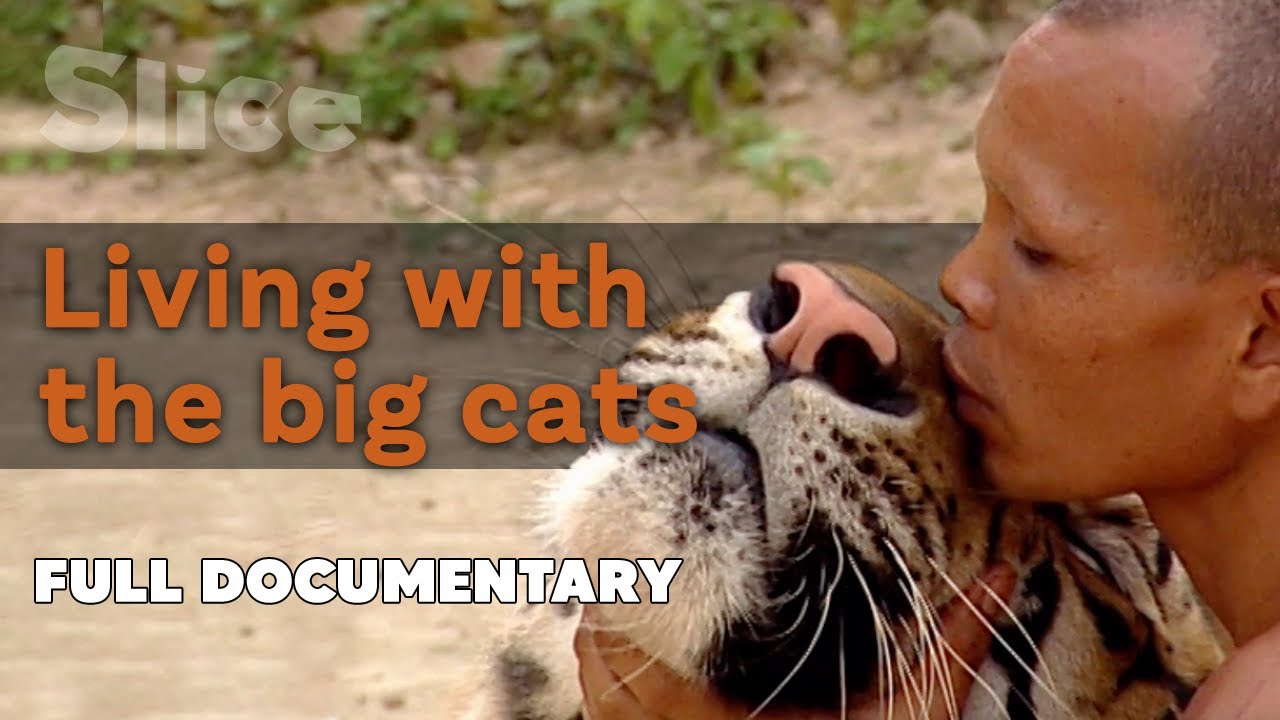
A monk in Thailand has rescued a dozen tigers, raising them according to Buddhist principles to promote peace and reduce their natural aggression.
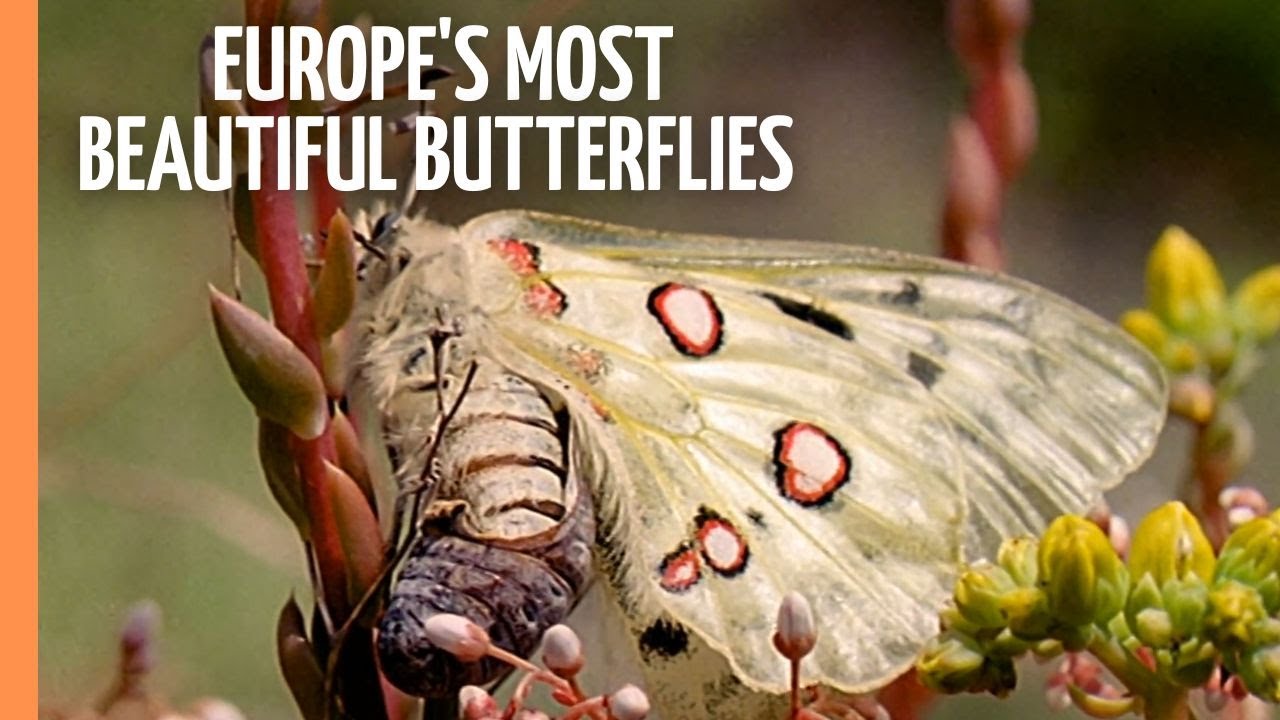
The Apollo butterfly, an endangered species, faces numerous challenges in its natural habitat, including predation and extreme weather conditions.
In Louisiana's bayou, Troy Landry collaborates with local experts to address concerns about a mysterious creature threatening the community.