From over 100,000 films, discover the handful you'll love.
Free or premium access to the world's largest documentary library.
3995 films(Page 13 of 84)
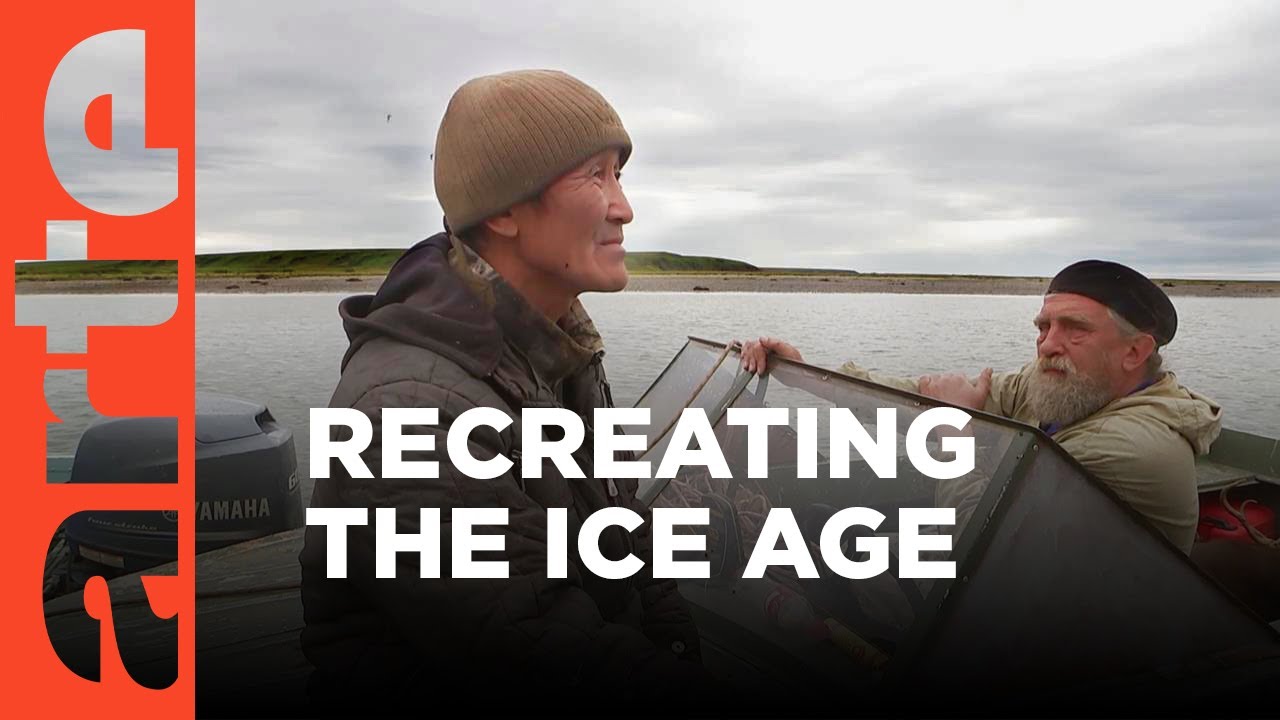
Russian geophysicist Sergei Zimov and his son Nikita investigate methods to recreate a Pleistocene ecosystem in Siberia to combat melting permafrost.
In Bolivia, herpetologists Juan Timms and Jairo Cuevas conduct an expedition to locate and film a newly identified species of large pit viper.
A pack of 25 wolves in northern Canada hunts bison, the largest land animals in North America, using coordinated strategies to secure their prey.
Tanzania's diverse ecosystems are showcased through the experiences of photographer Javed, natural history expert Pascal, and marathon runner Simon.
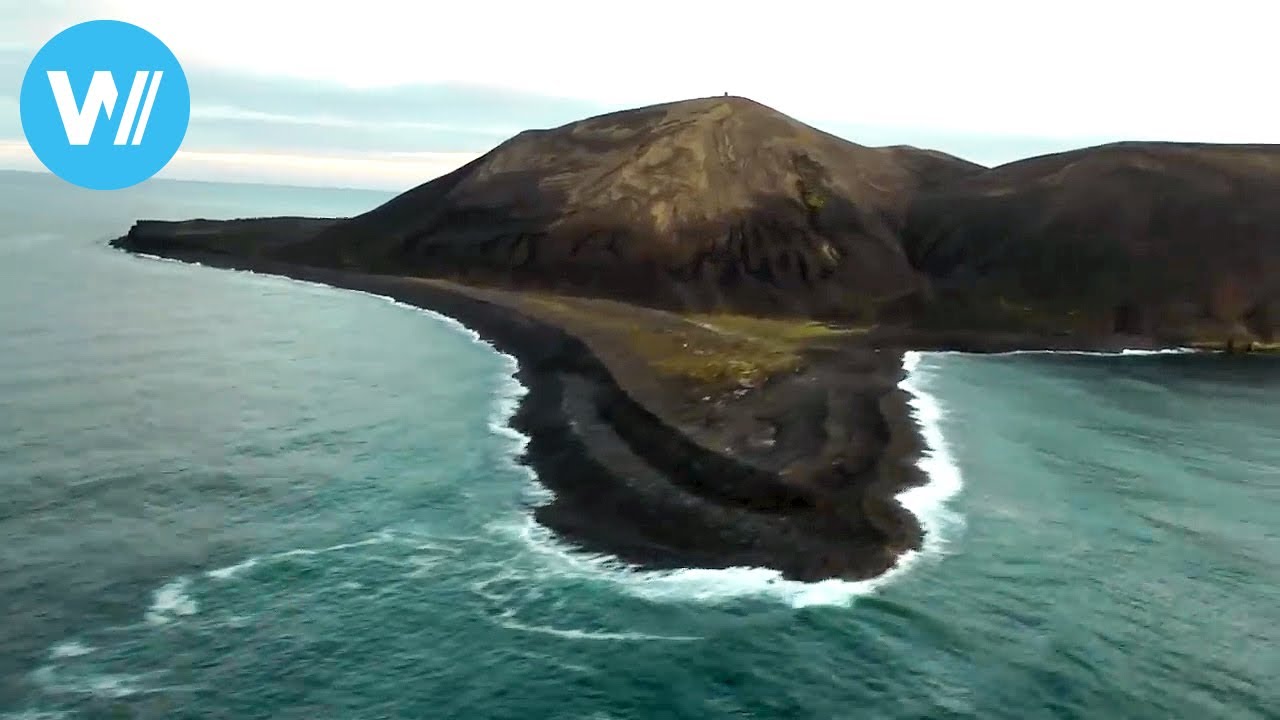
Surtsey, formed by a volcanic eruption in 1963 off the southern coast of Iceland, has been a protected natural conservation area since its inception, allowing biologists and geologists to study its evolution over the past 50 years.
Only 150 desert elephants remain in Namibia's Namib Desert, where temperatures can exceed 120 degrees Fahrenheit and water is scarce.
The Coordination Centre for the Study and Protection of Marine Species in Luarca houses the world's largest collection of giant squid, totaling 19 specimens.
Kachemak Bay near Homer, Alaska, is home to the largest crabs in America and the biggest Greenland halibut in the Pacific, attracting fishermen from around the world.
A hectare of Neptune grass meadows in Corsica supports a diverse range of marine life, including the world's largest shellfish, the noble pen shell.
In Costa Rica, Eladio navigates life between volcanoes and the sea, while Manolo represents the old cowboy spirit and Claudine studies the region's biodiversity.
In breathtaking wildlife moments narrated by Sir David Attenborough, a chameleon gives birth to live young while an ant faces survival challenges.
Seventeen colossal Olmec heads, some weighing up to 40 tons, have been discovered in Veracruz, Mexico, with more possibly still buried underground.
In Serra do Mar State Park, Brazil's Atlantic Forest hosts over 100 species, including the endangered Atlantic Royal Flycatcher and the miniaturized froglet.
Anuta, a remote island in the South Pacific, showcases sustainable practices among its inhabitants while highlighting global conservation challenges faced by the Sedna IV team.
Papua New Guinea's forests host over 20,000 plant species and 750 bird species, yet deforestation threatens this biodiversity and the communities that depend on it.
The Galapagos Islands host unique wildlife that adapts to extreme conditions in the Pacific Ocean.
In the warm Pacific off Maui, a humpback whale mother navigates a 5,500-kilometre journey to Alaska's feeding grounds while caring for her calf.
A white ocean roughly 300 kilometers long and 150 kilometers wide freezes over in the Gulf of Bothnia by the end of February.
Since the late 1990s, conservation efforts have led to the establishment of about 100 wild wolves in Germany, marking a significant return of the species.
In the Namib desert, the Himba and Bushmen tribes navigate their harsh environment while maintaining unique customs and a deep connection to nature.
At 4,000 meters, a young monkey learns the dangers of straying from its troop in a harsh environment where temperatures can plummet below zero.
In Belize, Explorer Jamal Galves discusses his lifelong commitment to protecting manatees during a live conversation with host Lizzie Daly.
Bald eagles are examined for their hunting abilities and keen eyesight, with a focus on a nesting family facing the challenges of survival.
A young cheetah delivers four healthy cubs in the Serengeti, facing the challenges of motherhood and survival in the East African savanna.
Around 100 bearded vultures now live in the Italian Alps, having reappeared after being eradicated around 1900.
In the Baltic hinterland, diverse wildlife thrives, including over 350 brown bears, 1,000 wolves, and 13,000 pairs of white storks across Estonia, Latvia, and Lithuania.
In the Rocky Mountains, river otters thrive in lakes and rivers, navigating challenges from beavers, migrating cutthroat trout, and winter predators like coyotes.
The Bakhtiari Tribe represents Iran's Last Great Nomads, preserving ancient traditions in modern times.
In Northern Argentina, Hazen Audel encounters anaconda and caiman while continuing his solo expedition across South America.
The Atlantic's warm currents create a unique climate along the coasts of Spain and Portugal, supporting diverse wildlife from sperm whales to the Iberian Lynx.
In a wildlife sanctuary in South Africa, two lions, Soukara and Cleopatra, experience their first meeting, showcasing their social behaviors and interactions.
Explorer Dr.
The program features stunning visuals of ecosystems, including the Amazon Rainforest, Serengeti, and Great Barrier Reef, highlighting the need for conservation.
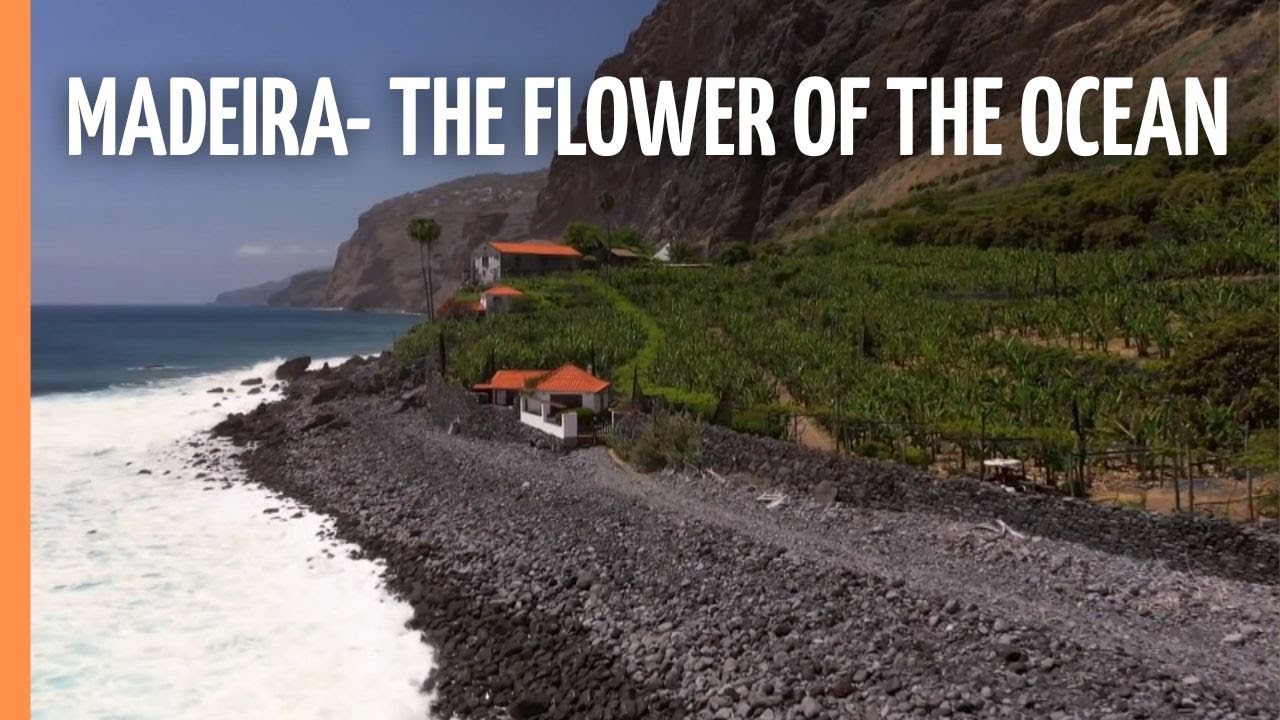
Madeira's Flower Festival Festa da Flor celebrates spring with vibrant parades and flower magic.
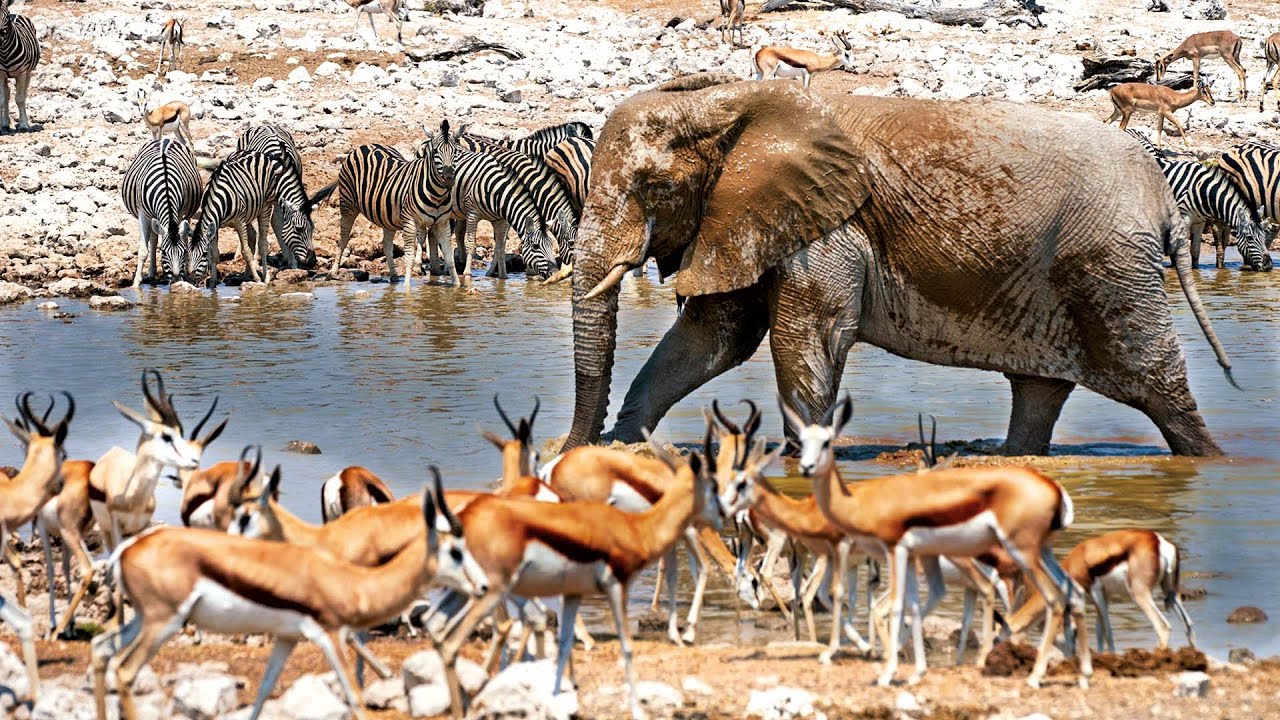
In Etosha National Park, Namibia, a waterhole becomes a vital resource for diverse wildlife, illustrating the intense competition for survival among species.
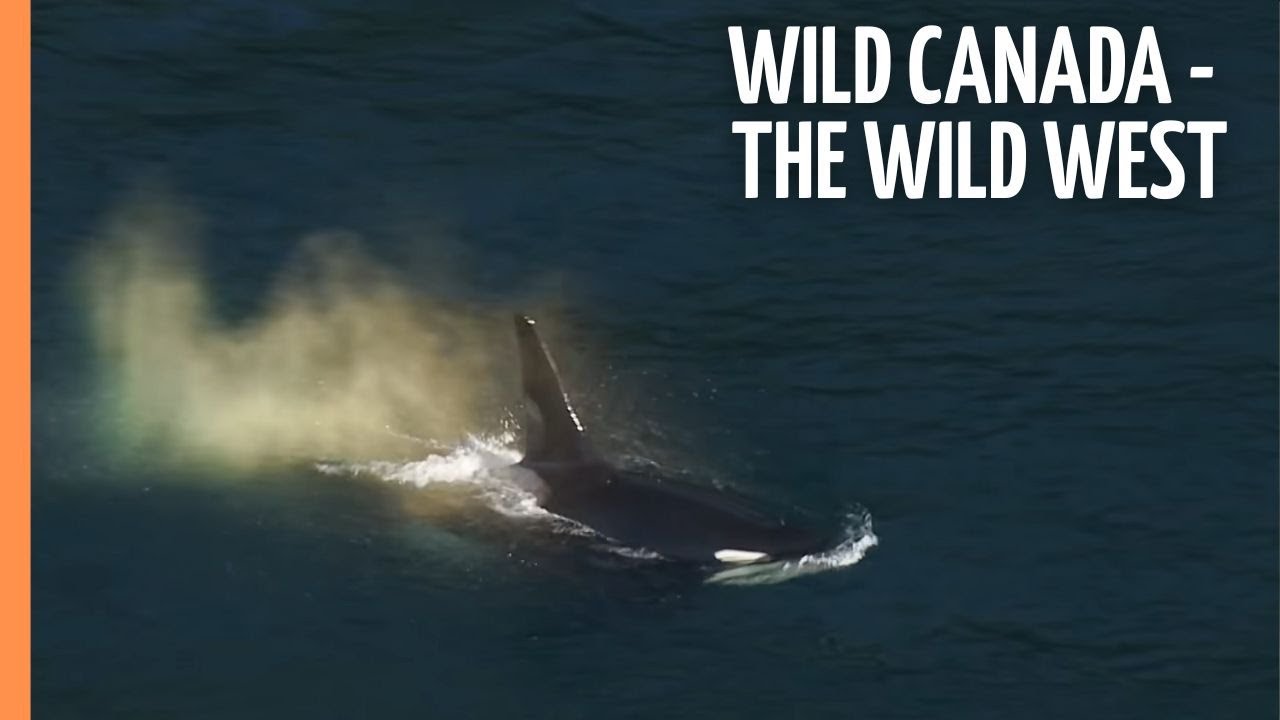
This episode showcases the wildlife between the Western Canadian Pacific and the Rocky Mountains.
In Belize, researchers and conservationists work tirelessly to protect the endangered manatees, highlighting their efforts aboard the Sedna IV.
A female saltwater crocodile, weighing half a ton and armed with sixty sharp teeth, uses strategic planning to ambush her prey in the jungle.
In Tsavo National Park, the David Sheldrick Wildlife Trust rehabilitates orphaned elephants, preparing them for their return to the wild.
One and a half million square kilometers of Alaska are home to only six hundred thousand people, with vast areas never touched by humans.
Blue sharks migrate annually to seamounts in the Mid-Atlantic Ridge, where nutrient-rich waters create fertile feeding grounds for various marine species.
In the rain forests along the northern Pacific, a newly identified subspecies of gray wolf exhibits unique behaviors such as swimming and fishing for salmon.
In the depths of the ocean, Blue Planet II showcases a variety of marine life, including bioluminescent fish and the venomous Portuguese Man O' War.
Goran Safarek conducts a bird count of gray herons and night herons in Kopački rit Park, a vast wetland sanctuary in eastern Croatia.
Thirty years of mountain touring have shaped Atsushi Gomyo's view of the mountains as symbols of life and death in winter sports.
A caterpillar spins a silken pad to anchor itself before transforming into a chrysalis, marking a significant change in its life cycle.
With an estimated population of only 3,000 drills remaining in the wild, the film follows the life of Motuku, an alpha male drill, and his family on Bioko Island.
In the Antarctic, charming moments of penguin life are showcased, featuring everything from muddy penguins being cleaned to a chick's first steps.