From over 100,000 films, discover the handful you'll love.
Free or premium access to the world's largest documentary library.
3995 films(Page 18 of 84)
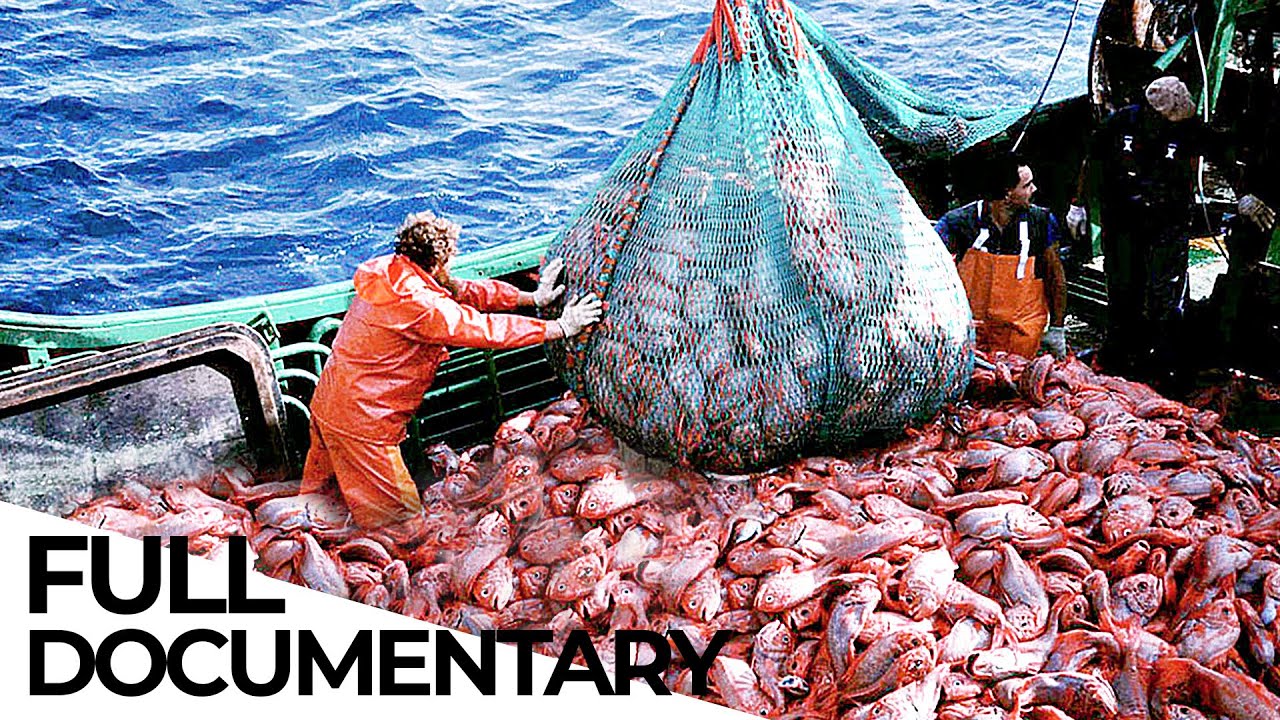
A 23-pound salmon caught in a Welsh river marked the last of its kind for years, reflecting the decline of fish populations due to overfishing.
An abandoned iron mine in the southwest of the Iberian Peninsula spans 80 hectares and reaches depths of up to 100 meters, now thriving with diverse wildlife.
Porcupines, equipped with approximately 30,000 barbed quills, navigate their environment with confidence and few natural predators.
Wildlife investigator Ivan Carter collaborates with Kruger National Park rangers to track down poachers responsible for the brutal killing of an elephant for its ivory.
In U.S. waters, hundreds of critically endangered manatees face threats from boats, disease, and cold weather, while dugongs struggle to survive in isolated marine sanctuaries.
Zhangjiajie National Park in Hunan, China, features its iconic sandstone pillars and highlights the cultural traditions of the Miao ethnic minority.
Corsica, known as "Kalliste" in ancient Greece, features stunning alpine landscapes, dramatic rock formations, and a distinct cultural identity among its inhabitants.
Costa Rica showcases its rich variety of biodiversity and conservation efforts in Corcovado National Park.
560 kilometers of the Kinabatangan River flow through Borneo, supporting diverse wildlife and local communities while facing threats from human activity.
In the Namib Desert, unique adaptations allow Desert Elephants, including alpha cow Clarissa, to survive the harsh conditions and seek scarce water sources.
Easter Island's civilization collapses as forests vanish and Moai statues are toppled.
Siberia spans over 5 million square miles, larger than the United States and Europe combined, with about 10 people per square mile.
David Oren, Head of Natural History at the Goeldi Museum, investigates claims of a bear-like creature in the Amazon while seeking evidence to convince skeptics.
A caterpillar spins a silken pad to anchor itself before transforming into a chrysalis, marking a significant change in its life cycle.
In Botswana's Okavango Delta, three mokoro polers navigate cultural heritage and environmental challenges while participating in the Nkashi Classic race.
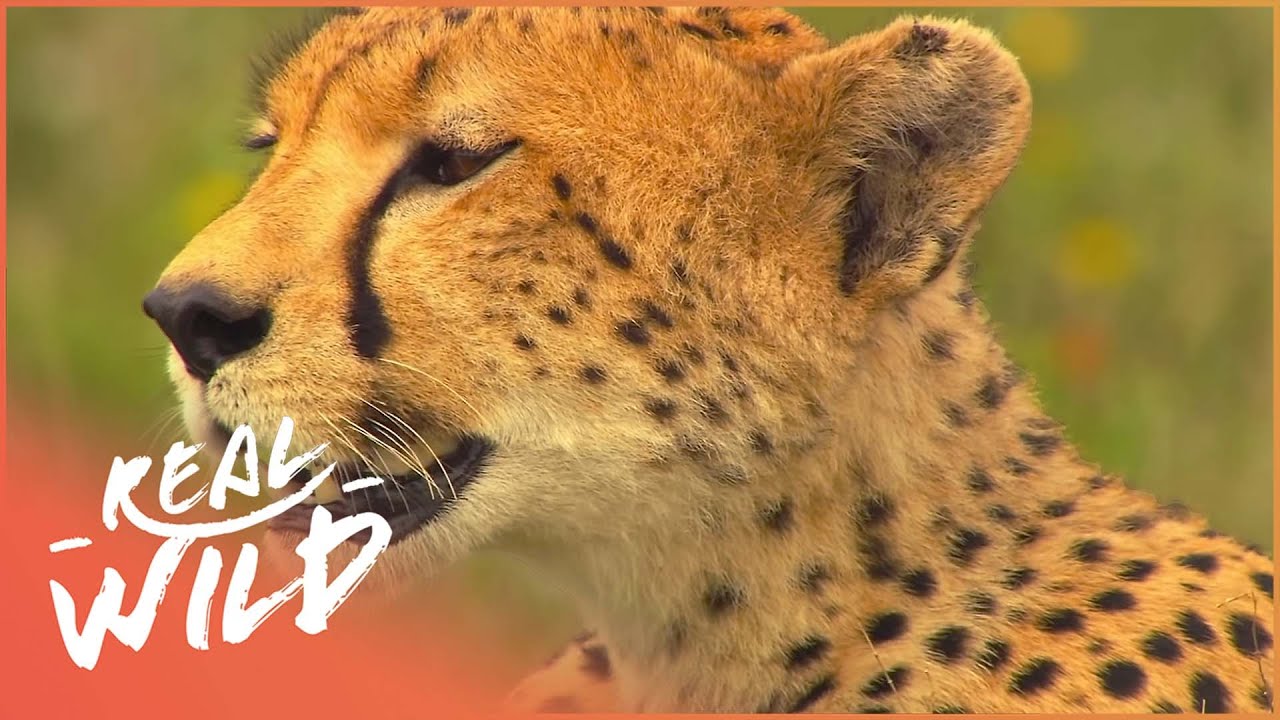
In the wild, baby polar bears, cheetahs, and crocodiles learn essential hunting skills necessary for survival in their harsh environments.
In the Himalayas, Tashi, a rare red panda, navigates her environment through changing seasons, showcasing the challenges of motherhood and survival.
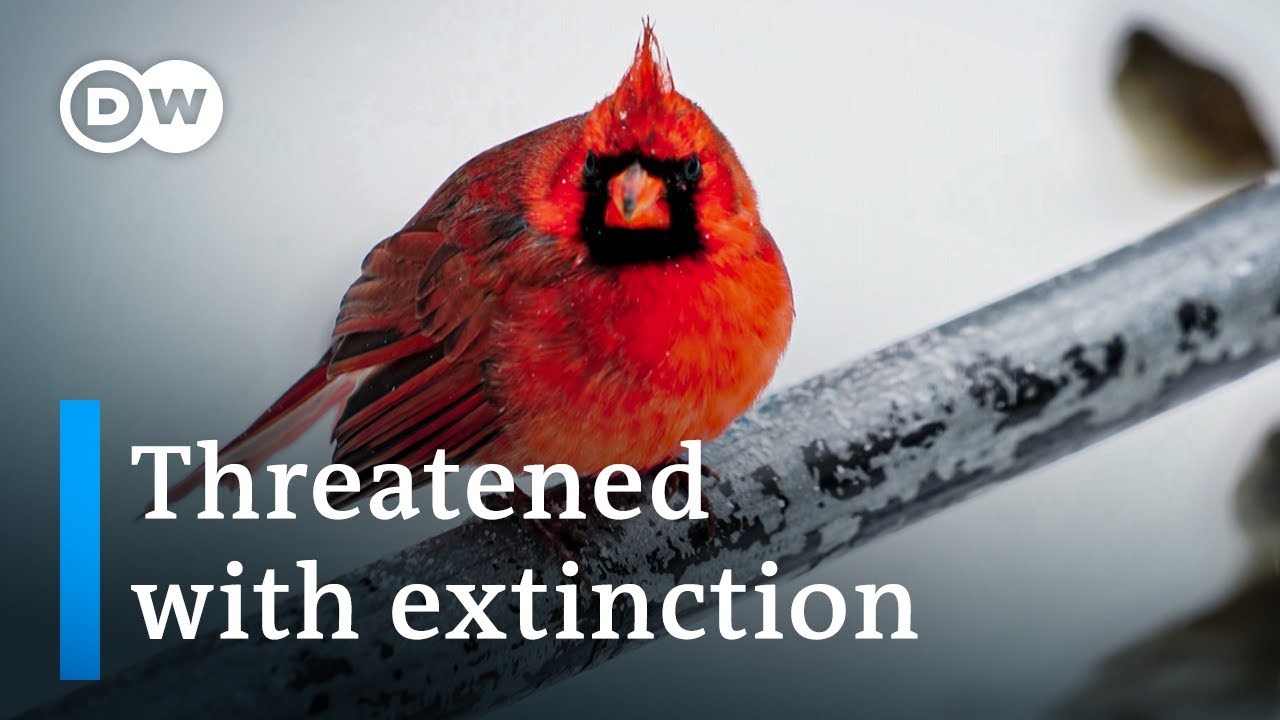
Almost three billion birds have vanished from the United States since 1970, with Europe seeing a 25 percent decline in its bird population.
Sharks are studied globally in this Sharkfest MEGA episode, focusing on their behavior near Hawaii's volcanoes, rising bull shark attacks in Australia, and a rare great white shark incident in Canada.
In the Tambopata River region of Peru, scientists are working on a conservation project to protect macaws and their rainforest habitat from development threats.
Forest elephants in Central Africa exhibit complex vocalizations and social behaviors that reveal how they learn and pass down cultural knowledge.
Shepherds guide sheep over steep climbs and glaciers, reaching altitudes of nearly 3,000 meters in the Alps during the spring season.
Madagascar's ring-tailed lemurs, living in family groups of one to two dozen, face habitat loss and inbreeding as their environment rapidly disappears.
The origin of life on Earth is examined through the lens of mathematics and natural laws, questioning whether existence arises from chance or a deeper order.
In the Bohemian Forest, the Vltava River, known as the 'Golden River', flows through the Czech Republic, inspiring artists and supporting diverse wildlife along its banks.
In Germany's forests, Jan Haft reveals how dead trees and human impact create new habitats that support the resurgence of diverse wildlife species.
Vatnajökull National Park in southeastern Iceland, home to Europe's largest glacier and active volcanoes, showcases the interplay of natural beauty, scientific research, and local mysticism.
About 80% of Guyana is covered by pristine rainforests, home to diverse wildlife including jaguars, harpy eagles, and black caimans.
Over the course of three days, 200,000 turtles lay their eggs on a beach, facing numerous predators as they make their first dash to the sea.
In Katmai National Park, wildlife tracker Casey Anderson documents the behaviors and interactions of brown bears during the salmon run and tidal foraging cycles.
Junior and Ruth risk their lives in Papua New Guinea to reach school through jungles.
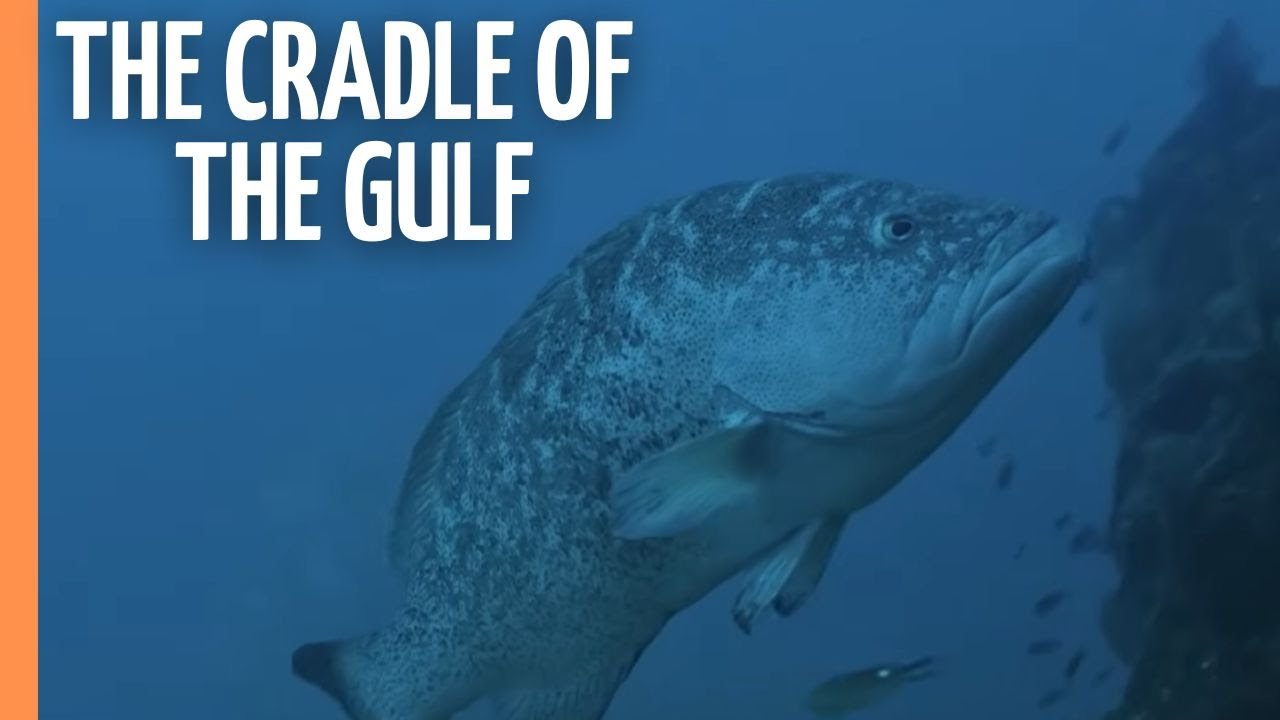
Jacques Cousteau calls this region the 'aquarium of the world' in northwest Mexico.
Less than 250 millimeters of rain falls annually on the Valdés Peninsula, a vital refuge for marine mammals in Argentina.
Every year, a nomadic community in Mongolia travels over 400 kilometers to reach their spring pastures, facing challenges from climate change and modernization.
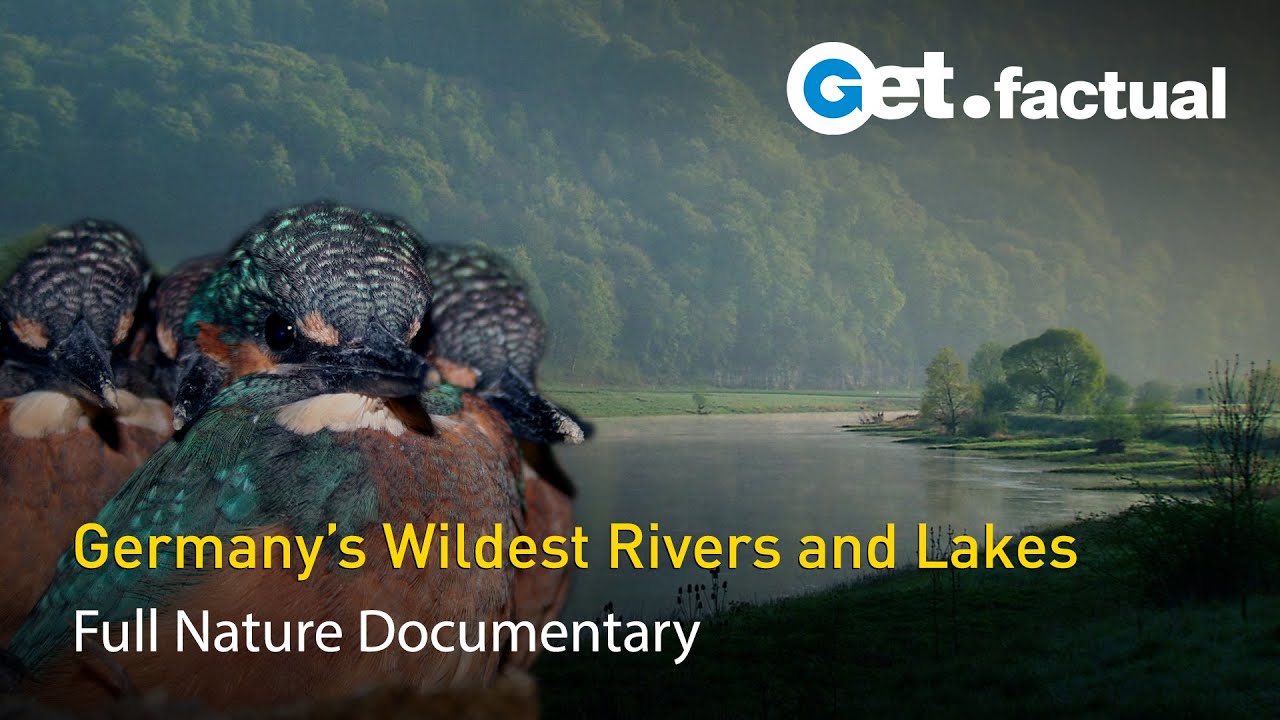
Around 150,000 cranes use Germany as a stopover on their migration north to breeding grounds in Scandinavia each year.
In diverse ecosystems from the Iguazu Falls to the Arctic, animals demonstrate remarkable intelligence and adaptability through hunting, camouflage, and teamwork.
In the African savannah, male and female animals such as lions, hyenas, and elephants face distinct challenges and advantages that shape their survival and social roles.
In African wildlife, matriarchal societies among elephants, hyenas, and mongooses highlight the significant leadership roles of females in their social structures.
Animal populations in Gorongosa National Park increased from 10,000 to 100,000 over the last decade, demonstrating successful wildlife restoration efforts.
An injured zebra calf struggles to keep up with its herd in the African savanna, while its mother remains steadfastly by its side during its final moments.
Owls possess exceptional hunting skills, utilizing silent flight and unique first strike capabilities to capture prey in complete darkness.
In Chad, ancient elephants roam the striking dunes of Kanem, while the Kapsiki villages and Waza wildlife reserves highlight the region's rich biodiversity and cultural heritage.
Up to half a million Olive Ridley sea turtles arrive at Ostional Beach in Costa Rica during the "arribada," a synchronized nesting event each September.
Australia has the largest population of wild camels in the world, with nearly one million roaming its arid interior.
Bison in North America, giraffes in Africa, and koalas in Australia illustrate the essential roles wild creatures play in maintaining their ecosystems.
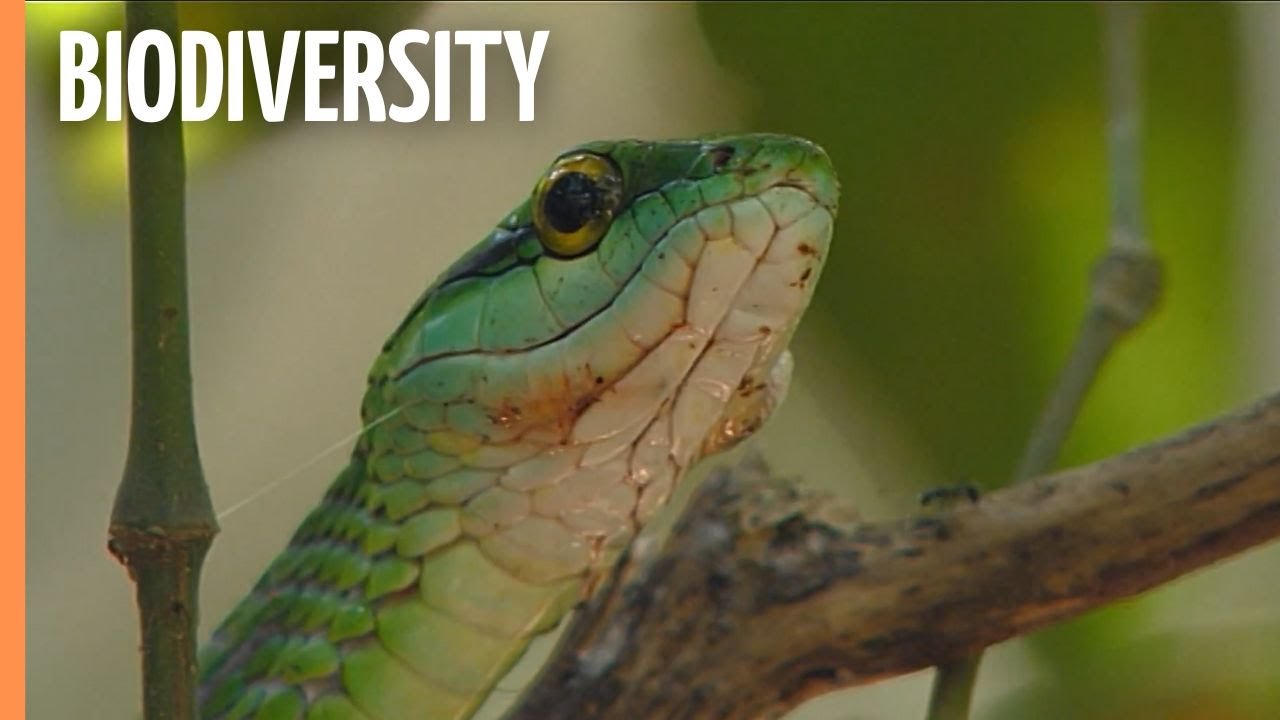
Snakes, lizards, and the Tuatara of New Zealand are examined in detail, highlighting their unique adaptations and behaviors within the reptile family.
The Humboldt Current along South America’s Pacific coast supports diverse marine life, from blue whales to penguins, while sustaining the Atacama Desert's ecosystem.
Borneo's rainforests face significant threats from deforestation and development, as documented by Fellow Mattias Klum over two decades.