From over 100,000 films, discover the handful you'll love.
Free or premium access to the world's largest documentary library.
3994 films(Page 61 of 84)
The remains of a beached whale teach scientists about life and death in nature.
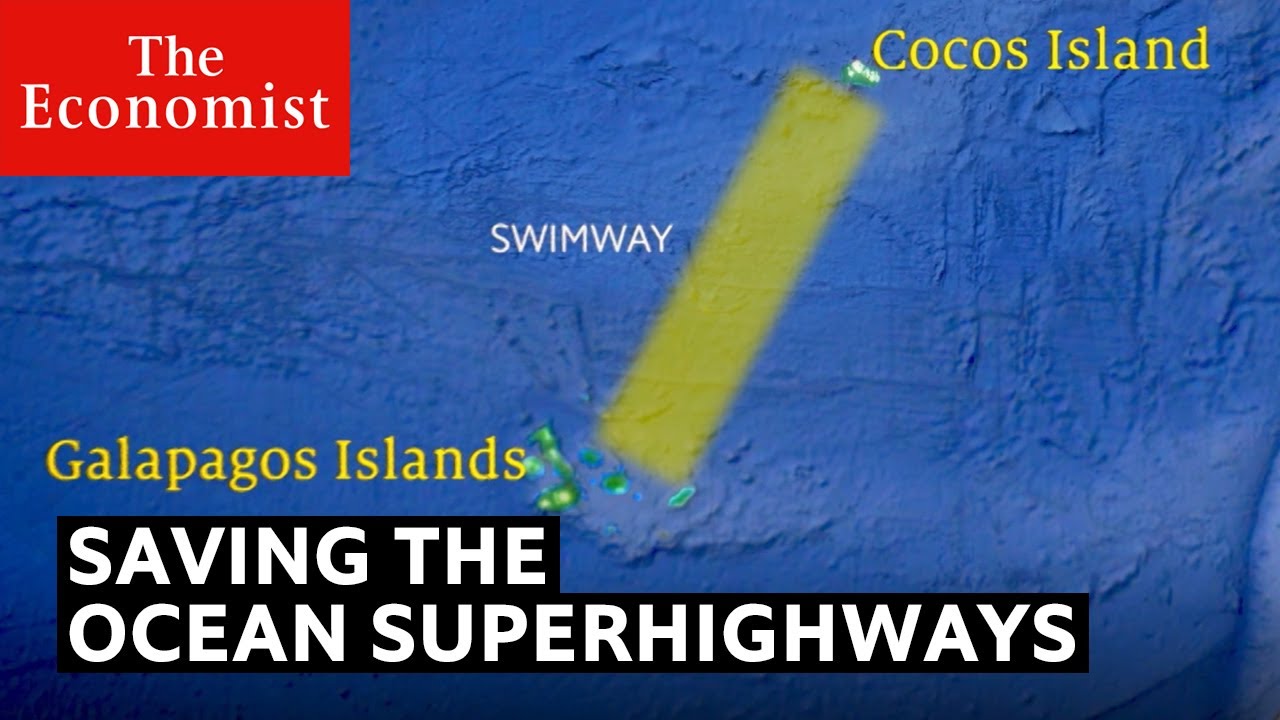
Marine protected areas currently cover only 3.6 percent of the ocean, prompting urgent calls for expansion to safeguard migratory species.
Resource exploitation in the Solomon Islands disrupts evolutionary processes that have shaped local ecosystems for thousands of years.
Greenland's strategic location in the Arctic is increasingly significant in global geopolitics, influencing relations among the United States, China, and Denmark.
American and Cuban crocodiles meet in swampy areas, highlighting conservation efforts for the Cuban crocodile.
One of ten hammerhead species worldwide, the scalloped hammerhead has a uniquely shaped head with rounded scallop-like features.
Ten daily tons of ant waste enrich the rainforest soil, providing essential nutrients that support diverse plant and animal life on Barro Colorado.
In the winter of 1995, 15 gray wolves captured in Canada were released into Yellowstone, marking the start of a major ecological restoration project.
Baboons in Zambia help tamarind trees grow by dispersing seeds through their dung.
iSimangaliso Wetland Park is a World Heritage Site known for its sheer biodiversity.
Deception Valley's harsh climate creates a pristine wildlife habitat in the Kalahari.
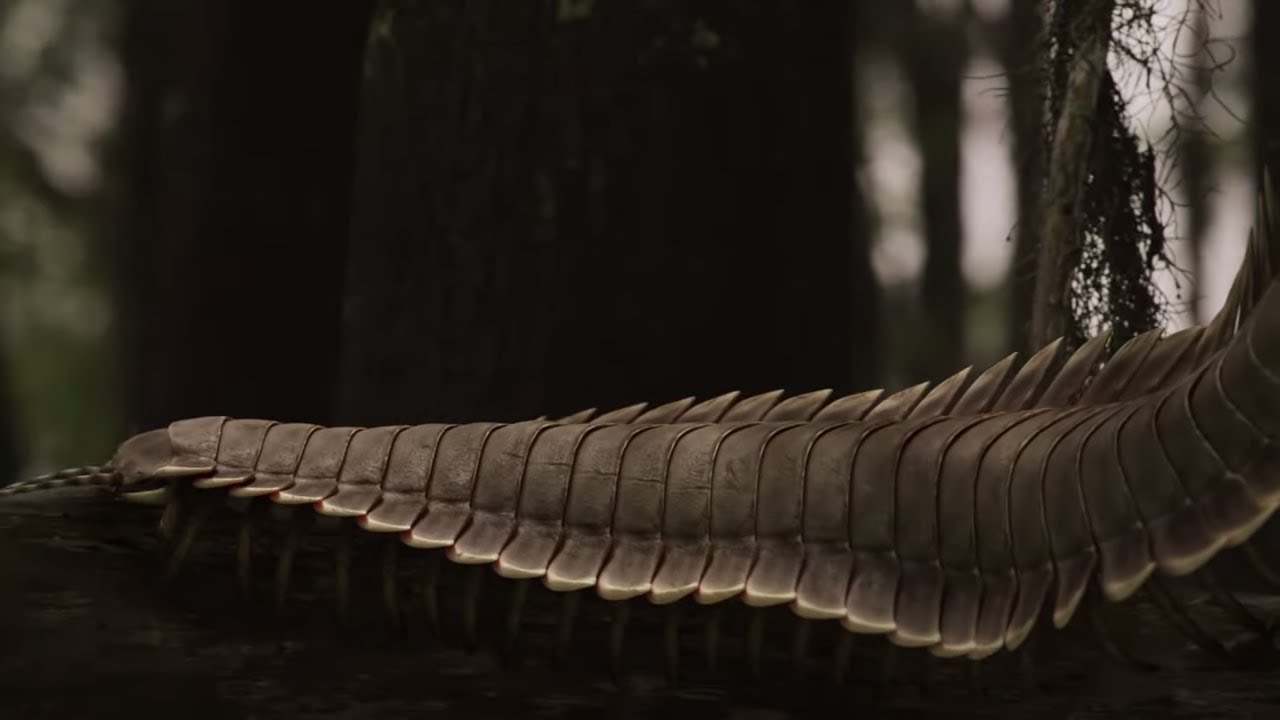
During the Permian period, climate changes and declining oxygen levels contributed to the extinction of the giant centipede Arthropleura, highlighting environmental impacts on prehistoric life.
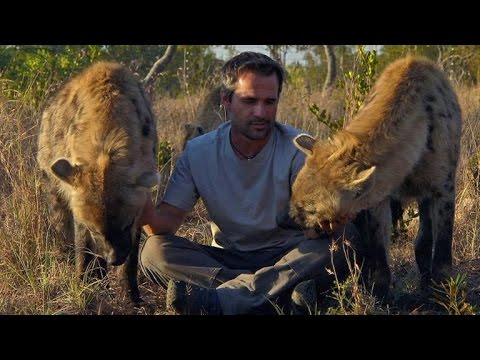
Hyenas are the most misunderstood animals, showcasing intelligence and complex social structures.
Proboscis monkeys have outrageous noses that help attract mates and digest toxic leaves.
Over 90 percent of spruce trees in Germany's Harz region are dead or dying, prompting a shift towards a more diverse forest ecosystem.
Farmers inadvertently poison vultures, threatening their survival in the wild.
Florida beaches are vital nesting sites for loggerhead sea turtles and crucial for conservation efforts.
Andy Coetzee believes barracudas are ideal predators in the marine ecosystem.
The pied kingfisher hunts from the air in Tales From Zambia, showcasing its unique hovering skill.
Hummingbirds are more skilled at flight feeding but struggle in rainy conditions.
Andy Coetzee dives into the Congo River to catch Tigerfish after avoiding crocodiles swimming.
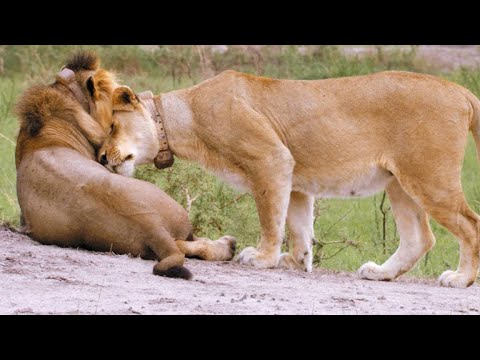
Young male lions depend on lionesses for survival in the wild, as shown in Lions Unleashed.
Researchers at Barro Colorado Island compiled the first estimate of Earth's species at 30 million, a figure more than three times what is thought now.
Today, Panama's urban development threatens wildlife and disrupts natural habitats.
Male sage grouses in Yellowstone National Park display vibrant plumage and elaborate courtship rituals that surpass even the peacock's in their mating strategies.
Hippos share surprising traits with whales, as shown in Aerial Africa: Zambia series.
Around two thirds of the floodplains along Germany’s 79 major rivers can no longer store excess water due to human alterations to their landscapes.
Tapirs in Brazil utilize their unique snouts as snorkels to evade predators like jaguars while thriving on aquatic plants in their diverse ecosystems.
The Arabian Oryx recovers from extinction due to successful conservation efforts in the UAE.
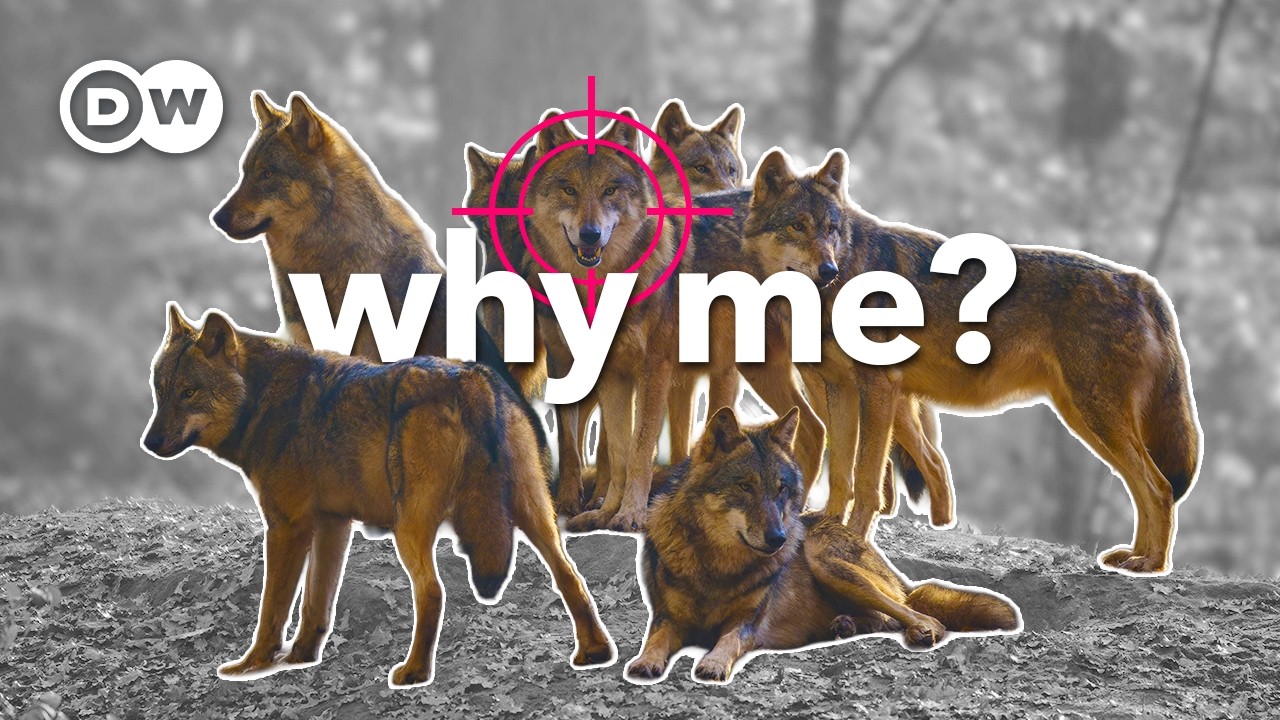
Currently, there are around 1,600 gray wolves in Germany, a population that has led to renewed calls for hunting regulations by the European Union.
Male grizzlies chase females at 35 mph during bear courtship in Yellowstone National Park.
Male fiddler crabs in Sanibel use their large claws for mating and fighting rivals.
Herring in Okhotsk lay eggs at 40°F, crucial for Steller’s Sea Eagles' survival.
In 1882, General Philip Sheridan led a U.S. Army expedition to Yellowstone National Park to protect the last American buffalo from poachers.
Pakicetus, a wolf-sized ancestor, surprises expectations in whale evolution from the Series When Whales Walked.
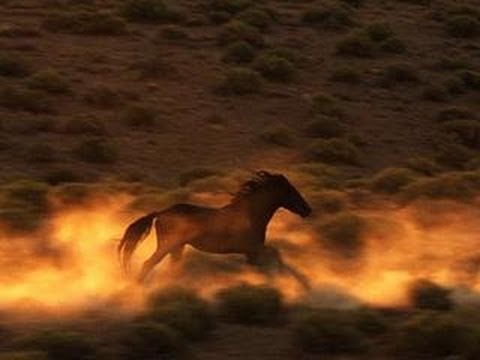
A herd of Mustangs can double in size every four years, leading to thousands more than the land can support in Nevada's high desert.
Mary Anning, a 19th-century working-class woman from Dorset, revolutionizes paleontology.
By 2050, suitable land for coffee production could shrink by half due to climate change, threatening the livelihoods of 125 million people worldwide.
In late June, wild salmon migrate from the ocean to Alaska's rivers to spawn, facing predation from Grizzly Bears during their critical life cycle.
The finch's beak in the Galapagos is different from ones in Australia, showcasing evolution.
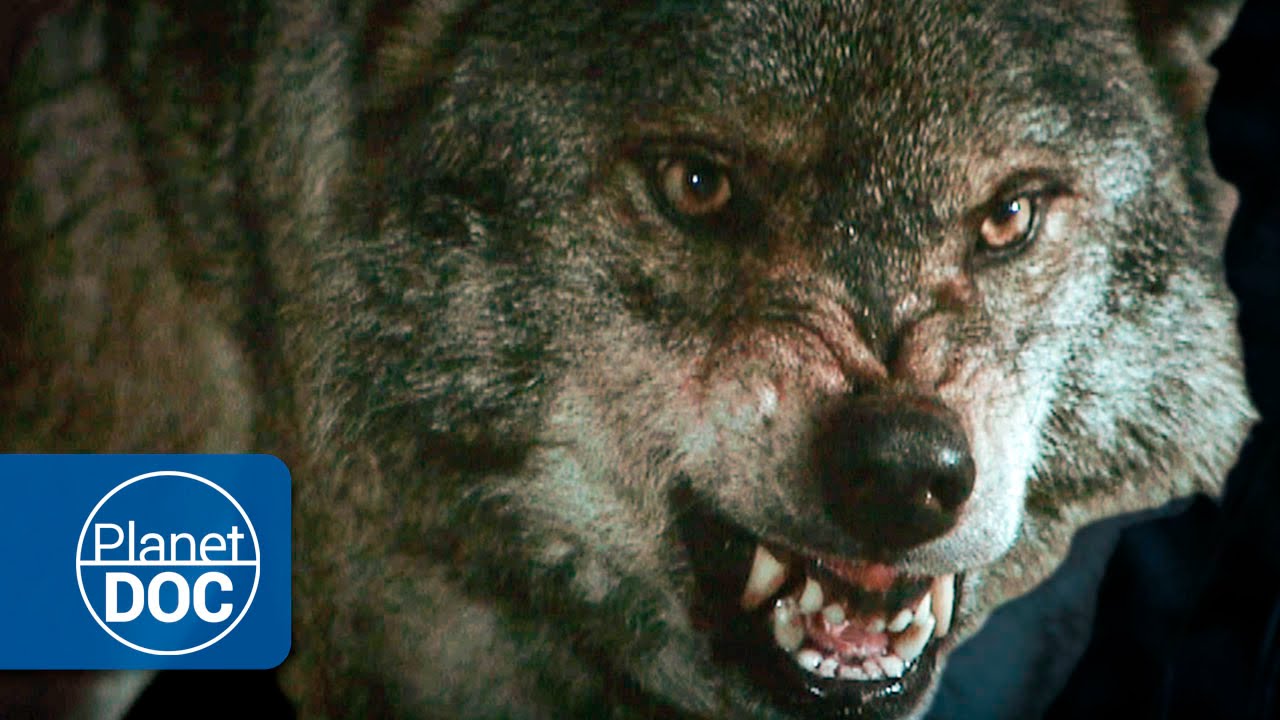
Wild wolves hunt tactically, targeting weak deer while avoiding domestic livestock.
A leopard can hide anywhere, making it easy for photographers to lose sight of the animal in an instant.
In the Amazon rainforest, a sloth navigates its environment while searching for a mate, showcasing unique behaviors and the ecosystem's beauty.
One blue mussel can filter several liters of water an hour, playing a vital role in the unique ecosystem of the Baltic Sea.
Tiger sharks exhibit their iconic hunting behavior in a clip from Shark Week 2023, featuring insights from wildlife expert Forrest Galante on marine conservation.
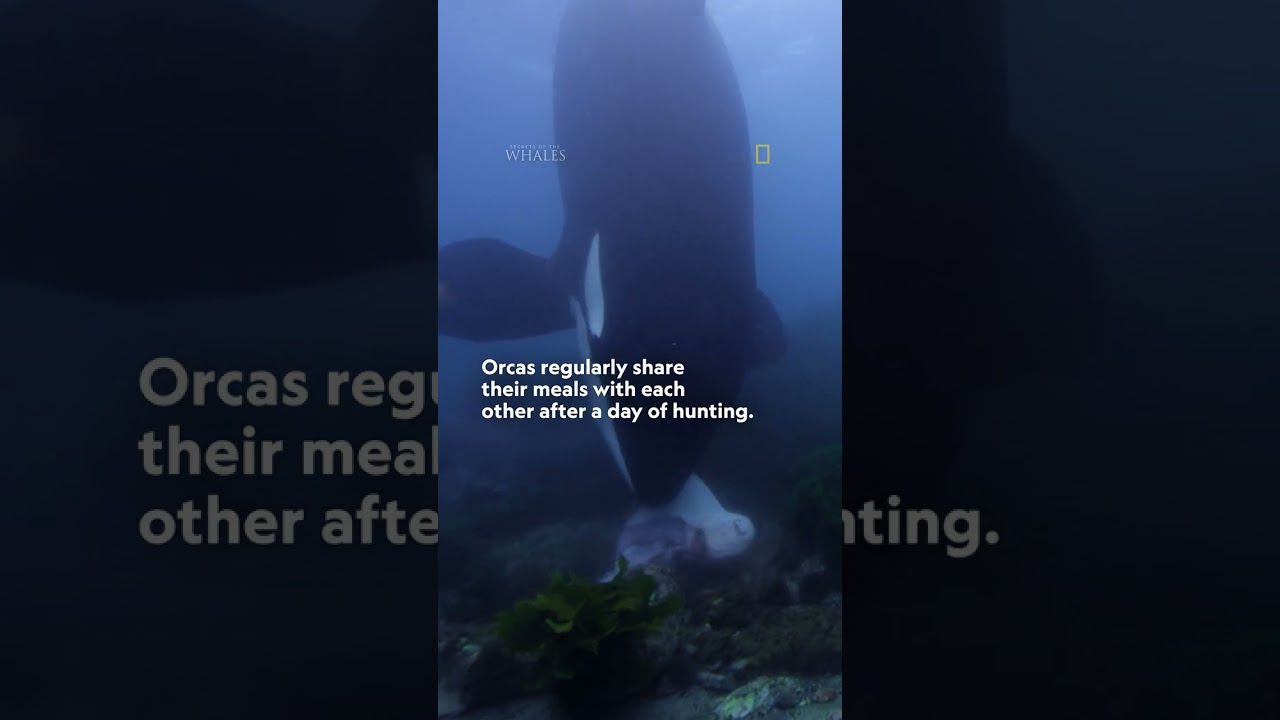
A comment humorously wishes a Happy Thanksgiving to an orca, referencing Shamu and its photogenic nature.
Spear fishermen in South Africa's shark-infested waters engage in risky interactions with sharks, exploring their communication methods and evolutionary traits.
Wolves were reintroduced to Yellowstone National Park in 1995 to restore biodiversity.