From over 100,000 films, discover the handful you'll love.
Free or premium access to the world's largest documentary library.
3995 films(Page 9 of 84)
Cape Verde, an archipelago off the coast of Senegal, features individuals like George, a conservationist on Sao Vicente, and Mitu, a kiteboarding champion from Sal.
In the high-altitude reserves of the Alps, five fox cubs navigate a harsh environment filled with challenges from predators and territorial disputes.
Over 1,400 species of reptiles and amphibians inhabit Colombia, with 500 of those species found nowhere else in the world.
Colombia's diverse ecosystems, from the Andes to the Amazon, host a remarkable variety of unique plants and extraordinary wildlife.
Two million bats take to the skies at dusk in the Indonesian jungle, where predators await their chance to strike.
Coastlines worldwide are presented in high-definition visuals, highlighting their natural beauty and ecological importance.
Yellowstone National Park, established in 1872, features its vibrant hot springs, majestic waterfalls, and diverse wildlife in serene visuals and sounds.
In the Sava floodplains of Croatia, a unique ecosystem thrives, featuring 100,000 hectares of meadows and pastures that support diverse wildlife.
Ten predictions made by the Gaia hypothesis have been confirmed, including the role of algae in cloud formation and climate regulation.
Yosemite National Park is home to towering cliffs, giant sequoias, and diverse wildlife, including coyotes, black bears, and bobcats.
In the wild, leopards confront hyenas while fish target birds, showcasing the fierce competition for survival in nature.
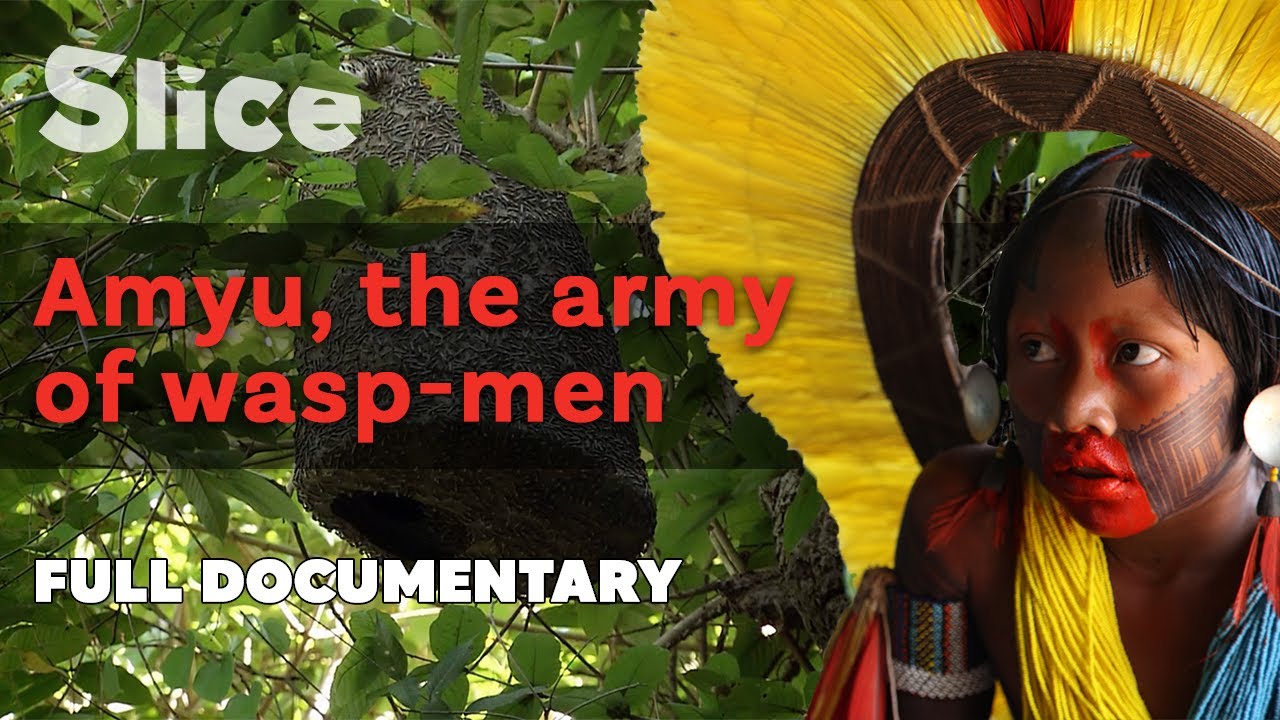
In the Amazon forest of northern Brazil, Kayapó warriors Beptoy and Baka face a dangerous initiation by attacking the nest of the killer wasp, Amyu.
Over 20,000 elk migrate across an area five times larger than Yellowstone National Park, connecting ranch lands and high-alpine meadows.
Yellowstone National Park, established in 1872, is renowned for its diverse wildlife and geothermal features, including the iconic Old Faithful geyser.
Alaska is home to the largest population of brown bears in the world, with local residents adapting to the region's extreme conditions and rich natural resources.
Sir David Attenborough narrates a series showcasing the hidden behaviors and survival strategies of plants in various ecosystems, including deserts and rainforests.
In Patagonia, viewers can explore the serene beauty of kelp forests, the Southern Ocean, and the intimate moments of a southern right whale and her calf.
In the Grand Bahama Bank, pregnant lemon sharks and white-tip reef sharks exhibit unique behaviors, revealing critical insights into their population dynamics.
Grand Teton National Park receives over 40 feet of snow in a single season, creating a unique habitat for wildlife like otters and coyotes.
Extraordinary interactions among diverse species are captured across various ecosystems, highlighting the importance of wildlife conservation and biodiversity.
In the BBC Earth archive, a compilation showcases winter wildlife moments, featuring caribou, penguins, wolves, and polar bears in their natural habitats.
For three years, not a single drop of rain has fallen on the cracked lands of Kenya's Northern Frontier District, testing the limits of survival in Shaba.
Scientists analyze sediment cores and plant fossils to explore factors beyond the asteroid impact that may have contributed to the dinosaurs' extinction.
Over half a million terns crowd during the dry season, while various species employ survival strategies against predators in their environments.
Kilauea's lava erupts at nearly 2,000 degrees Fahrenheit, consuming roads, forests, and neighborhoods in Hawaii.
Each autumn, two Komi families migrate across the Ural Mountains with 5,000 reindeer to secure food for the harsh Siberian winter.
Some saguaro cacti in the park can grow to be 200 years old and reach heights of four stories, providing vital habitat for diverse wildlife.
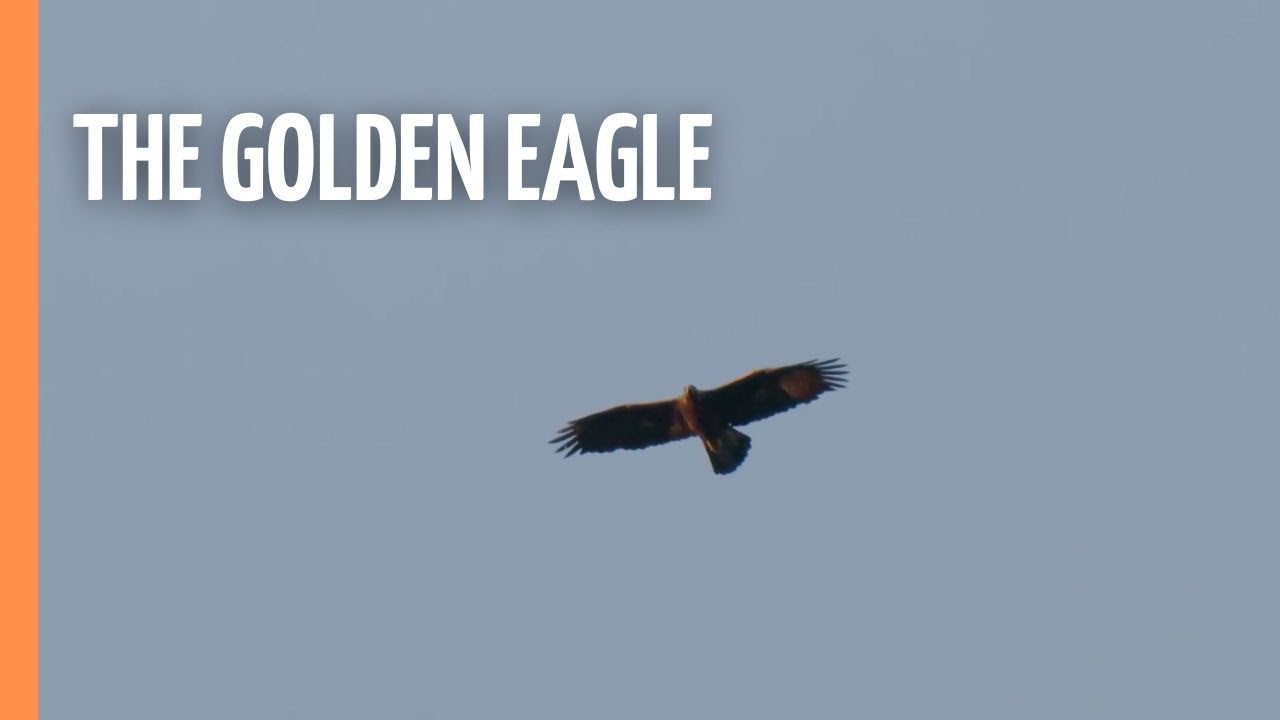
The golden eagle hunts prey while gliding, posing a threat to various animals in its territory.
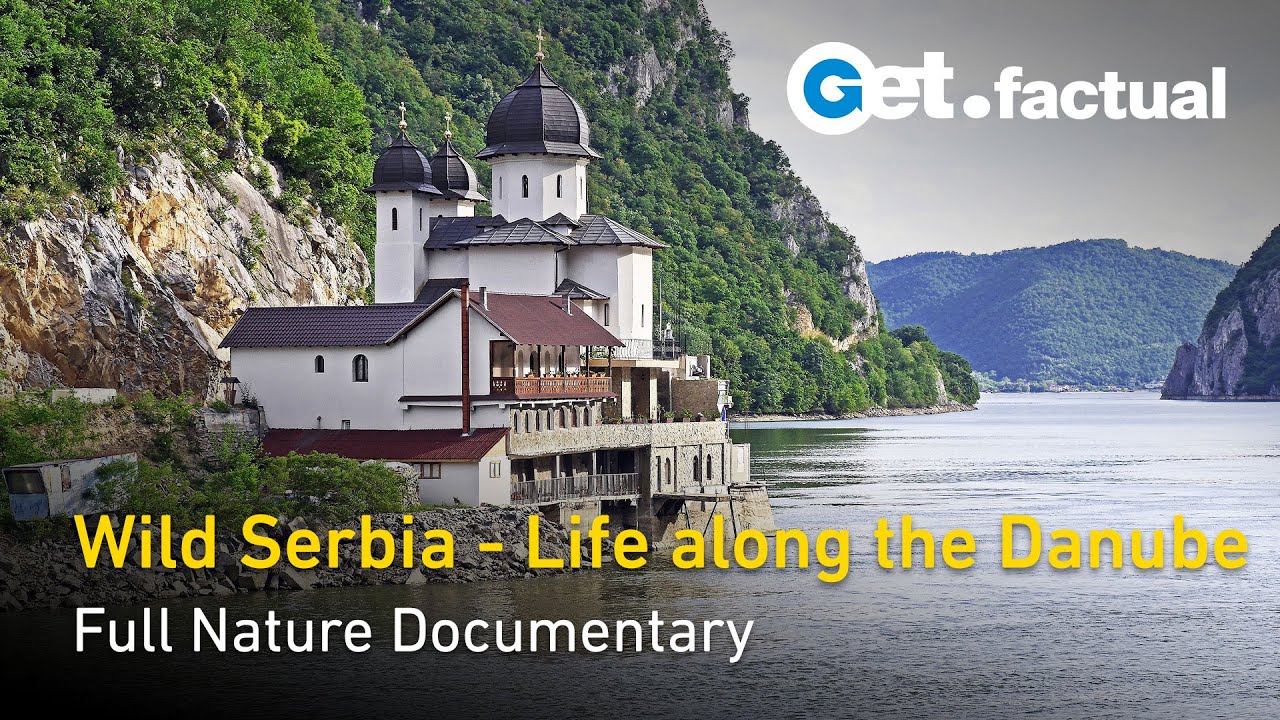
More than 100 kilometers of the banks of the Danube are protected as part of the Djerdap National Park in Serbia.
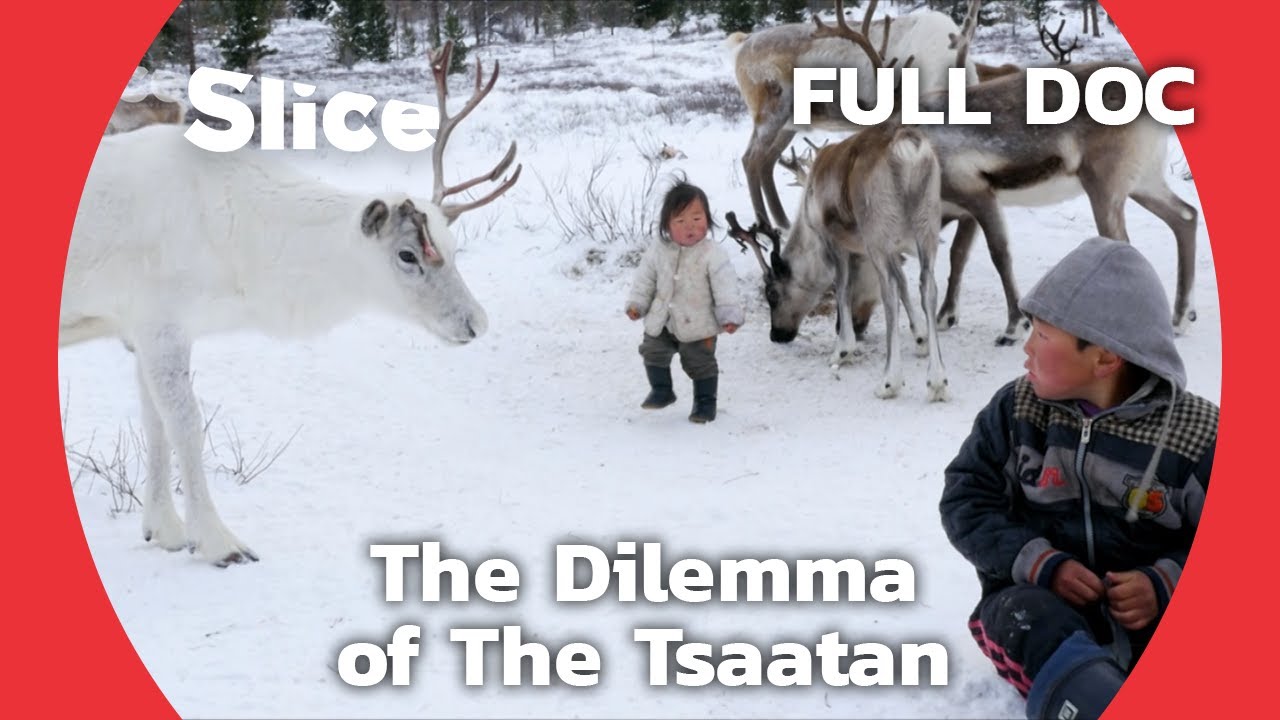
The Tsaatan people in Northern Mongolia face threats to their reindeer herding lifestyle.
Great Smoky Mountains National Park, straddling Tennessee and North Carolina, is known for its diverse ecosystems and rich wildlife.
The Nordland Railway traverses 729 kilometers from Trondheim to Bodø, crossing the Arctic Circle and showcasing Norway's remote, snow-covered landscapes.
In the Indo-Pacific region, the unique marine biodiversity and the traditional lifestyles of sea nomads face significant challenges due to environmental changes.
The Panama Canal showcases an engineering marvel where man battled nature in Central America.
In Brazil, brothers Expedito and Raimondo navigate the legendary Paraguaçu River, while Roy advocates for the preservation of Chapada Diamantina's vast territory.
The Congo River, a vital habitat for diverse wildlife, supports species such as the shoebill stork, metre-long pythons, and massive hippos.
A wall of mountains 300 km long rises at the border with Switzerland, home to diverse wildlife and the efforts of conservationists like Stefan Regazzoni.
A sperm whale can dive to depths of 600 meters, relying on echolocation to navigate the dark abyss and hunt for prey.
More than 80 percent of the global population lives with light pollution that disrupts natural ecosystems and threatens various species' survival.
The series 'Elephants Up Close' presents insights into Africa's gentle giants and their behaviors.
A leopardess carries the remains of a young eland through the gallery forest of the Serengeti to provide for her five-month-old cub.
The Wupper River in Germany, once heavily polluted by industrialization, has undergone significant renaturation efforts, resulting in a thriving ecosystem and revitalized wildlife.
A snowy owl mother must abandon one of her chicks due to a shortage of lemmings on Wrangel Island.
A 24-foot tiger shark, one of the largest predatory fish, is a key focus for divers in the Atlantic Ocean near the Bahamas.
In Grand Canyon National Park, various animal species demonstrate interdependence and adaptability in their survival strategies amid a challenging environment.
Wild America showcases remarkable instances of animals evading predators, highlighting the extraordinary survival tactics employed in the natural world.
Manta rays, known for their intelligence and complex behaviors, are studied by Dr. Kathy Townsend and her PROJECT MANTA team across locations like Mexico and Australia’s Great Barrier Reef.
The Anavilhanas and Mariua archipelagos along the Rio Negro host over 1,000 river islands that are home to a diverse array of unique wildlife.