From over 100,000 films, discover the handful you'll love.
Free or premium access to the world's largest documentary library.
3994 films(Page 16 of 84)
In the Straits of Gibraltar, migratory animals, including over 300 million birds and orcas, navigate a complex ecosystem shaped by historical and contemporary challenges.
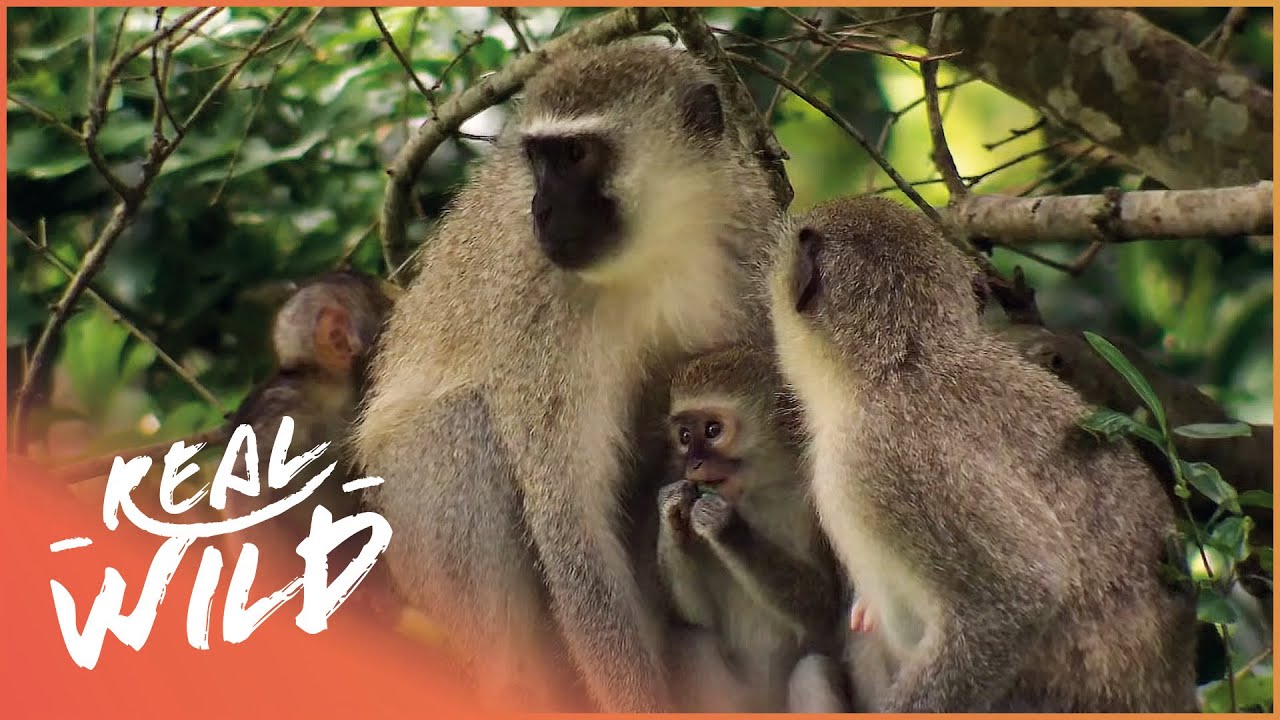
In a luxury golfing estate in South Africa, Vervet Monkeys contend with the encroaching Sugar Cane Gang during the critical Mating Season.
In Öland, Sweden, a moose detective investigates the mysterious deaths of moose calves, linking potential causes to climate change and food shortages.
In Uganda's Rwenzori mountains, brothers Makumbi and Musa guide a group of foreigners through a surreal landscape of giant bamboo forests and diverse wildlife.
Around 140 Cantabrian brown bears inhabit the rugged mountains of northern Spain, thriving in a region with an annual rainfall of about 2,000 millimeters.
A newborn elephant weighs almost 100 kg at birth and must quickly learn to navigate the dangers of the African savannah to survive.
A school of up to 300 dolphins is spotted off the coast of São Tomé, where local conservationists work to protect the island's marine life.
Octopuses and their relatives, including squid and cuttlefish, are examined for their intelligence and unique adaptations in the marine environment.
Gibbons, agile tree-dwelling apes native to Asia, are critically endangered due to habitat destruction and hunting for food.
Butterflies, with over 150,000 species and remarkable life stages from egg to caterpillar to cocoon, exhibit complex behaviors captured in stunning global footage.
Wild animals rely on their sense of touch for survival, navigating the fine line between pleasure and pain in their daily lives.
Learn how dinosaurs roamed the earth and survived in extreme conditions for millions of years.
Jacques Cousteau's transformation from a destructive oceanographer to a pioneering environmentalist is explored through wildlife footage and archival material from his global expeditions.
Bill Mason spent three years in the Northwest Territories capturing the behavior of northern timber wolves and Arctic wolves in their natural habitat.
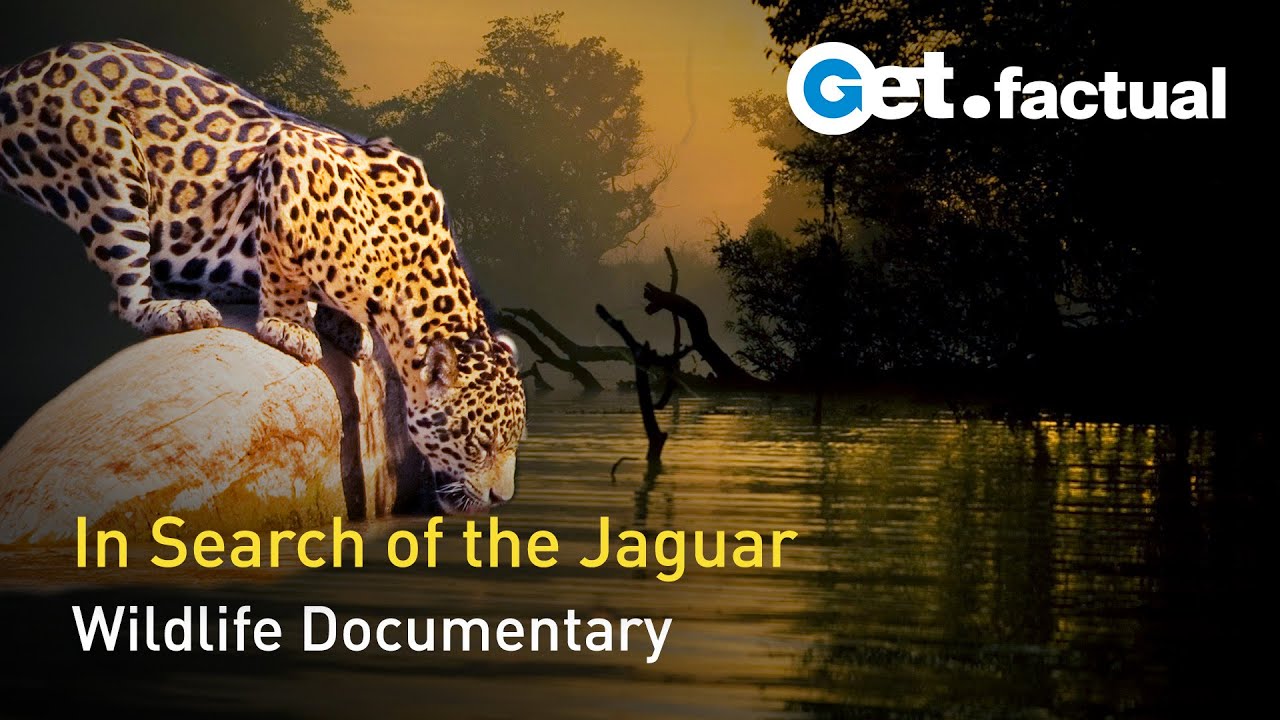
In the Pantanal of South America, filmmaker Christian Baumeister seeks to capture footage of a jaguar preying on a caiman amidst a diverse ecosystem.
Marcio, a guardian of the sea, regularly encounters schools of 100 to 300 dolphins off the coast of Sao Tome and Principe.
Armadillos, known as "little armored ones" by Spanish Conquistadors, exhibit unique adaptations that make them agile swimmers and powerful diggers.
In Poland's Biebrza National Park, the seasonal transformations of the Biebrza River wetlands reveal the intricate lives of diverse wildlife, from migrating geese to predatory sea eagles.
Eagle owls, once nearly extinct in Germany, now have about a thousand breeding pairs in the Black Forest, where they hunt and raise their young.
On the remote shores of Sable Island, N.S., the world's largest breeding colony of grey seals gathers to give birth, nurse their pups, and mate.
Forests around the world, from Scandinavia's taiga to the Amazon's jungles, play a crucial role in Earth's ecosystems by supporting diverse wildlife and maintaining ecological balance.
Badgers, known for their fierce nature, actively defend their territory and compete for food against various predators in their natural habitats.
Brown bears can deliver a punch strong enough to crush a bowling ball, using their powerful paws in battles for territory and mates.
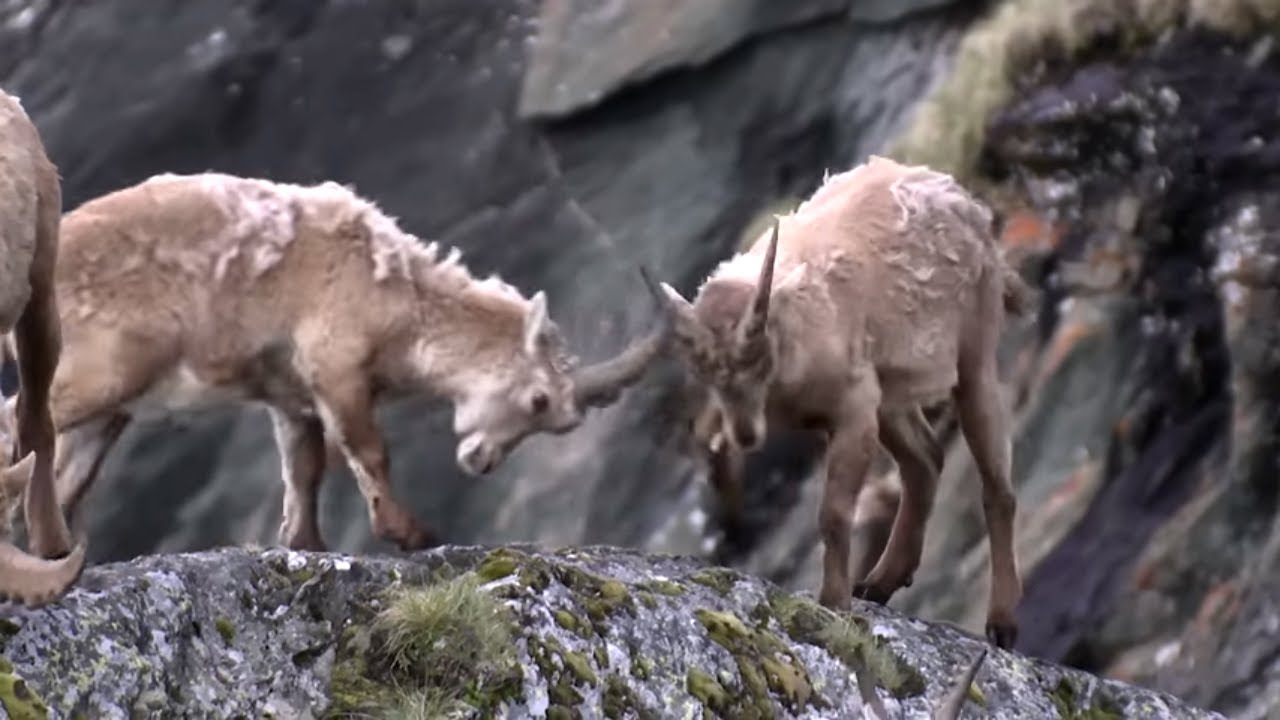
In the high zones of the Alps, unique species have adapted to survive extreme conditions, human exploitation, and the pressures of mass tourism.
A newborn baboon named Mkuu learns the dynamics of his troop in Kenya's Rift Valley, where dangers from predators loom each night.
Director Jan Haft highlights the crucial role of wild bees in pollination and food production.
5,000 kilometers of springtime transformations unfold across Europe, from the Alps to the Arctic, revealing diverse climates and ecosystems.
Giant Burmese pythons threaten Florida's wetlands, prompting a team of experts, including a biologist and an exotic reptile breeder, to capture these invasive snakes in the Everglades.
One young seal is killed by orcas every few minutes along the Patagonian coast as these predators hunt to build fat reserves for survival.
Over 16,000 species worldwide are considered vulnerable, with many wild cats in Africa facing threats from habitat loss and climate change.
More than a million pangolins have been poached from the wild since 2000, pushing the species to the brink of extinction.
In Madagascar, a chameleon races against time for survival while a vulnerable family of lemurs navigates treacherous peaks to stay alive.
Less than 500 Ethiopian wolves remain in the highlands, where a young wolf named Megeti struggles to find a new pack after losing her own.
Every four years, lemmings experience a population boom, providing essential food for snowy owls that can lay up to eleven eggs in a single season.
Plants play a vital role in ecosystems and possess remarkable capabilities, yet they are often overlooked and mistreated by humans.
In Indonesia's remote islands, a three-part series explores unique wildlife, including the Komodo dragon and ancient ecosystems shaped by volcanic activity.
In diverse ecosystems around the globe, from the deserts of Namibia to the Pacific Ocean, remarkable natural events are showcased by BBC Earth.
In Zambia's Bangweulu wetlands, the shoebill hunts fish, while in Brazil's Amazon, unique river monsters lurk, showcasing the world's most unusual wildlife.
One billion birds fly over Israel each spring as they migrate from Africa to Europe and Asia, stopping to rest in the Great Rift Valley.
In the Ashio Mountain Range of Japan, mother Moon bears and their cubs navigate the challenges of survival after emerging from winter hibernation.
A 14-hour flight brings anthropologist Nastasia Martin and her team back to Kamchatka, where they reunite with a clan living in the forest.
New Zealand's Stewart Island has a population of just 400 inhabitants, including Furhana, who cherishes the natural beauty of her surroundings.
Zena, a tiger recovering from surgery, and Rambo, a new arrival, highlight the challenges faced by the zoo team at Tiger Island in caring for these big cats.
A massive chamber in Dragon's Breath Cave descends 60 meters and contains the world's largest underground lake, filled with ancient fossil water.
The Channel Islands, located off the coast of California, are home to unique wildlife such as the Island Fox and are recognized as one of America's National Parks.
Sabah, in Malaysian Borneo, features unique wildlife and dense rainforests accessible by boat.
River flows 560 kilometers from its source in Borneo's highland rainforests to the Sulu Sea, supporting diverse wildlife and ecosystems.
In Siberia, the harsh living conditions of the world's coldest inhabited place are examined alongside the mysteries of the San Bernardo mummies in Mexico.