From over 100,000 films, discover the handful you'll love.
Free or premium access to the world's largest documentary library.
3995 films(Page 32 of 84)
Naturalist Brian Keating shares his experiences with wildlife in the Rocky Mountains and highlights conservation efforts in Rocky Mountain National Park.
In Louisiana's bayou, Troy Landry collaborates with local experts to address concerns about a mysterious creature threatening the community.
More than 50,000 people live along the edges of Greenland, where the sun disappears for months and life persists amid ice and ocean.
Forests showcase complex mechanics and strategies for survival in diverse environments.
Butterflies undergo four distinct life stages-egg, caterpillar, chrysalis, and adult-showcasing their evolution as one of nature's most remarkable insects.
Icy coastlines, from the Arctic to the Southern Ocean, support diverse marine life, highlighting their crucial role in the health of the world's oceans.
In the ancient walled city of Harar, Ethiopia, a family of hyena men feeds wild hyenas by hand, fostering a unique bond that promotes conservation efforts.
In the animal kingdom, various species employ unique mating rituals and strategies, showcasing their creative adaptations for survival in the wild.
Every year, millions of wildebeest, zebras, and other animals traverse the Serengeti and Maasai Mara, facing predators and harsh landscapes in search of survival.
The reintroduction of brown bears in Europe highlights the complexities of wildlife conservation and the challenges of coexistence with local communities.
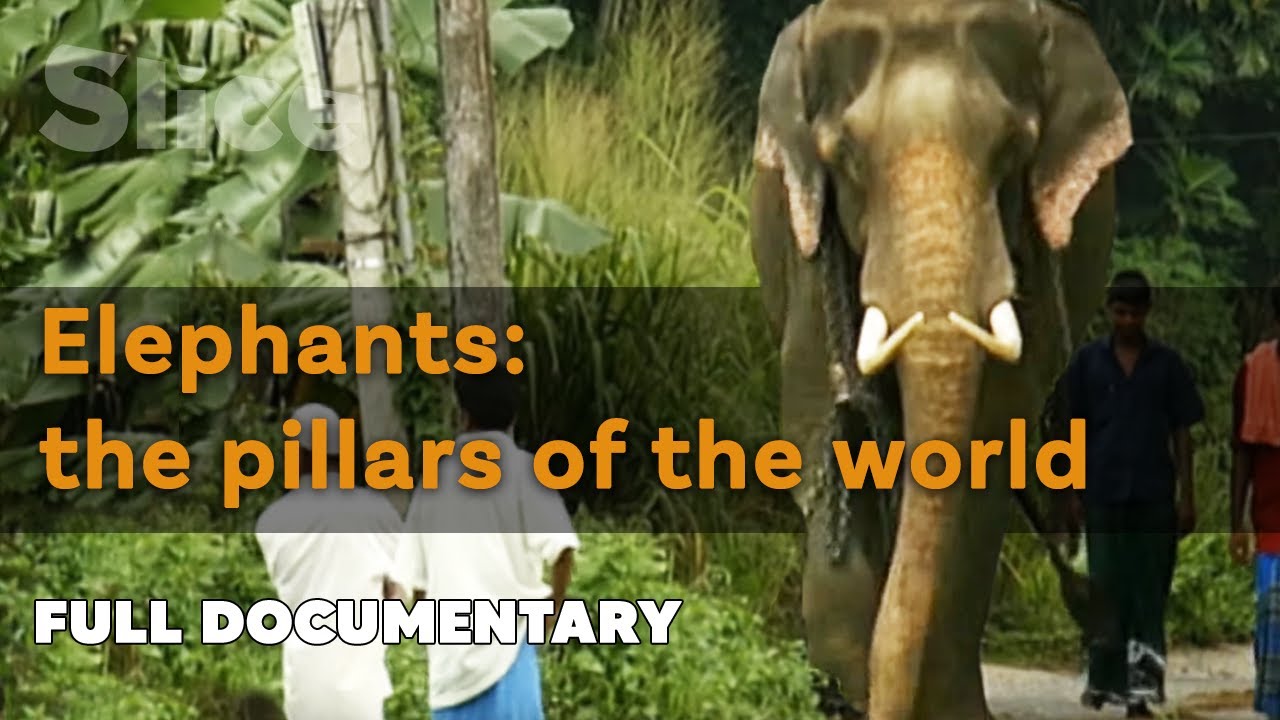
Two million worshipers gather annually in Sri Lanka to honor the tooth of the Buddha, parading the most handsome elephants in a major religious ceremony.
African wildcat mothers in the wild provide crucial protection and guidance to their kittens as they learn essential survival skills in their natural habitat.
The isolated Auckland Islands showcase surprising wildlife, including sea lions and yellow-eyed penguins.
Reptiles such as lizards, chameleons, crocodiles, snakes, and turtles exhibit remarkable adaptations and survival strategies in their competitive environments.
Bottlenose dolphins use echolocation to locate fish from 200 meters away, relying on sound to coordinate their hunting efforts in murky waters.
In Arctic regions, wildlife filmmaker Gordon Buchanan explores the survival strategies of snow-dwelling animals, including polar bears, owls, and penguins.
Estimates suggest there are fewer than 3,000 pygmy hippos left in the wild, primarily due to habitat loss, pollution, and hunting.
America's endangered species, including lesser-known birds and fish, face significant survival challenges, with some never before captured on film.
Germany's rivers, including the River Rhine and the glacial streams of Berchtesgaden National Park, host a diverse array of wildlife in their hidden ecosystems.
Naked Science examines past mass extinctions and their implications for humanity's future.
Remote Atlantic islands, from Iceland to Antarctica, are formed by volcanic activity along the mid-Atlantic Ridge and host unique wildlife found nowhere else.
Over 40 million buffalo once roamed the American west, but by the late 1800s, their population had plummeted due to hunting and habitat loss.
Extreme habitats around the globe, from polar regions to deserts, showcase the remarkable adaptations of wildlife that survive in harsh environments.
In the African savannah, the film highlights the nurturing behaviors of wildlife, showcasing maternal care, playful interactions, and the bonds between animal mates.
Giants of the Pacific adapt their feeding strategies for survival in diverse environments.
In the snowy landscapes of Scandinavia, Norway lemmings and South African rock dassies illustrate remarkable survival strategies against predators in their unique ecosystems.
In the animal kingdom, taste and smell play crucial roles in survival, with receptors located in various unexpected places across different species.
In the wild, baboons and warthogs exemplify the importance of family bonds as young animals learn to navigate challenges and develop survival skills.
Egypt's Great Pyramid at Giza, built 4,500 years ago, remains the only intact structure of the Seven Ancient Wonders of the World.
Overfishing has caused a decline in fish populations, with one marine conservationist noting that the spring salmon run has not occurred for years.
In the Maasai Mara, the Rock Pride of lions and a female-led clan of spotted hyenas engage in a fierce struggle for survival and dominance.
Along Africa’s eastern coast, billions of sardines migrate annually, prompting a massive feeding frenzy involving dolphins, sharks, gannets, and seals.
Dangerous animal encounters are highlighted through various incidents, including a bear confrontation on a TV set and interactions between species like grasshopper mice and scorpions.
Six females from the Gol Kopje pride struggle to survive in a 200 square kilometer territory during the harsh dry season of the Serengeti.
The Galapagos Archipelago faces ecological decline due to climate change and disrupted ocean currents, as documented by a team aboard the Sedna IV.
In the Cayman Islands, the invasive red lionfish disrupts coral reef ecosystems, prompting a team aboard the Sedna IV to address urgent conservation challenges.
Human impact on biodiversity has led to a significant increase in extinction rates, prompting urgent discussions about the long-term consequences of civilization's expansion.
Stags, badgers, foxes, bats, and magpies are authentically filmed in their natural habitats, highlighting their behaviors and ecological roles while debunking myths.
Bison can reach charging speeds of over 60 km an hour, making them one of the fastest animals on the Great Plains despite their massive size.
In Kyrgyzstan, semi-nomadic horsemen like Muscat Boruchev work to revive the endangered Kyrgyz horse breed while organizations like eBilim provide education in remote areas.
In the Red Sea, biologist Angela Ziler and dolphin expert Michael Scherman study wild dolphins, revealing their social behaviors and interactions, including the recovery of an injured dolphin named Ferdinand.
Death serves as a fundamental aspect of evolution, influencing ecosystems and the cycle of life in various species across the planet.
Ten pairs of sea eagles nest in the Lauenburg Lake District, a region where their population has stabilized after facing extinction 30 years ago.
In Africa, survival is influenced by lethal weapons such as the crushing jaws of hippos, the brute force of lions, and the venom of puff adders.
Today, there are around 2,000 Przewalski's horses roaming free in Mongolia, a species brought back from the brink of extinction through conservation efforts.
Wildlife adapts to disasters, using unique strategies to survive and thrive in harsh conditions.
Asian Ladybirds and Colorado Potato Beetles are examined for their potential in cancer treatment and innovative construction methods by Professor Andreas.
Cree and Inuit communities in the Hudson Bay and James Bay regions are advocating for the protection of their vital waters, essential for their way of life.