From over 100,000 films, discover the handful you'll love.
Free or premium access to the world's largest documentary library.
3995 films(Page 35 of 84)
In Erindi Game Reserve, Namibia, wildlife expert Steve Leonard explores the diverse ecosystems and behaviors of birds and elephants.
Andreas Kieling tracks rare species and captures thrilling adventures around Cape of Good Hope.
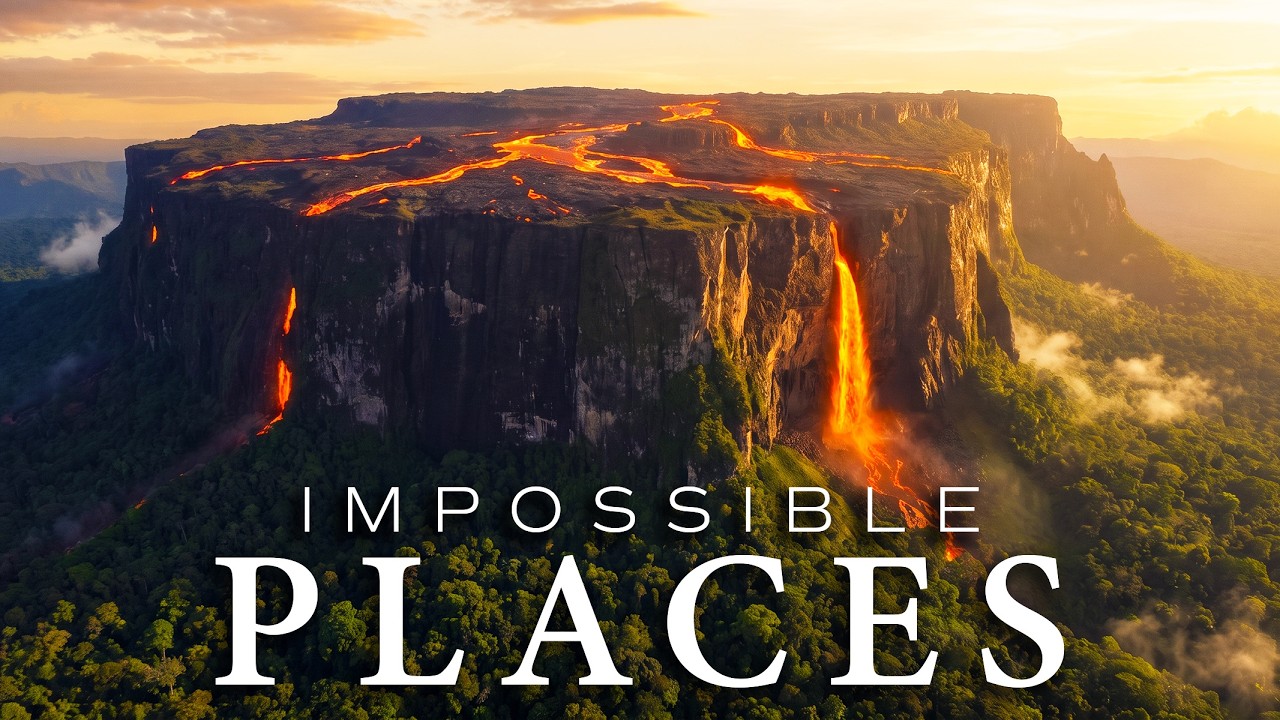
In stunning 4K, breathtaking landscapes and hidden natural wonders from around the globe are showcased, revealing Earth's most visually striking locations.
The Guadalquivir River in southern Spain supports diverse wildlife, including red deer and foxes, while highlighting global conservation challenges for species like giraffes and elephants.
Doñana National Park in Andalusia, Spain, features diverse ecosystems and migratory birds.
In South Africa, handler Joseph introduces 4-year-old elephant Maliaka to schoolchildren at a wildlife park, while in Australia, Anya the wallaby receives care from her nanny Guni.
Alfred Balmer spends fifteen years at the Limbe Wildlife Center forming a bond with Niango, a rare Cross River gorilla, while searching for her lost relatives in Cameroon.
At Hamburg Zoo, two young elephants experience daily life and interactions with their keepers, highlighting the nurturing environment for animal babies.
Rare and remote ecosystems around the world are showcased in stunning 4K detail, revealing Earth's hidden natural wonders shaped by time and isolation.
Elephants, butterflies, and snakes showcase their specialized sense organs and adaptations, revealing how animals navigate environments and communicate through smell.
Sabertooths, Irish Elks, and Tasmanian Tigers are examined for their unique histories and the factors contributing to their extinction.
A 1,500 km canoe trip through six rivers in Canada’s wilderness aims to raise awareness about environmental protection and Indigenous rights.
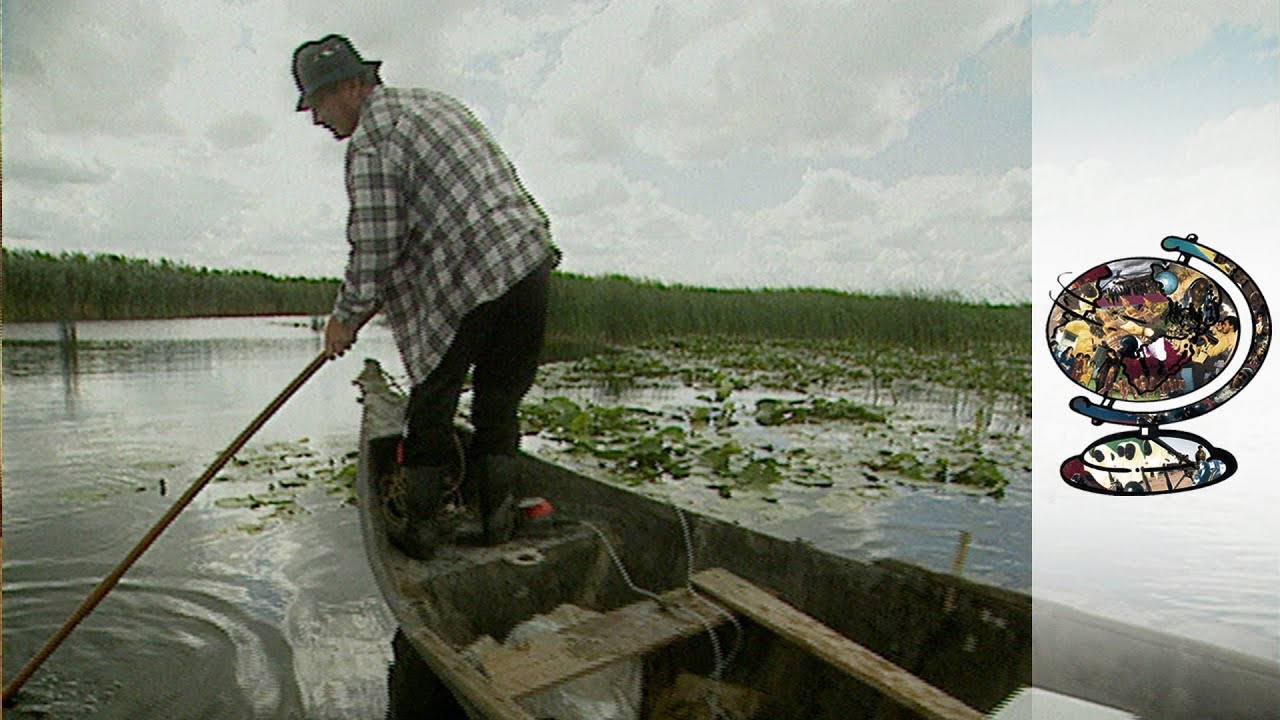
30,000 hectares of wetlands were drained under Nicolae Ceausescu's regime, leading to the loss of 200 lakes and devastating local ecosystems.
Marty Stouffer explores the Atchafalaya Basin in southern Louisiana to track the elusive black bear and its surrounding wildlife, including bobcats and alligators.
Ants, crocodiles, rhino beetles, bears, and mantis shrimps showcase their incredible strength and power in a competition to determine the ultimate powerhouse of nature.
Marty Stouffer explores various species of hummingbirds, including the ruby-throated, bee, black-chinned, rufous, broad-tailed, and calliope hummingbirds.
Langur monkeys in Jodhpur, India, are treated as divine protectors, believed to be descendants of Hanuman's companions from Hindu mythology.
Wildcats in Europe can weigh up to 18 pounds and measure three feet long, adapting to survive in forests and urban areas despite human encroachment.
In diverse ecosystems from North American grasslands to African plains, animals like walruses, rhinos, and elephants utilize tusks and horns for protection and dominance.
Madagascar's reliance on bush meat is threatening its unique wildlife and the health of the Malagasy people, as highlighted by epidemiologist Christopher Golden.
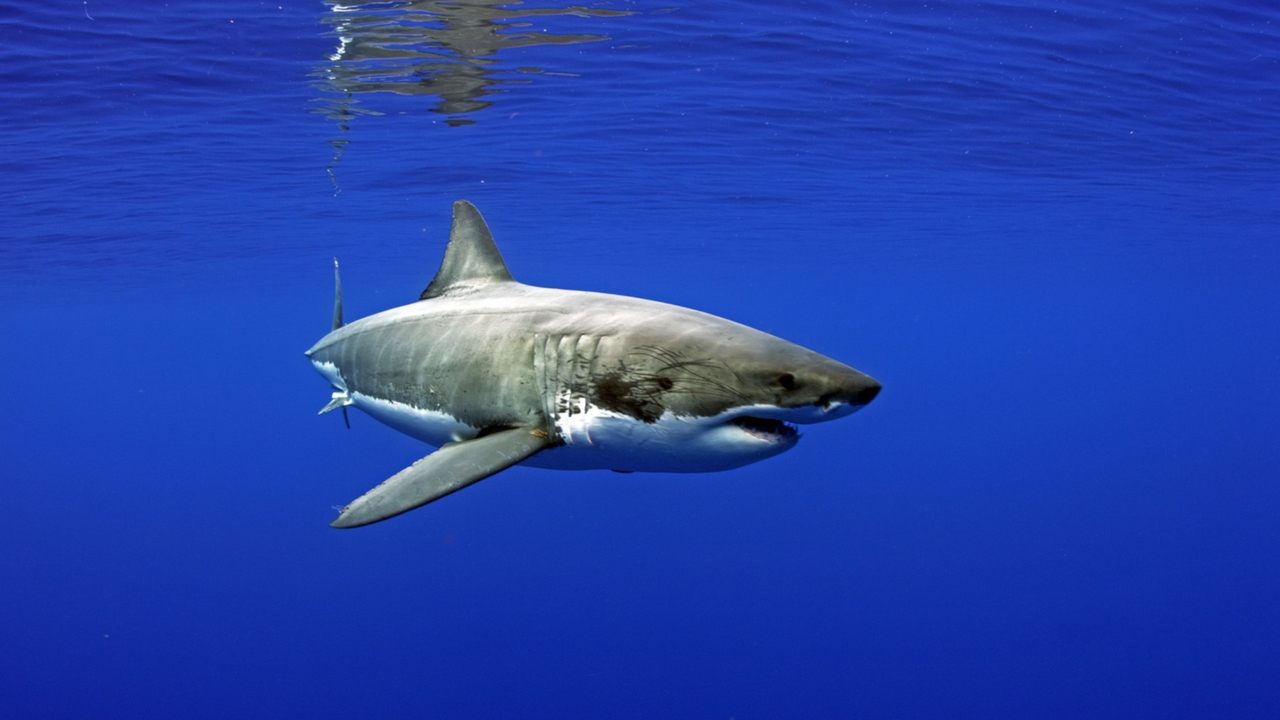
Ben Cropp, a former shark hunter and marine conservationist, explores tiger shark behavior while showcasing artifacts from his shipwreck museum in Australia.
In Britain’s largest zoos, engaging animal and human characters interact in a wildlife series that highlights their unique behaviors and relationships.
At Hamburg Zoo, various animal babies are showcased as they engage in charming adventures under the care of dedicated keepers.
If the entire ice sheet in Greenland were to melt, global sea levels would rise by 7 meters, impacting communities worldwide.
At Hamburg Zoo, zookeepers monitor the health and development of an alpaca foal born with health issues, alongside other young animals like meerkats and seal pups.
North America's deer family, including elk, moose, and caribou, showcases unique survival tactics and adaptations in their natural habitats.
In Africa's national parks, apex predators like lions and cheetahs navigate the harsh realities of survival, facing challenges during annual migrations.
Decommissioned naval vessels, like the USS Kittiwake in the Cayman Islands and the HMCS Annapolis in Canada, are transformed into artificial reefs that support marine life.
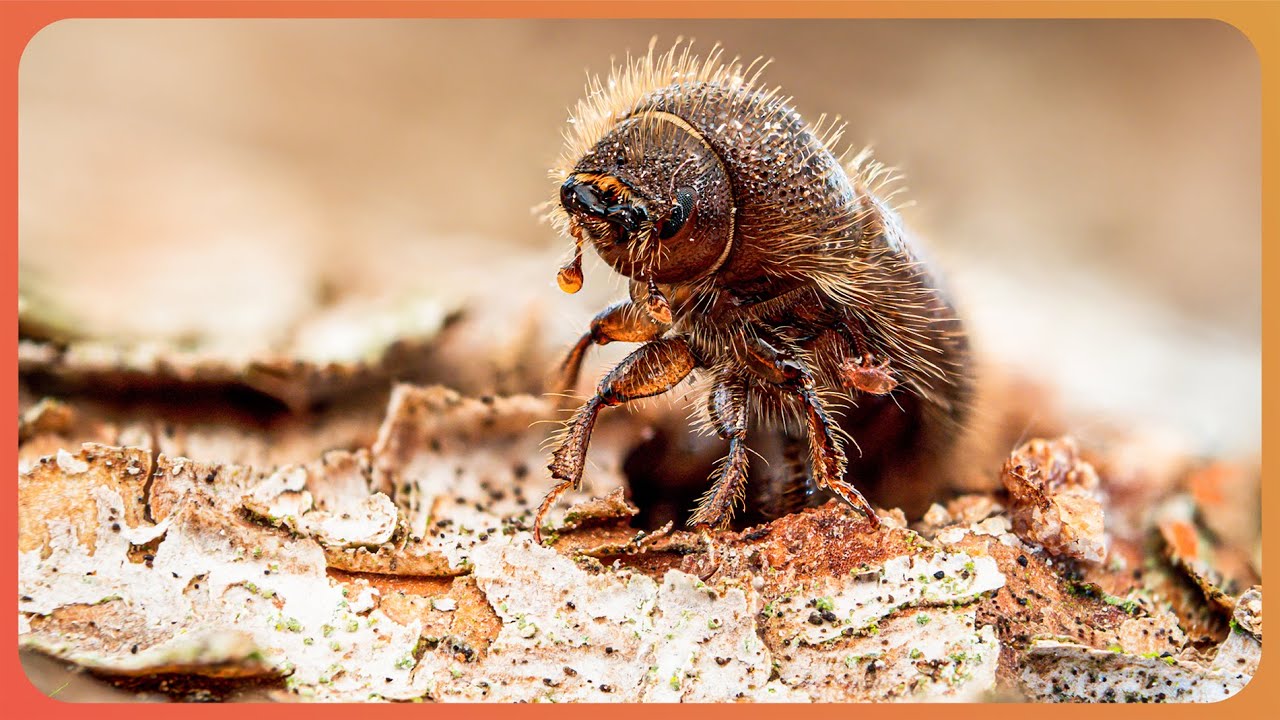
Dutch Elm Disease, spread by tiny elm bark beetles, threatens to decimate elm tree populations in America and Europe, prompting urgent scientific intervention.
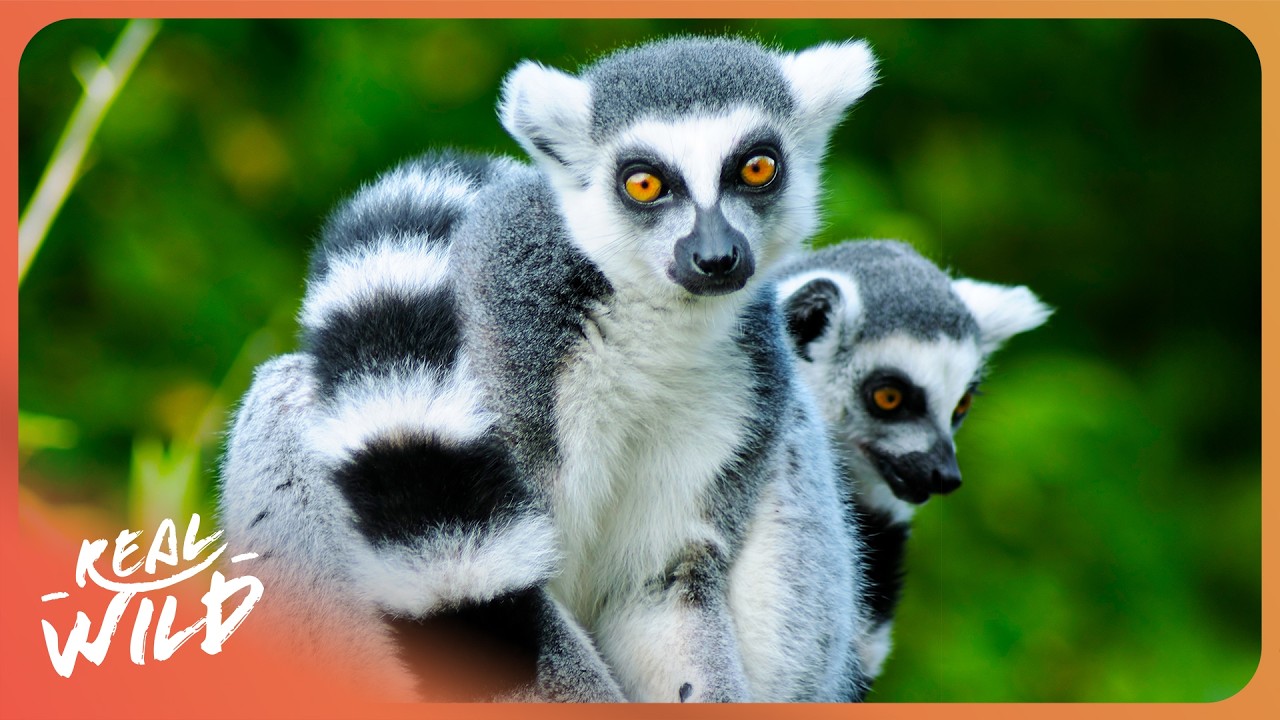
Madagascar's unique ecosystems, shaped by millions of years of isolation, support diverse wildlife, including endemic lemurs, chameleons, and culturally significant Zebu cattle.
Cousteau reported frogs over two feet long in Lake Titicaca, but current sightings suggest they may now weigh only about a pound.
In remote locations across Iceland, Russia, Thailand, and New Zealand, stunning natural wonders like the stone giants of Manpupuner and Kamchatka's volcanic landscapes are showcased.
Finches on the Galapagos Islands are developing back into one species as urban falcons adapt to night hunting.
A mother fox gives birth to six cubs, each weighing no more than 100 grams, in the Vienna Woods of Austria.
In Namibia's Oma Pride, lions exhibit complex social structures and hunting techniques, while sharks demonstrate unique predatory behaviors in their marine environments.
The Beluga Sturgeon faces extinction due to demand for their unfertilised eggs as caviar.
African elephants face severe threats from ivory poaching and habitat loss due to human population growth, prompting urgent conservation efforts across the continent.
Komodo dragons can grow up to 3 meters long and weigh around 75 kg, with some individuals exceeding 166 kg, making them the largest lizards on Earth.
A tidal range of 6 meters along Brittany's coast creates conditions that are two to three times more extreme than those of the North Sea.
In Brazil's Atlantic rainforest, herpetologist Mark O'Shea leads a team to capture the venomous bushmaster snake for antivenom research amid habitat loss.
At Hamburg Zoo, various animal babies experience unique adventures under the care of dedicated keepers, showcasing their lives in a nurturing environment.
In the United States, the Bureau of Land Management's Mustang roundups and organizations like Chimp Haven and Elephant Nature Park highlight efforts to protect wildlife from exploitation and habitat loss.
Baja California, Mexico, spans 800 miles and features ecosystems shaped over 10 million years, including the rich marine life of the Sea of Cortez.
Central Park attracts nearly 42 million visitors each year, serving as a vital green space for New Yorkers amidst the urban environment.
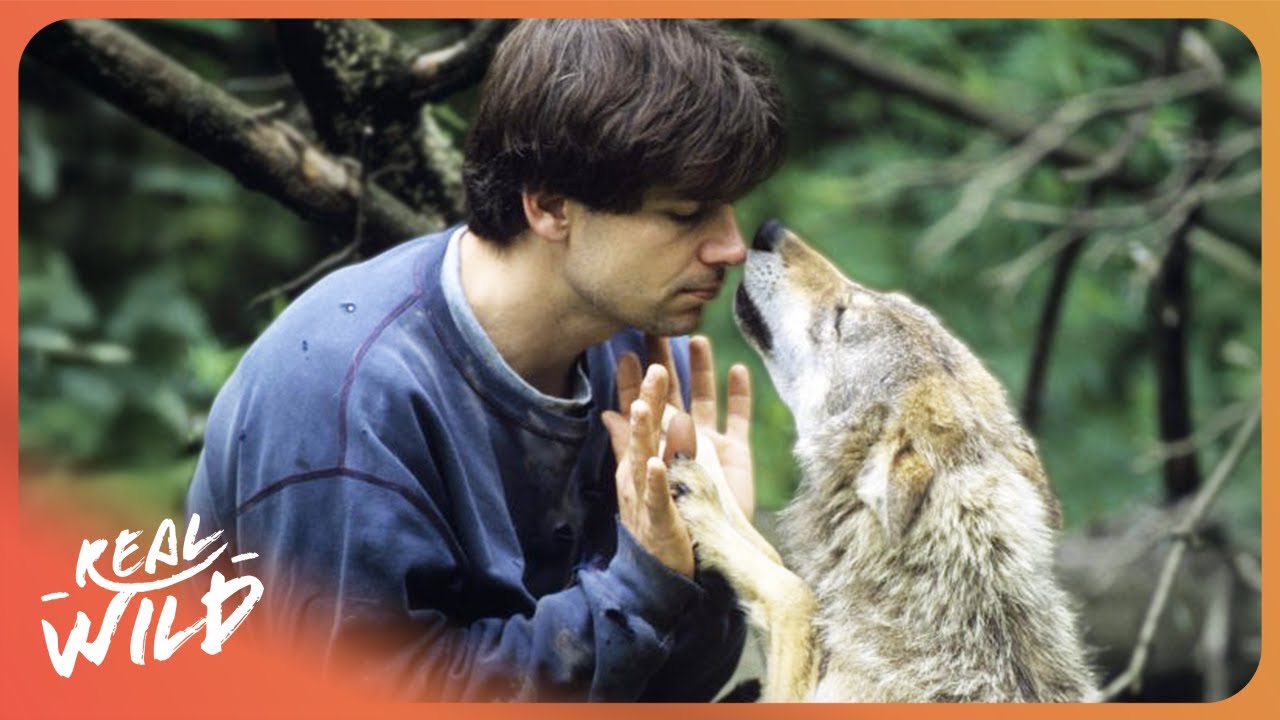
Zoltan Horkai, an animal trainer in Budapest, Hungary, prepares wild animals like wolves and bears for film productions using trust-based training methods.
Yellowstone's white bark pine ecosystem faces threats from blister rust and climate change, impacting wildlife reliant on its seeds, as scientists work to protect it.
Night vision cameras are set up to monitor the lions' activities after dark, revealing their behavior in captivity.
At Hamburg Zoo, various animal babies engage in playful adventures while being cared for by their keepers, showcasing their unique interactions and experiences.