From over 100,000 films, discover the handful you'll love.
Free or premium access to the world's largest documentary library.
3994 films(Page 54 of 84)
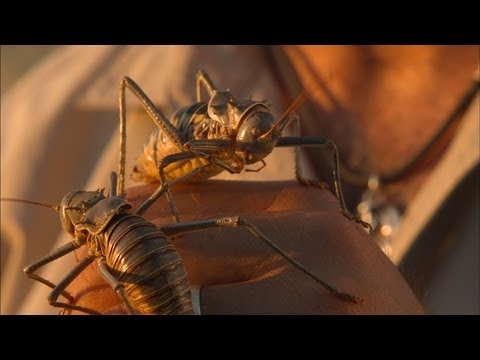
The giant cricket survives in the Namib Desert with its tough protective shield against predators.
Female glow-worms use bioluminescence to attract males during mating season.
The pharmaceutical industry is worth an estimated 1.42 trillion dollars, with many drugs derived from natural ingredients and indigenous knowledge.
Aerial footage highlights Botswana's ecosystems and wildlife, featuring the Okavango Delta and Chobe National Park, known for elephants and hippos.
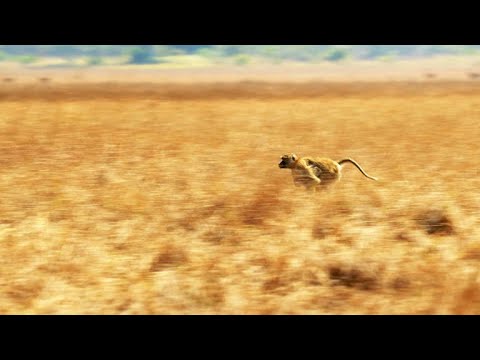
Kinda baboons bounce through tall grass to reach woodland in Zambia's wild landscape.
Tassan Wed Panga uses an undercover camera to gather evidence of the illegal clouded leopard trade in the Golden Triangle region of Southeast Asia.
A female birdwing butterfly emerges from her silk chrysalis, vulnerable and needing a day free from ash and rain while her wings harden.
In America's Mississippi, alligator hatchlings face immediate threats from predators as they instinctively make their way to the water after emerging from their eggs.
Octopuses possess remarkable camouflage abilities that allow them to blend seamlessly into their surroundings, posing challenges for fish trying to spot them.
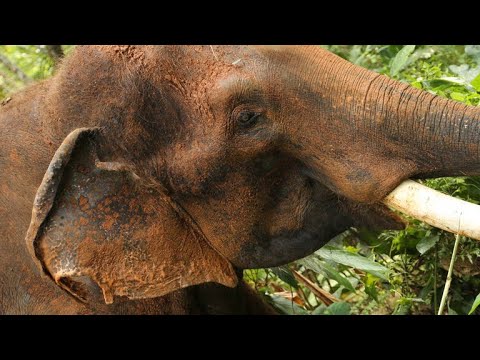
In Periyar National Park, severe poaching has led to a gender imbalance and psychological trauma among young bull elephants, resulting in aggressive behaviors.
Brazil faces a critical challenge in reversing deforestation in the Amazon, as scientists warn of an impending ecological tipping point.
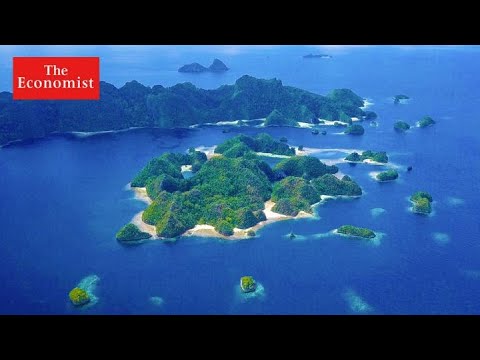
A 465 square mile marine protected area in Indonesia aims to combat illegal fishing and restore biodiversity in the Coral Triangle.
India's ambitious Great Green Wall initiative aims to combat desertification in the Thar desert by learning from successful examples in Africa and China.
An estimated 50,000 horseshoe crabs die each year due to the extraction of their blood, which is used in medical testing and vaccine production.
A giant anaconda navigates its perilous habitat, facing numerous challenges in its quest for survival across diverse environments.
Professor George Church aims to create a woolly mammoth using elephant DNA.
Sergey Zimov and his son Nikita seek to restore Siberia's Ice Age ecosystem through Pleistocene Park.
By the middle of the century, 25% of the world's soils will be affected by desertification, threatening the livelihoods of a billion people.
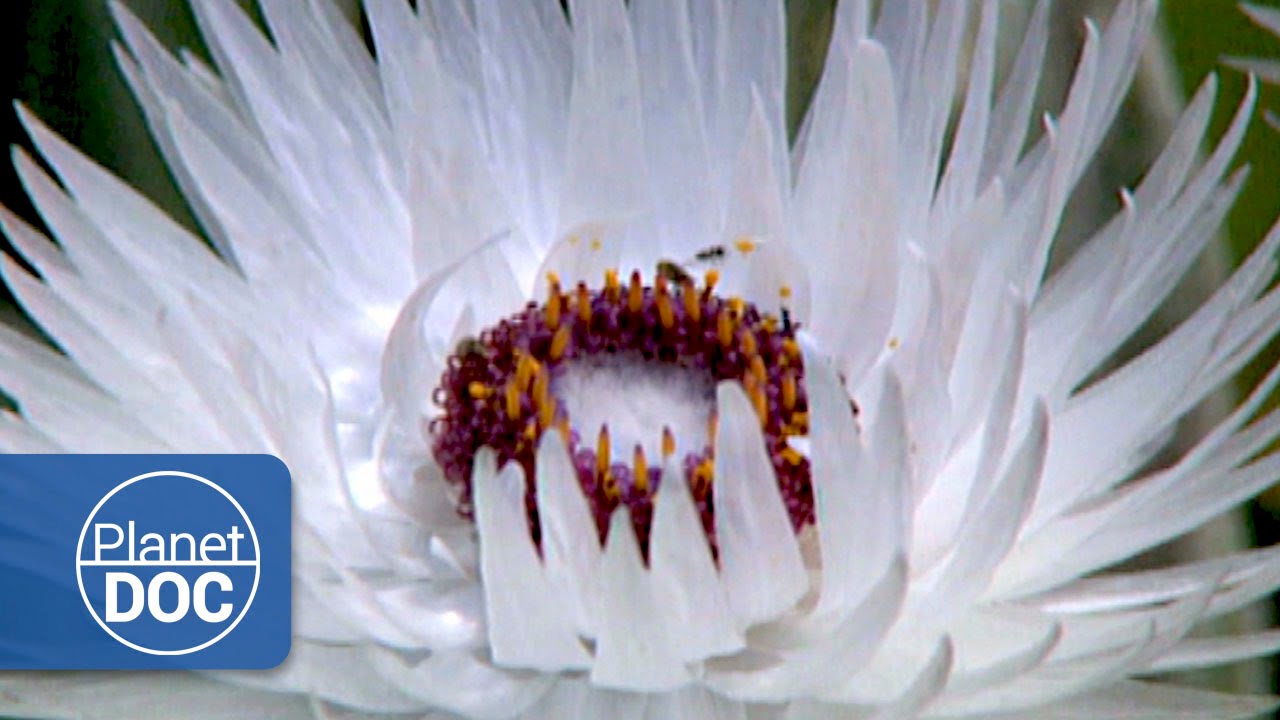
Cape Town features the diverse Fynbos floral kingdom in South Africa's unique ecosystem.
Joel Sartore's video highlights unique creatures like the Horsfield’s tarsier and discusses Elon and Twitter.
In the jungles of Borneo, the Nephentes carnivorous plants utilize unique traps to capture insects, showcasing their ecological role and intricate design.
In the rainforests of Borneo, carnivorous plants attract and trap insects, showcasing a unique predator-prey relationship within a biodiverse ecosystem.
Casey Anderson shows bighorn sheep rams battling in Montana for mating rights.
Wolves in Montana demonstrate their elite hunting skills as they track an elk herd, highlighting their crucial role in the ecosystem.
In the Montana wilderness, wildlife expert Casey Anderson observes scavengers like ravens and magpies, highlighting their crucial role in the ecosystem following animal deaths.
Adult bison can weigh 2,000 pounds, generating metabolic heat that helps them thrive in Montana's winter temperatures, which can drop to negative 40 degrees.
Casey Anderson highlights the ermine's survival tactics during snowy winters in Montana.
The cassowary, a dangerous bird, descends from prehistoric Moas of Gondwana.
This Spanish video showcases a cenote in Cuba and its unique ecosystem.
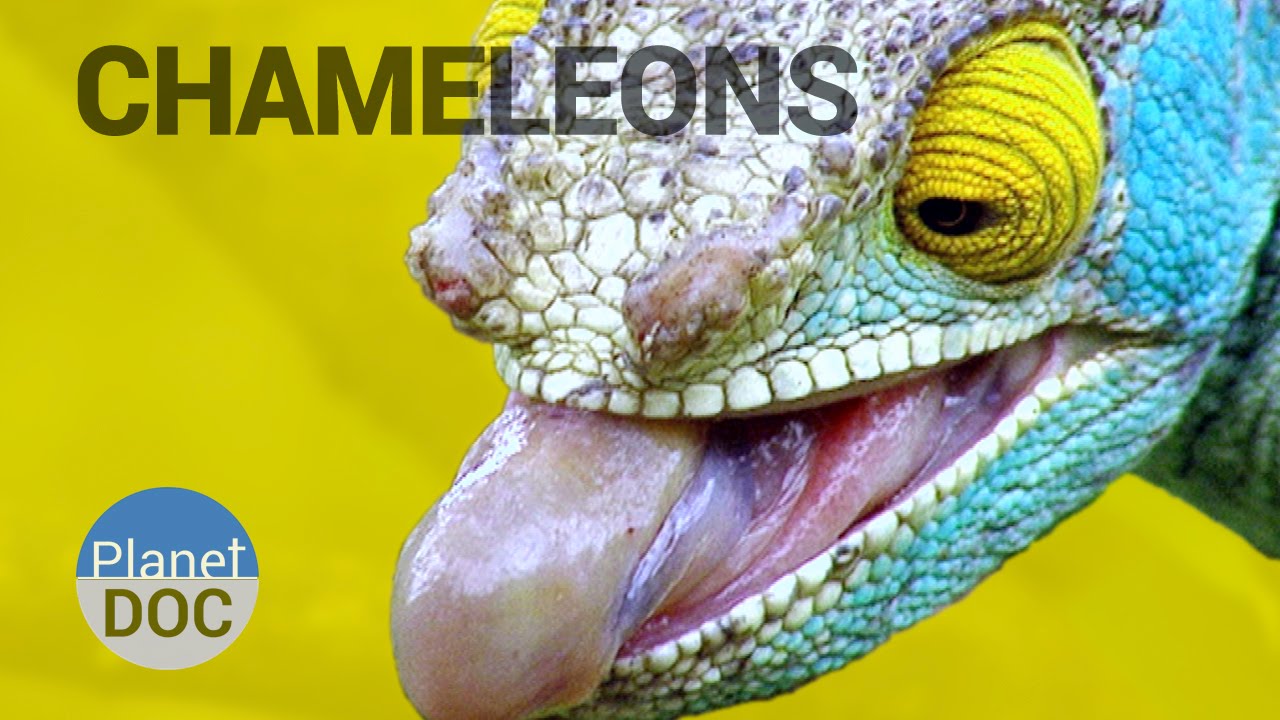
Half of the 135 existing chameleon species live in Madagascar and showcase unique adaptations.
Fewer than 20 Island Foxes remained on some Channel Islands, but conservation efforts have helped their population recover significantly.
Watch the Full Documentary about children raised in the wild and their survival skills.
Cocos Island, located in the Pacific Ocean, is presented as a remote paradise known for its natural beauty and diverse wildlife, attracting nature enthusiasts and explorers.
European bison could return to Romania, but locals face challenges from bison herds.
Darwin in Palau faces coral decline, while Dr. Ruth Gates in Hawaii fights to save reefs.
Hundreds of supposed Bigfoot footprints in the Pacific Northwest raise questions about their origin.
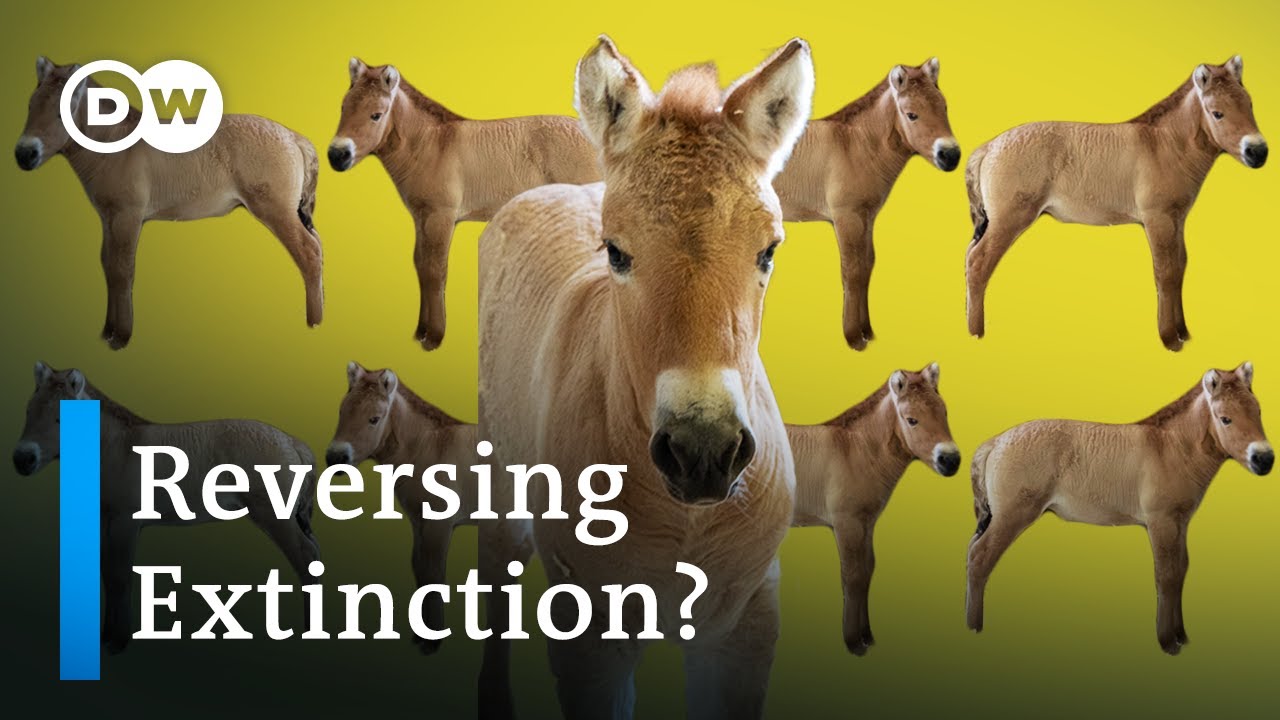
Only 12 wild ancestors remain in the gene pool of Przewalski's horses, prompting scientists to clone Kurt to increase genetic diversity.
Scientists use selective breeding to create climate-resistant coral for the Great Barrier Reef.
Cenotes in Cuba, formed by limestone filtration, connect to the sea and host diverse marine life, highlighting the ecological significance of these freshwater caves.
Cuba's mangrove swamps, a unique ecosystem where salt and fresh water converge, host diverse wildlife and are linked to Christopher Columbus's mermaid legend.
Two Darwin Stag Beetles battle for mating rights high above the Valdivian canopy.
David Attenborough discusses the bolus spider and reflects on mortality and nature's resilience.
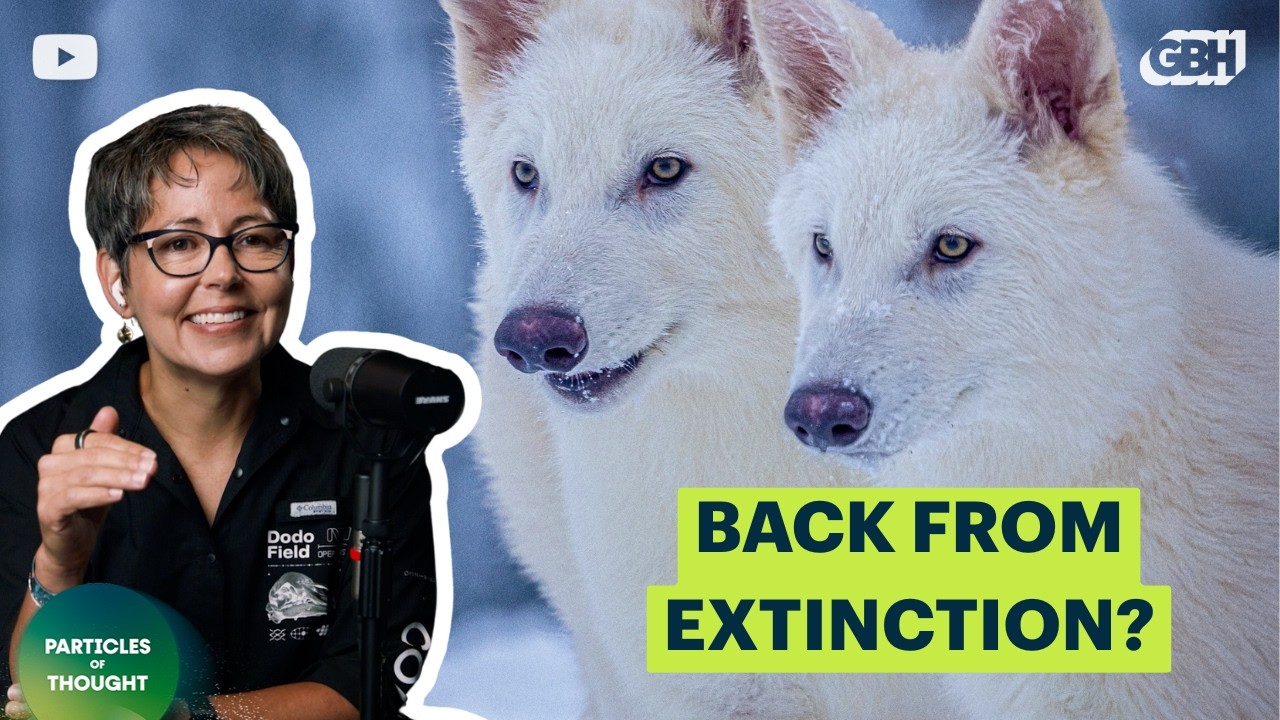
Beth Shapiro, Chief Science Officer at Colossal, explains the scientific principles behind de-extinction and why the scenarios depicted in Jurassic Park are unrealistic.
A volcanic eruption in Northern Canada 720 million years ago slows life's development on Earth.
People wonder about T. rex's skin covering, debating feathers versus scales.
Scientists estimate there are 3.04 trillion trees on Earth, a total number that actually astounds many.
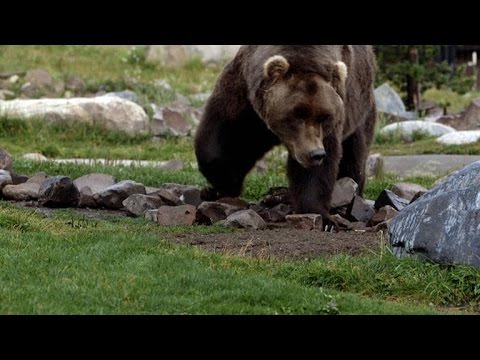
Brown bears eat 80-90 pounds daily, prompting comments like 'Love these shorts' and more.
Anacondas grow quickly in their early years, but once they reach 4 meters, their growth rate slows and they eat only when necessary.