From over 100,000 films, discover the handful you'll love.
Free or premium access to the world's largest documentary library.
3995 films(Page 28 of 84)
Mountain animals, including Golden Eagles and various Wild Sheep, exhibit unique survival adaptations to thrive in harsh alpine environments.
Colonel Joseph Kittinger ascended nearly 20 miles into the atmosphere in 1960 to test human endurance at high altitudes during a key military mission.
Jonathan Bird collaborates with shark researcher Kenesa Duncan to explore various shark species and marine environments, including oil rigs in the Gulf of Mexico.
Humpback whales off the coast of Hawaii are studied by marine biologist Daniel Opitz, who highlights the ongoing conflict between conservationists and whalers amid rising hunting quotas.
Glacier Bears, along with other gray creatures like Stone Sheep and Gray Wolves, illustrate the diverse roles of non-color in nature, as examined by Marty Stouffer.
A black caiman can grow up to seven meters long and weigh over one ton, making it one of the largest reptiles on Earth.
A Road Runner can reach speeds of over 30 kilometers per hour while hunting in the Sonoran Desert's unique ecosystem.
At the 2019 Explorers Festival, scientists present their efforts to study and protect lesser-known species from around the globe.
In Australia’s southwest coast, a sea lion pup navigates the challenges of life on land and in the ocean, relying on his mother for survival and learning essential skills.
In the Russian Far East and Terai grasslands, two young tiger sisters navigate their territory and prey amidst a shrinking wilderness and dangerous megafauna.
Bertie Gregory films great white sharks in South America without a protective cage, highlighting their hunting behavior and the impact of climate change on their environment.
Cheetahs can reach speeds of up to 130 km/h, using their speed and camouflage to hunt prey on the African savannah.
Owls, eagles, falcons, and vultures are examined for their lethal hunting strategies and survival tactics in the wildlife kingdom.
Fossorial animals, adapted to life underground, utilize their heightened senses to navigate complex ecosystems beneath the Earth's surface.
Snow covers the ground in early December, creating harsh conditions that challenge wildlife in Germany as they search for food and shelter.
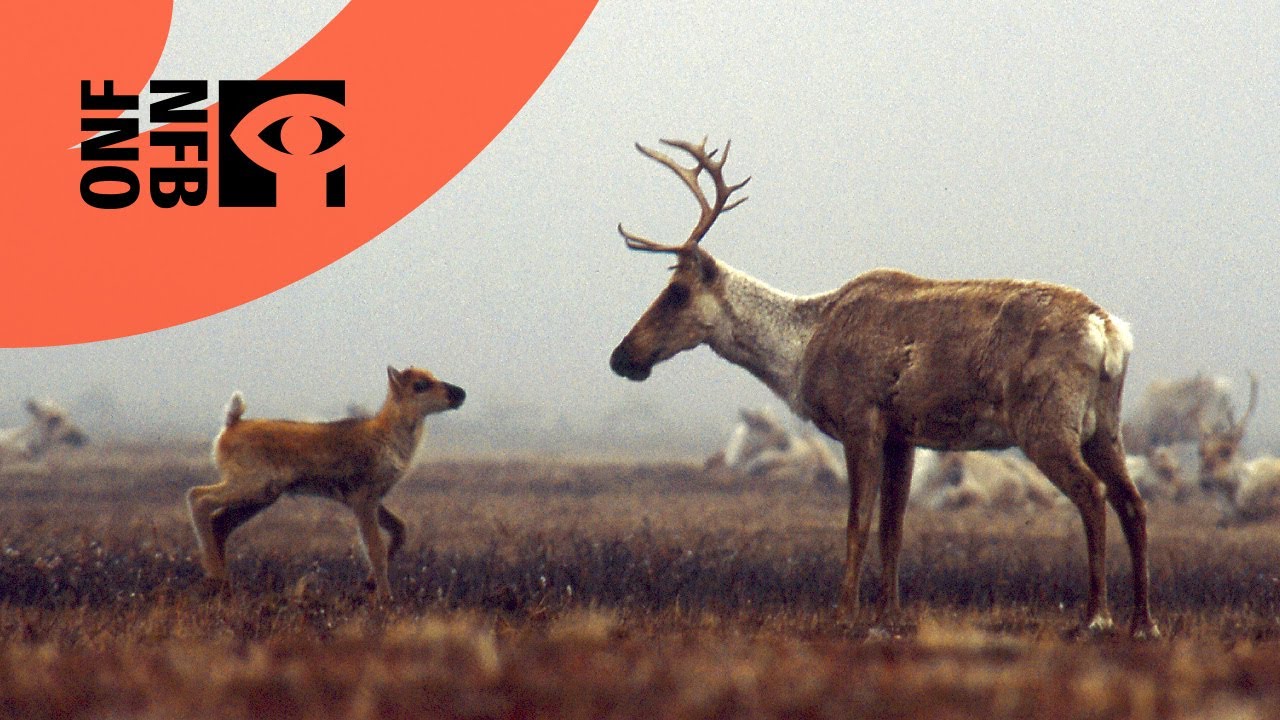
In the Arctic tundra, wildlife biologist Karsten Heuer and environmentalist Leanne Allison track a herd of 120,000 caribou, documenting the environmental threats they face.
In the jungles of New Guinea and the waters off South Africa, wildlife filmmakers document the interactions between humans and endangered species like jaguars and gorillas.
A male marsh harrier has a wingspan of over 1.2 meters and hunts for prey in fields while adapting to environmental changes.
Astronomers search for Earth-like planets among four hundred billion stars in our galaxy.
In Germany's Ruhr Area, abandoned industrial sites have become thriving habitats for wildlife, showcasing the region's remarkable ecological recovery.
Asian elephants face critical threats from human encroachment and habitat loss, highlighting the urgent need for conservation efforts to protect this species.
In the Maasai Mara, a pride of lions navigates the challenges of survival and social bonds as two cubs venture out to learn essential skills amidst human encroachment.
Burmese pythons in Florida's Everglades pose a significant threat to the ecosystem, prompting urgent efforts by Python Hunters to control their population.
Chester and Colchester Zoos showcase the daily lives of their animal residents and dedicated keepers, highlighting a variety of species and their care.
In the natural world, tigers and snow leopards utilize camouflage for hunting, while cuttlefish mimic their surroundings to evade predators.
Tusks of some species can weigh up to 100 kg, serving as powerful weapons for defense and foraging in the animal kingdom.
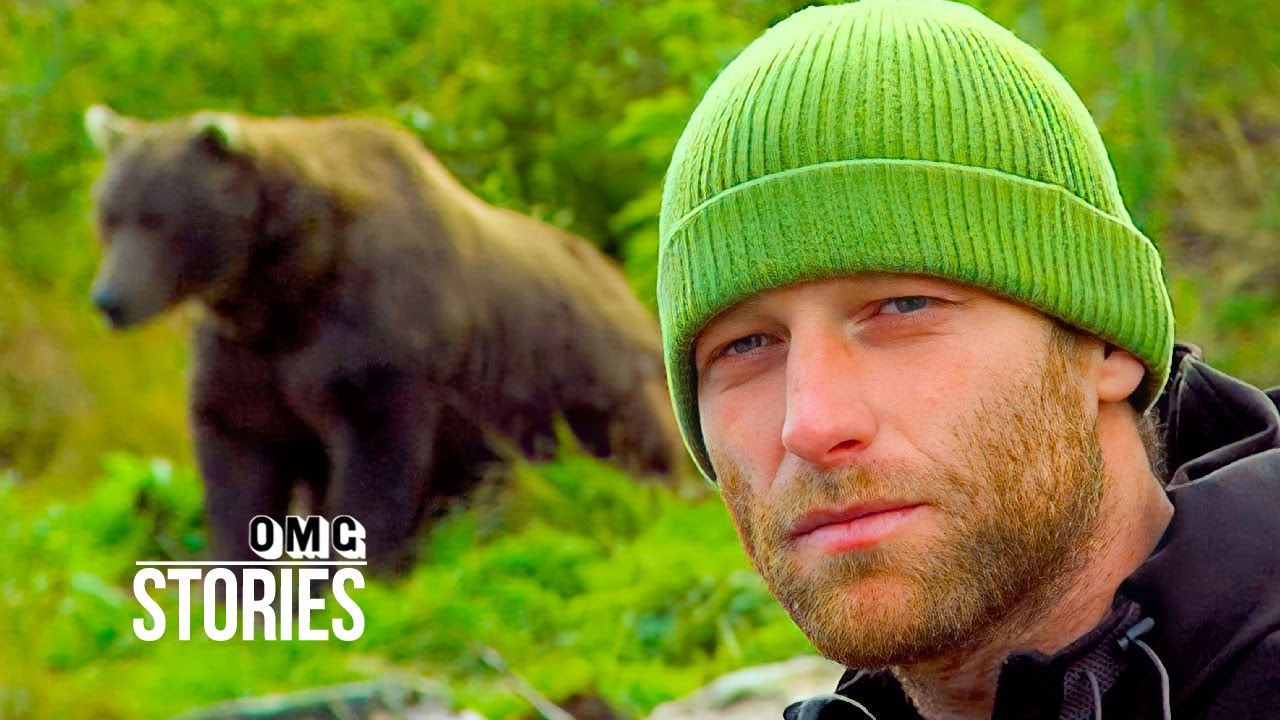
In the Alaskan wilderness, biologist David Bittner forges relationships with wild brown bears while documenting the annual salmon run amid harsh conditions.
The Nariva reserve, covering over 7,000 hectares, is the largest swampland and most important freshwater reserve in the Caribbean.
Wolves can reach speeds of up to 60 km per hour while hunting in packs of four to ten members, using teamwork to take down prey.
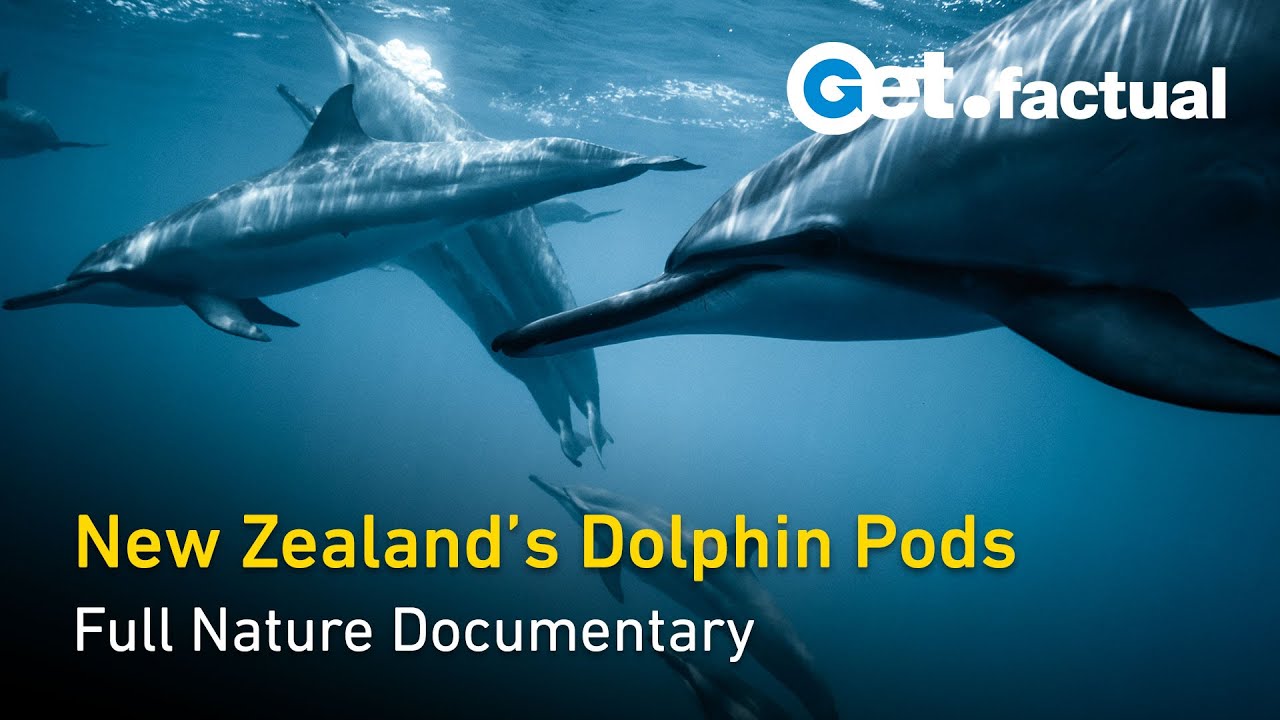
Different dolphin species in New Zealand showcase unique survival strategies and social structures.
Life around Masaya Volcano in Nicaragua re-emerges from volcanic ashes and harsh conditions.
More than 2,000 millimeters of precipitation annually qualifies a region as a rainforest, with cold rainforests often receiving twice that amount.
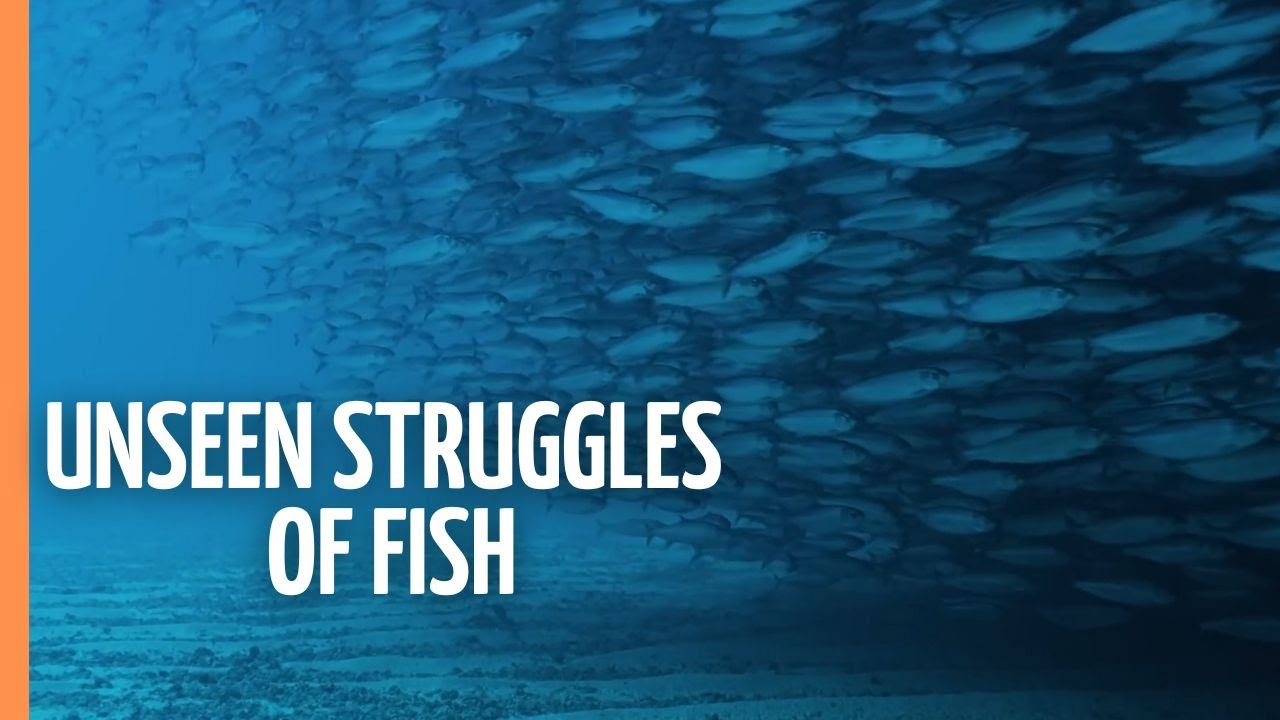
Nearly 40 million tons of fish are harvested every year, but many populations face overfishing and threats to their survival.
100 million years ago, the area of the Elbe Sandstone was part of a shallow sea, home to ancient crocodiles and sharks.
Animal behavior is explored through ten episodes showcasing survival strategies and communication among diverse species, from jellyfish to elephants.
Orcas can detect sounds through fat-filled cavities in their lower jaw, allowing them to locate prey with high precision during hunts.
Three baby animals, including a foal and a puppy, are followed for a year as they face their first challenges in life alongside their human owners.
In Sri Lanka's scrub forests, man-made lakes support diverse wildlife, including leopards, sloth bears, elephants, and mugger crocodiles.
Deforestation in South America destroys the equivalent of 20 football fields of jungle every minute, threatening vital ecosystems and global climate health.
The Great Barrier Reef, 2,300 km long and visible from space, is the largest structure on Earth built by tiny coral polyps over half a million years.
In Canada's Great Bear Rainforest, the rare Kermode Bear, also known as the Spirit Bear, symbolizes the forest's spirit alongside other wildlife like wolves.
Polyergus ants attack other ant colonies to steal their young and make them slaves, demonstrating complex social strategies in the animal kingdom.
Mireya Mayor, a former Miami Dolphins cheerleader and field biologist, shares her experiences and adventures in wildlife exploration across various ecosystems.
Almost 50 young Iberian ibex are seen in a nursery on a mountain summit during their spring breeding season.
A saltwater crocodile can exert a bite force of up to two tons, strong enough to puncture metal and crush its prey.
Brazil's diverse landscapes are showcased through its iconic sites, including the Amazon Rainforest, Christ the Redeemer, and the beaches of Rio de Janeiro.
More than 10,000 hours spent underwater allowed photographer Brian Skerry to capture the beauty and complexity of marine life across three decades.
Wild bees and butterflies play a crucial role in pollinating plants and crops, highlighting the interconnectedness of nature and agriculture.