From over 100,000 films, discover the handful you'll love.
Free or premium access to the world's largest documentary library.
3995 films(Page 69 of 84)
This Spanish video showcases Grizzly Bears in Kodiak, Alaska, during salmon season.
In the Plains of Venezuela, over twenty bird species employ unique fishing techniques to coexist and thrive in a competitive ecosystem.
In Namibia, bushmen rely on sight to hunt large prey on the African savannah in this Spanish video.
In Shaba, young warthogs engage in playful activities like wrestling and playing football with elephant dung to develop the skills necessary for survival.
In the Dzangha-Sangha reserve of the Central African Republic, the Baka Pygmies engage in traditional hunting rituals while seeking the protection of Jengi, the forest spirit.
Hydrothermal vents, first discovered in 1977 near the Galapagos Islands, are unique ecosystems where chemosynthesis supports diverse marine life at extreme ocean depths.
In the African savanna, an elephant herd fiercely defends baby Binti from a hyena clan, highlighting the challenges of wildlife survival and ecosystem dynamics.
In Peru's Manú National Park, photographer Charlie Hamilton James navigates the complexities of rain forest conservation after purchasing land threatened by illegal logging.
In Brazil, Charlie Hamilton James confronts the complexities of conservation while living with illegal loggers and exploring sustainable solutions for the Amazon rainforest.
A program approved in February 2001 aims to achieve a population of 70 Iberian lynxes in captivity for reintroduction into the wild.
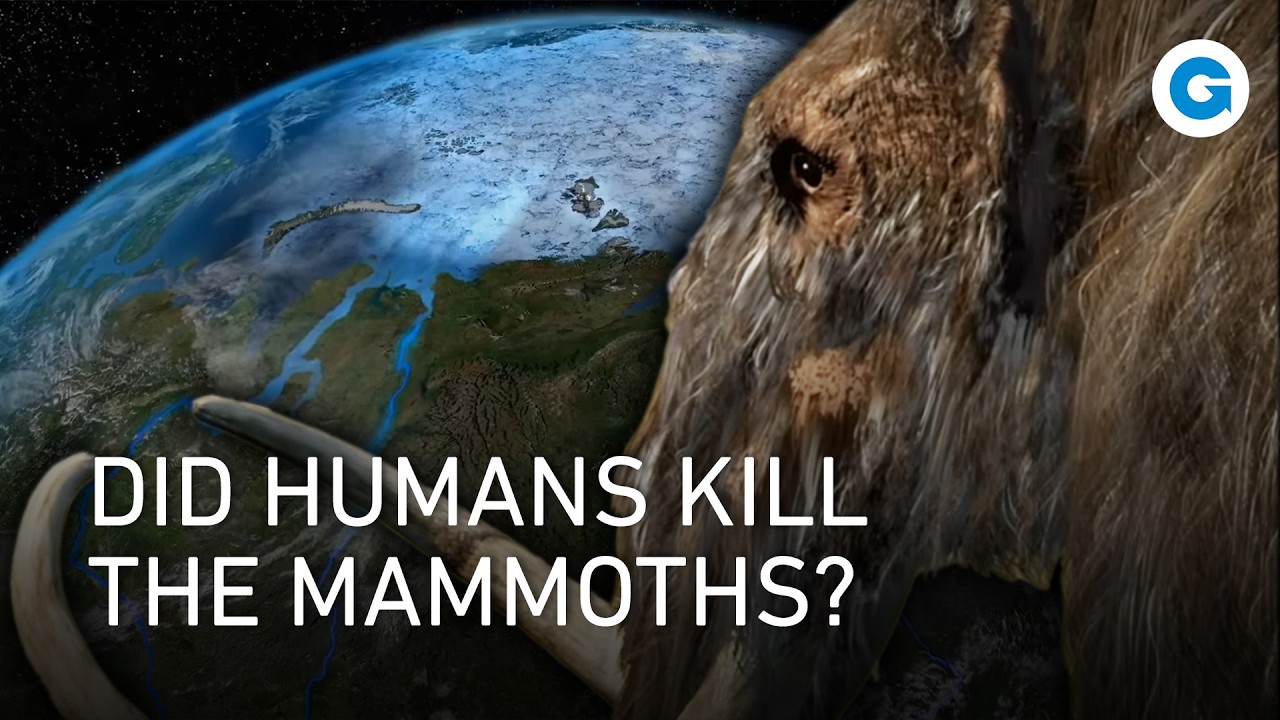
Over 1,000 mammoths died at a site in Predosti, suggesting human involvement in their extinction during the late Pleistocene epoch.
The Achuar people of the Amazon forest are highlighted for their unique way of life and connection to nature, reflecting Alexander von Humboldt's legacy.
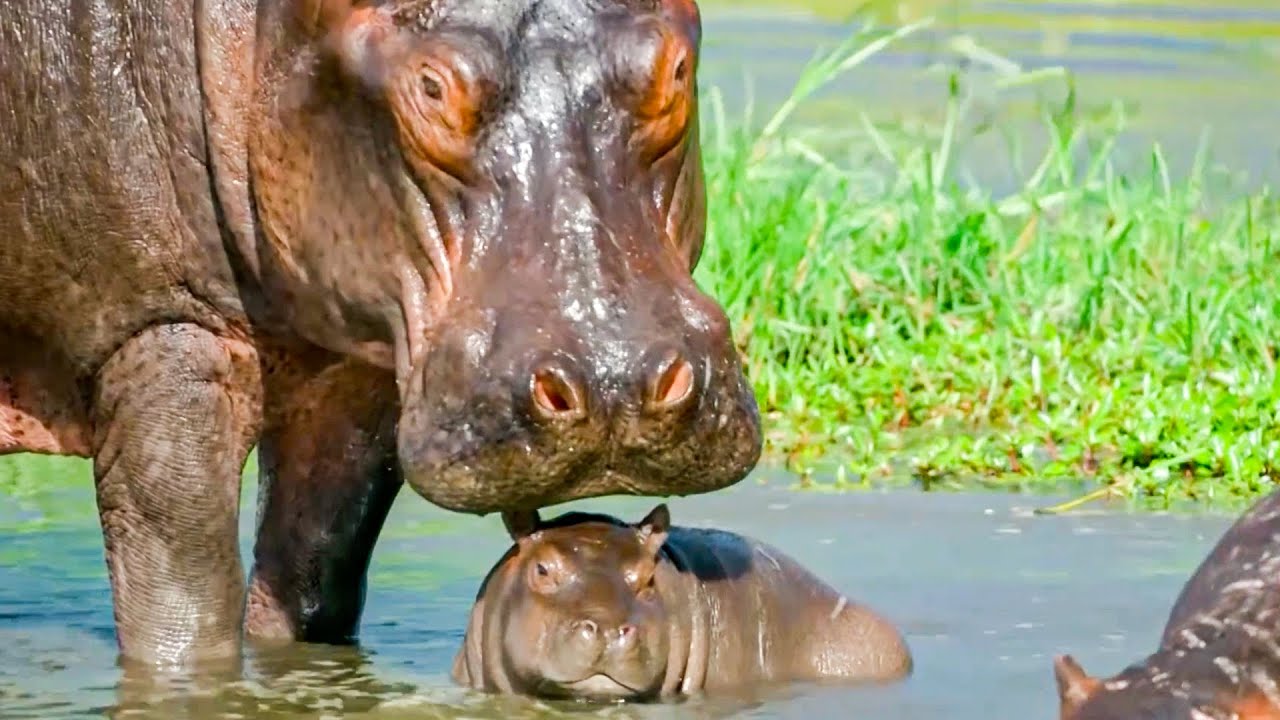
In various natural habitats, nurturing behaviors of animal species, such as a mother hippo protecting her calf and a bear teaching her cubs, are explored.
Dolphins display their intelligence through complex hunting strategies, playful interactions, and social structures in diverse marine environments.
The Amazon basin spans over 7 million square kilometers, accounting for 25% of South America's total surface area.
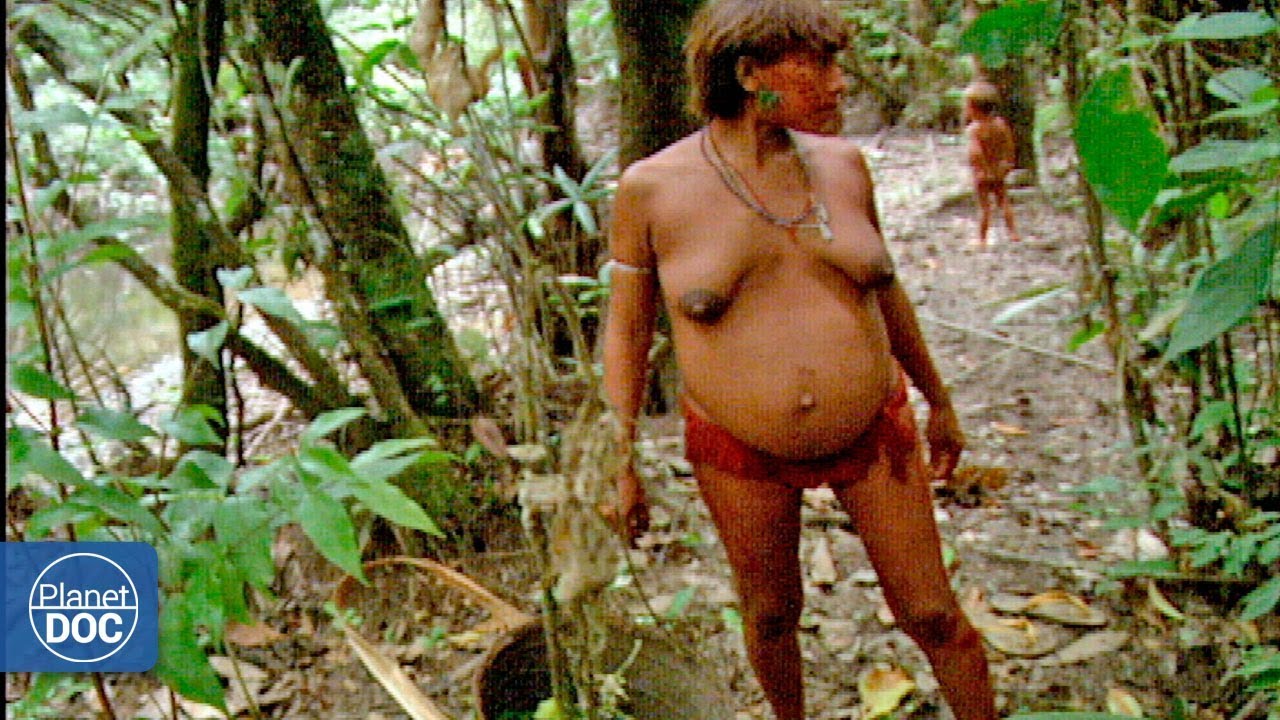
Inhabitants of the Amazon jungle include isolated tribes that thrive in the vast biodiversity of the Amazon basin, which spans over 7 million km².
In the Amazon jungle, isolated tribes navigate the challenges of their biodiverse environment, which spans over 7 million km² across South America.
Between seven and ten million Indigenous people inhabited the Amazon's tropical forests before European contact decimated their populations by 90%.
More than 400 years after the first Spaniards searched for El Dorado, illegal gold diggers continue to exploit the Amazon's resources and threaten local tribes.
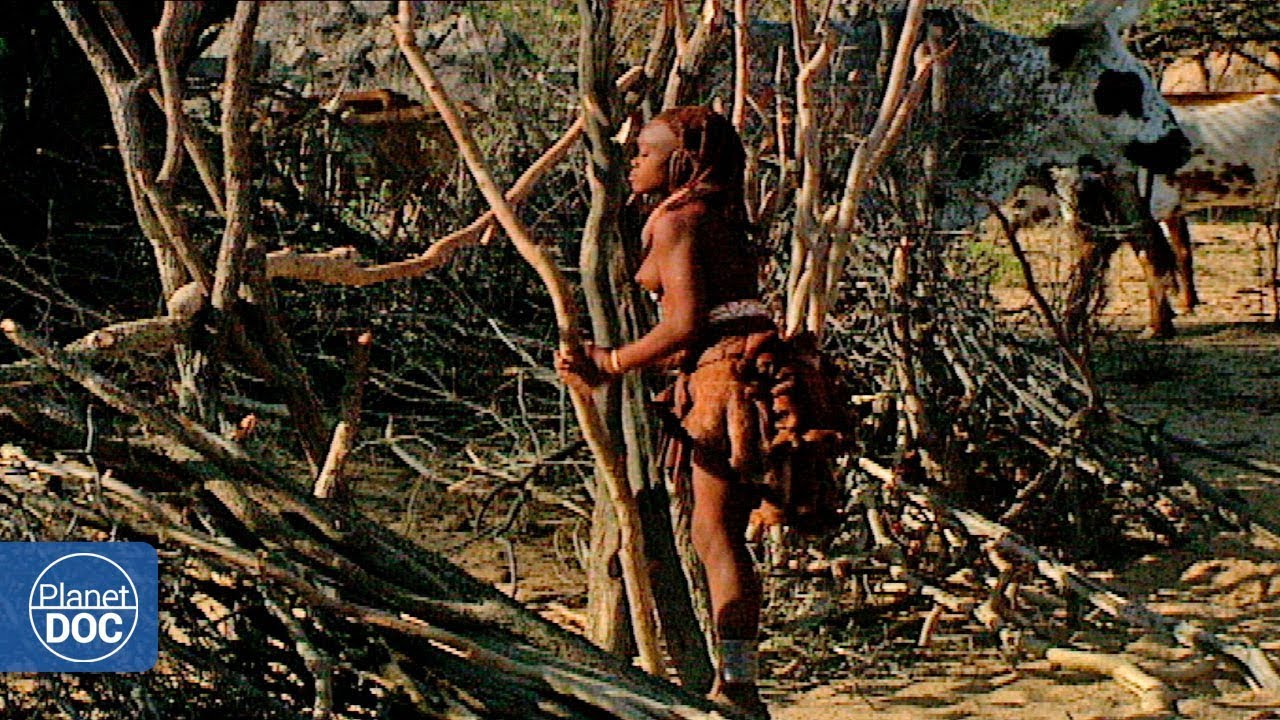
Fourteen years can pass in the Namib Desert without a single drop of rain, creating a harsh environment for its unique plant and animal life.
Fourteen years may pass in the Namib Desert without a single drop of rain, creating one of the most extreme ecosystems on the planet.
Mist descends almost weekly in the Namib Desert, providing 50 liters of water per square meter per year, double the amount of rain.
Over 1 million seals gather along the Namibian coast each year to give birth, but their survival is threatened by overfishing and reduced sardine populations.
The Namib, the oldest desert in the world, showcases extreme adaptations of life in Namibia.
Manú National Park in Peru, rich in biodiversity and home to uncontacted tribes like the Mascho-Piro, is showcased through Charlie Hamilton James's photography.
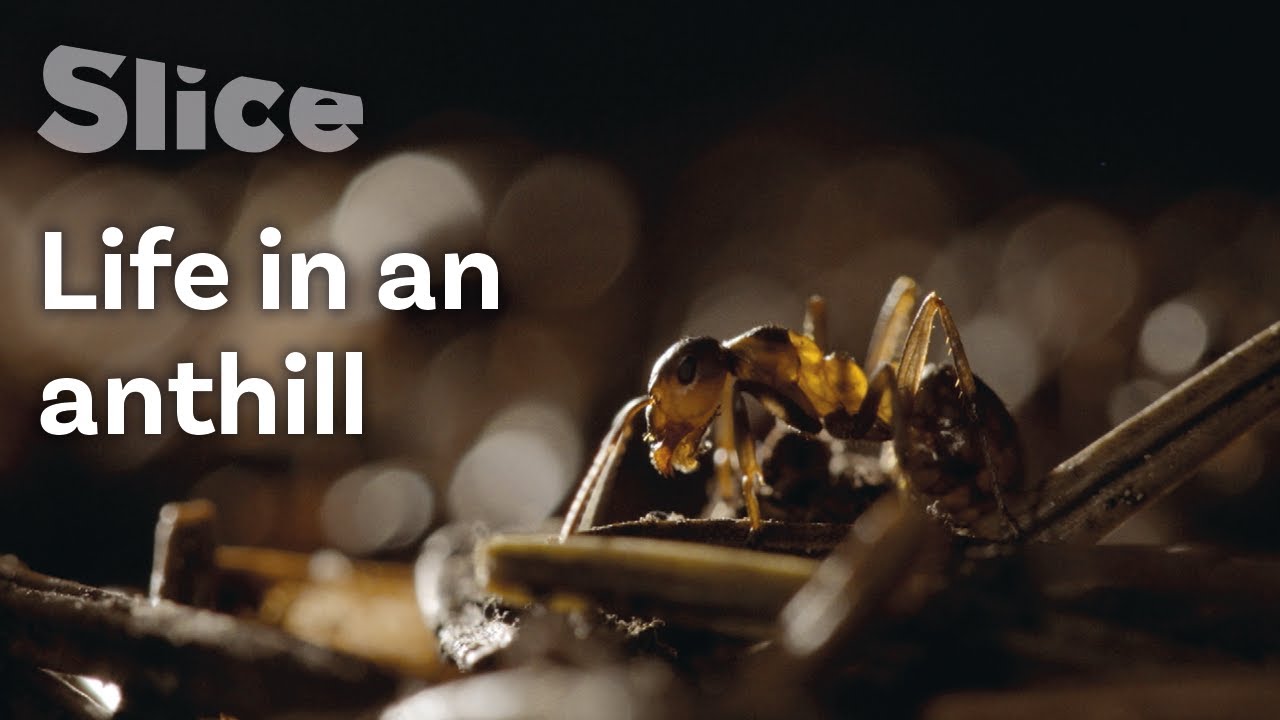
The red wood ant, or Formica rufa, constructs large nests in the Jura Mountains of Switzerland, providing a habitat for thousands of these European ants.
In London, Dan O'Neill investigates the illegal wildlife trade by touring the Metropolitan Police's 'Dead Shed' with Detective Constable Sarah Bailey, examining confiscated items.
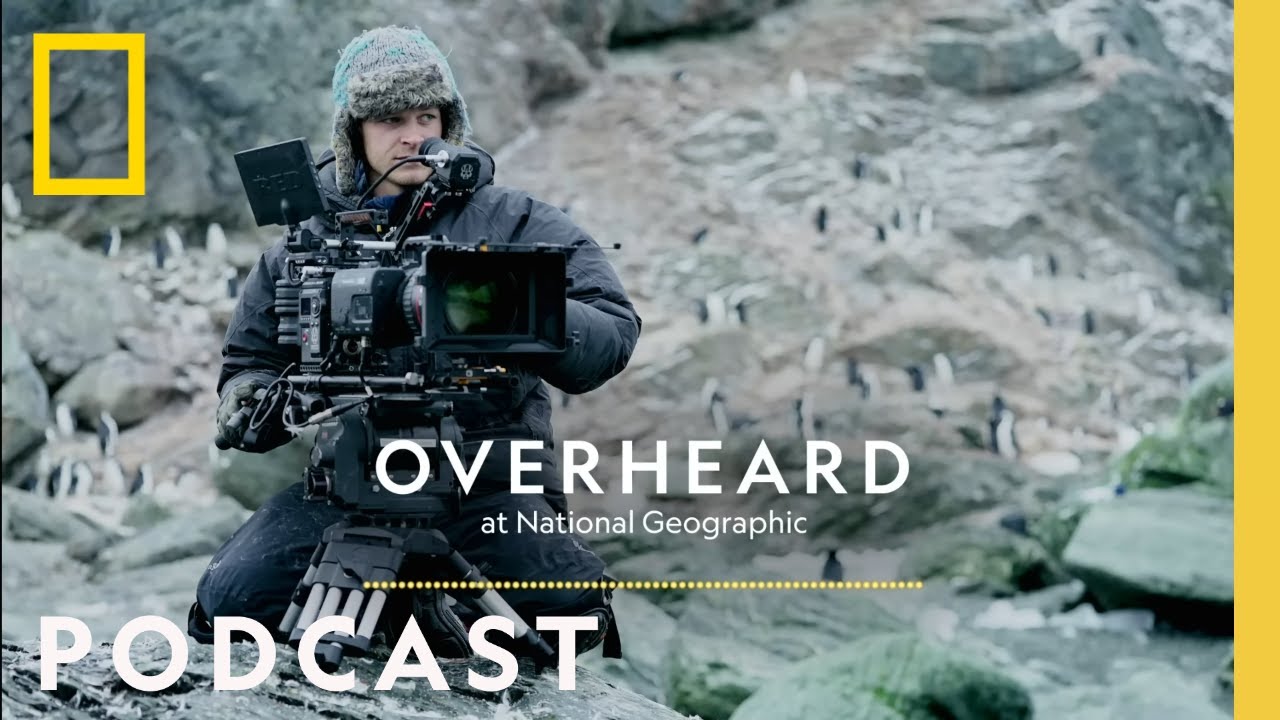
Bertie Gregory shares his experiences filming wildlife in extreme environments, including encounters with lions in Zambia and hammerhead sharks in Costa Rica.
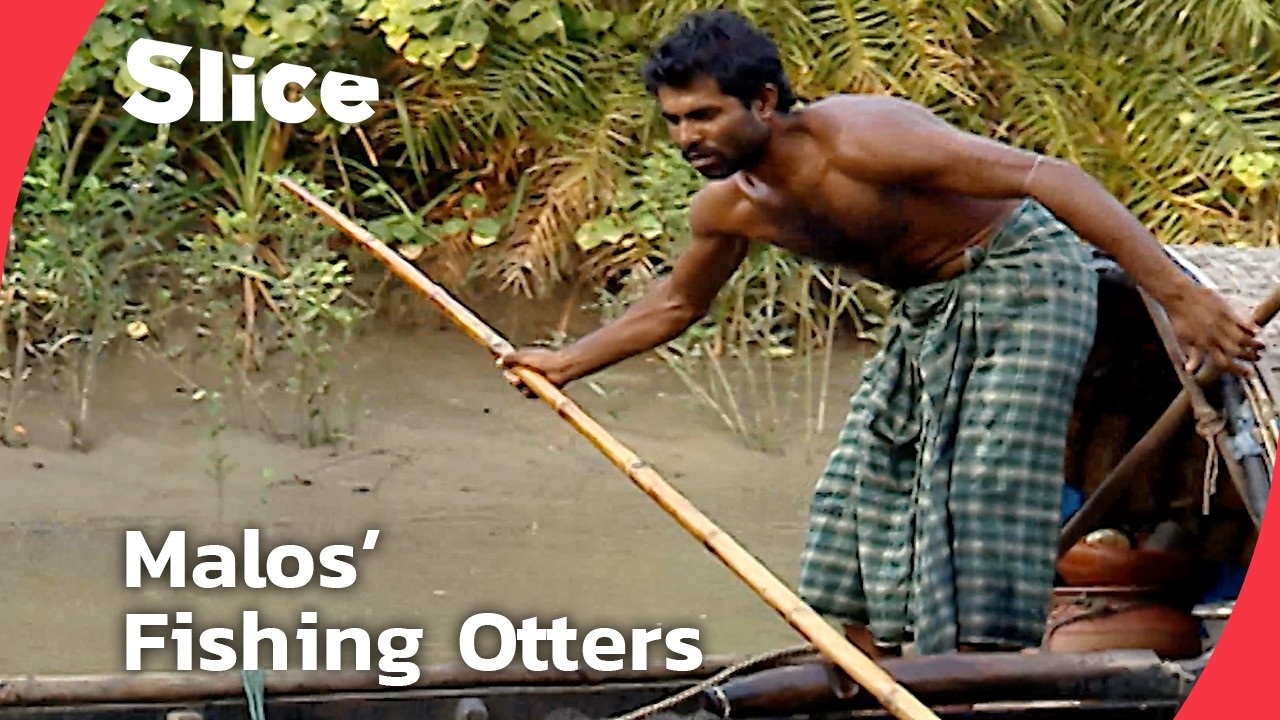
Fishermen in the Sunderbans use trained otters to catch fish, shrimp, and crabs by dragging nets across the riverbed in a centuries-old technique.
An entire Japanese fisheries dock, over 60 feet long and weighing 180 tons, washed ashore in Newport, Oregon, covered with more than a hundred tons of marine organisms.
Two enormous crocodiles emerge from a pool in a traditional story told by Yakar Garimala, reflecting the beliefs of his people near Darwin.
The iridium anomaly reveals evidence of an extraterrestrial impact beneath the Earth's surface.
In the clouds of Venus, researchers explore the possibility of life-forms thriving in the planet's upper atmosphere, utilizing findings from extreme Earth environments.
Australia's isolation from the continental landmass millions of years ago allowed marsupials and monotremes to thrive, leading to its unique wildlife today.
Recent research raises questions about the evolutionary significance of bird wings, challenging perceptions of their normalcy in the animal kingdom.
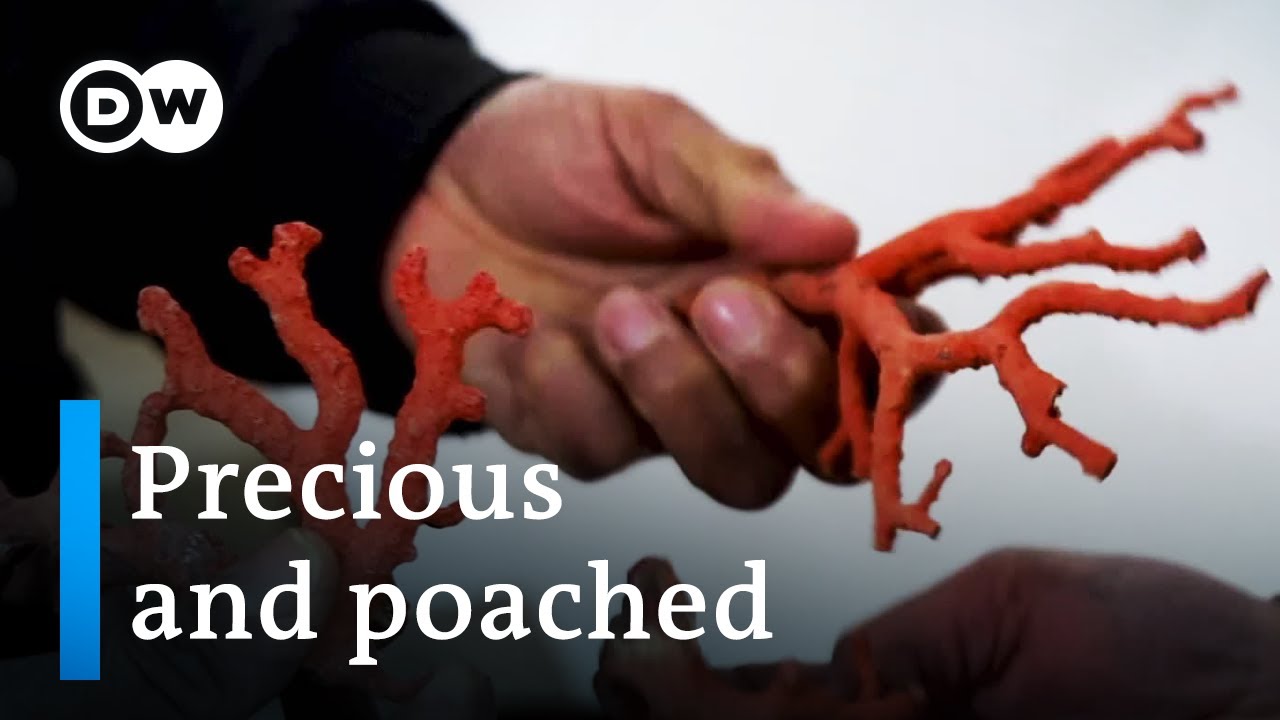
A recent study found that several million euros worth of red coral is sold illegally every year, often via southern Italy.
Jane Goodall discusses her experiences with chimps and the difference science makes in understanding them.
Java Island's unique evolution is highlighted in this documentary about its isolation and biodiversity.
A litter of 10 to 25 baby sharks is born during the search for the rare Japanese angel shark in Japan's oceans.
In Namibia, photographers Frans Lanting and Christine Eckstrom explore the region's unique wildlife and striking desert landscapes.
Photographer Joel Sartore captures images of endangered species, including whooping cranes and wolves, highlighting their plight before potential extinction.
Jorge, the last of his species on the Galapagos Islands, lives a life marked by isolation after all others have died.
Around four million bats leave the Volcan de las Murcielagos each evening, playing a vital role in pest control and pollination in Mexico's ecosystems.
Joyce Poole utilizes citizen science and Web technology to advance elephant conservation efforts through her work with ElephantVoices.
Juliana Machado Ferreira addresses the illegal wildlife trade in Brazil, where poachers remove 38 million animals annually, through science, politics, and education.
Juliet Eilperin, an environmental reporter, profiles the historical views of sharks and their crucial role in maintaining healthy marine ecosystems.
Twenty-five new Kakapo chicks have increased the global population to 86, as conservationist Allan Munn seeks a mate for the legendary Richard Henry.
Two young men prepare to attack a nest of aggressive wasps, a ritual that also serves to strengthen community bonds among the Kayapos.