From over 100,000 films, discover the handful you'll love.
Free or premium access to the world's largest documentary library.
3994 films(Page 26 of 84)
About 15,000 LML people live along the banks of the Sepik River, where they participate in daily chores and rituals tied to their cultural traditions.
Marsupials, including Kangaroos, Koalas, and Tasmanian Devils, are explored for their unique behaviors and adaptations in this episode focused on pouched mammals.
In Australia’s Blue Mountains, dingo expert Brad Purcell studies a pack of dingoes, revealing their complex social structures and survival strategies.
Giju, a female moose, may deliver and raise more than 15 calves over her lifetime while facing the challenges of seasonal changes in the wild.
Nature relies on ingenious materials and daring designs for animal clothing and survival.
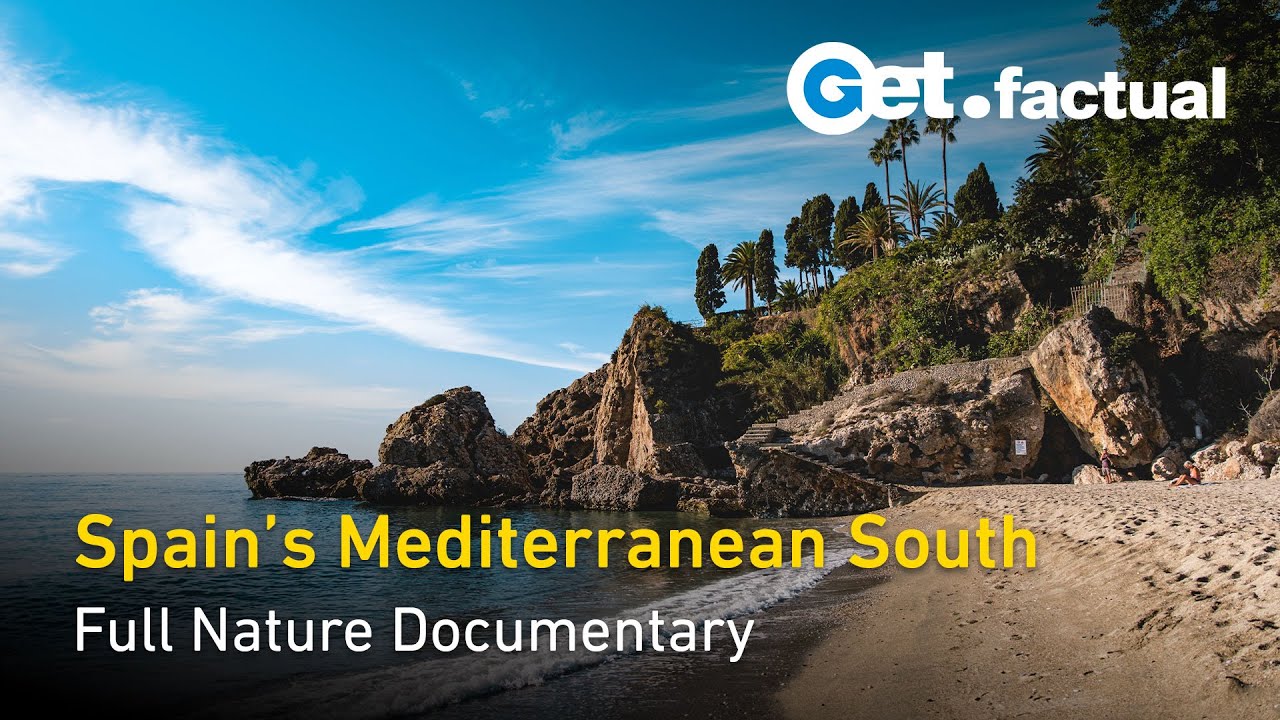
Thirty thousand greater flamingos gather at the lagoon of Fuente de Piedra, Spain's largest breeding colony and one of the largest in Europe.
Marty Stouffer showcases the diverse wildlife of the United States, highlighting various species and their natural behaviors within their ecosystems.
Madeira, Portugal's autonomous island, features protected landscapes rich in unique ecosystems, rare species, and dense forests, highlighting its natural beauty and biodiversity.
Guadalquivir, once known as Wadi al Kabir, flows 650 kilometers from the Sierra de Cazorla to the Atlantic Ocean, showcasing the biodiversity of Doñana National Park.
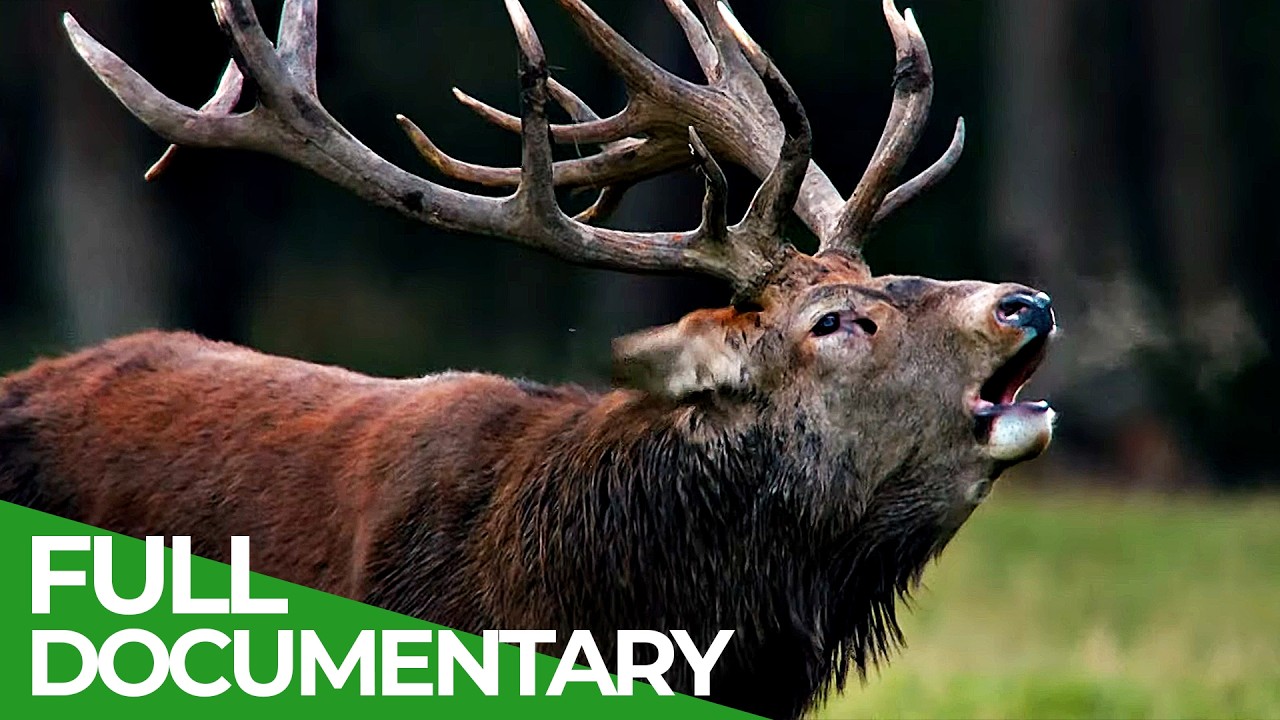
Autumn showcases the vibrant colors and survival strategies of wildlife as they prepare for the impending challenges of winter.
In Germany's Ruhr District, the Emscher River is being transformed from Europe's most polluted waterway into a thriving natural ecosystem through extensive restoration efforts.
Ana Navarro leads a celebration of fearless females in 's series "Queens," highlighting the animal kingdom through a female perspective.
Steller sea lion populations along the North Pacific coast have decreased by over 80% since the 1970s, leading to conservation efforts by scientists at the University of British Columbia and Vancouver Aquarium.
Daintree National Park in Queensland serves as a vital link to Earth's ancient past, where biologist Peter Byrne and his team explore its unique biodiversity from a giant crane.
In Kenya's Maasai Mara National Reserve, the great wildebeest migration shapes the interactions between herbivores and their predators, highlighting the balance of life and death in the savanna.
Fakarava Atoll, a UNESCO Biosphere Reserve, is home to diverse marine life, where Prof. Serge Plane studies coral reef communication to aid conservation efforts.
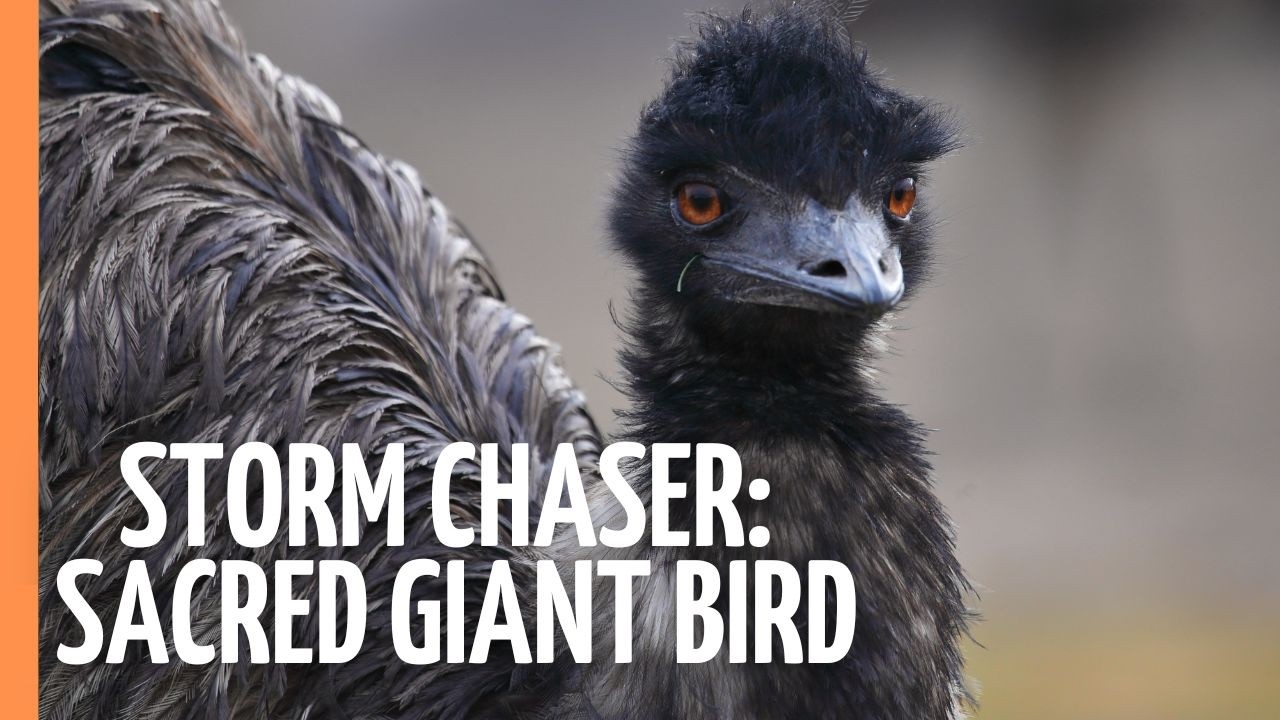
A male emu travels up to 25 kilometers a day in search of food and water in the dry Australian outback.
Royal Chitwan National Park in Nepal is home to about 375 one-horned Indian rhinos, a significant increase from just 80 two decades ago.
In the Himalayas, snow leopards and wolves navigate extreme conditions while competing for food and territory amidst the challenges posed by human encroachment.
Less than 250 mm of rain falls annually on the Valdez Peninsula, where marine mammals like southern right whales come to breed each year.
Over 1.2 million wildebeests migrate from the Serengeti into Kenya's Masai Mara, creating one of the largest wildlife spectacles on Earth.
Wildlife photographer Todd Gustafson captures the diverse landscapes and animal behaviors across Brazil, India, and the Galapagos, highlighting connections between species.
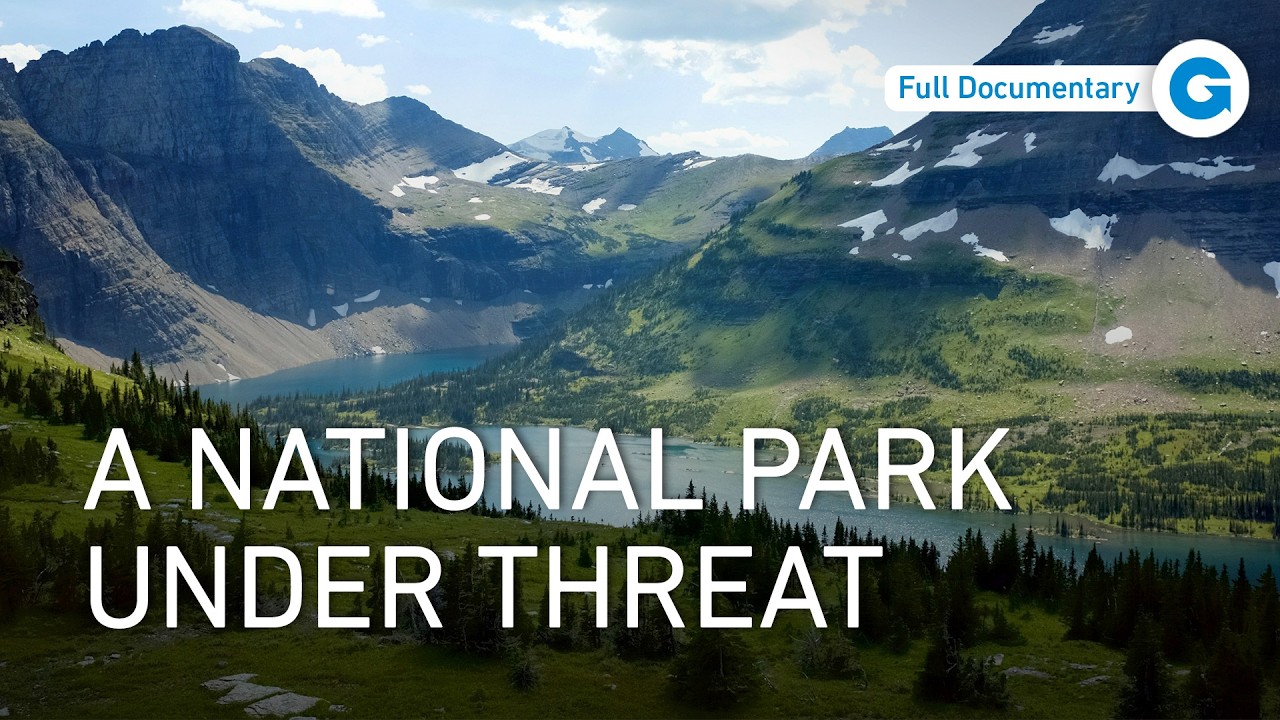
A 4,600 square kilometer sanctuary, formed by merging American Glacier National Park and Canadian Waterton Lakes Park, faces threats from unprotected land nearby.
Florida's Everglades face ecological threats from invasive species like Burmese pythons and green iguanas, with experts like Sean Heflick and Greg Gratziani leading the response.
In Addo Elephant National Park, South Africa, a unique herd of elephants has thrived after being protected from extinction since 1931.
Gobi bears, one of the rarest species with only about 30 individuals remaining in Mongolia's Gobi Desert, are the focus of a new research and preservation initiative.
The ice around the North Pole has shrunk by seven percent over the past 30 years, threatening the survival of polar bear populations.
In Forillon National Park of Gaspésie, Quebec, a young black bear navigates the challenges of motherhood while raising her cubs over three years.
Wildlife in the shadow of Watzmann mountain in Germany showcases intricate species relationships, including newts' courtship dances and the hatching of unique creatures.
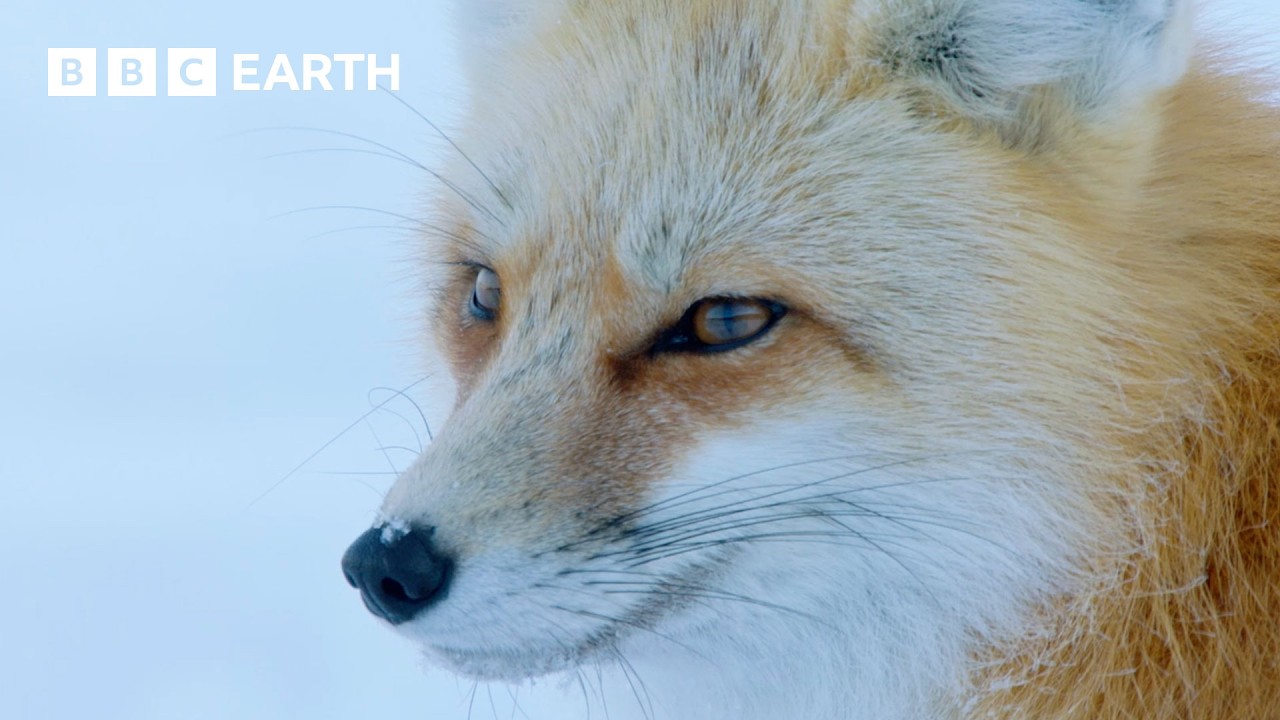
Catalina Island, located off the coast of Los Angeles, is home to unique wildlife, including the Catalina Island Fox and American Bison, alongside smaller species like the California Ground Squirrel.
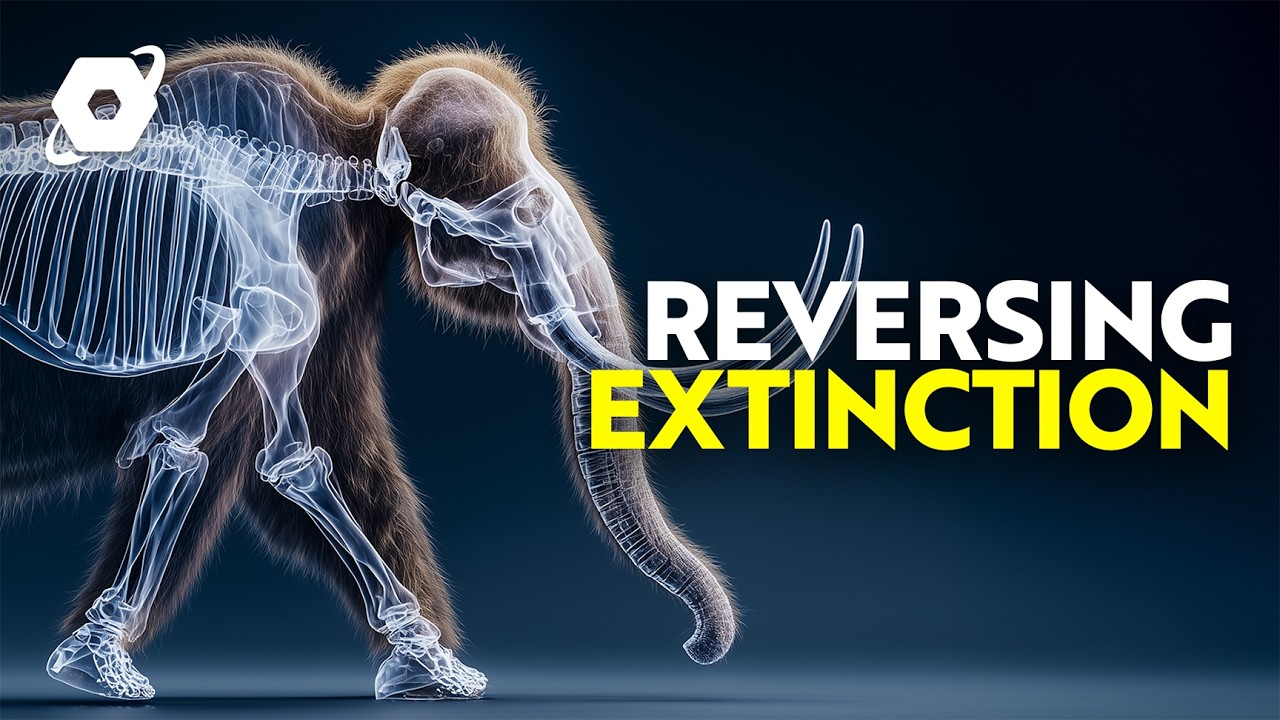
In a world facing accelerating extinction rates, scientists are utilizing advanced genetic technologies to revive species like the Przewalski's horse and address conservation challenges.
The Dukha, originally from Tuva Republic, are the last reindeer herders in Mongolia.
Since 2008, Enric Sala's Pristine Seas project has established 26 marine preserves, covering a combined area of 6.5 million square kilometers.
In Wales, the unique coastal landscape serves as a backdrop for local traditions, including a parish priest's sermon at Saint Cwyfan and Mars robot tests by ESA.
In the coastal waters of Sri Lanka, a unique population of pygmy blue whales thrives, alongside vibrant coral reefs and diverse marine life.
Every year, vultures in the Serengeti consume 11 million kilos of meat, playing a crucial role in the park's ecosystem.
Mountain gorillas in the Virunga Volcanoes have surpassed 1,000 individuals, prompting new challenges for conservationists and local communities in Rwanda.
Biologists Kathrin Theissinger and Jean-Yves Georges reintroduce the European pond turtle to the Upper Rhine.
Yellowstone National Park showcases dramatic wildlife interactions, featuring otters, bald eagles, and the master builders of the wild in their natural habitat.
In the Grand Bahama Bank, Professor Sam Gruber studies the unique behaviors of pregnant lemon sharks and white-tip reef sharks using modern technology.
São Tomé and Príncipe, celebrated for their exceptional cocoa production, are featured in a series showcasing Africa's culturally rich islands through aerial photography.
In the Maasai Mara, experts guide a live safari experience, showcasing wildlife such as lions, elephants, and buffalo while introducing a new cheetah.
In Sumatra, Indonesia, critically endangered orangutans face extinction due to rampant deforestation for palm oil, prompting scientists to intervene and rehabilitate survivors.
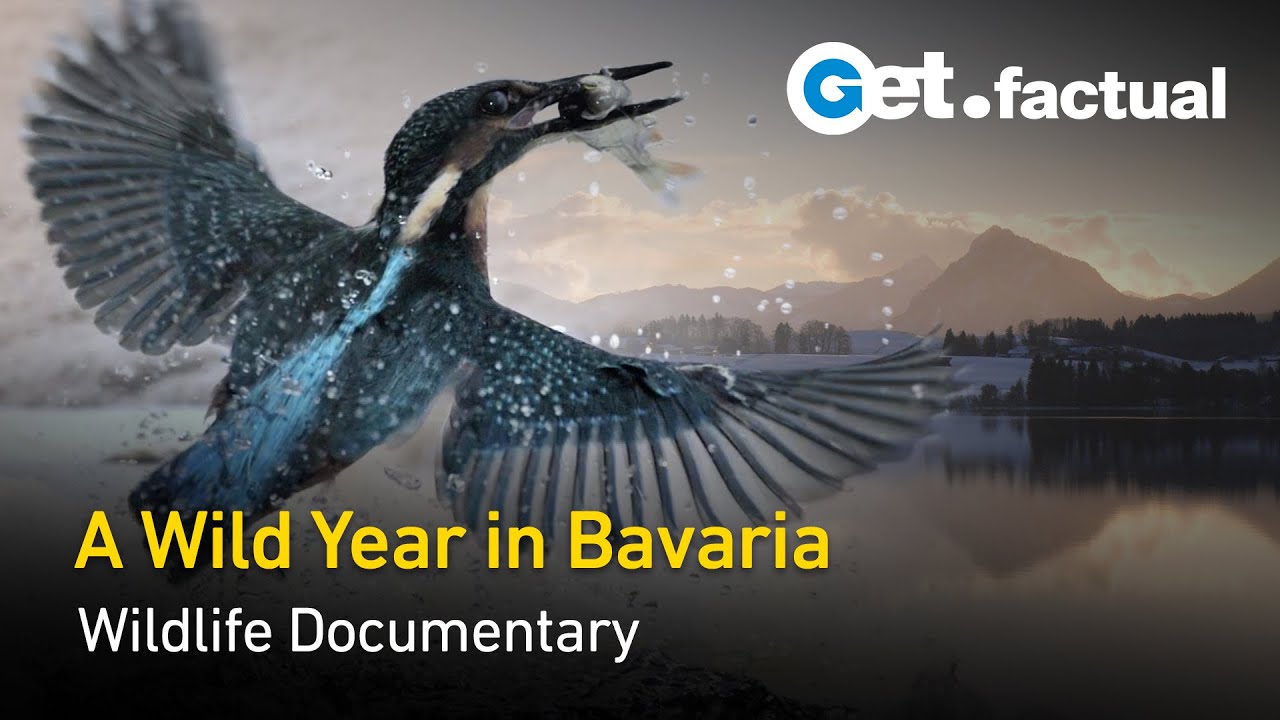
Temperatures in the Bavarian Alps can dip to minus 15 degrees Celsius, creating harsh conditions for wildlife like the Eurasian kingfisher.
At Hamburg Zoo, lion cubs and other animal babies are cared for by their keepers, showcasing their daily lives and unique challenges.
In the rare grasslands of the Chilcotin in British Columbia, declining Bighorn herds are examined alongside the filmmakers' reconnection with nature over two years.
Lake Turkana, covering 6,400 square kilometers, is the largest inland body of water in Kenya and home to the El Molo, one of the country's smallest ethnic groups.
1903 marked the year when Swedish chemist Svante Arrhenius proposed the theory of panspermia, suggesting life may have originated in space.







![Documentary backdrop image for Asia's Astonishing Animal Kingdom [4K] | Art Wolfe's Travels To The Edge (2021)](https://i.ytimg.com/vi/TcH16Z42FtI/maxresdefault.jpg)


![Documentary backdrop image for Africa's Breathtaking Animal Kingdom [ 4K ] | Art Wolfe's Travels To The Edge (2021)](https://i.ytimg.com/vi/Cm_1QCT5Nhs/maxresdefault.jpg)



![Documentary backdrop image for Catalina Island's Stunning Wildlife [4K Documentary] (2021)](https://i.ytimg.com/vi/pefLlQ3iHaU/maxresdefault.jpg)