From over 100,000 films, discover the handful you'll love.
Free or premium access to the world's largest documentary library.
3994 films(Page 12 of 84)
Grizzly bears in Yellowstone National Park exhibit remarkable behaviors, with individual bears like Scarface, Swimmer, and Quad Mom documented over a decade.
Nathanaël explores the Masoala peninsula in northeast Madagascar, showcasing unique wildlife.
In the Arctic Circle, glaciologist Heidi Sevestre, snowkiter Aleksander Lyngberg, and ice musician Terje Isungset showcase life and creativity in Norway.
Children in Madibago must climb a steep rock face covered in moss and tree roots every day to reach their school in the southern Philippines.
Less than 100 Asiatic cheetahs remain in the wild, primarily in Iran, where Benny Rebel aims to document their habitat and raise awareness for their protection.
Wapusk National Park in Northern Canada, Plitvica Lakes in Croatia, and Simien National Park in Ethiopia showcase diverse landscapes and wildlife, including ice bears and Geladas.
In 2017, mining companies extracted 138 tons of gold from South African soil, producing 27.6 million tons of waste that contaminates local communities.
Genetic engineering has advanced a thousand-fold since Gregor Johann Mendel's pea experiments, reshaping the future of medicine and agriculture.
A female leatherback turtle can lay between 50 and 100 eggs at Shell Beach, which attracts nearly 1,000 turtles each year for nesting.
Botswana's diverse landscapes, including the Okavango Delta and ancient baobabs, are complemented by the rich cultural heritage of its people, particularly the Bushmen.
In Yellowstone National Park, the re-introduction of wolves in 1995 transformed coyotes from apex predators to underdogs, forcing them to adapt to new challenges.
Freediver Frederic Buyle and cameraman Christian Petron explore marine life in Polynesia, Mexico, and the Mediterranean while collaborating with scientists and locals.
Ostriches can run at speeds over 60 kilometers per hour and weigh more than 100 kilograms, making them the fastest runners among flightless birds.
In the Mecklenburg Lake District, Müritz National Park supports a rich biodiversity, including half of Germany's crane population and the endangered red milan, while conservationist Fred Bollmann works to protect this unique ecosystem.
The Greenland shark, a rarely seen species, is the subject of a four-year scientific expedition that captures its elusive behavior in the wild.
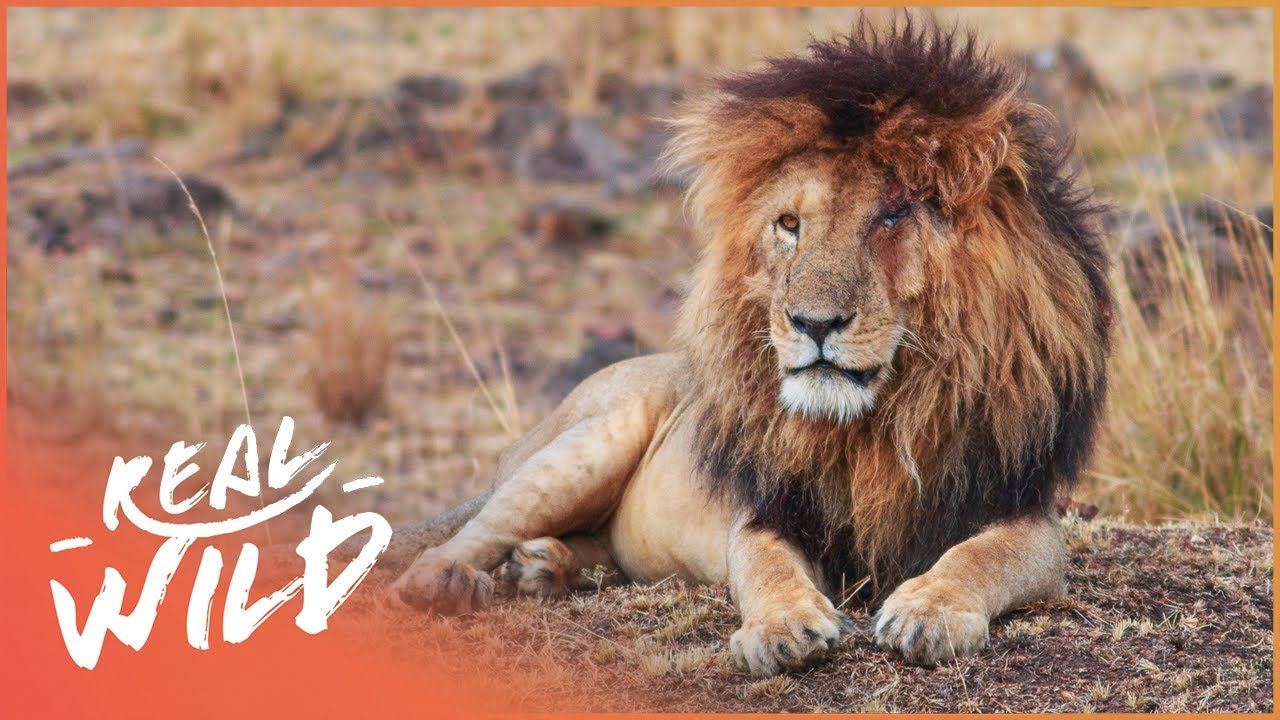
In the Maasai Mara, Scarface, the world's most famous lion, has ruled over 11 prides for over seven years while evading direct observation.
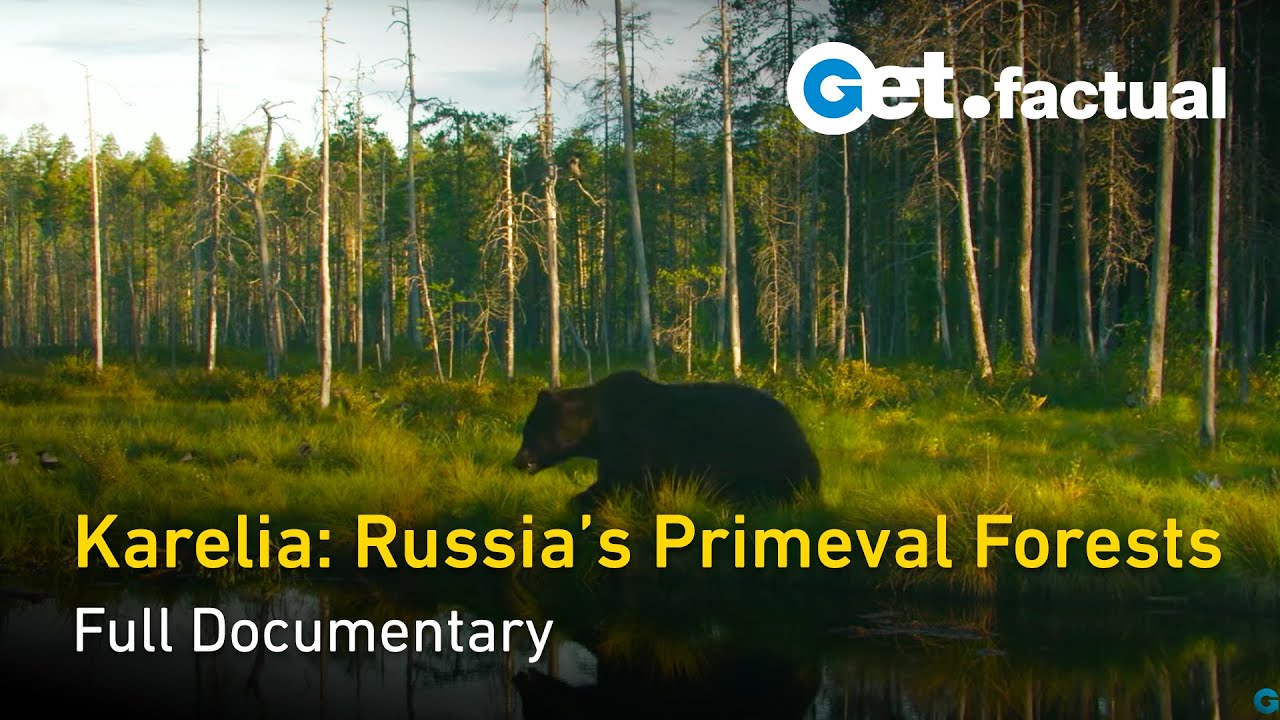
Around 3,500 brown bears inhabit the primeval forests of Karelia, where summer brings vibrant life to the region's unique ecosystem.
Biomedical scientist Zoltan Takacs studies venomous species worldwide, aiming to develop novel medicines from their toxic substances.
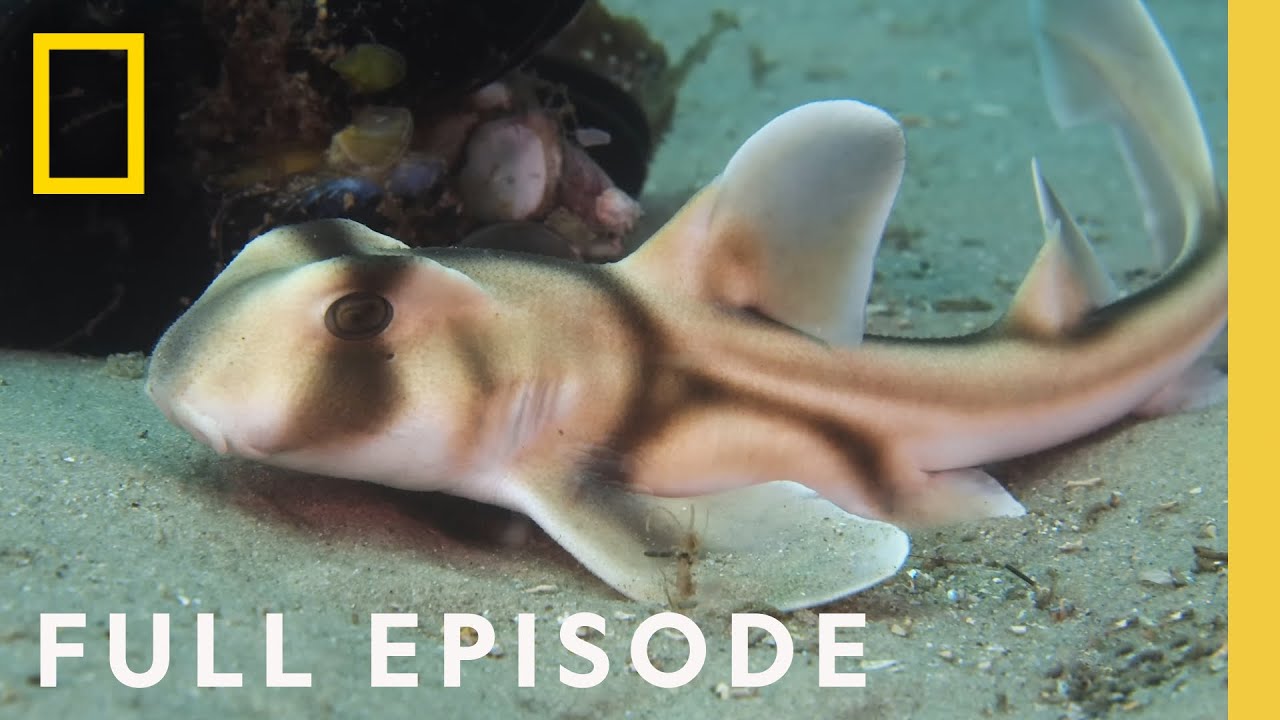
Around 80% of some shark species do not survive to adulthood, facing threats from predators and environmental challenges in their early life stages.
BBC Earth showcases diverse ecosystems, highlighting the behaviors and interactions of plant life from deserts to tropical jungles and underwater realms.
In Botswana's Makgadikgadi basin, the interplay of extreme drought and abundant rainfall shapes a unique ecosystem influenced by the Okavango River's flow.
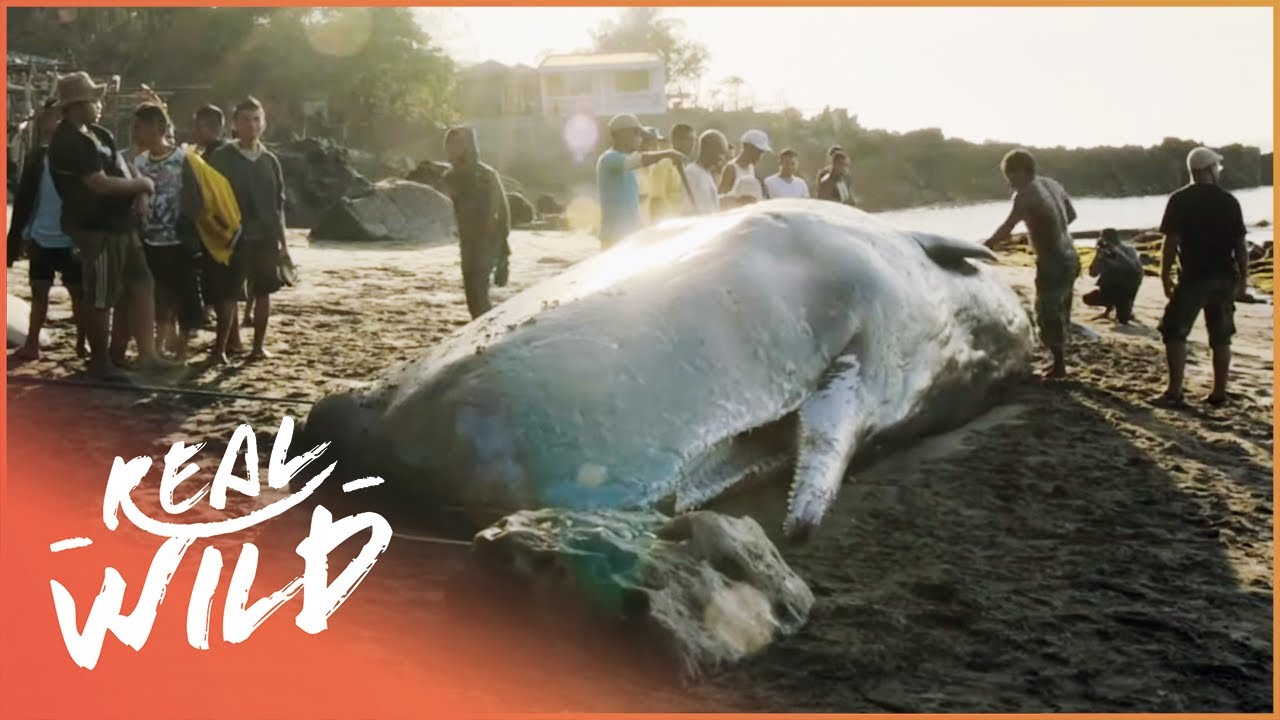
Lamalera, Indonesia, faces a critical intersection of traditional sperm whale hunting and modern conservation challenges as outboard motors threaten marine ecosystems.
Animals across various species, including ants, meerkats, and birds, exhibit remarkable building skills to create homes that serve multiple purposes.
Frans Lanting captures the majestic albatross through stunning photography, highlighting its significance in nature and culture.
5.7 million square kilometers of the Coral Triangle, located between Indonesia, the Philippines, and Papua New Guinea, is home to three-quarters of all coral species.
A variety of bird species, including puffins, penguins, and roadrunners, are showcased in 4K UHD alongside their natural behaviors and habitats.
The Mediterranean Sea has experienced significant ecological changes due to historical events and the introduction of species through the Suez Canal.
In the East African savannah, nearly two million large herbivores coexist with predators like cheetahs and lions, highlighting the interdependence of species and their adaptations.
Kilauea has created 500 acres of new land in the last 30 years, reshaping Hawaii's coastline with its continuous lava flows.
Bermuda, a British Overseas Territory, showcases its unique culture through local traditions, communal gardening, and efforts to revive endangered bird species.
A team sails over 3,000 miles through the Drake Passage and sub-Antarctic islands, retracing Ernest Shackleton's historic expedition route.
The golden eagle, the largest bird of prey in the Alps, is showcased through stunning wildlife footage that captures its life and the surrounding indigenous animals.
In South Tyrol, the Alpine ibex, a wild goat species once nearly extinct, thrives in the mountains after successful reintroduction efforts from Gran Paradiso National Park.
Afghanistan's diverse landscapes, from the Bamiyan Buddha niches to the remote Wakhan Corridor, reveal a resilient culture shaped by ancient history and geography.
Neanderthals disappeared from Earth nearly 30,000 years ago, leaving behind a genetic legacy that may still exist within modern humans today.
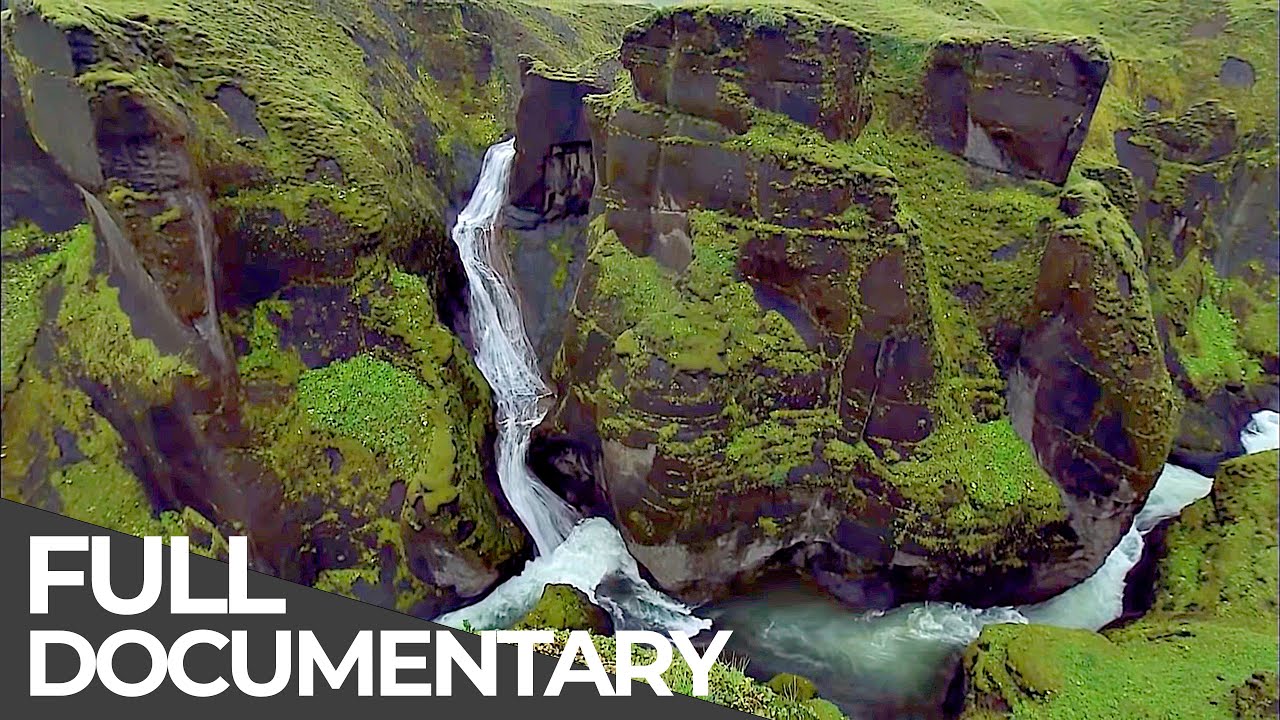
Iceland sits on the world's most active hotspot, where scientists observe the formation of the planet in real time.
38 species of wild cats inhabit various environments across the globe, from high-altitude mountains to arid lands and dense forests.
Sharks, often misunderstood, exhibit a range of behaviors from serene gliding to rapid predatory strikes, showcasing their role in marine ecosystems.
Australia's Great Barrier Reef and Ningaloo Reef are explored through vibrant coral ecosystems and diverse marine life, guided by underwater specialist Paul Waghorn.
In Tanzania, a newly constructed waterhole equipped with remote cameras reveals the behaviors of iconic African wildlife such as lions, elephants, and giraffes.
Tara Keir paints an octopus, inspired by Paul Rudd's narration in "Secrets of the Octopus," highlighting the species' beauty and ecological importance.
A 1,000-kilometer-long fortress separates Europe and Asia, with the Lesser Caucasus featuring diverse landscapes from alpine plateaus to desert basins.
Pigeons now account for up to 40% of the catfish's diet in the River Tarn, illustrating new predator-prey dynamics in urban environments.
In Brazil's Pantanal, Art Wolfe explores diverse wildlife including Caiman, Giant Otters, and Toucans, while also highlighting the Baja Peninsula's dolphins and hummingbirds.
More than 1,000 years ago, the islanders of Sumba began erecting dolmens as tombs for their ancestors, a practice that continues today.
Brad observes dingoes teaching their pups essential survival skills in Australia.
New Zealand's coastline stretches for over 15,000 kilometers, featuring volcanic sand beaches and dramatic mountains that define its diverse landscapes.
Insects conquer diverse environments, showcasing their unique adaptations and success in nature.