From over 100,000 films, discover the handful you'll love.
Free or premium access to the world's largest documentary library.
3995 films(Page 72 of 84)
The video showcases the world's most venomous animals, including the Box Jellyfish and Stonefish.
Animal mothers across various species demonstrate their vital roles in nurturing, protecting, and teaching their young essential survival skills.
In 2010, a census counted 480 mountain gorillas in Rwanda, marking the only increasing population of apes in the world due to conservation efforts.
Wildebeest, macaques, brown bears, hyenas, and caterpillars demonstrate their survival strategies across diverse climates and environments.
In the Mustang region of Nepal, young Nima trains to become a skilled horseman as he prepares for the prestigious Dzar horse race, reflecting local cultural values.
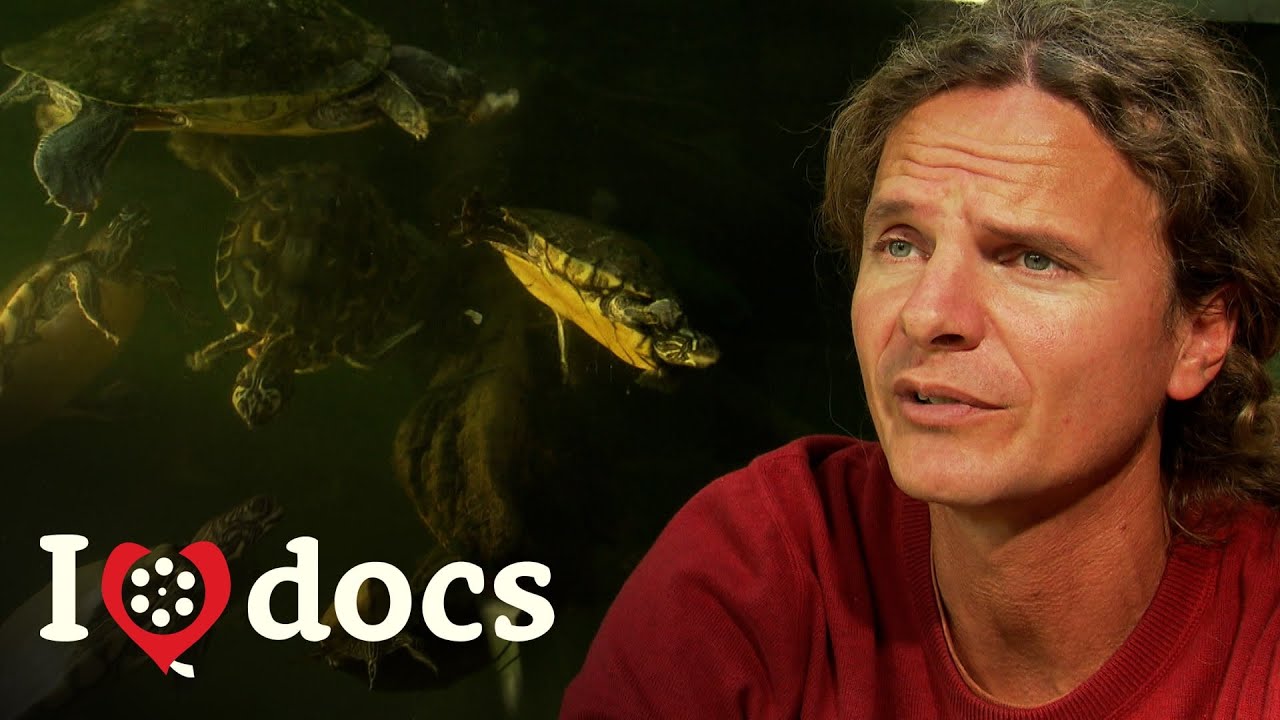
Tortoises, once thought to be mute and deaf, are shown to communicate verbally in complex ways, revealing new insights into their social interactions.
BBC Earth compiles the top five leopard moments from its natural history archive, highlighting their hunting techniques and interactions in diverse habitats.
Five photographers recount their early experiences and the moments that inspired them to pursue careers in wildlife and documentary photography.
Eight years of visits to Native American communities shaped Aaron Huey's photography, capturing life in the shadow of historical trauma.
George Washington Carver, an influential agricultural scientist and educator at Tuskegee Institute, is portrayed by Keith Henley in a program supported by the National Archives Foundation.
Nobel Laureate Martin Chalfie and Nat Geo Explorer Beth Shapiro analyze the factors influencing species survival and extinction.
Biologist David Rubik has studied the wildlife in Panama for 30 years, noting nearly 500 different kinds of butterflies in just one acre of tropical forest.
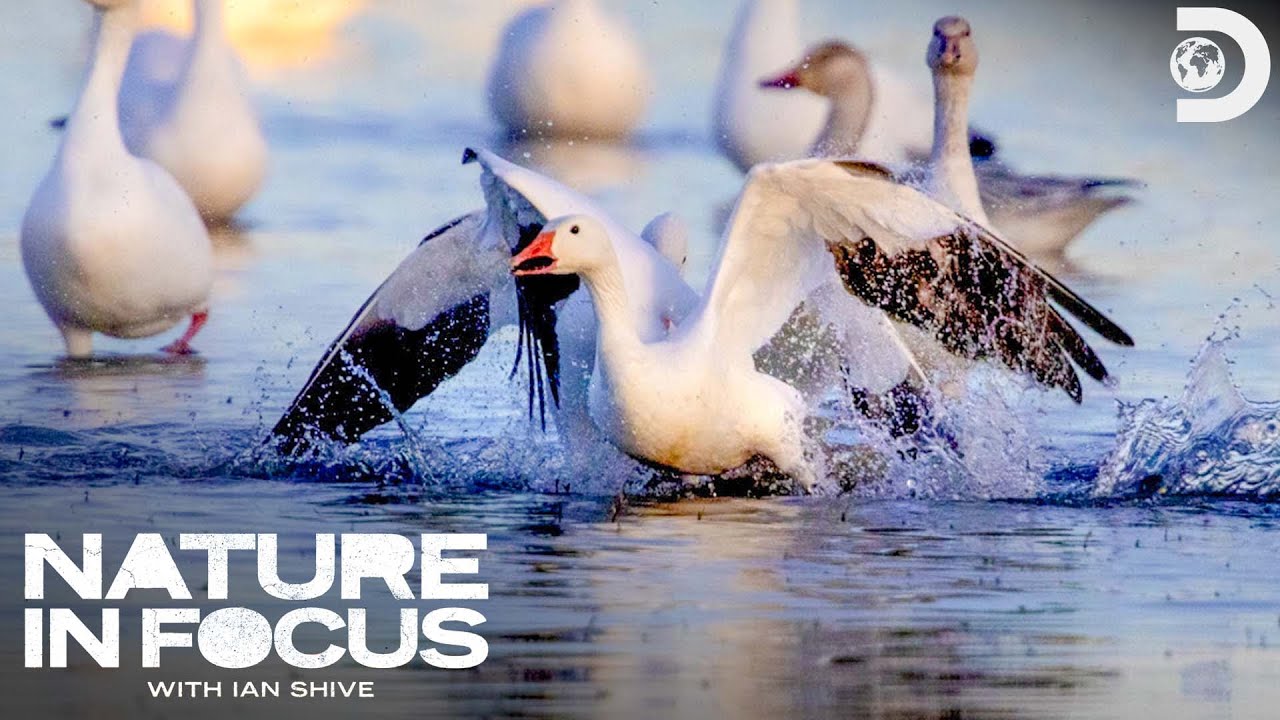
Approximately 4 billion birds migrate south for winter, with key locations like Bosque del Apache National Wildlife Refuge and Aransas National Wildlife Refuge featured.
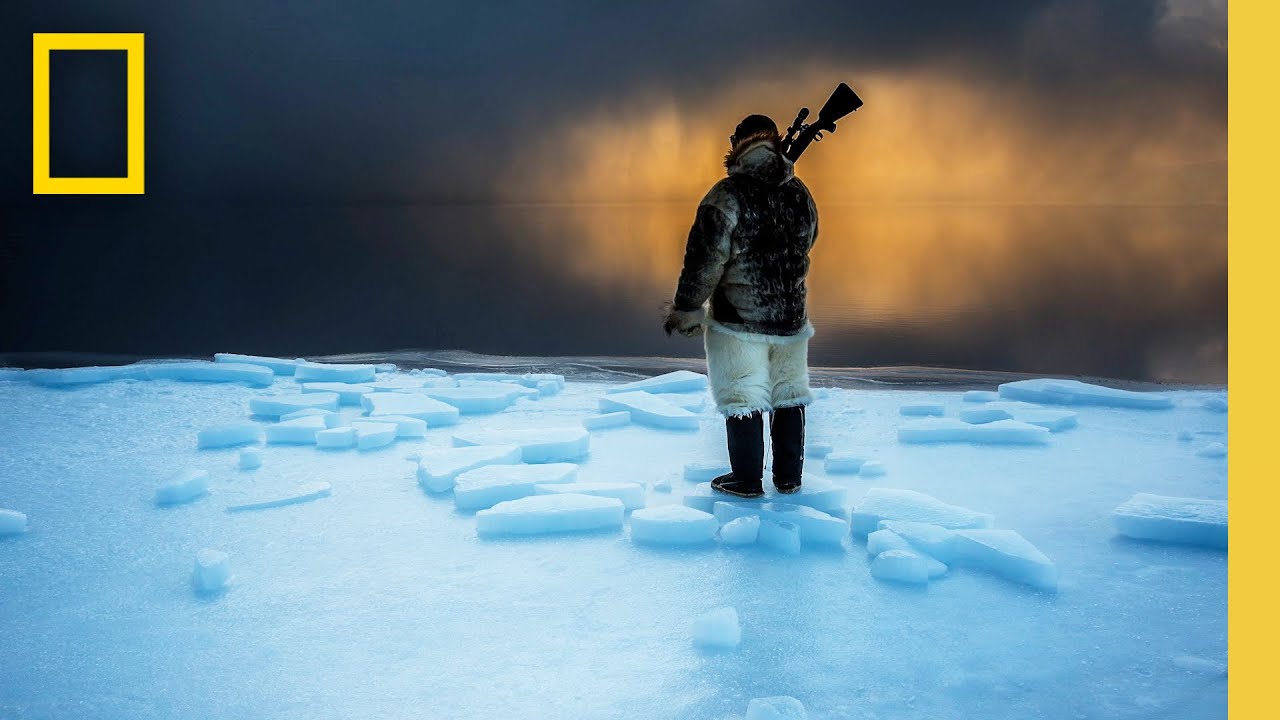
In the Yukon territory, National Geographic showcases the region's stunning landscapes and diverse ecosystems through the expertise of scientists and filmmakers.
Wildfires play a crucial role in various ecosystems, providing hunting opportunities for species that adapt to these natural events.
The Baka Pygmies hunt for duiken in the Dzangha-Sangha reserve of the Central African Republic.
Manhattan once had 35 hills and a complete ecological system with bears, whales, and river otters before urban development transformed the area.
More than 25,000 large mammals inhabit the Ngorongoro Crater during the rainy season, thriving in its unique ecosystems and abundant resources.
More than 25,000 large mammals inhabit the Ngorongoro crater during the rainy season, attracting one of Africa's highest concentrations of predators.
Two species of flamingos, the greater and lesser, flock to Lake Magadi in Ngorongoro each year to feed on algae and crustaceans.
An adult male African elephant can weigh as much as six tons and consume around 300 kilos of food daily, impacting the fragile larai forest ecosystem.
Six pangolins are rescued from a market in Nigeria, where poaching has surged due to rising demand for their scales and meat.
Ten million years ago, the Mediterranean Sea basin was a desert valley, transformed into a vibrant sea after the collapse of the rock dike in the Strait of Gibraltar.
This Spanish documentary details the formation of the Mediterranean Sea and its history.
Fishermen at Lake Balkhash are allowed to catch up to 100 tons of fish a year, but many return home with nearly empty boats.
9,000 helicopter trips crisscross New York City on the busiest day, but now empty skies and abandoned streets signal nature's return.
An average 250 percent increase in marine biomass has been recorded in Misool's protected waters over the past six years.
David Milarch's mission to archive the genetics of Northern California's redwood trees aims to combat the impacts of climate change on these ancient giants.
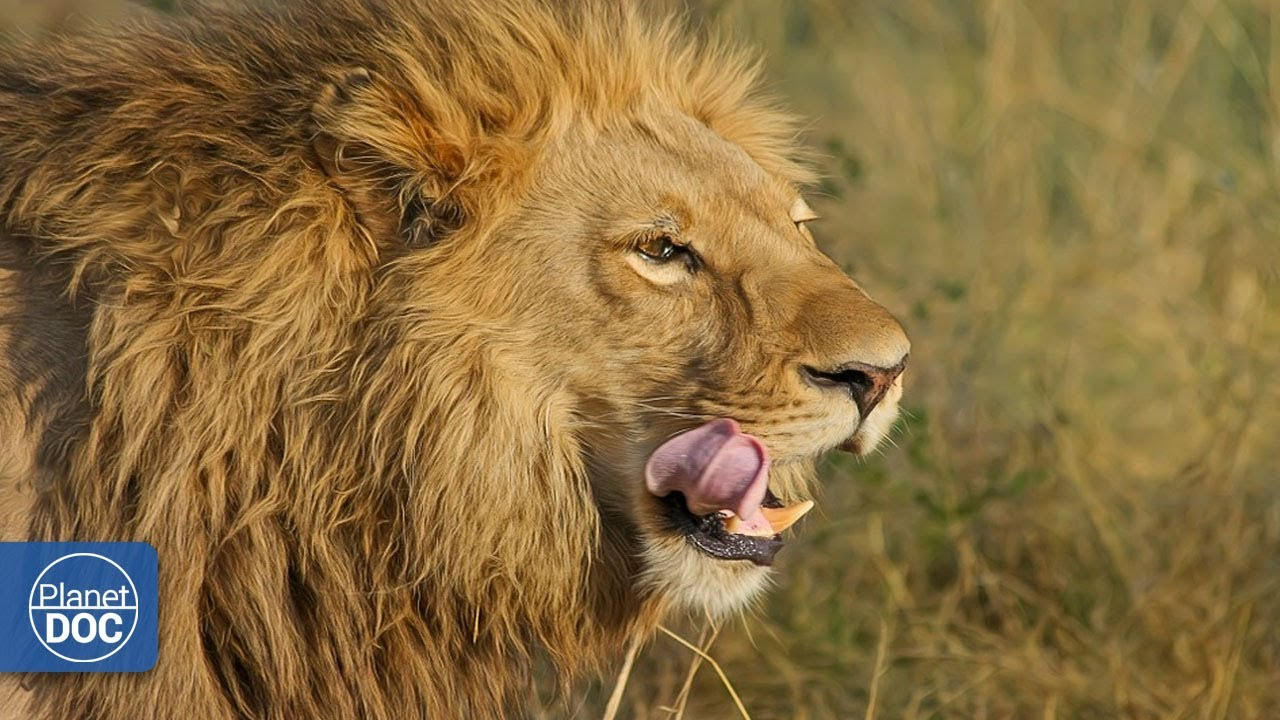
In 2015, Moreangels Mbizah tracked Cecil the Lion, a 13-year-old male known for his distinctive black mane, before he was killed by hunters in Zimbabwe.
The Spanish video reveals how jungle destruction threatens orangutans in Borneo with extinction.
Sofia's powerful strike shattered the great white shark's ribs, allowing her to suffocate it and protect her family.
Massive extinctions reshape life on Earth, revealing humanity's role in ongoing species loss.
Charles Darwin's five-year voyage in the 1830s and the significance of stromatolites highlight the evolution debate and the origins of species.
Life on Earth originated from single-celled organisms in deep-sea vents, evolving over 3.5 billion years into complex forms, including Eukaryotes.
The Orinoco Basin covers an area of 300,000 square kilometers and supports more bird species than the entire United States.
Venezuela's Orinoco Basin reveals a unique ecosystem between the Andes and Guyana.
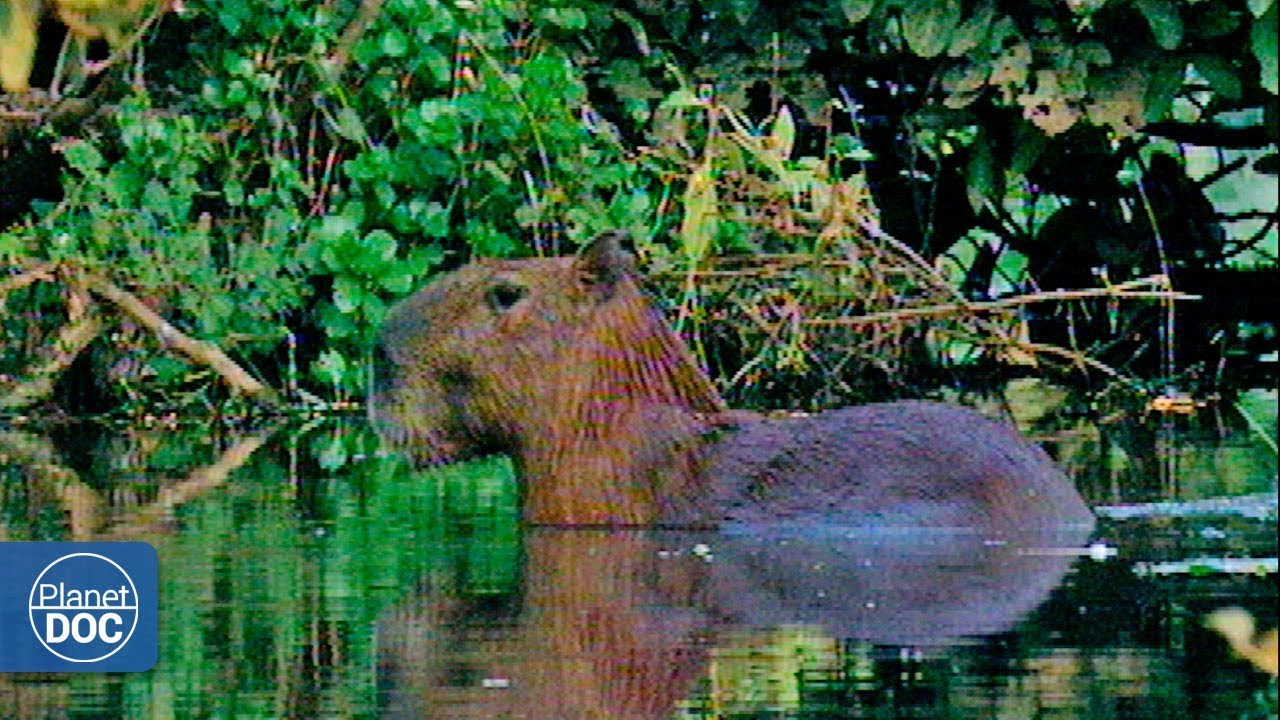
A capybara, weighing up to 50 kilos, is the largest rodent on earth and spends hours in the water eating aquatic plants before moving to grass at dusk.
This Spanish video showcases the Orinoco Basin's unique ecosystem in Venezuela.
Debbie works to improve conditions for orphan chimps in Uganda and advocates for more sanctuaries.
Osvel Hinojosa Huerta leads initiatives to restore the Colorado River, which has been significantly depleted by human consumption and no longer reaches the sea.
At the San Diego Zoo, Giant Panda cub Yun Zi begins his weaning process while conservationists work to protect endangered species like the Southern Mountain Yellow-legged Frog.
Over 20,000 plant species and 750 bird species thrive in Papua New Guinea's forests, which face severe threats from deforestation.
In the Llanos of Venezuela, the morrocoy turtle exemplifies resilience as wildlife faces the harsh conditions of the dry season in this unique savanna ecosystem.
In the Llanos of Venezuela, the morrocoi turtle faces survival challenges during the harsh dry season as its habitat transforms into a hostile environment.
Eleven eggs are laid by a female burrowing owl, but only one chick survives in the harsh environment of the Llanos in Venezuela.
In the Llanos of Venezuela, the morrocoy turtle exemplifies resilience as wildlife struggles to survive during the harsh dry season amidst diminishing habitats.
Fifty degrees centigrade scorches the plains of Venezuela, forcing wildlife to adapt or perish during the brutal dry season.