From over 100,000 films, discover the handful you'll love.
Free or premium access to the world's largest documentary library.
3995 films(Page 79 of 84)
Young members of the Lutsel K'e Dene First Nation are trained as guardians to protect their ancestral land, now designated as a national park reserve.
One moose is hunted each year by Robert Moberg's father to provide food for their family of seven in rural Alberta.
In the Sahel region of Africa, a lone female mosquito's evolution over 6,000 years highlights the ecological shifts that led to her descendants specializing in feeding on humans.
The southern right whale returns to Valdés Peninsula, gathering in San José and Nuevo Gulfs.
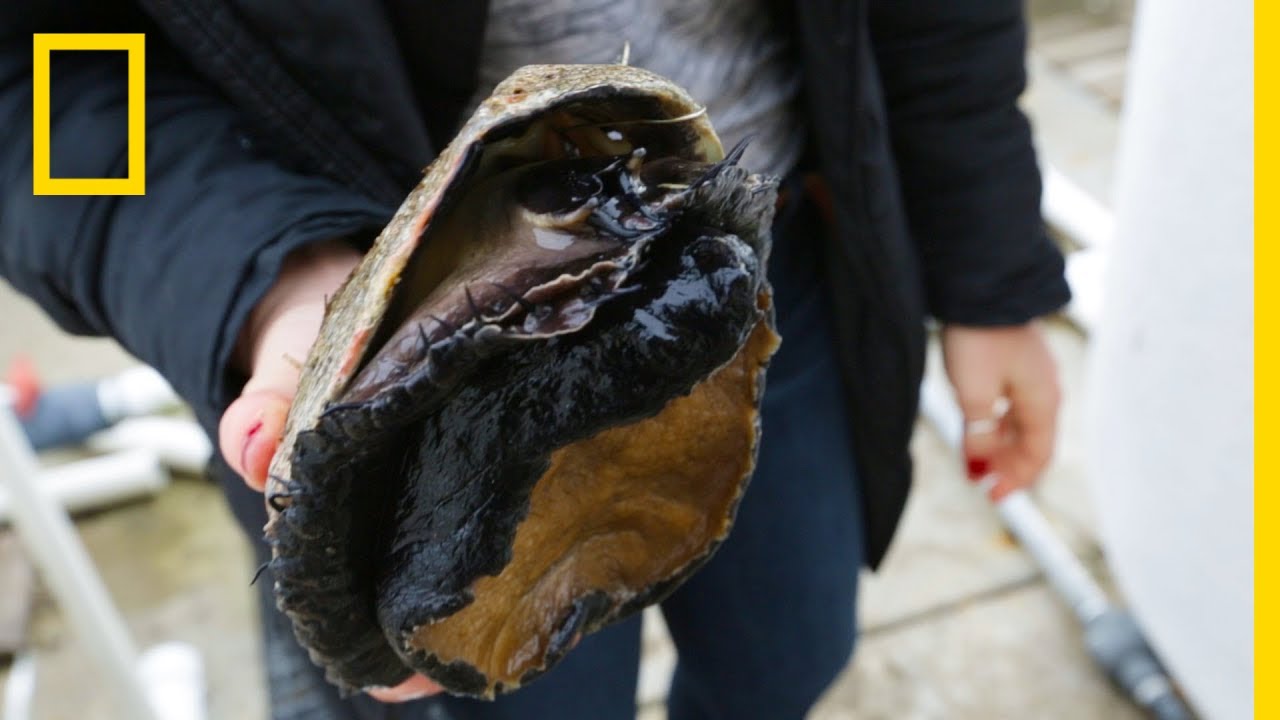
California closed the recreational red abalone fishery in December 2018 until 2021 to help the population recover from environmental threats.
Sixty million years ago, seed-bearing plants developed flowers to attract animals for pollination, marking a significant evolutionary advancement.
One out of every three mouthfuls of food eaten by humans depends on the pollination provided by honeybees, which are facing significant population declines.
Over 30 genera of mega mammals, including the woolly mammoth, went extinct around 13,000 years ago, likely due to a catastrophic event.
Sánema, Yecuanas, and Makiritare ethnic groups have influenced the Guiana massif in Venezuela for over 3,000 years, highlighted by the Barbasco fishing ritual.
Habitat loss and poaching in regions like India and Southeast Asia have led to increasing conflicts between tigers and local human populations.
Food availability critically impacts the survival of the Iberian Lynx in Spain.
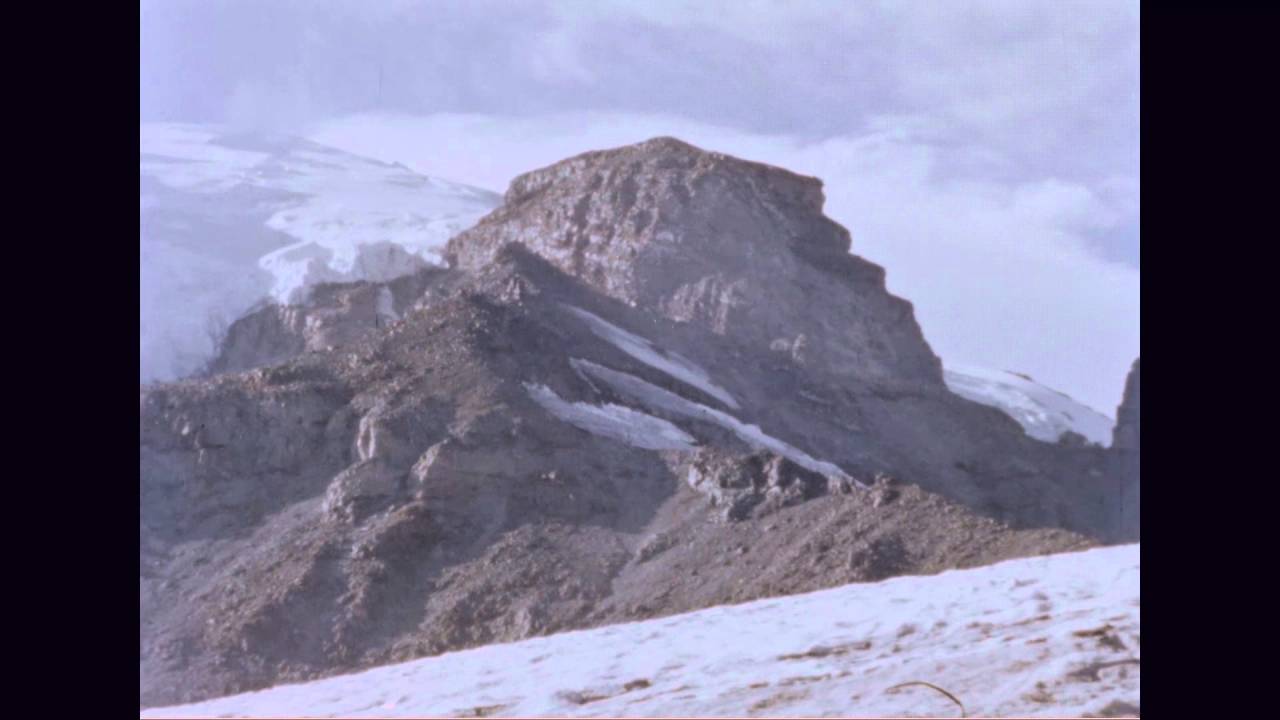
Mount Rainier rose to a height of 3 miles, shaped by volcanic activity and erosion over millions of years, becoming a significant feature of the Cascade Range.
The Tenzan Shrine features Japan's only 13-story pagoda, illustrating the architectural evolution of Buddhist structures influenced by Shinto beliefs.
New Zealand's exclusive economic zone contains more than 17,000 known marine species, with tens of thousands more yet to be discovered.
Ancient DNA retrieved from Greenland's permafrost reveals an ecosystem that thrived over 2 million years ago, offering insights into climate adaptation strategies.
A fin whale washes ashore in Israel, prompting reflections on life and mortality.
A camera on Voyager 1 captured Earth as a pale blue dot from 6 billion kilometers away, revealing the planet's life as invisible from such a distance.
Researchers utilize advanced technology to explore the deep sea's unique ecosystems and marine life, highlighting the urgent need for marine conservation.
Hateg Island's ecological niche for apex predators was filled by a giant pterosaur, showcasing the unique evolutionary adaptations of prehistoric life in Europe.
The Isthmus of Panama initiated a significant ecological shift by separating marine species, leading to profound impacts on global climate and biodiversity.
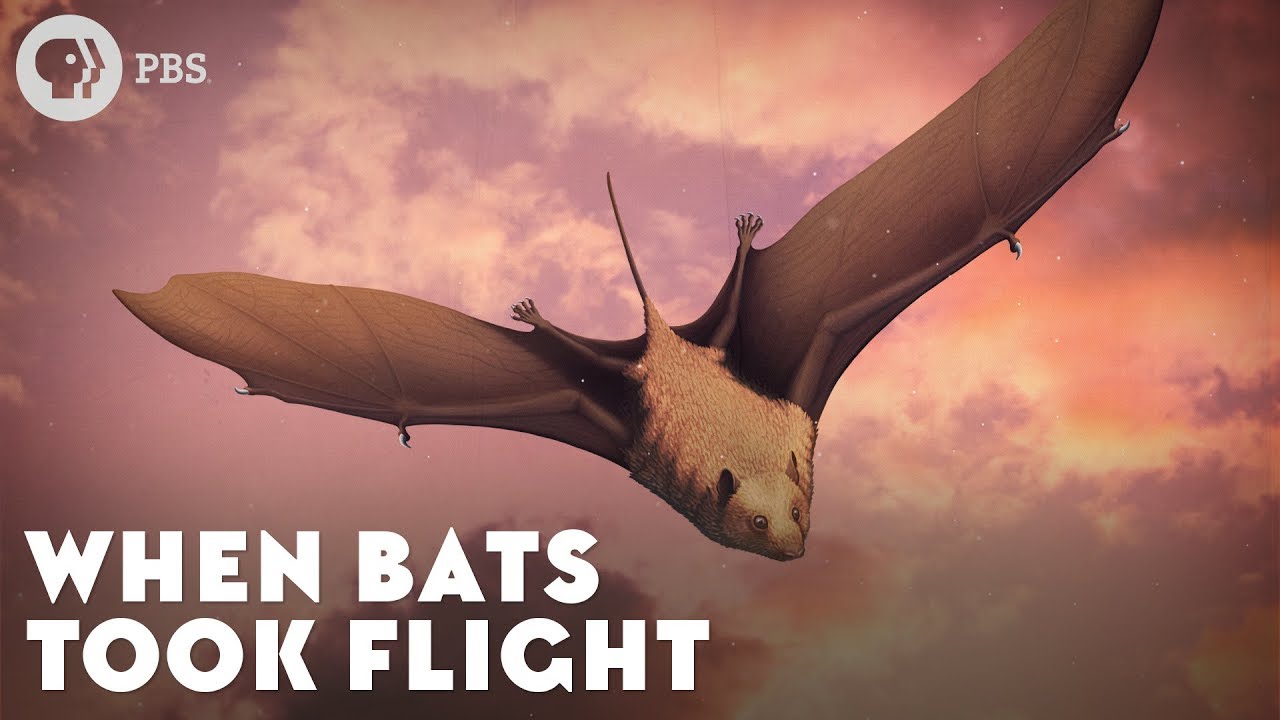
Bats appear in the fossil record as fully developed flying mammals across all continents except Antarctica, raising questions about their origins and evolutionary features.
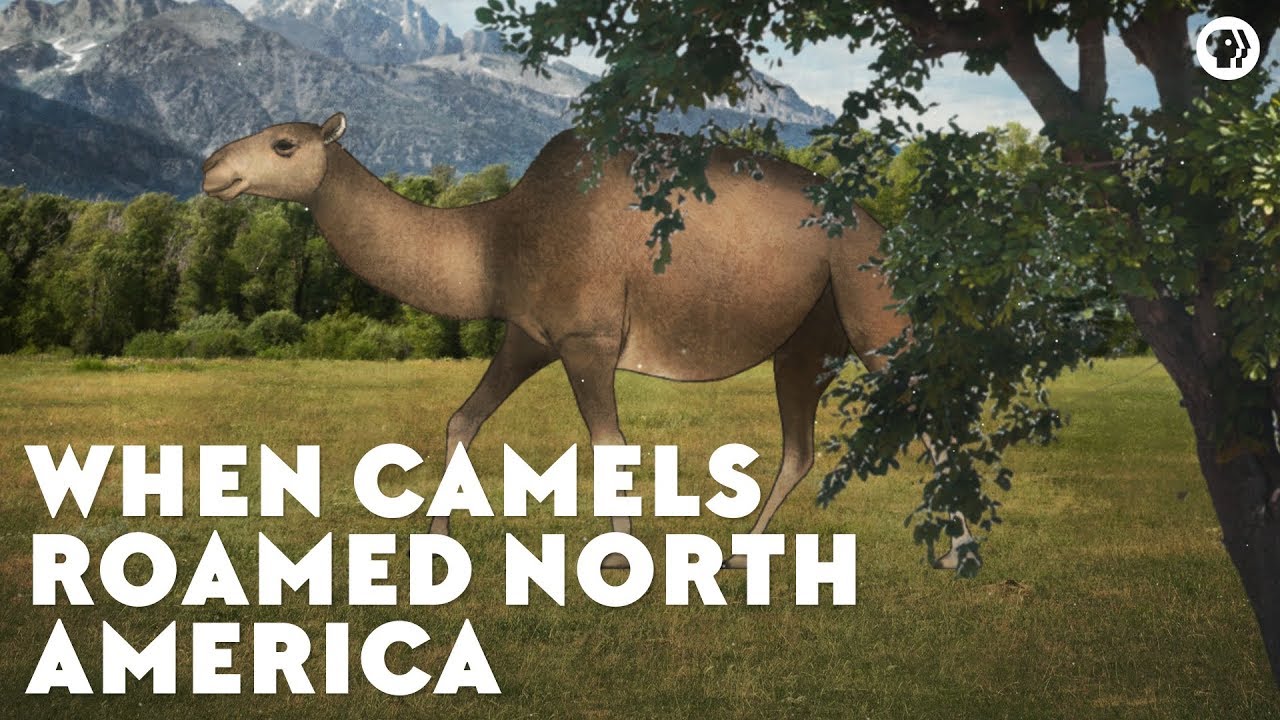
Camels originated in North America over 40 million years ago, thriving in a rainforest environment before adapting to harsher climates.
A Morrocoy Turtle travels across ground that was submerged just days ago, seeking refuge in a pool as the dry season intensifies.
420 million years ago, Prototaxites, a giant fungus, thrived as the largest living organism on land, playing a crucial role in the evolution of terrestrial life.
In Australia, a group of herbivores evolved into apex predators, showcasing the dramatic shifts in the ecosystem and the role of natural selection.
During a time when Earth's dominant color was purple, the planet's ecosystems and life forms were vastly different from those of today.
A three-year-old tigress named Ahimsa has recently taken possession of her own territory in Kanha National Park, a refuge for Bengal tigers in India.
Synapsids, the first terrestrial megafauna, faced extinction while some adapted to coexist with dinosaurs, shaping the evolutionary path of modern ecosystems.
In just 10 years, the lionfish has expanded its territory in the Atlantic, becoming known as the worst invader on the planet.
In 2019, Jessica Nabongo became the first documented Black woman to travel to every country in the world, sharing her experiences and insights on global cultures.
Five baby harvest mice are born in a bedroom after a 13-year-old girl’s pet cat eats three of her original four mice.
Tender and playful behaviors of various animal species, including baby bears and synchronized whales, highlight the importance of biodiversity and wildlife conservation.
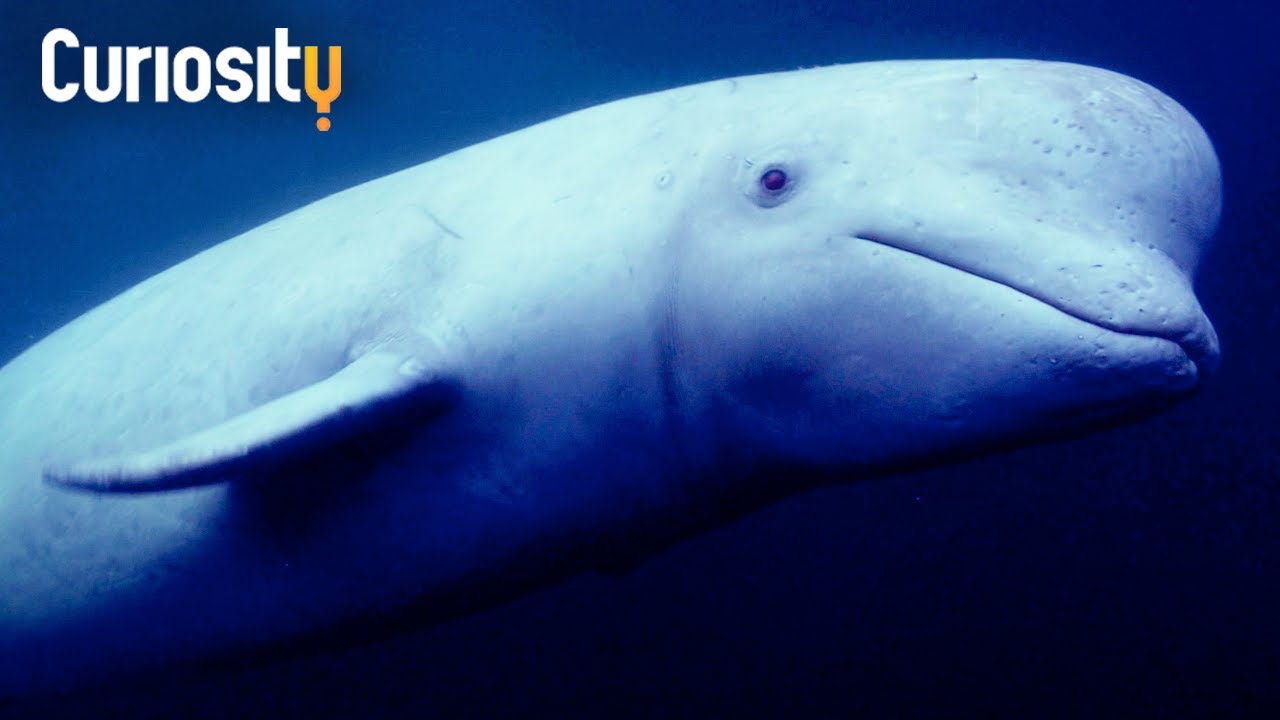
Fewer than 900 beluga whales remain in the St. Lawrence River, a significant decline from about 10,000 at the start of the 20th century.
4,000 meters above sea level, a pilot delivers essential equipment to help track endangered mountain tapirs in Ecuador's Paramo region.
Crustaceans repeatedly evolve into crab-like forms across various species, raising questions about the evolutionary advantages of this morphology.
Insects, with an estimated 5 to 10 million species and around ten quintillion individuals, exhibit complex behaviors that are crucial for ecological balance.
The evolution of the giraffe's neck has sparked extensive debate among biologists, challenging traditional understandings of evolutionary processes.
This Spanish documentary showcases Alaska, America's natural paradise and its diverse landscapes.
This Spanish documentary showcases Alaska, America's natural paradise and its diverse regions.
Wood Buffalo National Park covers 44,900 square kilometers and is home to the largest wild herd of wood buffalo, numbering around 6,000.
Wood Buffalo National Park covers 44,900 square kilometers, nearly one-and-a-half times the size of Belgium, and is home to 47 mammal species.
This Spanish video showcases the wildlife of The Wood Buffalo National Park and its wood buffalo.
This Spanish video highlights the largest herd of wood buffaloes in Wood Buffalo National Park.
Wood Buffalo National Park is home to around 6,000 wood buffalo, the largest wild herd of this subspecies in the world.
Wild hamsters are thriving in Vienna's cemeteries, adapting to urban life by feeding on candle wax and fresh flowers despite their critically endangered status.
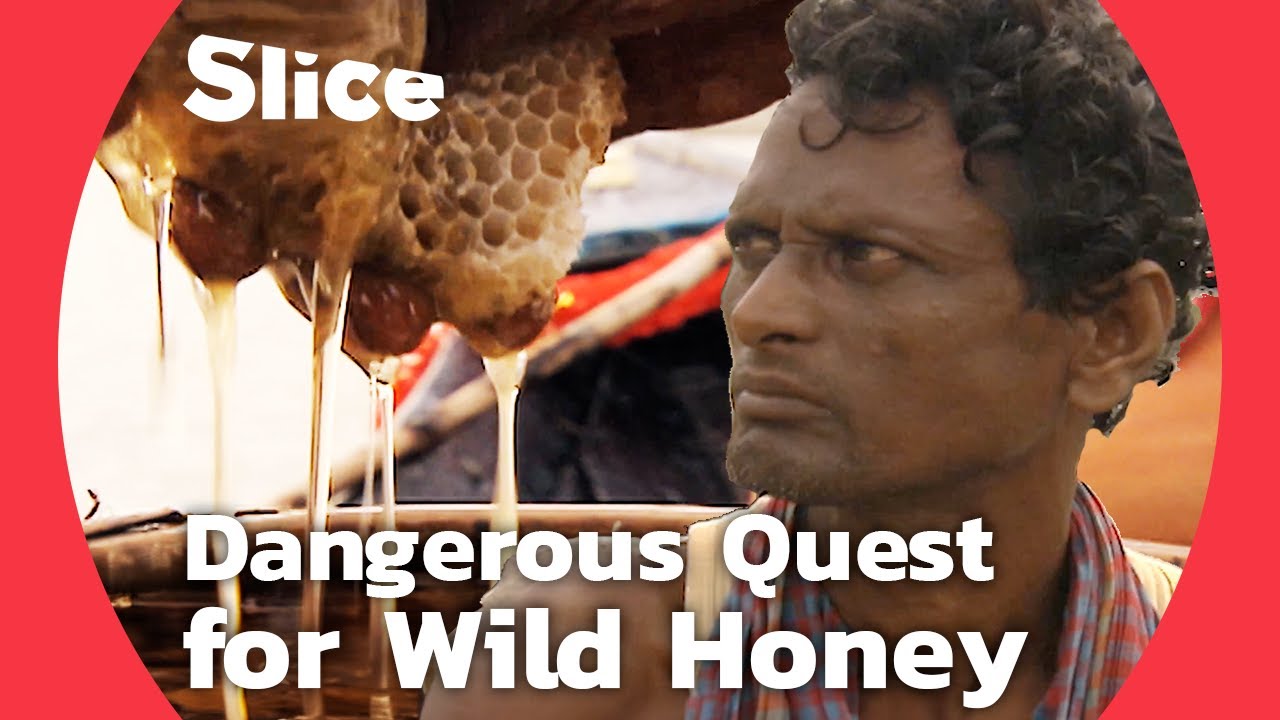
More than 200 tigers inhabit the Sunderbans, posing a constant threat to wild honey gatherers like Girindra as they venture into the dangerous forest.
Teikehee manages the largest herd of wild horses on Ua Huka in French Polynesia today.