From over 100,000 films, discover the handful you'll love.
Free or premium access to the world's largest documentary library.
3994 films(Page 11 of 84)
Hippos can hold their breath underwater for up to five minutes while spending up to 16 hours a day submerged to stay cool in the African sun.
Sir David Attenborough's career spans over sixty years, showcasing the evolution of natural history filmmaking from black-and-white television to advanced series like Planet Earth.
In the waters surrounding Niue, Dr. Bryan Fry studies the highly venomous Niue Sea Krait, exploring its unique adaptations and the island's cultural legends.
Naked mole rats, small rodents known for their unique appearance and social behavior, are studied by biologist Rosie Koch, who explores their insect-like colony structure.
Wildlife photographers share techniques for capturing animals in their natural habitats, featuring bird photography in Brazil's Atlantic Forest and Yellowstone National Park.
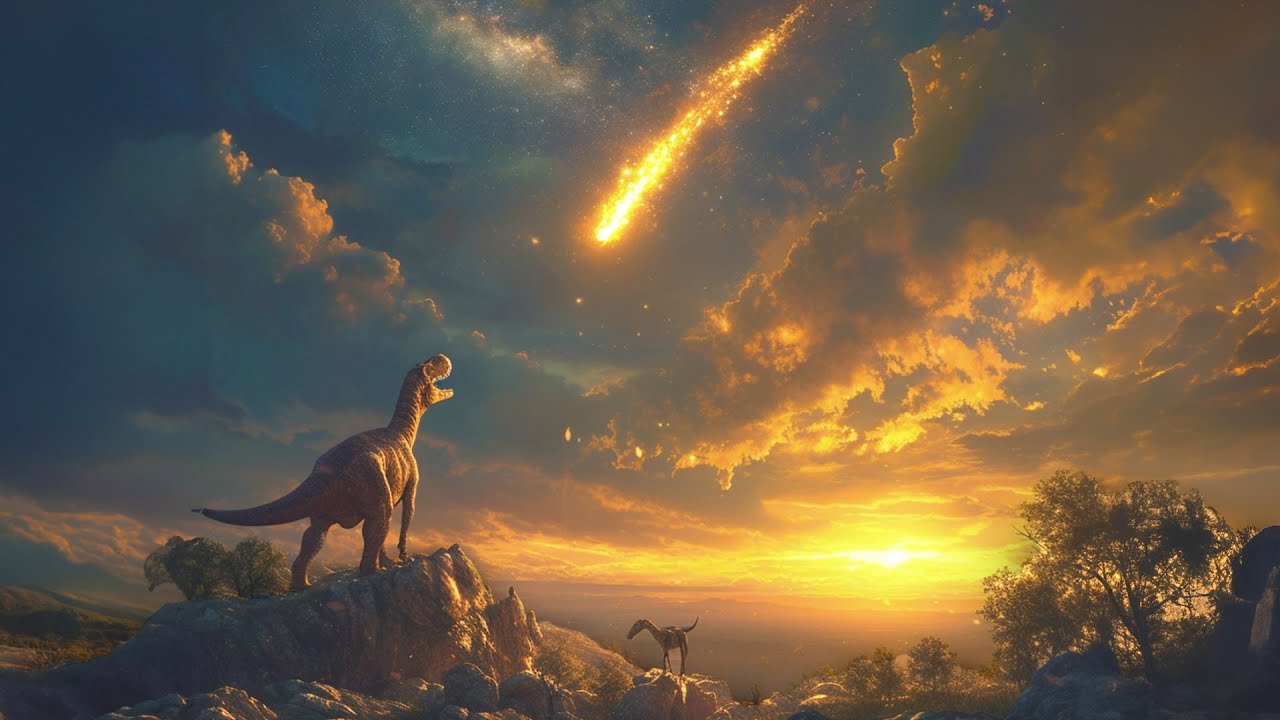
A catastrophic asteroid strike 65 million years ago led to the extinction of dinosaurs, reshaping Earth's biodiversity and paving the way for human evolution.
The changing relationship between humans and sharks is examined through interviews with attack survivors and footage of both shark hunts and encounters.
The Great Barrier Reef stretches 2,300 kilometers long and is built by billions of tiny coral polyps working together over half a million years.
Gates of the Arctic National Park and Preserve in Northern Alaska protects diverse wildlife, including brown bears and migrating caribou, within the largest contiguous wilderness in North America.
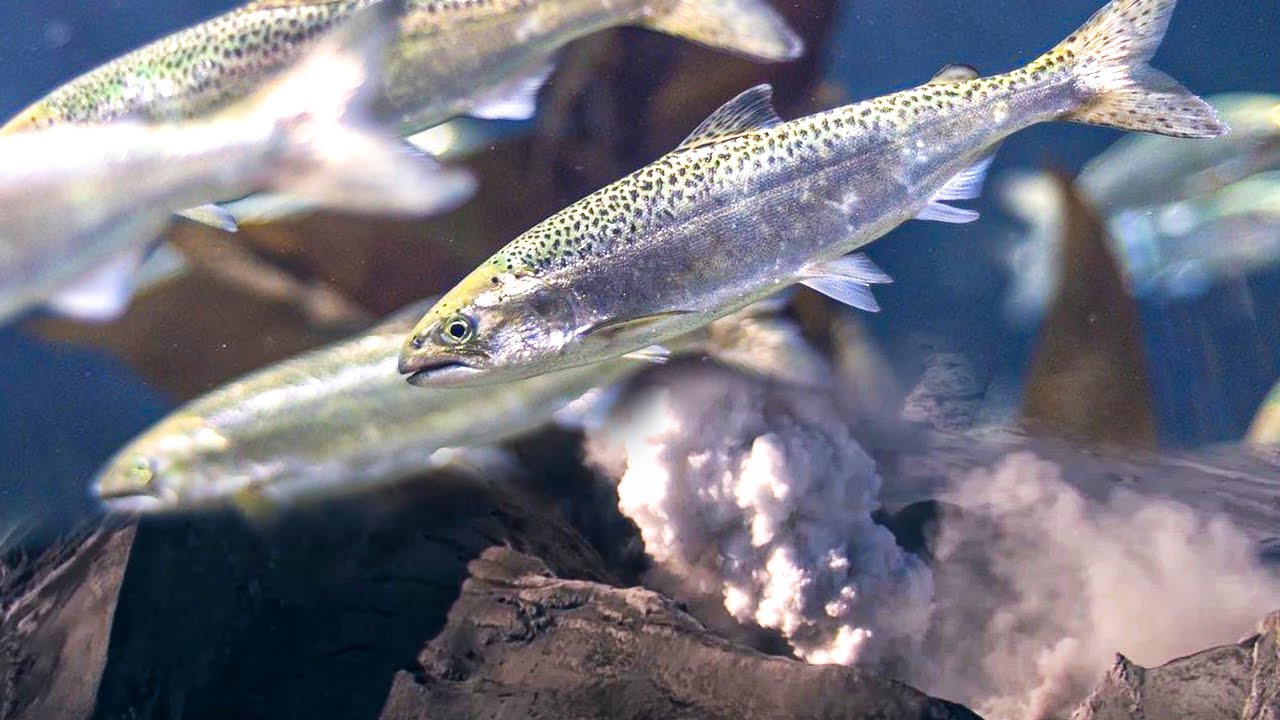
In Alaska, volcanic eruptions poison fish, impacting salmon and river ecosystems over 2000 years.
A 14-foot-long fish once swam in what is now Kansas, revealing a time when much of the Midwest was underwater.
The Galapagos Islands, located about 600 miles off the South American coast, are home to unique species like the marine iguana, which can hold its breath for up to 30 minutes.
At least 14 active volcanoes are found in Katmai, more than any other national park in the United States.
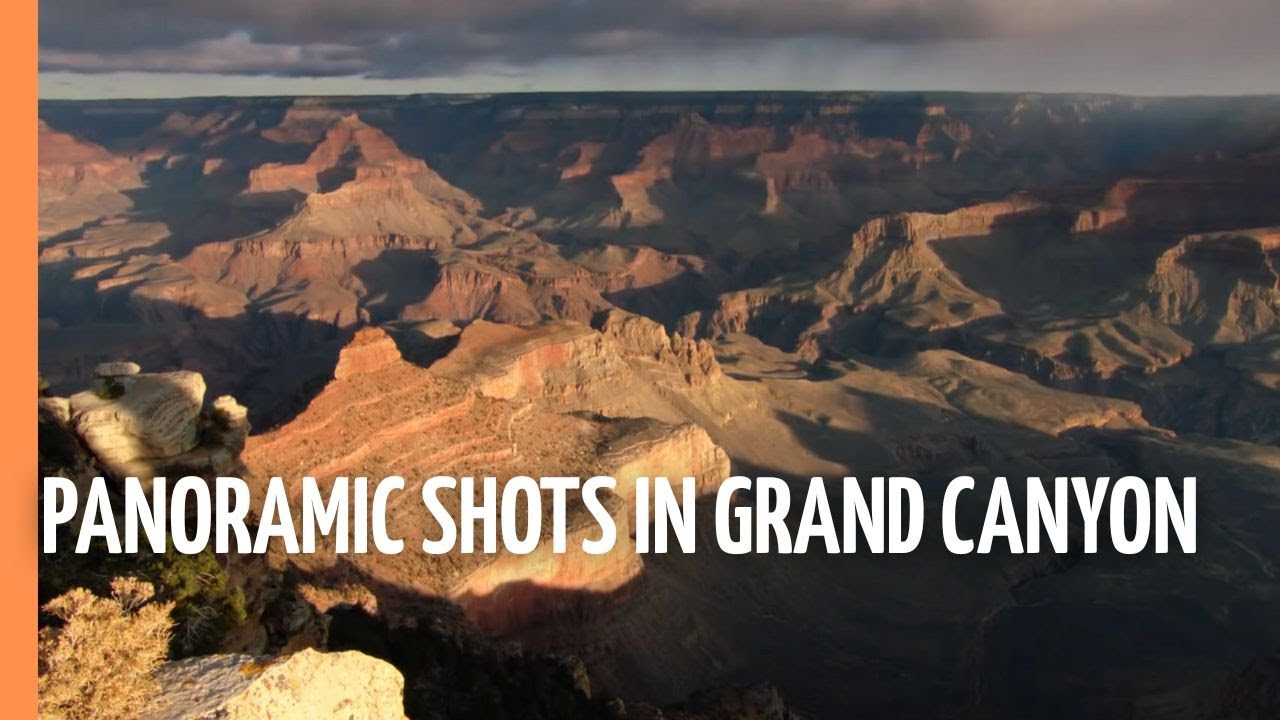
Grand Canyon National Park in Arizona showcases its 277-mile canyon, diverse ecosystems, and wildlife while highlighting the importance of conservation efforts.
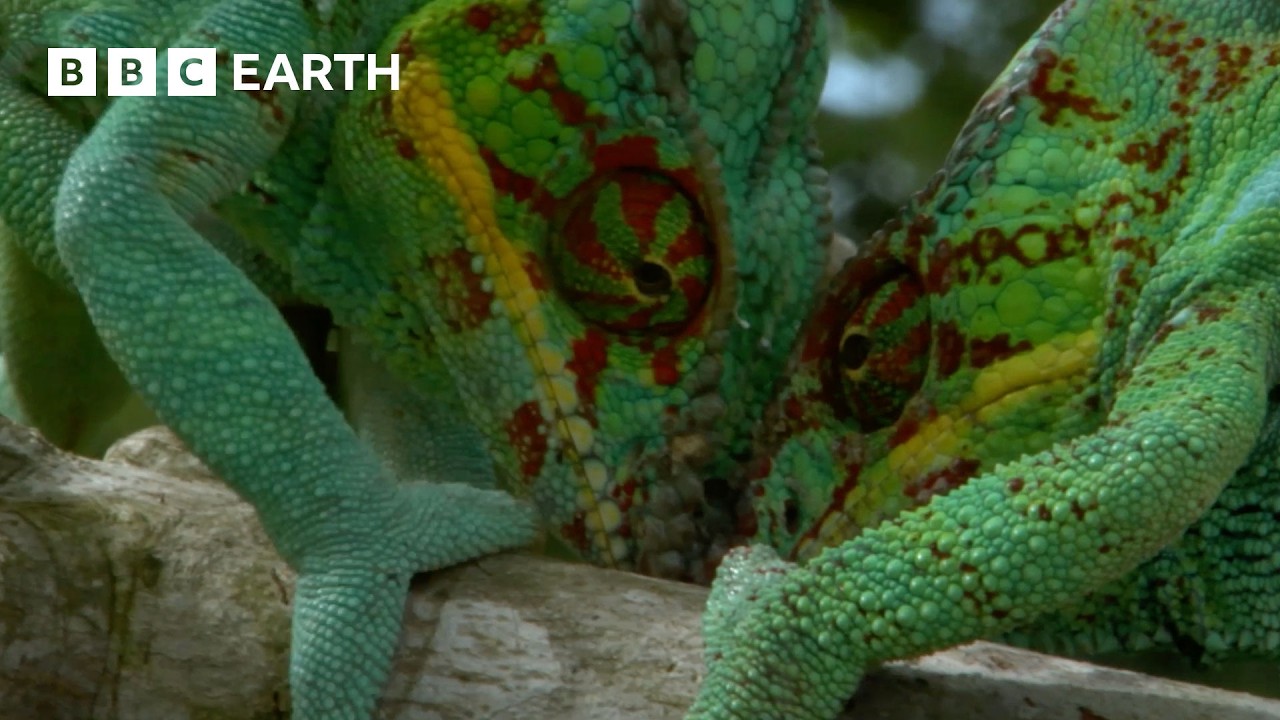
Madagascar's unique wildlife showcases intense chameleon battles and lemurs seeking refuge from predators in their natural habitat.
For the first time in 50 years, jaguars now live in the wild in the Iberá wetlands, marking a significant step in a large rewilding project.
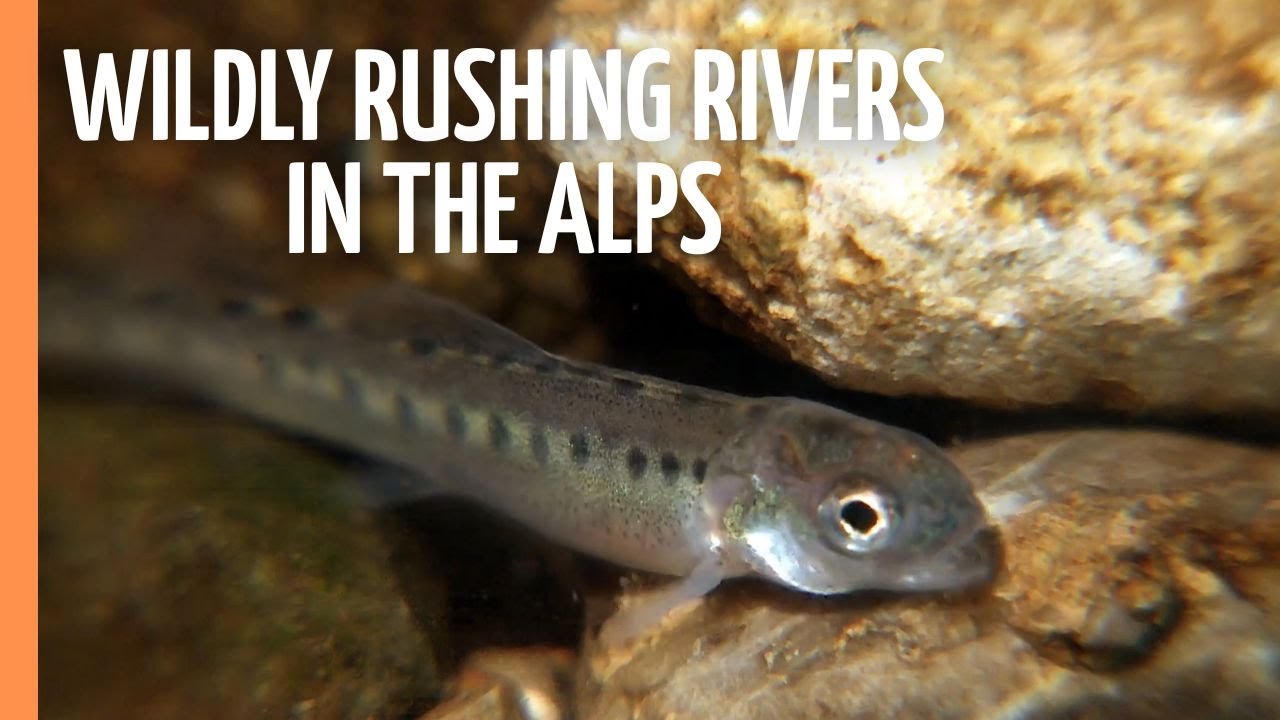
Mountains without water would become deserts, but they create their own water from clouds.
Bolivia's Ferroviaria Oriental connects Santa Cruz to border towns with Brazil and Argentina, playing a crucial role in the country's supply chain.
A harpy eagle chick weighs about 80 grams at birth and will rely on its mother for food for the next 10 months in the Guyanese rainforest.
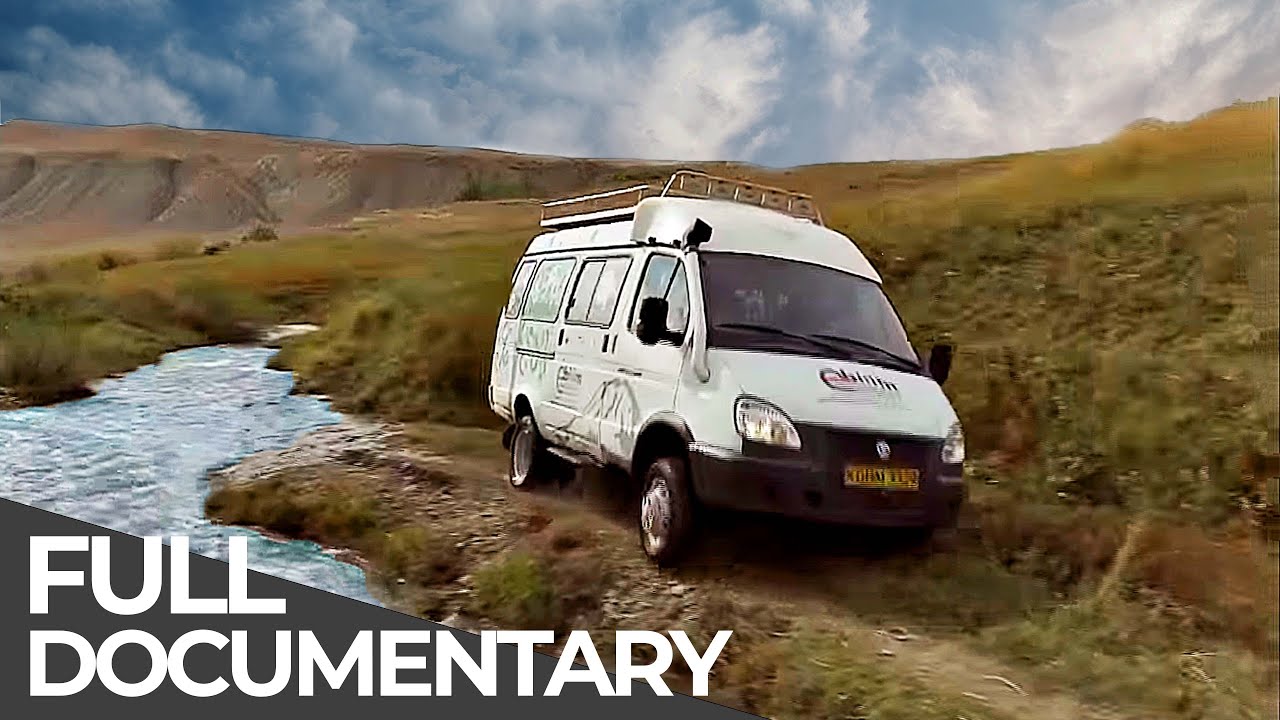
In Kyrgyzstan, Muscat Boruchev works to revive the nearly extinct Kygyrz horse breed, while Bastien Chaix leads environmental education expeditions for youth.
300 gallons of ice are needed to provide drinking water for a family living in the harsh winter conditions of Alaska.
Natural wonders around the globe, from remote landscapes to hidden gems, are showcased in stunning 4K visuals that highlight Earth's extraordinary beauty.
Shark attack survivors and scientists in Hawaii and California discuss strategies to minimize shark attacks while showcasing the creatures' behavior from a surfboard perspective.
Hana Stitfall searches for wild hamsters in Vienna's Central Cemetery, a green space of over 500 acres, where urban wildlife thrives alongside humans.
A 90-meter deep plunge pool carved into bedrock in the English Channel provides evidence of ancient waterfalls that shaped Europe's geography.
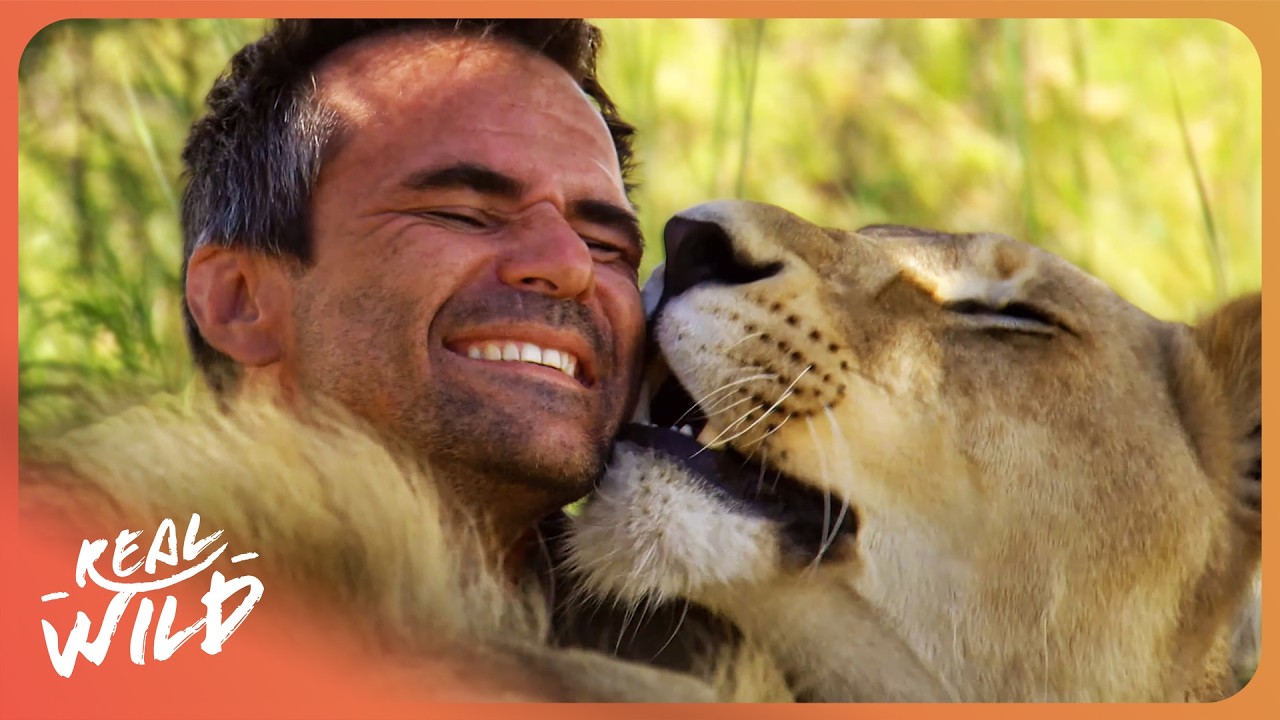
Animal behaviourist Kevin Richardson relocates 27 lions and 14 hyenas to a new sanctuary, navigating complex logistics while ensuring their safety and comfort.
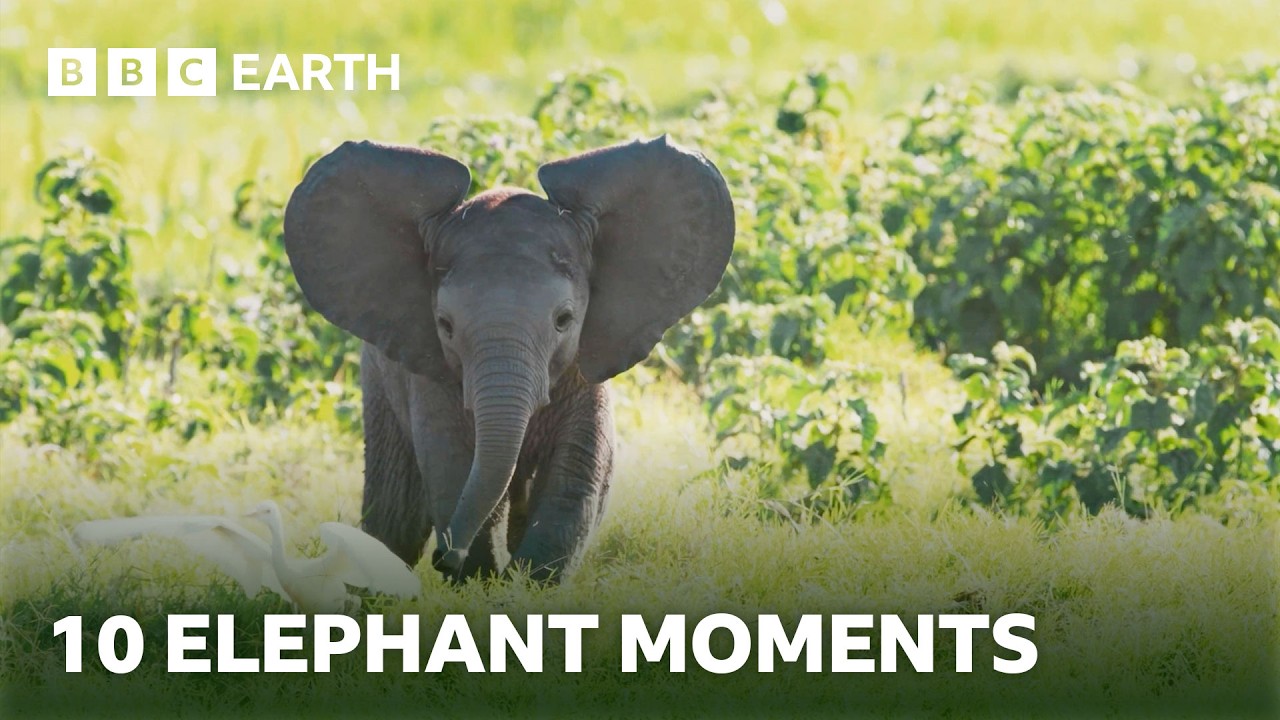
Elephants in various habitats are shown in remarkable moments, highlighting maternal care and herd movements captured by BBC Earth.
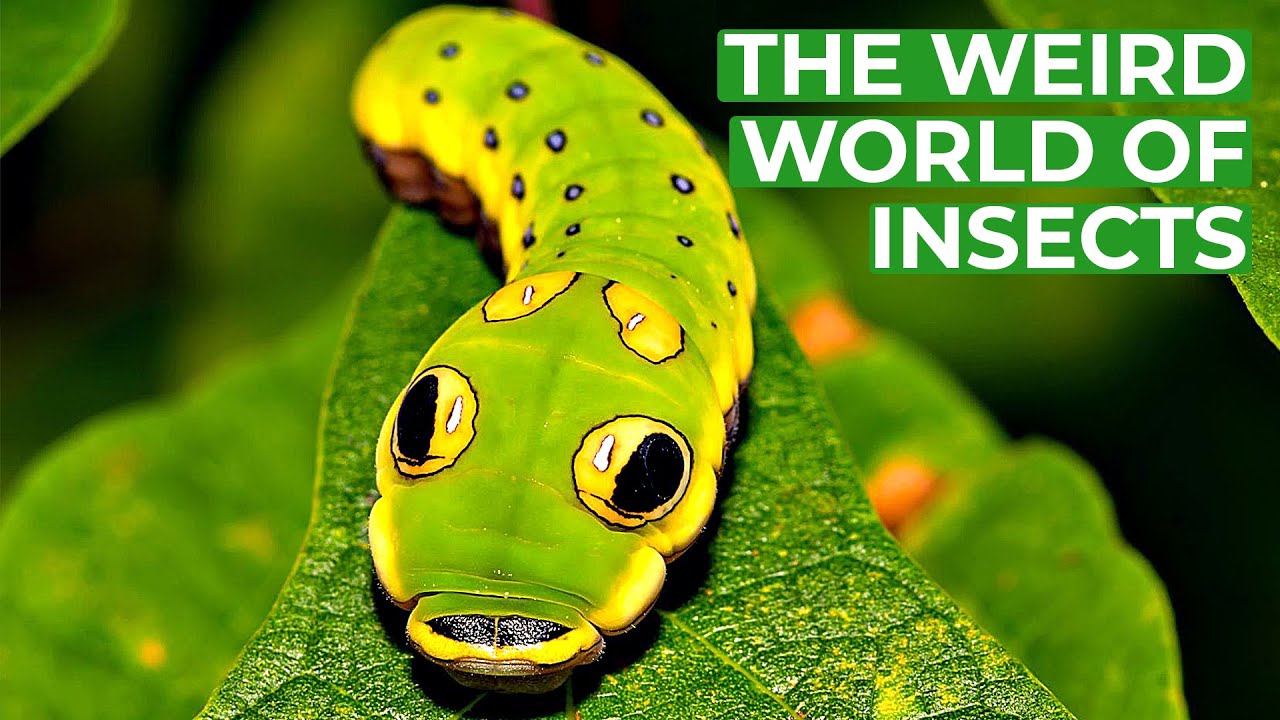
Earth hosts an estimated 1.4 billion insects for every human, showcasing their remarkable strength, endurance, and unique adaptations in diverse environments.
Scientists recreate lost animal species like the mammoth using ancient DNA from Siberia.
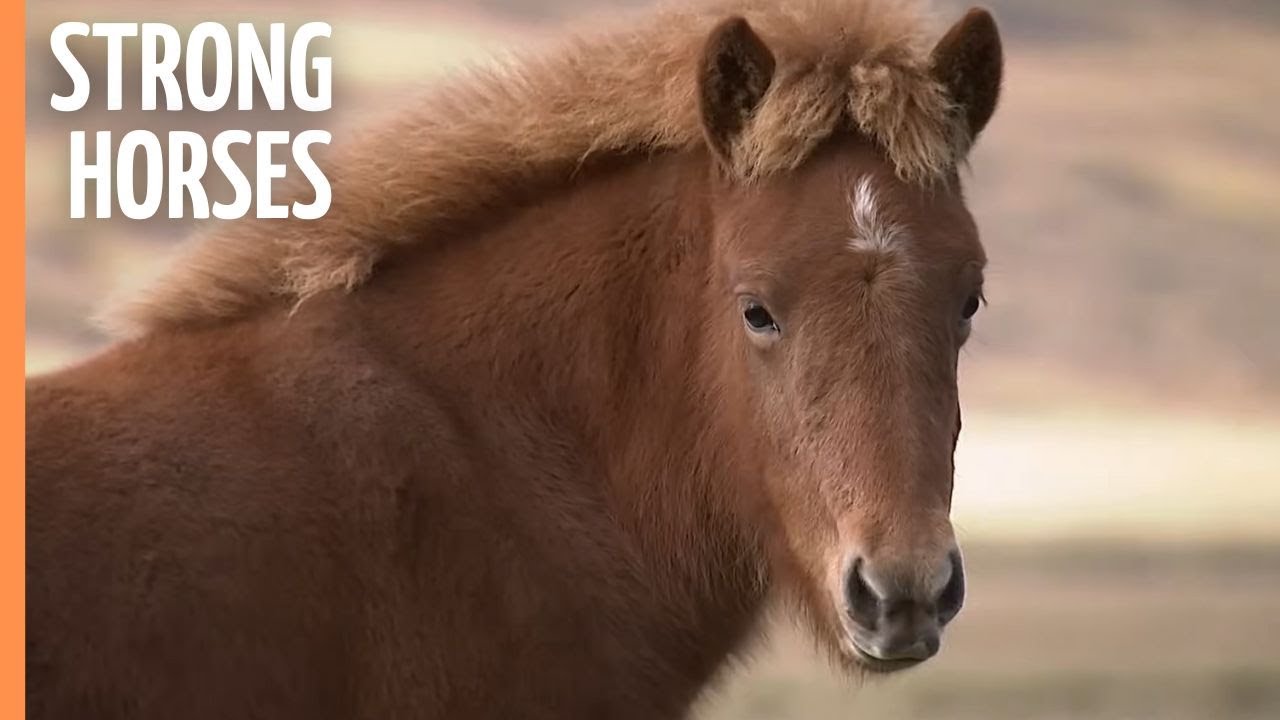
Iceland is home to the biggest volcanic island and the lively Icelandic horses of Europe.
99% of all species that ever lived were wiped out in global catastrophes, but these events also set the stage for the evolution of life on Earth.
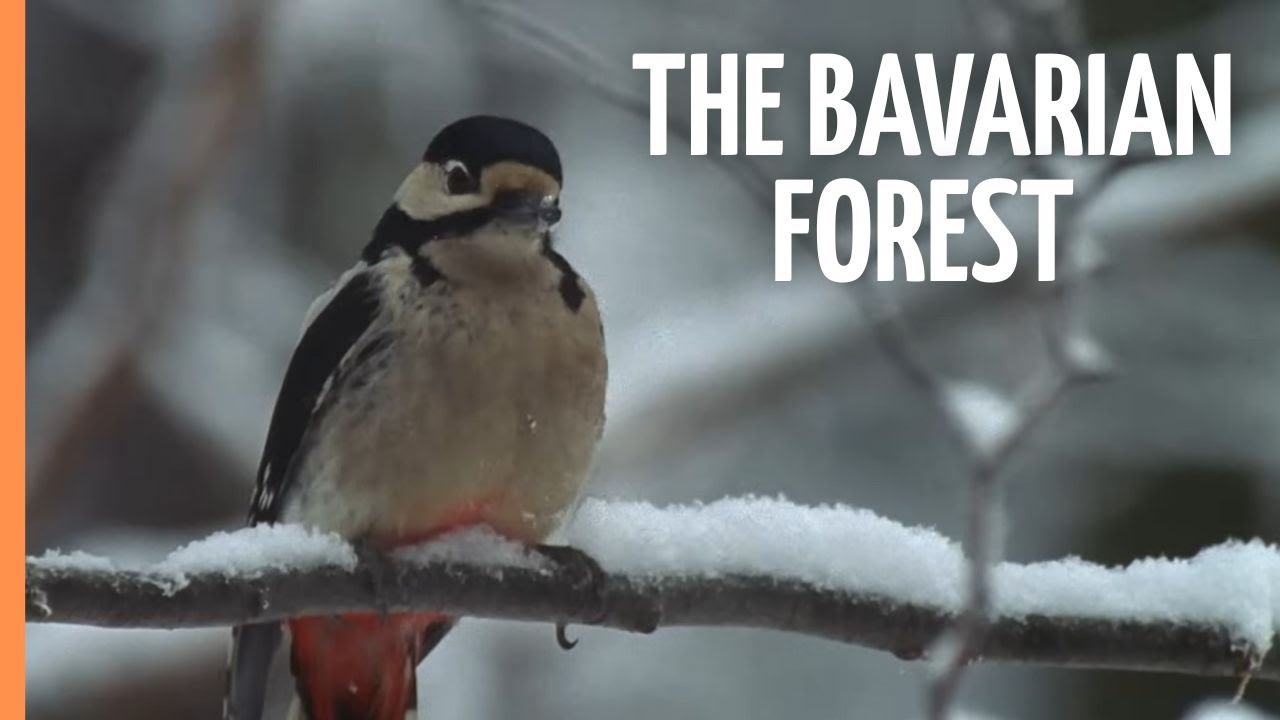
Over a dozen lynx, once absent from Bavaria for more than 150 years, now roam the Bavarian Forest National Park as it recovers from past ecological damage.
On January 12, 2019, a dead sperm whale carcass was towed eight miles offshore near Oahu, attracting various shark species, including tiger sharks.
In Indonesia's Batanta Island, two men investigate the existence of the Tree Crocodile, a giant lizard feared by locals and reported to exceed 3 metres in length.
The Sado River in Portugal has been revitalized into a biodiverse habitat through the efforts of local environmentalists and fisherwomen, enabling the reintroduction of Portuguese oysters.
80 percent of all species in the rainforests of Sulawesi are endemic, found nowhere else on earth, according to research on the Wallace Line.
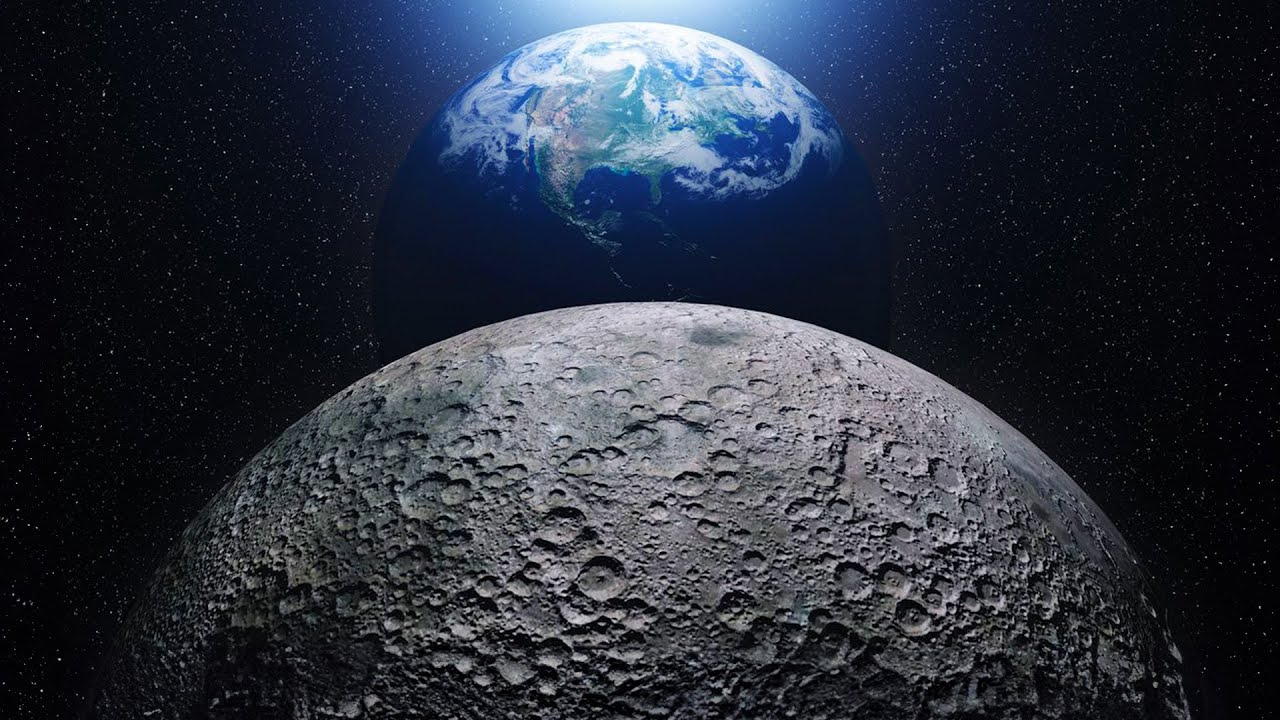
Eight astronauts with over 1,000 days in space discuss how Earth's shields protect life from the sun's harmful radiation.
Wild horses in North America, often thought to have been introduced by Spanish conquistadors in the 1600s, face complex management challenges and a misunderstood history.
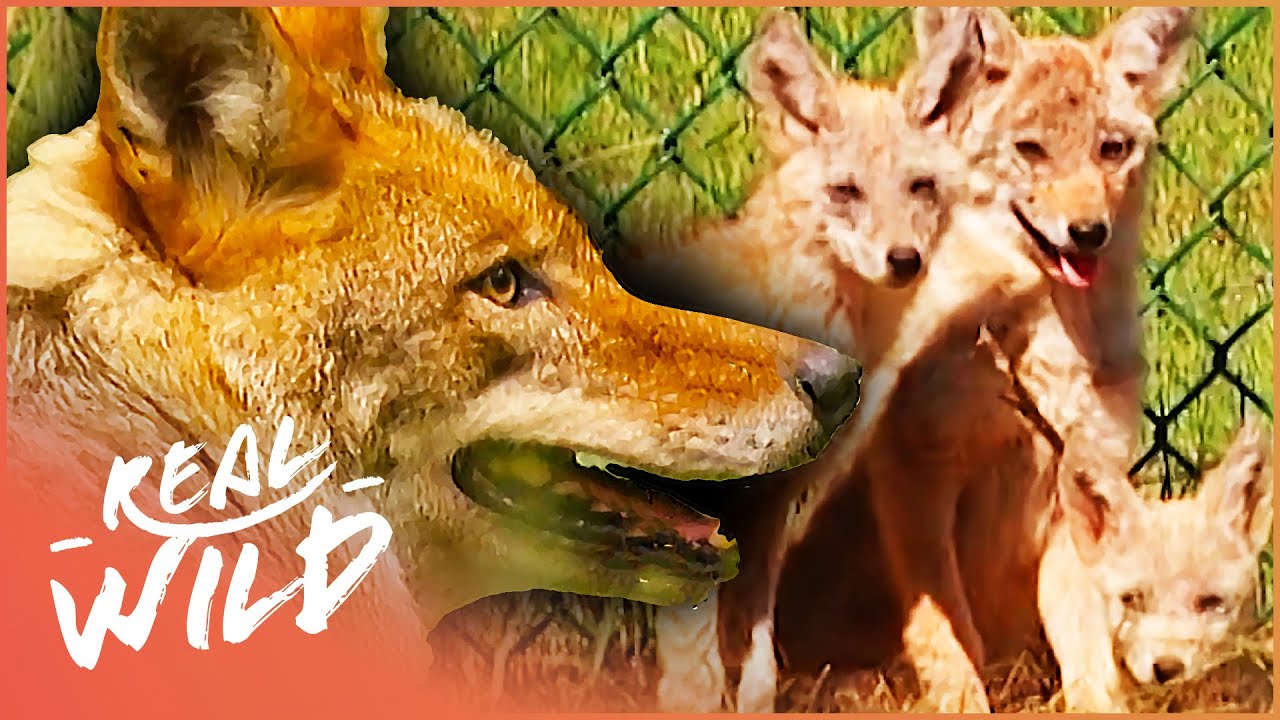
Coyotes have thrived across North America, adapting to various environments and establishing themselves as top predators while other species faced extinction.
Only eight or nine Scottish wildcats remain in the Western Highlands, prompting urgent conservation efforts to save the species from extinction.
Butterflies undergo remarkable transformations from caterpillars and display intricate wing patterns that are essential for their survival and reproduction.
The animal kingdom showcases a variety of innovative survival strategies, from navigation techniques to complex social structures, highlighting intelligence across species.
A team of local adventurers faces low water levels while dragging their boats through the Rewa River in the jungles of Guyana.
Over 200,000 turtles lay their eggs on a beach in India, with only one in a thousand hatchlings expected to survive to adulthood.
In Malaysia's oldest rainforest, the life cycles of unique species like the proboscis monkey and orchid mantis highlight the intricate survival strategies of jungle inhabitants.
In the High Arctic, a pair of snowy owls faces challenges in breeding and survival as they contend with low lemming populations and extreme seasonal conditions.
La Palma in the Canary Islands features thundering waterfalls and ancient forests on Rosenmontag.
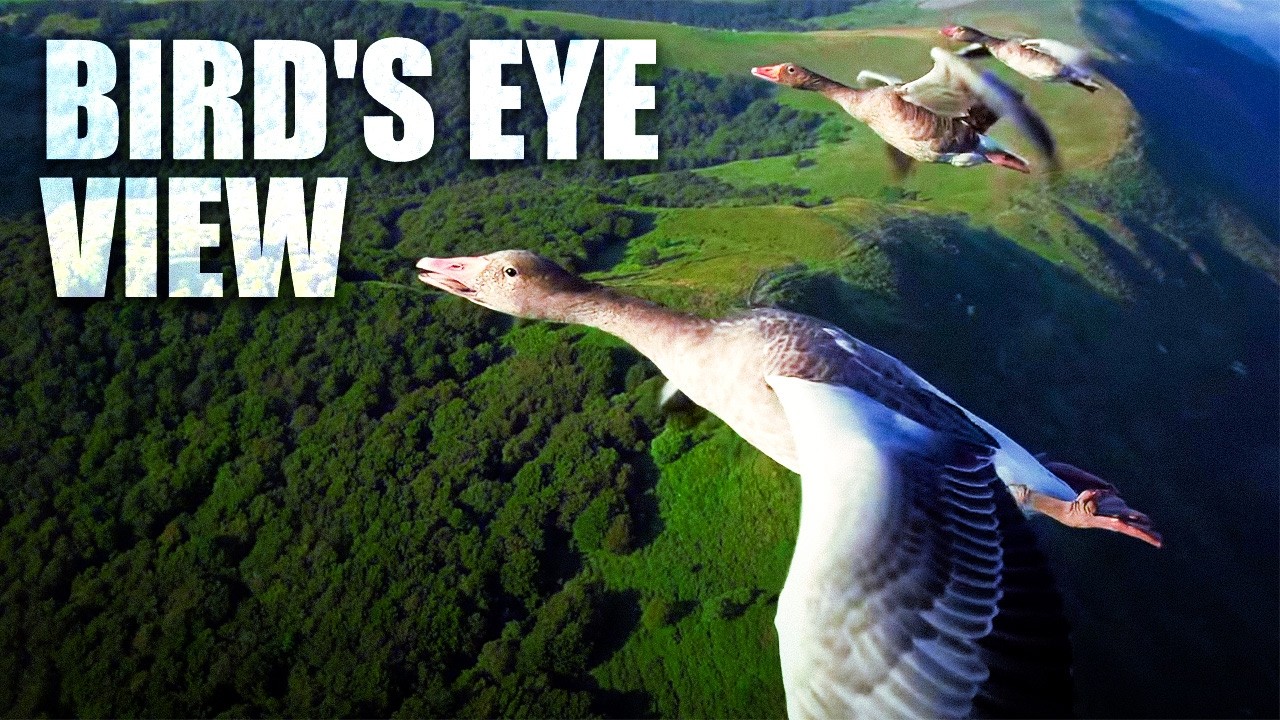
Migratory birds like the Arctic Tern and Sandhill Crane undertake long journeys across continents, facing harsh weather, captured through aerial microlight footage.