From over 100,000 films, discover the handful you'll love.
Free or premium access to the world's largest documentary library.
3994 films(Page 58 of 84)
Neanderthals faced extinction approximately 40,000 years ago due to climate change, competition with Homo sapiens, and changing ecosystems in Europe.
Neanderthals and modern humans coexisted in Europe and Asia, competing for resources and adapting to changing environments over thousands of years.
New World monkeys and Old World monkeys exhibit distinct differences in behavior, physical traits, and habitats across various regions.
The Lord of the Rings trilogy is filmed across over 70 stunning locations in New Zealand.
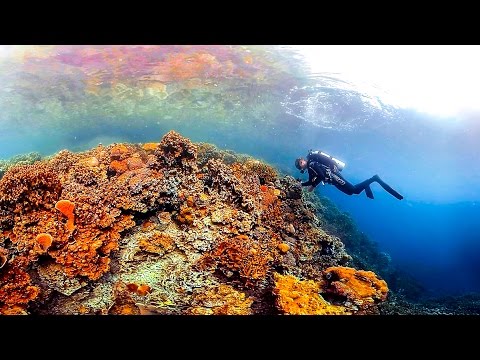
Lukas Isall discusses Palau's vibrant corals and their role in combating climate change.
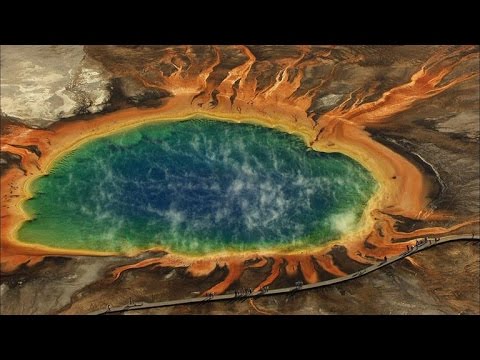
The Grand Prismatic Spring in Yellowstone National Park features vibrant colors and is home to some of Earth's earliest life forms, attracting many visitors.
A Sumatran rhinoceros weighs about 1,700 pounds and requires four square miles of jungle space to survive in its natural habitat.
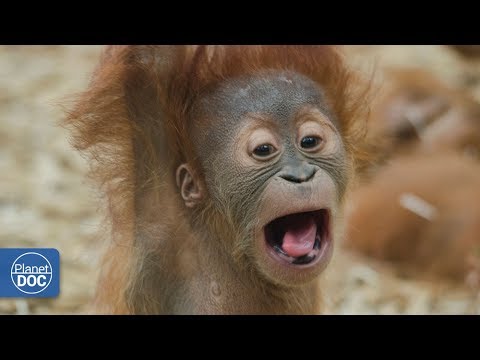
Orangutans can weigh up to 90 kilos and use a movement technique called brachiation to swing gracefully from branch to branch in the jungle.
Overfishing threatens marine ecosystems and raises questions about sustainable seafood consumption, prompting discussions on whether to continue eating fish.
The eagle owl, the real master, hunts unsuspecting mallard ducks in the night forest.
Filmen tager publikum med til Borneo for at vise bæredygtig palmeolieproduktion.
Peatlands are vital ecosystems that store more CO2 than forests and play a key role in regulating the climate by limiting organic matter breakdown.
The trailer highlights the vast diversity of insects, estimating 5 to 10 million species and showcasing their unique lives on Earth.
A young bumblebee learns from more experienced bees, including those of different species, as she prepares to join her new team.
A bean plant grows a couple centimeters and repeatedly throws itself toward a pole, demonstrating its ability to sense and respond to its environment.
The polecat is a courageous mustelid thriving in riparian forests, hunting diverse prey.
In a comprehensive exploration of Earth's geological history, this documentary examines prehistoric ecosystems and the evolution of life across various epochs.
Nat Geo Photographer Jonathan Irish captures the vibrant colors of autumn during leaf peeping, highlighting the beauty of nature and the need for environmental preservation.
Watch how advanced cloning helps protect endangered species and preserve biodiversity.
2.7 billion years ago, a mutation in bacteria allowed for oxygen production, leading to the evolution of complex organisms like Myllokunmingia.
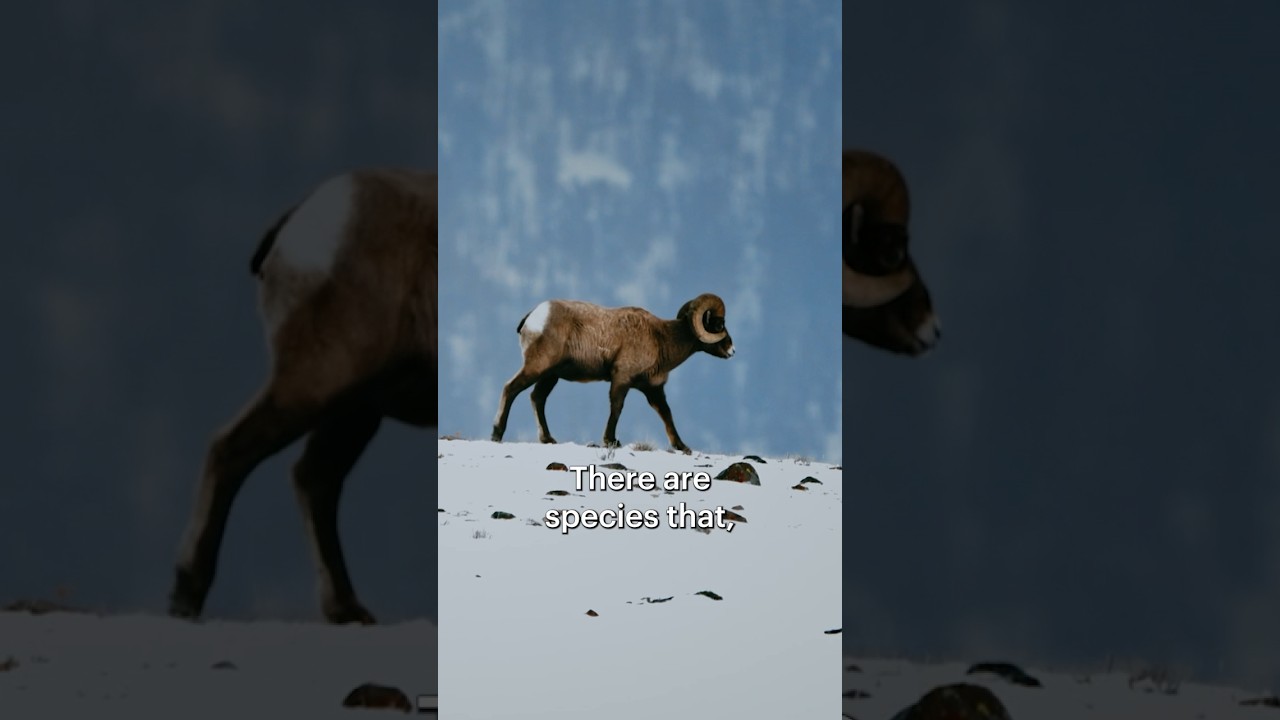
Bighorn Sheep are among the largest hoofed animals, but Bison are the largest overall.
Upwards of 80 million pounds of DDT were sprayed annually in the U.S., leading to significant environmental and health concerns.
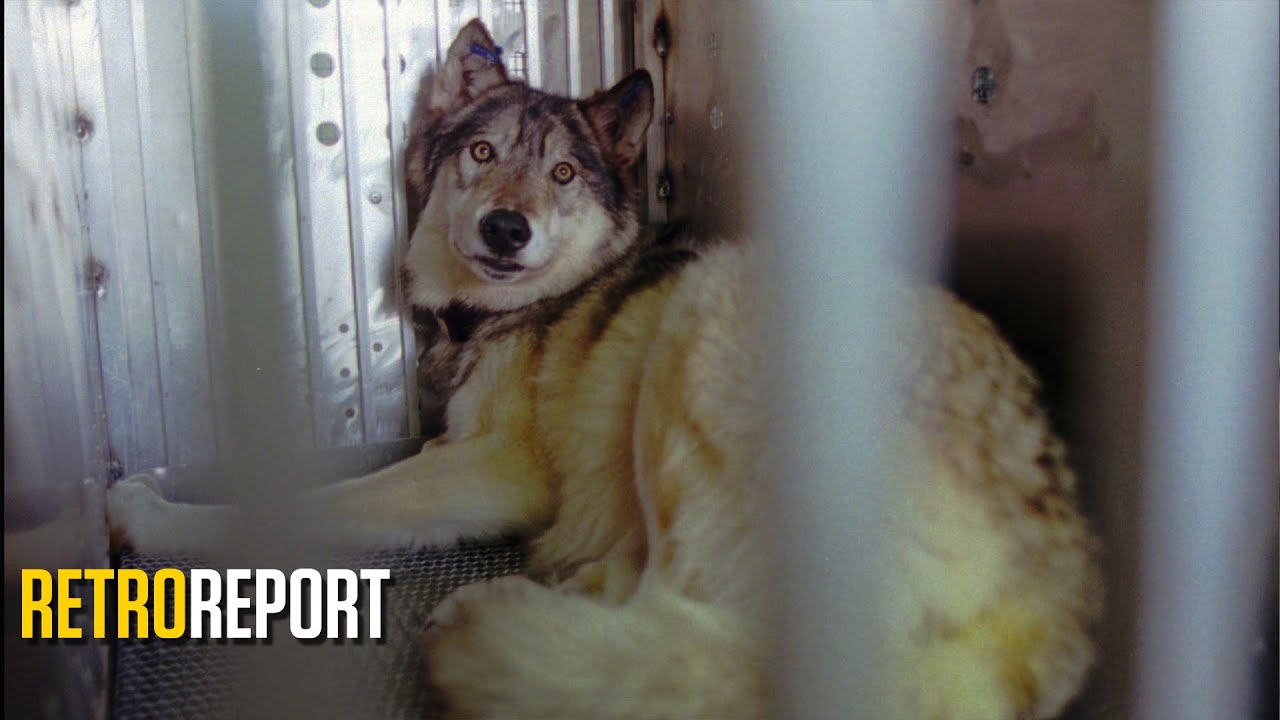
In 1995, the federal government reintroduced gray wolves to Yellowstone National Park, leading to significant ecological changes and social conflict.
Living beings communicate through colors, as seen in Madagascar and Venezuela's jungles.
In Dubai, entrepreneurs restore coral reefs to combat climate change and protect our planet.
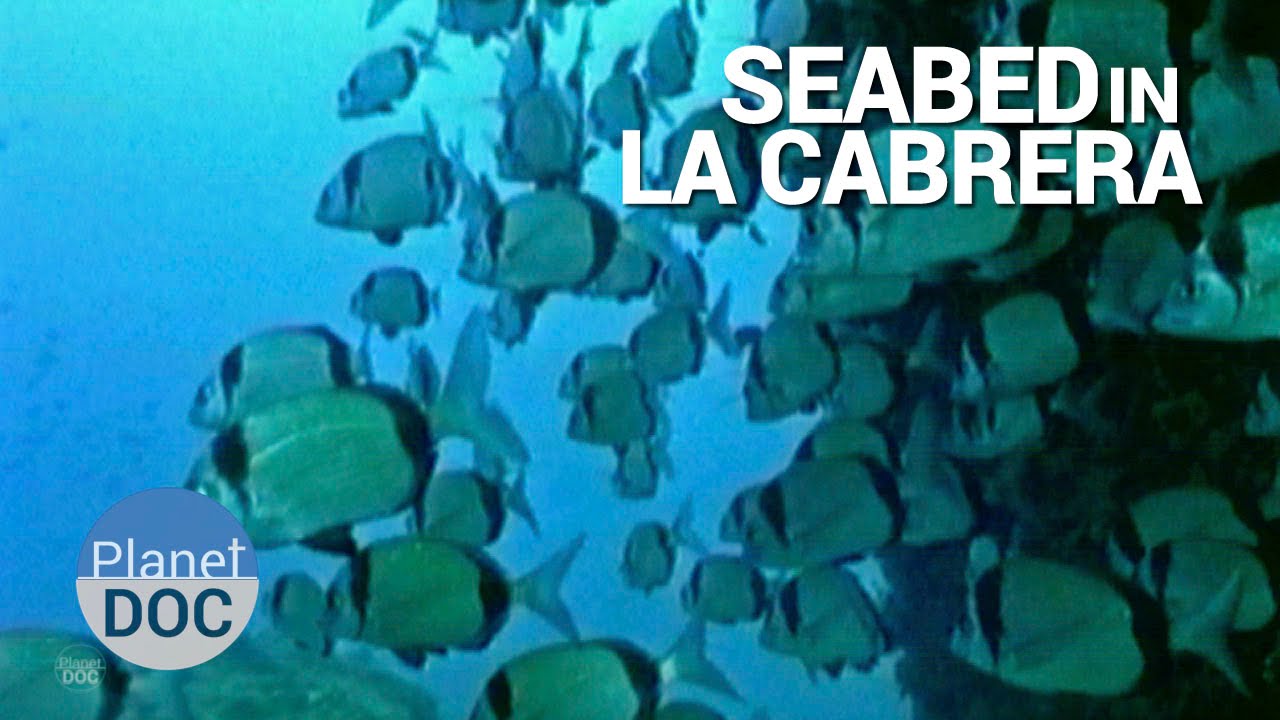
The Cabrera National Park in Spain is a vital sanctuary for endangered Mediterranean species.
Young seagulls navigate the world's largest Atlantic waves, showcasing their resilience as they hunt for prey amidst the tumultuous ocean foam.
In northern Kenya's Shaba reserve and parts of Senegal, the secretary bird exhibits unique hunting skills and nesting behaviors, laying up to three eggs per season.
Secretary birds lay no more than three eggs, and if all survive, they will form a large family in the Shaba Reserve of northern Kenya.
A male leopard hunts a monitor lizard in Shaba Reserve, where the harsh rule is simple: he who kills it eats it.
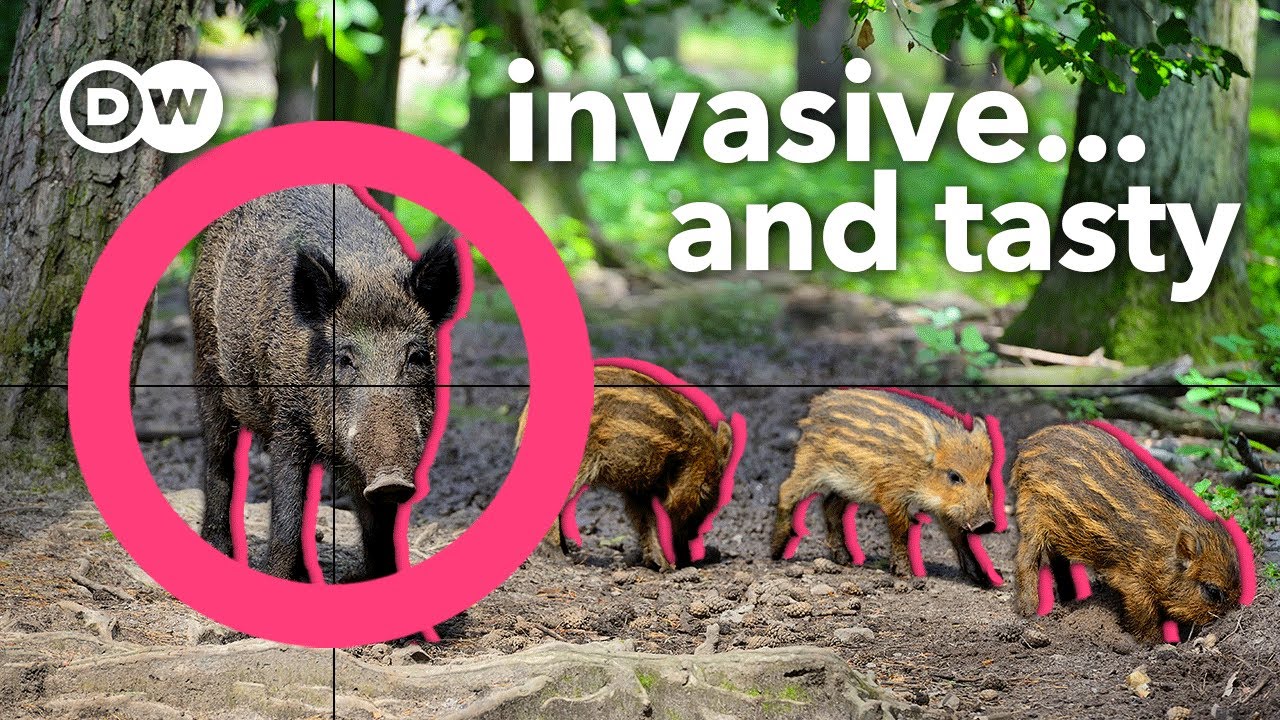
An estimated six million feral hogs in the United States, with nearly half in Texas, cause over $500 million in damage annually to agriculture and property.
Bumble bees use buzz pollination to efficiently dislodge pollen from plants.
Sloth researcher Bryson Voirin demonstrates the challenges of studying sloths in their natural habitat while pursuing Blaze the sloth through a lush canopy.
Raccoon dogs steal food to survive winter in Amazing Dogs: Africa series.
A young diver describes a whale shark as being bigger than his arm span while snorkeling in the Great Barrier Reef.
Jaguars in South America showcase their hunting skills in 'The Phantom Cat' documentary.
Southern Right Whales return to the Valdes Peninsula in Argentina to breed and give birth, a vital habitat for their survival after years of hunting.
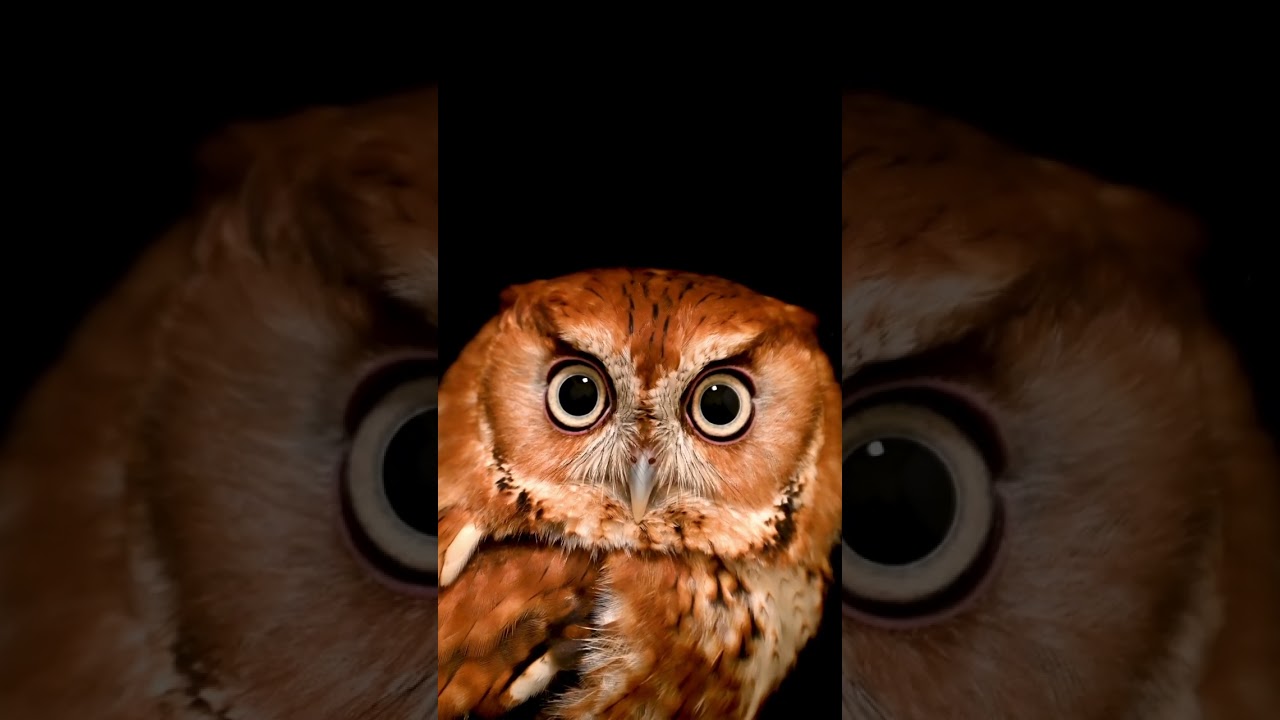
Joel Sartore's video highlights the cultural significance of owls and their unique traits.
Bryce, Mireya, and Russell find Bigfoot-like tree structures in Northern California.
Young Huli men drink a magic water during their initiation to stimulate hair growth while learning about nature and community rules in the forest.
Victoria Falls, known as the 'Smoke That Thunders,' features aerial views of its vast waterfall and ravine in Zambia, highlighting its natural beauty.
Kubongs, or colugos, are shown gliding through Malaysian forests, demonstrating their ability to leap over 100 meters and their unique adaptations for flight.
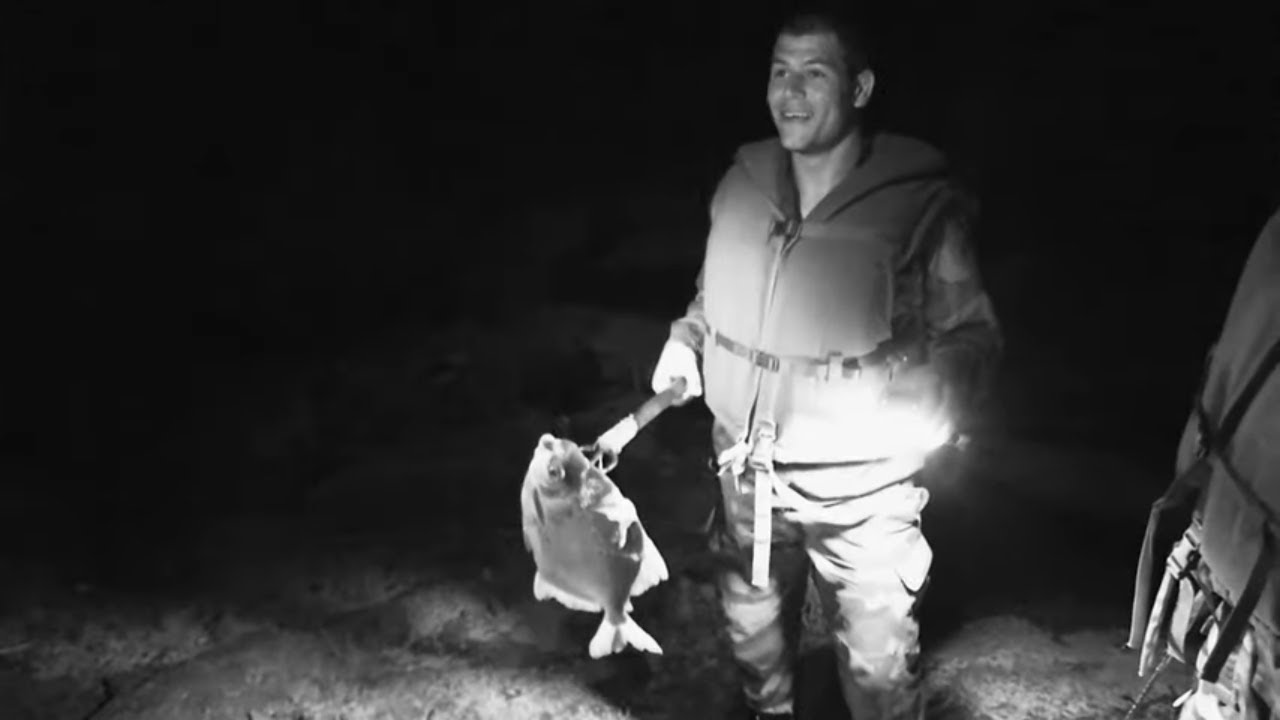
Febreze, a Guyanese instructor, teaches apprentice hunters to catch caiman and fish using traditional methods in the Amazon rainforest.
Plant-eating animals in various ecosystems face numerous threats from predators, relying on their instinct to run and adapt for survival in the wild.
In Colombia's challenging terrain, an adrenaline enthusiast consumes toxic four-eyed frogs while attempting to survive for 21 days amidst extreme conditions.
Tapirs, often misunderstood, exhibit their unique behavior of diving into water for food, highlighting their surprising relation to horses and hippos.
Termites are social insects found in Australia, with colonies reaching millions in size.
Early American inhabitants in the Chesapeake Bay faced threats from formidable predators like the short-faced bear while developing survival strategies.