From over 100,000 films, discover the handful you'll love.
Free or premium access to the world's largest documentary library.
3994 films(Page 56 of 84)
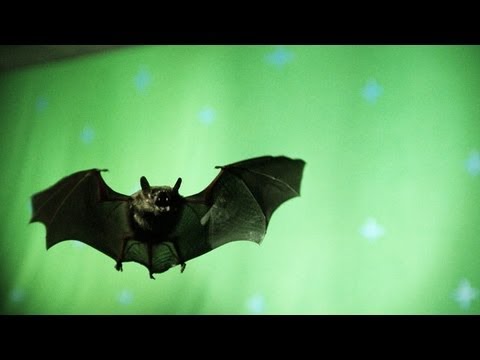
High-speed cameras capture a bat's flight in super slow motion, revealing its unique anatomy and impressive agility as part of the series 'Killer in the Caves.
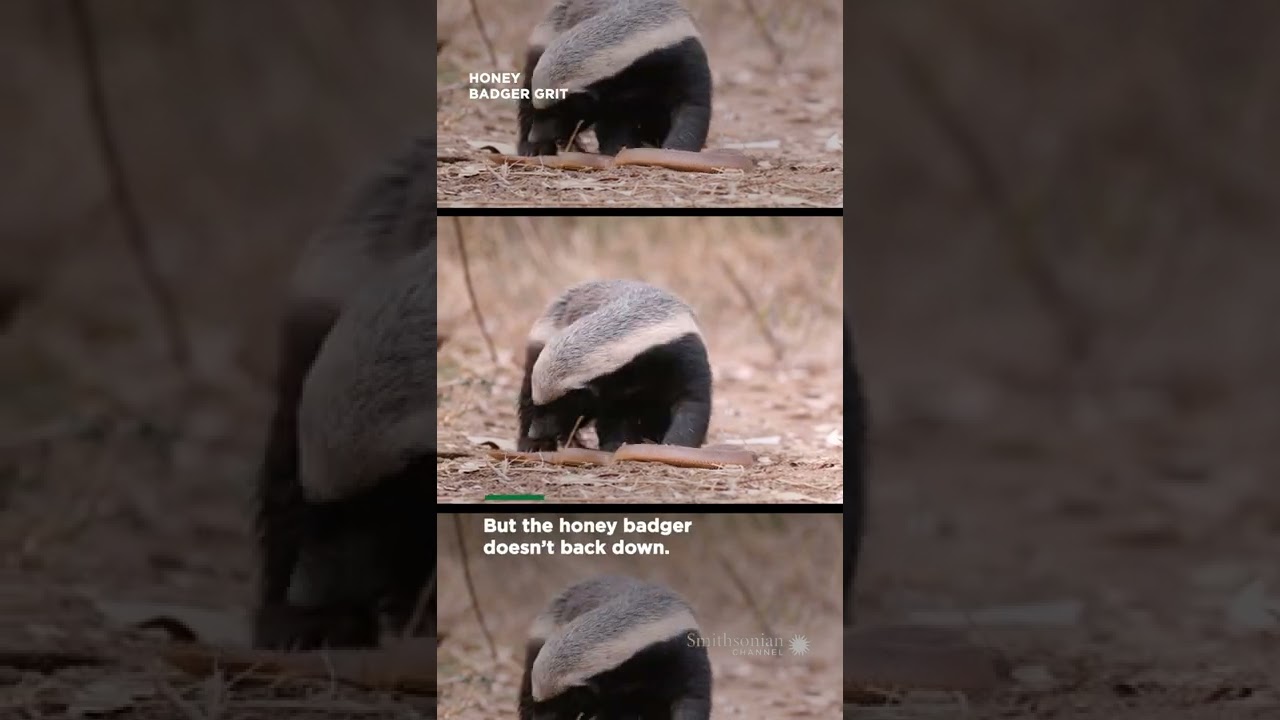
Both predators inflict deadly pain in a fierce battle between a honey badger and a mole snake.
A vast slow-moving river of grass, 60 miles wide and 100 miles long, meanders through South Florida, forming the Everglades' diverse ecosystems.
A single asteroid is known to have caused the extinction of the dinosaurs and triggered mass extinction.
Artificial light has been around since fire, impacting civilizations like the Egyptians and Romans.
In 1895, Edward Ned McIlhenny raised eight young snowy egrets in a rookery on Avery Island, establishing Louisiana's first wildlife preserve.
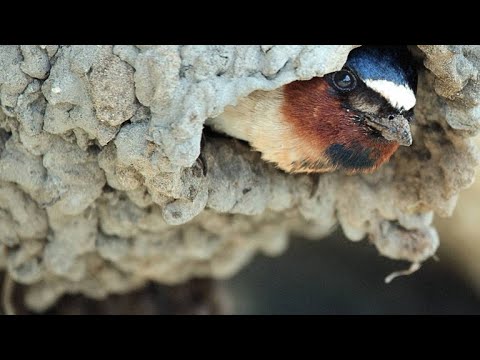
In Yellowstone National Park, bison contribute to the ecosystem by providing mud pellets essential for cliff swallows to build their nests.
Orangutan Jungle School orphans learn to avoid snakes in Borneo for their safety.
Dinosaurs evolve into birds while facing survival challenges in this docu series.
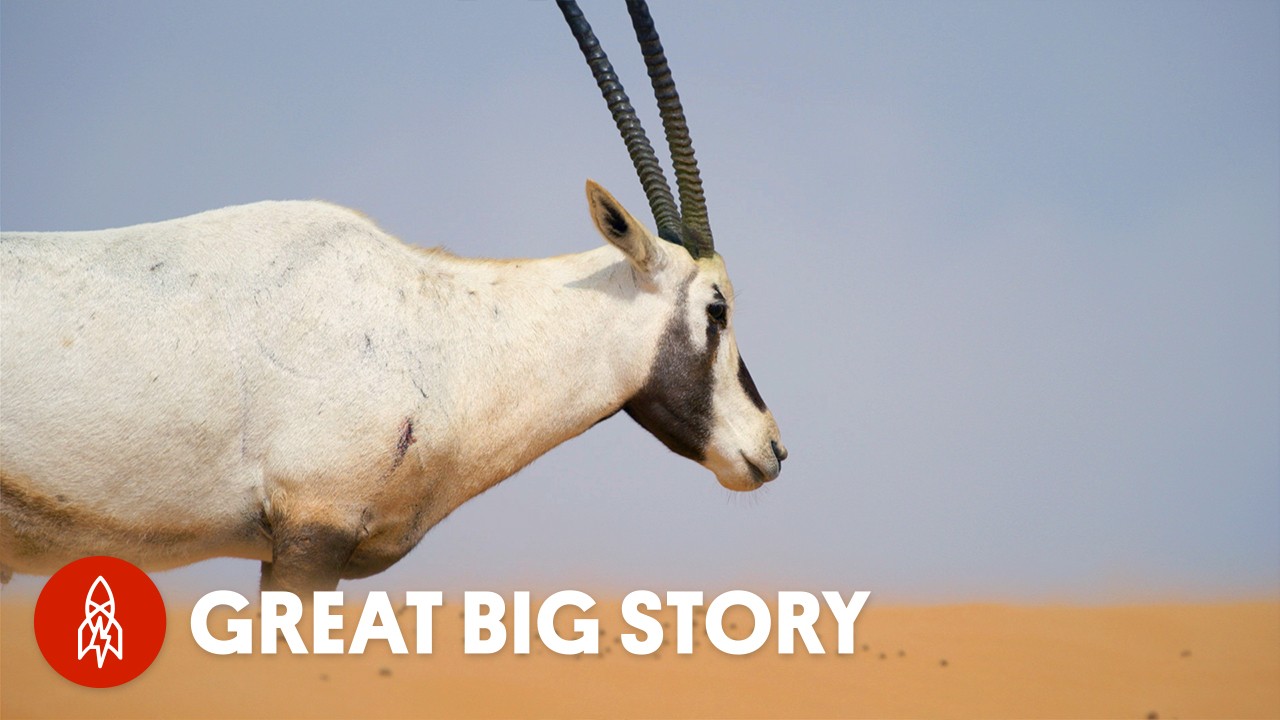
The Arabian Oryx survives extinction due to conservation efforts in the UAE since the 1970s.
In Kenya, animals like elephants adapt to survive in the wild, as Mufasa taught Simba.
A biodiversity survey in Pride Lands reveals essential wildlife data for conservation efforts.
Giant anacondas in the Amazon rainforest exhibit remarkable adaptations that enable their survival during periods of drought and changing environmental conditions.
Fungi play a crucial role in ecosystems by feeding on their environment and interacting with other life forms, including humans, as potential hosts.
Lizard biologists in the Caribbean reveal surprising traits shared among island lizard species.
Green economists like Ralph Chami and Adrienne Buller debate the implications of assigning monetary value to nature's services, such as trees and whales, to promote environmental conservation.
Kodiak bears, the largest brown bear subspecies, are shown consuming large amounts of salmon during the spawning season on Kodiak Island in Alaska.
An 8-meter-high mushroom fossil, discovered on the Arabian Peninsula, dates back 500 million years and illustrates the ancient power of fungi.
Scientists train reef sharks to control the invasive lionfish population in the Atlantic Ocean.
Yunnan snub-nosed monkeys adapt to extreme cold with unique physical features.
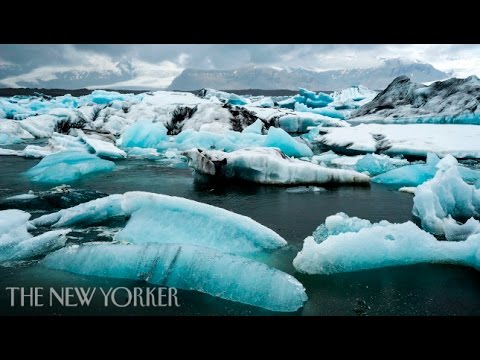
Svalbard has about 1,100 glaciers, which melt in summer, creating rivers of cold fresh water that attract thousands of seabirds and marine life.
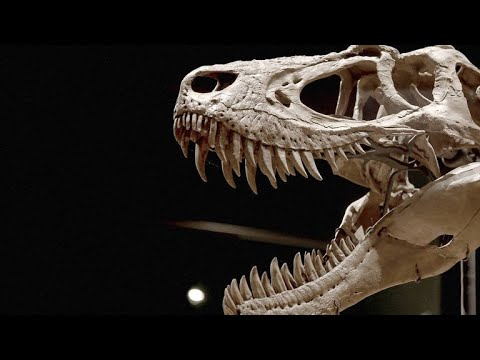
The T-Rex's 400,000 pounds per square inch biting force allows it to prey on Triceratops.
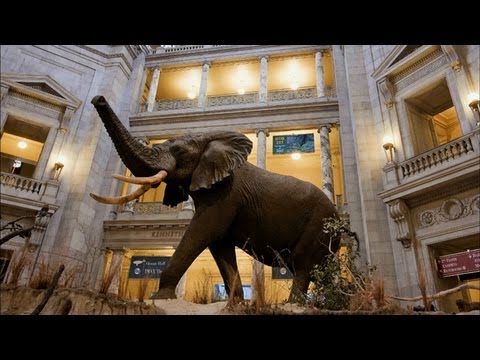
The largest elephant ever prepared for a museum weighs approximately 27,000 pounds and was installed at the Smithsonian in 1959 after extensive taxidermy work.
The desert-dwelling oryx survives extreme heat through a unique panting mechanism.
The Peregrine falcon dives at 242 mph to catch prey, showcasing its triumph as the fastest animal.
Pelagornis sandersi, the largest flying bird, uses ocean currents to stay airborne with a 24-foot wingspan.
Great white sharks raise their body temperature to hunt fatty prey in colder waters.
Desert elephants consume up to 600 pounds of vegetation daily to survive in the harsh conditions of northwestern Namibia's dry riverbeds.
A unique lizard from Namibia uses its fringed toes to dive through hot desert sand, showcasing its remarkable adaptation to survive in harsh environments.
Over 300 vultures now inhabit Bulgaria, with the first wild vulture chick born in 50 years, as conservationists work to restore the ecosystem.
In 1948, archaeologist Graham Clark led a dig at Star Car, uncovering one of the best Mesolithic settlements in Europe, preserved for 10,000 years.
Scientists in Yellowstone combat invasive lake trout threatening cutthroat trout survival.
Costa Rica's hummingbirds are captured in ultra slow-motion 4K footage, revealing their vibrant colors and unique behaviors through detailed observation.
In Mongolia, the Kazakhs hunt with golden eagles, the biggest hunters of the sky.
Flick, a 22-year-old taxidermist, removes the brain from a juvenile greater spotted woodpecker as part of her artistic process.
Mammoths and early humans coexisted in prehistoric landscapes, with evidence from archaeological sites in Siberia and North America highlighting their interactions.
Martin photographs Iceland's landscapes while navigating crowds and technical camera debates.
This video highlights the mimic octopus and its fascinating strategy for survival.
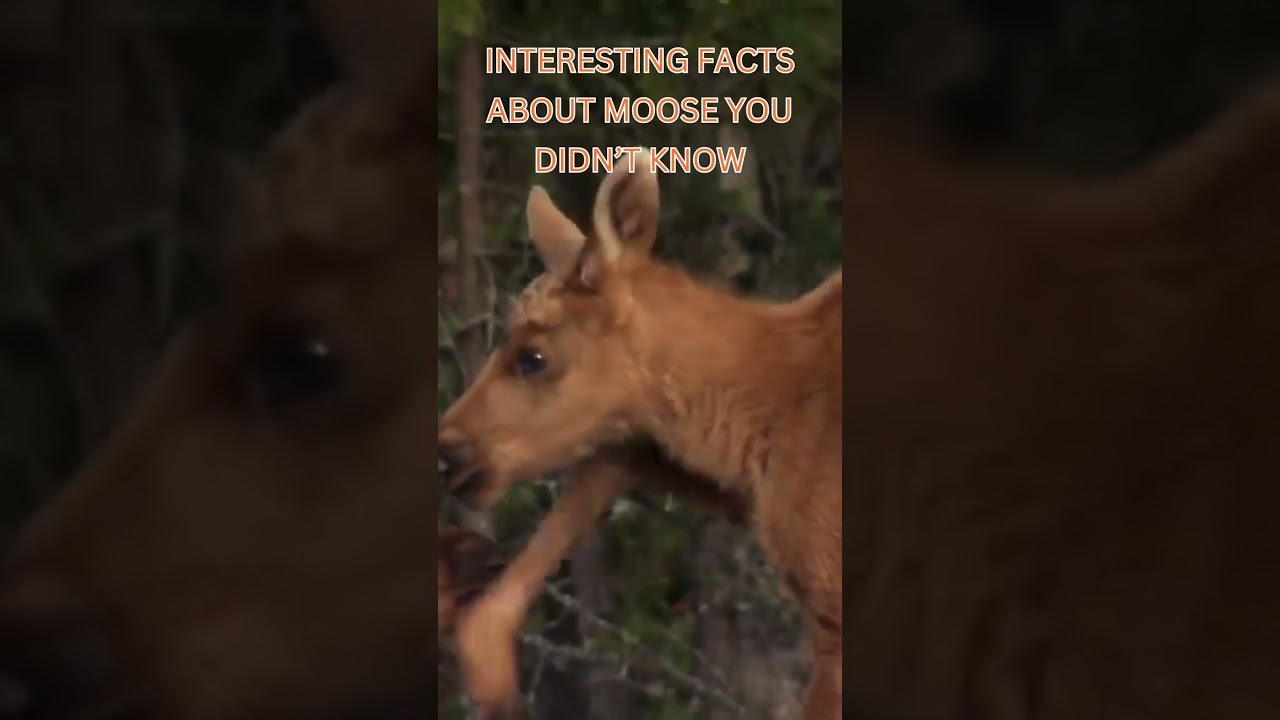
Watch this amazing documentary about the big, beautiful moose and their nature.
Watch amazing facts about Musk oxen, ancient survivors from the Pleistocene era.
In the Arctic, world-class scientists and filmmakers from National Geographic explore the region's unique wildlife and ancient civilizations, highlighting its beauty and fragility.
The video showcases the Tarantula Nebula in a new image from the Hubble Space Telescope.
Tiger sharks in the Essequibo River are efficient predators, using their camouflage to blend into the light and shade of the water's surface.
The black monarch flycatchers and brown-bellied flycatchers may be evolving into separate species.
Dung beetles are proportionally stronger than elephants, moving dung 40 times their weight.
The Yanomami are the most isolated tribe in South America, living in the amazon rainforest.
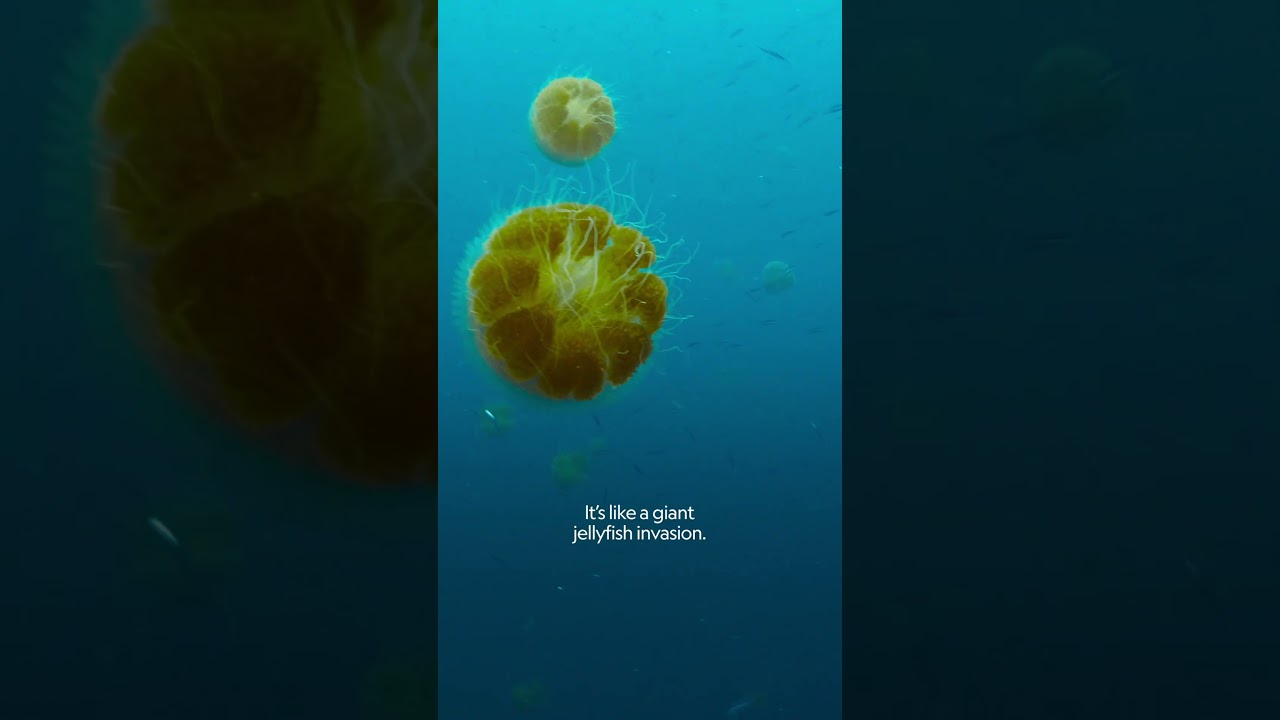
A wave of jellyfish has surged into coastal waters, creating challenges for marine ecosystems and prompting concerns about their increasing populations.
In March 1940, John Steinbeck and marine biologist Ed Ricketts sail to the Sea of Cortez to document its diverse marine life and explore ecological interconnectedness.