From over 100,000 films, discover the handful you'll love.
Free or premium access to the world's largest documentary library.
Topics explored in films with this theme:
14116 films(Page 27 of 295)
The Cat Ba Langur Conservation Project helps increase the critically endangered langur population.
Eight million people live in New York City, where thousands of species have adapted to urban life, often unnoticed amid the bustling metropolis.
A humble river in north-west Germany showcases the vibrant Banded Demoiselle dragonflies and the unique hunting techniques of kingfishers and dippers.
Oyster farmers in Arcachon Bay have decreased from 1,000 to 300 in the past 30 years, facing challenges from climate change and theft.
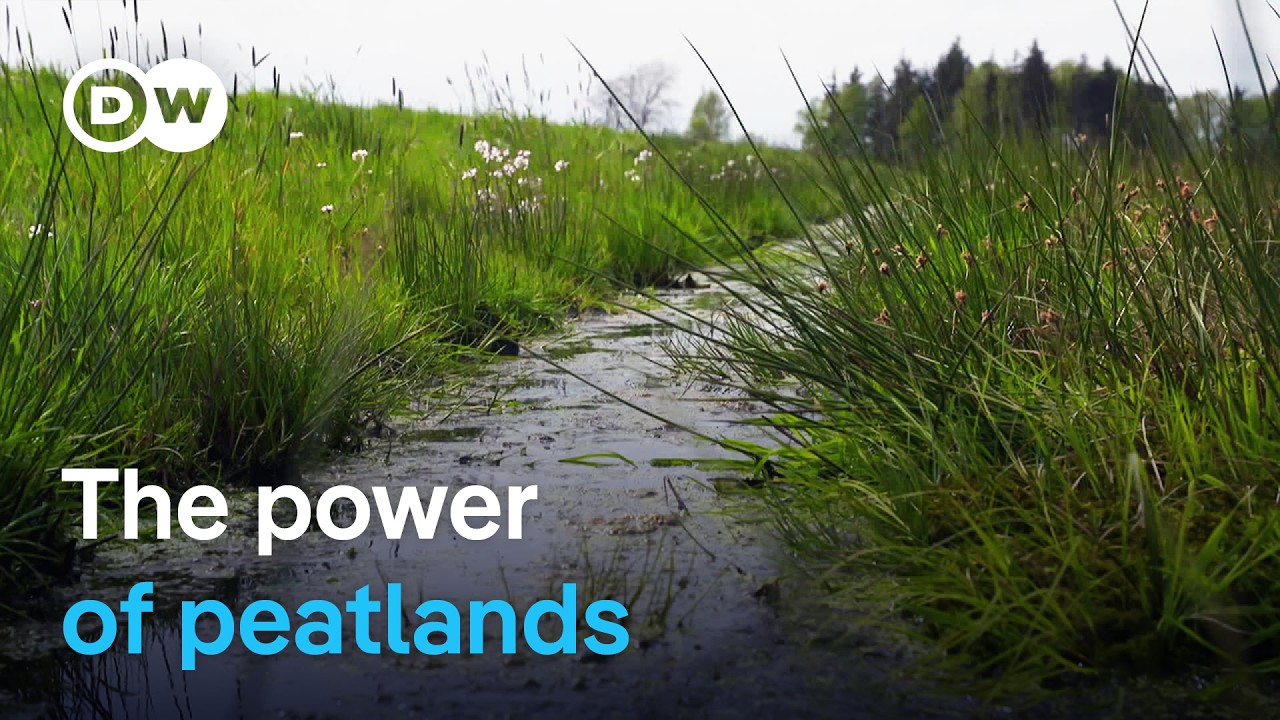
Germany's drained peatlands emit greenhouse gases while efforts to rewet them continue.
Up to a third of all British households once owned a moon almanac to track the moon's cycles, which were crucial for travel and social events.
Four times more weather-related disasters have occurred in the last 50 years than in the previous century, driven in part by animal agriculture.
Madagascar was settled around 700 A.D. by people from what is now Indonesia, later joined by Africans and colonized by the French in 1895.
12,000 chamois now thrive in the Tatra Mountains, a significant recovery from just 200 at the turn of the millennium due to strict conservation efforts.
Freediver Frederic Buyle holds several world records and collaborates with cameraman Christian Pétron and scientist Dr. Johan Mourir to study hammerhead sharks in French Polynesia.
Eve gave a speech in front of 2,000 people, sharing her thoughts on living sustainably and connecting with nature.
A sooty tern can spend the first four years of its life entirely on the wing, avoiding water to prevent drowning in the Pacific Ocean.
Colin Devey visits a Stone Age cult site on Lewis Island, where stones have stood for 3,000 years, reflecting the ancient history of Europe.
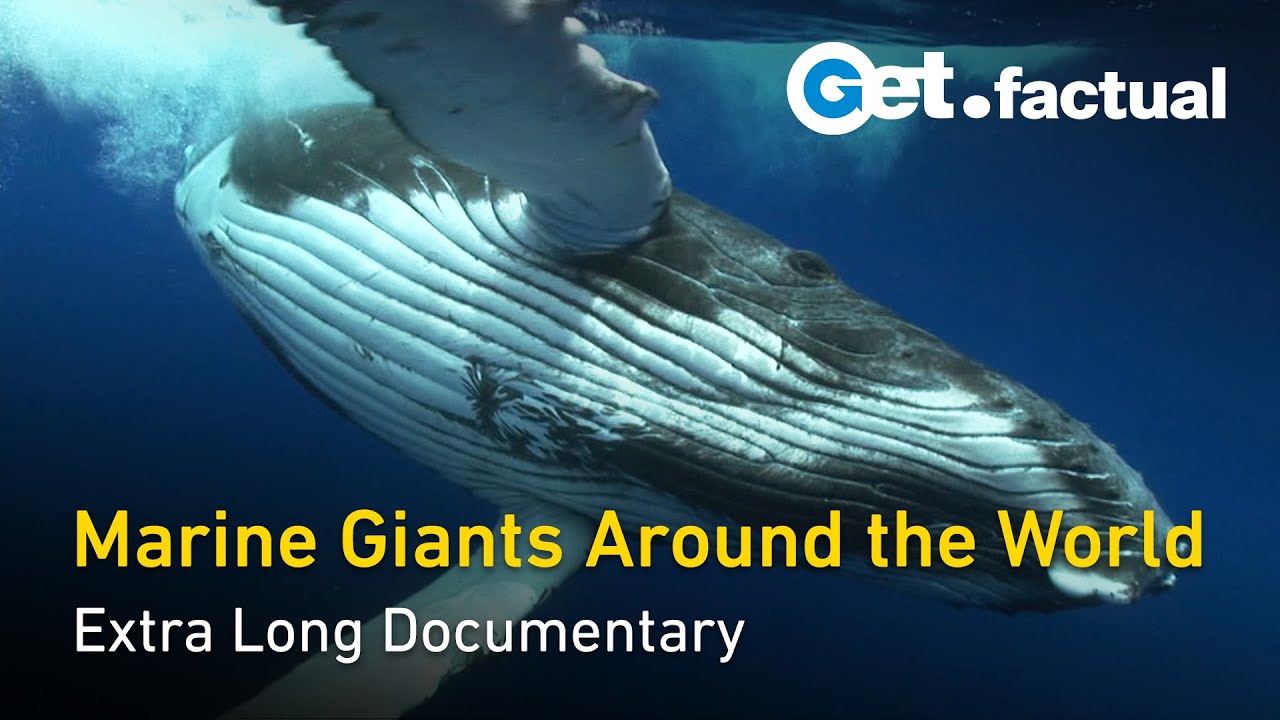
Sperm whales, dolphins, sea otters, and sea birds illustrate the intricate relationships and resilience of marine life, while coral reefs and the Komodo dragon highlight vital ecosystems.
Up to 30% of the world’s harvest is lost to plant diseases and pests, leaving less than half of crops available for consumers.
Life couldn't survive without water, and creatures here are born to swim and thrive underwater.
Rapidly melting ice sheets in the Arctic and Antarctic reveal critical climate change indicators, prompting scientists to study their ecological impacts and ancient secrets.
A 300-liter stomach allows the Pacific sleeper shark to consume large amounts of food, illustrating the scavenging habits of marine life in the ocean.
There are an estimated one trillion planets in the Milky Way galaxy, raising questions about the possibility of life beyond Earth.
The Mediterranean Basin, a biodiversity hotspot, showcases unique ecosystems and highlights the urgent need for conservation amid human impact over 8,000 years.
Christopher Clark visits Venice to see its grand squares and churches, then travels the Way of St James to Santiago de Compostela in Spain.
More than 2 million visitors marvel at the ancient walls of the Angkor temples each year, a UNESCO World Heritage site in Cambodia.
Iceland sits on the world's most active hotspot, where scientists observe the formation of the planet in real-time.
The Gulf of California was created 6 million years ago, splitting the Sonoran Desert into two and generating a unique ecosystem rich in biodiversity.
Scientists develop lentils, undemanding plants from drier regions, to combat famine worldwide.
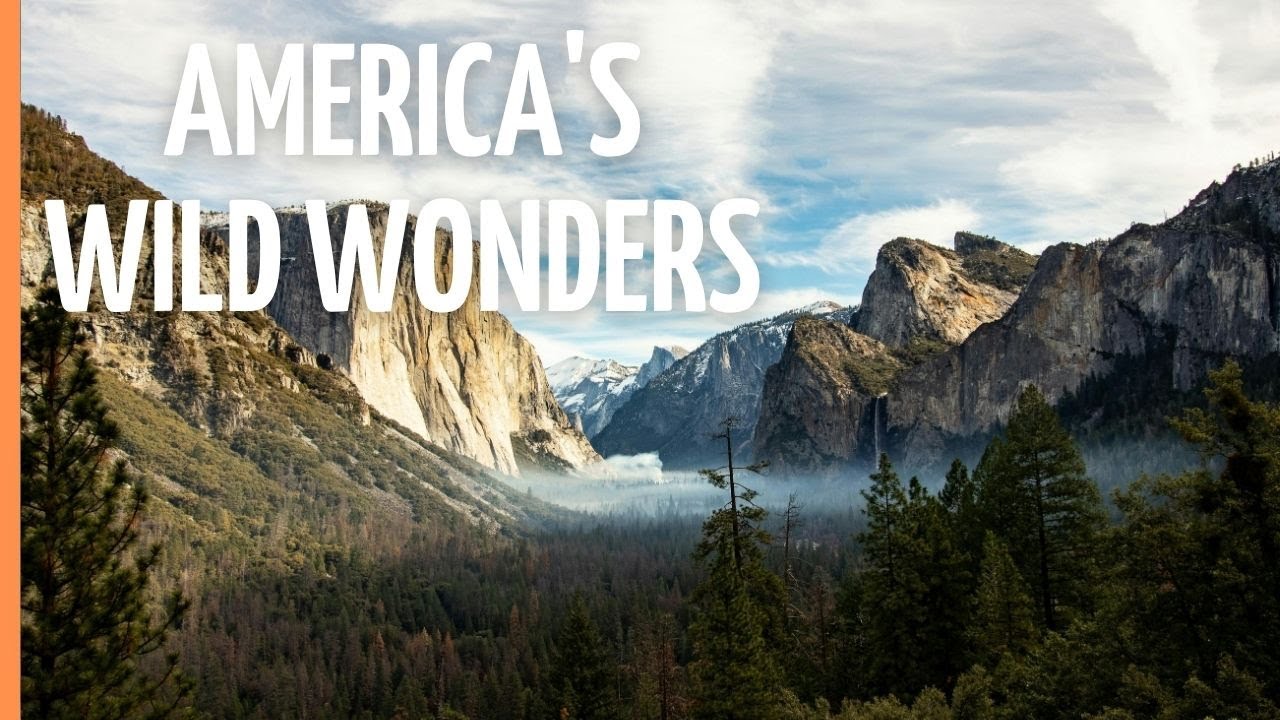
Hans Jöchler's team explores America's national parks, including Yellowstone, Glacier, and the Grand Canyon, while Dr. Robert Darga discusses their geological history.
Sloth bears in India, inspired by Baloo from the Jungle Book, are explored through over three years of fieldwork by filmmakers Oliver Goetzl and Ivo Nörenberg.
Temperatures on Ellesmere Island can dip down to minus 50 degrees Celsius, challenging the survival of the Eureka pack of Arctic wolves.
A hunting vacation at Carlo Engelbrecht's private farm in South Africa costs between 5,000 and 70,000 euros, attracting many German hunters each year.
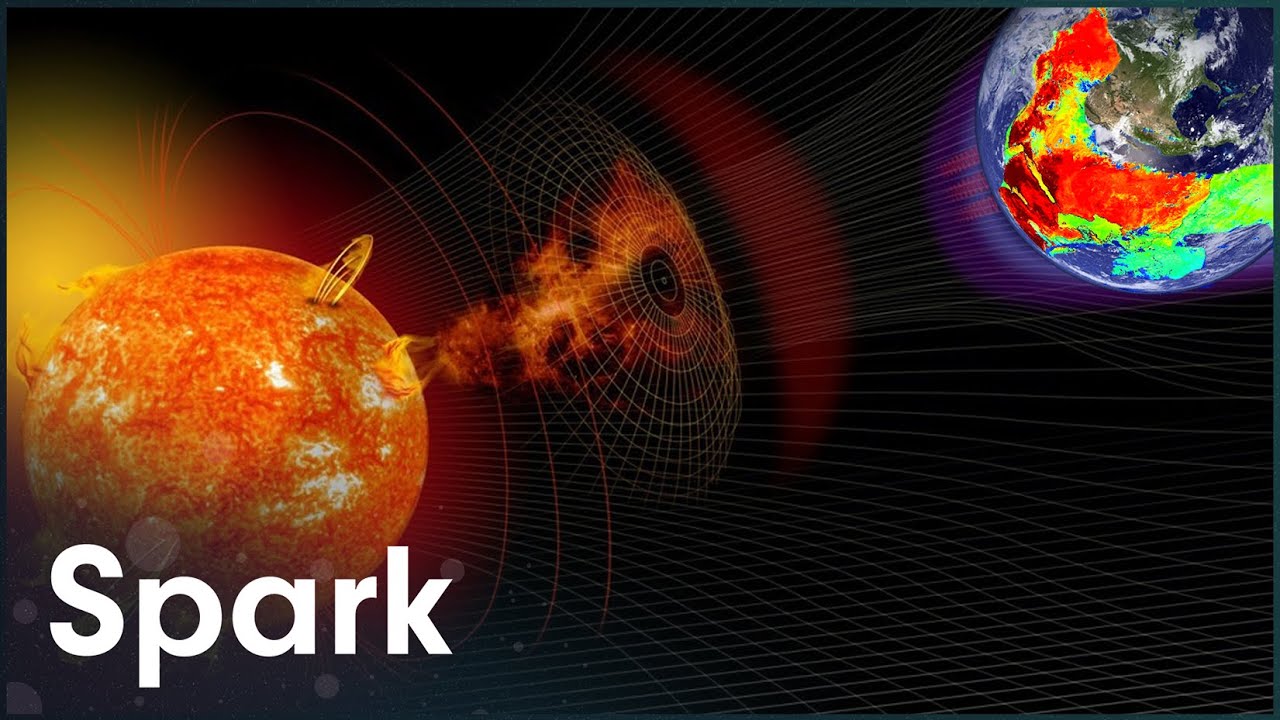
A solar storm can release billions or trillions of tons of matter from the sun at speeds of up to one million miles per hour.
A rescue dog can transform a person's life, as seen through the stories of various owners who share their deep connections with their pets.
A bullet can travel at the speed of sound, and scientists are developing technology that aims to create ammunition that never misses its target.
The Sava floodplains in Croatia represent a rare ecosystem where natural river landscapes coexist with cultivated land, covering approximately 100,000 hectares.
Every year, a village community in North Macedonia selects one bride and groom to be married in a traditional wedding ceremony, celebrating regional customs.
46 million kangaroos roam Australia, known for their unique hopping movement and social behavior in groups called mobs.
Mauritius is explored through the work of five acclaimed photographers, showcasing its landscapes, cultures, and biodiversity alongside Zanzibar and Madagascar.
Chris Horsley investigates Mount Etna's heightened volcanic activity and its implications.
More than 350,000 plant species exist today, each playing a vital role in supporting life on Earth through photosynthesis and oxygen production.
These mountain parrots showcase intelligence and face survival challenges in New Zealand.
Grooming rituals among primates can last up to three hours a day, serving to remove parasites and reduce the risk of disease.
40,000 years ago, wolves began to approach human camps, leading to a deep connection that evolved into the domestication of dogs.
Wild Yunnan highlights rare living primates and the last troop of Asian elephants in China.
Researchers in the North Atlantic are testing brown algae to improve salmon farming conditions and reduce the need for chemicals in aquaculture.
Dr. Barbara Fruth has conducted research on bonobo apes and their habitats in the Democratic Republic of Congo for 13 years.
A brown bear emerges from hibernation in the Pyrenees, having lost a third of its weight and in search of food after months without eating.
In a Mediterranean valley known as the 'Divine Source,' a ten-million-year-old bird thrives in a unique ecosystem, highlighting the fragility of such environments.
Half of the 400 residents in Kivalina, Alaska, are under 18, facing an uncertain future as climate change threatens their community's existence.
A solar blast recorded in 1859 traveled at over 8 million kilometers per hour, causing widespread disruptions to telegraph systems across the globe.