From over 100,000 films, discover the handful you'll love.
Free or premium access to the world's largest documentary library.
Topics explored in films with this theme:
14119 films(Page 90 of 295)
The Tarahumara Indians of northwest Mexico showcase their running culture and hospitality.
During World War I, significant investments in scientific and technical development by warring powers led to advancements that transformed military strategy and warfare.
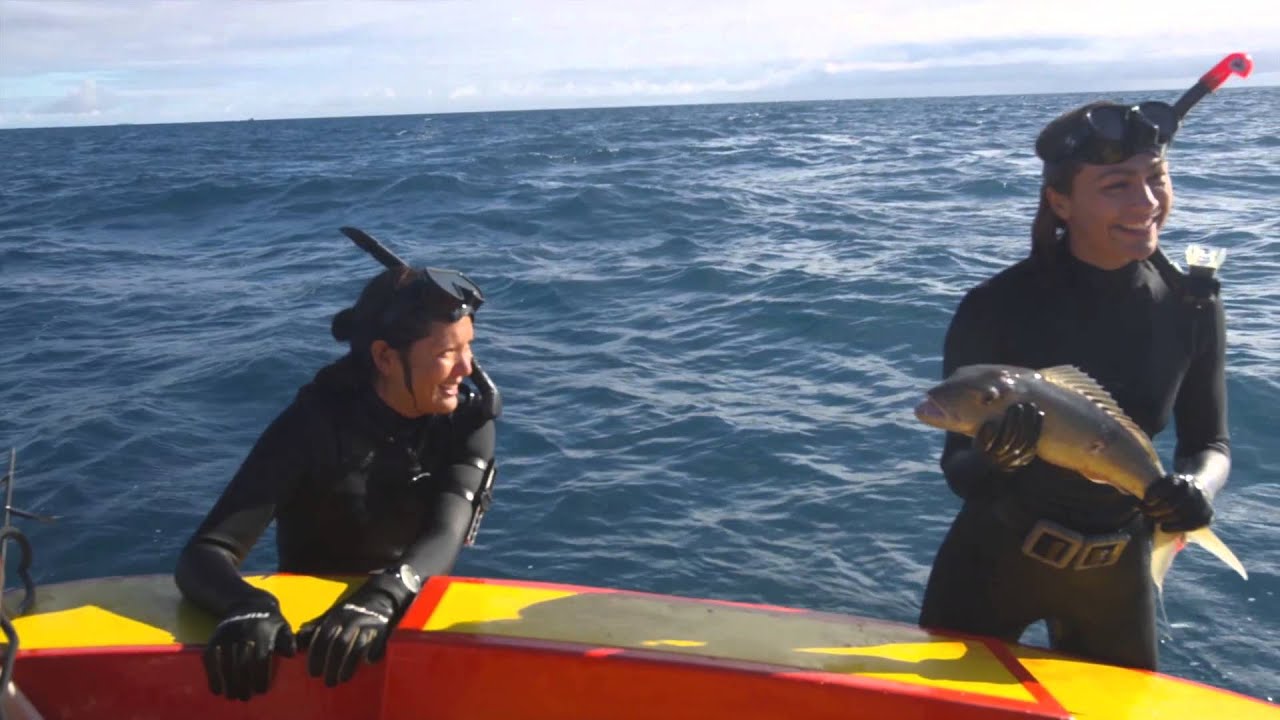
Kimi Werner reflects on her transition from competitive diving to sustainable fishing in the Tuamotu Archipelago, emphasizing community, cultural connection, and knowledge-sharing.
The narrator sails from Santa Barbara to Panama, seeking freedom and self-discovery.
Termites are social insects found in Australia, with colonies reaching millions in size.
Early American inhabitants in the Chesapeake Bay faced threats from formidable predators like the short-faced bear while developing survival strategies.
A sidewinder snake can travel at speeds of up to 18 miles per hour while minimizing contact with the hot desert sand.
Two rival lemur troops in Southern Madagascar face off over territory and resources.
A $10 million prize from the XPRIZE Foundation aims to create Star Trek's tricorder fifty years later.
The total value of counterfeit goods in world trade amounts to $500 billion annually, impacting health, safety, and criminal networks.
Houtouwan, a deserted village in China, has become a popular tourist destination as nature reclaims its structures, raising concerns about environmental degradation.
The Ocean Twilight Zone, a mesopelagic region rich in undiscovered life, is explored by scientists seeking insights into climate change and global ecosystems.
Fewer than 2,000 giant pandas exist in the world, making each new birth a significant achievement for this endangered species.
200 billion stars exist in our galaxy, with one in five potentially hosting Earth-like planets, according to astronomer Lisa Kaltenegger.
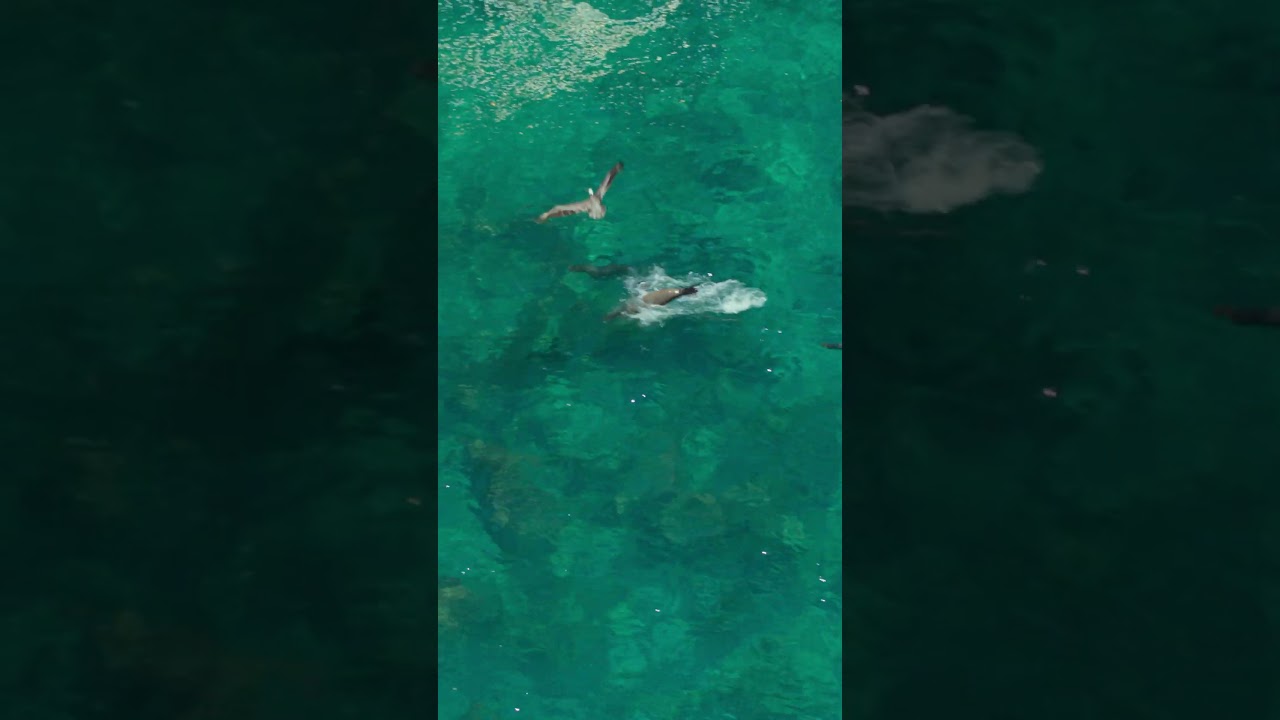
Weddell seals thrive in Antarctica's cold waters, showcasing their resilient adaptations.
Milton Hershey builds schools and parks for workers, believing it leads to mutual success.
David Chapman shares his passion for the Amphicar 770, which drives like a car and floats like a boat.
The Asian lion lives in Gir, India, coexisting with humans in a unique environment.
Each strand of Sargassum can grow almost the length of a school bus, forming vast mats that stretch several football fields long in the Sargasso Sea.
Coyote outsmarts the giant Nuwuzo'ho to save the animal people from danger.
In the Galapagos Islands, world-class scientists and filmmakers from National Geographic explore unique ecosystems, ancient civilizations, and conservation efforts.
A baby shark pushes through its tight eggshell at the Bright Now Aquarium, marking a significant moment in its early life.
Alys plants a variety of small evergreen shrubs and flowering plants in a garden that was once just grass and weeds along a side road.
Moorish geckos in Carcassonne exhibit unique adaptations for evading predators, particularly during vulnerable moulting stages in their historic habitat.
Bees use pollen for protein, while wasps rely on meat, highlighting their key differences.
20,000 dogs served in World War I as scouts, rescue dogs, and messengers, forming strong bonds with their military handlers.
Archaeologists have found evidence of ancient rituals in Wisconsin, revealing the state's long history and connection to its natural resources.
Carmel, California, showcases stunning coastlines and a vibrant marine ecosystem, attracting nature lovers and notable figures like Clint Eastwood.
In extreme environments, participants in Naked and Afraid face survival challenges that test their skills and highlight the urgency of their training.
1% of all fires in the United States account for 90% of the area burned, illustrating the growing threat of catastrophic wildfires.
Human activity disrupts Earth's carbon balance, prompting urgent climate change solutions.
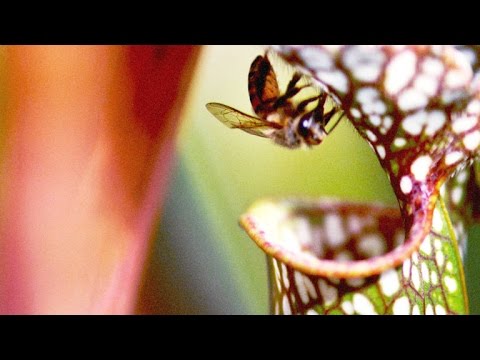
The pitcher plant consumes mice, showcasing its unique carnivorous cravings and feeding methods.
A Spanish monk, expelled from his monastery, builds a cathedral from waste over 60 years.
Chinese travellers now outspend Americans in the rapidly changing tourism industry.
Only two rattlesnakes are killed on roads each year after the installation of ecopassages in Ontario, down from 15 fatalities annually.
Protecting the planet is a difficult task despite warnings about climate change and inaction.
In 2018, Harvard University scientists conducted a solar geoengineering experiment to test the effects of stratospheric aerosol injection on climate change.
Some nests built by the Talégalo red-headed turkey can weigh as much as four tons, serving as incubators for their eggs through a unique decomposition process.
Scientists use high-speed cameras to document bats flying from a cave to feed.
The Mississippi River, a vital resource for power and wildlife, also conceals approximately 10,000 bodies and poses significant flooding risks to surrounding communities.
The male burying beetle buries animals to attract females for mating and egg-laying.
Haiti's death party traditions highlight communal mourning practices that honor the deceased, reflecting deep connections among families and friends.
Only three people have ever reached the bottom of the ocean, a place characterized by freezing temperatures and immense pressure.
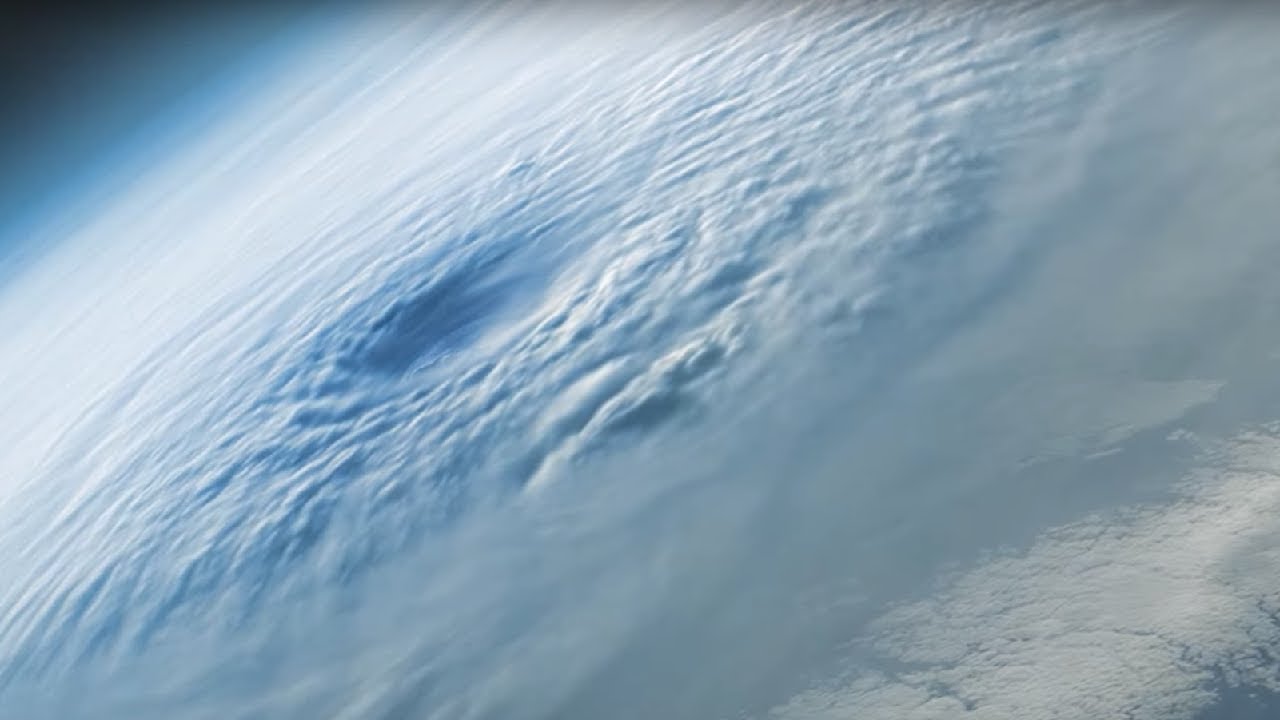
Asteroids, comets, and meteors are distinct celestial bodies that have significantly influenced our understanding of the solar system and Earth's potential risks.
In a mysterious building linked to the Dogman legend, Phil and Heather investigate unsettling signs, including deep claw marks and abandoned spaces.
Humankind faces climate change and AI threats, illustrated in a cartoon for The Economist.
The Cassini spacecraft captures eerie sounds from Saturn's intense radio emissions.
By 2050, 80% of Switzerland's glaciers are projected to vanish due to global warming, raising critical concerns about mountain ecosystems and permafrost.