From over 100,000 films, discover the handful you'll love.
Free or premium access to the world's largest documentary library.
Topics explored in films with this theme:
14119 films(Page 21 of 295)
Every four years, lemmings experience a population boom, providing essential food for snowy owls that can lay up to eleven eggs in a single season.
In 1900, Max Planck tackled the mystery of why a heated light bulb filament changes color, sparking the birth of quantum mechanics.
Bangkok faces severe environmental challenges from rising sea levels, land subsidence, and extreme weather, threatening its livability and survival.
Lunenburg, a UNESCO site, showcases traditional boat building and its North German roots.
August 1973 marks the beginning of hip-hop music in the Bronx, sparked by DJ Kool Herc's innovative performances at a birthday party.
One billion birds fly over Israel each spring as they migrate from Africa to Europe and Asia, stopping to rest in the Great Rift Valley.
Chris Horsley inspects Katla in Iceland to install an early warning system for the volcano.
The Meraviglia, an 80,000-ton cruise ship, is built at the St. Nazaire construction site.
One in 5,000 boys is born with muscular dystrophy, a condition that affects Gabriel, who relies on medical advancements like CRISPR for hope.
Only 116 helicopters of a specific model were made worldwide, with one still in use in Greenland for research and hunting activities.
Mars presents extreme challenges for human survival, prompting discussions on genetic evolution and technological advancements from figures like Nikola Tesla and NASA's robotic missions.
Neanderthals were physically superior but became extinct, revealing their complex relationship with modern humans.
Over 90% of the warming from climate change is absorbed by the oceans, impacting coral reefs and local communities in Australia and beyond.
A 14-hour flight brings anthropologist Nastasia Martin and her team back to Kamchatka, where they reunite with a clan living in the forest.
New Zealand's Stewart Island has a population of just 400 inhabitants, including Furhana, who cherishes the natural beauty of her surroundings.
Chernobyl and Fukushima exclusion zones illustrate the enduring impact of nuclear disasters on the environment and the lives of communities in contaminated areas.
3,500 people with severe disease are still waiting for a trial related to chemical exposure from companies like Dow and Dupont.
Sabah, in Malaysian Borneo, features unique wildlife and dense rainforests accessible by boat.
A 25,000-mile arc of tectonic activity stretches from the glaciers of Alaska to the deserts of Chile, shaping the Earth's surface through earthquakes and volcanic eruptions.
River flows 560 kilometers from its source in Borneo's highland rainforests to the Sulu Sea, supporting diverse wildlife and ecosystems.
There are an estimated one trillion planets in the Milky Way galaxy, many of which could potentially support life.
Gold production in Latin America reveals a stark contrast between luxury retail and the horrific conditions faced by miners, highlighting urgent ethical concerns.
15 kilos of gear accompany Nathanaël as he searches for the Gaboon viper, one of the largest vipers with the longest venomous fangs in the world.
Spring awakens with unusual animal stories and a vibrant celebration of nature's beauty.
2,000 liters of gasoline and three tons of diesel oil are loaded into a canoe to support a gold mining expedition deep in the Amazon jungle.
Elysee, a botany student, conducts research on the reproductive cycle of baobab trees in Madagascar's southern region, known for its unique landscapes.
More than 1,500 shops and food stands fill Chandri Chowk in Delhi, where Prateek Reen finds inspiration for her restaurant in Munich.
Botswana is home to 130,000 elephants, primarily in the northern regions along the Okavango, Kwando, Linyanti, and Chobe river systems.
Authentic footage of a full-body apparition is presented, captured by investigator Craig Powell during a government-sanctioned paranormal investigation in Australia.
Captain Francesco Schettino faces intense scrutiny following the chaos and confusion of the Costa Concordia disaster, which highlights the complexities of maritime safety.
Over 90 human fatalities occurred in Chhattisgarh due to conflicts with wild elephants, prompting Wildlife SOS to implement a tracking program for safety.
A 63-year-old nomad prepares her animals for a three-week migration covering hundreds of kilometers to the Anatolian highlands.
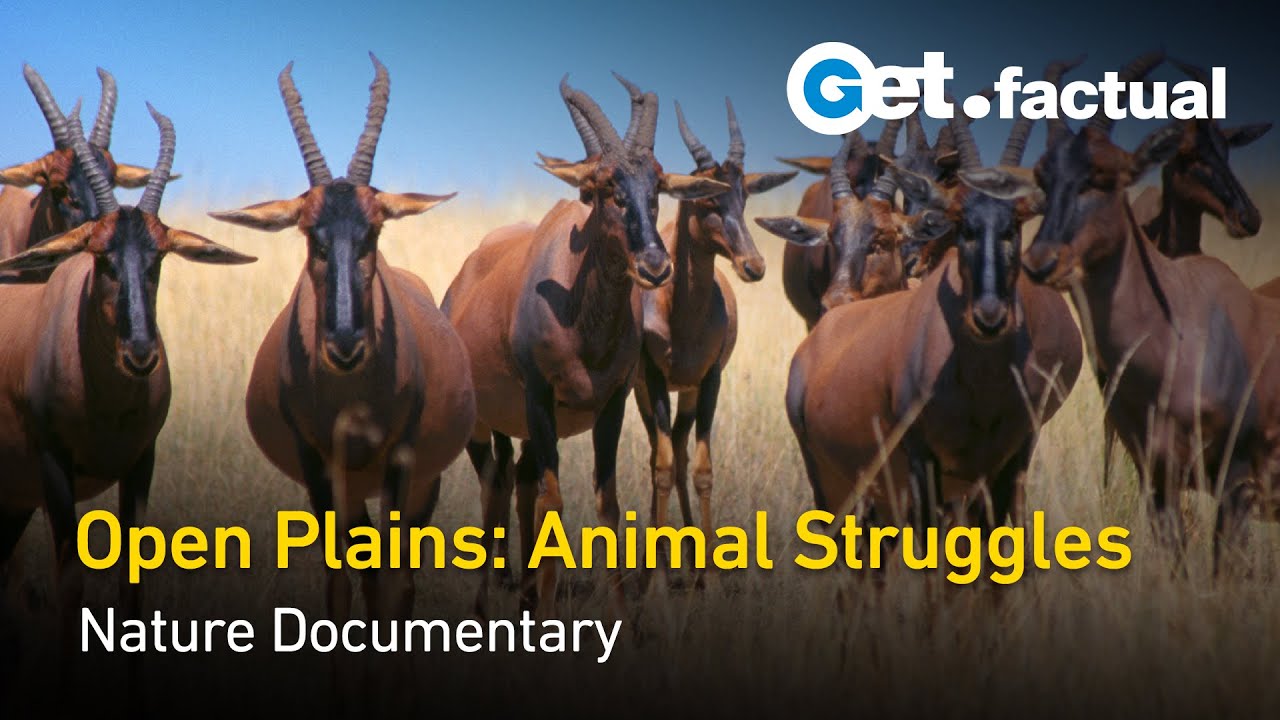
Animals on the plains face predators and must use strategy to survive in open spaces.
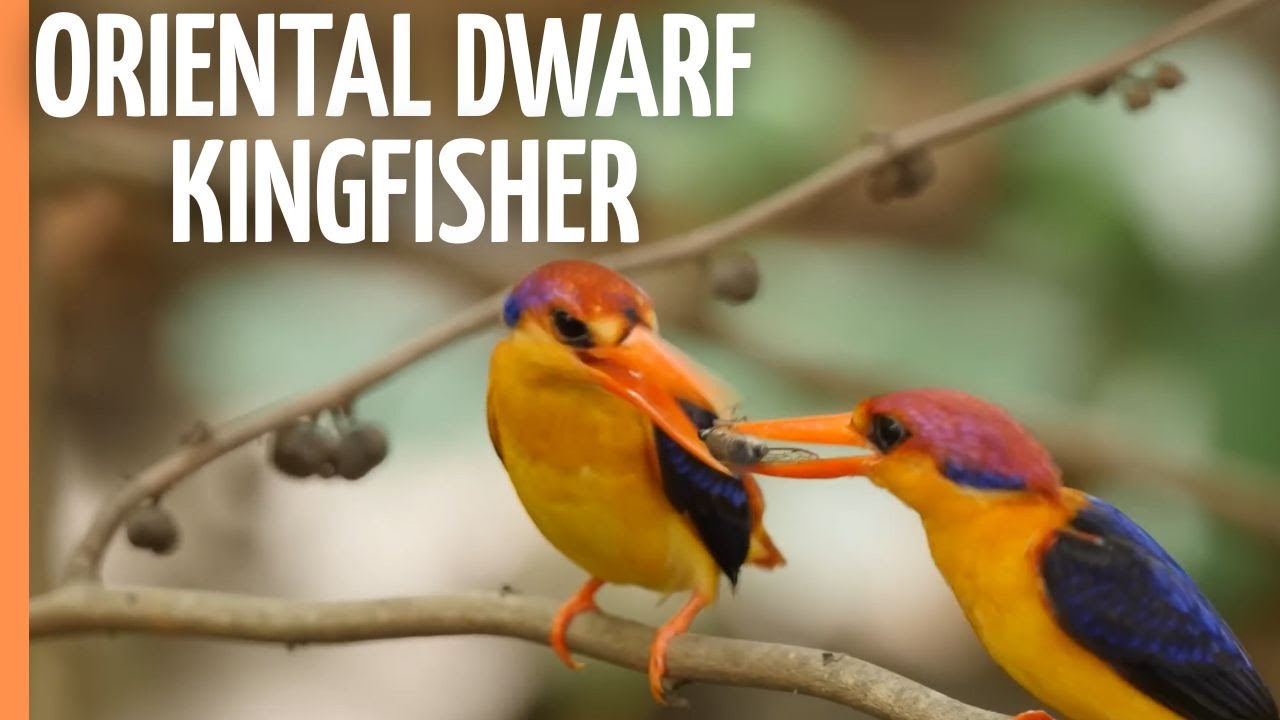
A study on the common Kingfisher suggests only a quarter of the chicks survive to the next season as the Oriental Dwarf Kingfisher raises its brood.
Medusae are the most venomous ocean inhabitants and crucial to marine ecosystems.
Human pollution threatens biodiversity in the UK, especially after Brexit's environmental concerns.
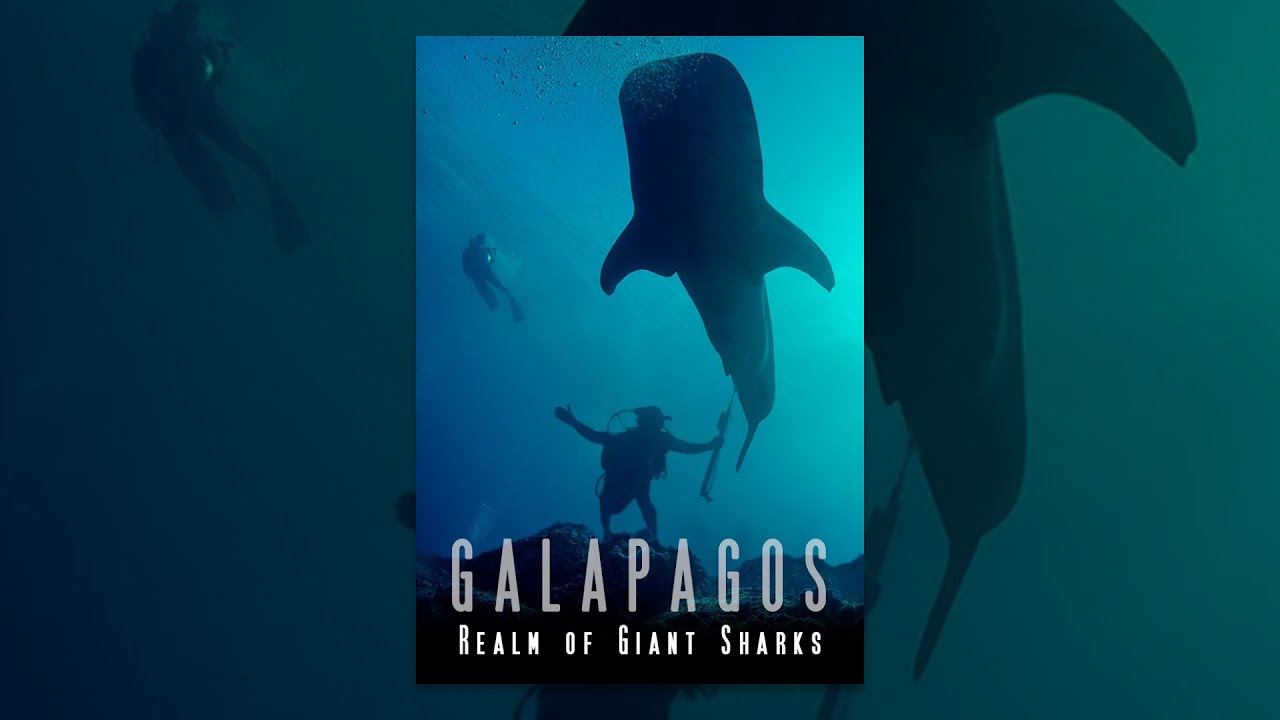
In the Galapagos archipelago, researchers track pregnant female whale sharks at Darwin Island to understand their migration patterns and ecological significance.
Marmots in the Austrian Alps adapt to climate change and emerge from hibernation in spring.
Newfoundland features dramatic landscapes and seabirds, including newborn puffins in Witless Bay.
Germany consumes five kilograms of berries per capita annually, relying on imports from Southern Portugal.
Agriculture 4.0 introduces digital solutions to combat climate change in farming practices.
Since 1995, astronomers have discovered more than 100 planets orbiting distant stars, raising hopes for finding a new home for humanity.
10 million hectares of fertile land are lost each year to desertification, threatening the livelihoods of millions worldwide.
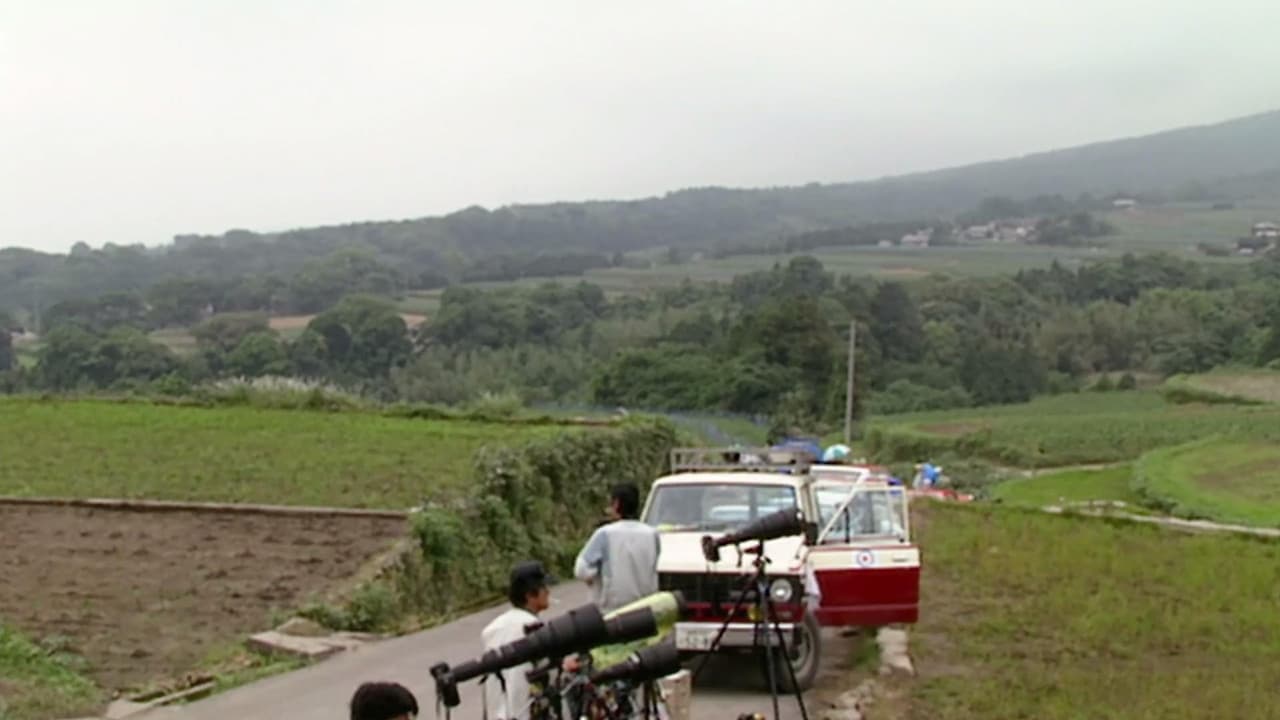
After 200 years of dormancy, the Fugen-Dake volcano erupts in June 1991, leading to a crisis that claims several lives among those documenting the event.
It rained for 40 days and 40 nights, flooding the Earth and leading to the survival of Noah, his family, and pairs of every animal species.
NASA's Kepler space probe, launched in 2009, revealed that there are billions of Earth-like exoplanets in our galaxy alone.
Marie Antoinette's censored letters to Axel de Fersen reveal hidden truths in Paris, 1791.
The Teutoburg Forest covers an area of some 100 kilometres and is home to diverse wildlife, including wild boars and reindeer.