From over 100,000 films, discover the handful you'll love.
Free or premium access to the world's largest documentary library.
Topics explored in films with this theme:
14119 films(Page 86 of 295)
Early humans migrated from Africa, adapting to diverse environments and competing against other species as they spread across the globe.
Wrasse perform cleaning for manta rays in David Attenborough's Great Barrier Reef series.
Gentoo penguins lay two eggs, with the second serving as a backup in case the first is stolen, while facing threats from skuas and seals.
Marine iguanas expel excess salt through their nostrils after underwater feasting.
Kate Bittman cooks shrimp with her father in their New York City kitchen for Father's Day.
NASA's rover Opportunity, initially intended for a nine-month mission, has spent over six years exploring Mars, analyzing craters and rocks.
The Mars rover Opportunity operates for Nine Years, exploring Endeavour Crater's geology.
Mars Odyssey, operational since 2001, has mapped the planet and detected hydrogen, leading to the confirmation of frozen water by NASA's Phoenix mission in 2008.
Planetary scientists reveal that ancient Mars had a warmer, wetter environment than today.
Engineers at Johnson Space Center design a Deep Space Habitat for living on Mars.
One million of the estimated eight million species on Earth are at risk of extinction, with populations of mammals, birds, and fish declining by 68% on average since 1970.
A 24,000 lb telescope has captured hundreds of thousands of photographs of star formations and distant galaxies, revealing images invisible to the naked eye.
Matt tests a newly built homestyle forge, producing flames that reach out several feet as he prepares to heat steel for forging.
Maria Garcia, a Maya healer, fights to protect sacred lands in Belize that are threatened by drought, fires, and struggles for land rights.
65 billion farm animals are killed each year to meet global meat demand, prompting two innovators to develop man-made alternatives.
Scientists test mechanical jaws modeled after Acrocanthosaurus on a Borealopelta replica.
Dolphins evolved from land-dwelling ancestors, adapting to diverse marine environments over millions of years, as explored through their evolutionary history.
Juan Rodriguez cares for giant pandas Bei Bei, Bao Bao, and Tian Tian at the Smithsonian.
More harpy eagles have been bred by head veterinarian Vonderlei and his team than anywhere else in the world.
Kenton Kerns discusses his work with golden lion tamarins at the Smithsonian and in Brazil.
Ramiro Matos reflects on the Inca Road and his Quechua heritage in Loen.
Ted Schultz highlights Brazil's unique ant diversity and the significance of international collaboration in scientific research.
Francisco Dallmeier highlights sustainable development in South America and conservation efforts.
Milton García captures between 1,200 and 1,300 images from a fixed-wing drone flying at 290 meters above Barro Colorado to create an ortho mosaic of the island.
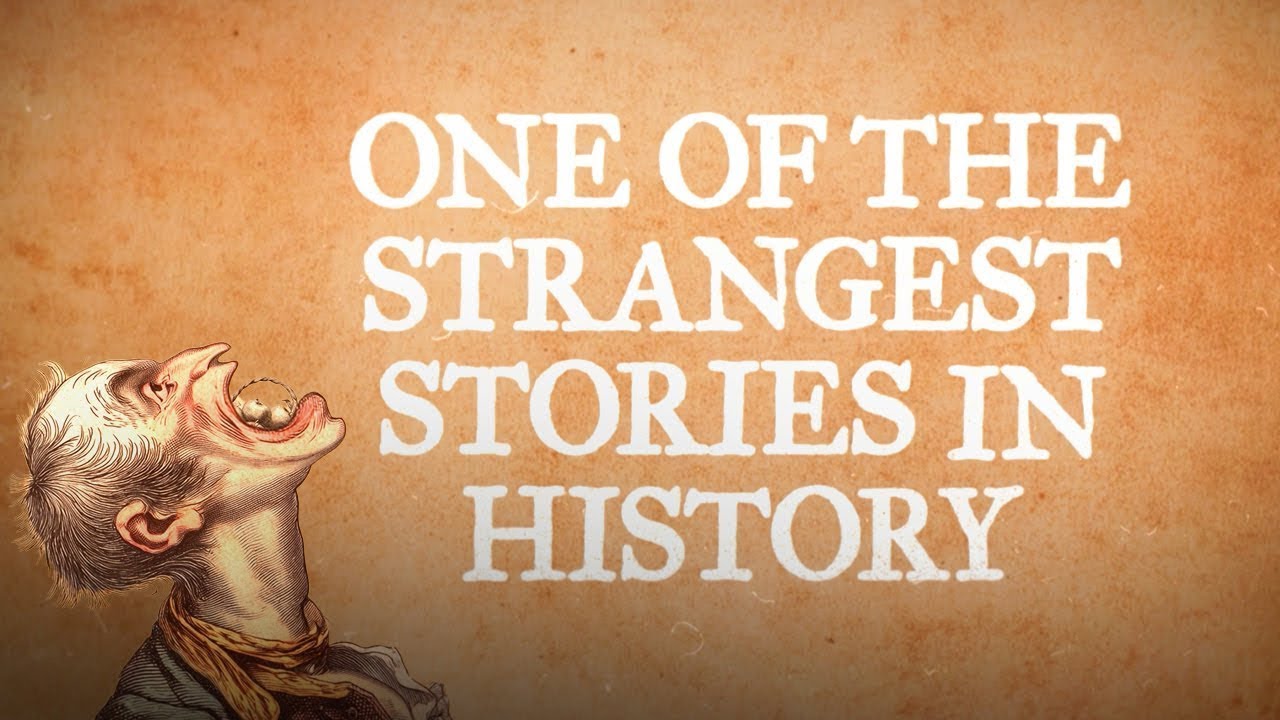
Meet Tarrare, the 18th-century Frenchman with an insatiable appetite and a bizarre tale.
José Loaiza explains how the Asian tiger mosquito rapidly colonized Panama.
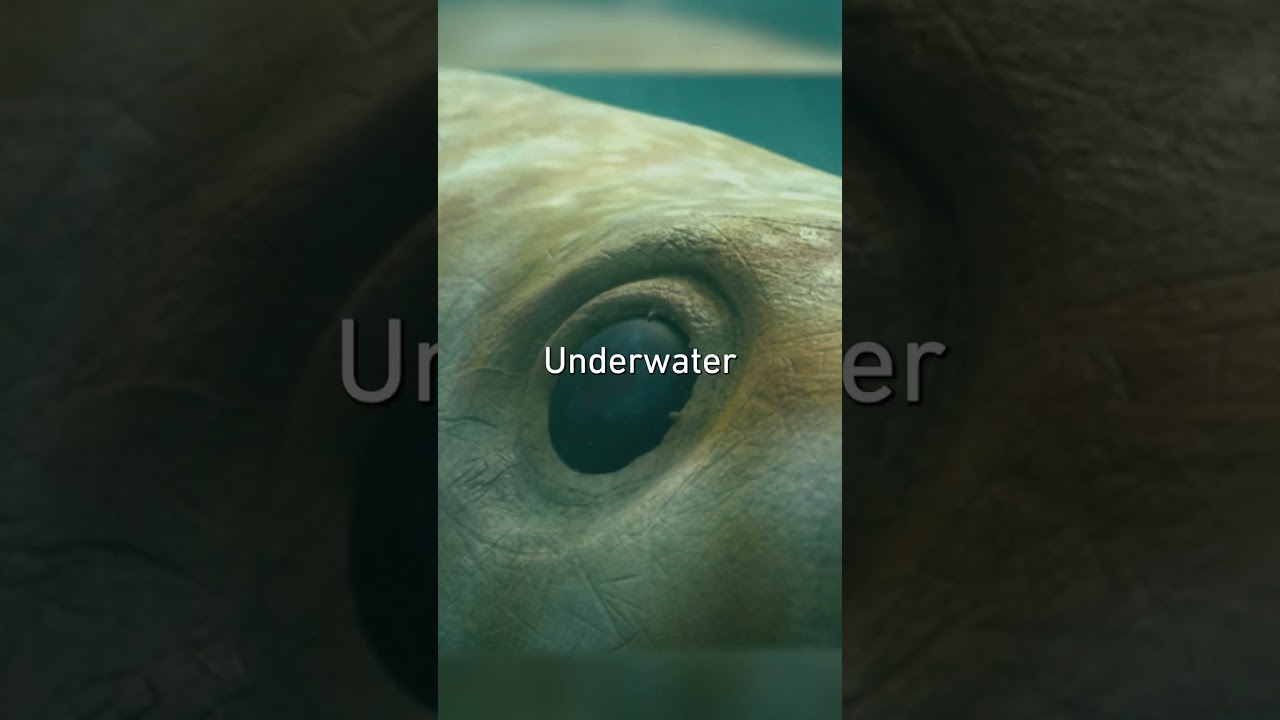
Manatees, often seen at marinas in Miami, are known for their gentle nature and interactions with humans, including memorable moments of bonding between mothers and calves.
Larry, after facing personal tragedy, finds solace and a sense of belonging among the pigeons of Washington Square Park in New York City.
David de Santana leads a project on electric fish at the Smithsonian's National Museum of Natural History.
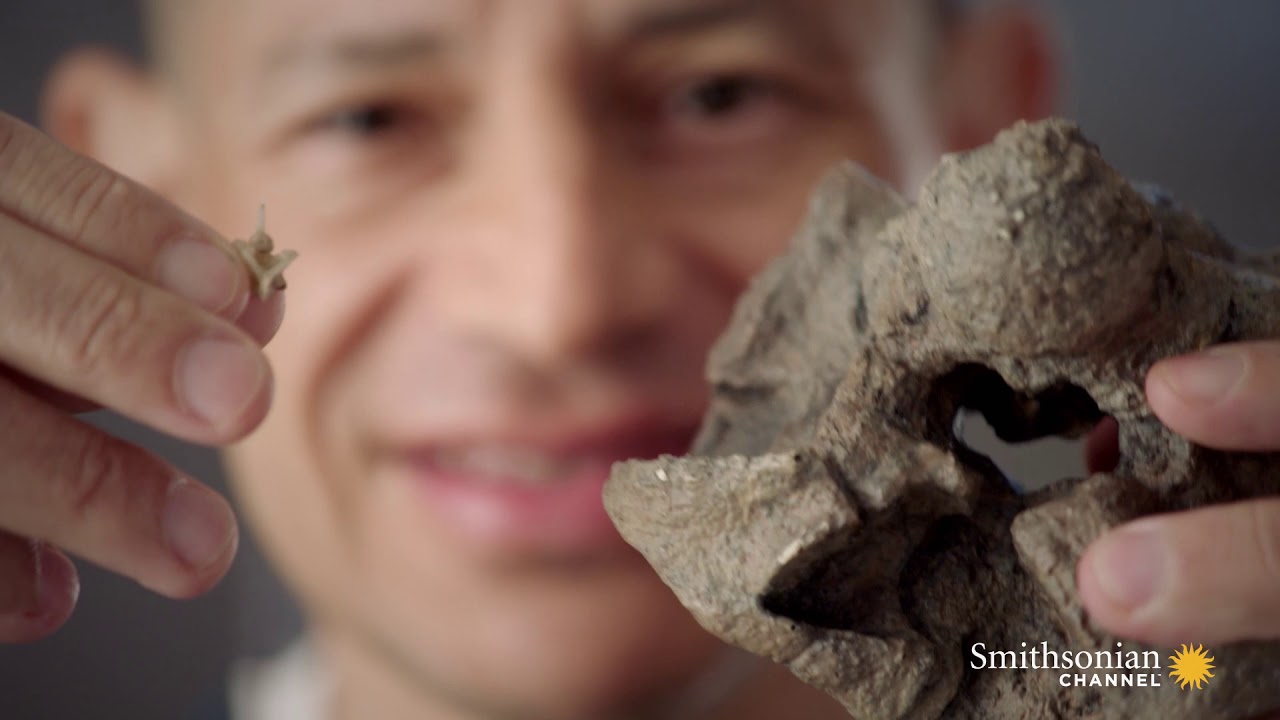
Carlos Jaramillo discusses paleontology and discoveries in Ellis Hitler's coal mines.
Two parasites in fish, crabs, and shrimp can lead to deficiencies in physical, mental, and reproductive development, impacting future generations' health.
The babirusa pigs of Sulawesi showcase unique traits due to their isolation from the mainland.
Albert Uy gathers data about native flycatchers in the Solomon Islands with local guides.
Emma Liu climbs Villarrica Volcano in Chile to gather data for the Global Volcanism Program.
Caitlin O'Connell has studied elephant communication for 20 years, interpreting their vocalizations and interactions at the Mushara watering hole.
Meet Zeze and Perrine at the Tchimpounga Chimpanzee Rehabilitation Center in Congo.
360 million years ago, the emergence of Meganeura, a giant dragonfly, coincided with significant geological and biological events on Earth, as depicted in vivid footage.
Megapode birds lay eggs composed of 70% yolk on ash-covered islands, using volcanic heat as a natural incubator while facing new predators.
Britt manages her menstruation while foraging for Buffalo Thorn berries and leaves to support her partner Sara during their survival challenge in the African bush.
The Michelin guide remains a valued marketing tool for chefs seeking stars in their restaurants.
Daily choices lead to the consumption of 70,000 to 120,000 microplastic particles each year.
Microraptors and pterosaurs illustrate the evolution of flight in vertebrates, highlighting insects as the first flying species and their significance in prehistoric ecosystems.
A sample clip shows the inflammatory response in tissue using microscopy techniques.
Every year, about a thousand cranes arrive at the lagoon of Villafáfila in Spain, highlighting their migratory patterns and the significance of this stopover.
Herschel Space Observatory and Spitzer Space Telescope showcase the Milky Way's coldest and hottest regions using advanced infrared imaging.
Visual scientist Prof. Arthur Shapiro explores how optical illusions challenge the brain's perception of reality and the reliability of the senses.
Less than 0.001 percent of the ocean floor has been mapped, yet deep-sea mining threatens to disrupt its fragile ecosystems and unknown species.
The Tsaatan in Mongolia rely on reindeer for survival and face harsh living conditions.