From over 100,000 films, discover the handful you'll love.
Free or premium access to the world's largest documentary library.
Topics explored in films with this theme:
14119 films(Page 43 of 295)
Baltic Sea Divers undertake complex salvage operations to recover a 30-meter climate change measuring mast and a 60-kilo sonar from freezing depths.
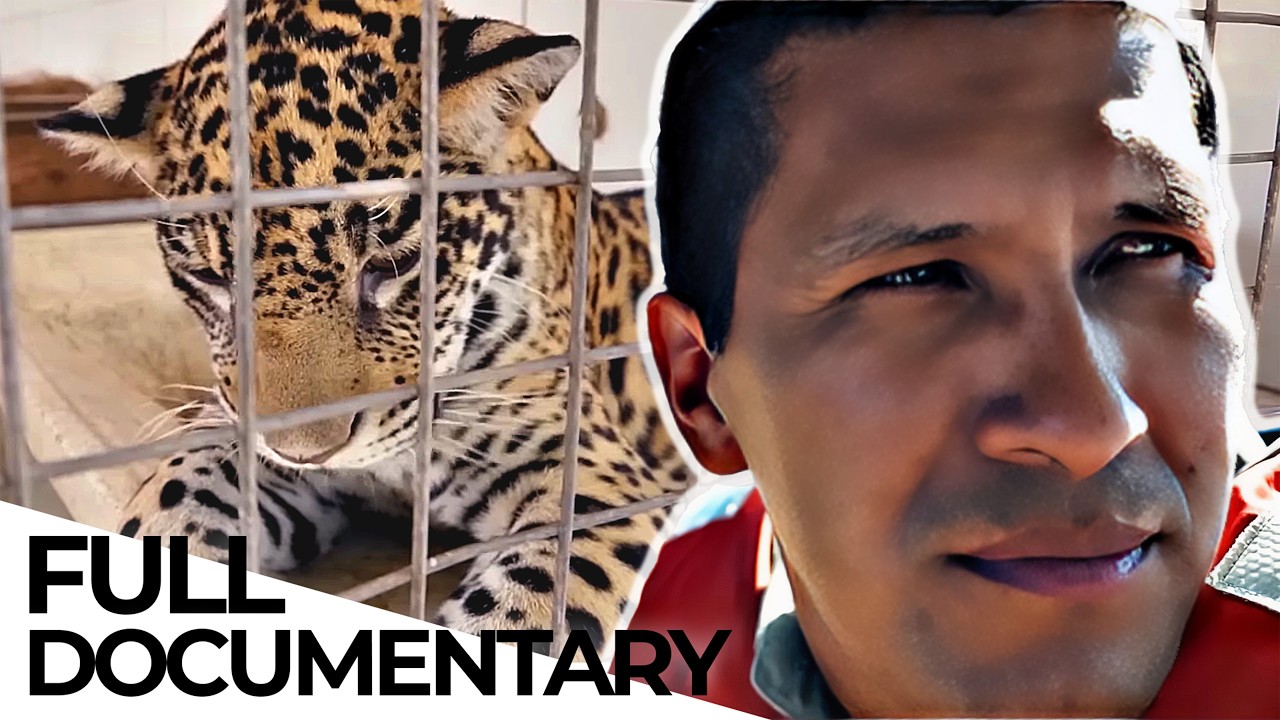
Tigre Gente highlights wildlife trafficking and the illegal jaguar trade in Bolivia's Madidi National Park.
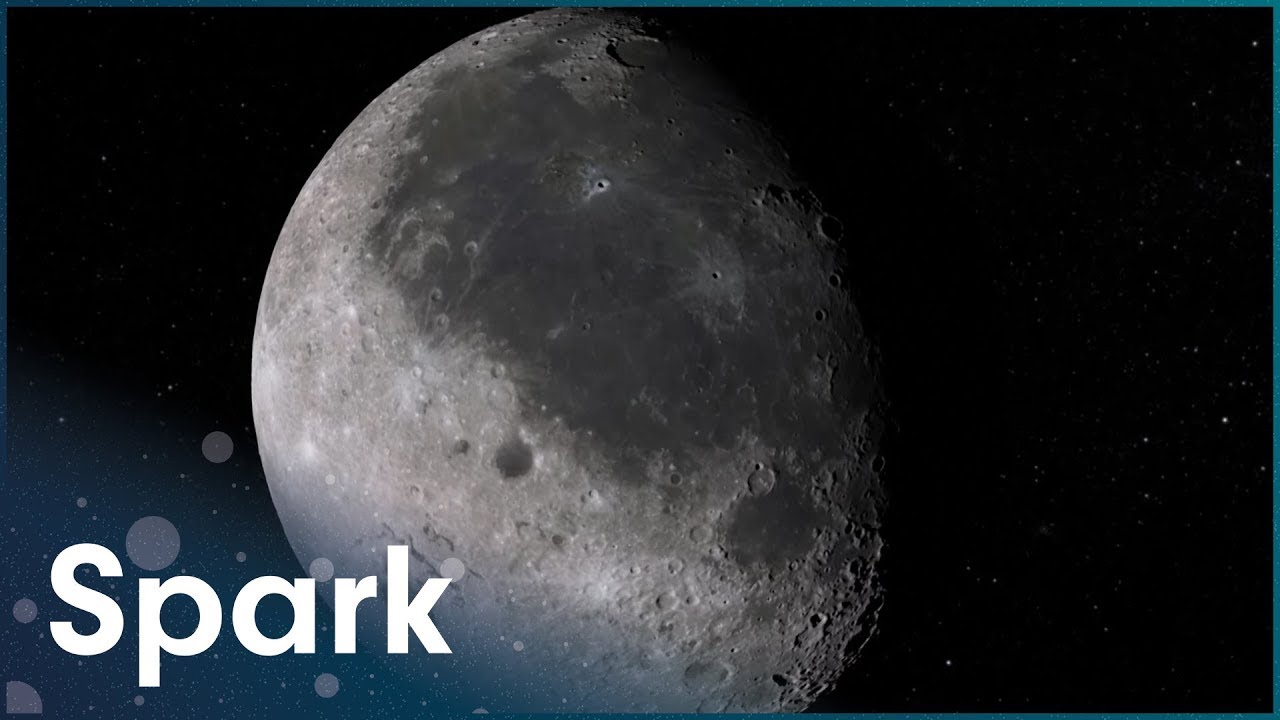
NASA's Apollo missions returned lunar samples that revealed enough water locked inside the moon to cover its surface in a layer 1 meter deep.
Galileo's experiments on gravity, recreated by Professor Jim Al-Khalili, highlight their historical significance and foundational role in modern scientific inquiry.
Edwin Hubble demonstrated that the Milky Way is one galaxy among countless others, reshaping our understanding of the universe's vastness.
In just over fifty years, the urban middle class in Victorian England grew from 2.5 million to over 9 million, filling their homes with dangerous innovations.
A group of botanists travels hundreds of kilometers across Madagascar to study the reproductive cycle of the baobab tree, a symbol of fertility on the island.
The Pearl River Tower in Guangzhou, China, is one of the greenest structures on earth.
Three billionaires, Elon Musk, Jeff Bezos, and Richard Branson, are competing in a new space race to make space travel accessible and colonize Mars.
Filmmaker Omer Daida shows a father and daughter navigating life on a livestock farm.
Eerie sightings in 18th-century France and modern America prompt scientists and historians to investigate legendary creatures like werewolves and the Mothman.
In Austria's Gutal Valley, 2,000 riders participate in the Moped Marathon, a slow-motion race celebrating camaraderie and eccentricity amidst the Alps.
Robson ventures to Eastern Canada for world-class fishing experiences today.
Only 25% of the Ebro Delta remained untouched by human activity by 1983, prompting the creation of a natural park to ensure its conservation.
A flight to the moon takes only three days today, as space agencies prepare for a new era of lunar missions and the goal of establishing a permanent presence.
After decades of work and billions of dollars spent, the environmental movement has failed to protect the planet, according to a group of lifelong environmentalists.
A designer creates a terrarium for a coffee table using only plants suited to the local climate, demonstrating practical gardening techniques for small spaces.
Solar research has advanced significantly since the 1859 observations by Richard Carrington and Richard Hodgson, with the Parker Solar Probe providing crucial insights into the Sun's corona.
A sudden appearance of black tip sharks off South Africa raises intriguing questions.
Varanasi, a sacred city along the Ganges, features 'death hotels' where Hindus await death for liberation from the cycle of rebirth.
Underwater divers from How to Survive a Shark Attack feed and study sharks on the ocean floor, emphasizing the importance of understanding shark behavior.
Asteroids and meteorites are examined across Argentina, Chile, and Colombia, highlighting their potential to impact life on Earth and the significance of sites like Campo del Cielo.
The Singapore Sports Hub project costs over a billion dollars and features a unique national stadium.
A six-month residency at the Science Museum features the Collider exhibition, which aims to answer fundamental questions about the universe.
Evidence from South Australia’s deserts supports the theory that Earth was once entirely covered in ice, raising questions about future climate implications.
Austria's history is explored through its evolution from early human settlements to the Habsburg Empire, highlighting significant wars and modern nationhood.
The Brain Fitness Program reveals the brain's ability to adapt and learn throughout life.
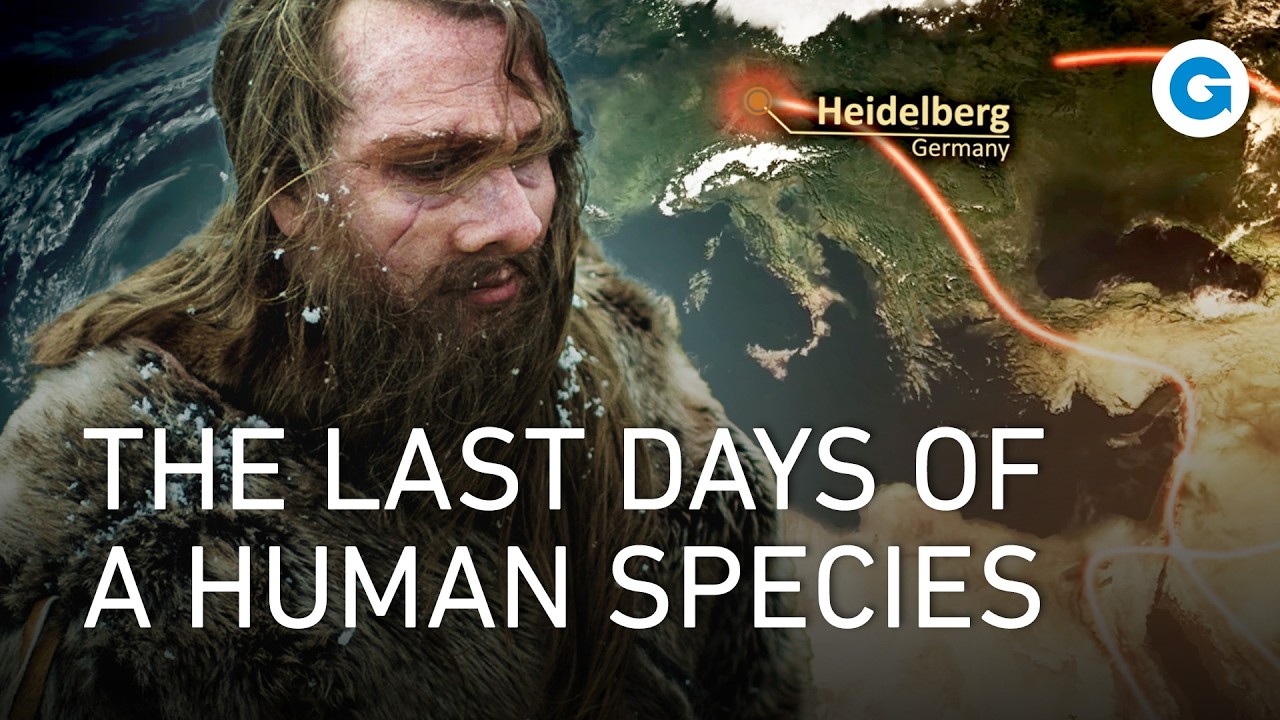
Neanderthals lived for 300,000 years, but they vanished from the Earth around 24,000 years ago, leaving behind clues in caves along the Mediterranean coast.
Parallel worlds and multiverses are explored through discussions with leading thinkers, examining the possibility of intelligent life beyond Earth.
Whale sharks can weigh more than 30 tons and measure longer than a city bus, yet their populations have declined sharply due to the shark fin trade.
Explosives engineers and demolition specialists, including a bomb disposal unit, coordinate the 2024 demolition of a 19th-century railway bridge in the UK.
Geologist Ian Stewart highlights water's vital role in Earth's evolution and humanity's challenges.
More than 350 million hectares of land are consumed by fire each year, equivalent to one third of Europe’s total area.
A colony of vampire bats can share food with each other, demonstrating cooperation that helps them survive in the wild.
Breast cancer marketing campaigns raise millions annually, yet questions persist about the effectiveness and allocation of these funds, as highlighted by Pink Ribbons, Inc.
The Congo River, which stretches nearly 3,000 km, serves as the main highway for transporting people and goods in the Democratic Republic of the Congo.
Water in the main belt of asteroids may explain how Earth acquired its water, which is essential for the emergence of life.
Whale sharks can weigh more than 30 tons and are threatened by the global trade in shark fins and demand for their meat.
Twelve Americans walked on the moon during six successful lunar landing missions between 1969 and 1972, marking a key achievement in the space race.
The Pacific Ocean, which covers one third of the Earth's surface, features the Mariana Trench and showcases its diverse ecosystems and marine life.
At least two lives have been claimed by the conspiracy surrounding the illegal disposal of toxic waste in Italy during the 1980s and 1990s.
New Horizons traveled 3 billion miles over nine years to conduct a flyby of Pluto, revealing a geologically active world with cryovolcanoes.
A team of international astronomers, led by Dr Shep Doeleman, aims to capture the first image of a black hole, a feat that has never been accomplished.
Humanity's connection to the cosmos is explored through insights from scientists and scholars, including Brian Thomas Swimme and Mary Evelyn Tucker.
In the summer of 1977, Ohio radio astronomers detected the Wow!
A white plume of smoke from the Vatican chimney signals the appointment of a new pope, drawing devoted crowds to St. Peter's Square from around the world.
Over 200 billion stars populate the Milky Way, which has guided animals for hundreds of millions of years without artificial light sources.
Two lateral boosters of the Ariane 5 weigh 227,000 metric tons each when full of fuel, providing 6,000 kN of thrust during launch.