From over 100,000 films, discover the handful you'll love.
Free or premium access to the world's largest documentary library.
Topics explored in films with this theme:
14116 films(Page 109 of 295)
7.7 gigawatt hours of energy is produced annually by the world's most successful wind turbine, enough to power 1,500 homes.
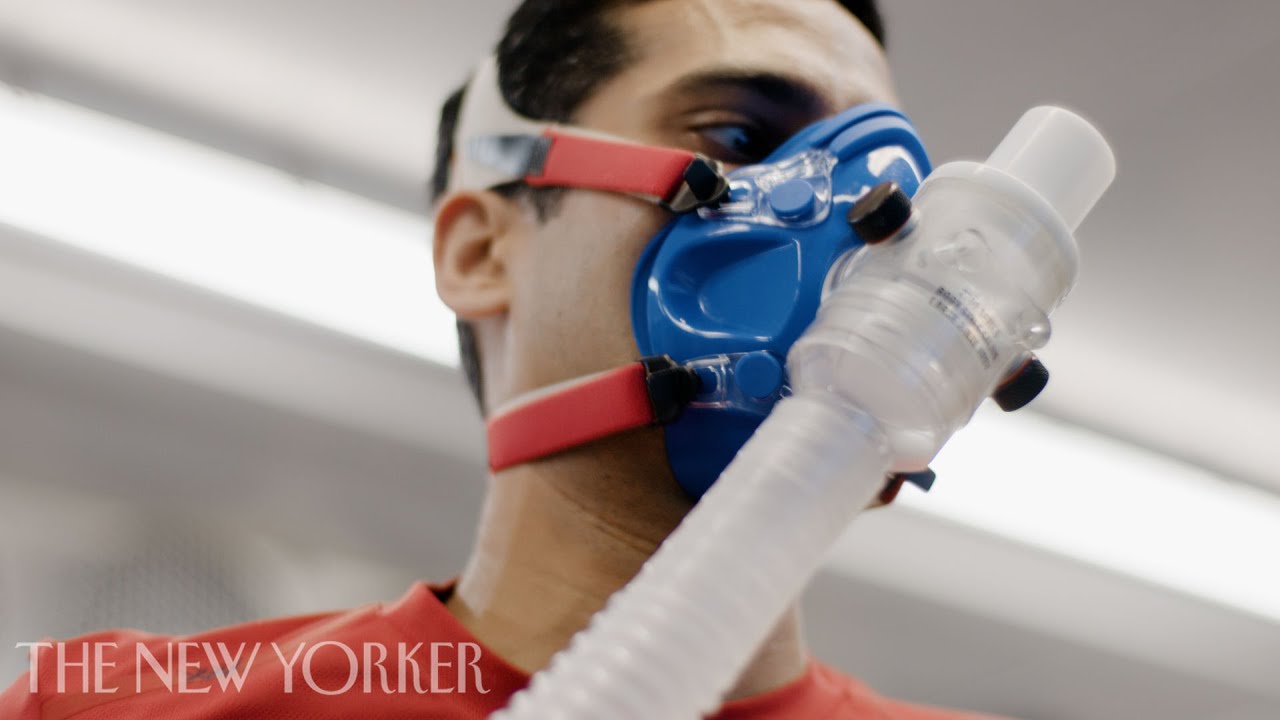
Extreme heat, as experienced in a simulated New York City subway environment, significantly impacts the human body's ability to regulate temperature and maintain cardiovascular function.
Dolly the Sheep, cloned in 1996, marked a pivotal moment in genetic research, leading to the development of CRISPR technology and its implications for biology and health.
Ingenuity completed its first controlled powered flight on Mars in April 2021, paving the way for future drone missions in space exploration.
Scientists map the moon's gravity patterns and study Saturn and Mars in Cosmic Vistas.
Japan has over 33,000 companies over 100 years old, with 19 over a thousand years old.
Hayabusa2 successfully extracted subsurface samples from the asteroid Ryugu, marking a significant achievement in understanding the solar system's origins.
A sourdough starter used in bread-making can be over 100 years old, passed down through generations and connecting people to their culinary history.
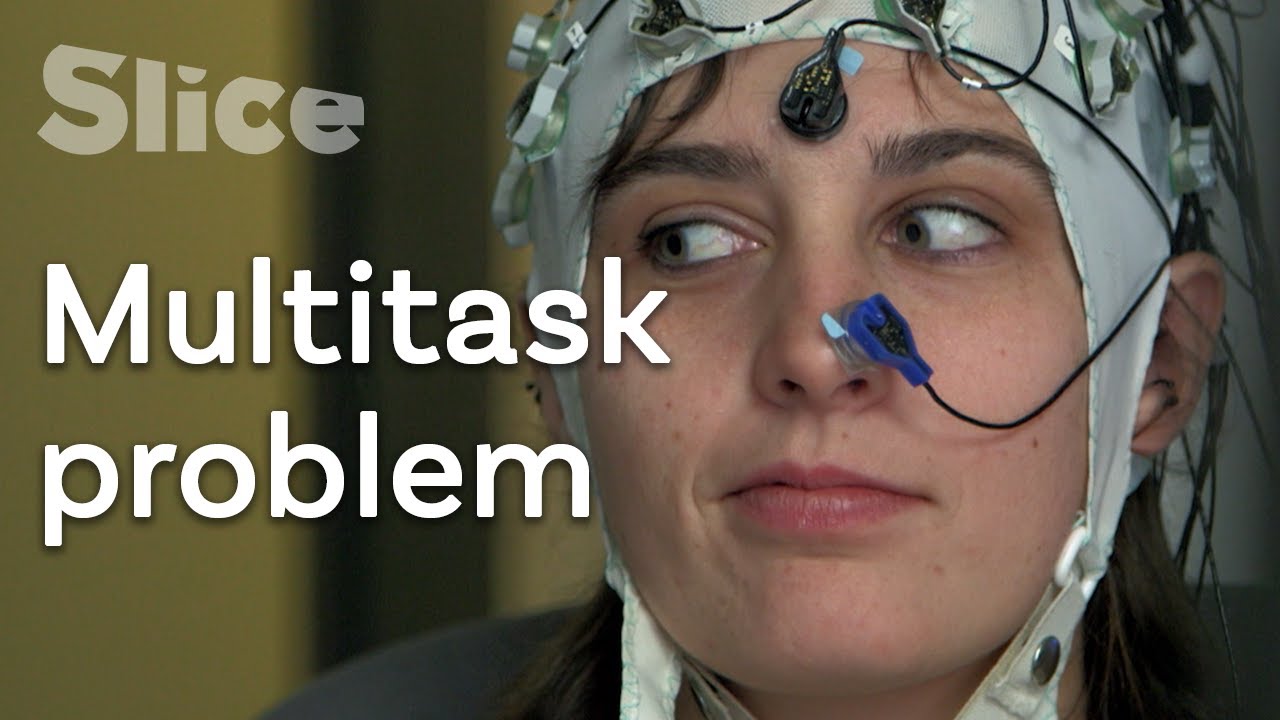
A major European survey found that stress rates among young employees using information and communication technologies are significantly higher than their elders.
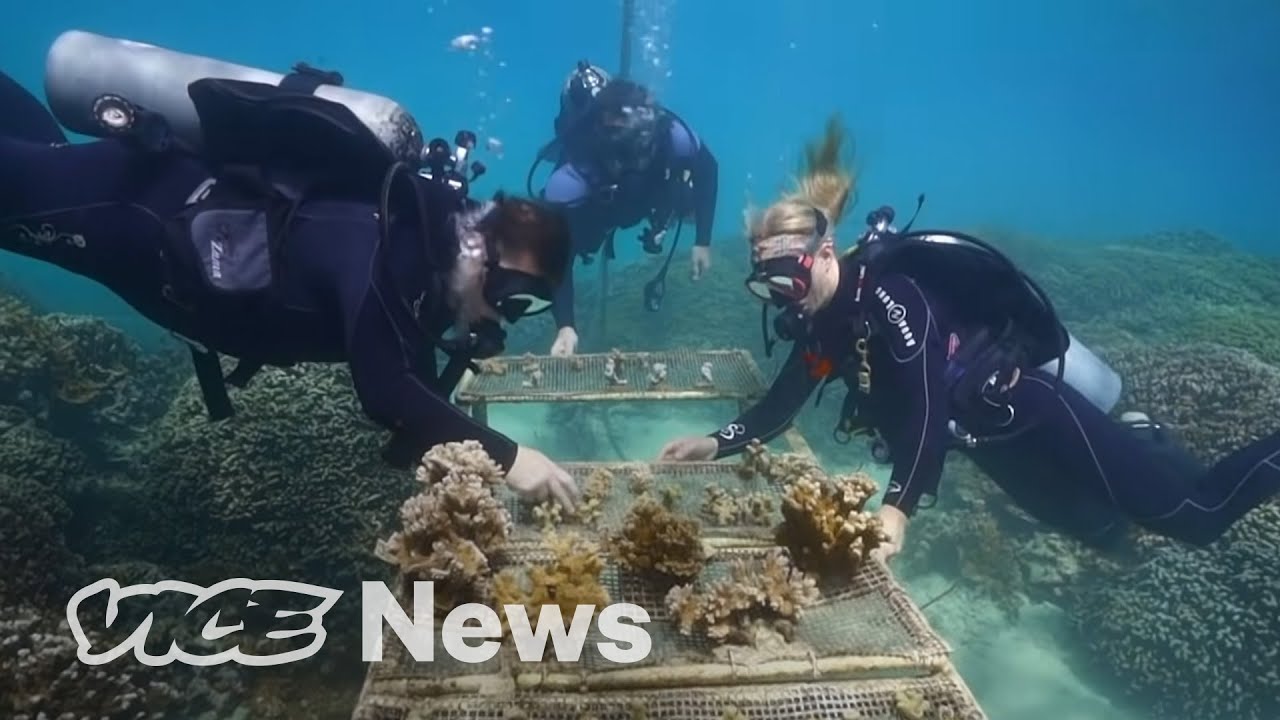
Three billion people rely on the ocean for food, yet human activities like overfishing and pollution threaten its health and future.
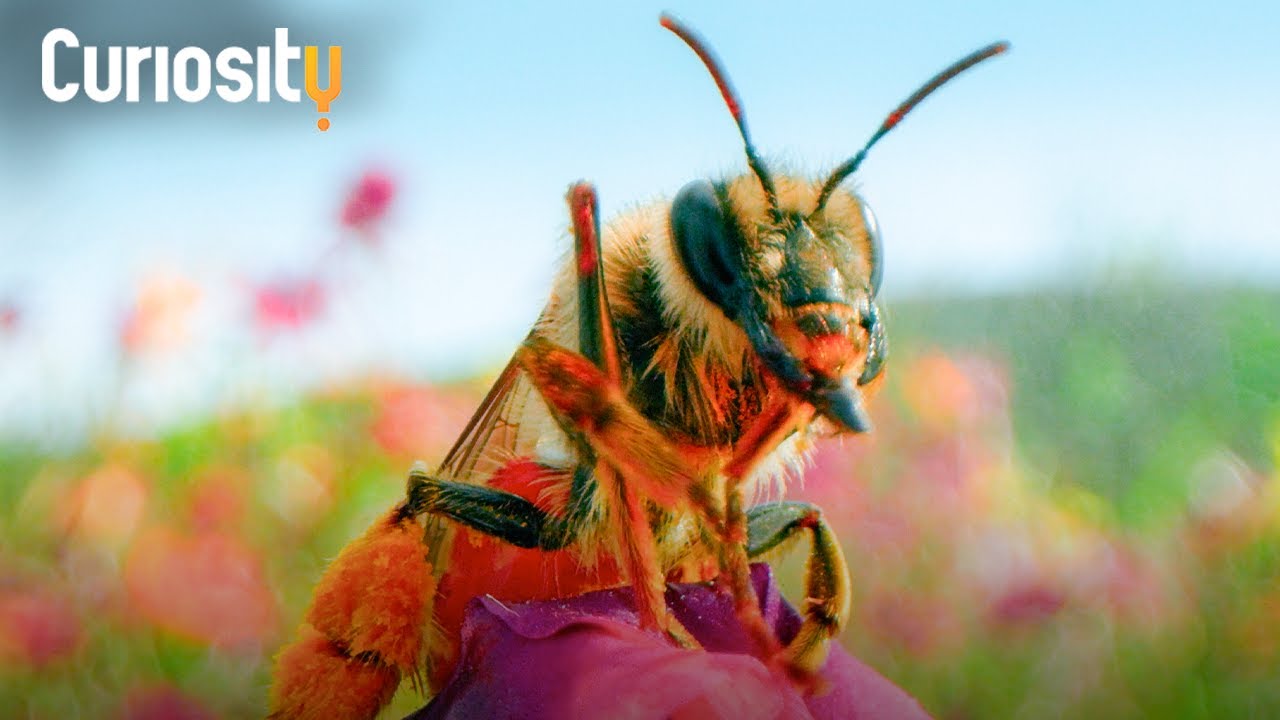
A female oil bee uses her long front legs to collect oils from Twin Spurs flowers, allowing her to gather food for her larvae efficiently.
Accidental inventions like the telephone changed the world of communication forever.
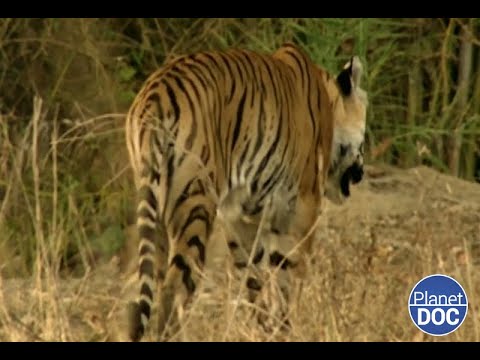
Bengal Tigers, facing extinction, find refuge in Kanha National Park, India, highlighting the urgent need for conservation efforts amid human interactions.
A three-year-old tigress named Amsa arrives at Kanha National Park, where she will need to hunt about 40 animals each year to feed her future cubs.
Kenya faces rising lakes in the Rift Valley while drought areas in the Northeast suffer.
The video discusses how large telescopes help us see deeper into the universe on clear nights.
Leonard Kleinrock's work with ARPA during the Cold War was instrumental in developing the foundational technologies that led to the birth of the internet.
The London Underground shows how staff manage disruptions for thousands of daily commuters.
Psilocybin, the psychoactive component in magic mushrooms, shows potential in alleviating anxiety and depression in terminal cancer patients facing existential distress.
Making The Goods shows how our favourite weekend items are manufactured in factories.
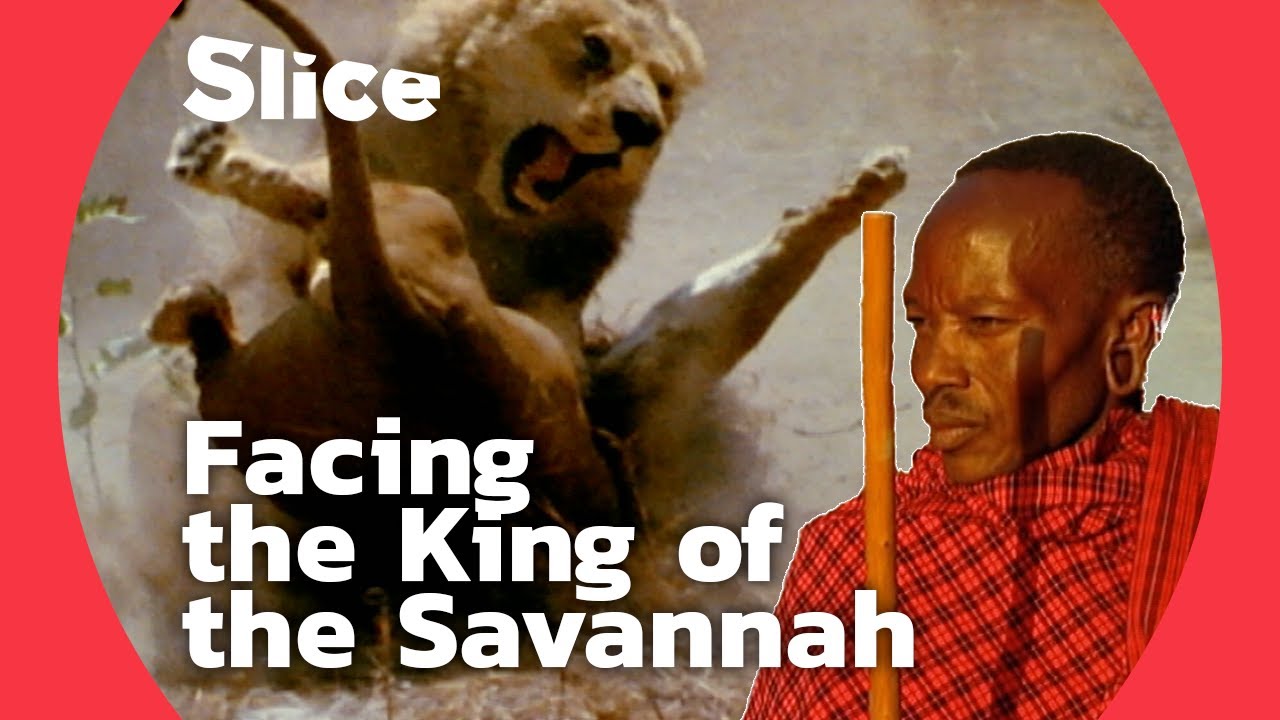
Eight-year-old Oreo has scars from a lion attack as he protects his cattle near the Kenya-Tanzania border.
In South Africa, there are four times more lions in captivity than in the wild, with wealthy hunters paying around $30,000 to kill them in fenced enclosures.
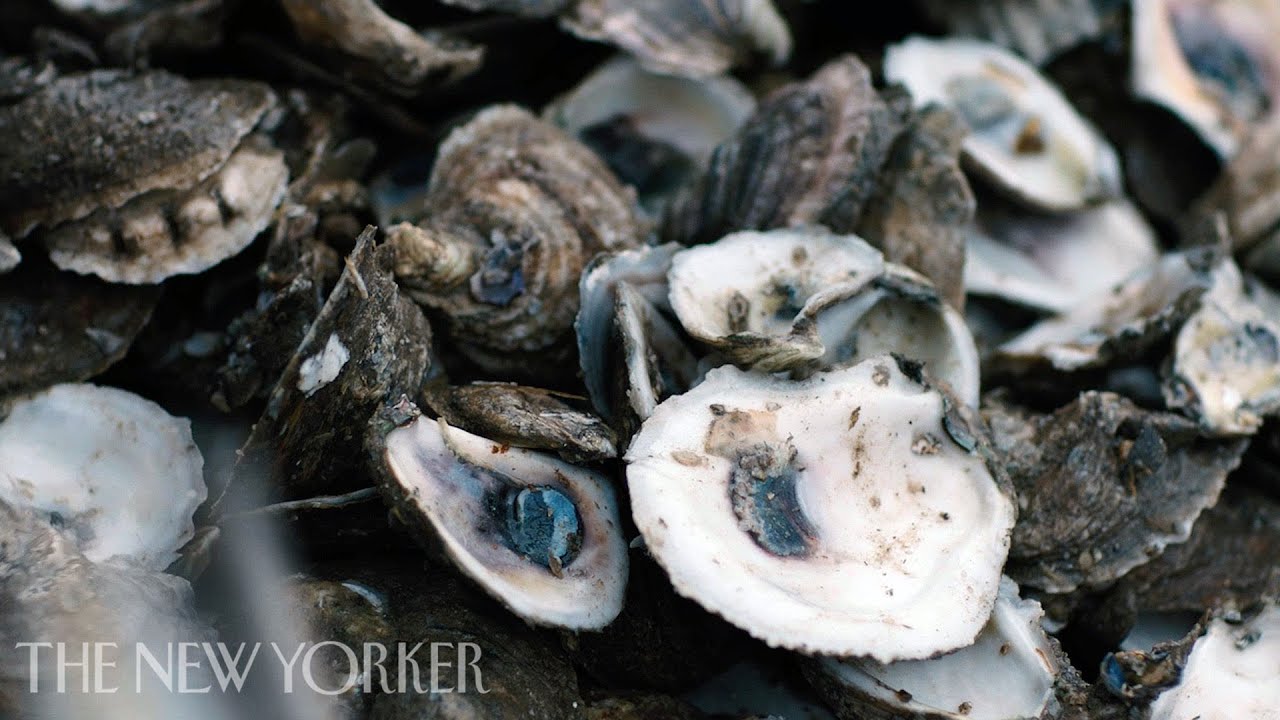
Oysters were a primary food source for Native Americans in Louisiana long before commercial harvesting began, with traditional methods using sails to pull dredges.
A $700 item, a pair of high-tech sports gear, is designed by New Zealand researchers to enhance performance and comfort for athletes worldwide.
NASA's Kepler spacecraft is capable of detecting Earth-like planets, paving the way for future telescopes to analyze their atmospheres for signs of life.
Gibbs Kaguru faced a choice between a Pre-Med program and diving with sharks in South Africa, leading to his research on their color-changing abilities.
Solar Flares pose serious threats to Earth through high-energy radiation and magnetic disturbances.
A 12-year-old boy in South Sudan benefits from 3D printing in the medical world.
In 1949, Joseph Woodland sketched the first barcode design in the sand on Miami Beach, leading to a technology that transformed modern commerce.
In 1949, Joseph Woodland began sketching the first barcode design in the sand on Miami Beach, leading to the creation of the universal product code.
One in three births in the United States is now delivered by Cesarean section, making it the most common major surgery in the country.
Planet Insect Scientists document how the common house fly and bean weevil adapt their behaviors and abilities for survival in various environments.
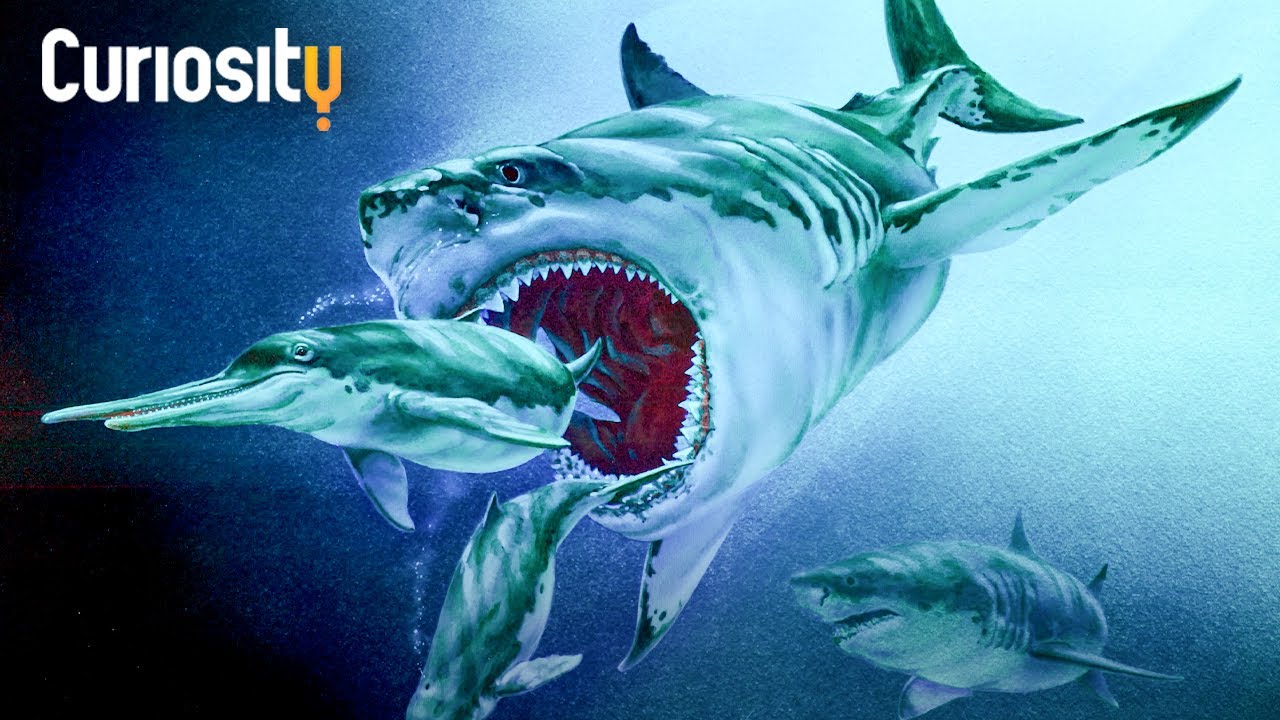
Megalodon, an enormous prehistoric shark, is examined through comparisons with modern great white sharks and insights from global tooth analysis to understand its size and dominance.
In the Mergui Archipelago, Noi and her family navigate the challenges of modernity while striving to maintain their traditional nomadic lifestyle as Mokens.
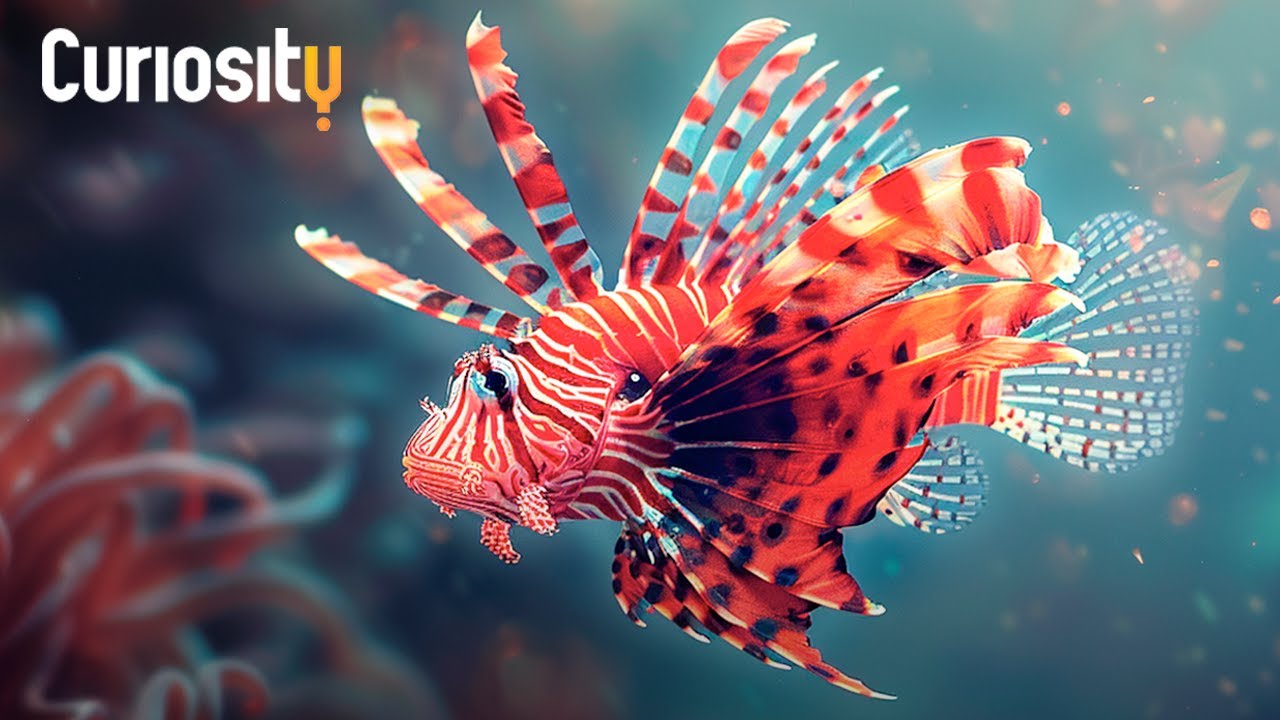
A single red lionfish can reduce native plant-eating fish populations by 79%, leading to unchecked algae growth on coral reefs.
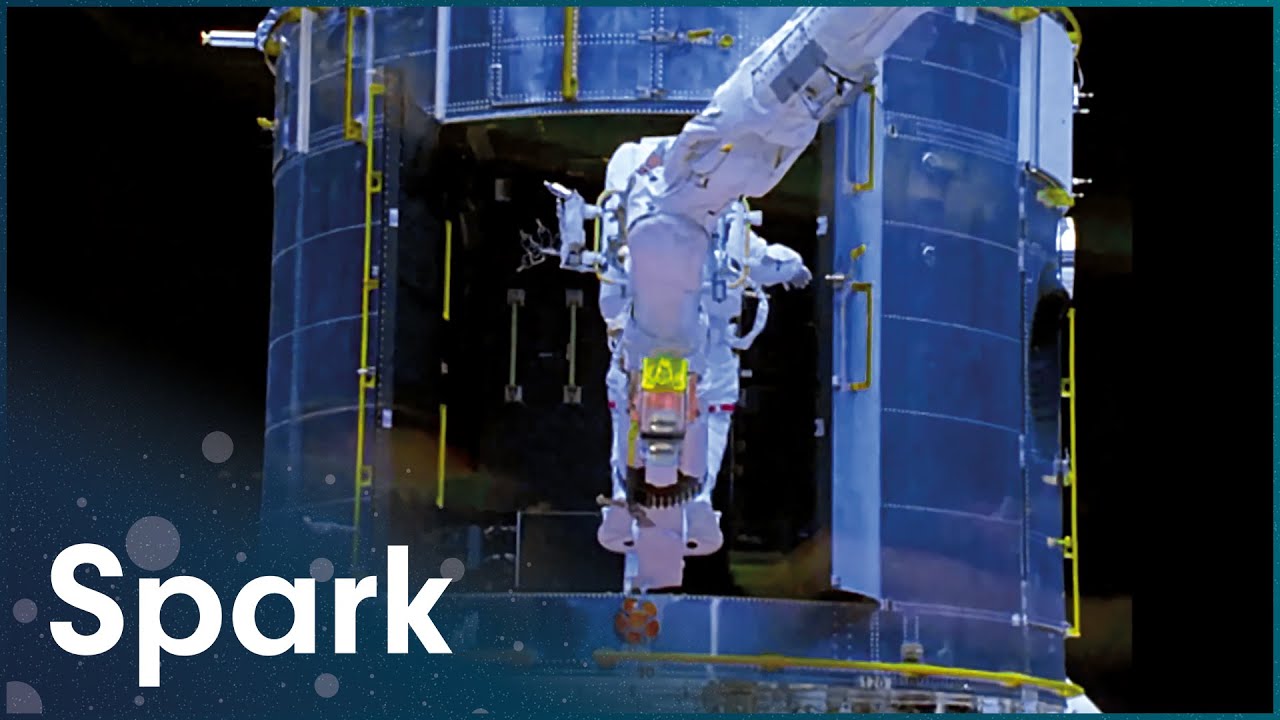
In May 2009, Atlantis completed five spacewalks to refurbish the Hubble Space Telescope, restoring its functionality after years of critical repairs.
Two men prepare to fix a roof using coconut palm leaves in Bora Bora to withstand the heavy rains of the humid season from November to April.
In 1941, astronomer Erik Holmberg conducted one of the first universe simulations using 37 light bulbs to represent billions of stars.
Mongolian nomads rely on the morin khuur, a horse-head fiddle recognized by UNESCO as an intangible heritage, highlighting the need to protect this cultural treasure.
In the steppes of Mongolia, artisans demonstrate the intricate process of crafting the morin khuur, a traditional horse-head fiddle recognized by UNESCO as an intangible heritage.
Chirag Malhotra, a 25-year-old actor from Delhi, faces a reality check during a three-day outdoor challenge in the mountains as he considers leaving city life.
In southernmost cities like Urichi Beach, Lloyd Esla searches for ambergris, a valuable substance from sperm whales sought after by the luxury perfume industry.
The Sun produces 10^38 neutrinos every second, which can be used to study black holes and their surrounding environments.
PBS Member Stations rely on viewer support for programming and community engagement.
About 800 people live in tents along the Santa Ana River in Orange County, California, as local authorities plan to clear the camp.
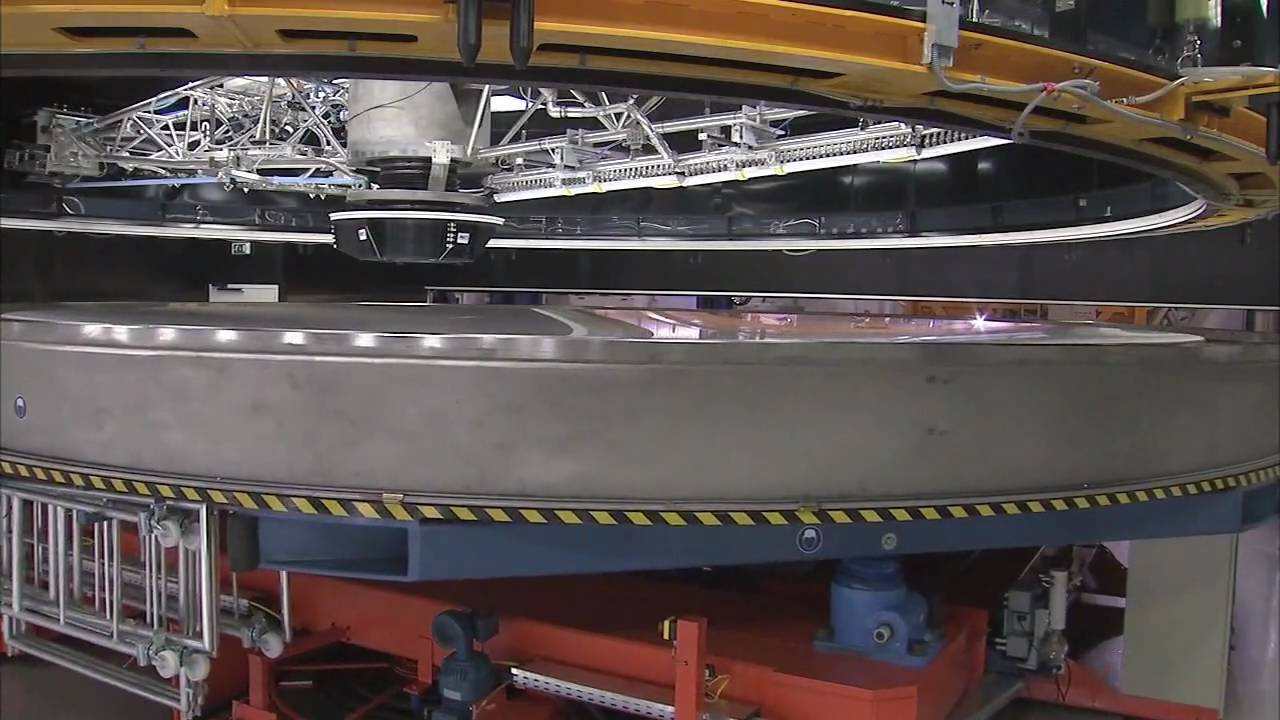
A 50-ton telescope mirror is carefully removed from the Very Large Telescope in Chile for cleaning and recoating to ensure optimal performance.
Mercury has up to 1 trillion tons of ice beneath its surface, a finding that could change how scientists understand the planet and its history.
The Marianas Trench, the deepest subduction zone in the world, has not caused a devastating earthquake since records began in the 17th century.