From over 100,000 films, discover the handful you'll love.
Free or premium access to the world's largest documentary library.
Topics explored in films with this theme:
14123 films(Page 2 of 295)
Three billion years ago, Earth was a vibrant water world teeming with life, as evidenced by ancient rocks in Western Australia.
Eight young grey geese take flight with Christian Moullec from Alsace, learning migratory routes over forests and marshlands before their release.
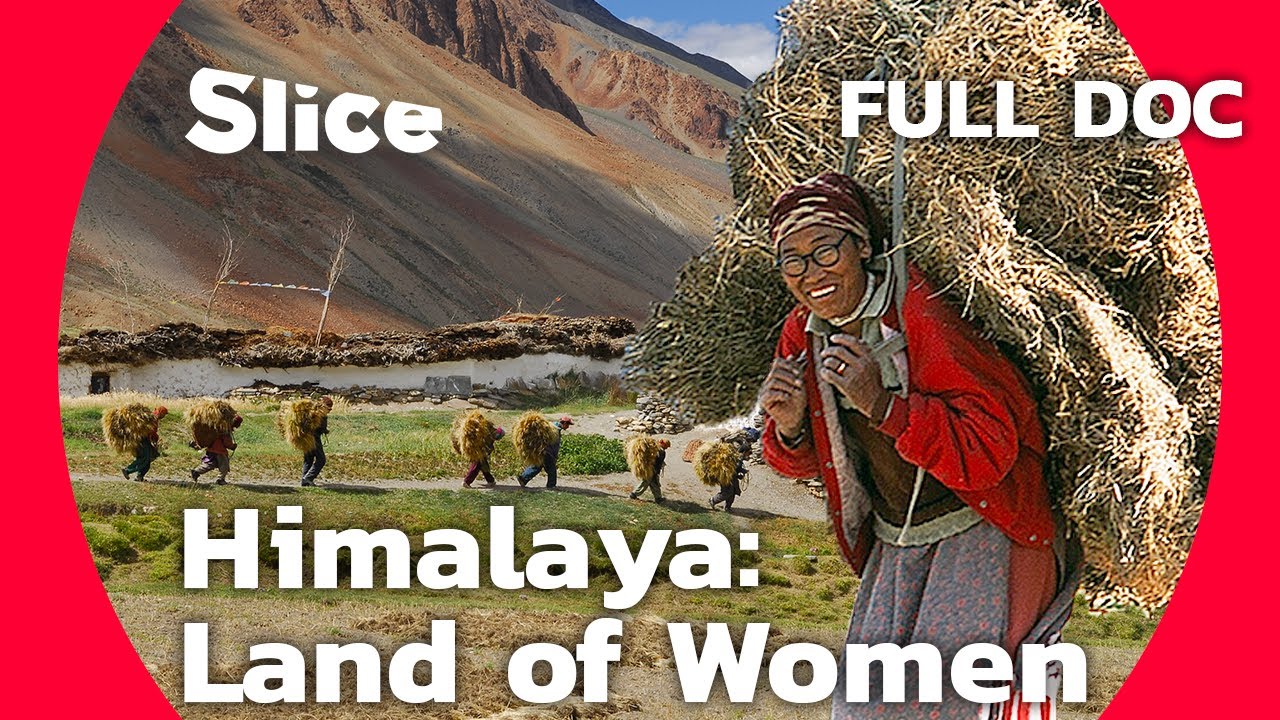
A 4-day trek leads to Sking, a remote village at 4,000 meters, where women like Ketup prepare paba and care for their families.
385 million years ago, the first trees emerged during the late Devonian period, marking a significant evolution in Earth's plant life.
Light's behavior is examined through Quantum Mechanics, highlighting its wave-particle duality and making complex scientific concepts accessible to a broad audience.
A praying mantis can consume its prey alive in a process that may take several hours, using its powerful front legs to capture victims.
One woman keeps three sets of pet stairs to help her cats reach the couches in her home, reflecting her deep bond with her feline companions.
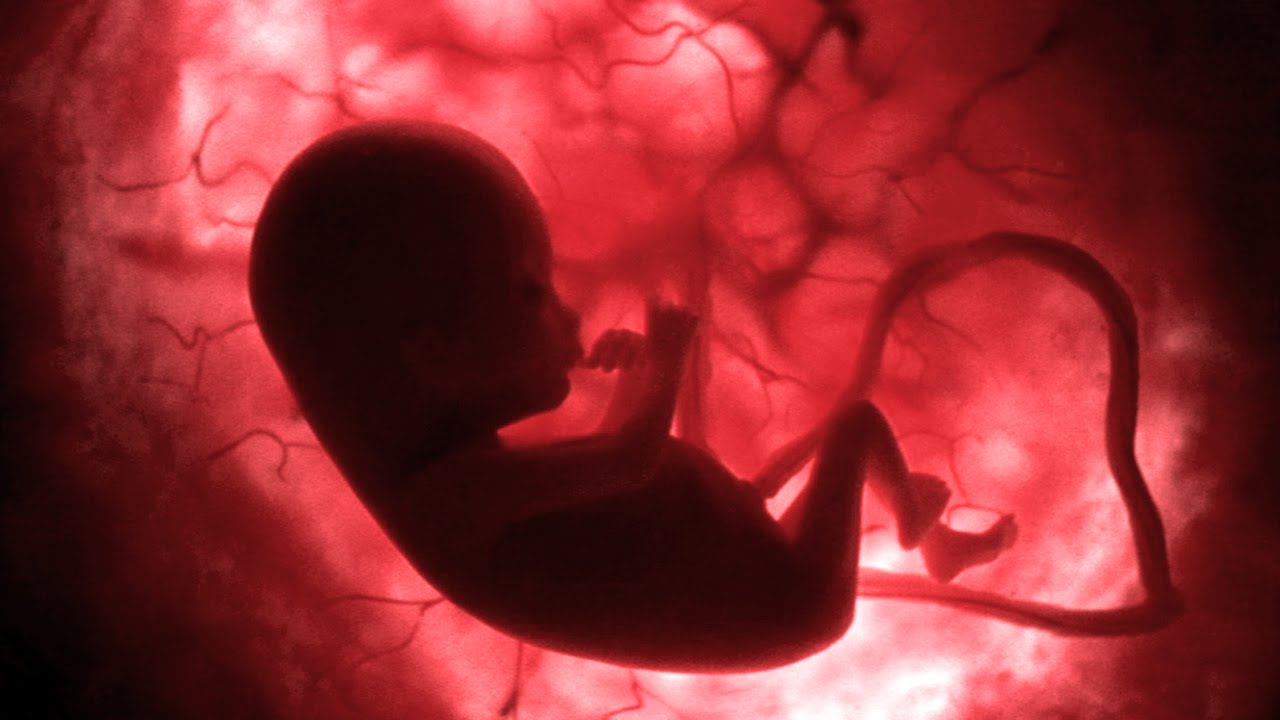
Up to 500 million sperm are released during ejaculation, beginning the complex process of human development from a single cell to a fully formed baby.
More than 120 mountains in the Alps rise over 13,000 feet, surrounding deep lakes that host unique ecosystems and hidden aquatic life.
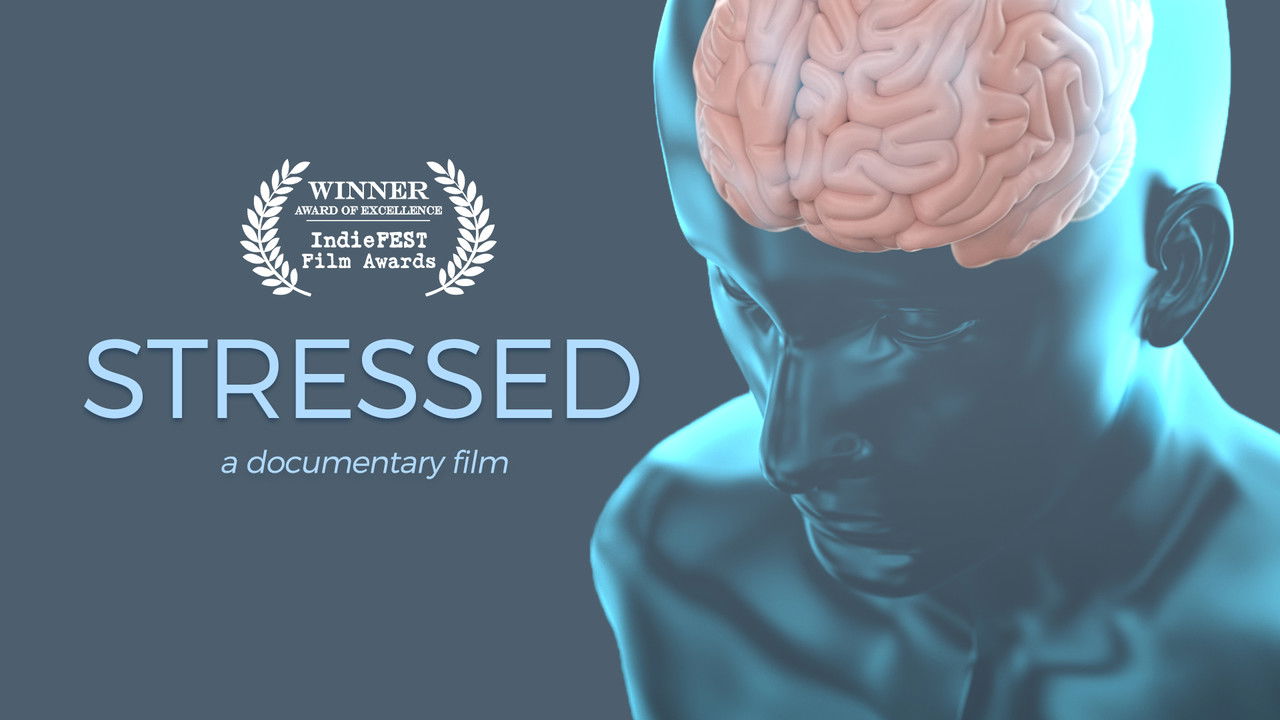
Emotional stress is examined through historical context and its neurological and psychological effects, featuring insights from Dr. Daniel Monti and Dr. Andrew Newberg.
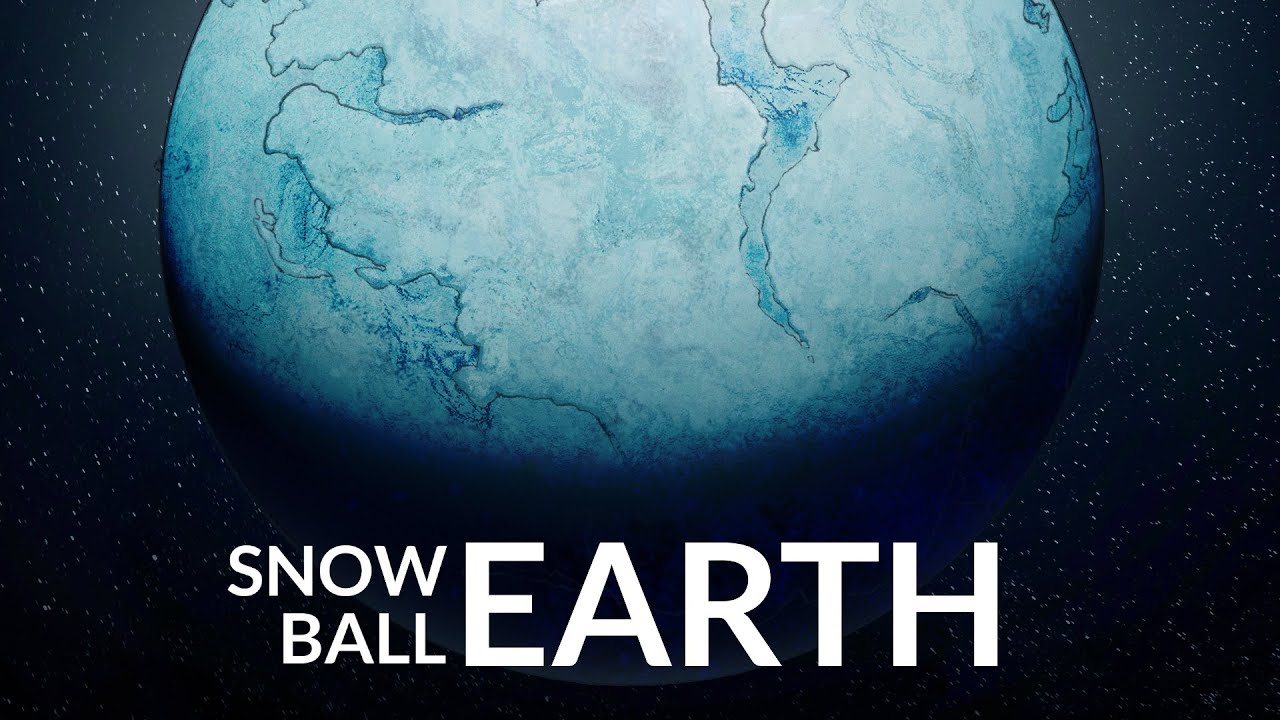
Average temperatures plummeted to around 6 degrees Celsius colder than today during the last glacial maximum, covering a quarter of the world's land in ice.
A fossil from the Geological Survey of Canada, much larger than any previously found from the Cambrian period, poses a mystery for Professor Harry Wittington.
A man endures raging winds to connect with orcas and communicate with penguins in the wild.
More than 1,700 podcasts have been produced by Vinnie Tortorich, who aims to help people reclaim their good intentions about healthy eating.
In 1900, Max Planck tackled the mystery of heated filaments at the Physicalisch-Technische Reichsanstalt in Berlin, leading to the birth of quantum mechanics.
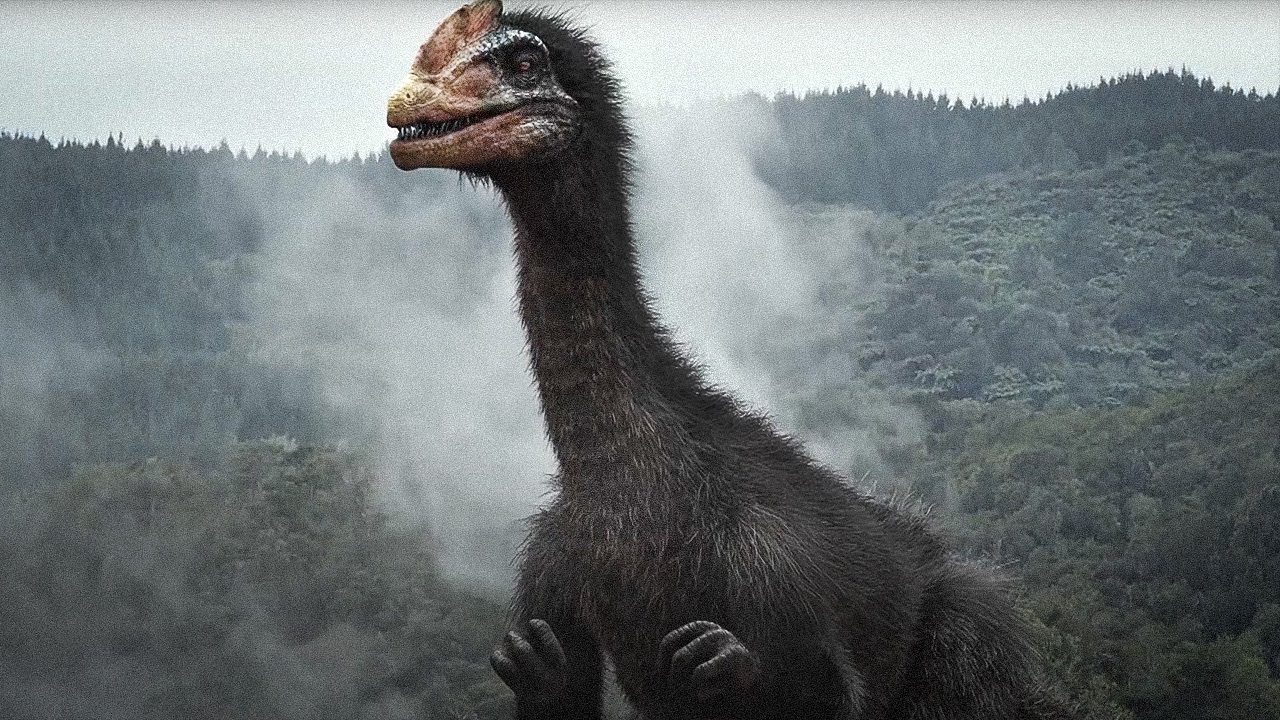
One billion years ago, the Earth was a toxic environment where certain life forms could not survive, marked by black oceans and barren land.
400,000 years ago, a new species, Homo sapiens, emerged in Africa, adapting to various climates and developing agriculture and monumental structures.
Neutron stars can reach half the speed of light when an object is dropped from their surface, where gravity is so strong that mountains form only fractions of a millimeter high.
Less than 250 beachings of oarfish have been reported worldwide in the last two centuries, yet one was recently observed alive off the French coast.
In just 100 milliseconds, the brain makes judgments about trustworthiness and competence based on a person's face and voice.
Hundreds of thousands of ants work together to build complex structures that serve as homes and shelters in their environment.
In 1900, scientists faced a mystery about the light bulb: why did the color of light change with temperature, leading to the birth of quantum mechanics.
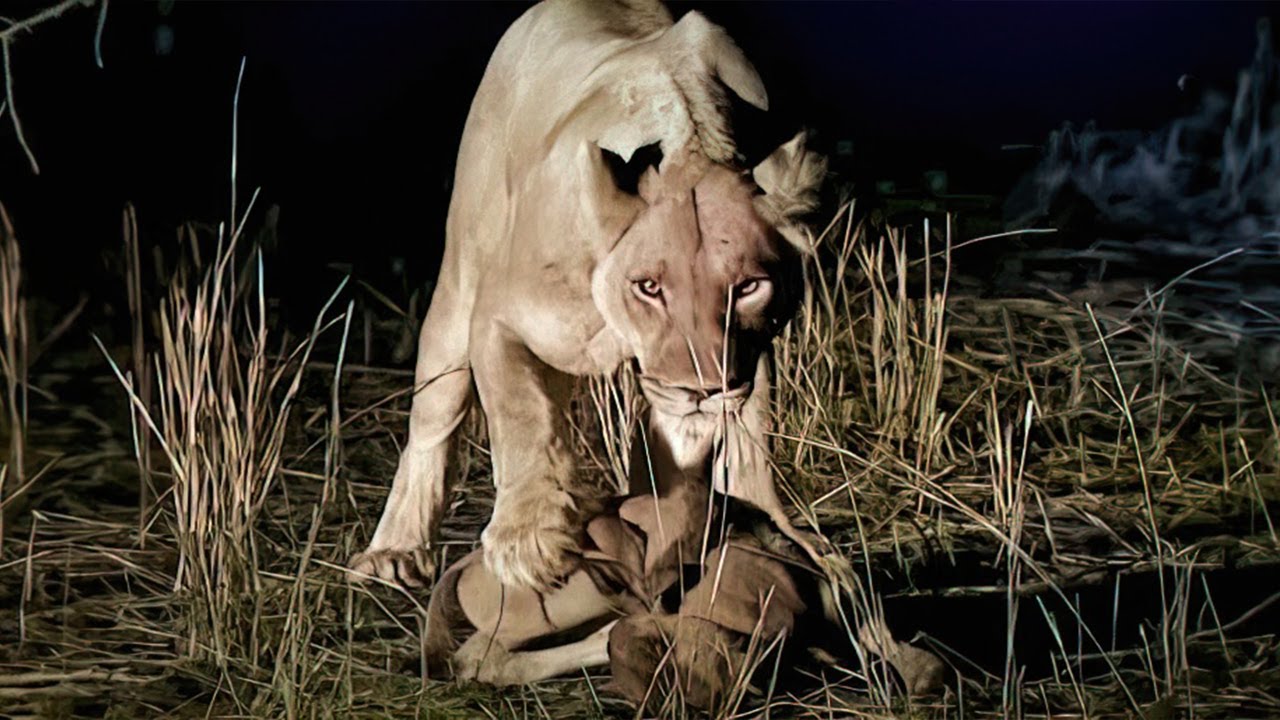
100,000 acres of the Malilangwe Game Reserve provide a battleground for Manyari and her sister as they defend their cubs from invading male lions.
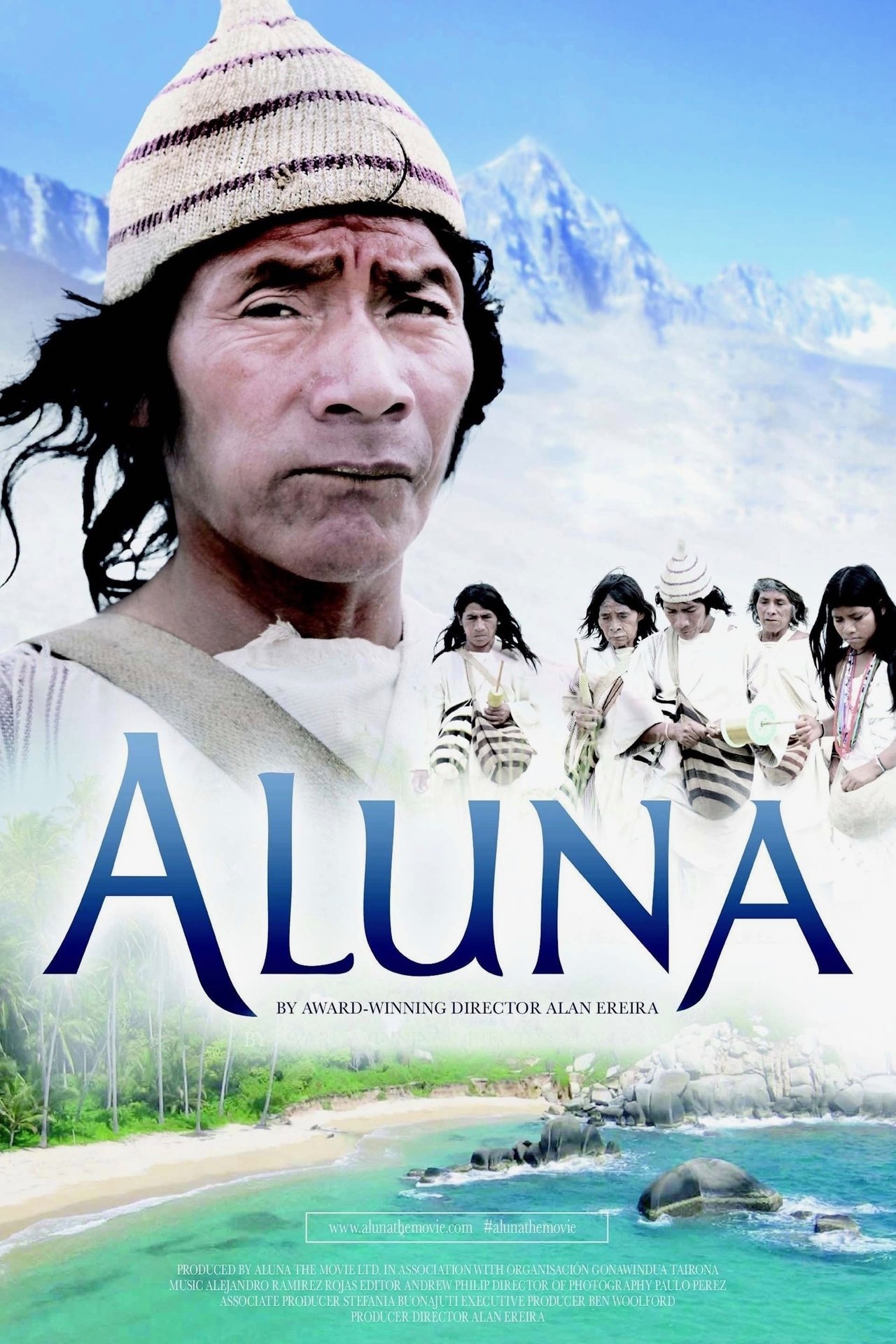
A group of Kogis travels 400 kilometers to London to retrieve gold thread, demonstrating the interconnectedness of the planet's ecosystems.
Giant dragonflies with a wingspan of up to 25 inches thrived 300 million years ago, long before birds and flying reptiles existed.
13-year-old Liza from Siberia dreams of becoming a model as scouts search for young talent across the vast region.
400 remaining members of the Pirahã tribe in the Brazilian Amazon speak a language that lacks words for numbers and does not use fixed past or future tenses.
A hagfish, which can grow to twice the length of a man, uses its jawless mouth to consume dead bodies on the ocean floor.
An airship up to 130 meters in length could sail the turbulent upper winds of Venus, offering a potential habitat for future human settlers.
Over a hundred divers have died at the Blue Hole, a dive site on Egypt's Red Sea coast, prompting Monty Halls to investigate the dangers it presents.
Lancaster, California, aims to become the first carbon-neutral community in the United States, transforming its economy and infrastructure since 2009.
Gerry Lopez spent 30 years surfing Pipeline, where he faced intense waves and natural hazards like landslides and earthquakes.
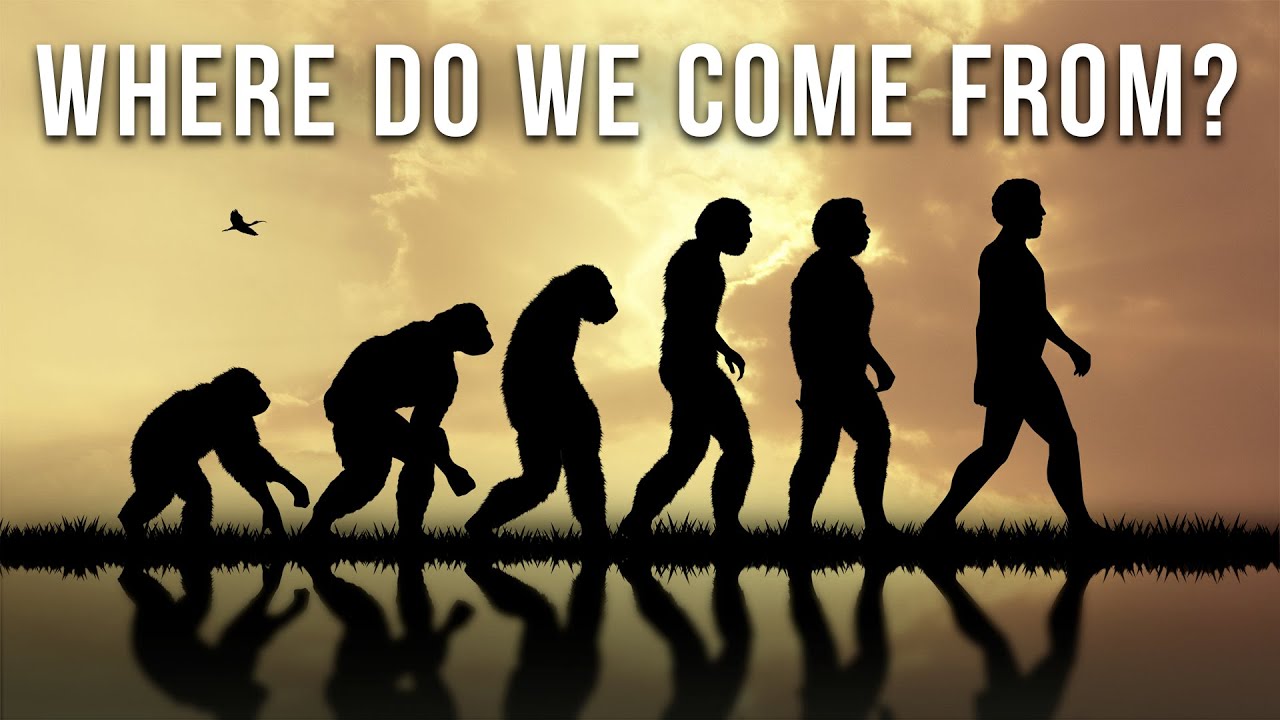
Homo sapiens emerged 200,000 years ago after a 3.3 billion year battle for survival, evolving from single-celled organisms to the most complex creatures on Earth.
1,200 kilometers of the M56 road connect Neryungri to Yakutsk, facing extreme weather and dangerous conditions that challenge every traveler.
Countless trillions of humans may one day live across the Milky Way, but a fundamental difference in matter and anti-matter could prevent true contact with other civilizations.
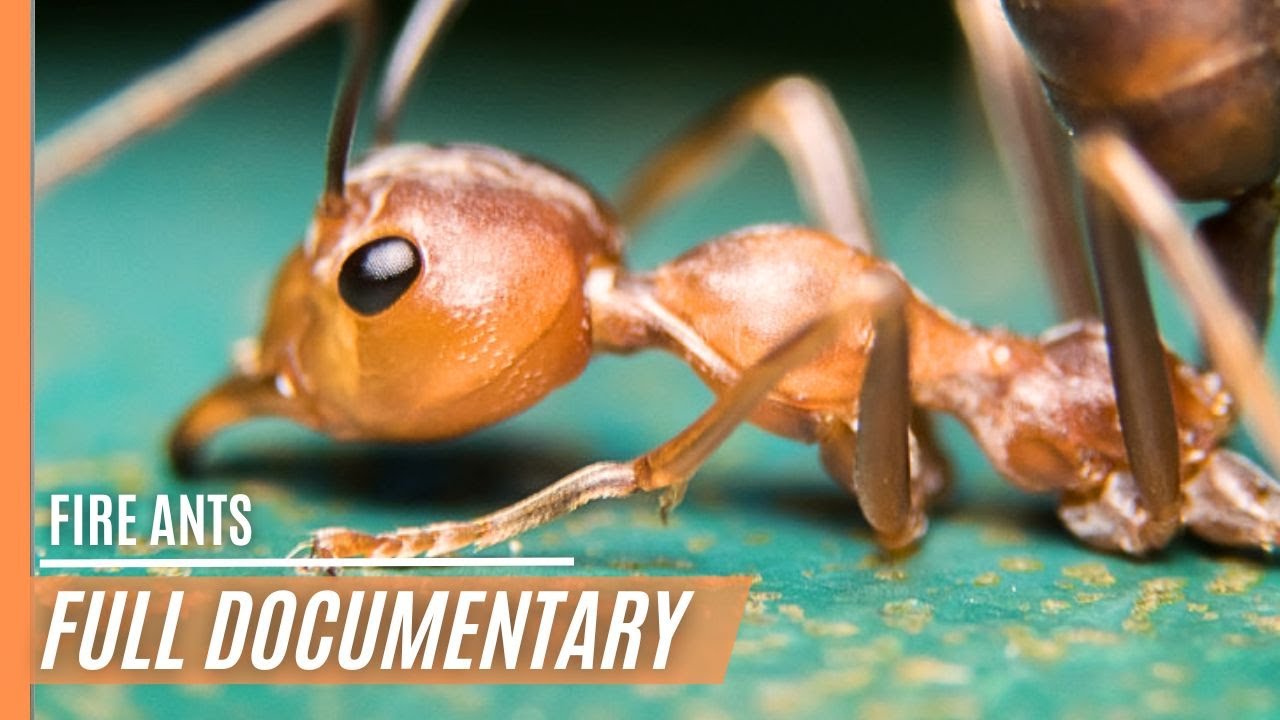
For 80 years, fire ants have caused an estimated six billion dollars in annual crop damage, equipment repair, and pest control costs across the United States.
Quinoa has more fiber than millet, but millet contains more than twice as much iron, raising questions about the true nutritional value of superfoods.
The eruption of Krakatoa on August 27, 1883, released energy equivalent to 150 million tons of TNT and triggered tsunamis that killed over 36,000 people.
228 tree trunks are transported on a 90-meter wooden raft along the Congo River, carrying around 50 passengers amid dangerous conditions.
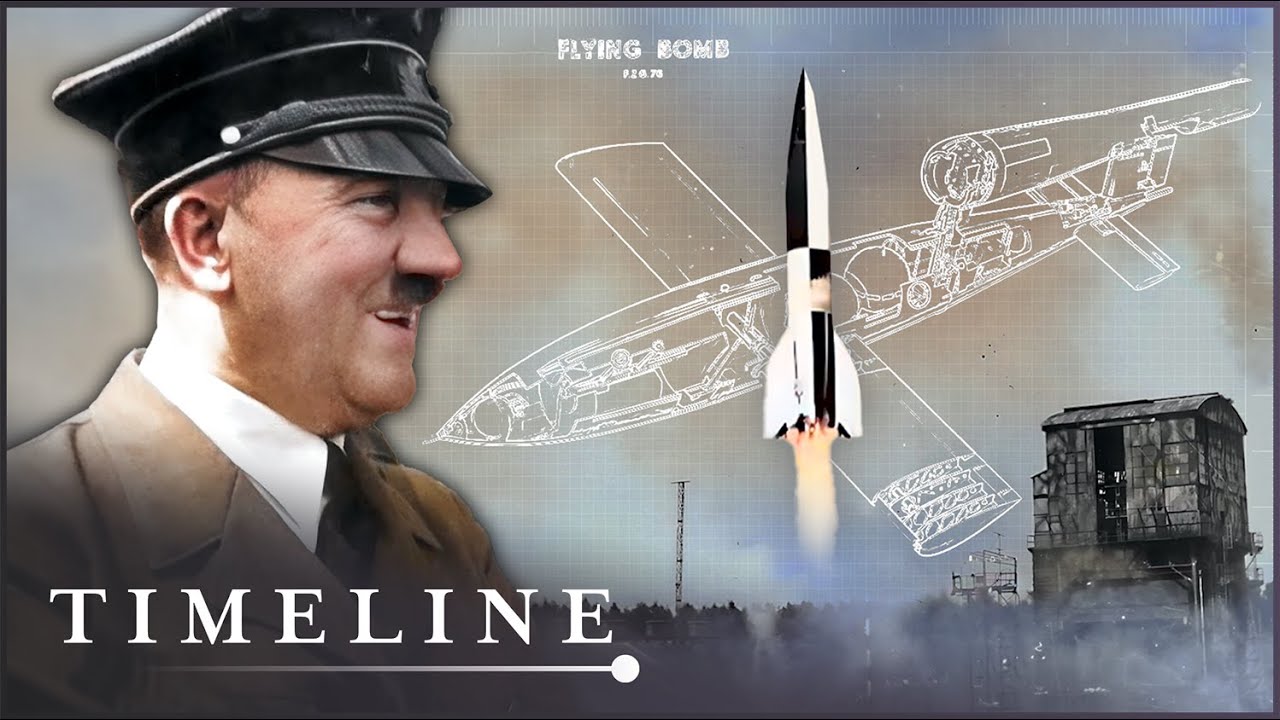
April 1945 marks a staged Nazi victory celebration in New York City, imagining a world where Germany won World War II through advanced weaponry.
An unidentified circular object measuring 180 feet in diameter was discovered nearly 300 feet below the Gulf of Bothnia in June 2011.
The Grasberg and Erzberg mines, rising nearly 14,000 feet, took 20 years to build and cost over $3 billion to develop in Irian Jaya.
Rio, a ten-year-old scarlet macaw, attempts a string pull test to retrieve a peanut, demonstrating problem-solving skills previously underestimated in birds.
A 10-meter-wide crater appears near the cave home of the Taaw’t Bato tribe after an explosion, raising fears of government intervention.
Scientists at Rad Fest claim that aging is a curable disease and aim to end old age, with some predicting humans could regularly live to 120 by 2050.
NASA's Mariner 9 became the first probe to orbit another planet in 1971, revealing Mars' surface features after months of dust storms.
1657 marked the arrival of Portuguese colonizers in Mozambique, initiating a long history of resource exploitation in Africa.
Over 6,000 people worked at the Los Alamos Laboratory on the Manhattan Project, where Robert Oppenheimer led the development of the atomic bomb.