From over 100,000 films, discover the handful you'll love.
Free or premium access to the world's largest documentary library.
Topics explored in films with this theme:
14119 films(Page 14 of 295)
Russia's Norwegian sea coast features unique activities like ice surfing, ice swimming, and reindeer racing, alongside daily life in Arctic villages.
12 billion years ago, a seething mass of energy smaller than an atom grew from nothing, marking the birth of the universe in a violent fireball.
Eight astronauts with over 1,000 days in space share their experiences and insights about Earth's violent and beautiful nature.
Every second, 57 mobile phones are sold worldwide, surpassing the number of toothbrushes in circulation.
The Glacier Express, known as the world's slowest fast train, takes about 8 hours to travel 300 kilometers from St. Moritz to Zermatt.
Coral spawning on the Great Barrier Reef occurs in a synchronized event, where millions of coral polyps release eggs and sperm into the water.
In Buenos Aires, Anthony Bourdain explores local cuisine at Don Carlito's, attends a passionate soccer match, and engages in a psychoanalysis session.
During a heatwave, thousands of exiles, including wildebeests and buffaloes, invade Savannah Lane, leading to fierce competition among wildlife.
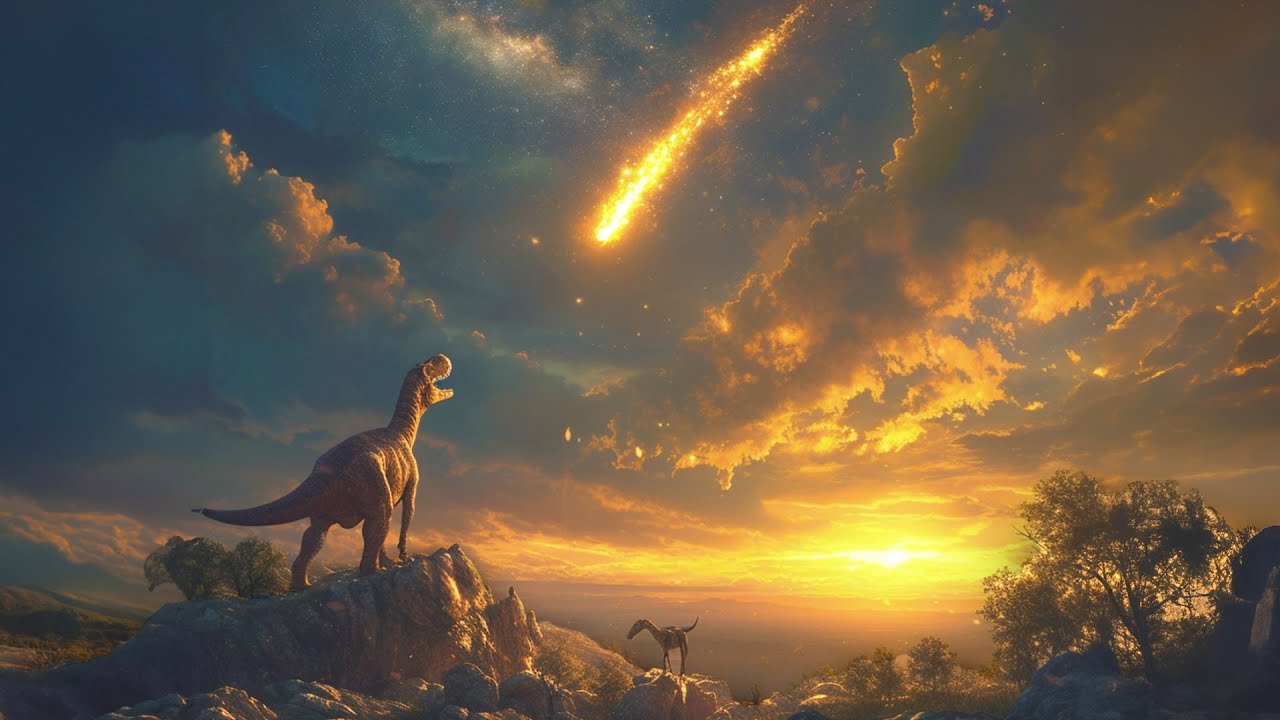
A catastrophic asteroid strike 65 million years ago led to the extinction of dinosaurs, reshaping Earth's biodiversity and paving the way for human evolution.
The Great Barrier Reef stretches 2,300 kilometers long and is built by billions of tiny coral polyps working together over half a million years.
Changi Airport, the world's best airport, handles over 54 million passengers each year.
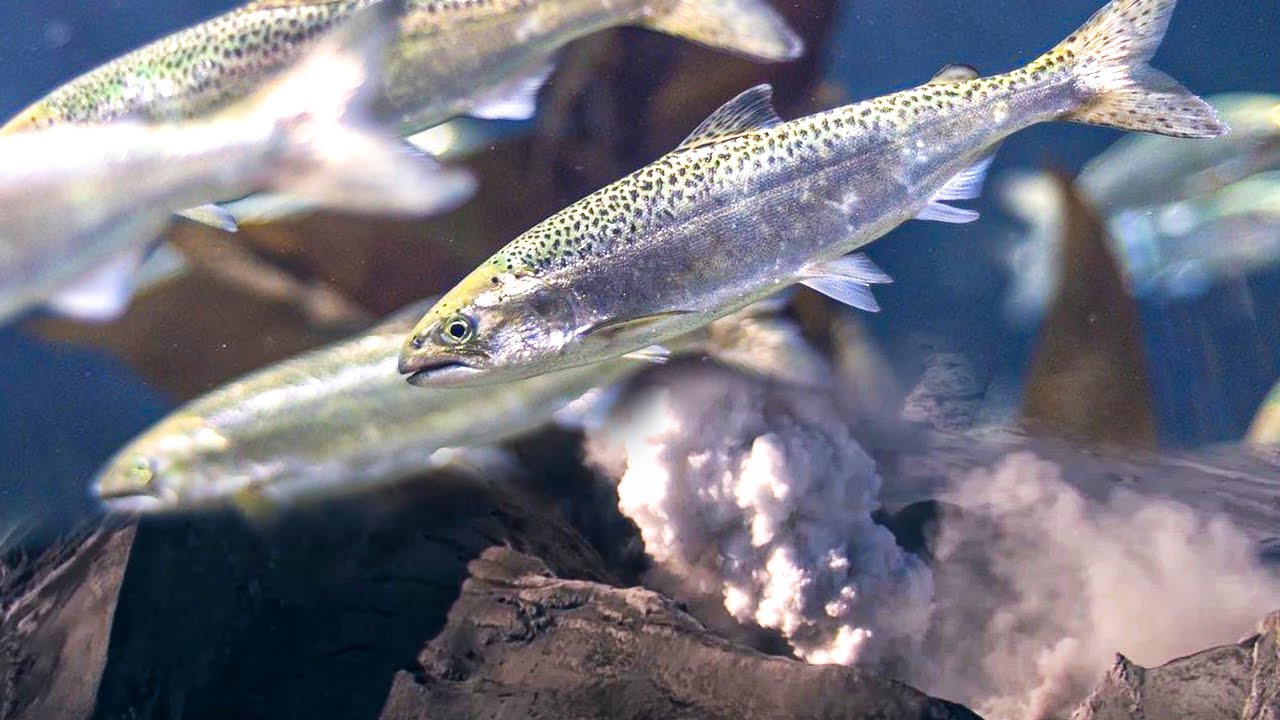
In Alaska, volcanic eruptions poison fish, impacting salmon and river ecosystems over 2000 years.
Frank Harsch recalls the catastrophic flooding on 29 May 2016 amid changing weather patterns.
For four years, the Kepler mission observed 150,000 stars located three thousand light years away from Earth in the search for Earth-like planets.
The Galapagos Islands, located about 600 miles off the South American coast, are home to unique species like the marine iguana, which can hold its breath for up to 30 minutes.
Xinjiang, China's largest province, is about the same size as Iran and borders eight Asian countries, offering a mix of harsh landscapes and rich cultural heritage.
In St. Vincent and the Grenadines, Miranda Phillips operates a laundry and water boat, serving yachts while showcasing the islands' natural beauty and community spirit.
Earth's 23-degree axial tilt significantly influences global weather patterns and seasonal changes, shaping climates and ecosystems over 4.5 billion years.
Thousands of artworks are stored in secure facilities, hidden from view, yet require preservation to maintain their cultural significance.
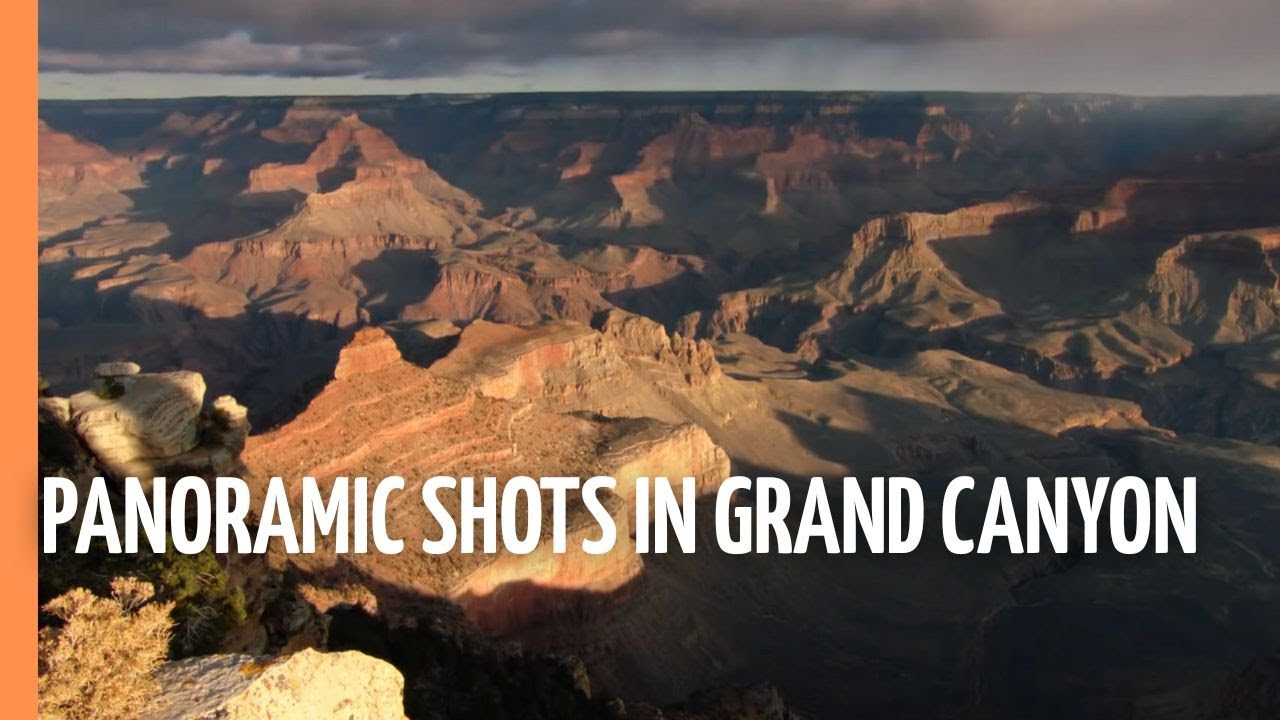
Grand Canyon National Park in Arizona showcases its 277-mile canyon, diverse ecosystems, and wildlife while highlighting the importance of conservation efforts.
Mountains without water would become deserts, but they create their own water from clouds.
For the first time in 50 years, jaguars now live in the wild in the Iberá wetlands, marking a significant step in a large rewilding project.
Permafrost in the Arctic Circle contains twice the amount of carbon found in the atmosphere, posing risks as it melts and releases greenhouse gases.
Giovanni Granati vive una giornata nella vita di un falconiere in Abruzzo con i suoi animali.
A harpy eagle chick weighs about 80 grams at birth and will rely on its mother for food for the next 10 months in the Guyanese rainforest.
Bolivia's Ferroviaria Oriental connects Santa Cruz to border towns with Brazil and Argentina, playing a crucial role in the country's supply chain.
Gina, a 55-year-old store owner, transports two and a half tons of merchandise every ten days through the treacherous Darièn jungle.
A model project launched in Vancouver in 2010 aims to understand the behavior and population of rats in urban environments, challenging long-held beliefs about them.
Advanced technology provides a new perspective on our solar system, showcasing supernova explosions and the beauty of our planet and the universe.
A 90-meter deep plunge pool carved into bedrock in the English Channel provides evidence of ancient waterfalls that shaped Europe's geography.
A 20-meter wide asteroid exploded over Chelyabinsk, Russia, in 2013, injuring over a thousand people and causing widespread damage.
Scientists recreate lost animal species like the mammoth using ancient DNA from Siberia.
Iceland is home to the biggest volcanic island and the lively Icelandic horses of Europe.
99% of all species that ever lived were wiped out in global catastrophes, but these events also set the stage for the evolution of life on Earth.
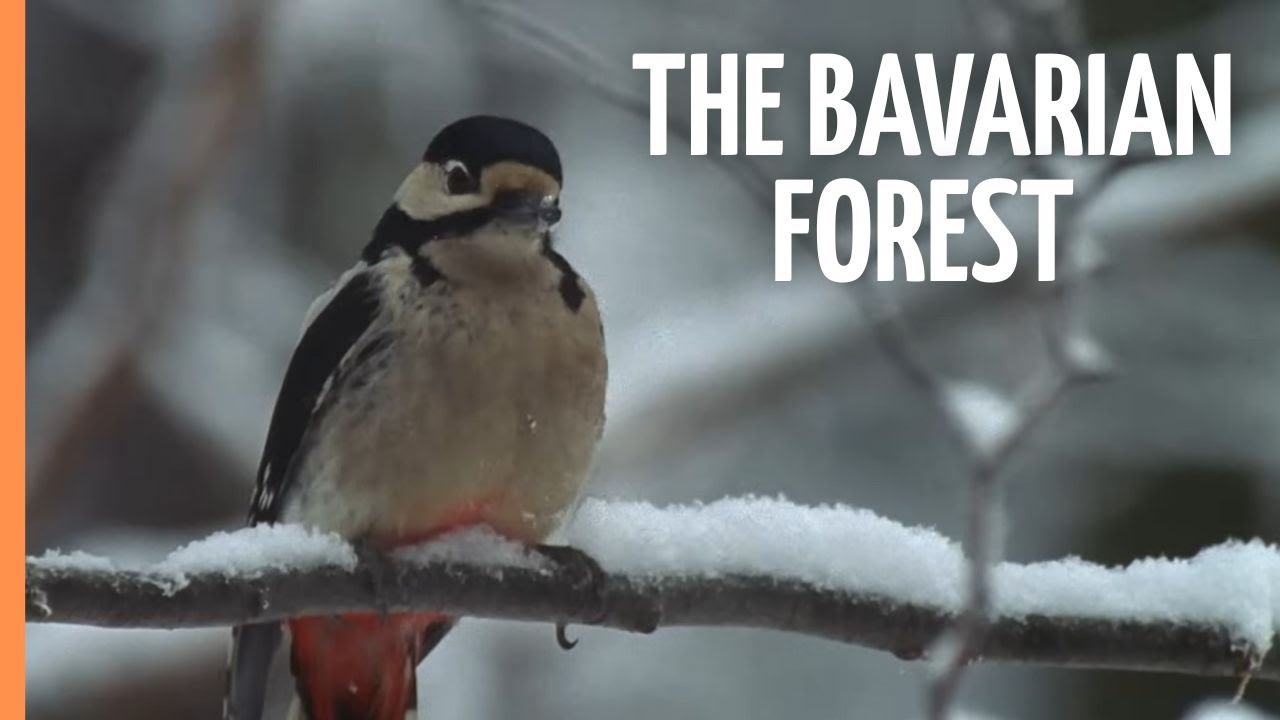
Over a dozen lynx, once absent from Bavaria for more than 150 years, now roam the Bavarian Forest National Park as it recovers from past ecological damage.
Every year, world demand for tomatoes grows by 3%, with expectations that consumption will rise significantly as China begins to embrace tomato sauce.
On January 12, 2019, a dead sperm whale carcass was towed eight miles offshore near Oahu, attracting various shark species, including tiger sharks.
80 percent of all species in the rainforests of Sulawesi are endemic, found nowhere else on earth, according to research on the Wallace Line.
Maria Garcia founded an organization that protects 500 hectares of rainforest in Belize, which is threatened by bushfires and environmental changes.
Ninety miles from Florida, the United States quarantined Cuba in response to the Soviet Union's placement of nuclear warheads on the island.
Bangladesh faces a future where 20% will disappear beneath rising waters due to climate change.
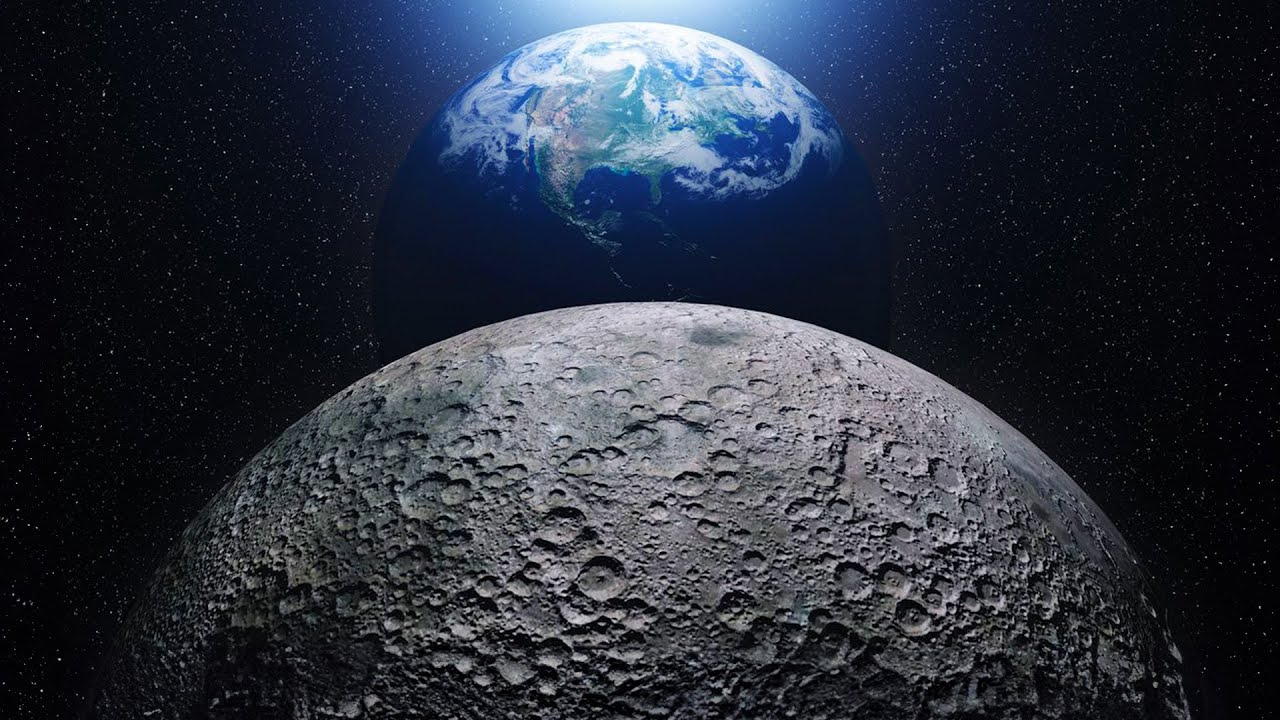
More people have traveled to the moon than have ever ventured to the deep ocean, which remains one of the last unexplored frontiers on Earth.
Only eight or nine Scottish wildcats remain in the Western Highlands, prompting urgent conservation efforts to save the species from extinction.
Genital plastic surgery is increasingly sought by women for aesthetic reasons, raising concerns about physical risks and the impact on self-image and health.
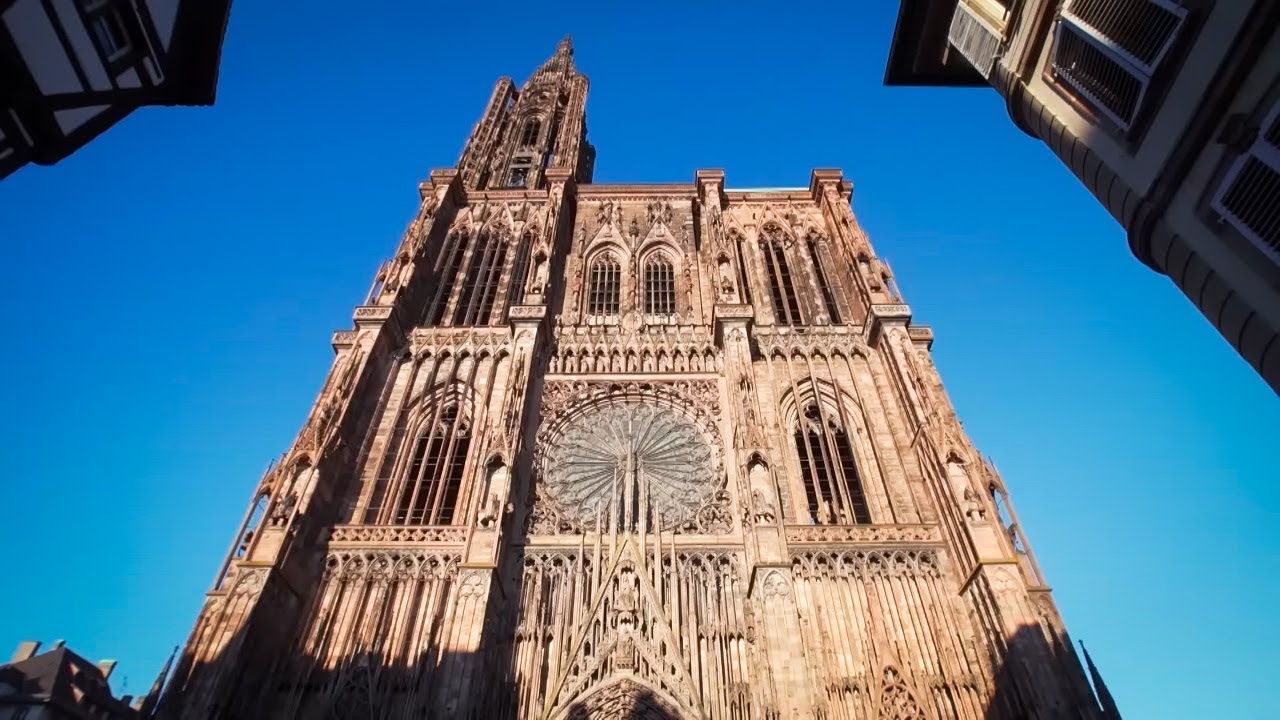
A 142-meter tall spire crowns Strasbourg Cathedral, the tallest building in the Christian world until the 19th century, completed over 400 years.
By 2035, 1.1 billion people will be over the age of 65, raising concerns about economic growth and stability in aging nations like Japan and Germany.
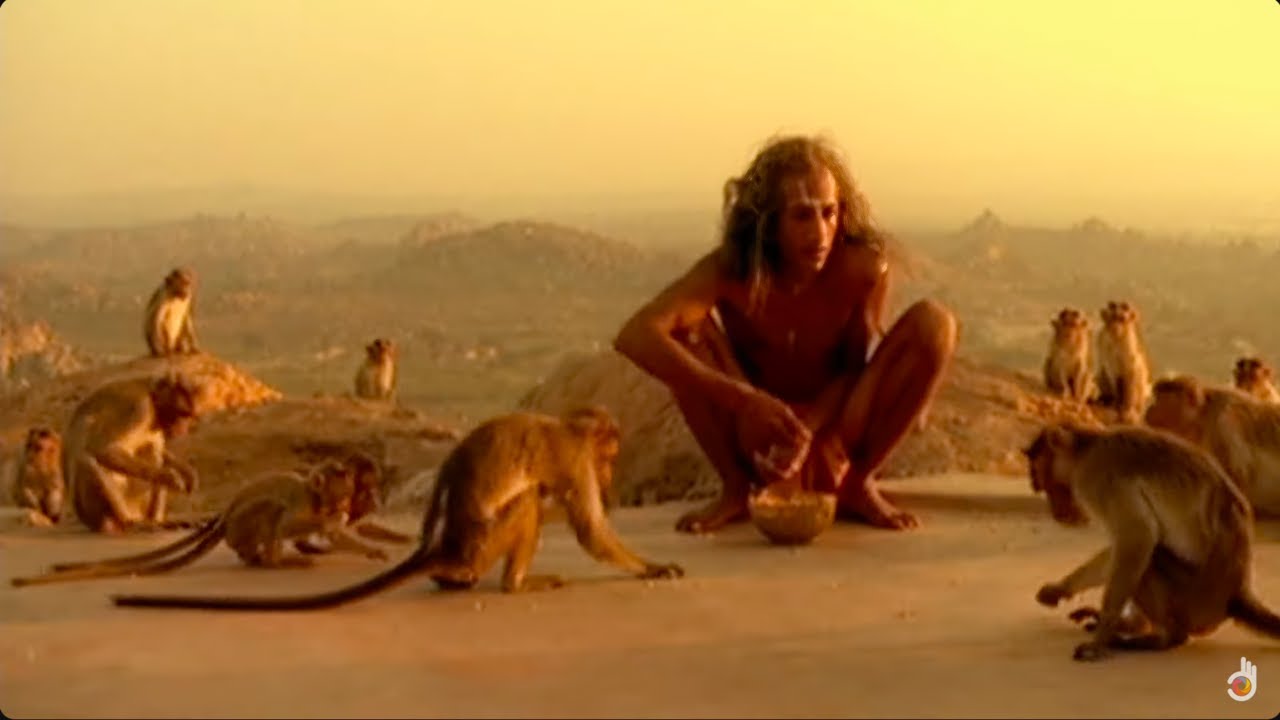
Bobo, a frail old monkey, returns to his mountain home after nearly 30 years, only to be rejected by his family and ultimately found dead in a cave.
Pyroman, a life-size mannequin, is subjected to over 3,000 degrees Fahrenheit to illustrate the effects of extreme heat on materials and objects.