From over 100,000 films, discover the handful you'll love.
Free or premium access to the world's largest documentary library.
Topics explored in films with this theme:
14119 films(Page 36 of 295)
Quentin travels 2,924 miles across India, meeting a snake catcher in Mysore and a healer in the Malnad region who claims to treat cancer with traditional medicine.
Fifteen percent of the continental United States has been leased by oil and gas companies, raising concerns about environmental and social impacts.
Arctic fox pups, born blind and deaf, must learn to hunt within nine weeks to survive in one of the harshest environments on Earth.
The 1920s aviation boom, fueled by advancements in aircraft technology post-WWI, revolutionizes global travel and communication through commercial air services.
More than 100 planets orbiting distant stars have been discovered since 1995, raising hopes for finding a new home for humanity.
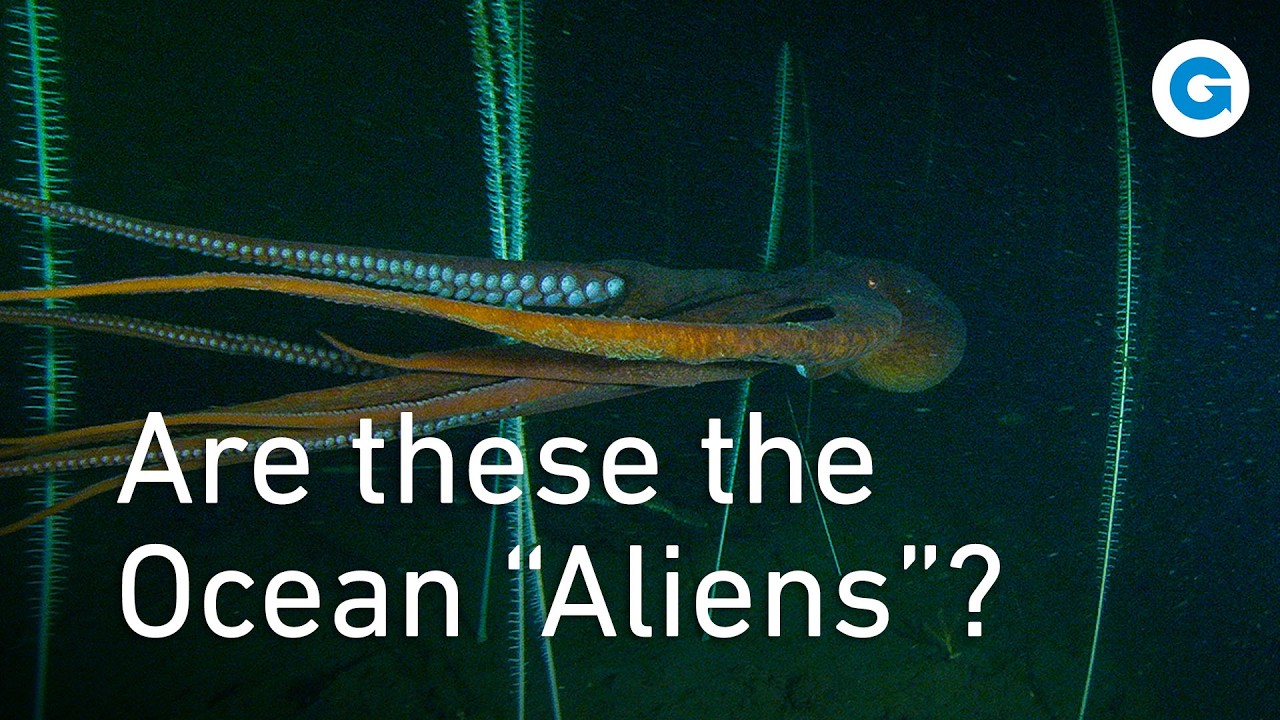
A giant Pacific octopus can weigh up to 600 pounds and reach lengths of 30 feet, making it the largest octopus species in the world.
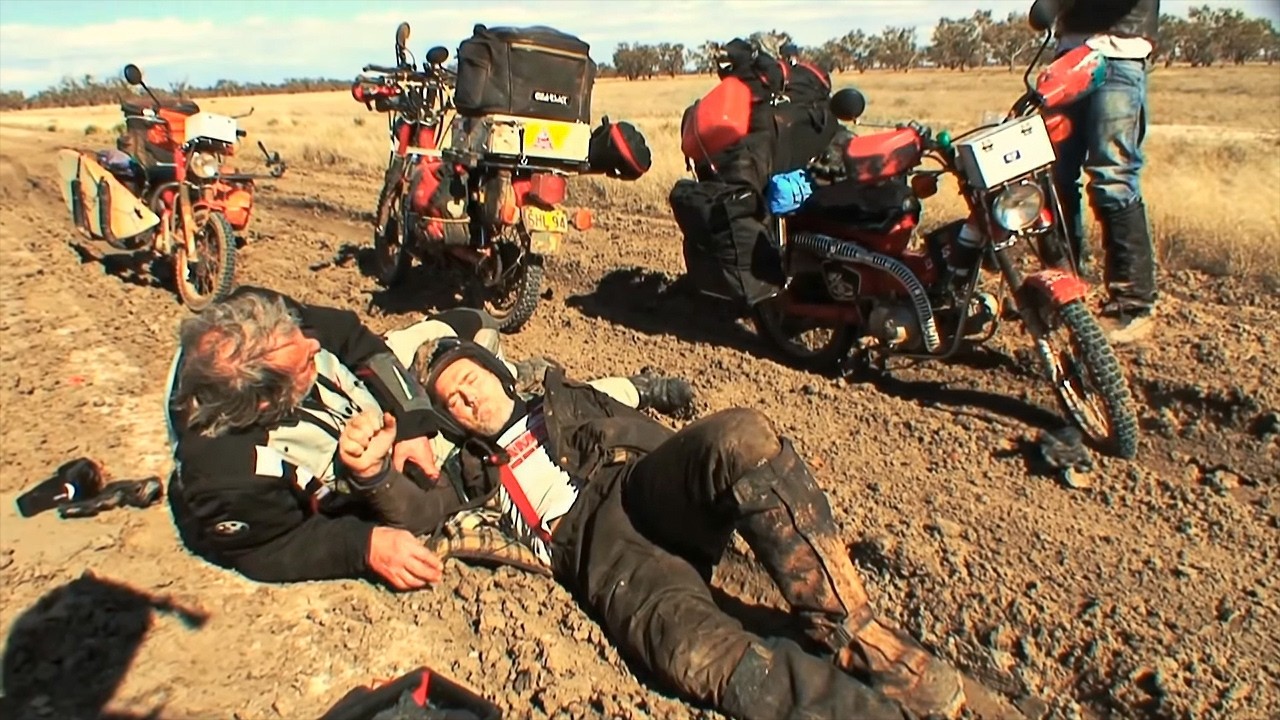
In the Australian Outback, a father, his adult son, and two friends face physical and mental challenges during a motorcycle expedition that tests their relationships.
Only 2,500 manatees remain in the West Indies, including Cuba, where the mangrove forest conceals biological mysteries and dangerous wildlife.
A day on Mercury lasts 58 Earth days, with temperatures ranging from minus 300°F to 840°F, making it an inhospitable candidate for human life.
400 million Chinese enjoy their golden weeks, embracing luxury and unique vacation trends.
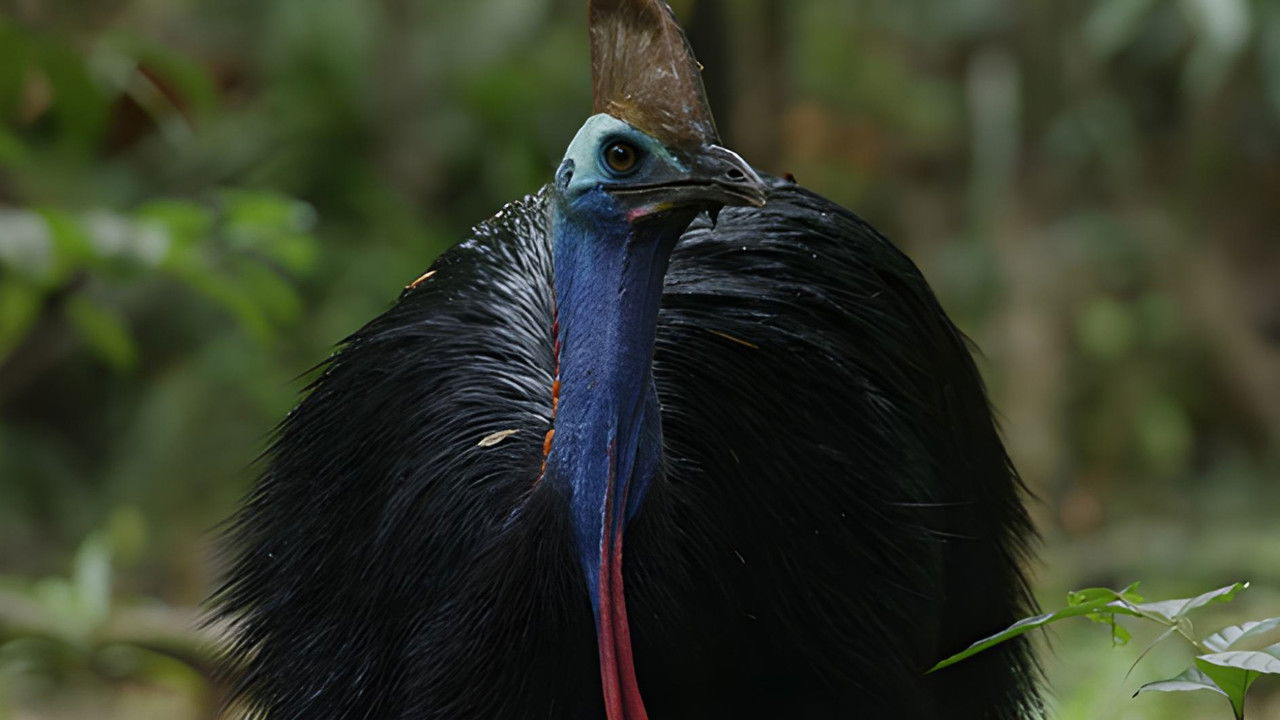
One southern cassowary matriarch, Bertha, faces numerous threats as she protects her chicks in the tropical rainforests of northern Queensland, Australia.
Today, many records from The Space Race and The Hubble remain unsurpassed in space exploration.
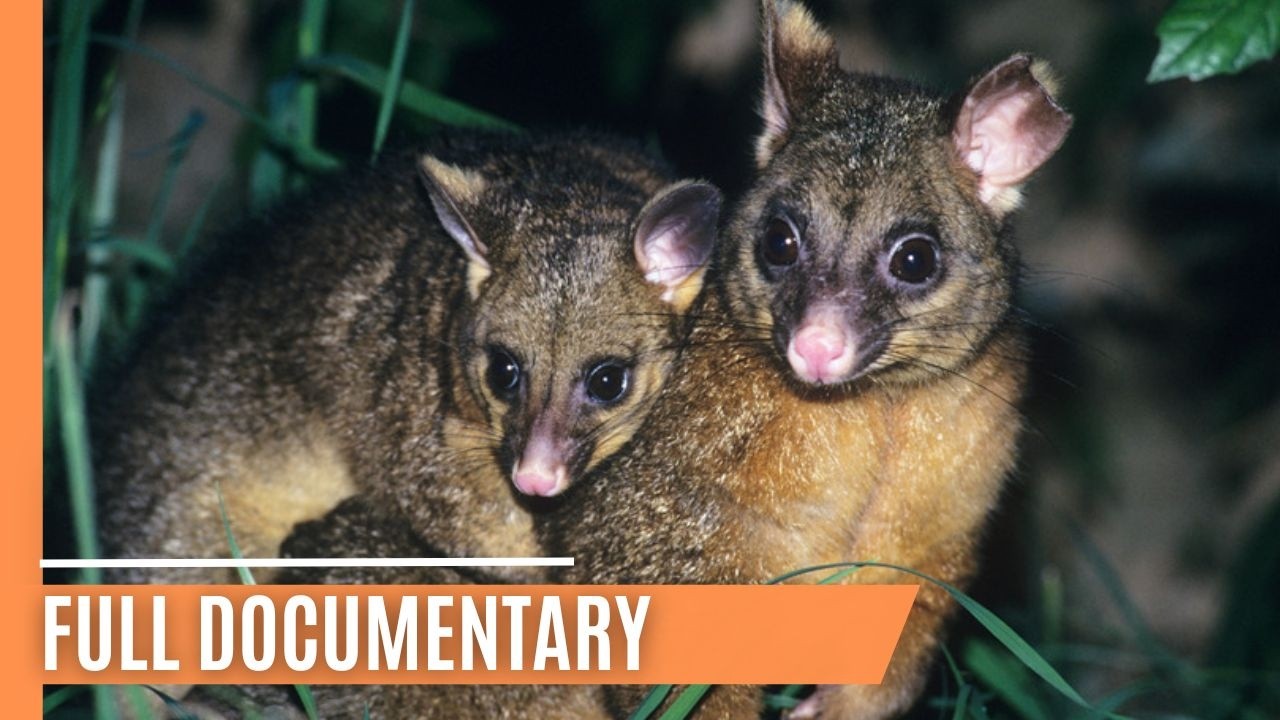
In the Australian wilderness, brushtail possums, sugar gliders, and mountain pygmy possums exhibit complex social behaviors and survival strategies against predators.
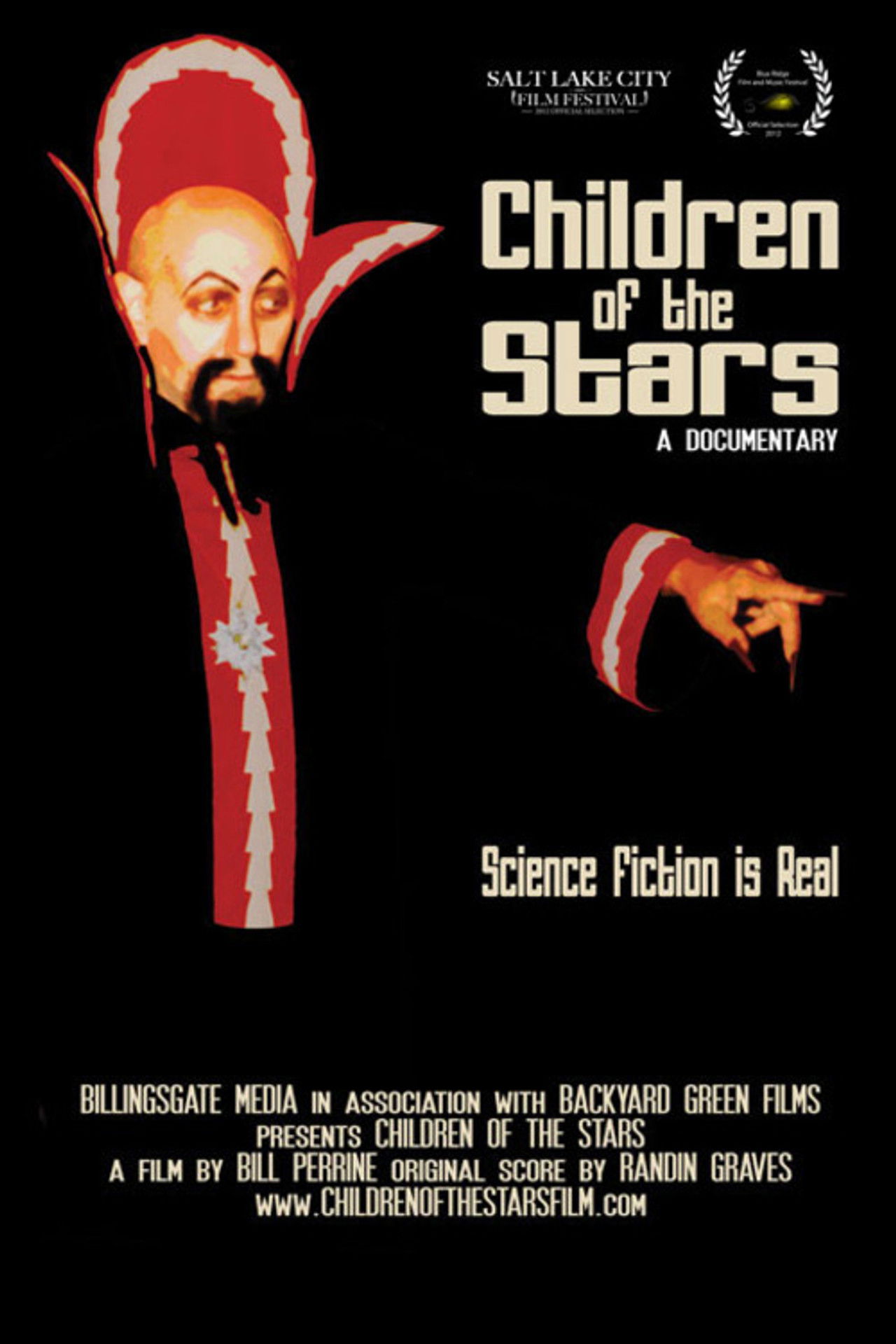
Ruth Norman, known as Archangel Uriel, established a 67-acre site in 1973 as a landing area for extraterrestrial beings called the Space Brothers.
A ranch in West Texas covers approximately 70,000 acres, where working cowboys still use only horses for their daily tasks.
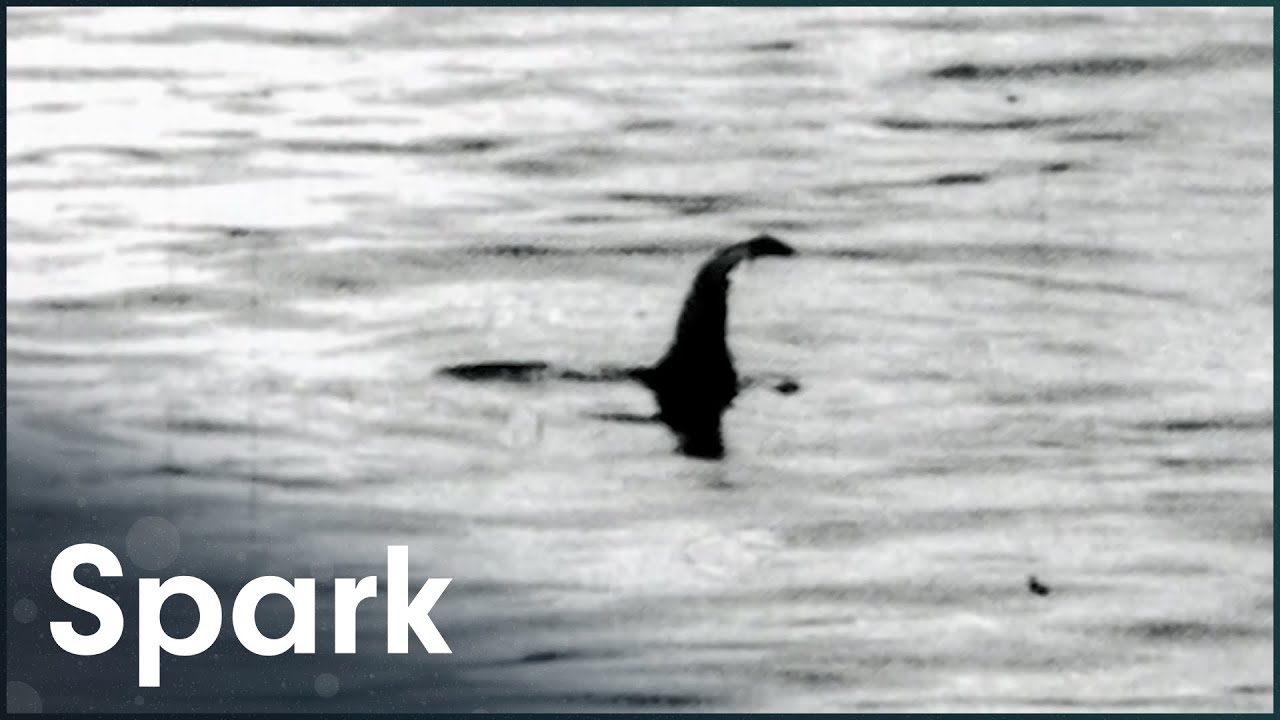
More than a thousand eyewitnesses have reported sightings of the Loch Ness monster, yet no bones or carcasses have ever been found.
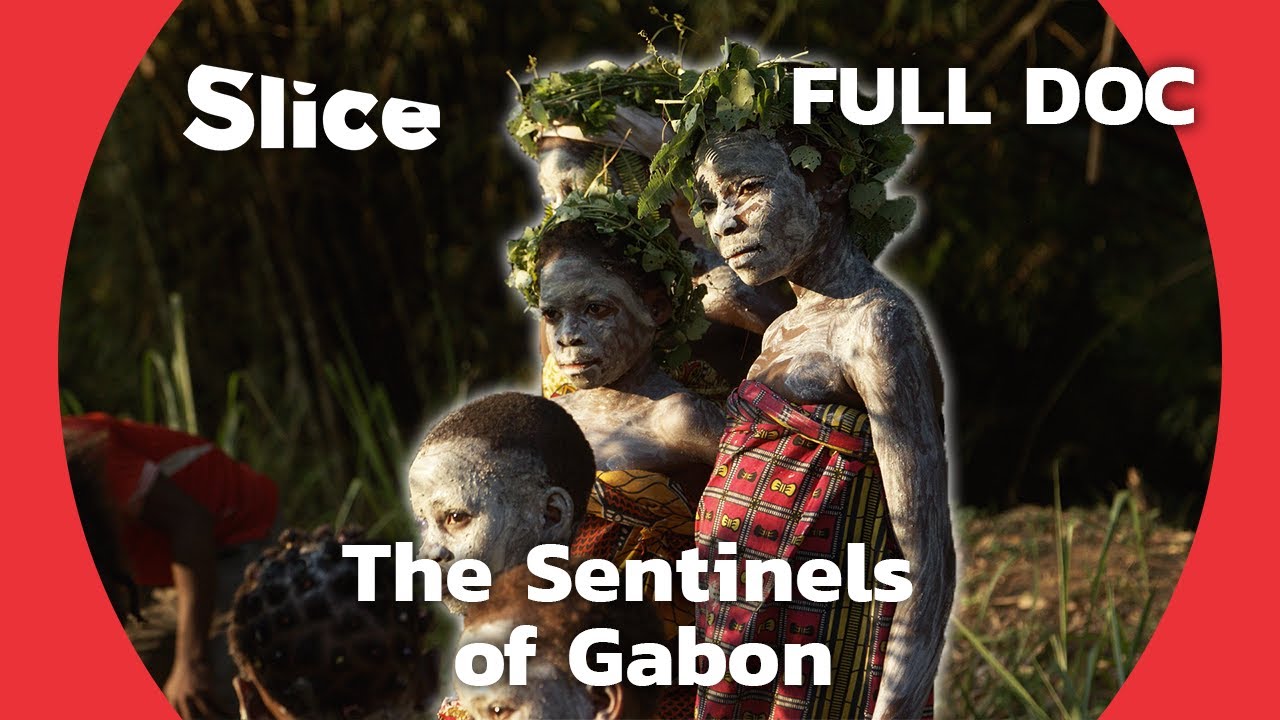
Gabonese sentinels protect their culture and rainforest from modern challenges.
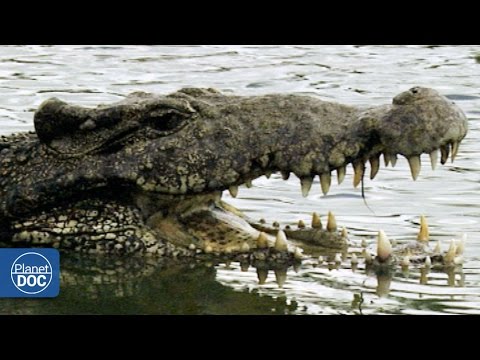
Nero and Brutus, two crocodiles, battle for supremacy in a deadly wetland every week.
The Hubble Space Telescope has revealed that the Milky Way contains 100 million times the number of stars visible to the naked eye.
People in Indonesia and India adapt their lifestyles for survival in a world of water.
In the forests and meadows of Allenstein, Austria, diverse wildlife such as deer, foxes, and various bird species thrive in a delicate ecosystem.
Sea levels are currently rising at a rate of 3.6 centimeters a decade, putting 3 million people at risk of annual coastal flooding.
Toba's eruption 74,000 years ago released nearly 3,000 cubic kilometers of ash and rock, causing a volcanic winter that may have nearly wiped out humanity.
A beam of light takes one year to travel 10 trillion kilometers, illustrating the vast distances in interstellar space.
In New Hampshire, Shauna Fraser practices yoga on a paddleboard while Mike LaVecchia crafts wooden surfboards in southern Maine, highlighting local culture and resources.
The Kinabatangan River stretches 560 kilometers from its source in the highlands of Sabah to the Sulu Sea, supporting a diverse range of wildlife.
Potential microbial life may evolve in the oceans of distant planets, including those in our solar system, challenging our understanding of alien biochemistry.
The Apache Longbow can detect and attack multiple targets using its 30 mm cannon and precision-guided Hellfire missiles.
LIGO's measurement of gravitational waves from a black hole merger and the Event Horizon Telescope's image of a black hole represent major advancements in astrophysics.
Morag, the elusive loch monster, is believed to inhabit Loch Morar in Scotland.
A 21-day launch window allowed NASA to send the Lucy spacecraft to study Trojan asteroids, which have remained untouched since the Solar System's formation.
Nearly 2,000 years ago, a population of salmon was forced to abandon their natal river due to volcanic eruptions that poisoned their habitat.
A super volcano's magmatic chamber could fill the Grand Canyon in Colorado more than 11 times, posing a significant threat to global ecosystems.
More than 20 homes were burned to ashes as bushfires engulfed suburbs in Queensland, Australia, amid catastrophic drought-like conditions.
Professor Jim Al-Khalili traces the development and significance of quantum physics, highlighting its profound impact on modern scientific understanding.
Miss Marple, a rat, detects land-mines in Mozambique after training in Tanzania.
Hundreds of experiments are conducted each year aboard the International Space Station, contributing to advancements in aerospace and bioengineering.
Dolphins coordinate in groups of three or four to increase their chances of catching prey, demonstrating the role of mutual aid in animal survival.
A 20-square-kilometer Mayan city, Palenque, thrived during the 7th and 8th centuries, featuring a temple built as a tomb for King Pakal.
North America changes shape as glaciers form the Great Lakes during the Ice Age.
Over 200 species of animals live in Berlin, including beavers that eat up to a kilo of greens every day while adapting to urban life.
The Morandi Bridge Collapse in Genoa, the Grenfell Tower Fire in London, and the Eschede Train Disaster in Germany highlight critical engineering failures and their tragic consequences.
Nutritional studies often promote ineffective weight loss methods, as highlighted by the viral fake chocolate diet, leading to widespread dieting failures.
Twelve astronauts walked on the moon between 1969 and 1972, facing significant technical challenges and personal sacrifices during the Apollo missions.
True rainforests along the Equator, from Africa's gorillas to Borneo's orangutans and Ecuador's jaguars, highlight critical conservation efforts amid biodiversity loss.
On Christmas Eve 1968, astronauts Frank Borman, Jim Lovell, and Bill Anders orbited the Moon, becoming the first humans to achieve this milestone.
The manufacturing process of the Volvo A60, the world's largest articulated hauler, is examined from raw steel to the completed vehicle, showcasing its engineering.
National Geographic celebrates its 135th anniversary with a behind-the-scenes look at the technology and people that drive its ocean research and artistic projects.