From over 100,000 films, discover the handful you'll love.
Free or premium access to the world's largest documentary library.
Topics explored in films with this theme:
14116 films(Page 88 of 295)
NASA public service announcements featuring James Cameron are blended with imagery from Avatar to emphasize the urgent need for environmental action and awareness.
The video discusses the search for Planet X and its significance in our solar system.
A bean plant grows a couple centimeters and repeatedly throws itself toward a pole, demonstrating its ability to sense and respond to its environment.
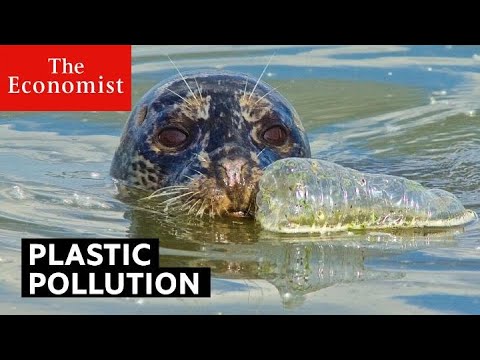
Nine in ten Europeans worry about plastic's environmental impact and waste management practices.
Three-month-old leopard cubs engage in playful interactions that help them develop essential skills while bonding with their mother and siblings.
Several polar bears feast on a dead whale, showcasing their eating etiquette and competition.
The polecat is a courageous mustelid thriving in riparian forests, hunting diverse prey.
This ESOCast briefly describes the planetary discoveries around Gliese 581 and Exobiology.
A magnitude 9 earthquake in March 2011 caused the seafloor to move 50 to 60 meters, resulting in a devastating tsunami that killed 18,000 people.
In a comprehensive exploration of Earth's geological history, this documentary examines prehistoric ecosystems and the evolution of life across various epochs.
Copas Farms in England produces 60,000 turkeys for Christmas Turkey season each year.
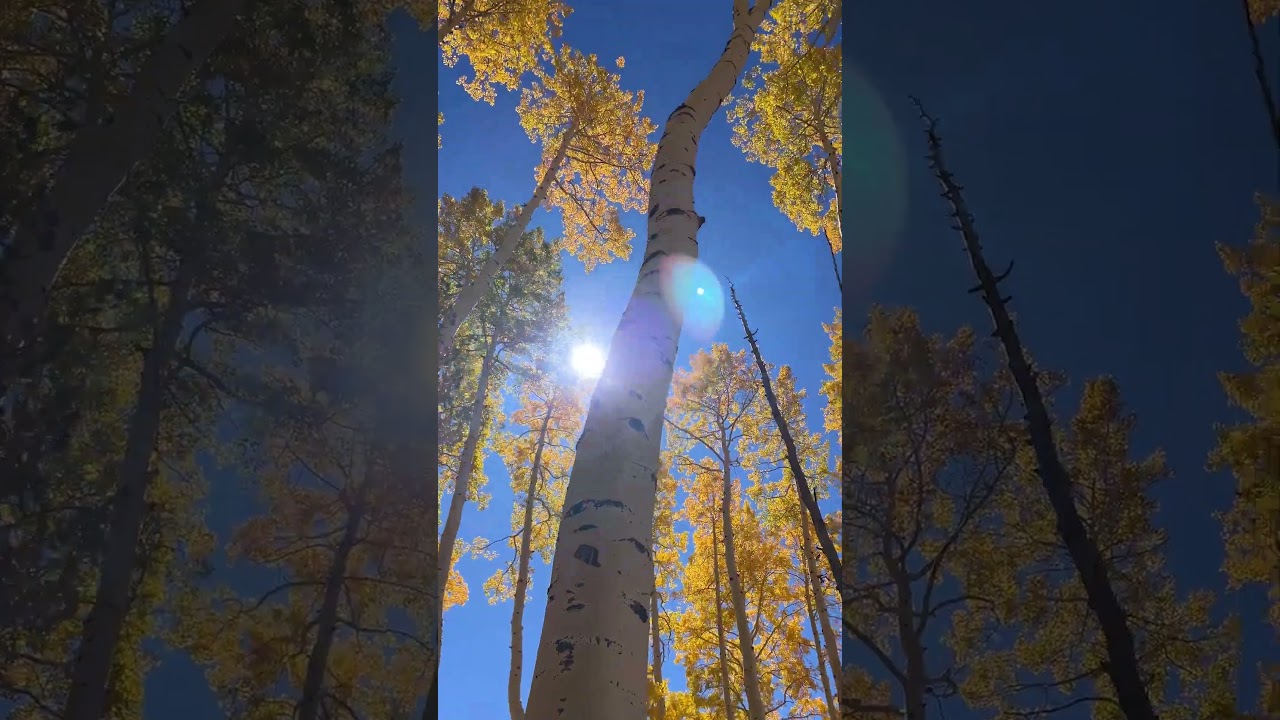
Nat Geo Photographer Jonathan Irish captures the vibrant colors of autumn during leaf peeping, highlighting the beauty of nature and the need for environmental preservation.
Maria Garcia protects medicinal plants and forests vital to Maya descendants in Belize.
Watch how advanced cloning helps protect endangered species and preserve biodiversity.
2.7 billion years ago, a mutation in bacteria allowed for oxygen production, leading to the evolution of complex organisms like Myllokunmingia.
In the Florida Keys, wealthy individuals indulge in luxury on private islands, sparking discussions about the implications of extreme wealth and environmental preservation.
The video showcases a 26,000 light year zoom into Sagittarius A*, revealing its mass and significance.
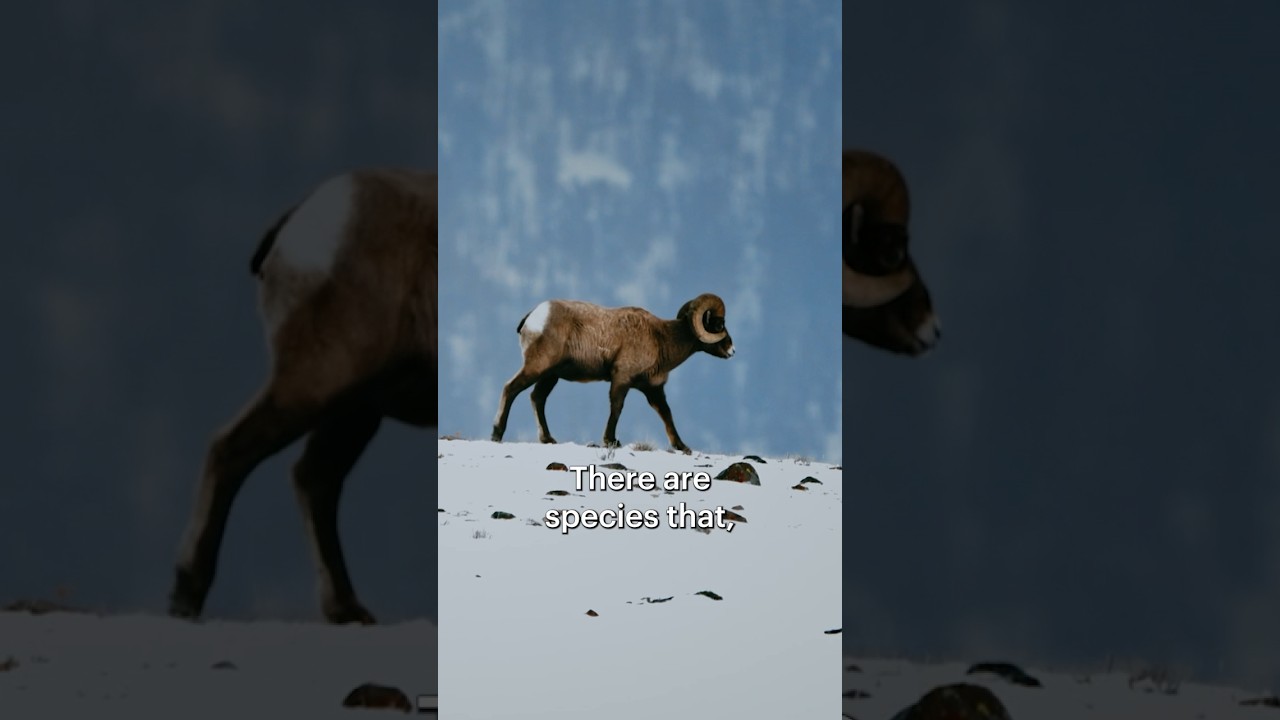
Bighorn Sheep are among the largest hoofed animals, but Bison are the largest overall.
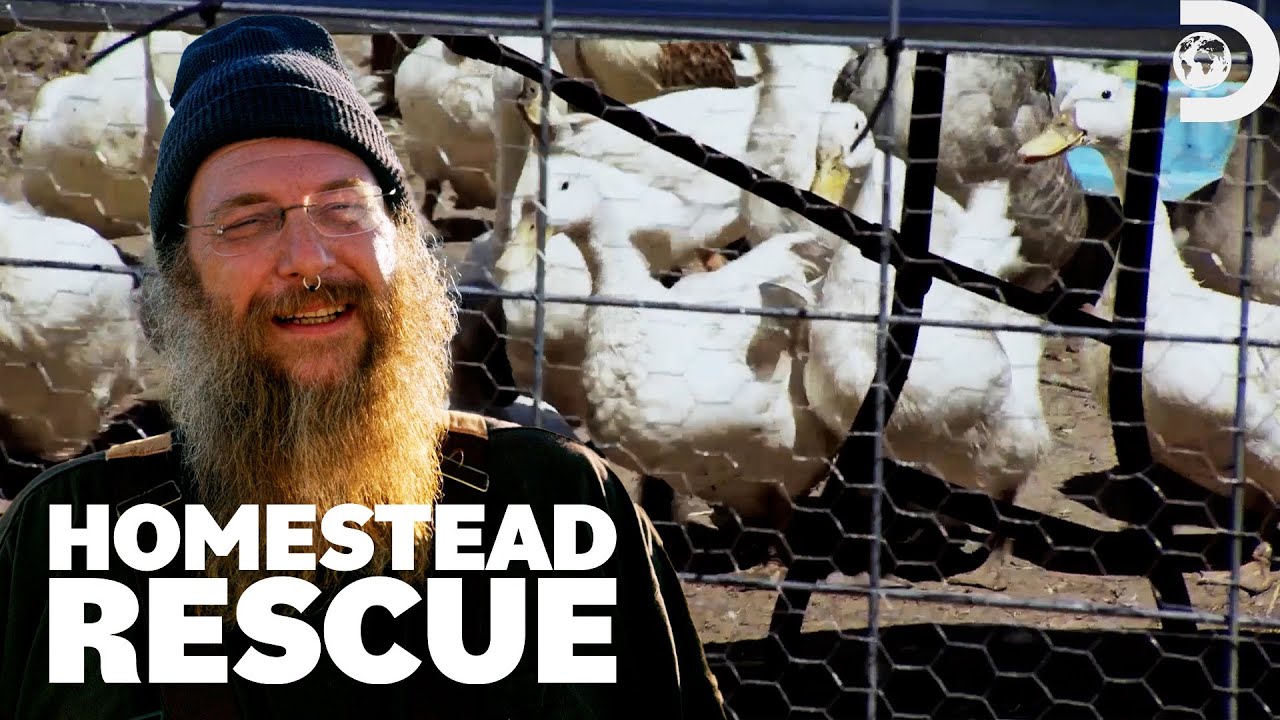
Marty returns to help the Black family protect their chickens and ducks from severe weather.
Quasars, powered by supermassive black holes, emit energy brighter than 100 galaxies and provide insights into the early universe's formation.
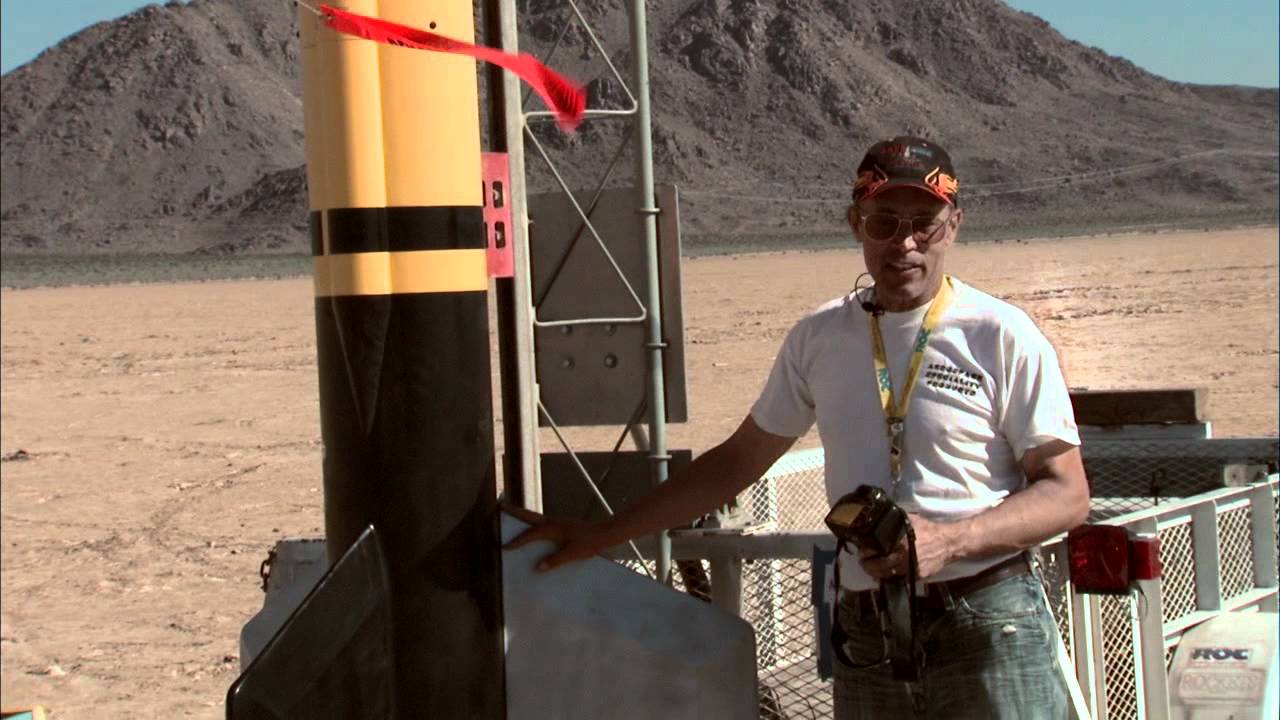
A NASA scientist recreates Frank Malina's historic WAC Corporal rocket launched in 1945.
Comets represent leftover materials from the solar system's formation, crucial for Jupiter and Saturn.
Captain Chris Hearn utilizes a cutting-edge ship simulator to recreate the Titanic disaster, analyzing the critical decisions made by the crew before the sinking.
Environmental campaigner George Monbiot investigates innovative agricultural methods in Helsinki that aim to produce food sustainably and address environmental challenges.
Powerful storms in the Atlantic Ocean generate massive surf, captured through advanced technology like the Inspire 1 V2 drone and Phantom Flex 4K camera.
Southern right whales migrate to the Atlantic coast of Patagonia, Argentina, where they give birth and nurture their calves in the vital breeding ground of Peninsula Valdes.
Rio, Brazil's second largest city, faces pollution and seeks harmony with its forest.
Living beings communicate through colors, as seen in Madagascar and Venezuela's jungles.
A Minuteman ballistic missile reaches speeds of 38,000 kilometers an hour before splashing down at Kwajalein, a site for U.S. military testing.
To reach escape velocity, a rocket must travel at 40,000 kilometers per hour, significantly faster than the 28,000 kilometers per hour needed for orbit.
Superconductors have the potential to transform technology and energy efficiency dramatically.
This video steps viewers through the landing sequence of NASA's Curiosity rover on Mars.
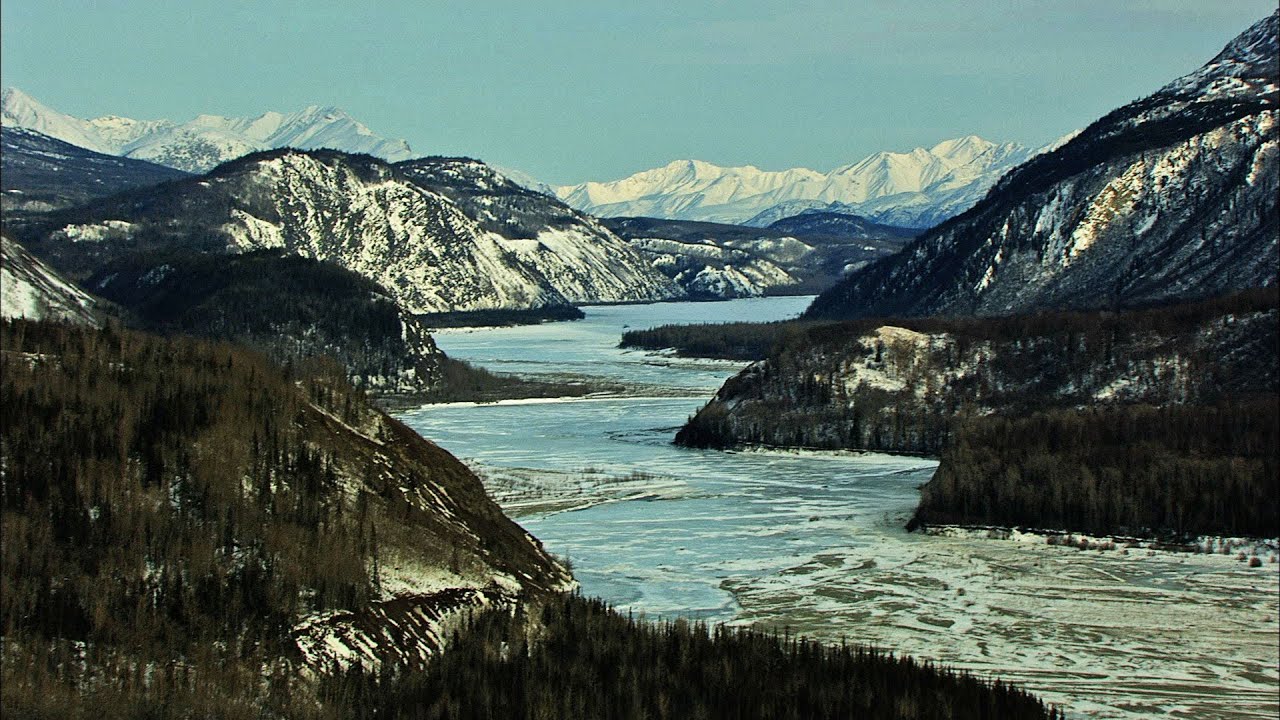
Many ridiculed Secretary of State William Seward for purchasing Alaska from Russia in 1867.
One rhino beetle larva contains 16 grams of protein, equivalent to four tablespoons of peanut butter, which Rylie consumes while surviving in the wild.
NASA's Jet Propulsion Lab team discusses lightning observations in Saturn's atmosphere.
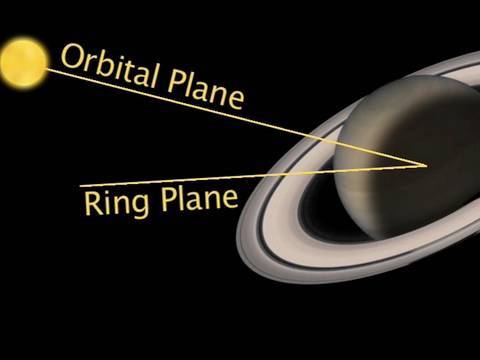
NASA's Cassini observes Saturn's rings and the influence of moon Prometheus on icy particles.
In Dubai, entrepreneurs restore coral reefs to combat climate change and protect our planet.
New research reveals how faith may influence Joan of Arc's miraculous recovery from injury.
Centipedes and scorpions engage in fierce competition for prey, showcasing their hunting strategies and physical attributes in a dramatic confrontation.
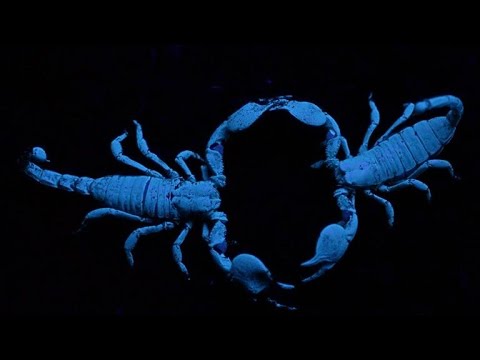
A female scorpion must test her suitor's strength through a courtship dance before choosing him.
The Cabrera National Park in Spain is a vital sanctuary for endangered Mediterranean species.
Young seagulls navigate the world's largest Atlantic waves, showcasing their resilience as they hunt for prey amidst the tumultuous ocean foam.
NASA defines potentially hazardous Near Earth Objects that threaten Earth.
In northern Kenya's Shaba reserve and parts of Senegal, the secretary bird exhibits unique hunting skills and nesting behaviors, laying up to three eggs per season.
Secretary birds lay no more than three eggs, and if all survive, they will form a large family in the Shaba Reserve of northern Kenya.
Scientists explore parts of the ocean floor for the first time using the RV Investigator.
Phil and Jess join Eduardo Castillo to explore Yucatan's cenotes and Maya secrets.
Eight episodes explore cosmic phenomena and significant mysteries of the Universe, offering insights into space and existence.